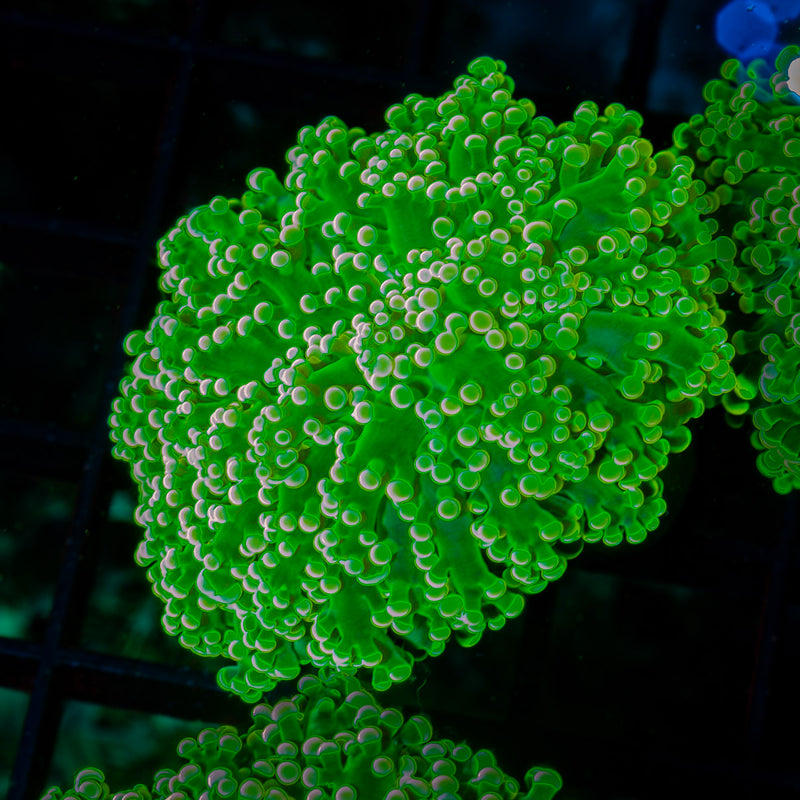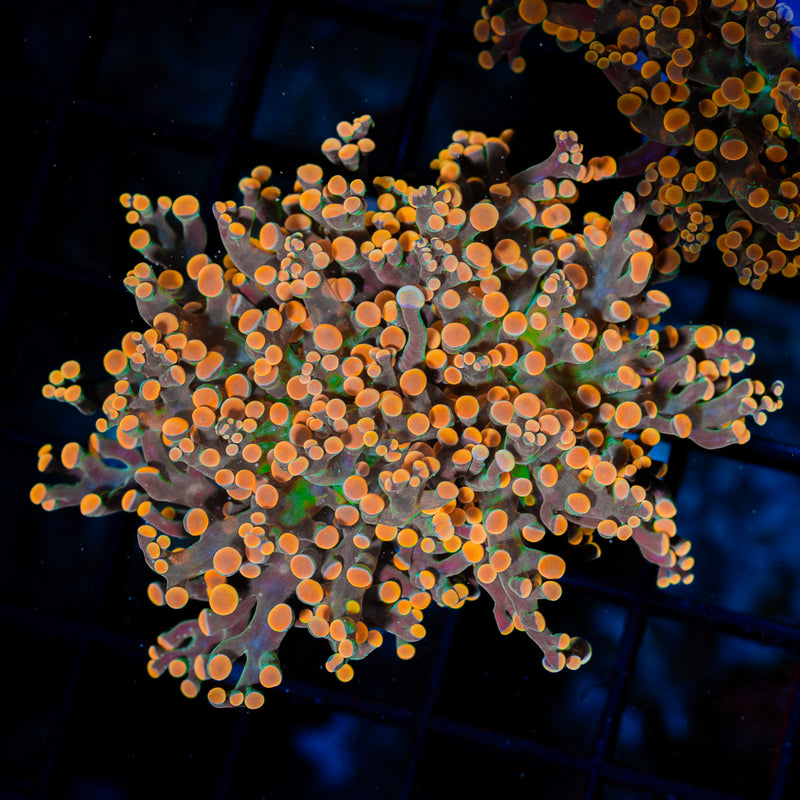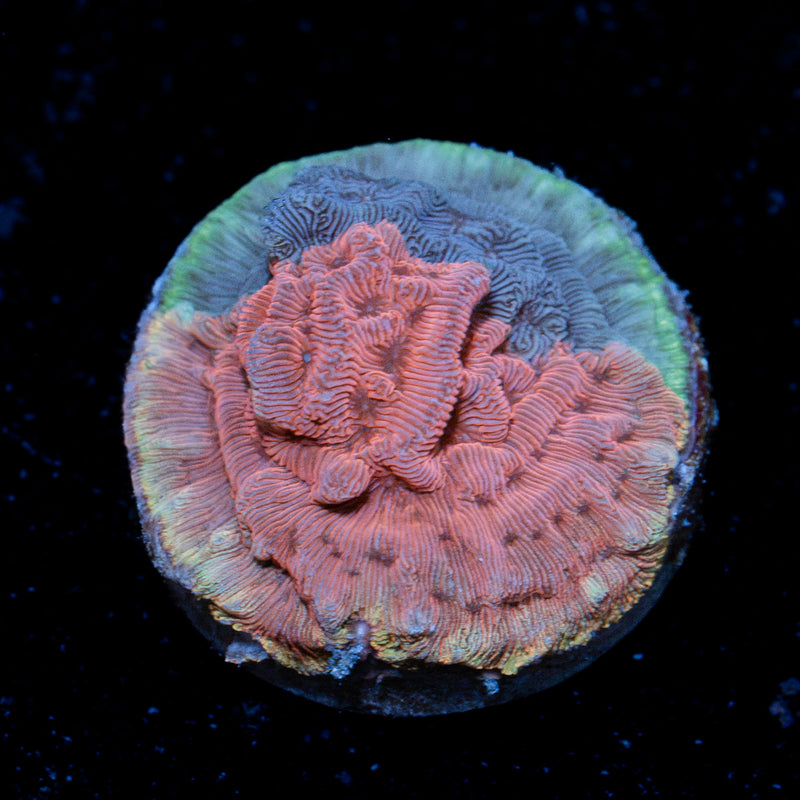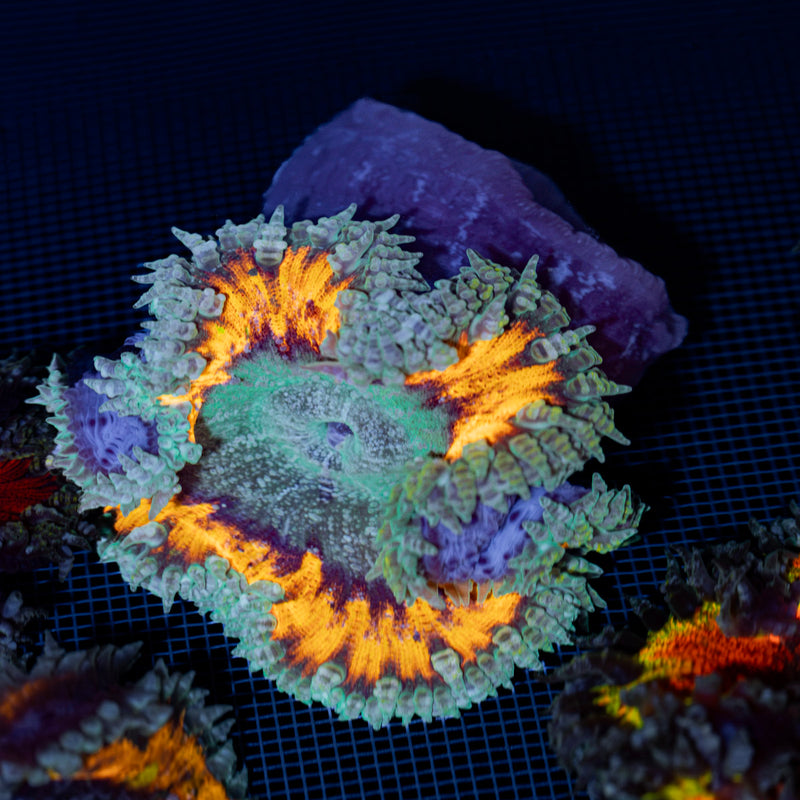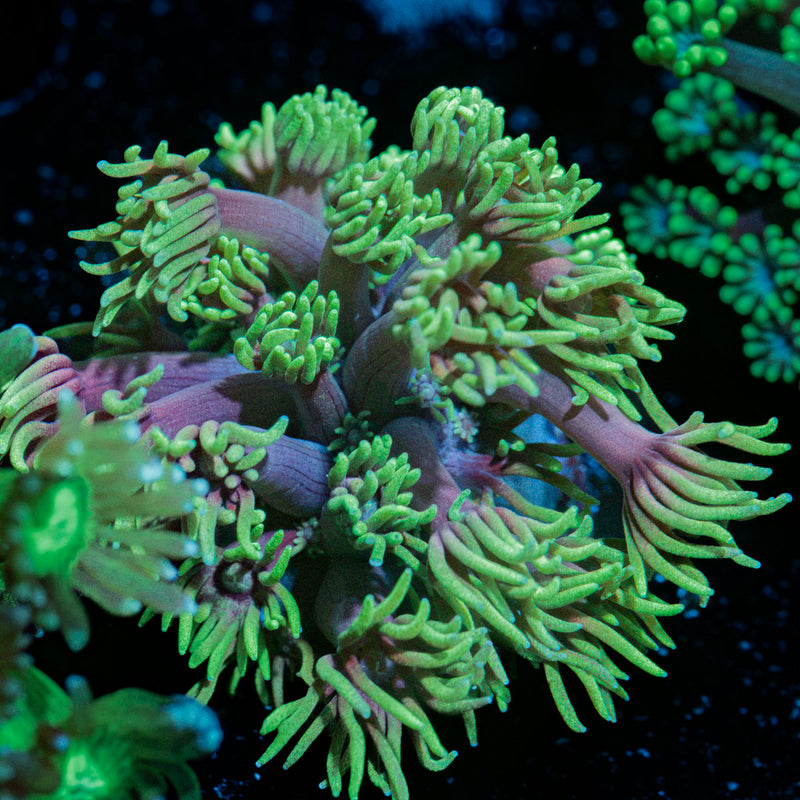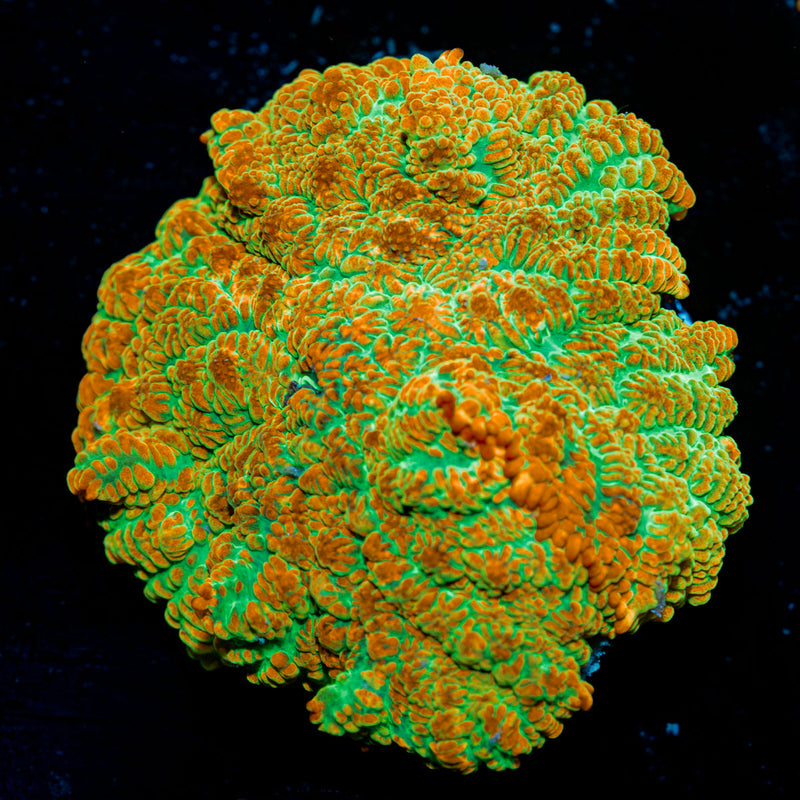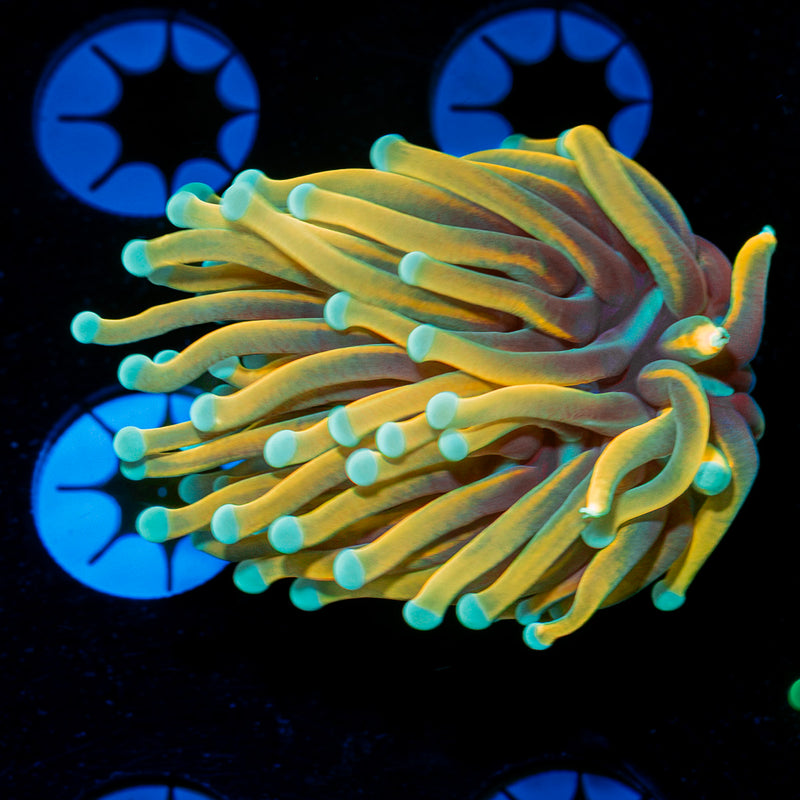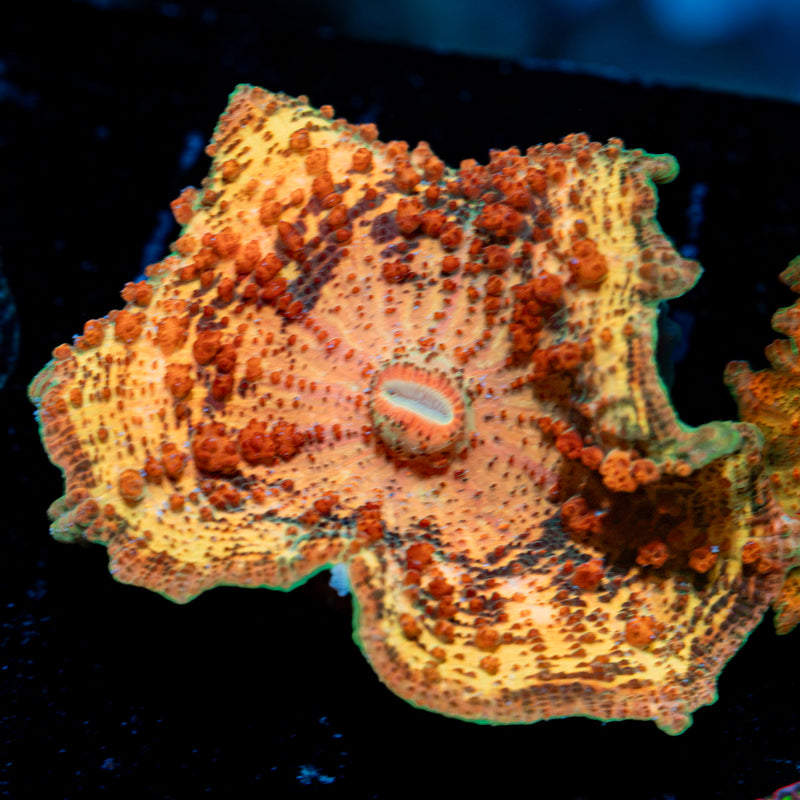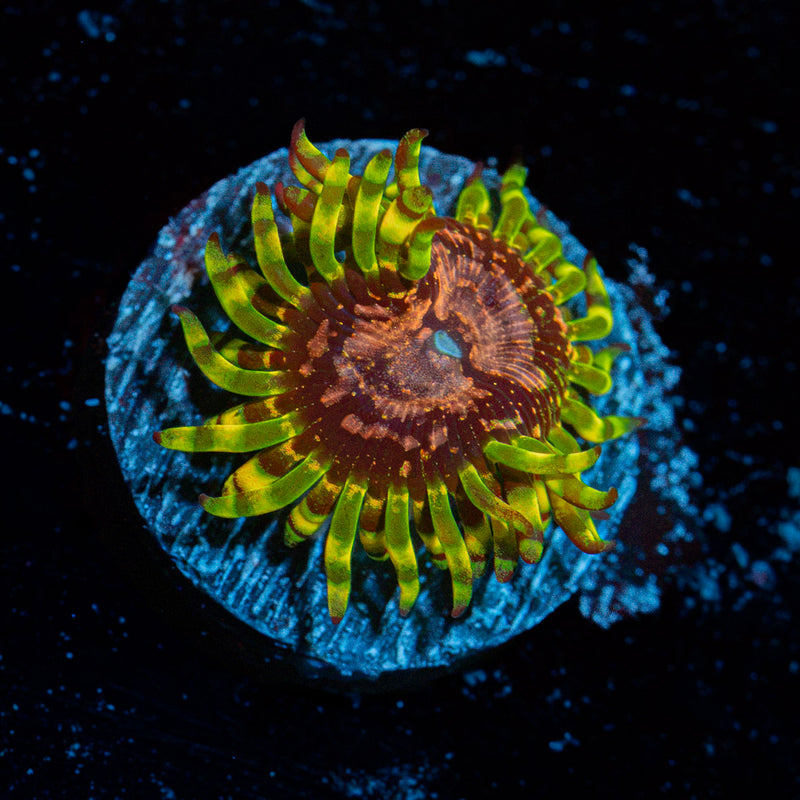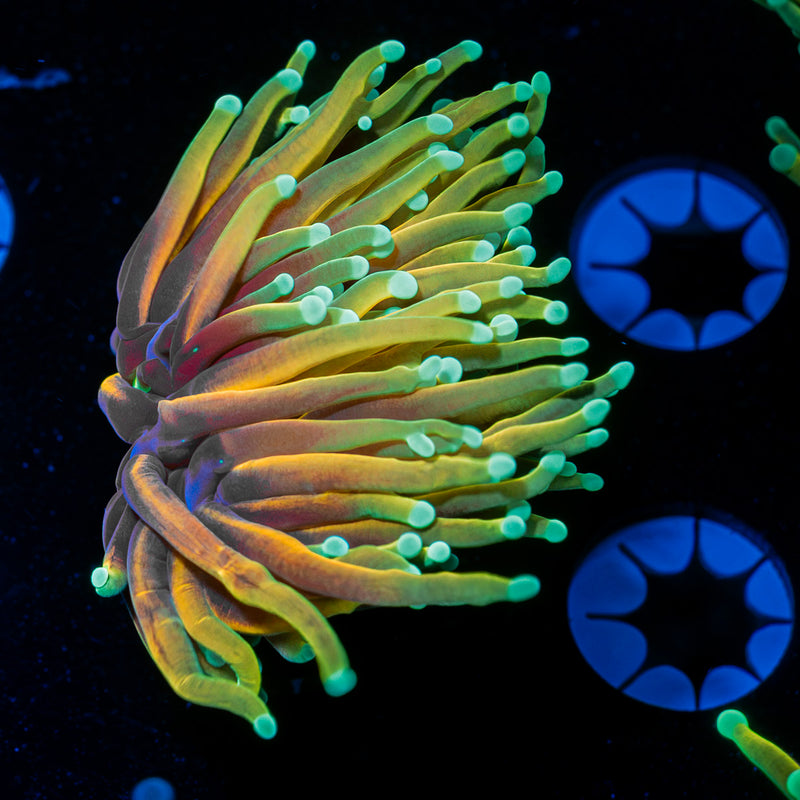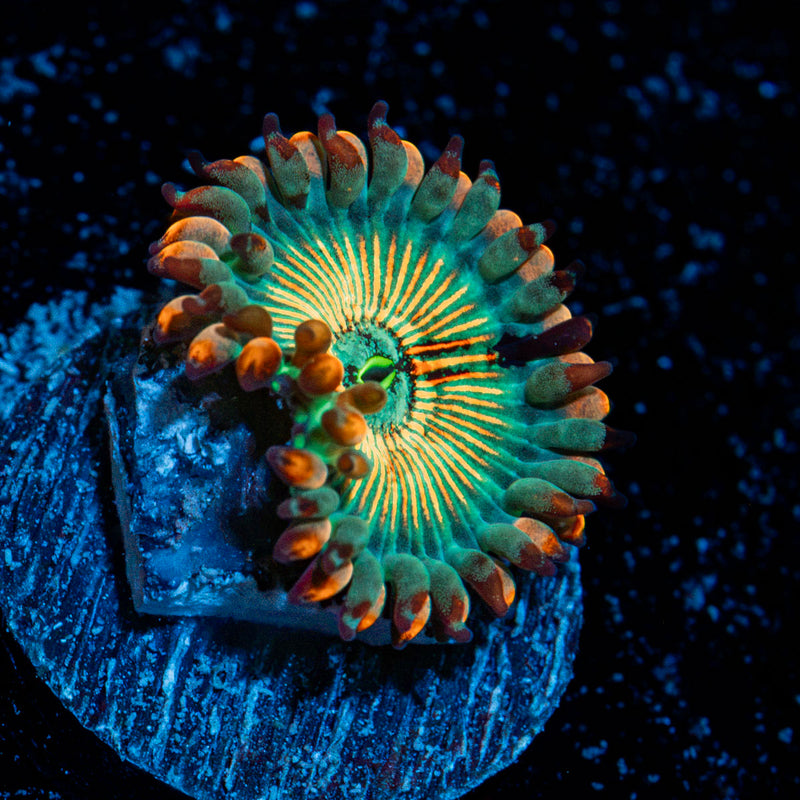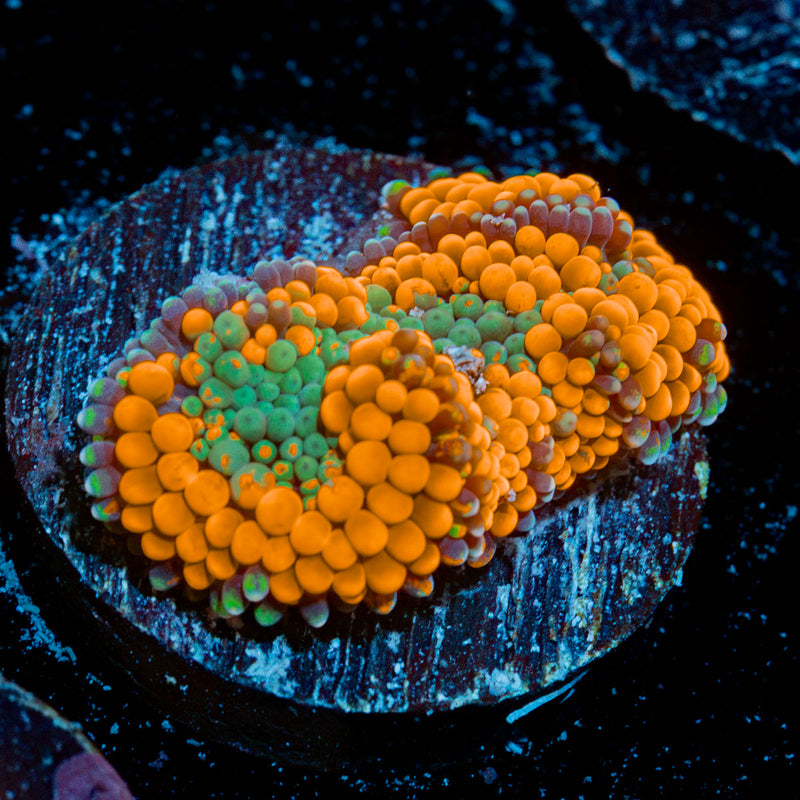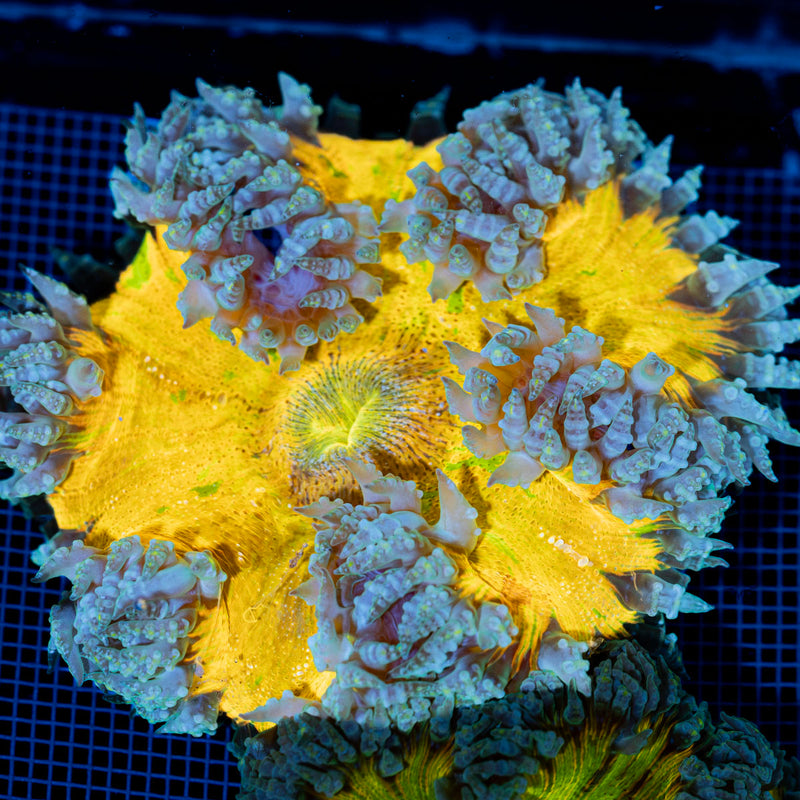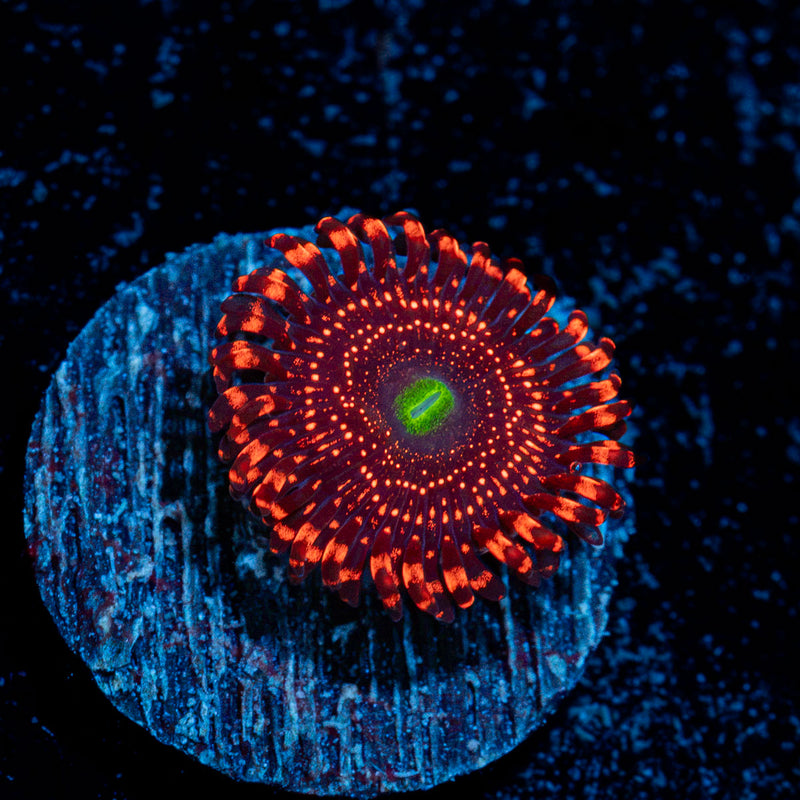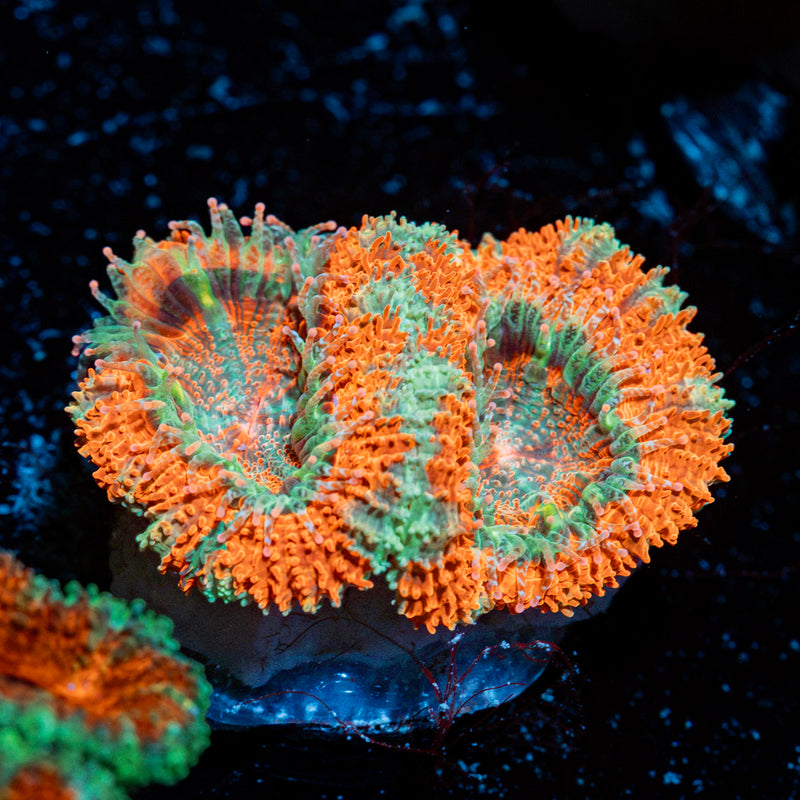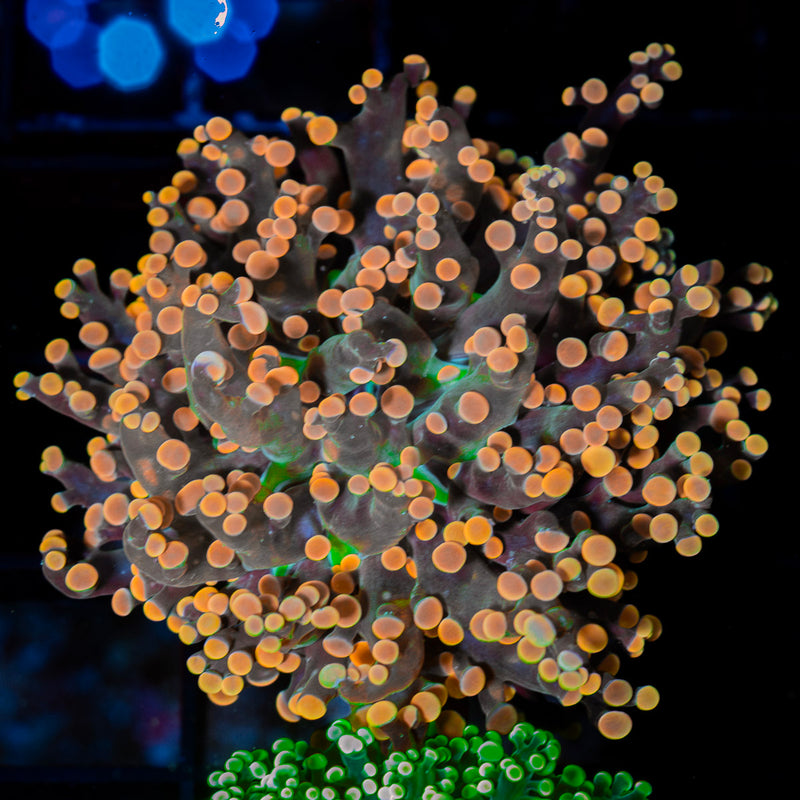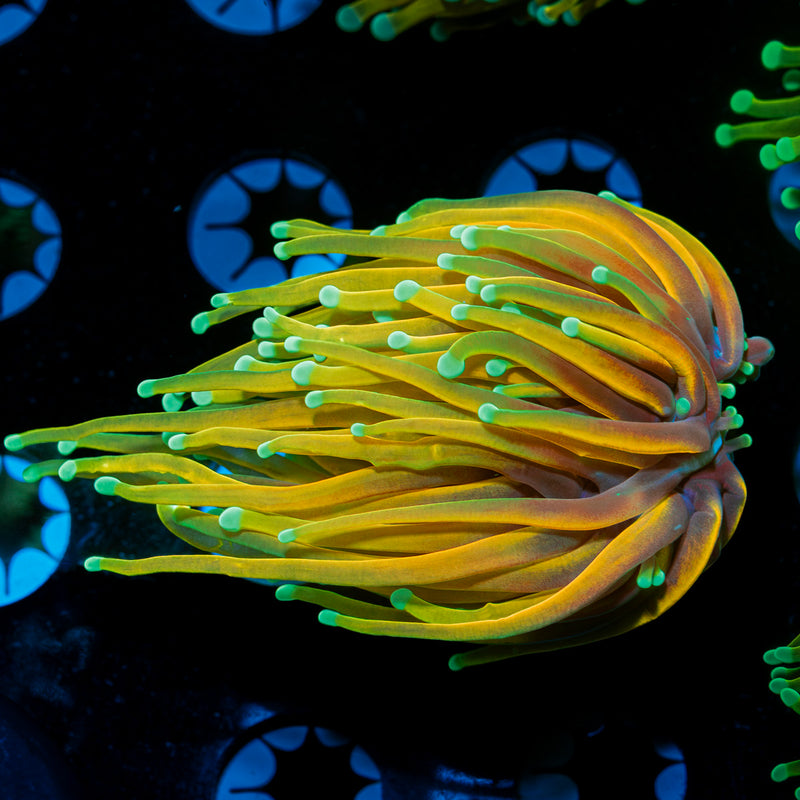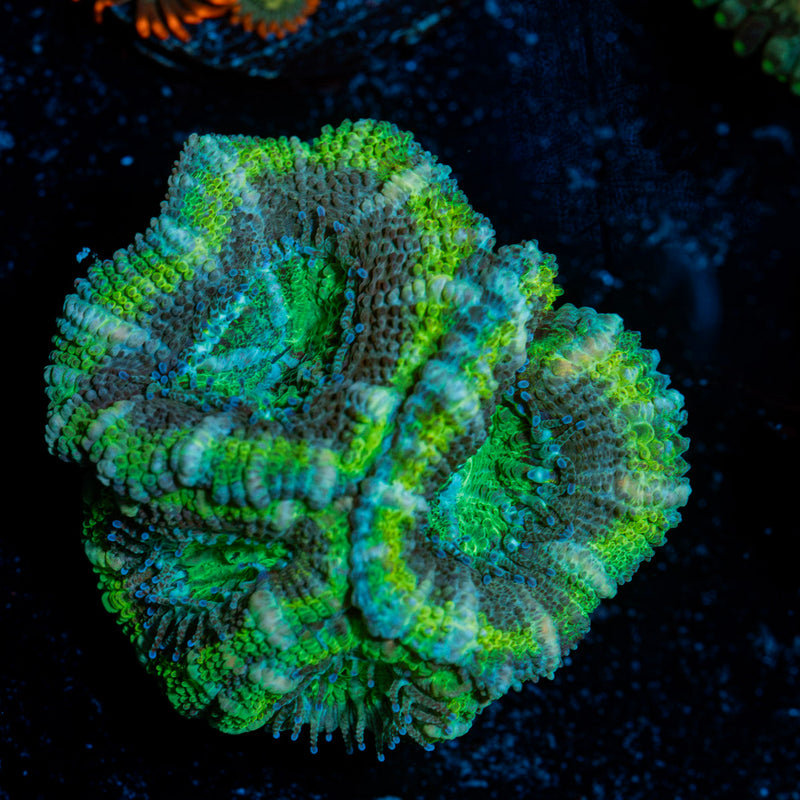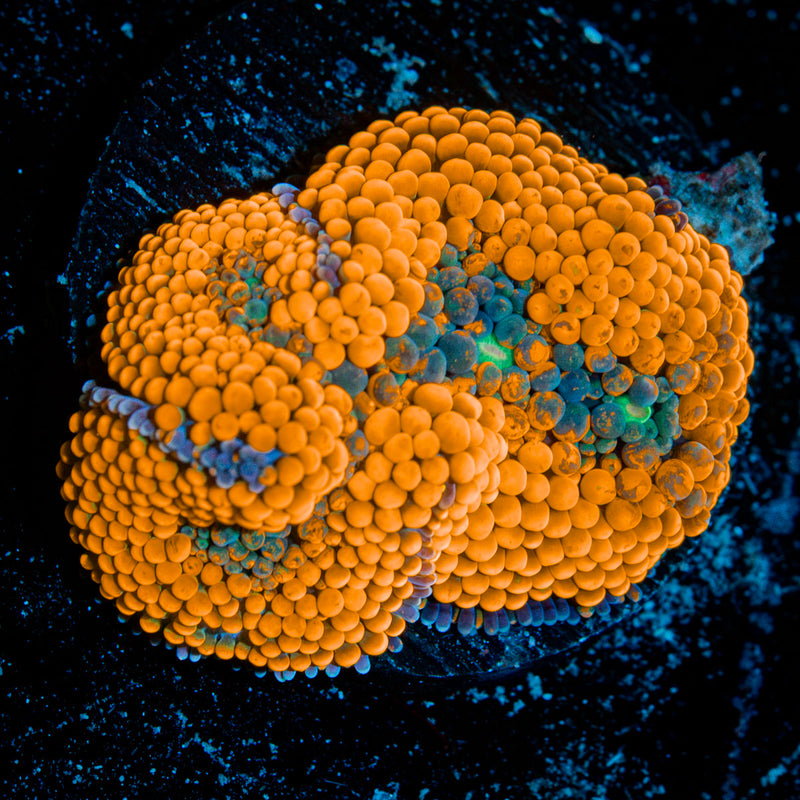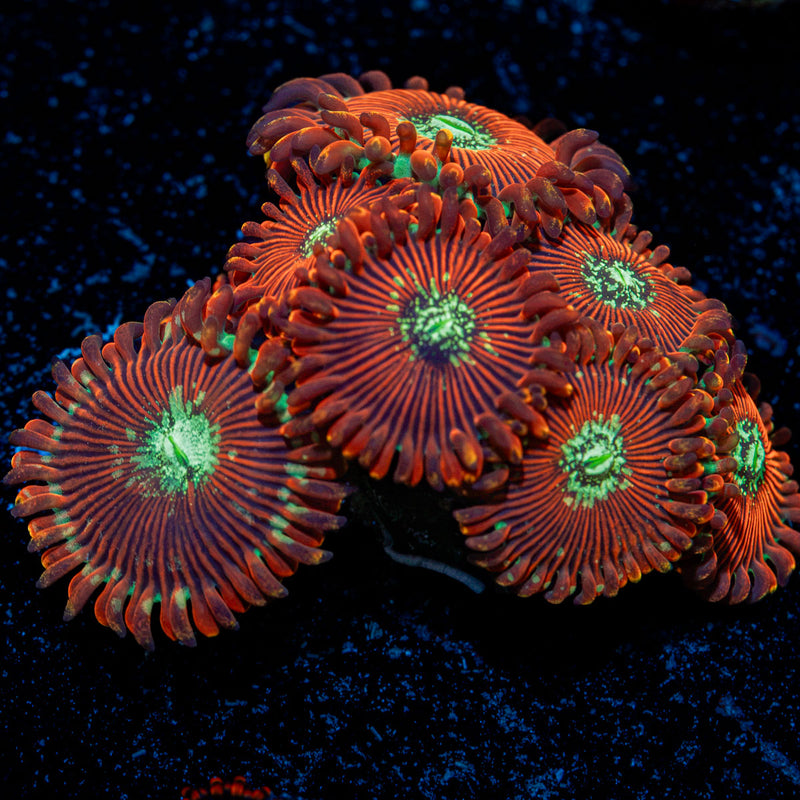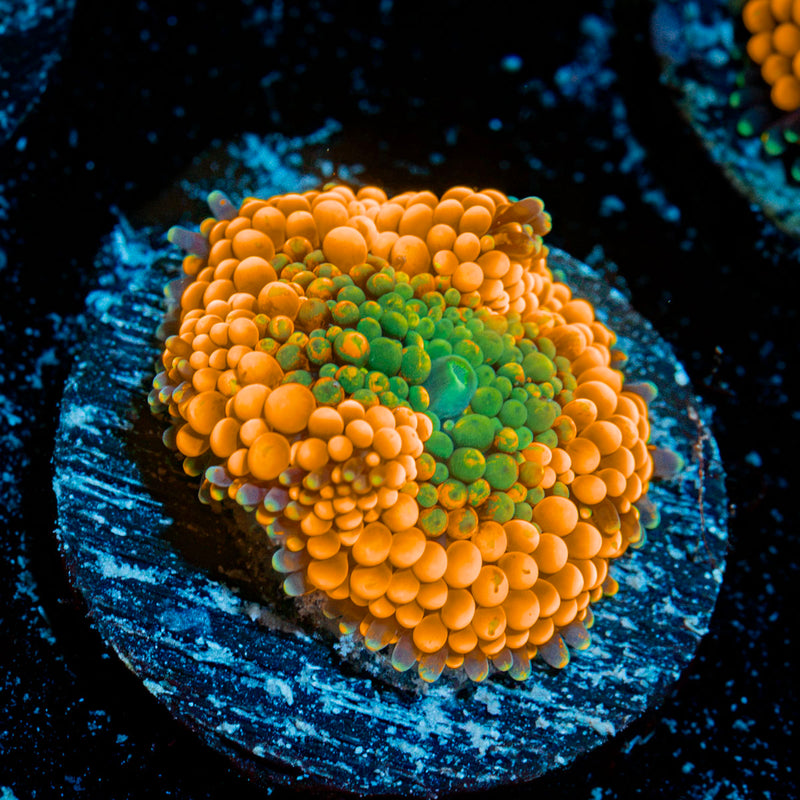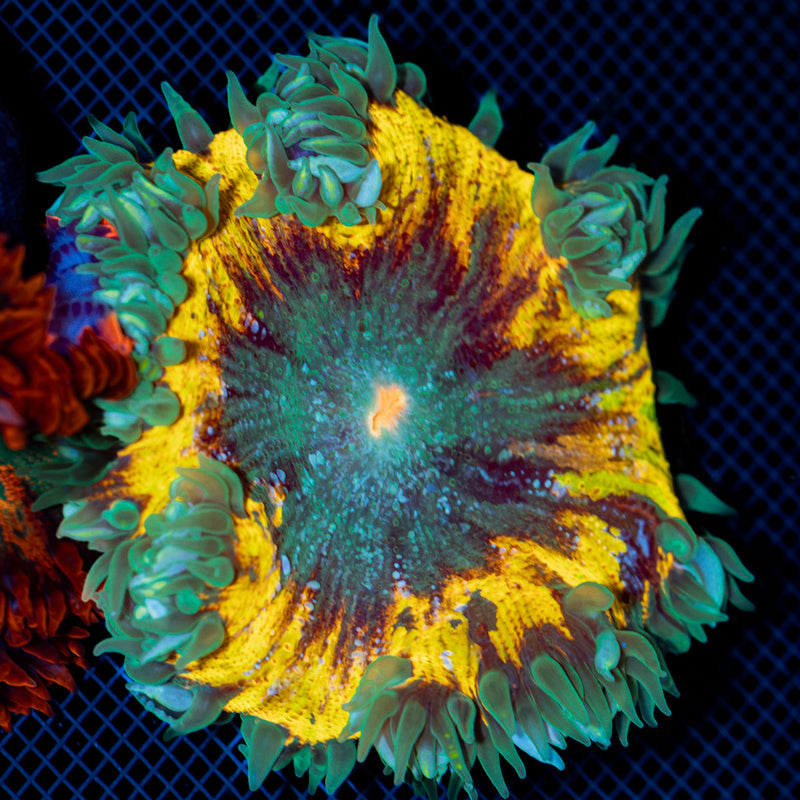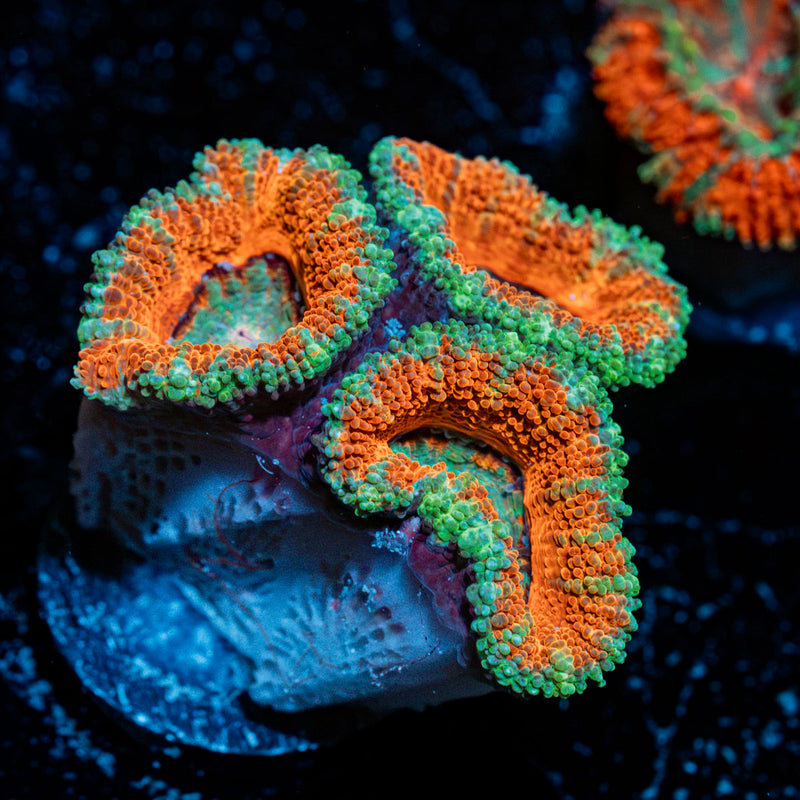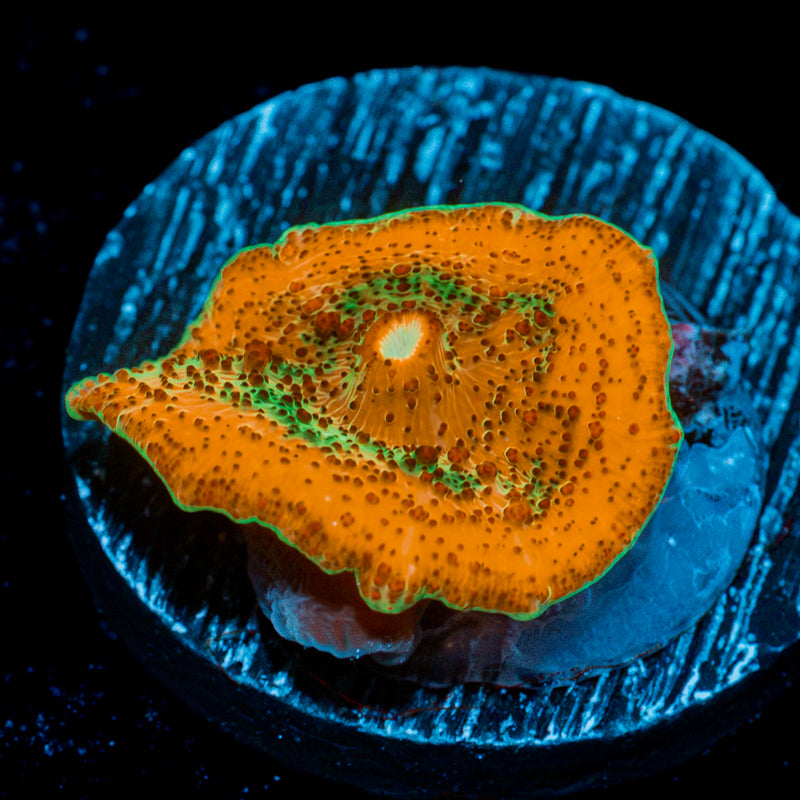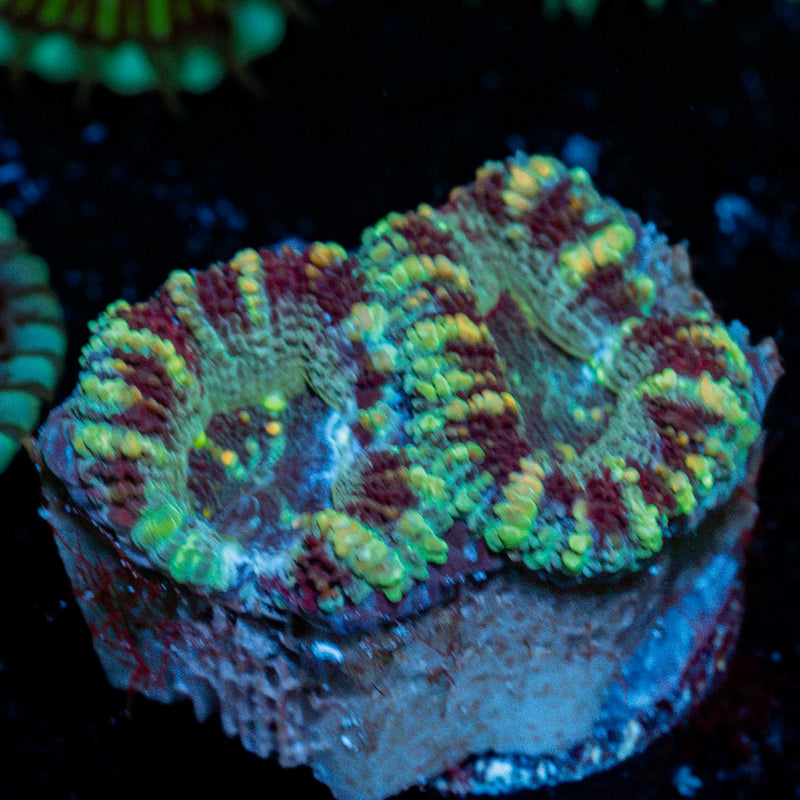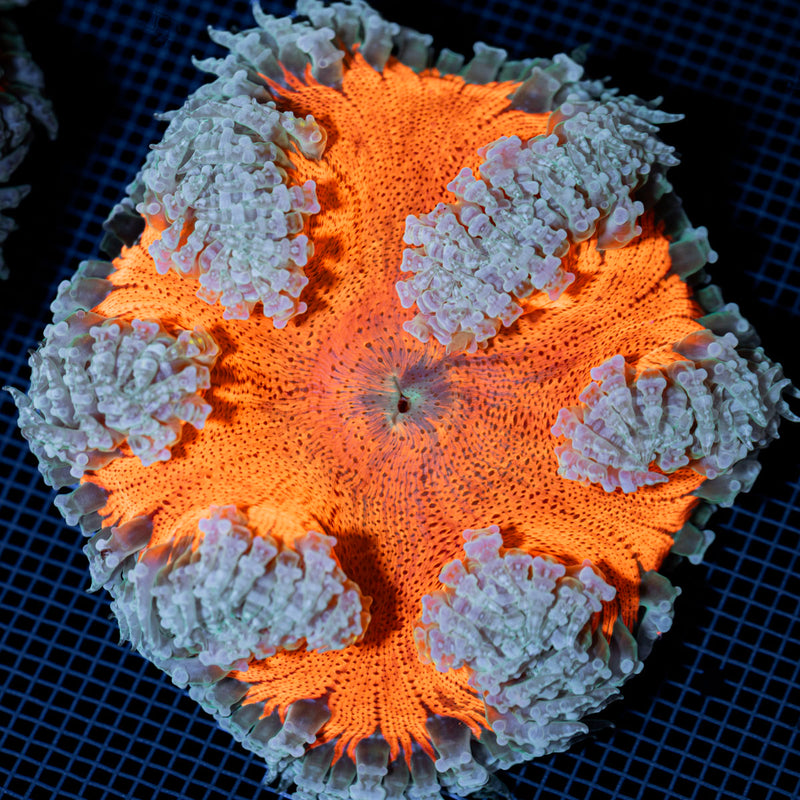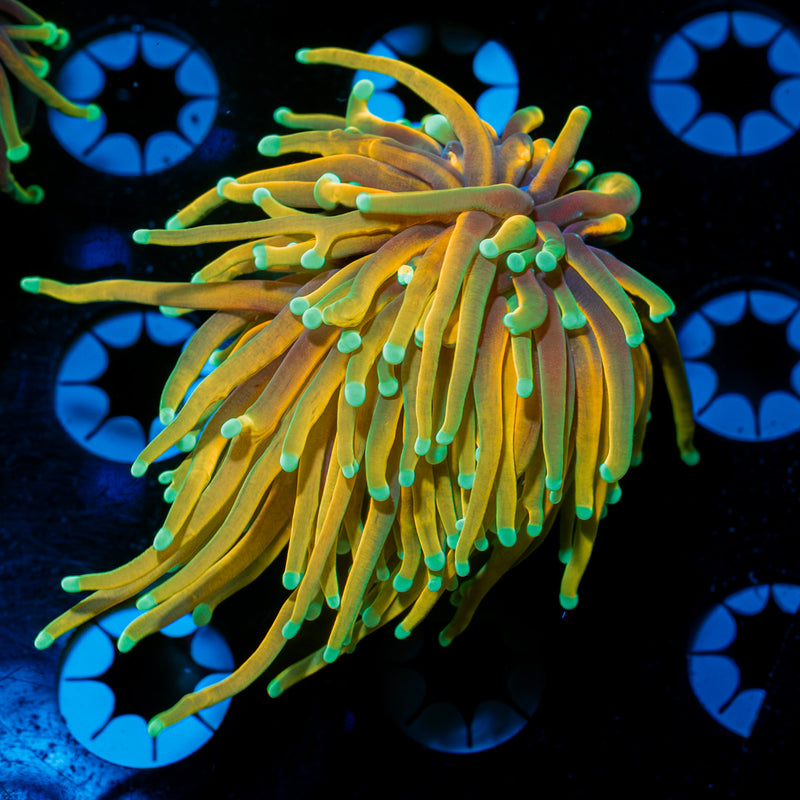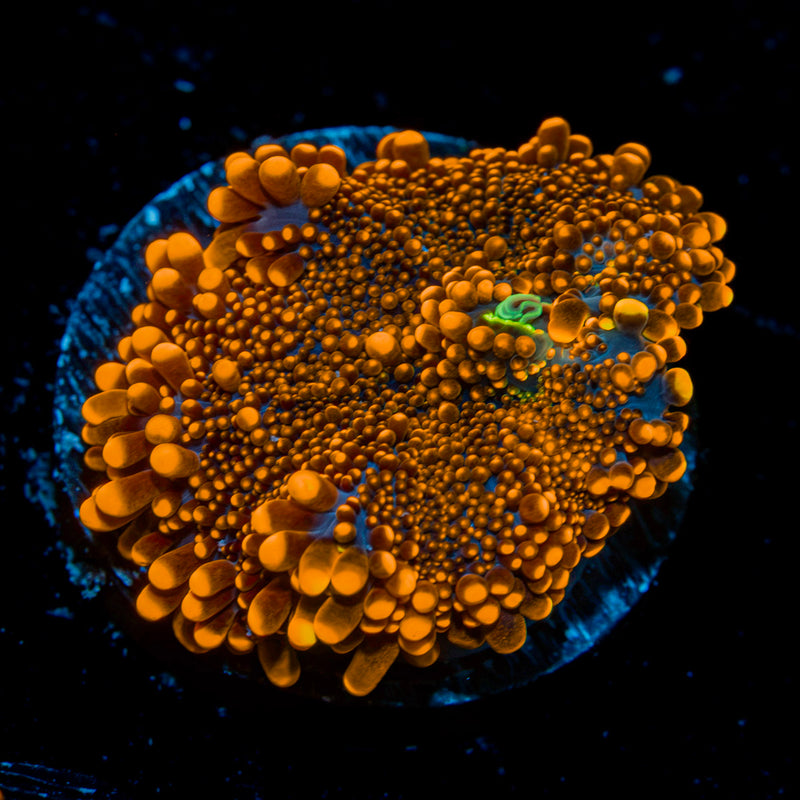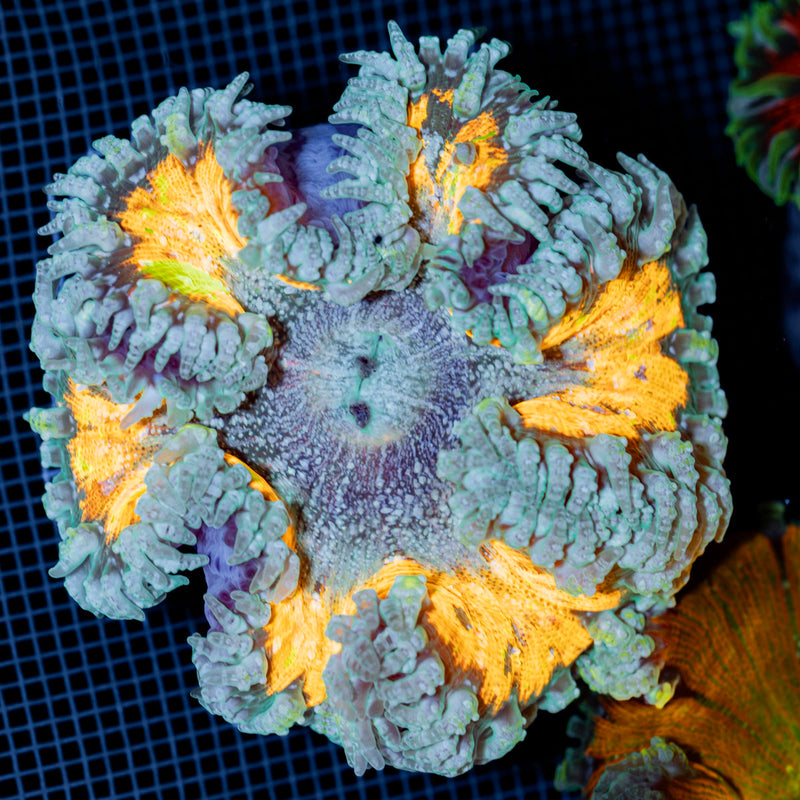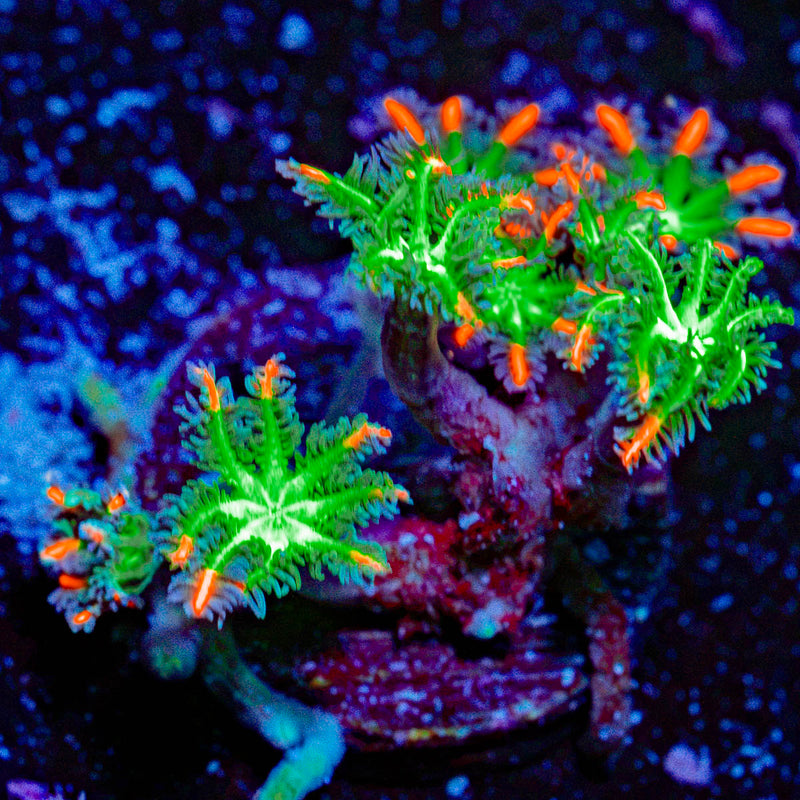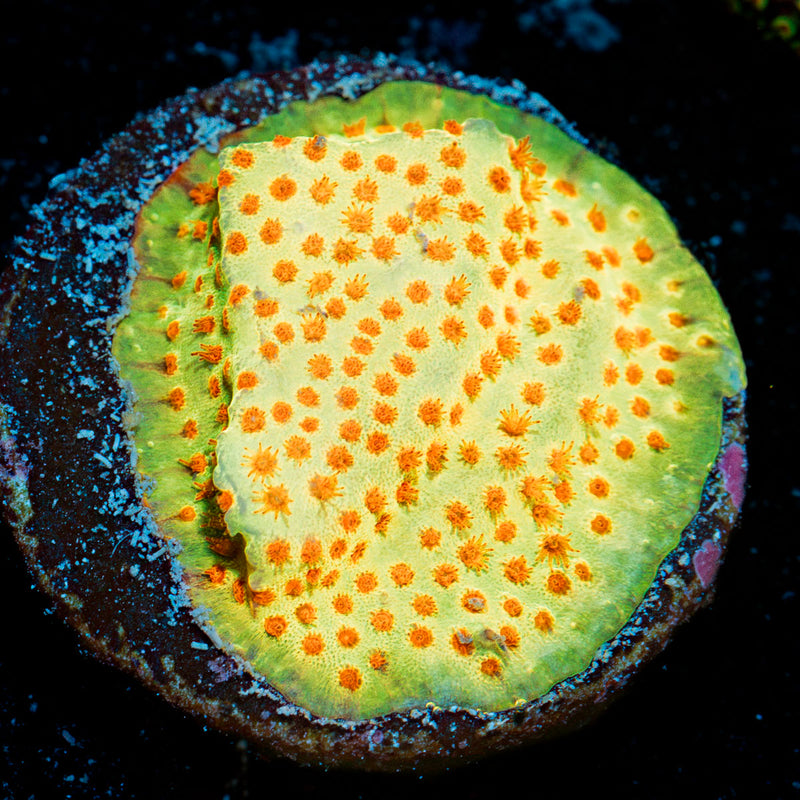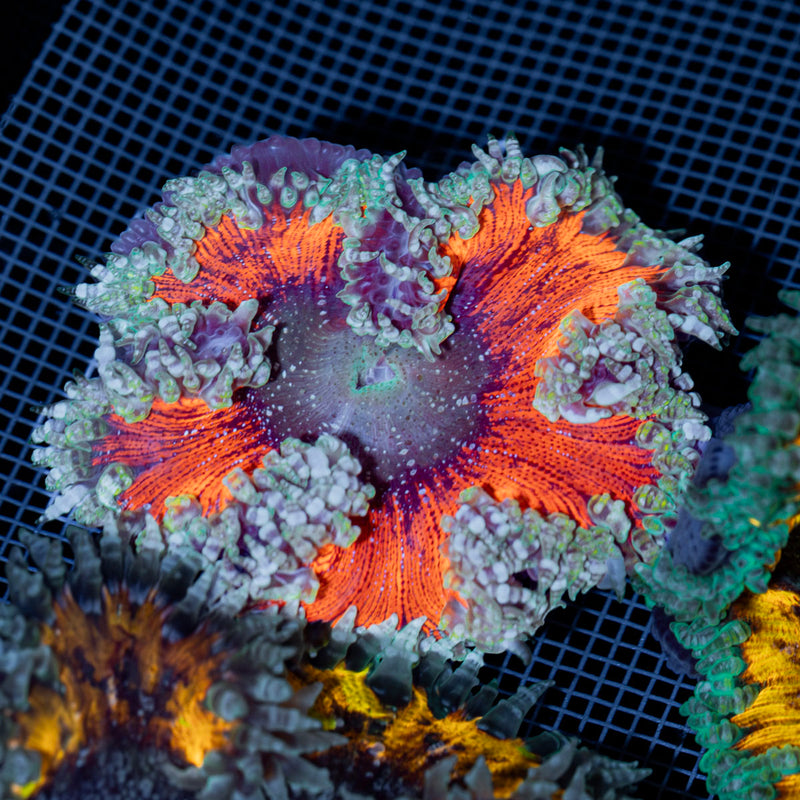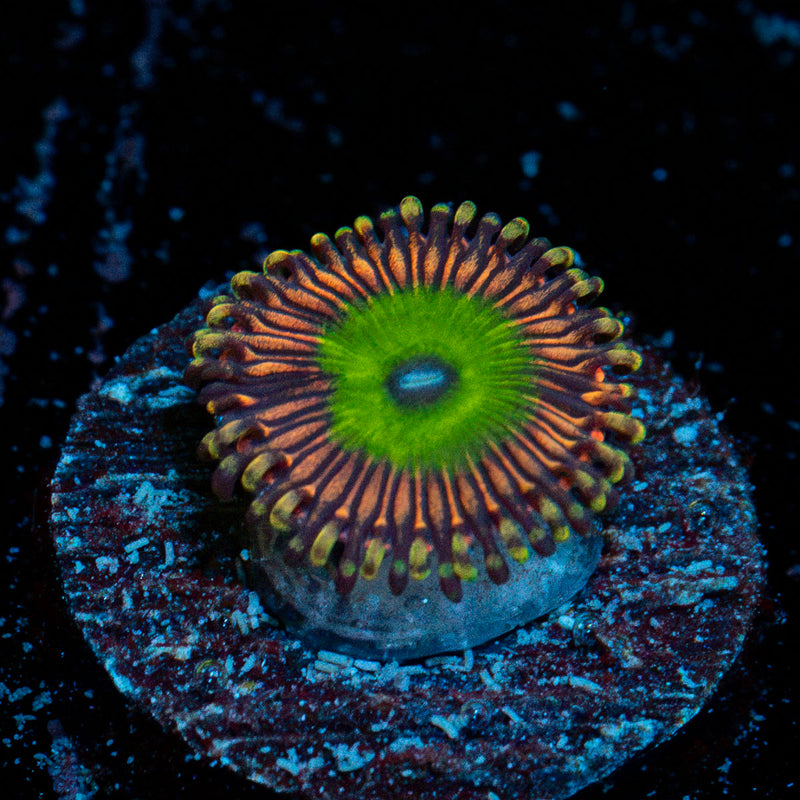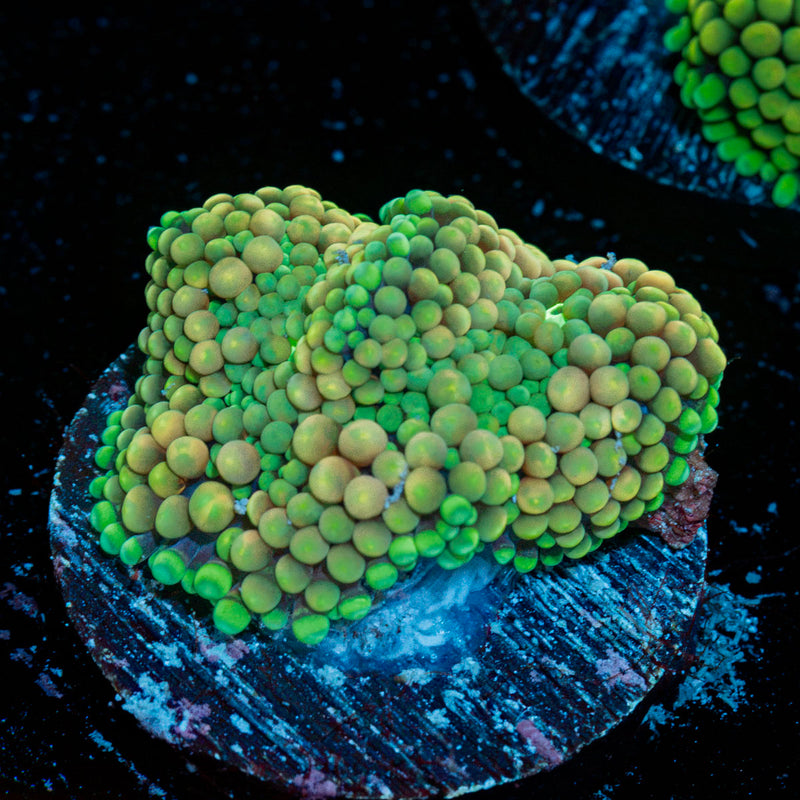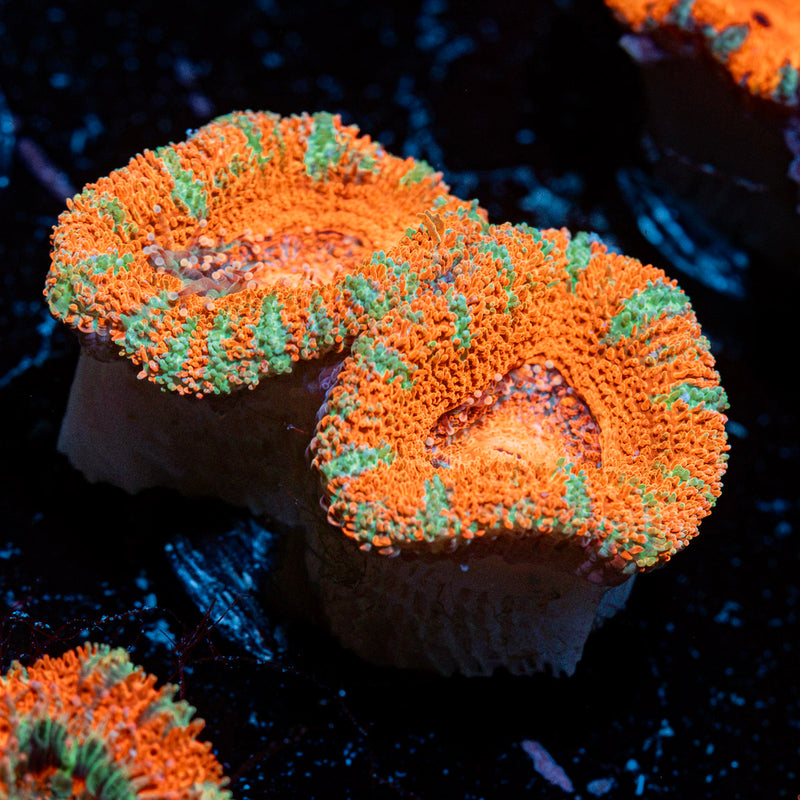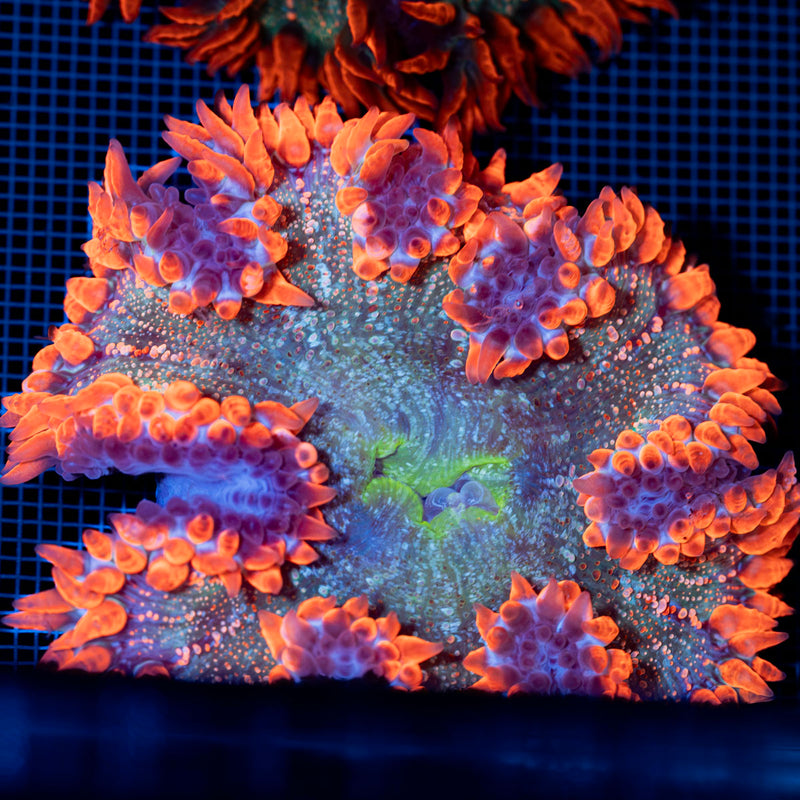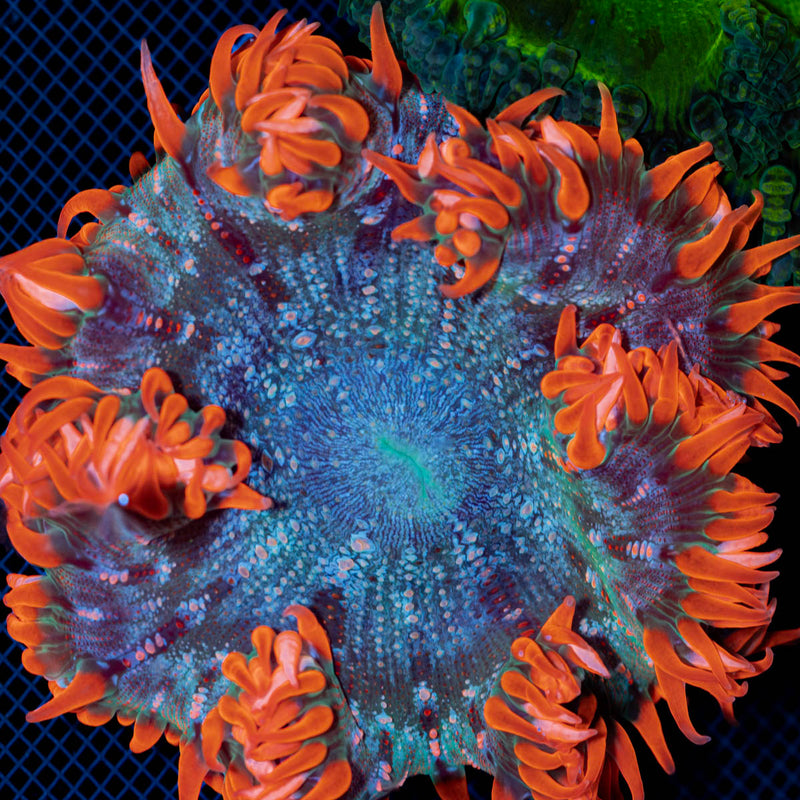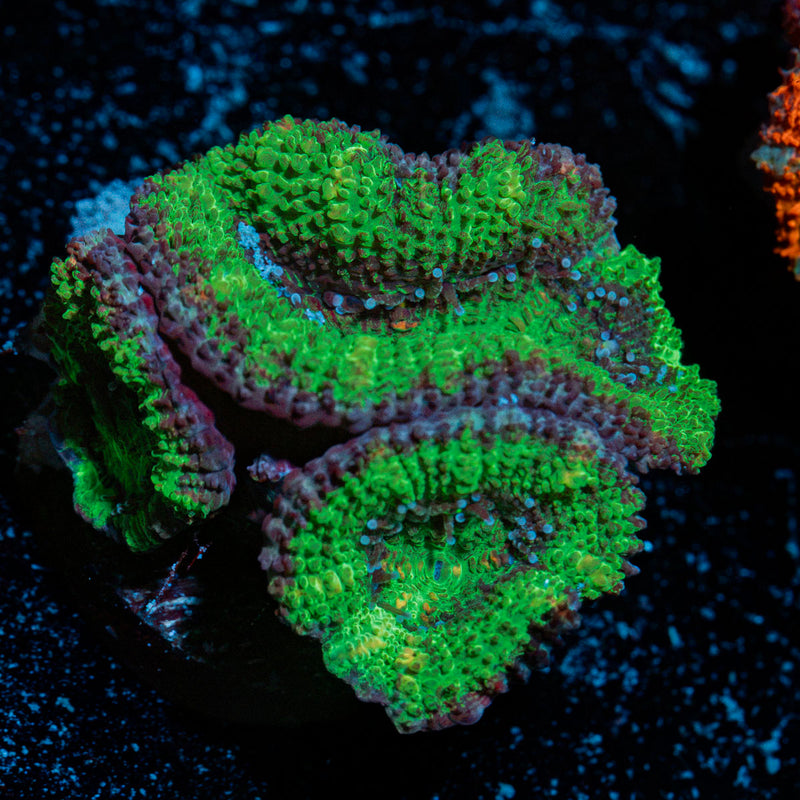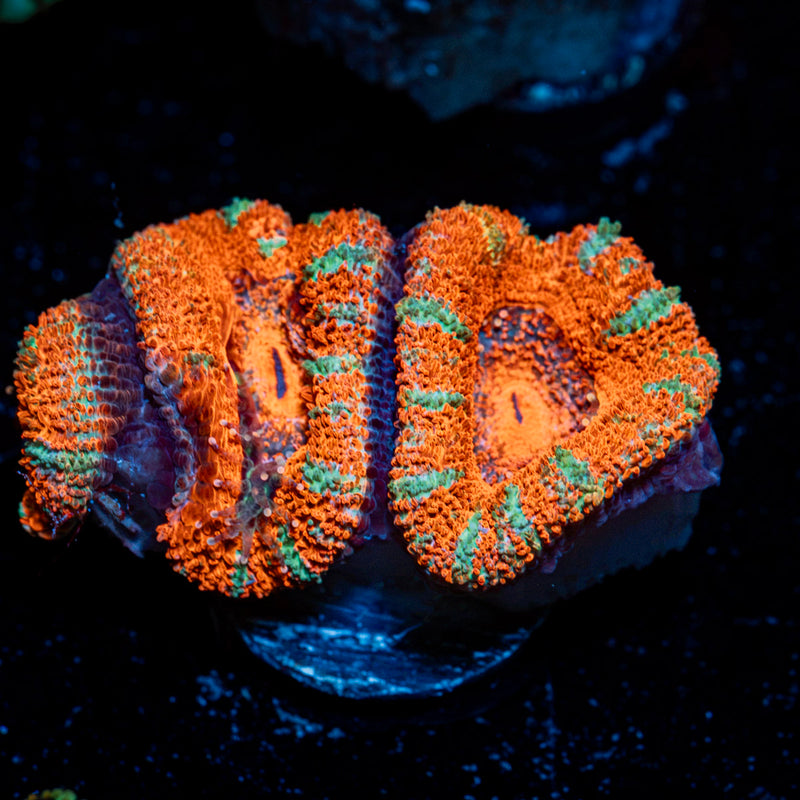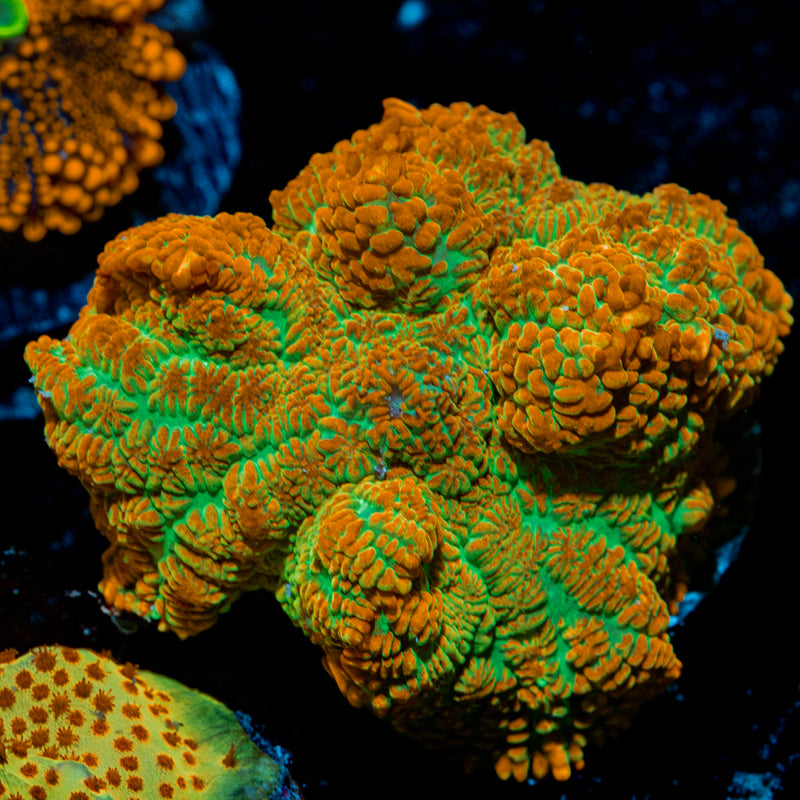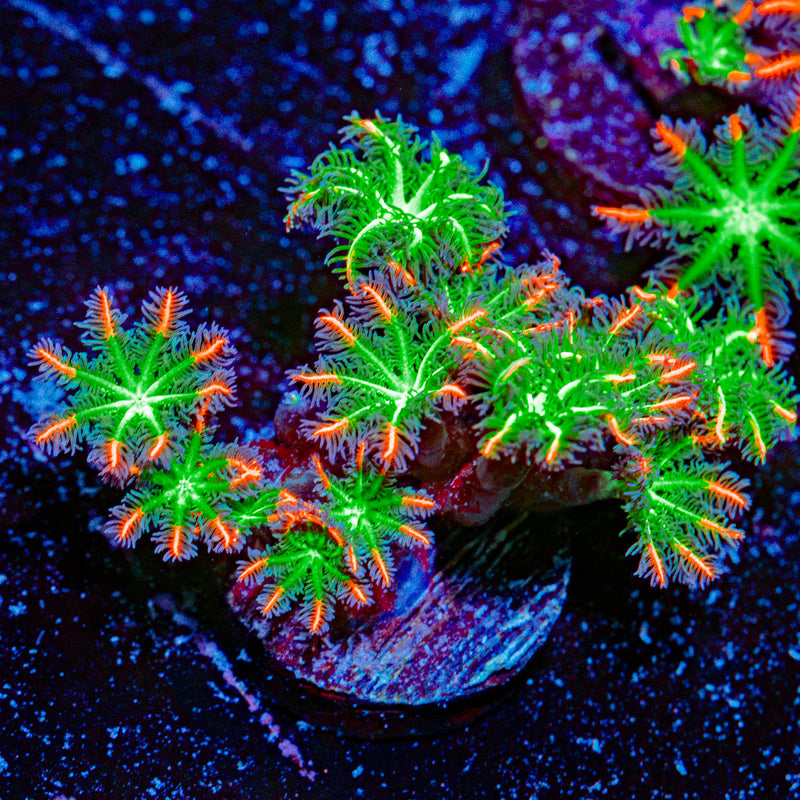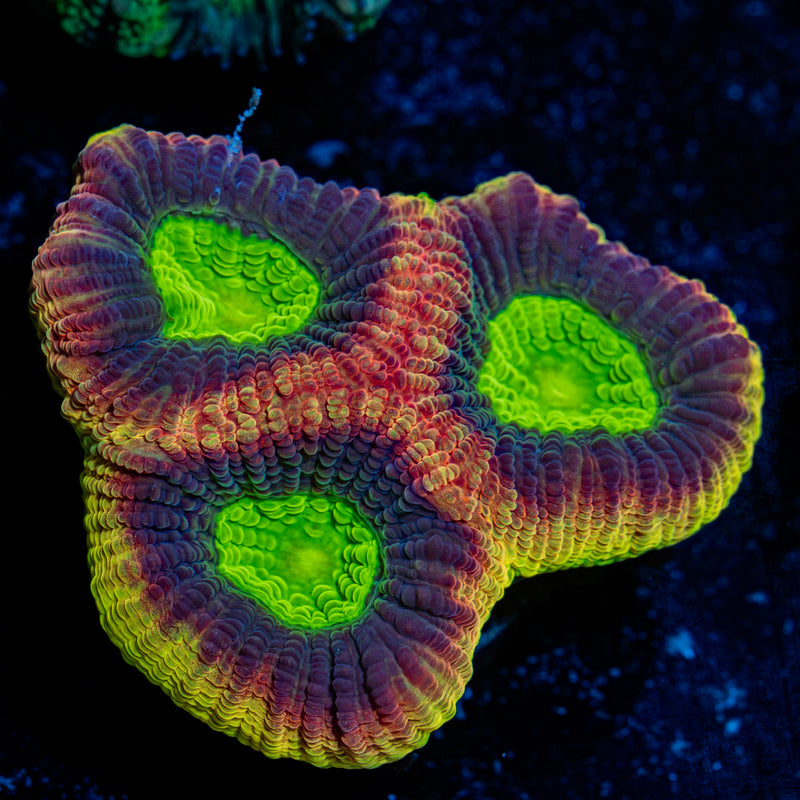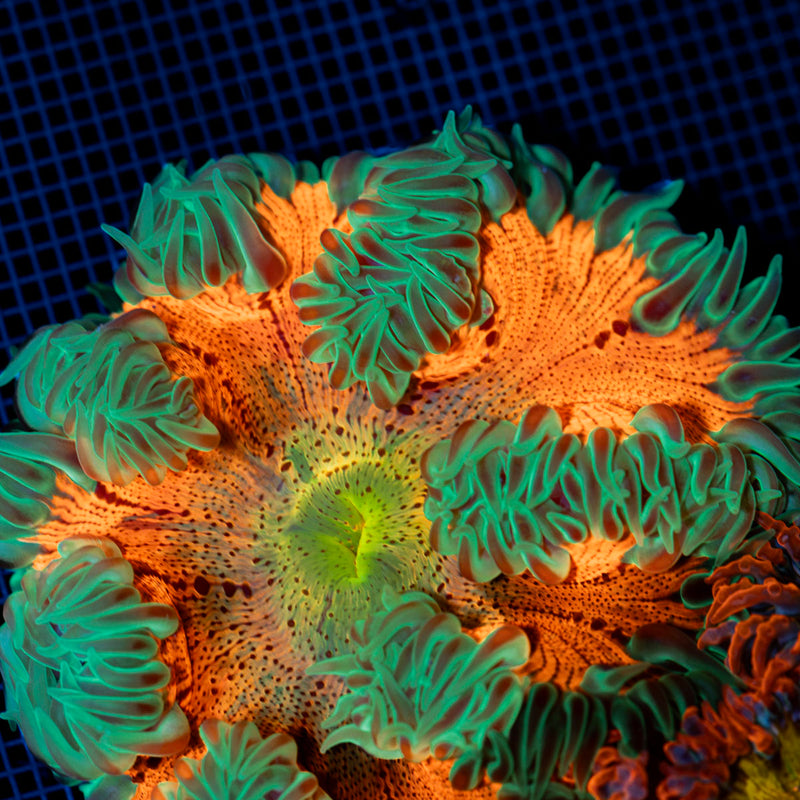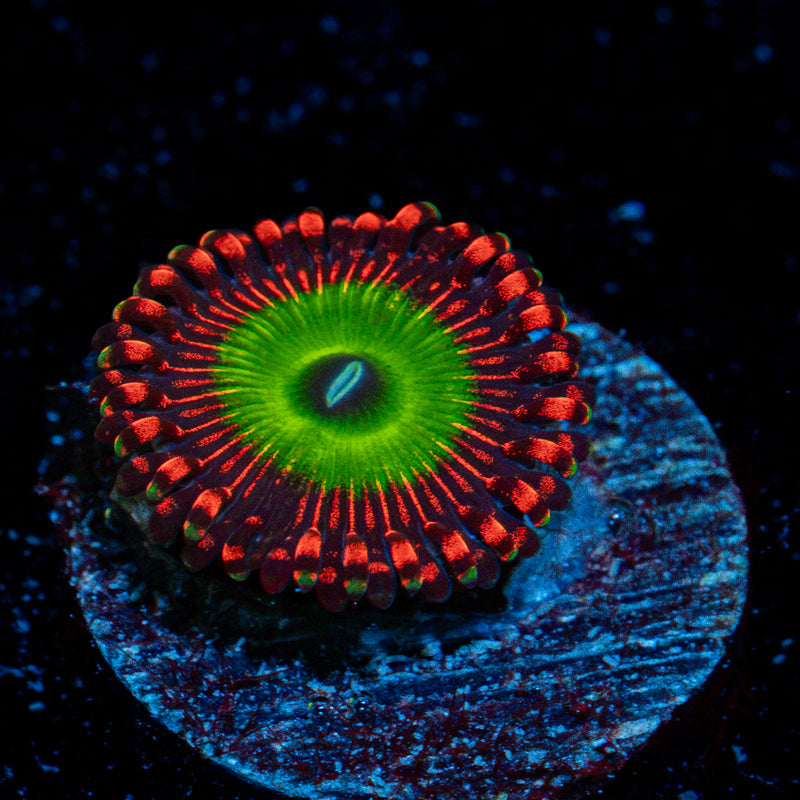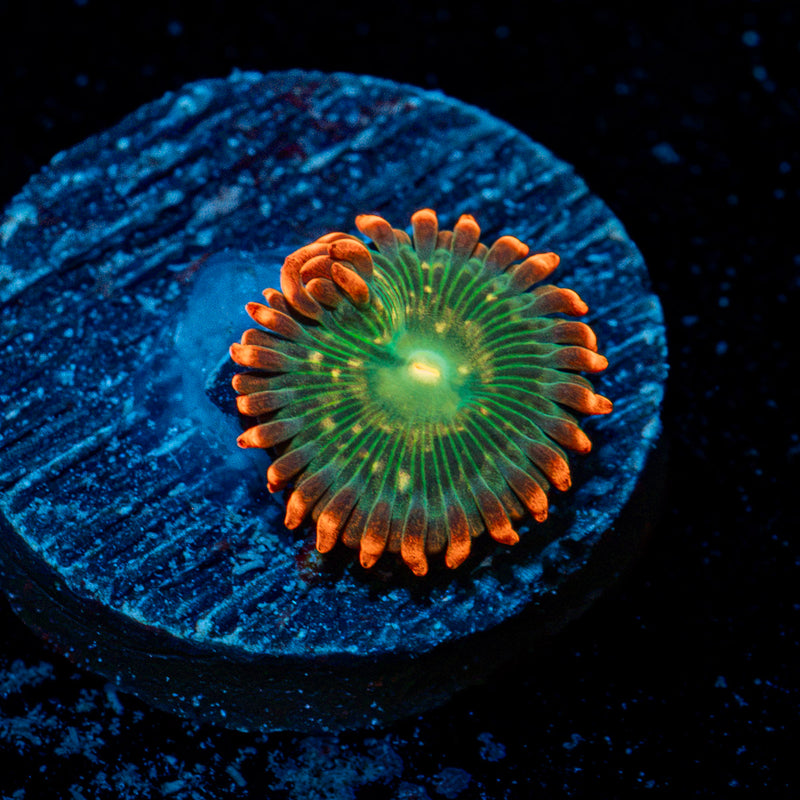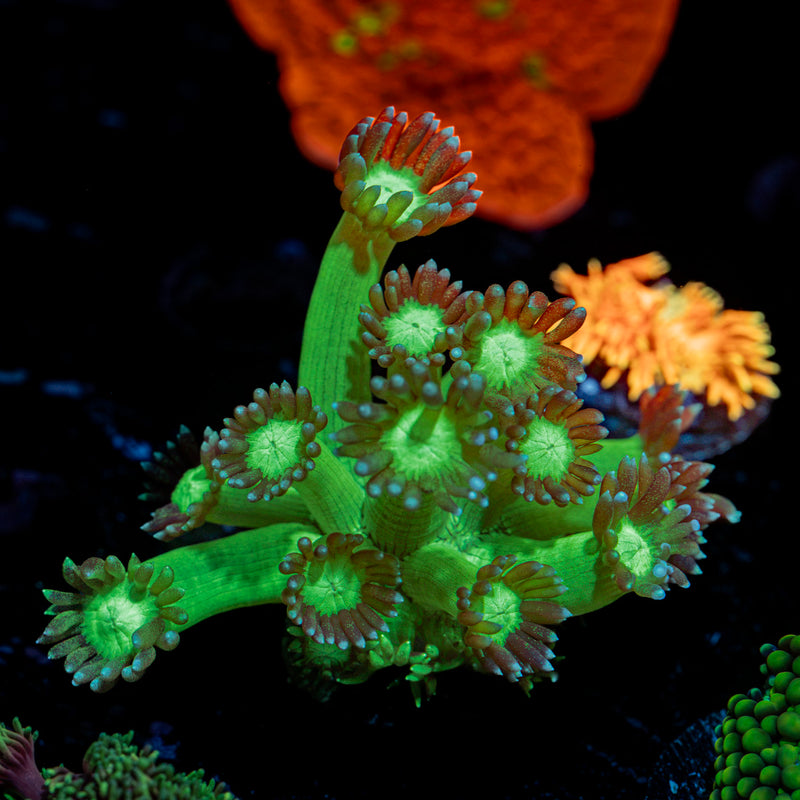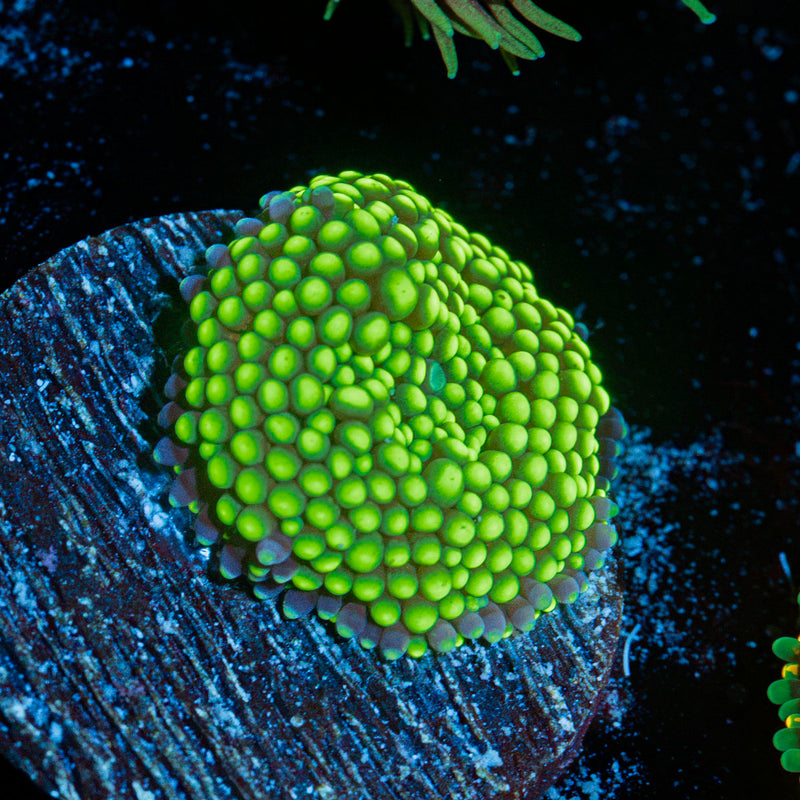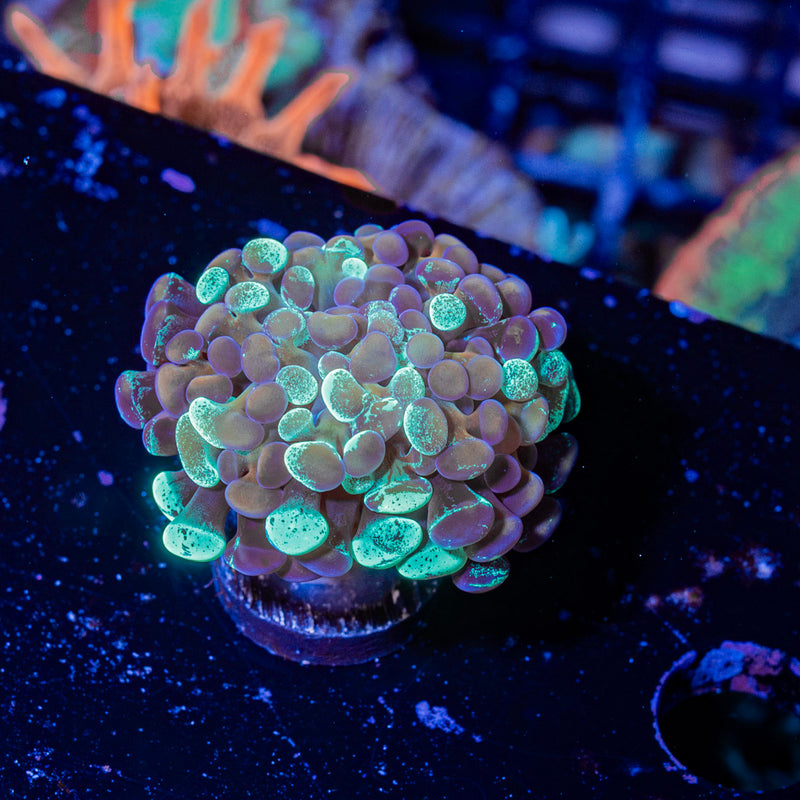
A brilliant Acropora frag can look like a tiny living jewel under reef lighting, but SPS success is rarely about chasing one perfect number. This SPS coral care guide focuses on the habits that give small-polyp stony corals what they value most: stable conditions, appropriate light and flow, and enough time to settle into your reef.
SPS, or small-polyp stony corals, include favorites such as Acropora, Millepora, Montipora, Birdsnest, and Stylophora. Their dense, branching forms and vivid colors make them showpieces in a mature reef aquarium. They can also react quickly when conditions swing, which is why preparation and consistency matter more than constant adjustments.
Start With a Reef That Is Ready for SPS
An SPS coral does not need a tank with years of age behind it, but it does need a biologically stable aquarium. Ammonia and nitrite should be zero, temperature and salinity should remain steady, and your system should reliably process food and waste without dramatic nutrient spikes. A newly cycled tank may be safe for hardy livestock, yet still be too unpredictable for a premium SPS frag.
For many reef keepers, a tank that has run consistently for several months is a better starting point. You should know how alkalinity changes between tests, how much water your system evaporates each day, and whether your nutrients hold steady from one week to the next. That familiarity lets you notice a real coral issue before it becomes a loss.
SPS can thrive in a range of acceptable parameters. The key is avoiding sudden movement within that range. Aim for a temperature around 77-79°F and a salinity near 1.025-1.026 specific gravity. Keep pH as stable as practical, commonly around 8.0-8.4, while recognizing that a normal daily pH swing is not automatically a problem.
Alkalinity deserves special attention because it directly supports skeletal growth. Many successful systems run around 7.5-9 dKH. Choose a target that fits your salt mix and dosing routine, then hold it there. Raising alkalinity quickly to match a preferred online number is often more dangerous than maintaining a slightly different, stable value.
Light: Give SPS Energy Without Shock
SPS corals depend heavily on their symbiotic zooxanthellae for energy, so strong lighting is part of the equation. It is also one of the easiest ways to stress a newly introduced frag. A coral can arrive healthy and colorful, then pale or burn if it is placed directly under the brightest area of a fixture it has never experienced.
Many SPS thrive at roughly 200-400 PAR, while some mature Acropora colonies can tolerate or prefer more. Those numbers are useful reference points, not a universal prescription. Fixture type, mounting height, lens choice, water clarity, spectrum, and rockwork all change the amount of usable light a coral receives.
Start a new SPS frag lower in the aquascape or use an acclimation setting on your light. Over two to four weeks, gradually increase intensity or move the coral toward its intended location. Watch the tissue rather than relying only on a schedule. Fading at the tips, a washed-out look, or tissue recession can suggest too much light, although unstable nutrients and alkalinity can create similar symptoms.
Blue-forward reef spectrum brings out the fluorescent color that makes SPS so striking, but corals still need adequate overall intensity to grow. Do not assume turning every channel to maximum will create better color. A measured lighting plan, paired with stability, produces far better results than intensity alone.
Flow: Strong, Random, and Free of Dead Spots
In nature, branching SPS receive constant moving water that carries oxygen and food to their polyps while sweeping away waste. In the aquarium, aim for broad, turbulent flow that changes direction rather than a narrow stream blasting one side of the coral.
A healthy SPS frag should show subtle polyp movement without being forced to fold over continuously. If a powerhead creates a visible bare patch on the tissue or prevents polyps from extending, redirect it. On the other hand, detritus accumulating around the frag plug, between branches, or on the base of a colony points to insufficient circulation.
As colonies grow, revisit your flow pattern. A small frag may sit comfortably in an open area, then become dense enough to trap debris six months later. This is one reason successful SPS tanks evolve over time instead of being set up once and left unchanged.
Keep Alkalinity, Calcium, and Magnesium in Balance
SPS corals build calcium carbonate skeletons, so their demand for minerals rises as they grow. Calcium is commonly maintained around 400-450 ppm and magnesium around 1250-1400 ppm. Exact targets matter less than keeping them aligned with your aquarium's established alkalinity and avoiding abrupt corrections.
Test alkalinity frequently when adding several new SPS pieces or when you notice faster growth. In a lightly stocked tank, weekly testing may be enough. In a reef filled with growing Acropora and Montipora, daily or every-other-day checks can reveal consumption patterns before an unexpected drop occurs.
Two-part dosing, kalkwasser, calcium reactors, and water changes can all support mineral levels. The right method depends on coral demand and how much hands-on maintenance you want. Start simple if your tank's demand is low. Automating a complicated dosing plan before you understand consumption can create a problem faster than it solves one.
Nutrients Are Not the Enemy
The old idea that SPS require water stripped nearly clean of nitrate and phosphate has led to many pale, unhappy corals. SPS appreciate clean water, but clean does not mean nutrient-free. Measurable nitrate and phosphate help support coral color, zooxanthellae health, and overall resilience.
A practical starting range is often nitrate around 2-15 ppm and phosphate around 0.03-0.10 ppm. Some thriving systems run outside those numbers, which is why trend matters more than perfection. A sudden phosphate drop from aggressive media, or a nitrate spike from an overfed tank, can be more disruptive than a stable reading that falls slightly beyond a textbook range.
Feed fish consistently and offer coral foods thoughtfully. Fish waste and dissolved nutrients are part of the reef's food web, while occasional broadcast feeding can provide additional nutrition for SPS polyps. Heavy feeding without export capacity can fuel nuisance algae, so balance feeding with skimming, filtration, water changes, and a cleanup crew suited to your aquarium.
Acclimating and Placing New SPS Frags
When your new aquacultured coral arrives, temperature acclimate it according to the supplier's guidance and inspect it carefully before placement. Look for intact tissue, a clean base, and any unwanted hitchhikers. A gentle coral dip can be a useful precaution, particularly when adding corals from different sources, but follow the dip instructions exactly and avoid extending treatment time.
Choose a spot with stable rockwork, good access to flow, and room for future growth. Glue the frag securely. Loose plugs that tumble onto sand or into another coral create avoidable stress, especially for delicate branching SPS.
Resist the urge to move a new frag every few days. SPS often need time to adapt after shipping, dipping, mounting, and entering a new light field. Give it a stable location unless you see clear signs of harm. Healthy early signs include daytime polyp extension, retained color, and eventually a thin line of fresh growth at the base or tips.
Read Warning Signs Before They Spread
Tissue recession, sudden browning, fading, or closed polyps are signals to investigate, not reasons to make five changes at once. Test salinity, temperature, alkalinity, calcium, magnesium, nitrate, and phosphate. Then inspect for pests, check pump operation, and review anything that changed recently, including a new salt mix, dosing adjustment, filter media, or lighting schedule.
Rapid tissue necrosis can move fast, while slow tissue necrosis may develop over days or weeks. In either case, stabilize the environment first. If recession is clearly advancing, fragging healthy tissue above the affected area may save part of the coral, but the long-term answer is finding the underlying stressor.
Pests such as Acropora-eating flatworms and red bugs are another reason to inspect new additions closely and consider a quarantine process. Quarantine requires patience and equipment, yet it is far easier than treating a fully stocked display reef after a pest has spread.
Riptide Aquaculture's aquacultured SPS selections are a rewarding way to add color and structure to a reef, especially when you choose pieces that match your current tank maturity and lighting plan. Begin with a healthy frag, give it consistent care, and let its growth earn the spotlight over time.