A beautiful reef is not built by filling every open rock ledge on day one. It is built by giving each living jewel the right neighborhood to color up, extend, and grow without being shaded, blasted, or stung by its neighbors. This reef coral placement guide will help you make confident decisions about light, water movement, spacing, and long-term coral growth before a stunning new frag goes into the tank.
The good news is that placement does not have to be a mystery. Start with the coral's general category, observe its response, and make small adjustments rather than chasing perfection overnight. Aquacultured corals are adaptable, but they still appreciate a thoughtful introduction to their new reef.
Reef Coral Placement Guide: Start With Light and Flow
Every coral placement decision comes back to two essentials: usable light and appropriate flow. Rockwork height matters, but it is only a shortcut. A coral placed high in one aquarium may receive moderate light, while the same spot under a stronger fixture can be intensely bright.
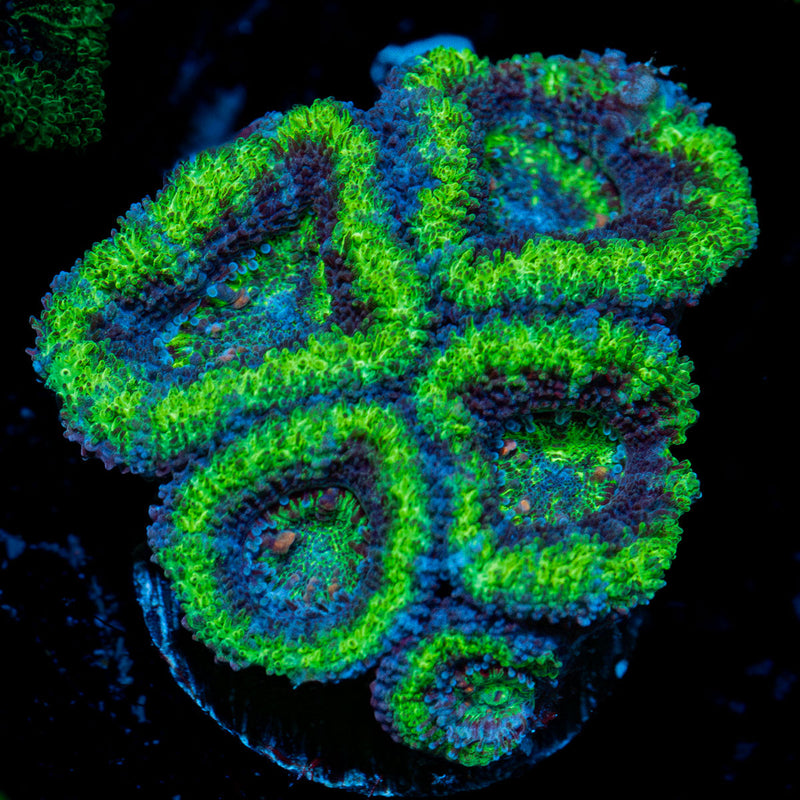
SPS corals such as Acropora and Millepora generally thrive in brighter areas with strong, varied water movement. These are often the upper-rock stars of an established reef, where they can develop dense branching forms and electric color. That does not mean every SPS frag belongs at the highest point immediately. Freshly shipped or newly introduced pieces can benefit from a lower starting position and gradual movement upward as they acclimate.
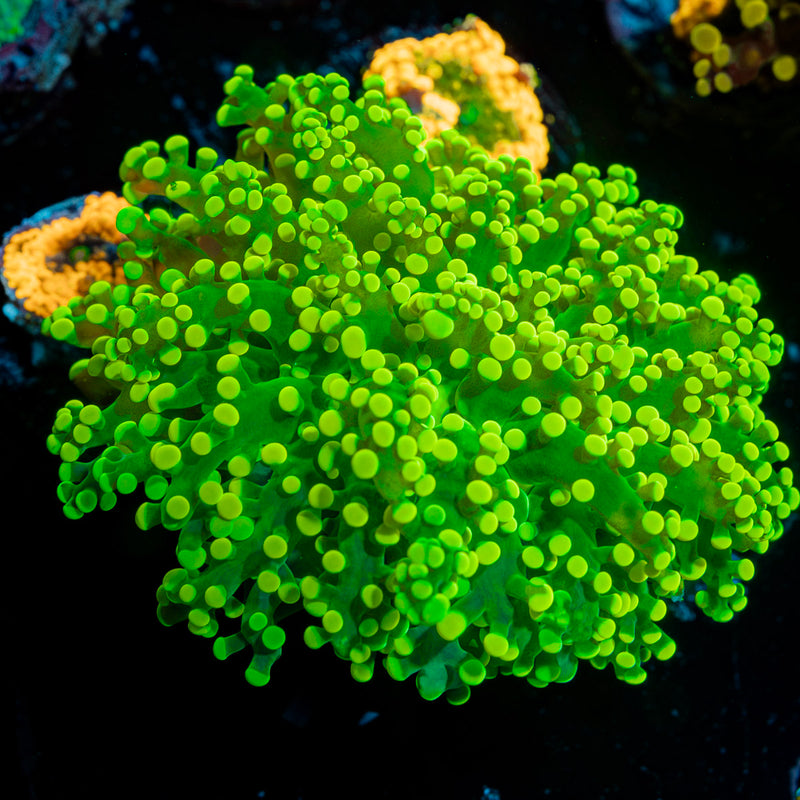
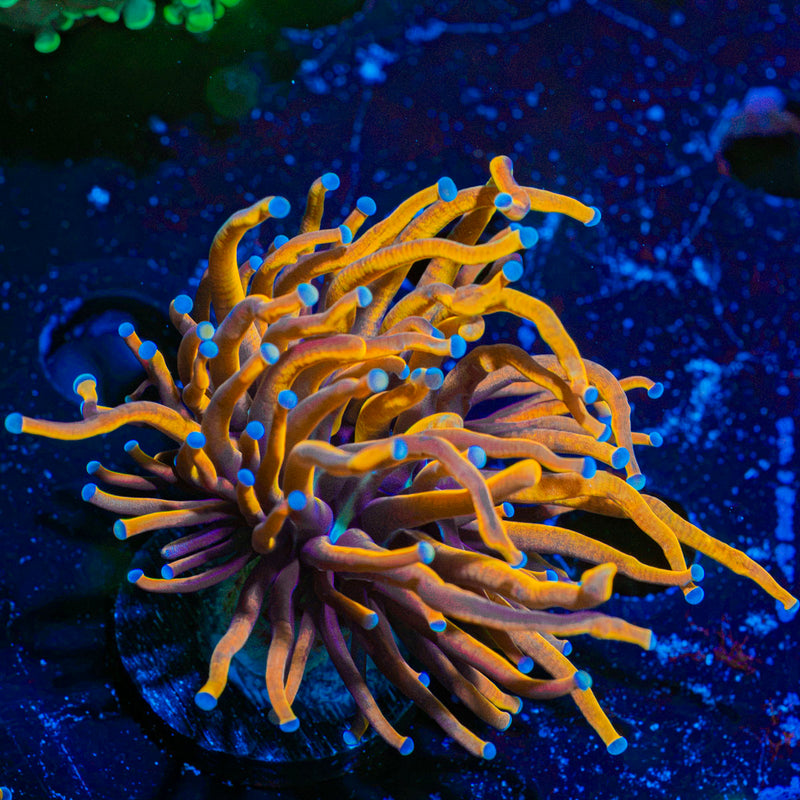
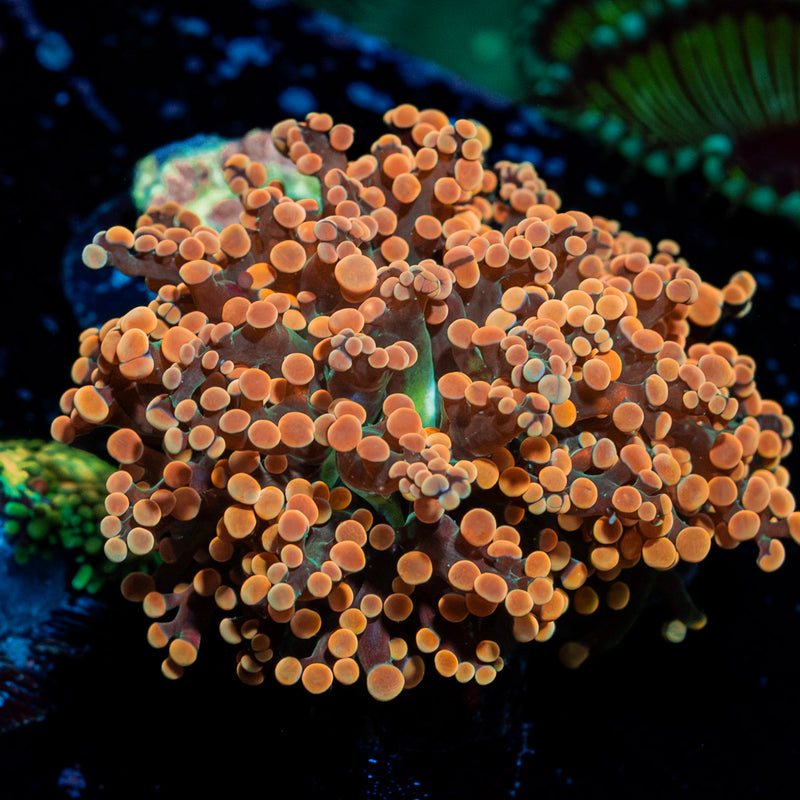
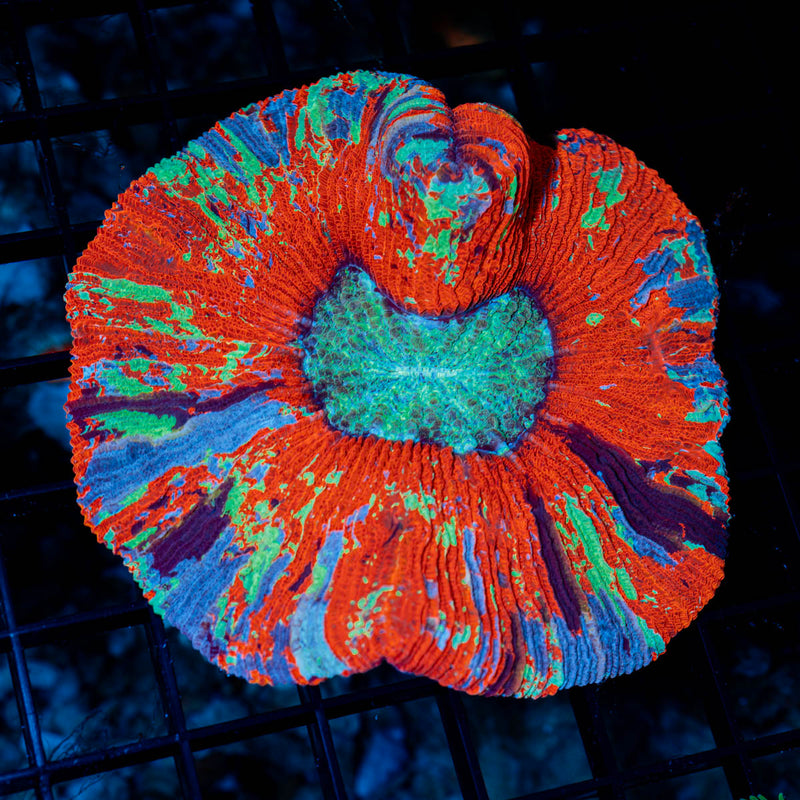
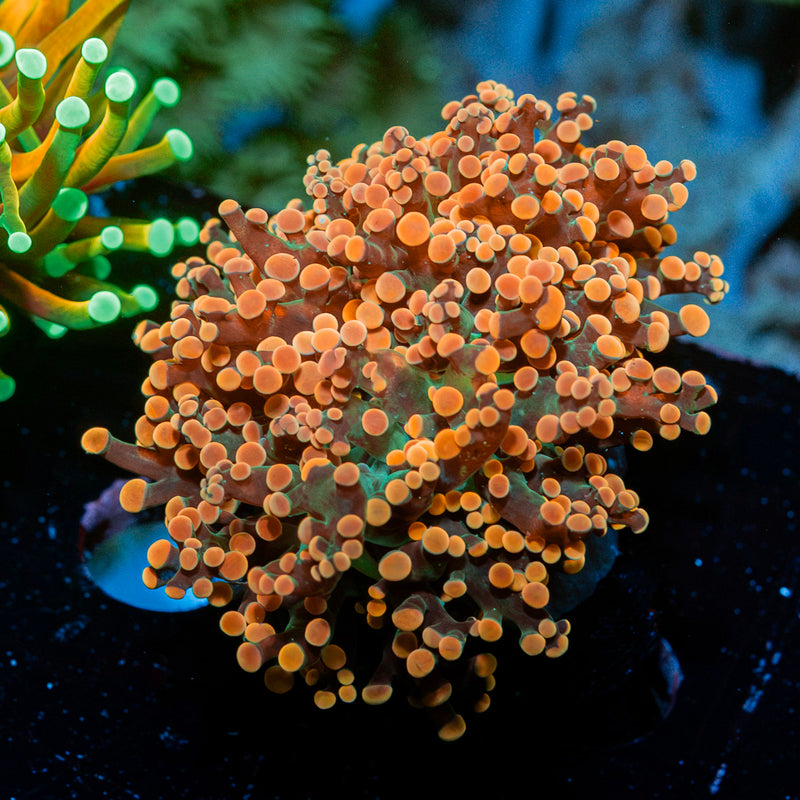
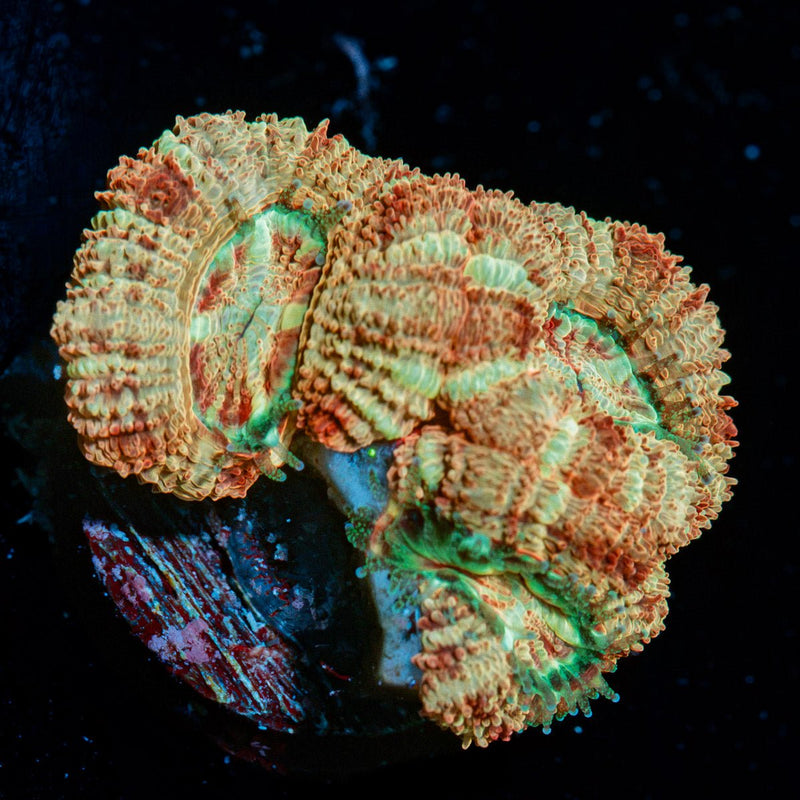
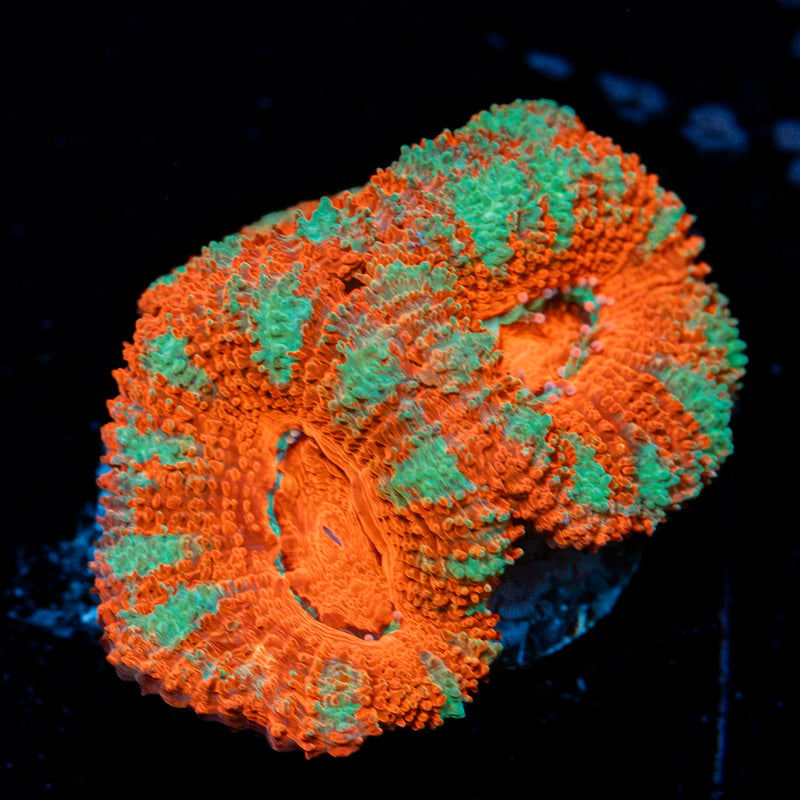
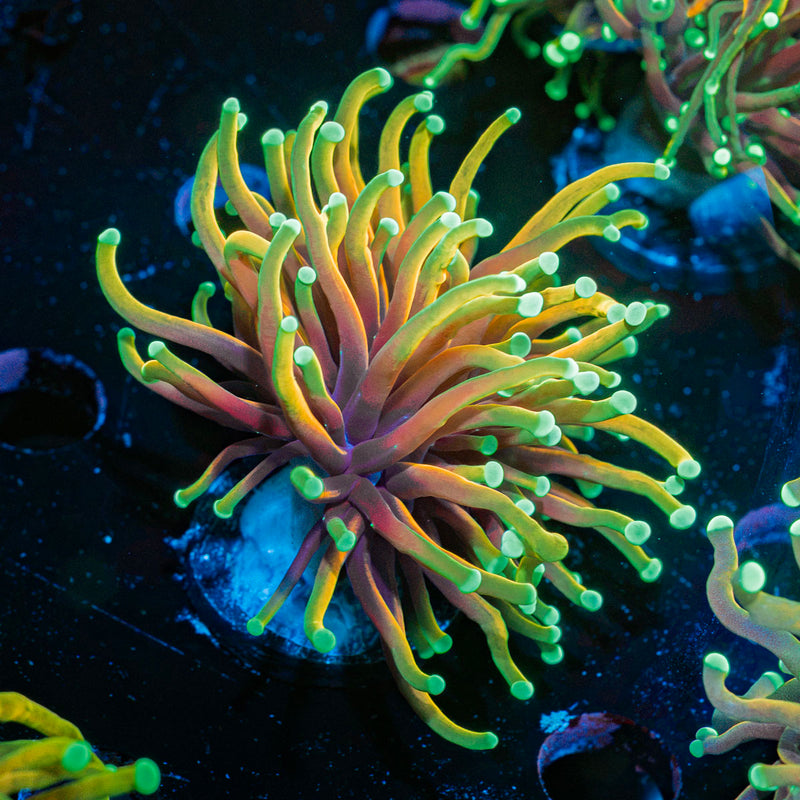
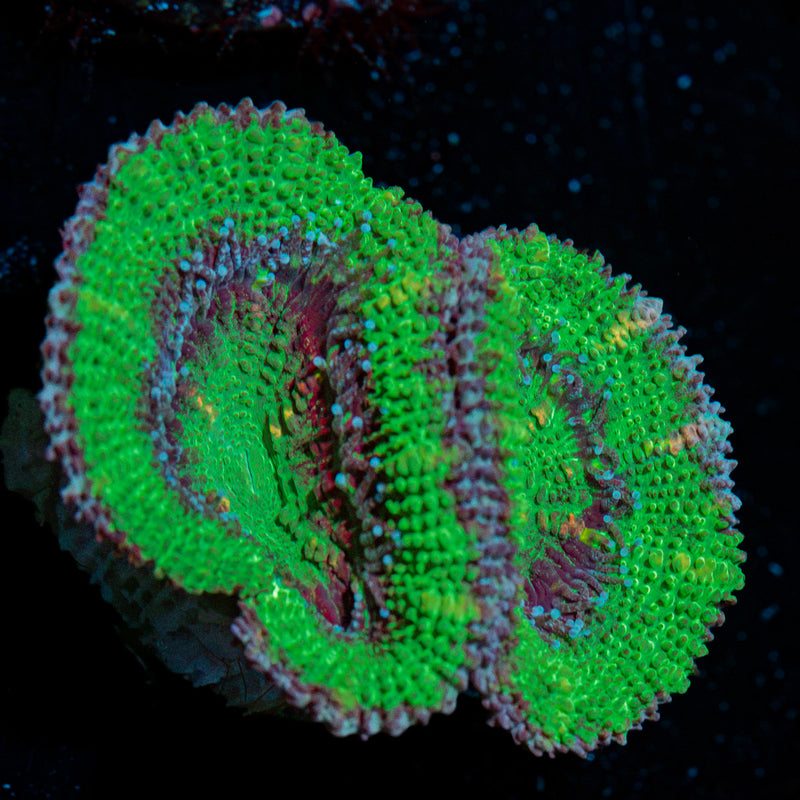
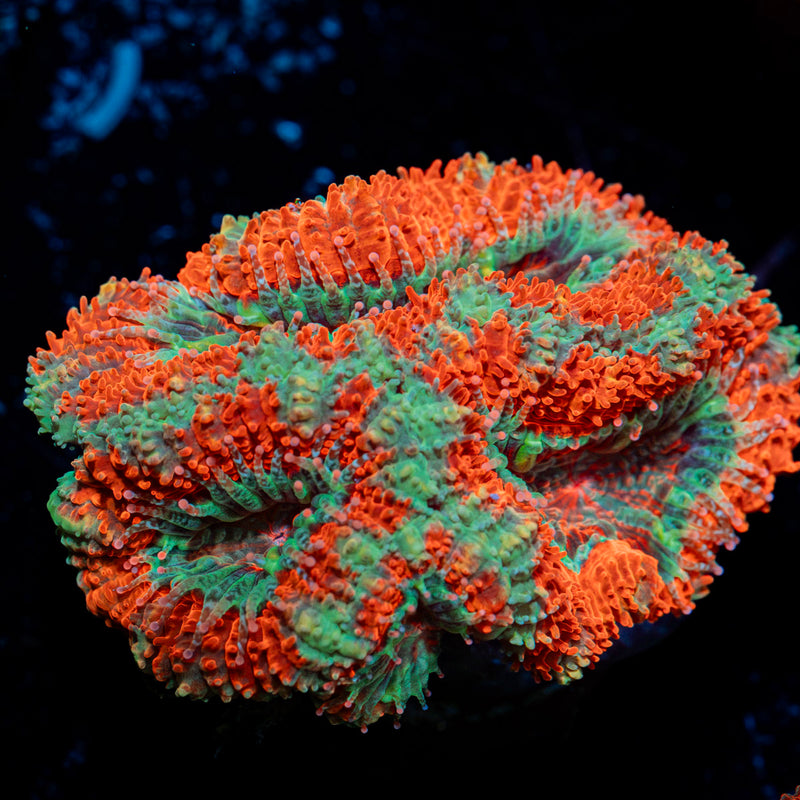
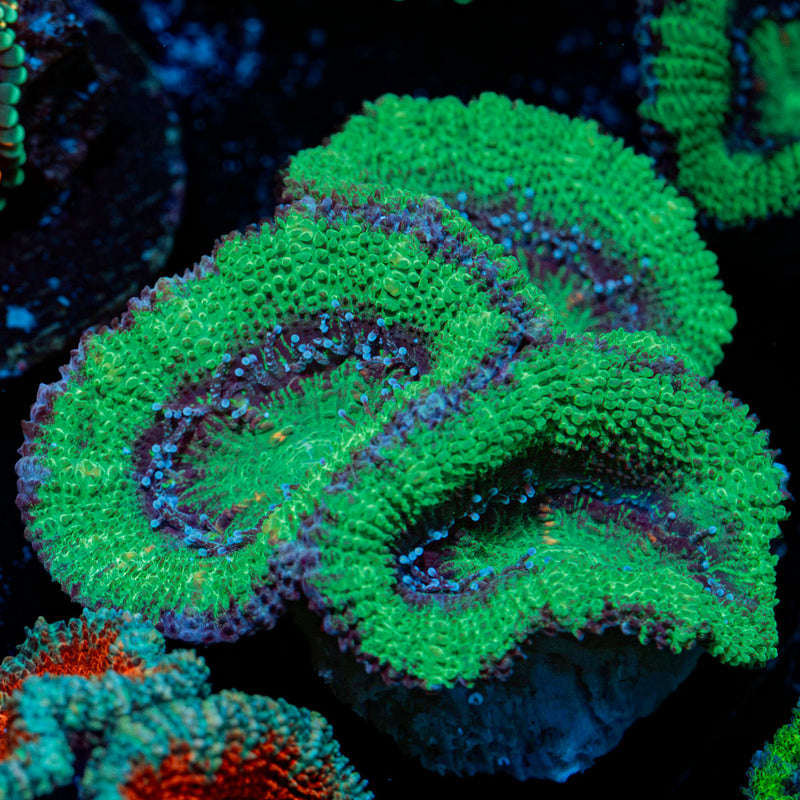
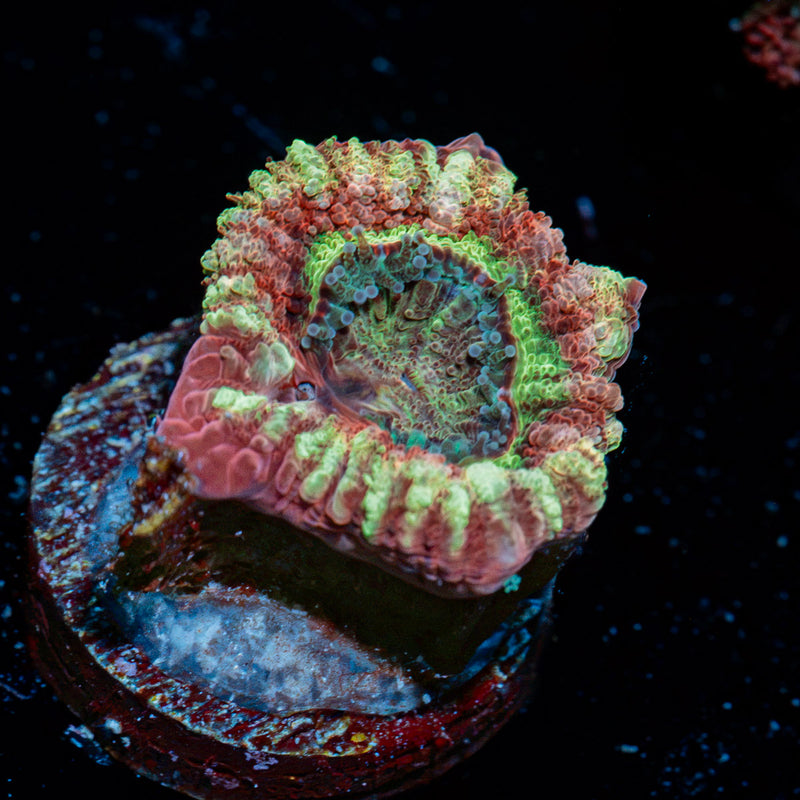
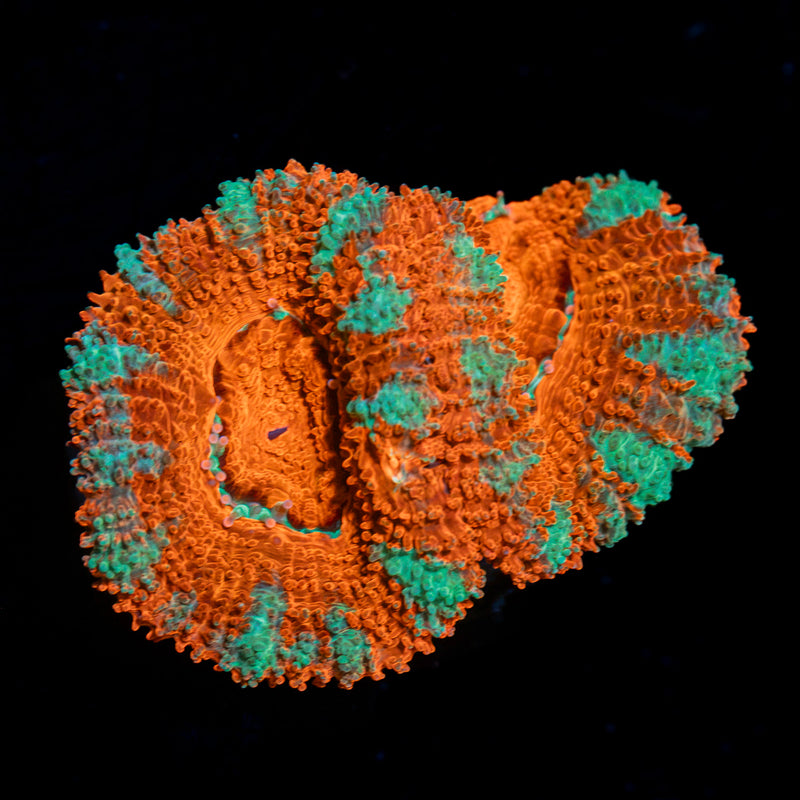
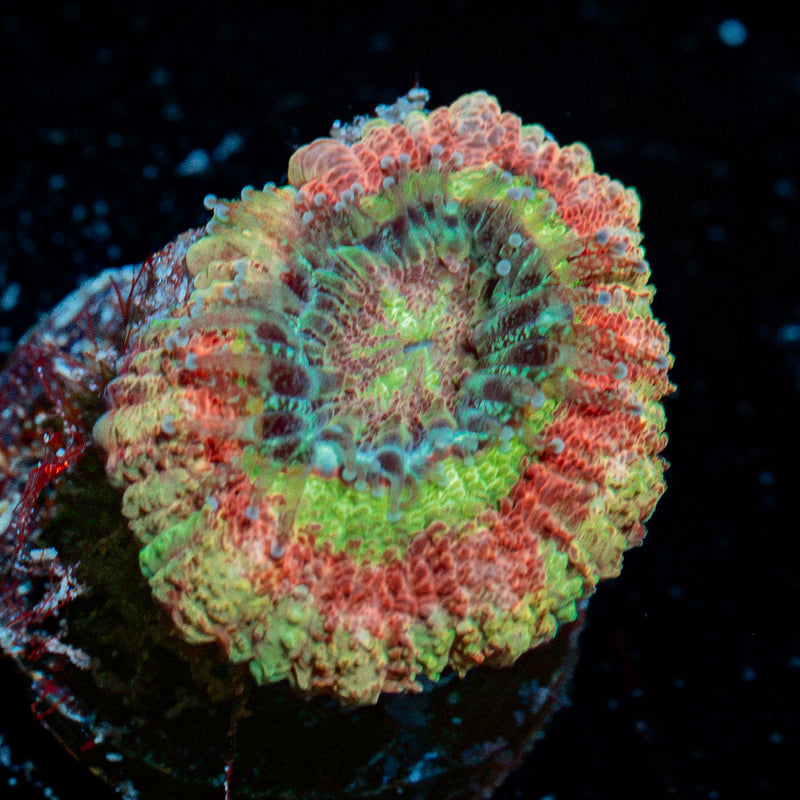
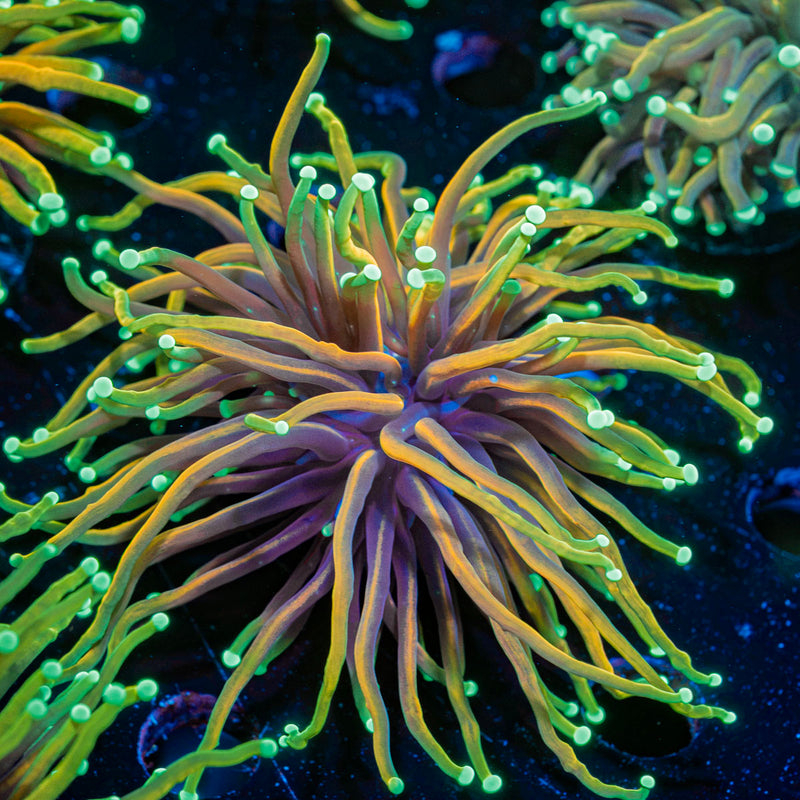
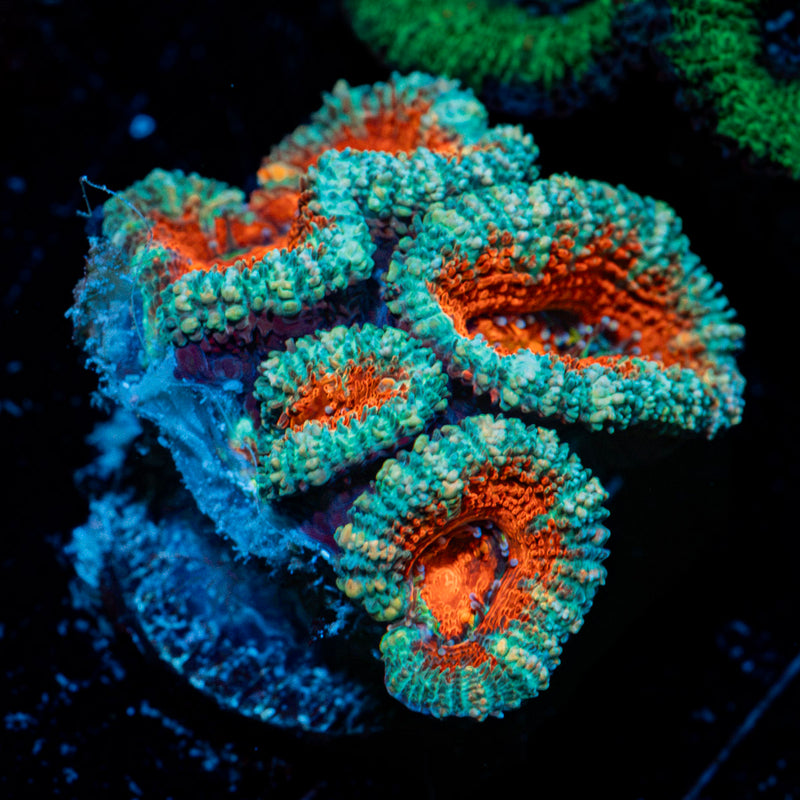
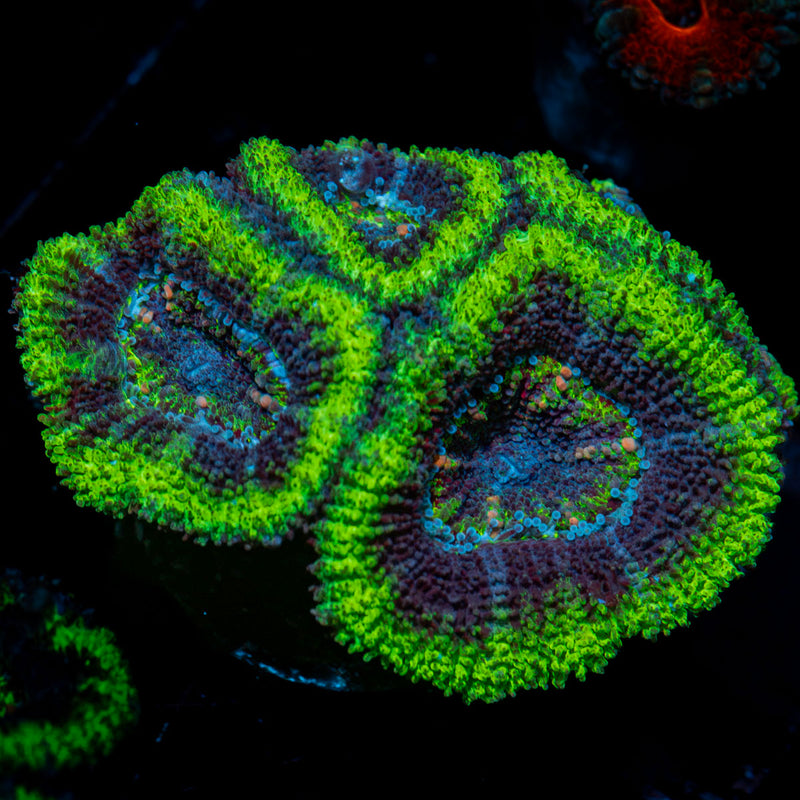
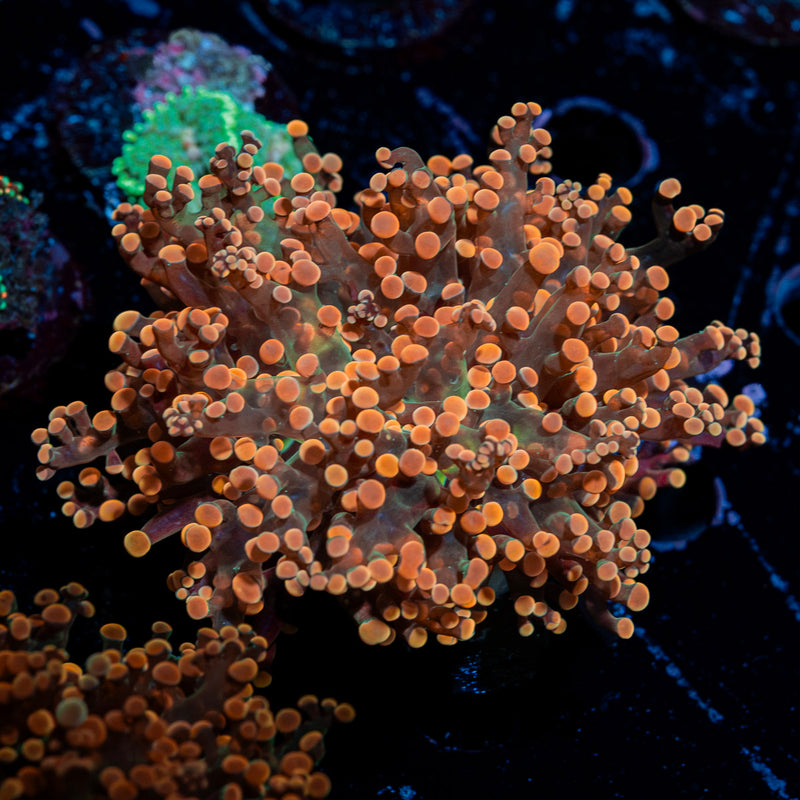
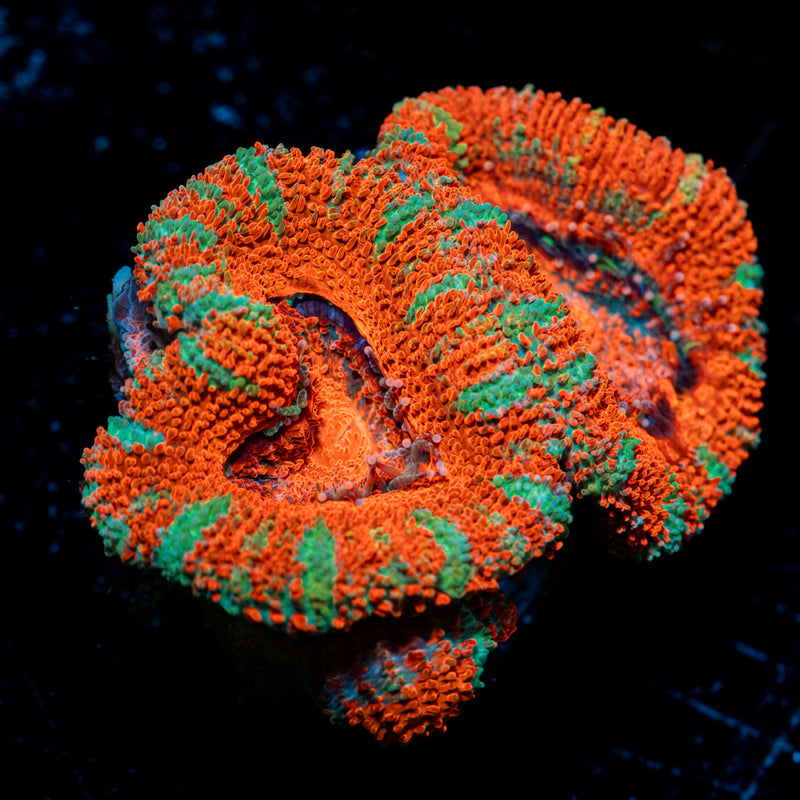
LPS corals are a broader group, so their placement depends on the individual coral. Torches, hammers, and frogspawn usually appreciate moderate light and a rhythmic, indirect flow that keeps their tentacles moving without pinning them in one direction. Acan corals and many chalices are often happiest in lower to middle areas with gentler light. Their color can be especially striking under blue reef lighting, but they should not be hidden in a dark corner with stagnant water.
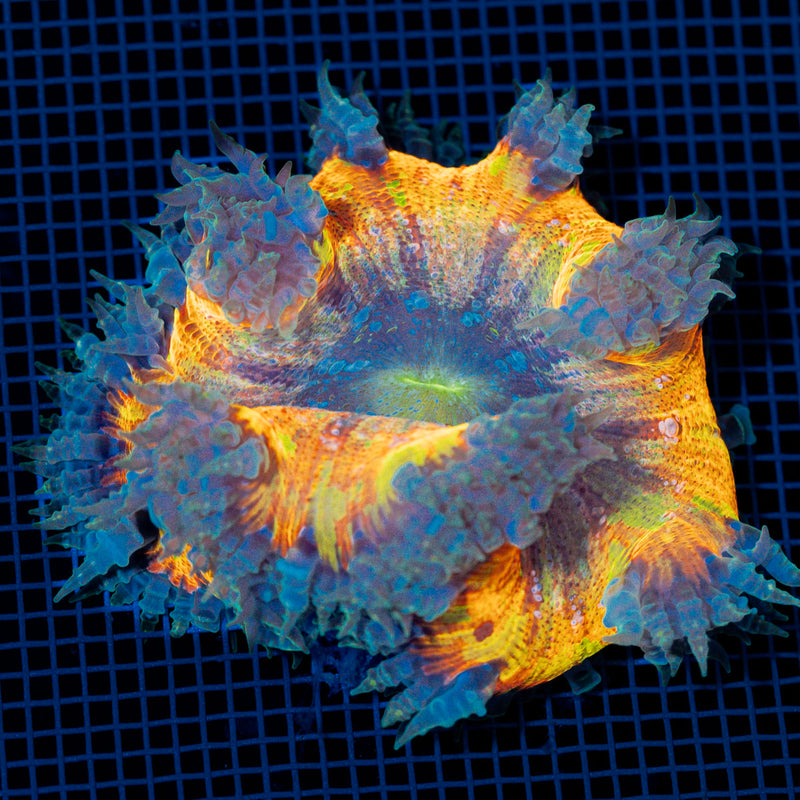
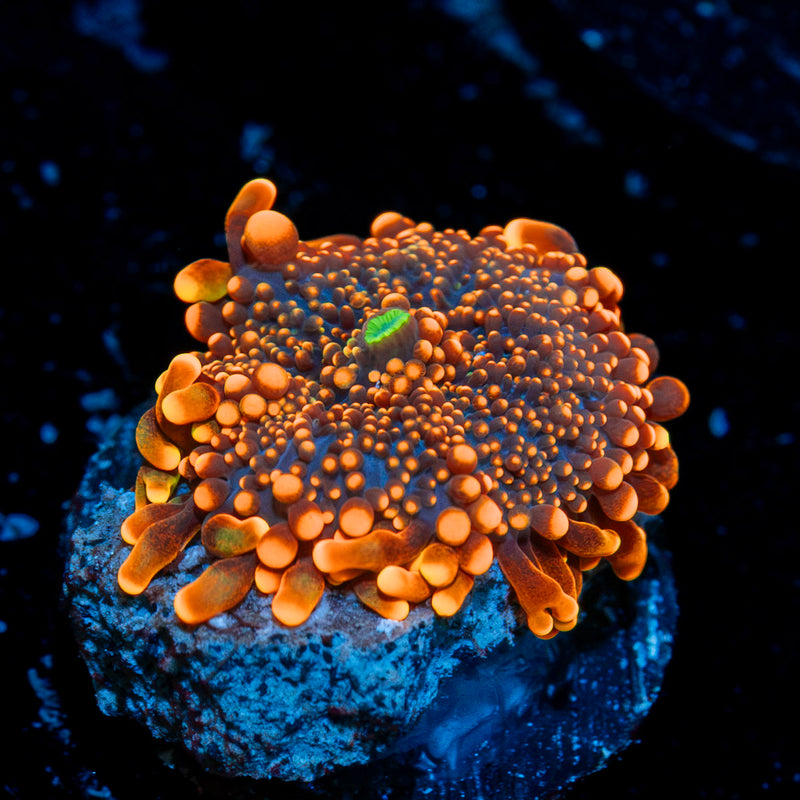
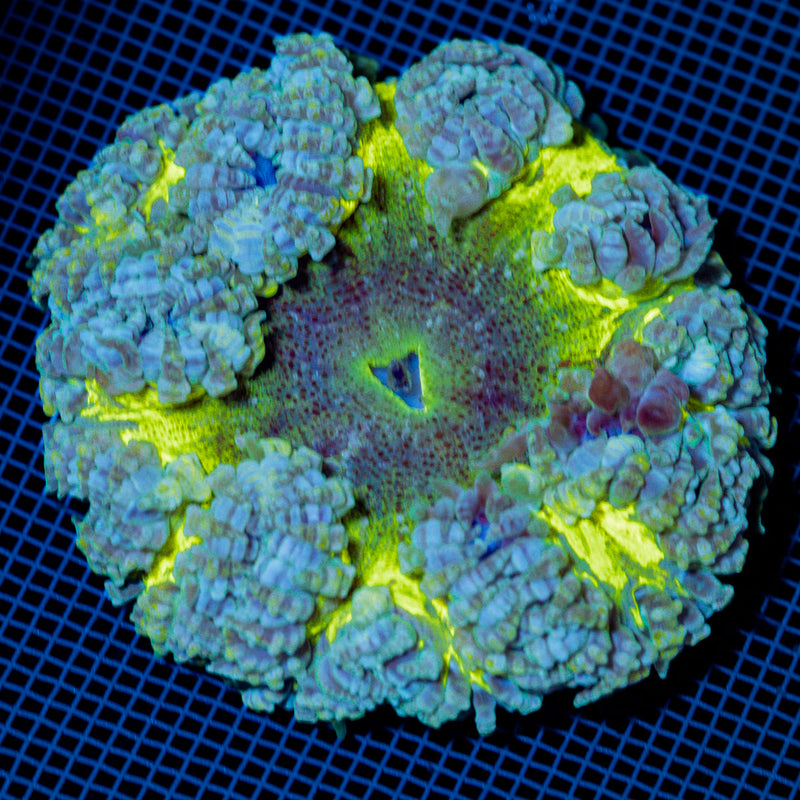
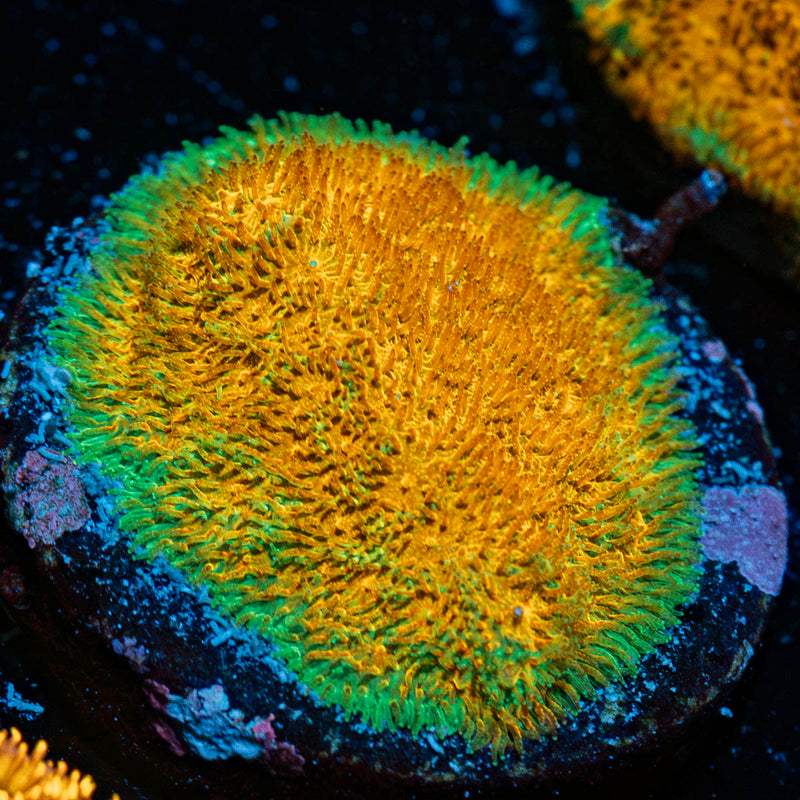
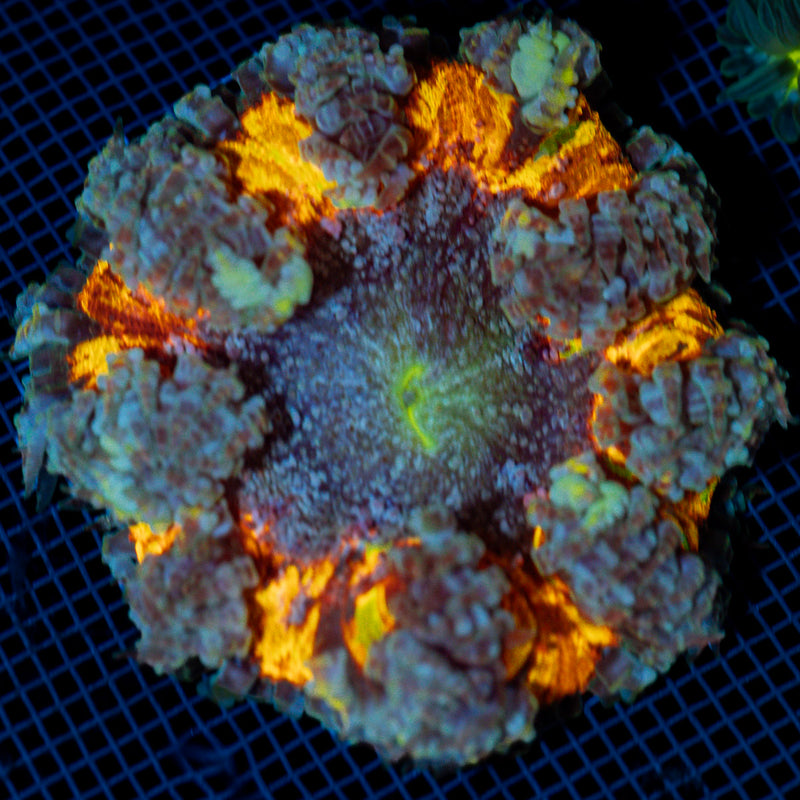
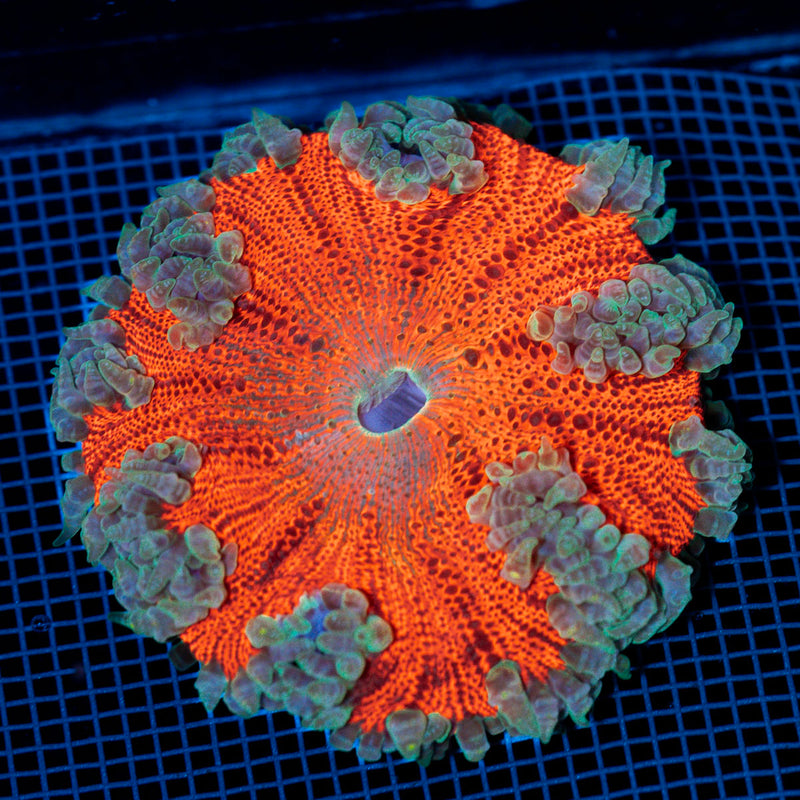
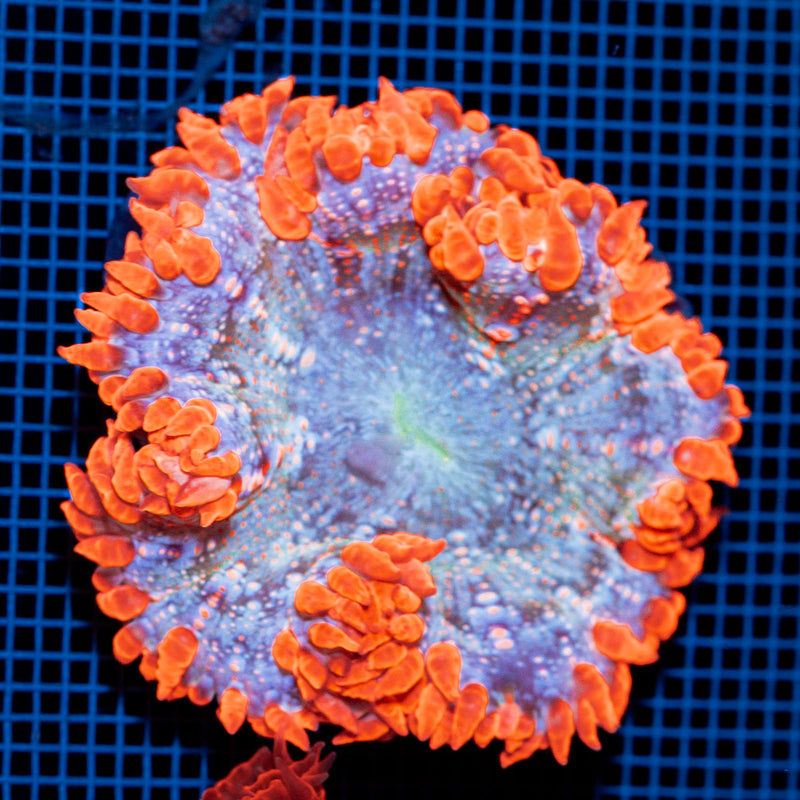
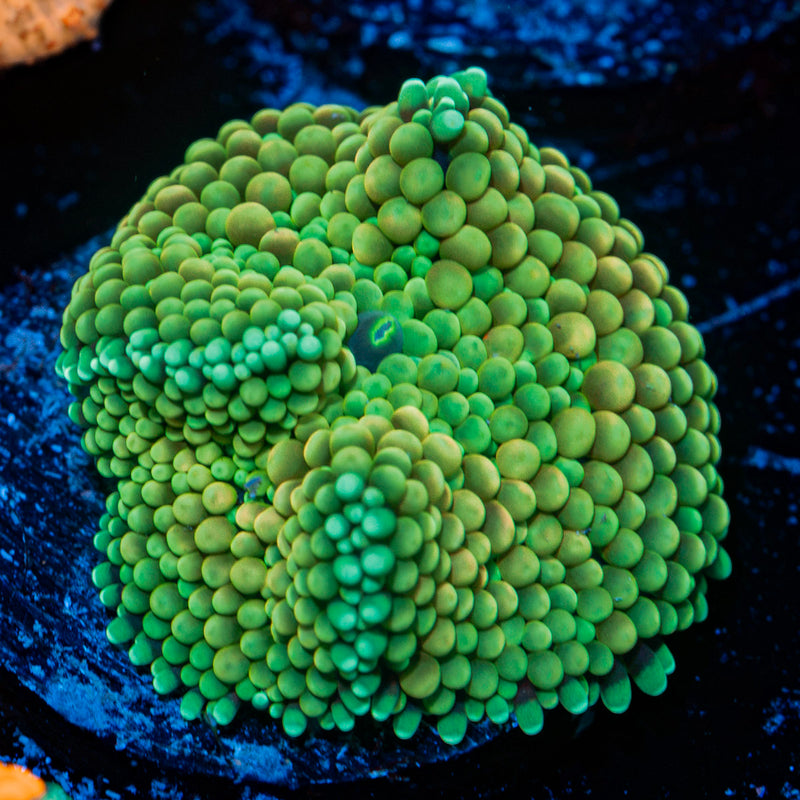
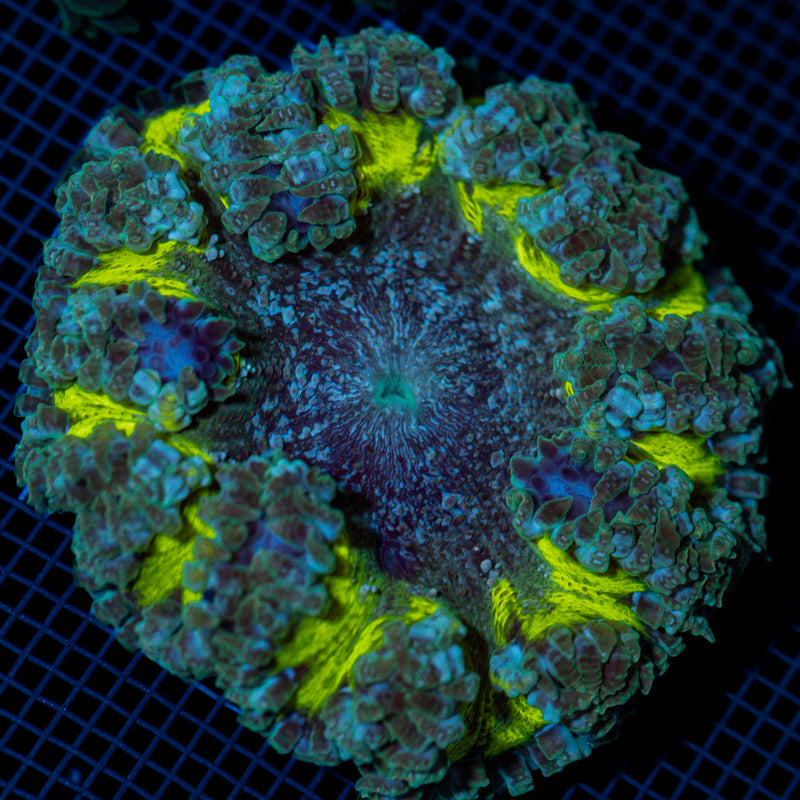
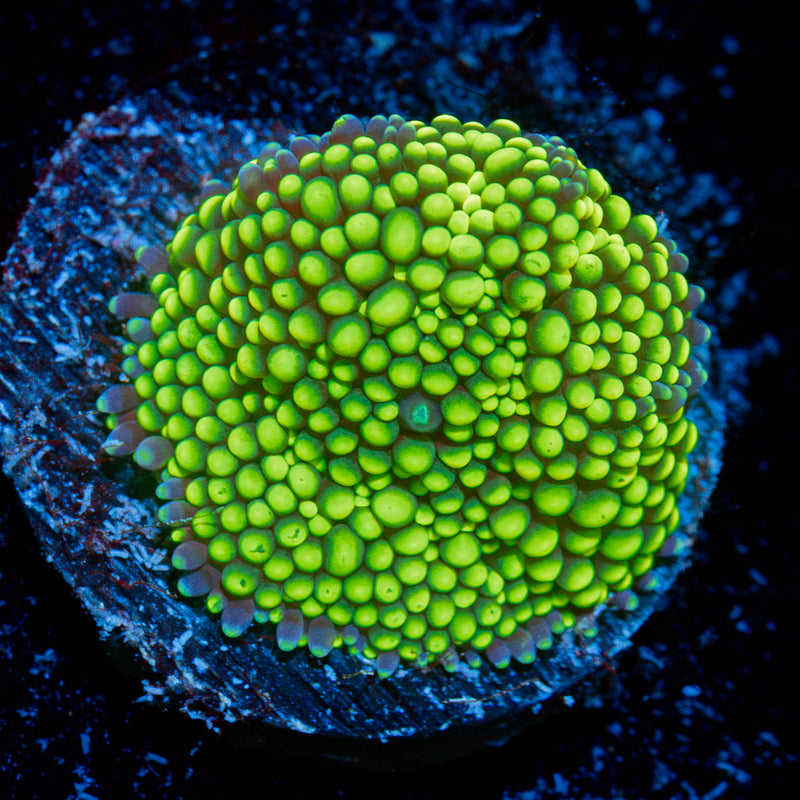
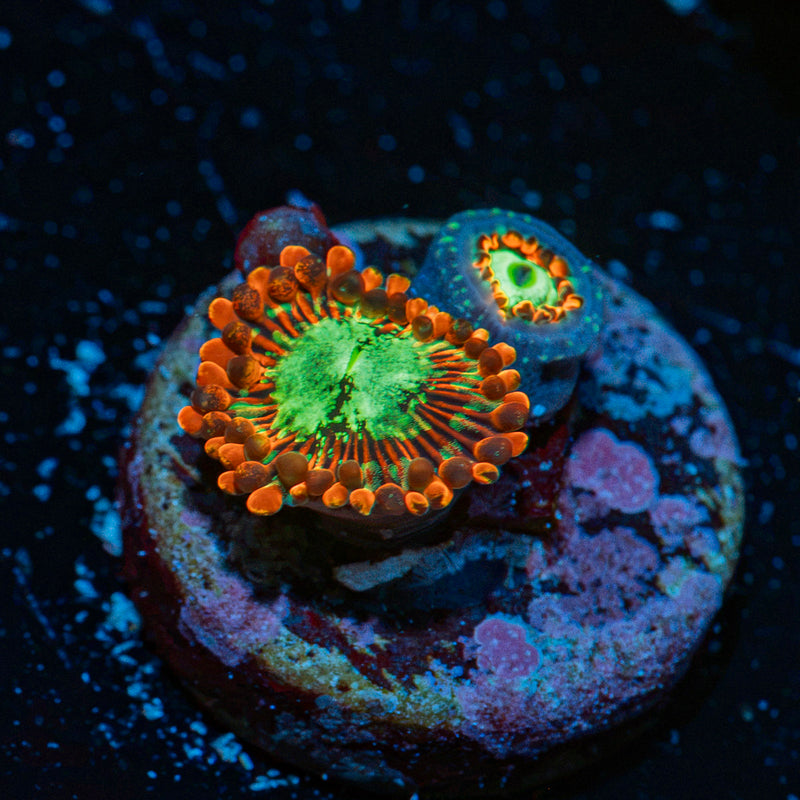
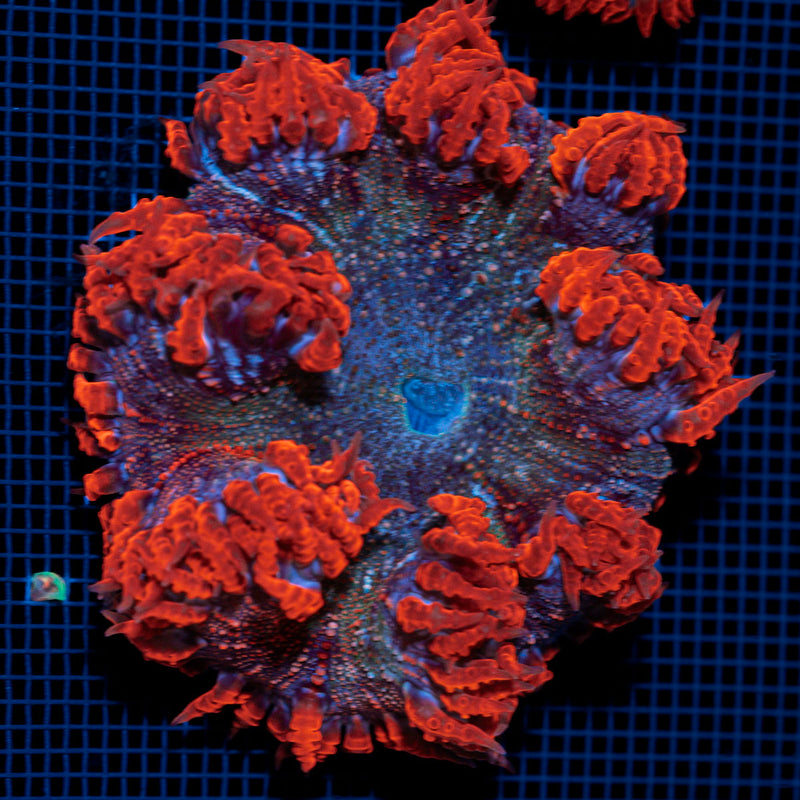
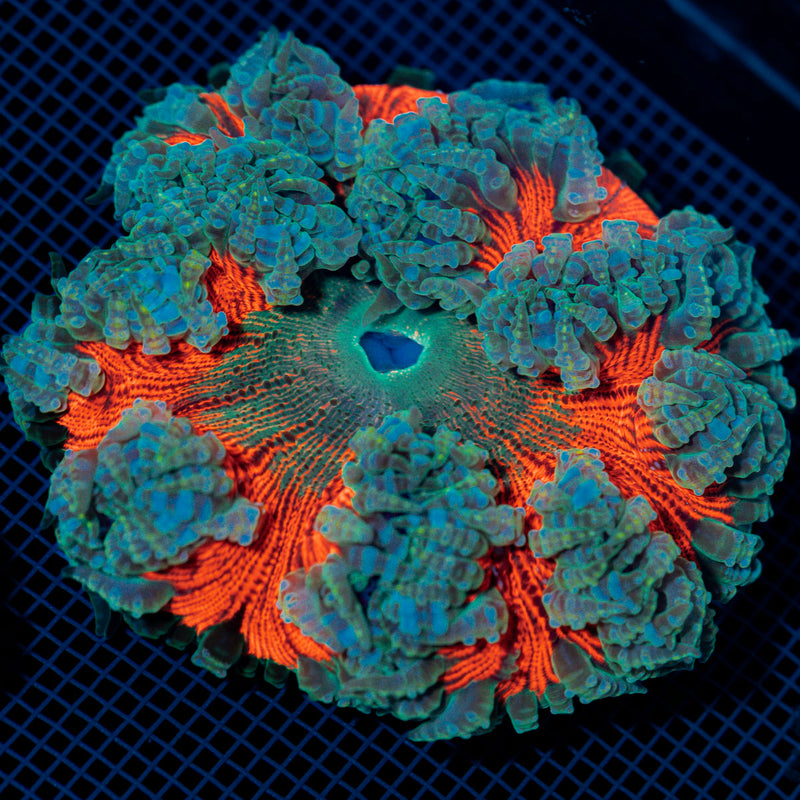
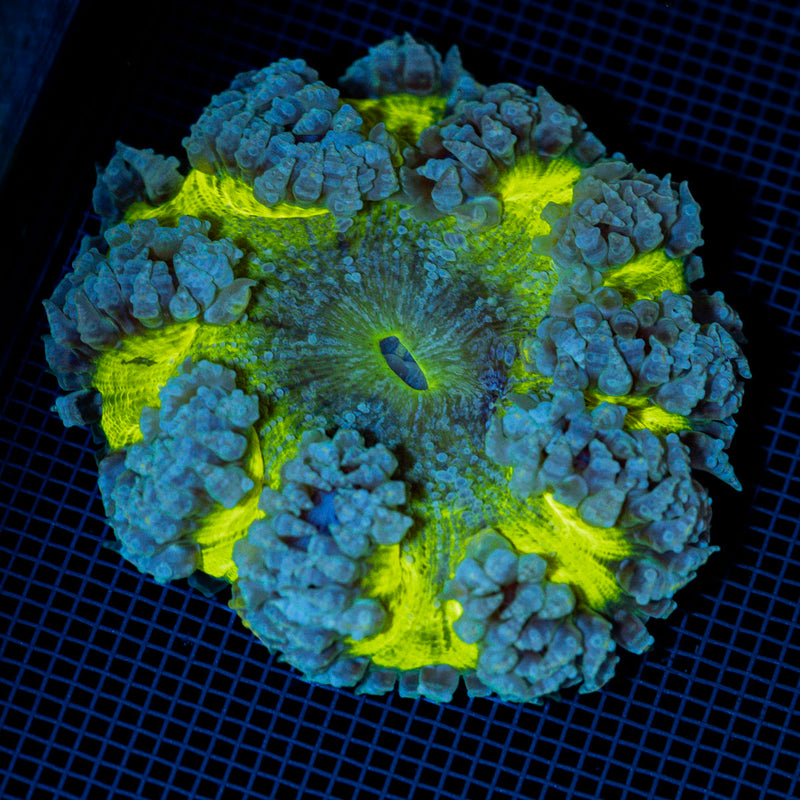
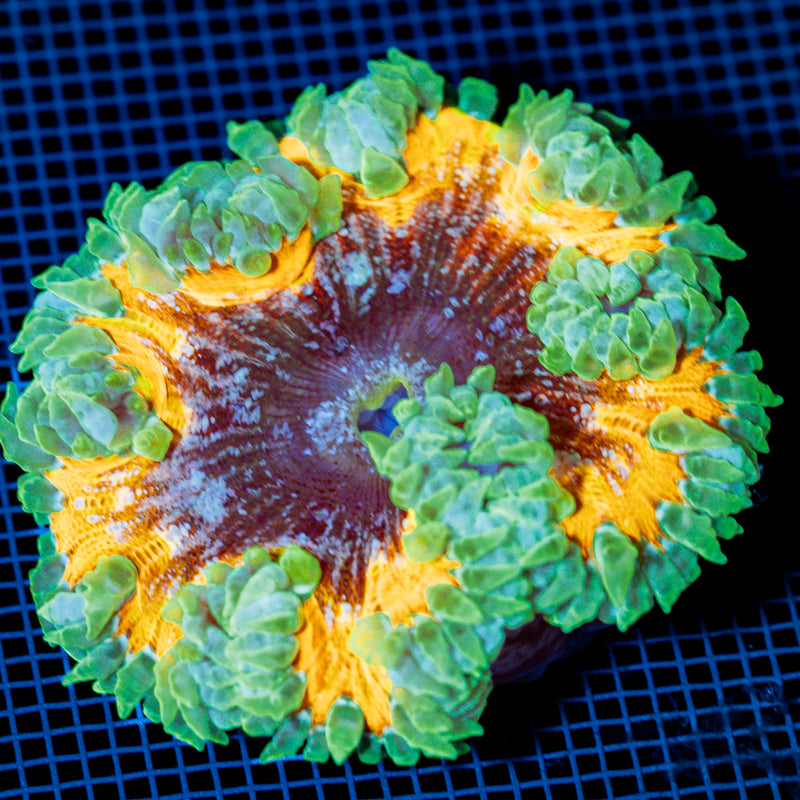
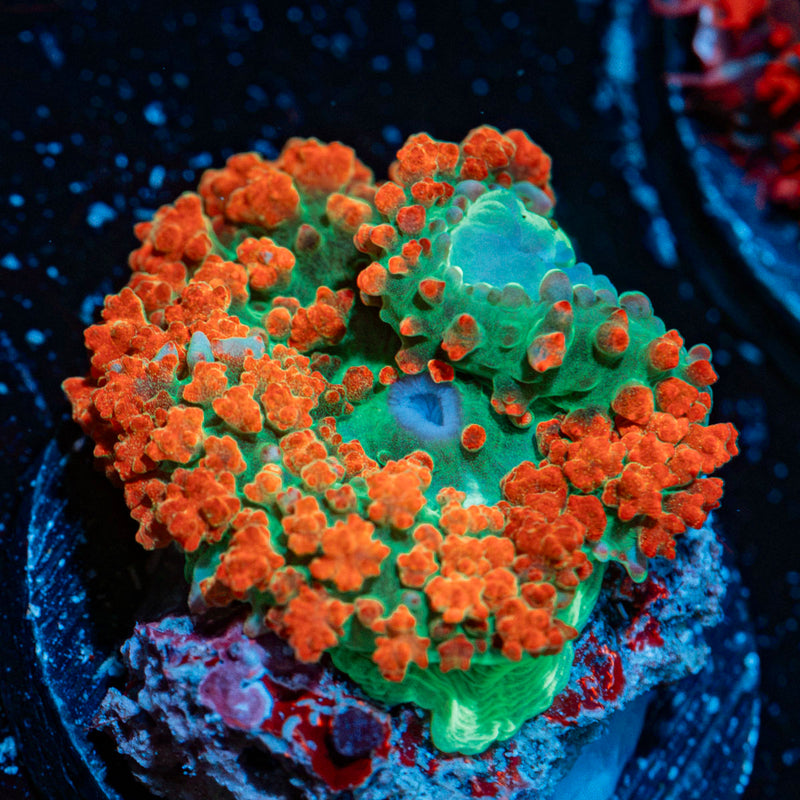
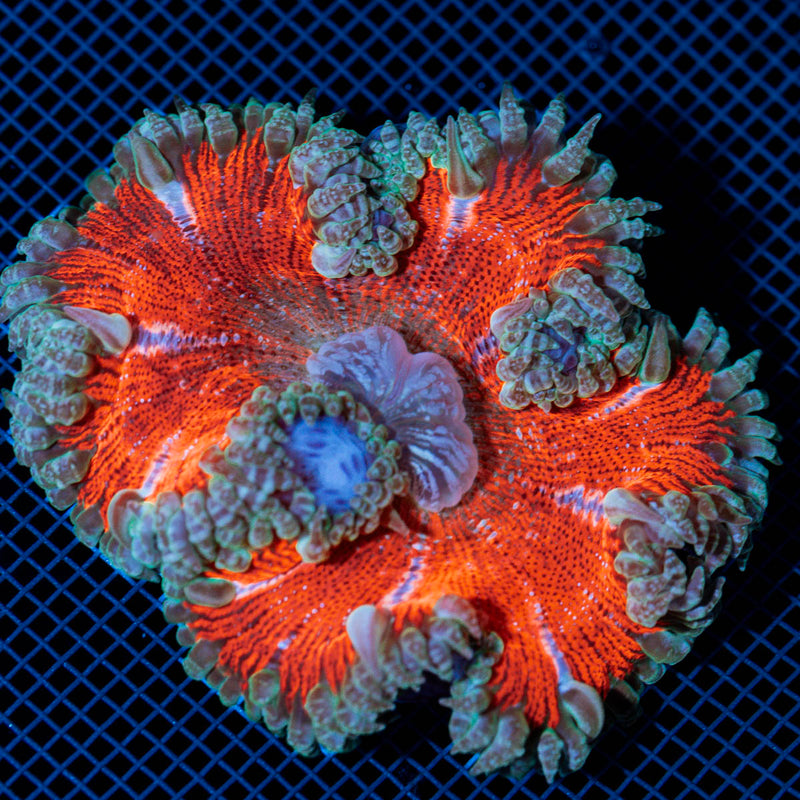
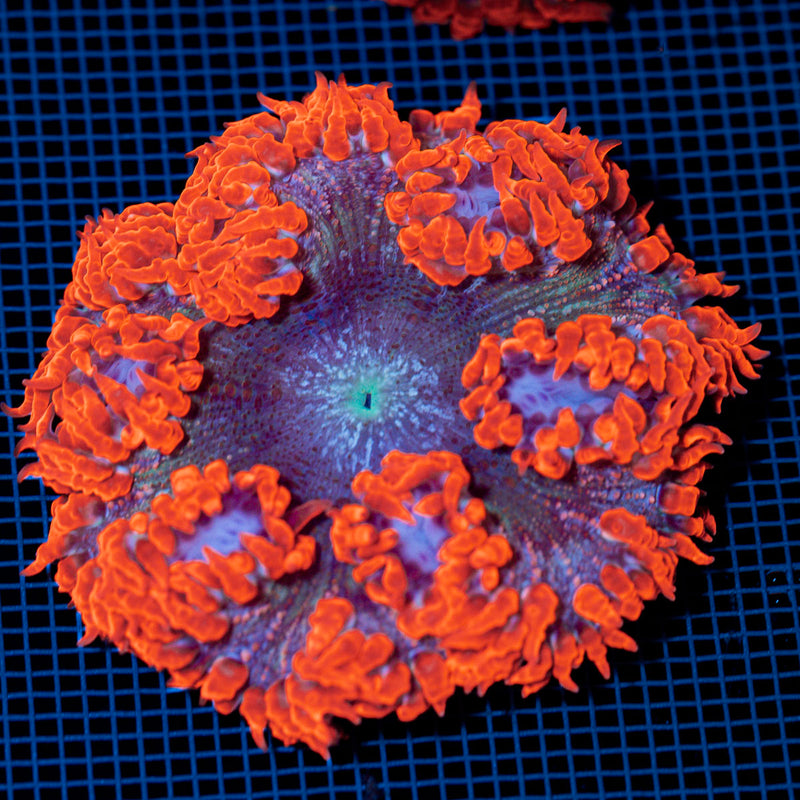
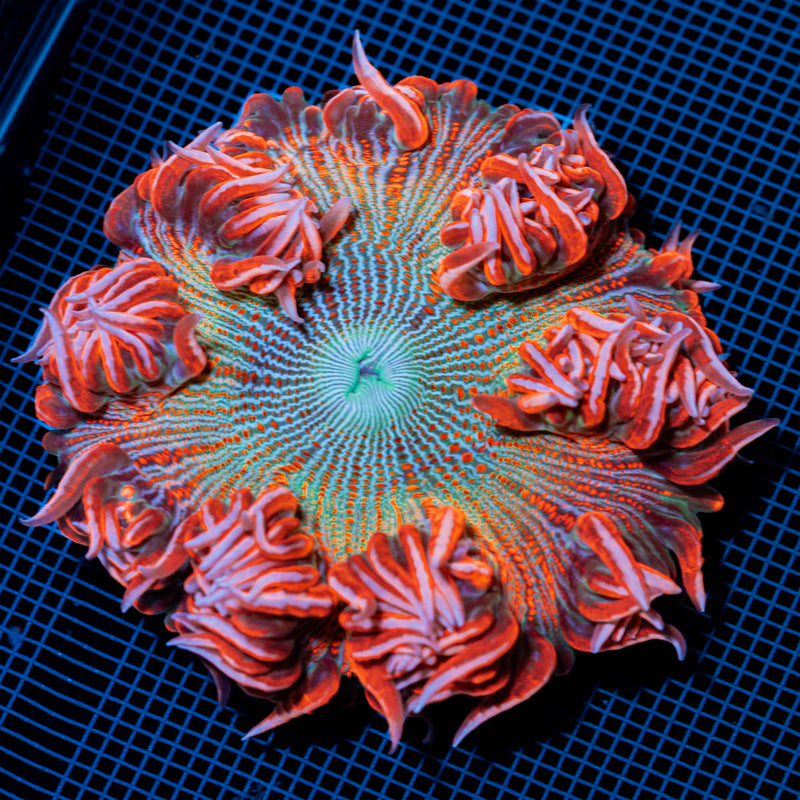
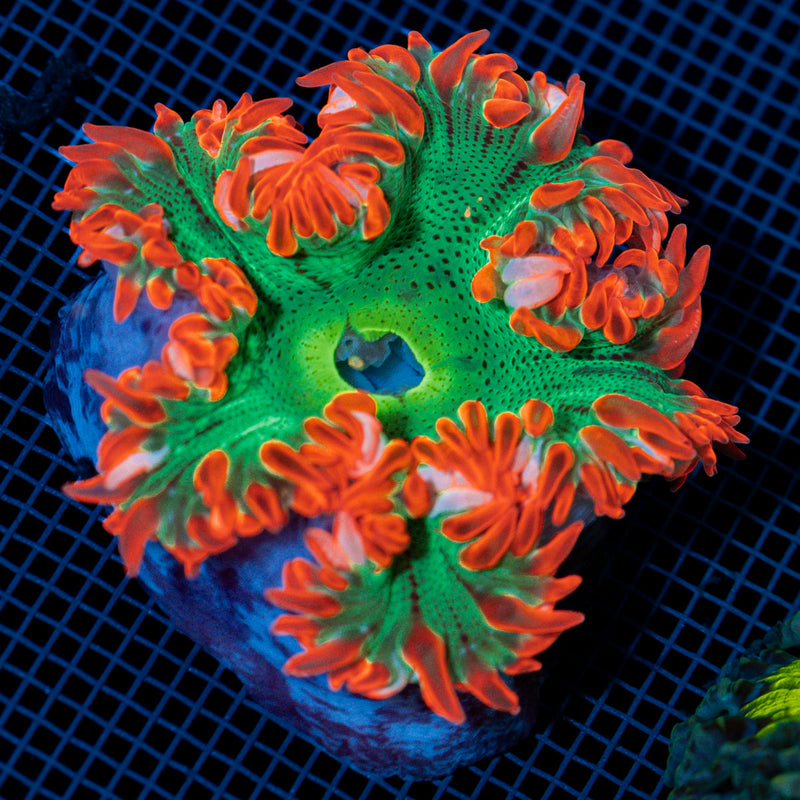
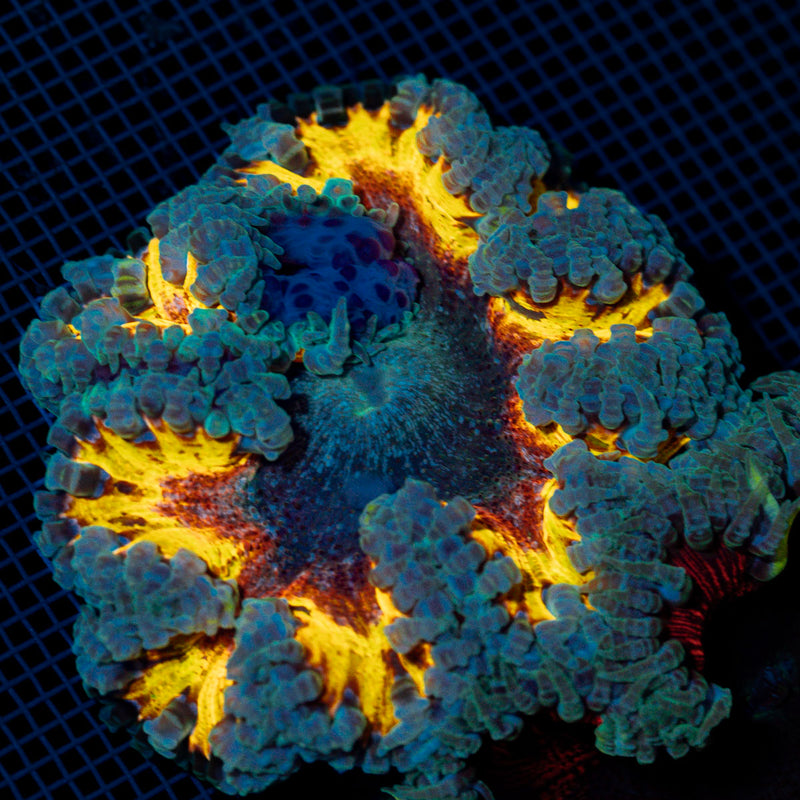
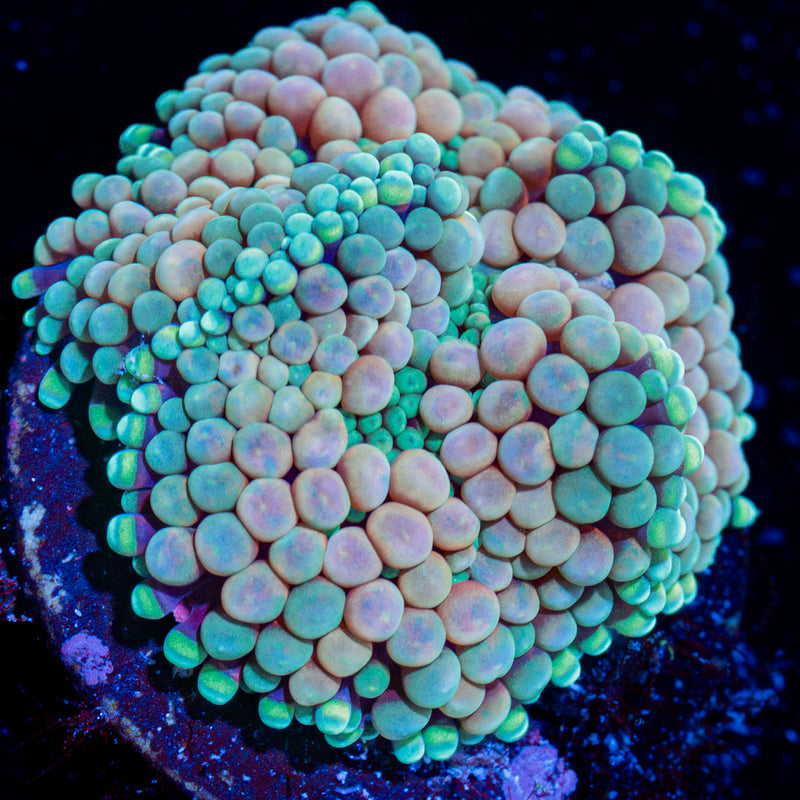
Soft corals, zoanthids, and mushrooms make excellent options for lower-light sections, side ledges, and areas where a more demanding SPS may not be the best fit. Zoanthids can tolerate a range of conditions once settled, while mushrooms often prefer lower light and gentler flow. Too much direct light can cause mushrooms to shrink, detach, or lose the full, plush look that makes them such a colorful addition.
Flow should look natural rather than forceful. Coral tissue should move, sway, or gently ripple, depending on the species. If a torch stays bent sharply in one direction, a mushroom folds over itself, or an LPS coral remains tightly retracted, the current may be too direct. On the other hand, detritus collecting around a coral's base can signal that the area needs more circulation.
Use Your Tank's Zones, Not Just Its Height
Think of your aquascape as a series of microclimates instead of a simple top-to-bottom shelf. The top center may offer high light and high flow, while a protected side shelf halfway down could be ideal for a hammer coral. The sandbed may be low light, but it can also receive surprisingly strong indirect flow from wavemakers.
Before mounting a frag, watch that location for a few minutes. Notice whether the current changes when pumps alternate, whether the spot is shaded at certain times of day, and whether nearby corals can reach it with sweeper tentacles. This quick observation prevents many placement mistakes.
Give Corals Room to Grow and Defend Their Space
A frag rack can make every coral look safely separated. Once those pieces are mounted on rockwork, the reef changes quickly. Branching SPS can spread into neighboring colonies, encrusting corals can claim an entire ledge, and LPS corals can extend farther after lights out than they appear to during the day.
Leave more space than seems necessary, especially around aggressive or fast-growing species. Euphyllia corals, including torches, hammers, and frogspawn, can sometimes coexist closely with similar varieties, but this is not a guarantee. Individual corals vary, and a peaceful-looking colony can still sting a nearby neighbor. Torches deserve particular caution because their sweepers can reach well beyond their visible daytime tentacles.
Chalices, galaxea, hydnophora, and many other LPS corals also need a generous buffer. Place them where their future expansion will not turn into a nightly turf war. If you are creating a mixed reef, reserving separate islands or distinct rock faces for corals with stronger defenses can save you from difficult fragging decisions later.
Fast-spreading zoanthids and encrusting corals are another consideration. They are fantastic for adding a carpet of color to a bare rock, but they can cover prized real estate over time. Place them on an isolated rock or a dedicated section of the aquascape when possible. That way, their growth becomes part of the design rather than a maintenance challenge.
Match Placement to Coral Shape and Feeding Style
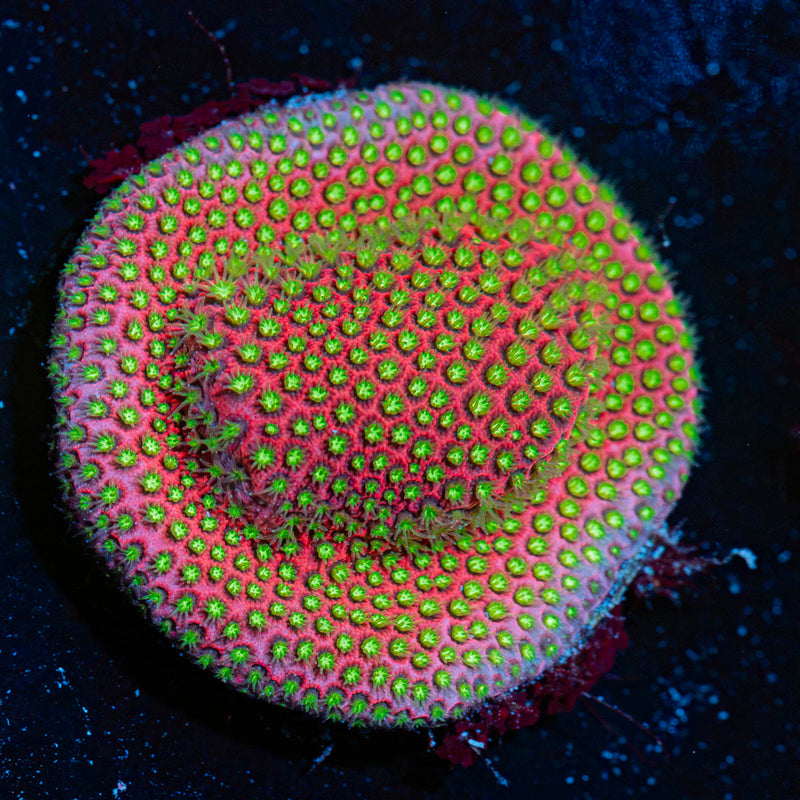
Coral shape affects where it will look and perform best. Branching SPS often shine on elevated shelves where their form can grow outward into open water. Plating Montipora needs room below and around its edges, since its expanding plates can shade whatever sits underneath. Encrusting varieties are ideal for smaller faces, overflow-adjacent rockwork, or sections you want to transform into a colorful living backdrop.
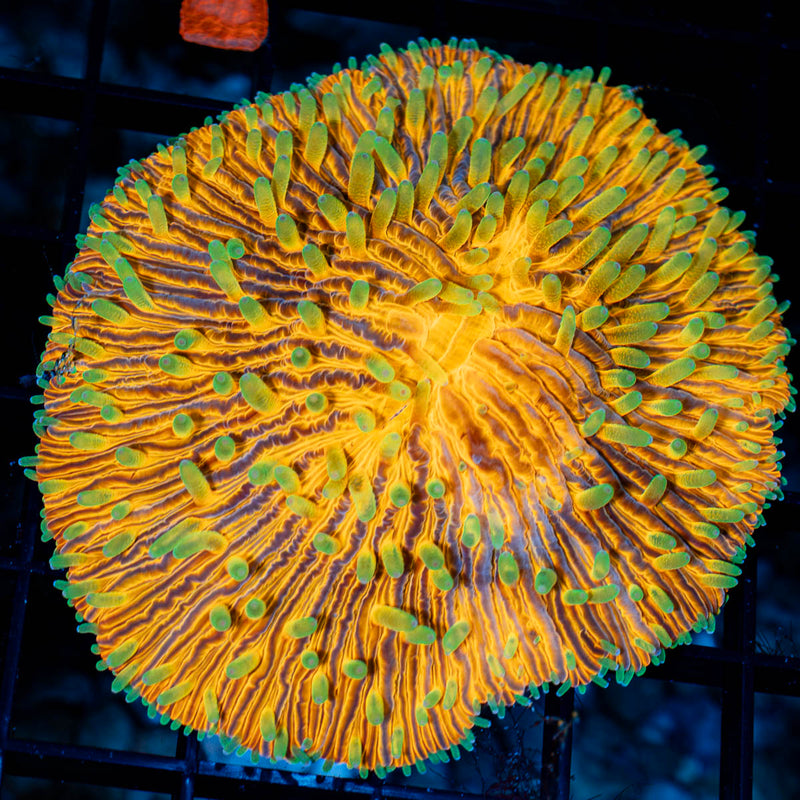
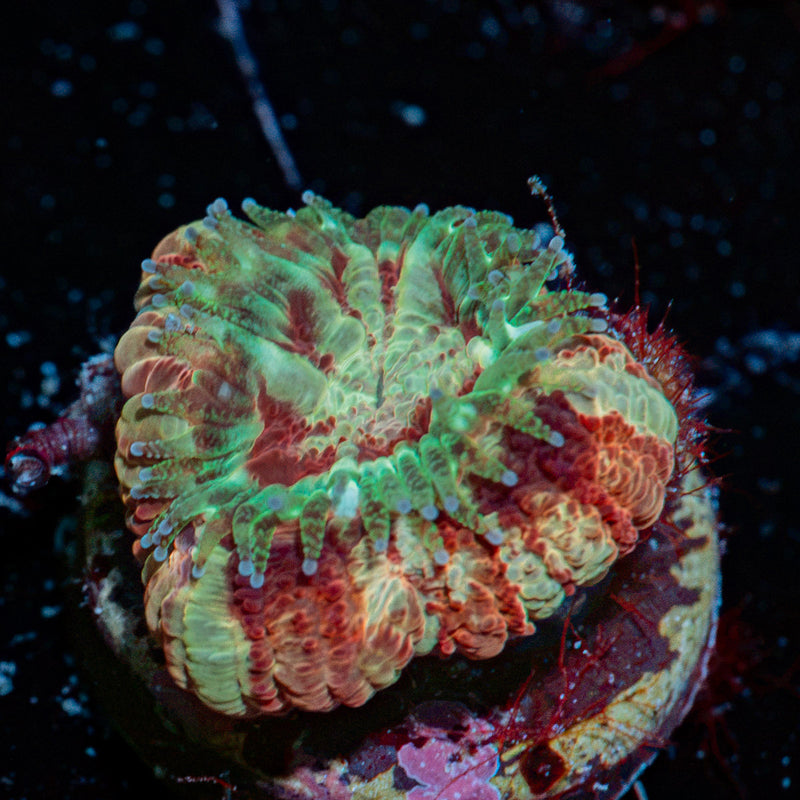
Fleshy LPS corals deserve stable footing. Acan corals, scolymia-style corals, and many other large-polyp varieties can do well on the sandbed if the sand is clean and the coral is not constantly tipped by snails, fish, or burrowing animals. Use a small rock or a stable coral cradle when needed. A coral that repeatedly falls, rubs against rock, or gets buried is spending energy on survival instead of growth.
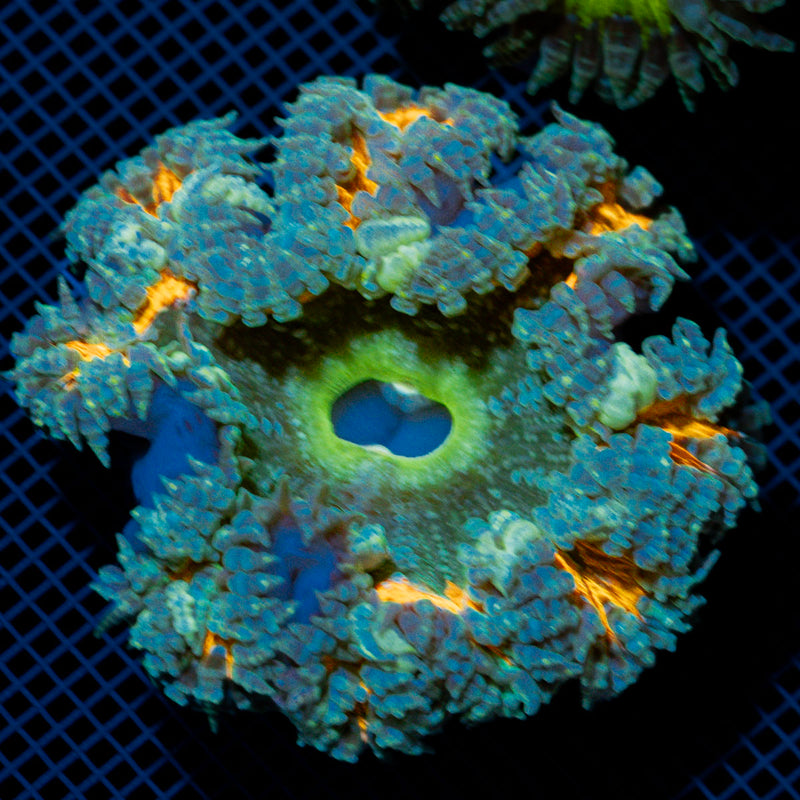
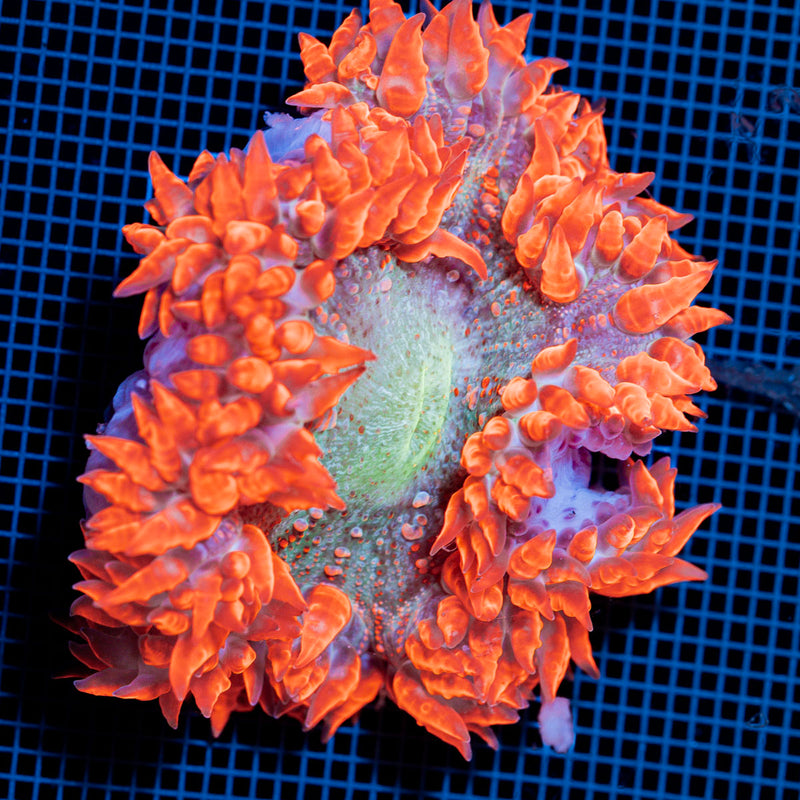
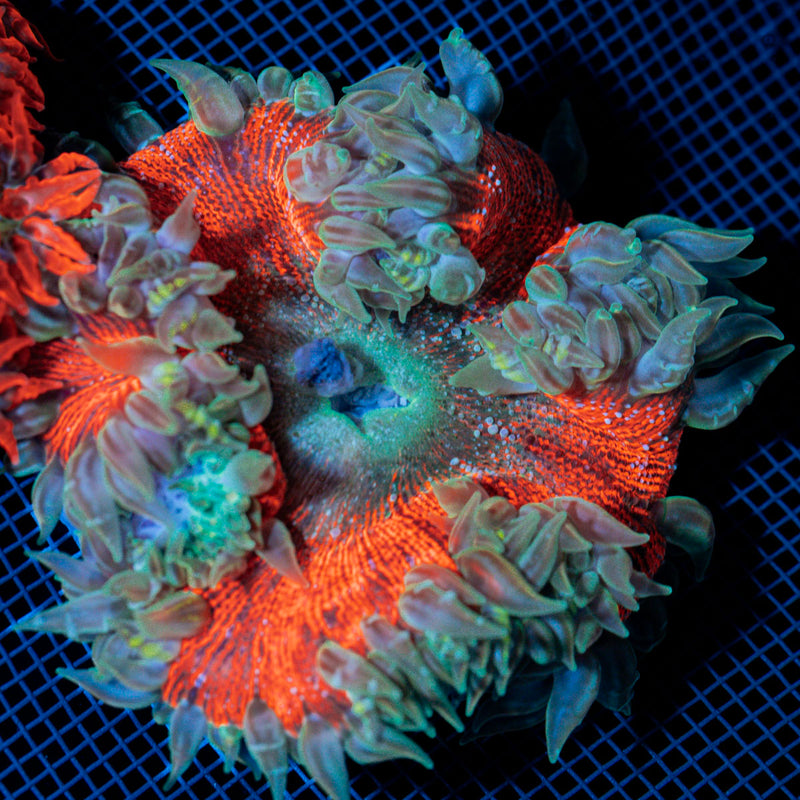
Anemones need special planning. They may choose a crevice, move toward preferred light and flow, and sting corals along the way. Give an anemone its own zone before adding delicate showpiece frags nearby. Their movement is part of their nature, so placement is more about creating a safe area than forcing a permanent location.
Acclimate New Frags Before You Commit
The best permanent spot is not always the best first spot. New corals can arrive healthy and vibrant yet still need time to adjust to a different spectrum, intensity, nutrient level, and flow pattern. Start conservatively, particularly with SPS, chalices, and mushrooms that may react strongly to a sudden change in light.
A lower or partially shaded section of the tank can serve as a temporary acclimation zone. Over several days or weeks, monitor polyp extension, tissue color, and overall posture. A coral that is opening well and maintaining color may be ready to stay put or move gradually toward more light. A coral that pales, stays closed, or shows irritated tissue should be moved to gentler conditions before the problem progresses.
Avoid relocating a coral every day. Constant moves can create more stress than an imperfect placement. Make one measured adjustment, then give the coral time to respond. Reef tanks reward patience, and many corals need more than a few hours to show how they truly feel about a new location.
When you are ready to mount a frag, secure it firmly with reef-safe adhesive or epoxy. Position it at a natural angle, with enough clearance for future growth and good water movement around the base. A secure mount protects the frag from tumbles and helps it begin encrusting onto the rockwork.
Read What Your Corals Are Telling You
Your corals provide the most useful feedback. Good placement often looks like steady polyp extension, full tissue, stable or improving color, and visible new growth over time. These signs matter more than rigid rules about whether every coral belongs on the top, middle, or bottom of the tank.
Trouble signs deserve attention, but they do not always point to placement alone. Pale tissue may indicate excessive light, though unstable nutrients can create a similar look. Poor extension can result from too much flow, too little flow, pests, water chemistry swings, or irritation from a nearby coral. Look at the whole tank before making a major change.
A PAR meter is helpful if you have one, especially for a mixed reef with premium SPS or high-light WYSIWYG pieces. Still, even without advanced equipment, careful observation and gradual acclimation can lead to excellent results. Healthy aquacultured frags give you a strong starting point, while thoughtful placement gives them room to become the centerpiece colonies you pictured.
At Riptide Aquaculture, every colorful frag represents future potential, not just a small piece of coral on a plug. Give that future a little open space, a suitable current, and time to settle. Your reef will reward you with richer color, fuller growth, and a display that looks more beautiful with every passing month.