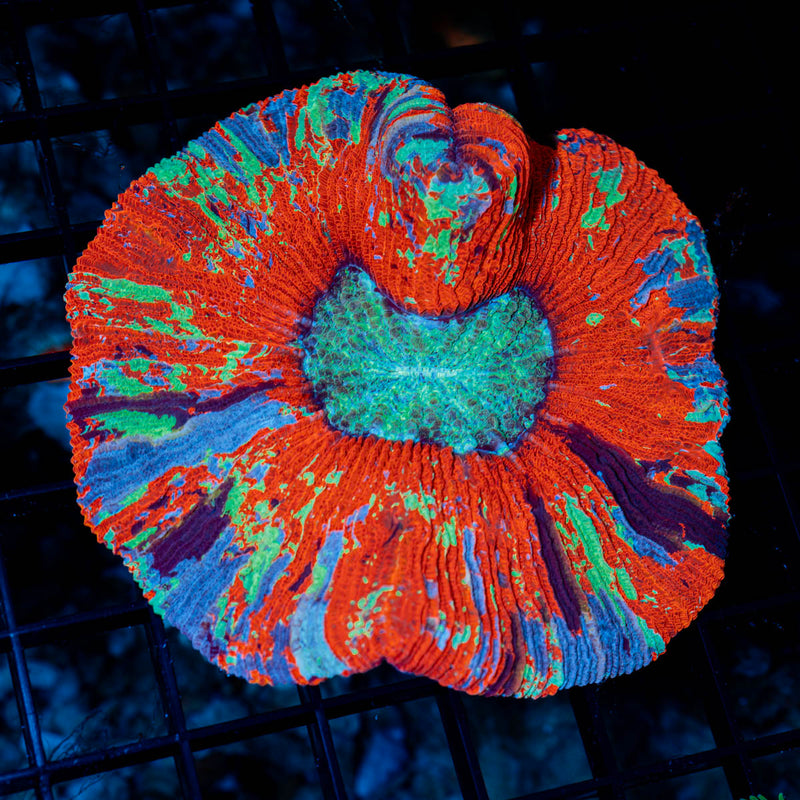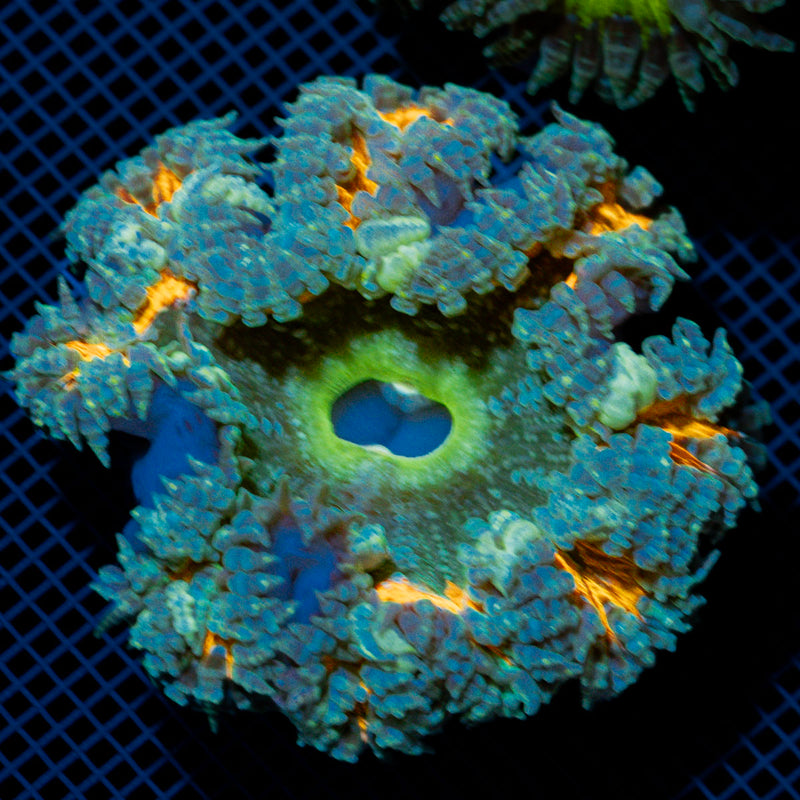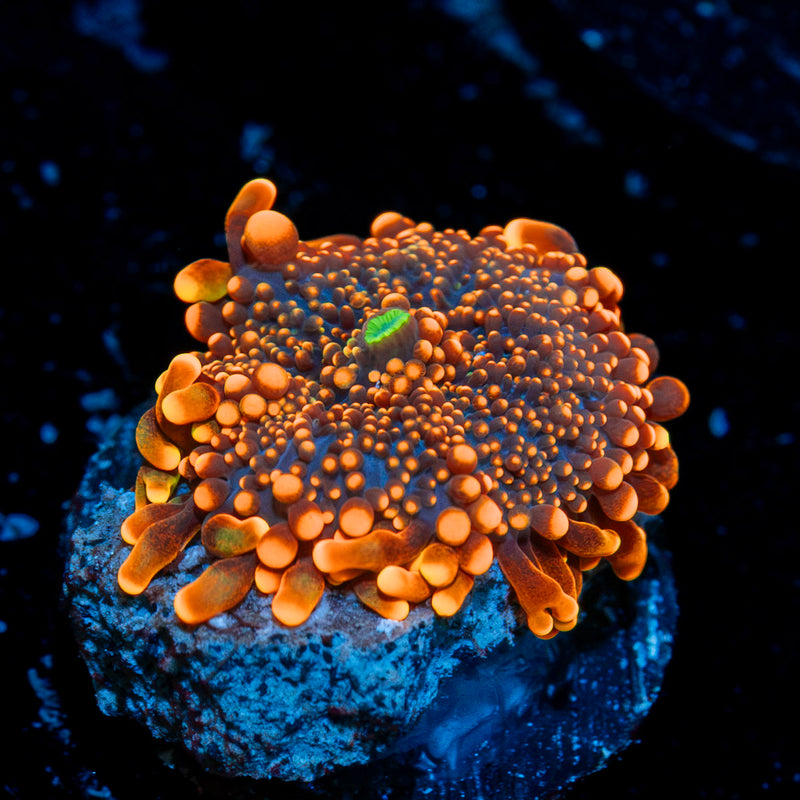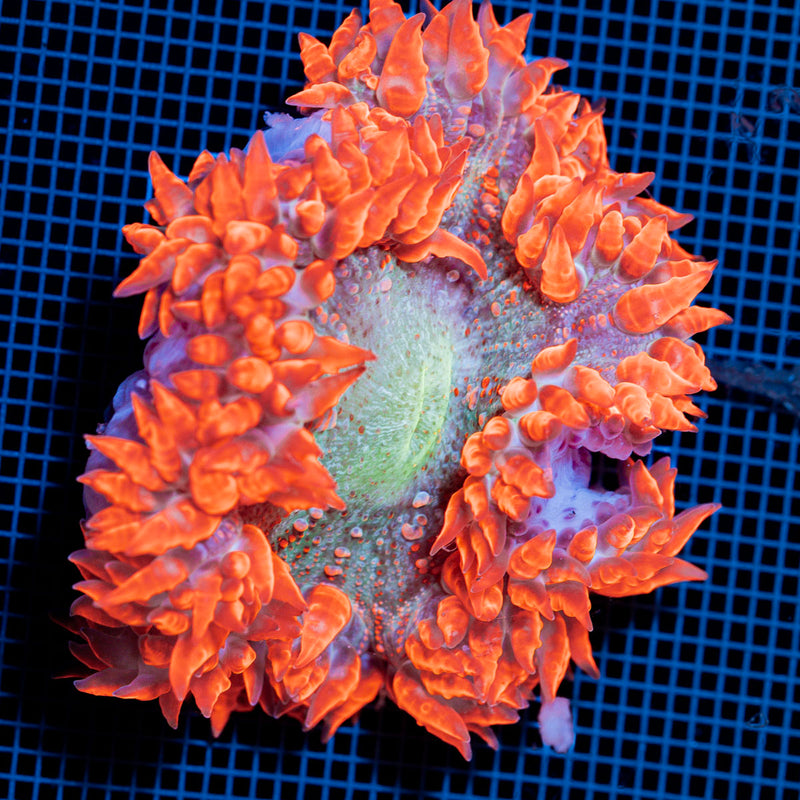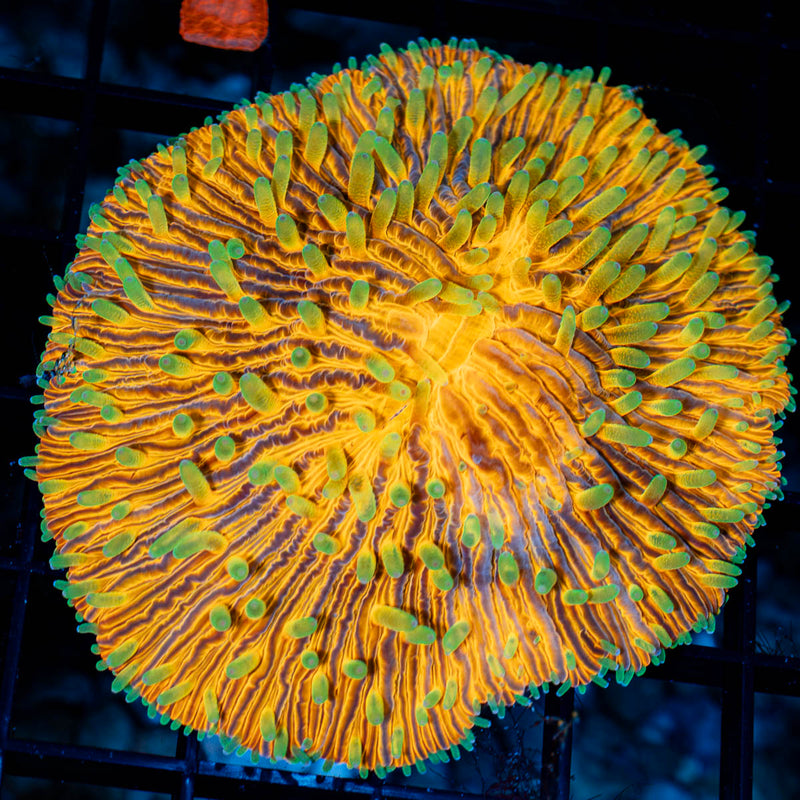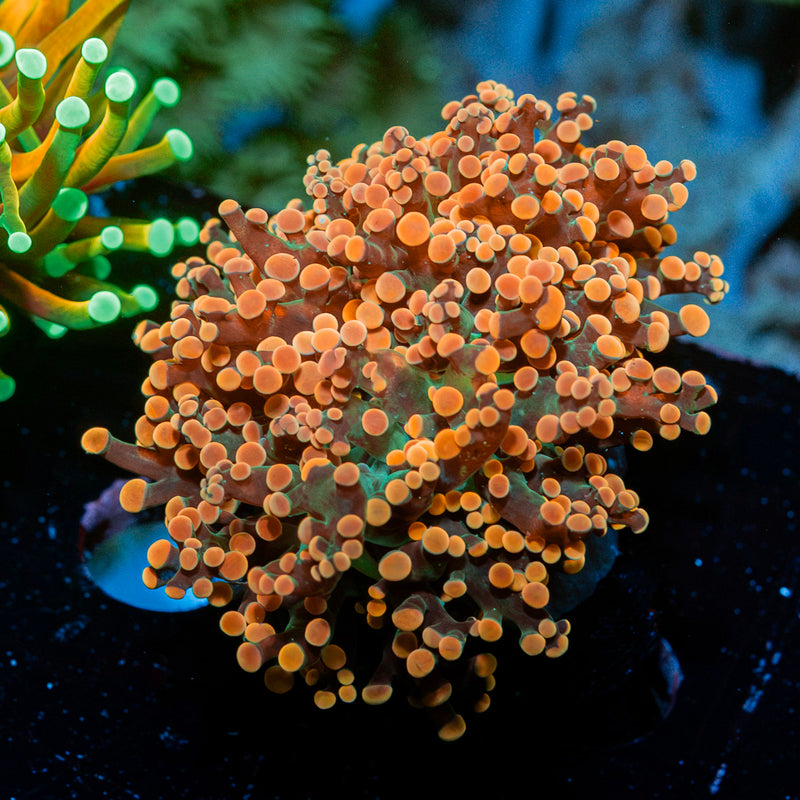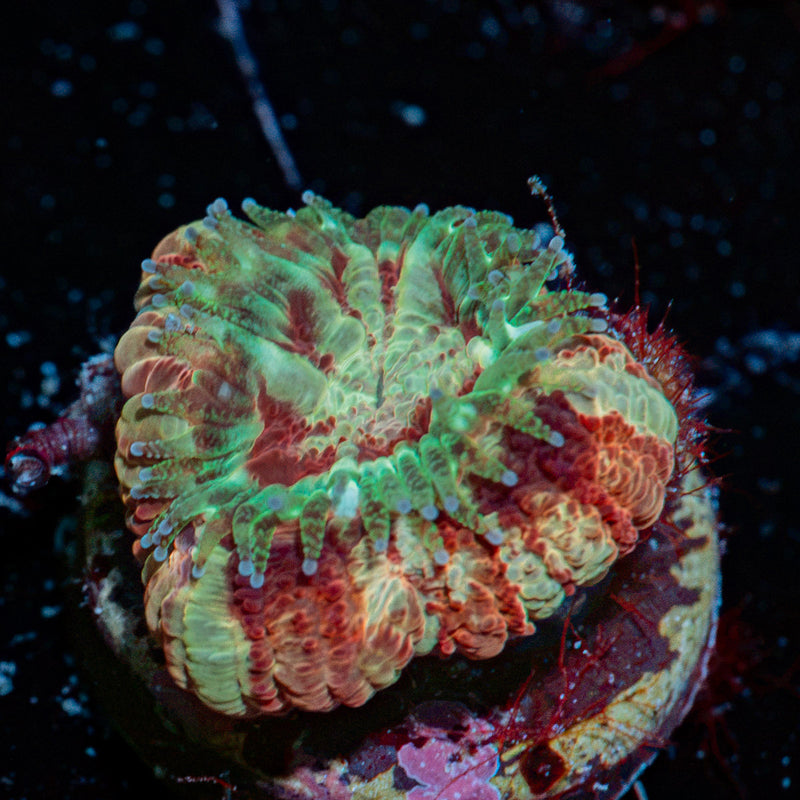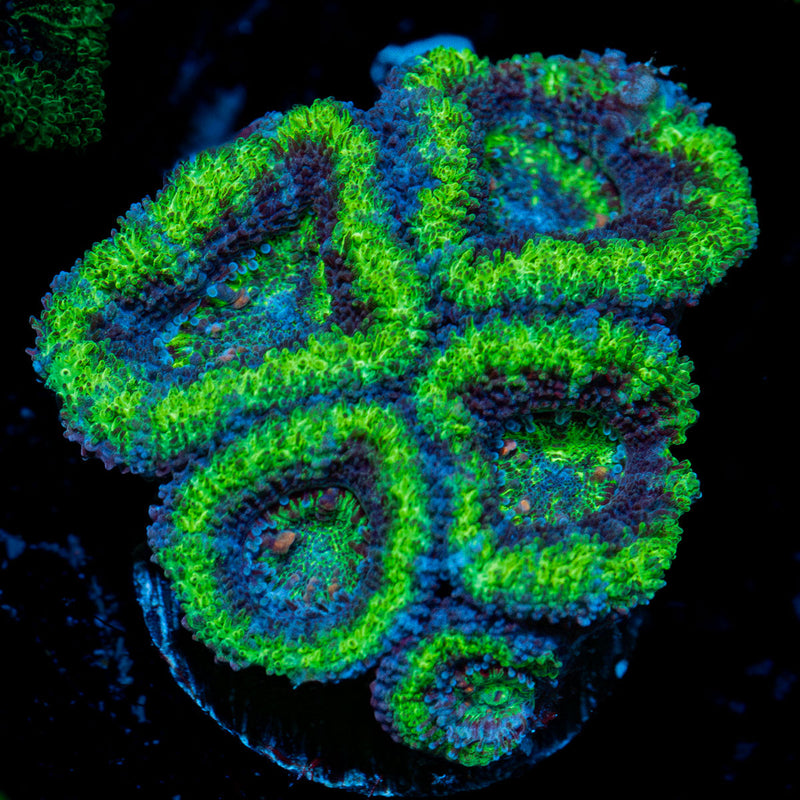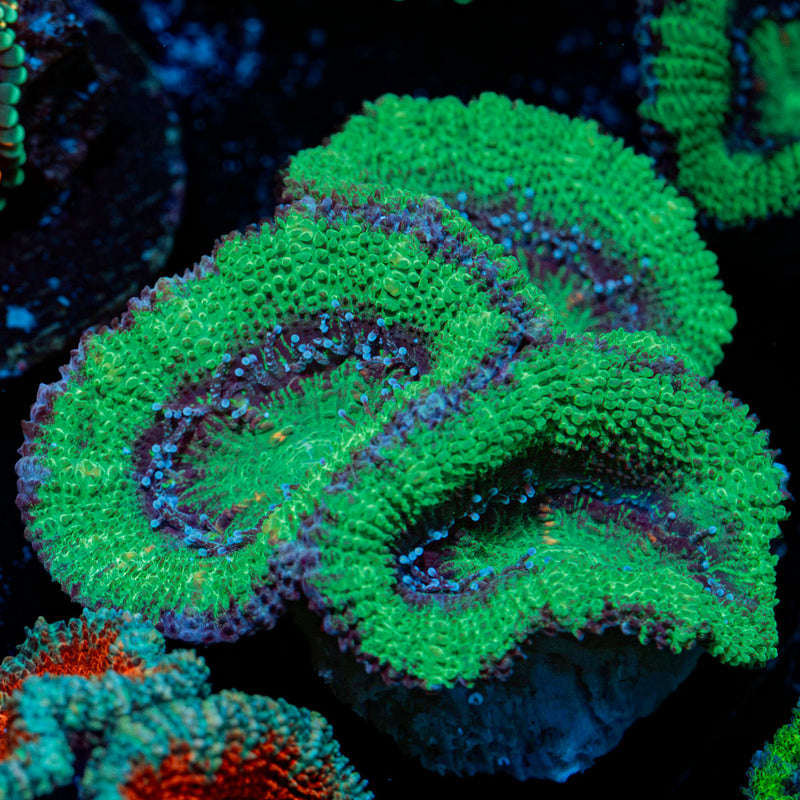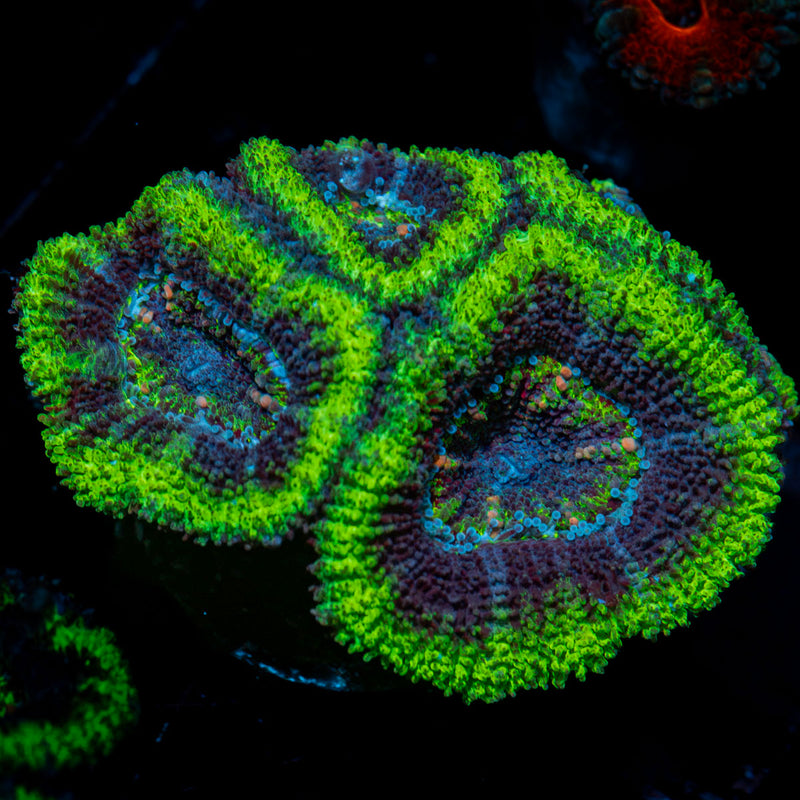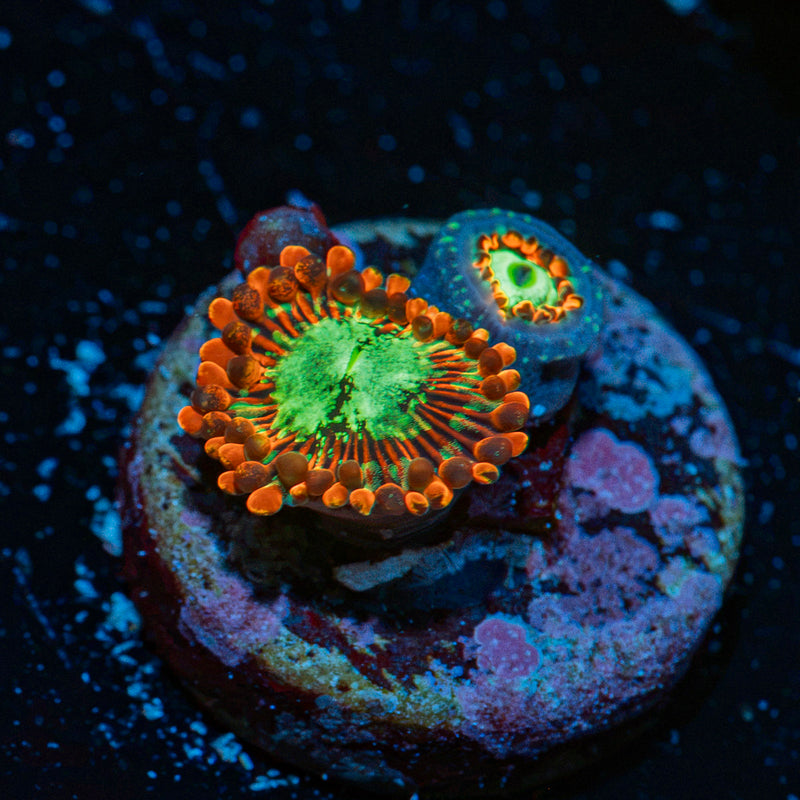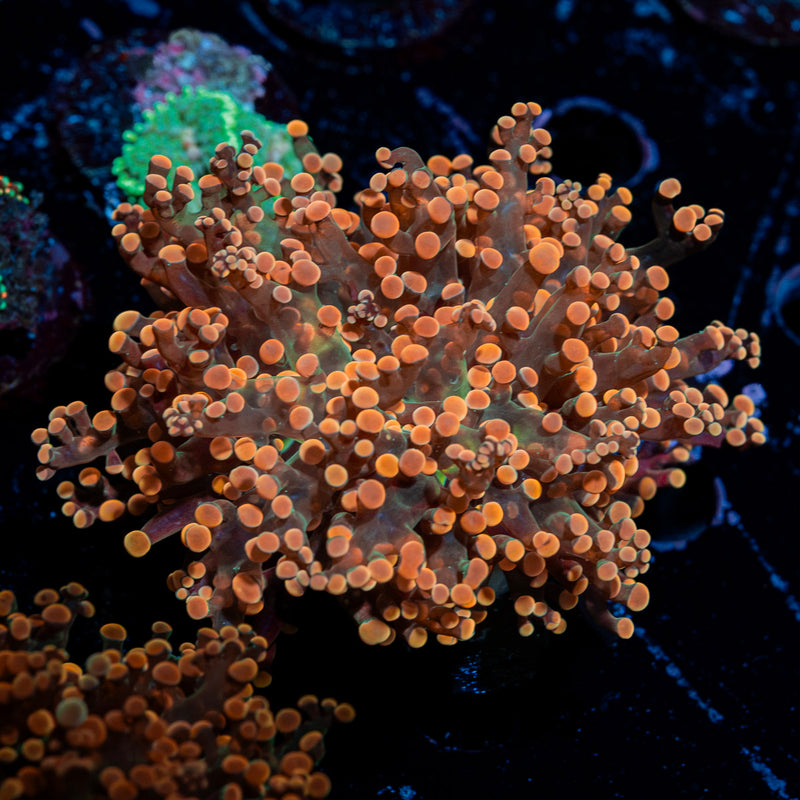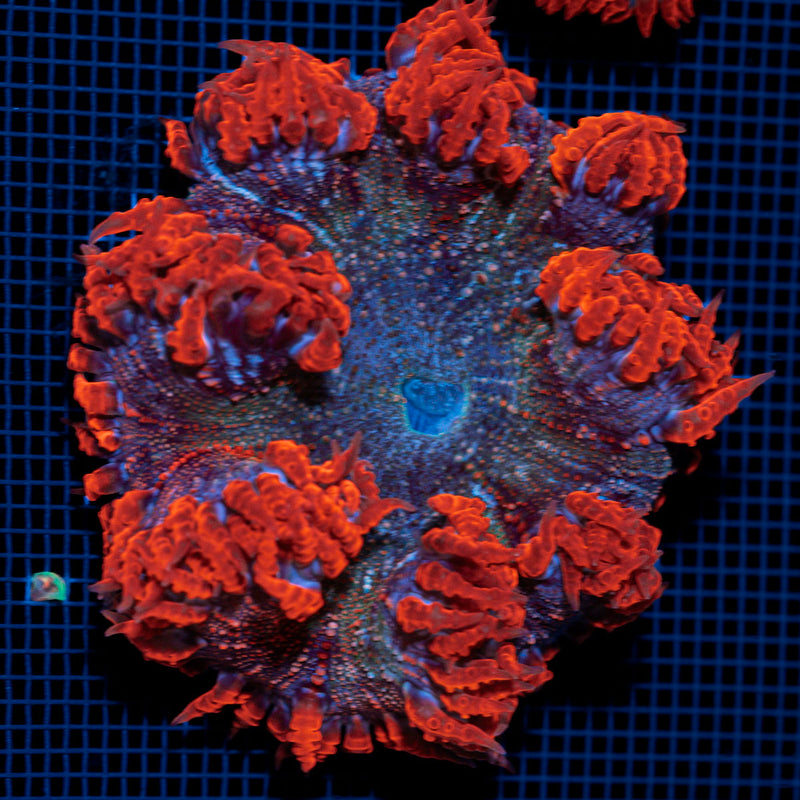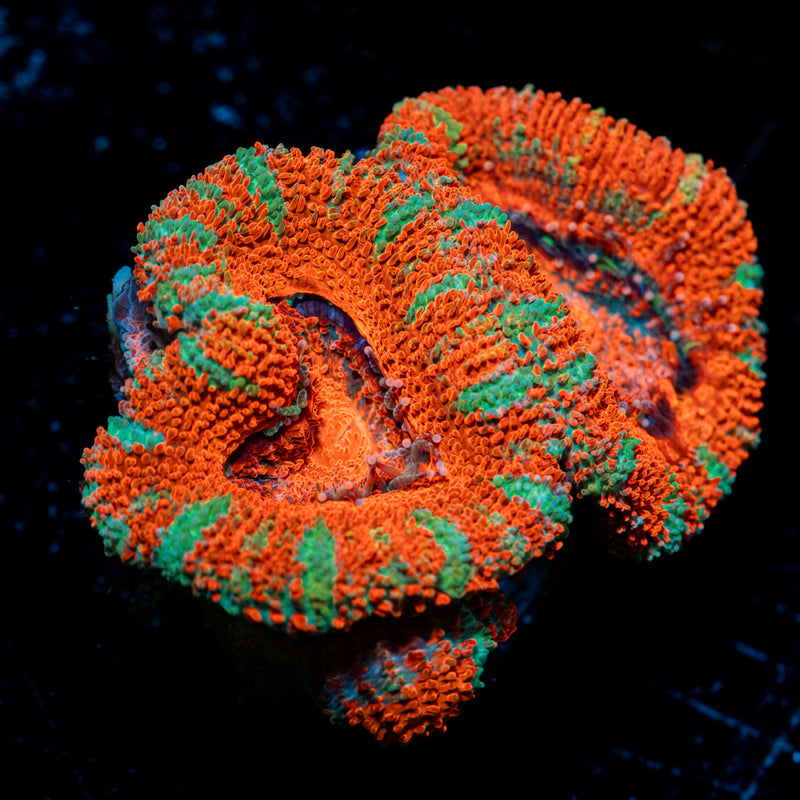
That first coral purchase can feel bigger than buying the tank itself. Once you move from rock and fish to living color, every choice feels high stakes. The best corals for first reef tanks are the ones that give you a real shot at success early - hardy, forgiving, colorful, and interesting enough that your tank already feels alive.
A beginner reef does not need to start with the rarest torch, the brightest acro, or the most expensive showpiece in the WYSIWYG section. What it needs is stability, movement, color, and corals that tolerate small mistakes while you learn how your tank behaves. That is where smart stocking matters.
What makes the best corals for first reef tanks?
The right starter coral is not just "easy." It should also handle normal beginner swings better than delicate species, adapt well to common reef lighting, and show clear signs of how it is feeling. Corals that open reliably, grow at a steady pace, and do not demand ultra-precise placement tend to build confidence fast.
Aquacultured frags are especially appealing for a first reef because they are generally better adapted to aquarium life than wild colonies. They are also a more reassuring way to buy online when you want healthy, established pieces with predictable coloration and growth habits.
That said, "beginner coral" does not mean every easy coral belongs in every tank. Some grow quickly and can spread farther than expected. Others are peaceful until they have close neighbors. A first reef goes more smoothly when you choose corals that fit your space, your lighting, and your tolerance for maintenance.
9 best corals for first reef setups
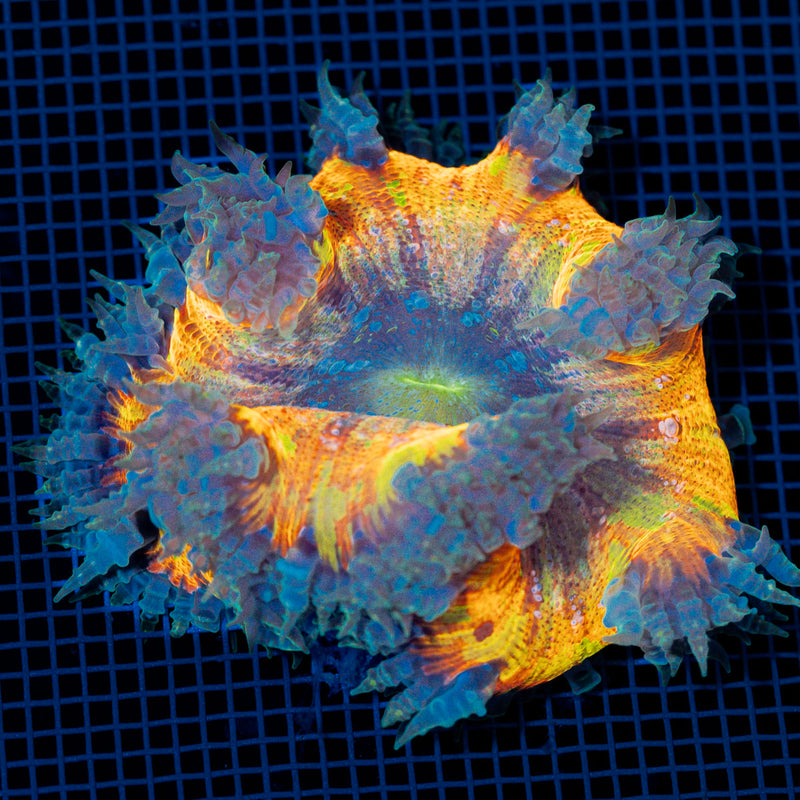
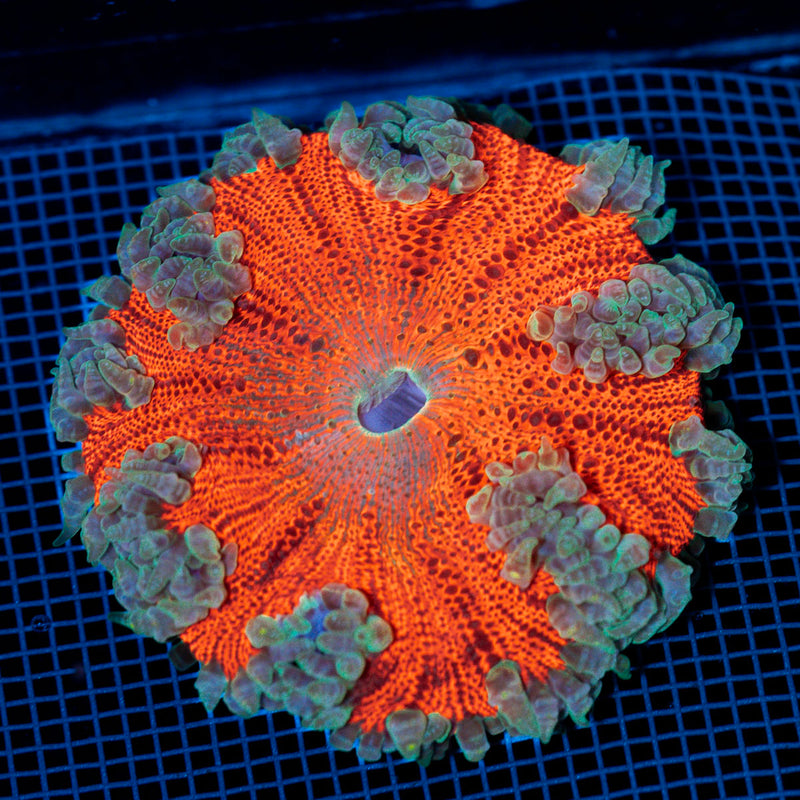
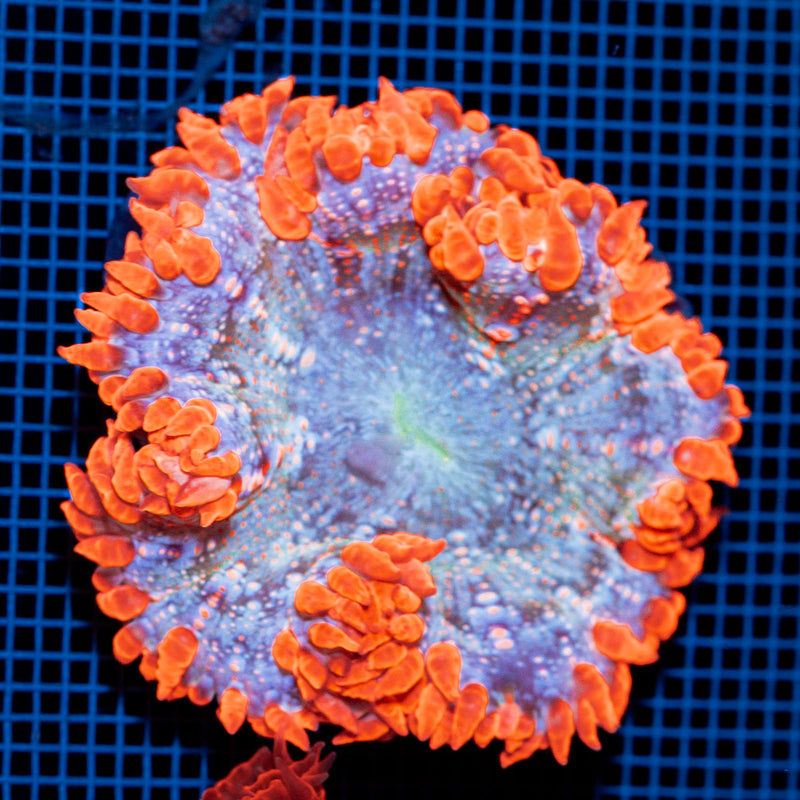
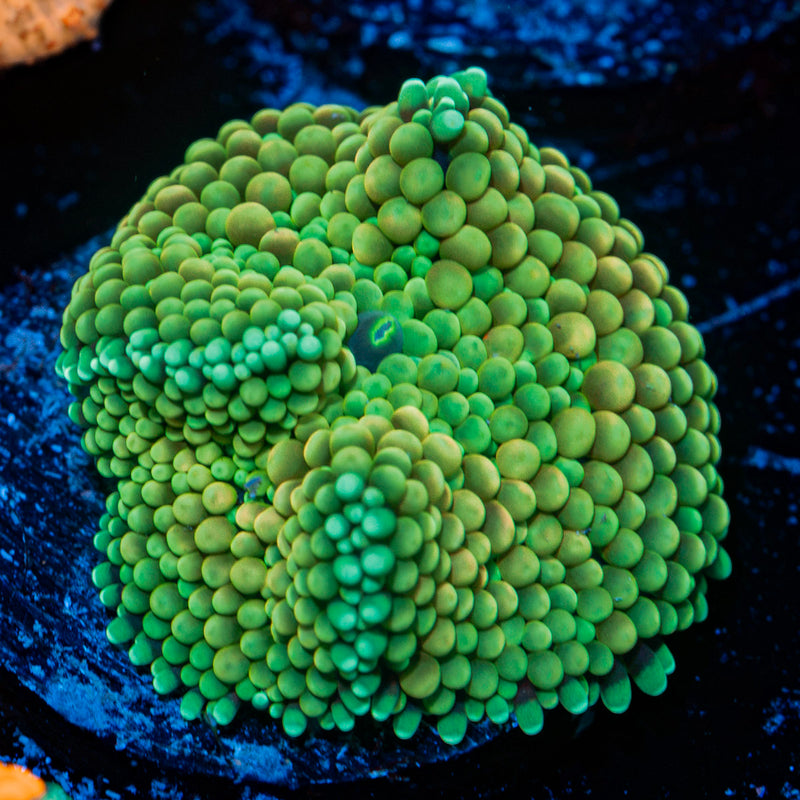
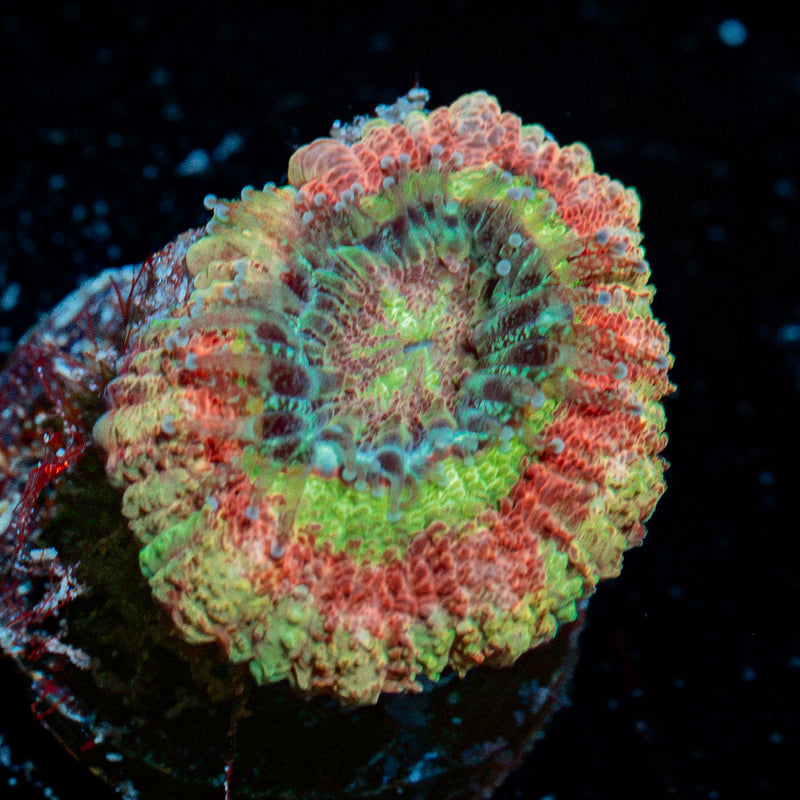
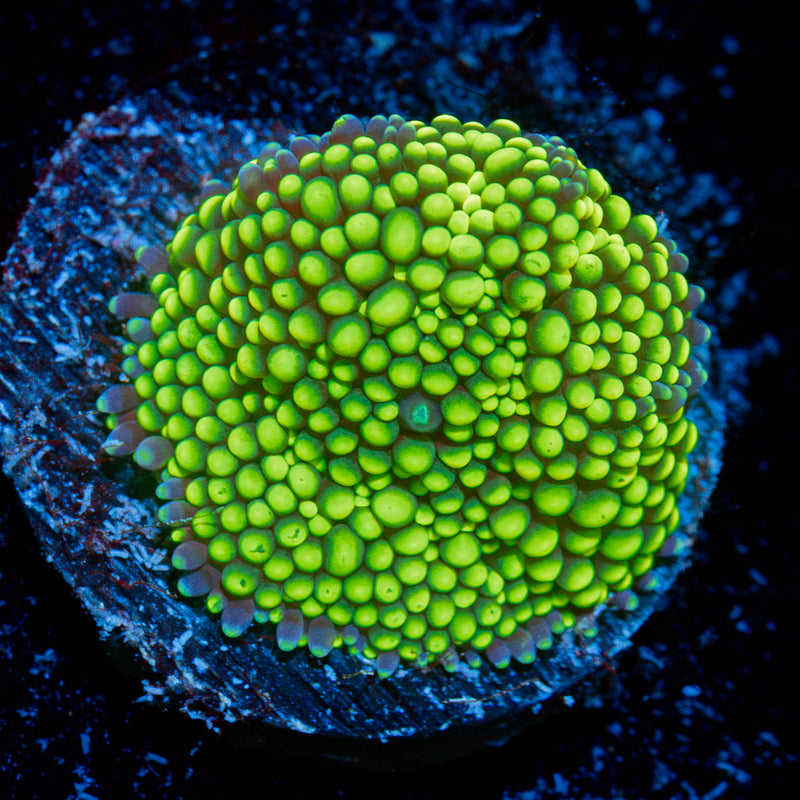
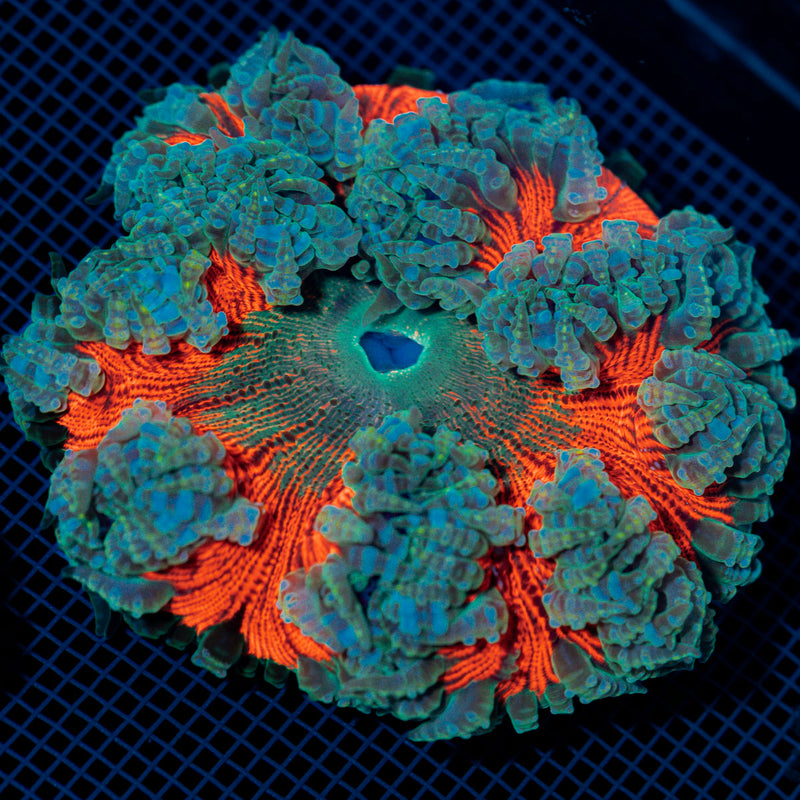
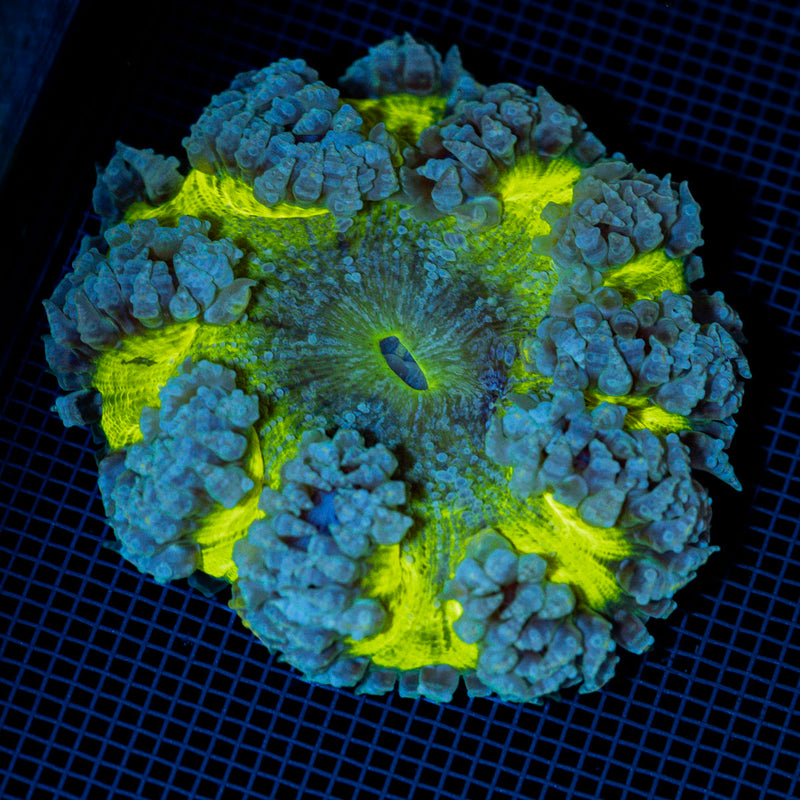
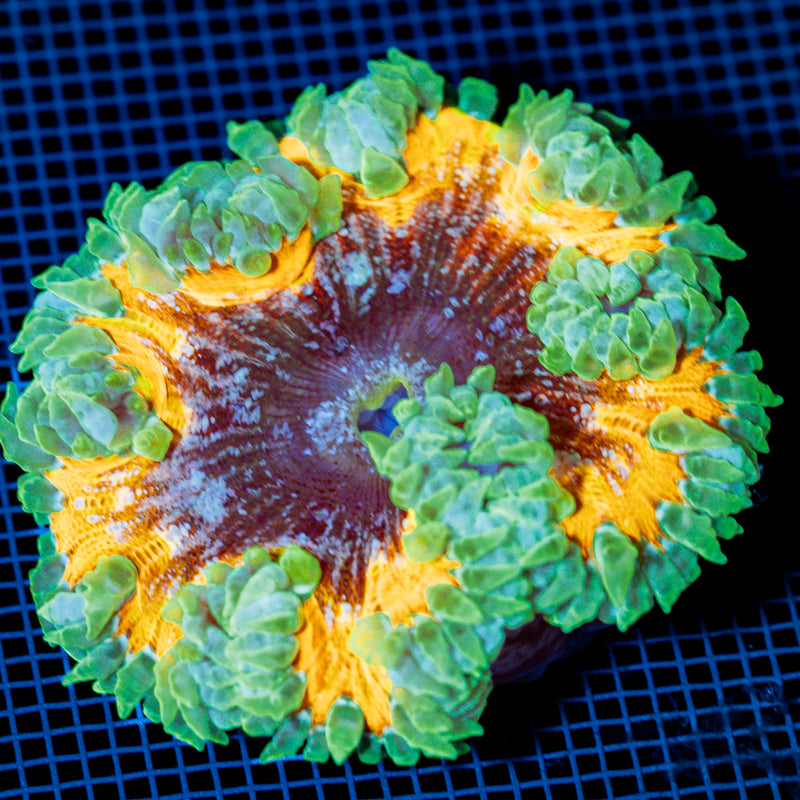
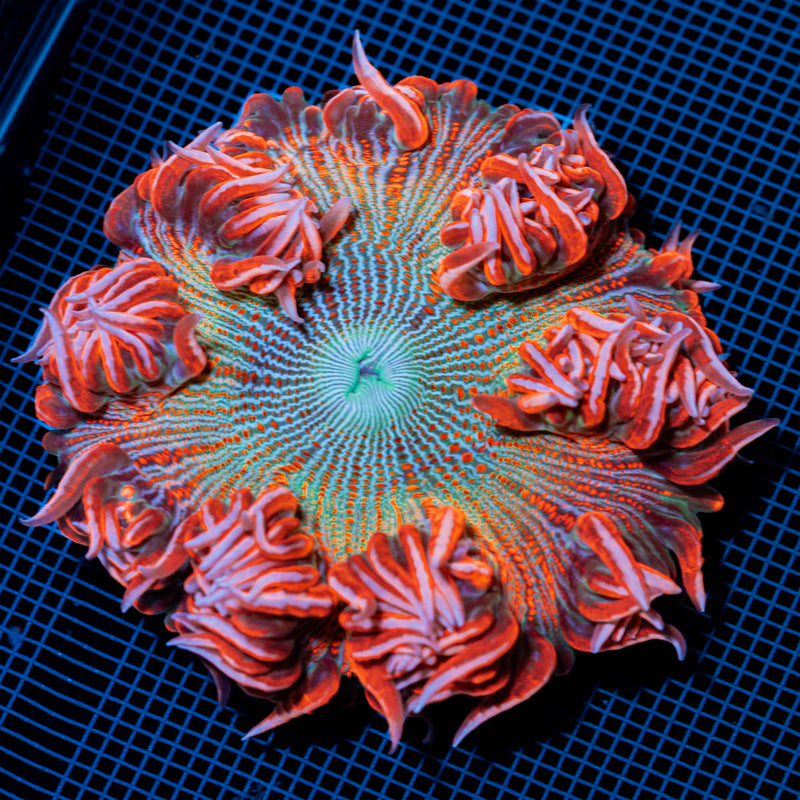
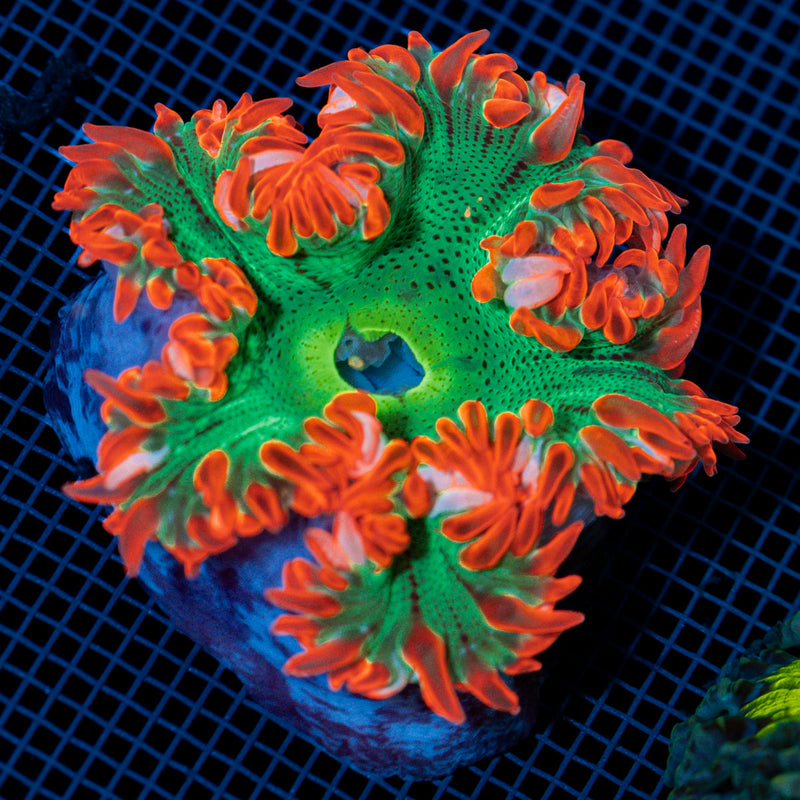
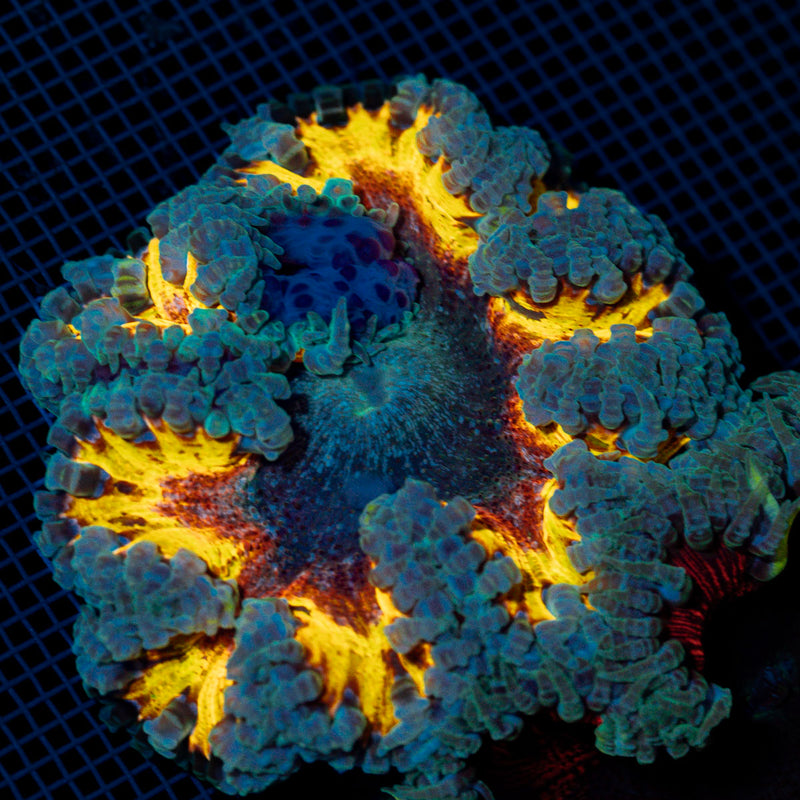
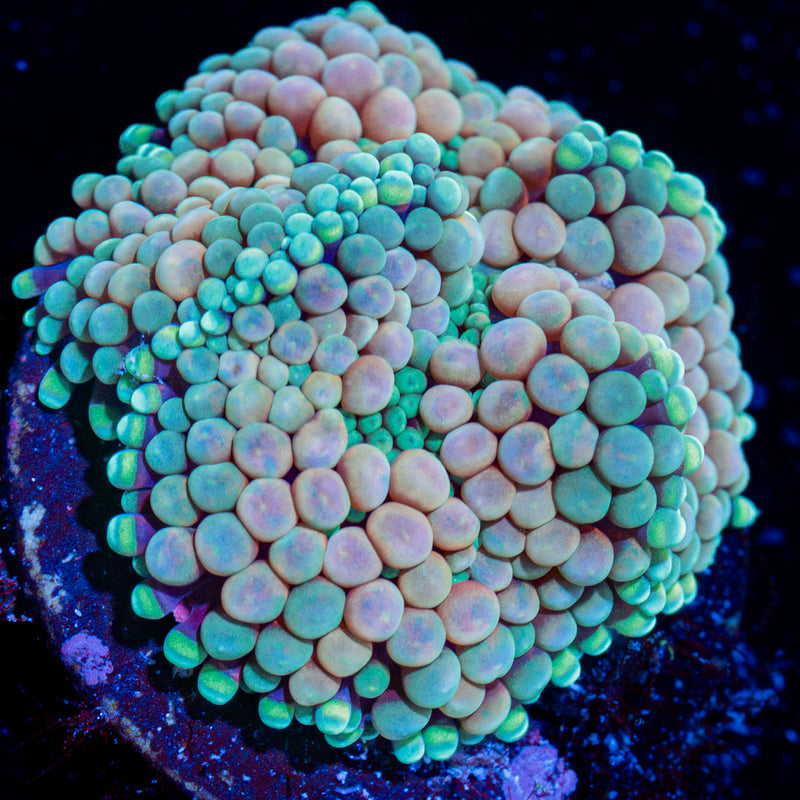
Mushroom corals
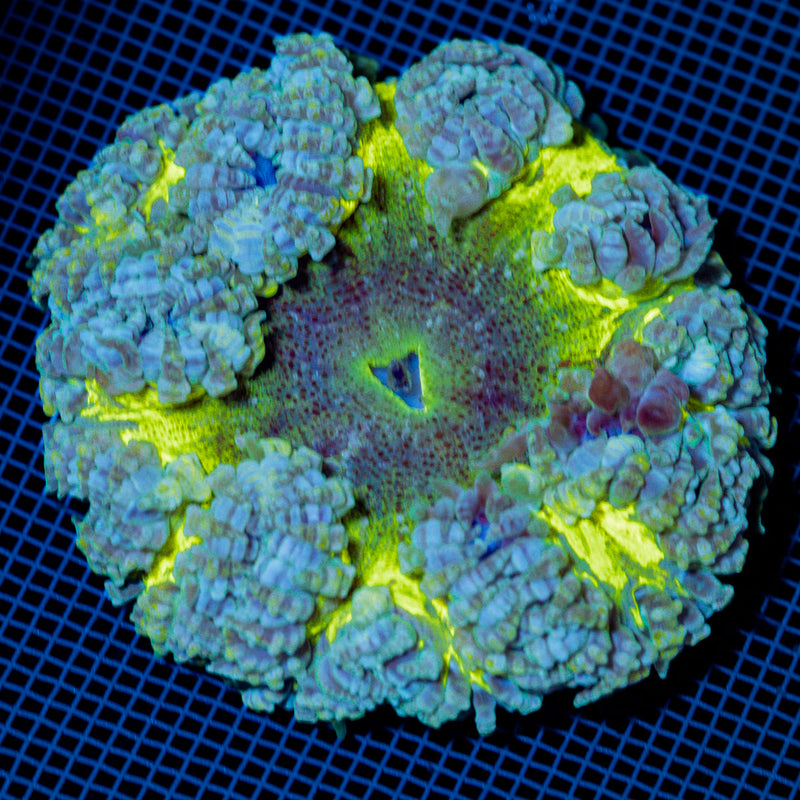
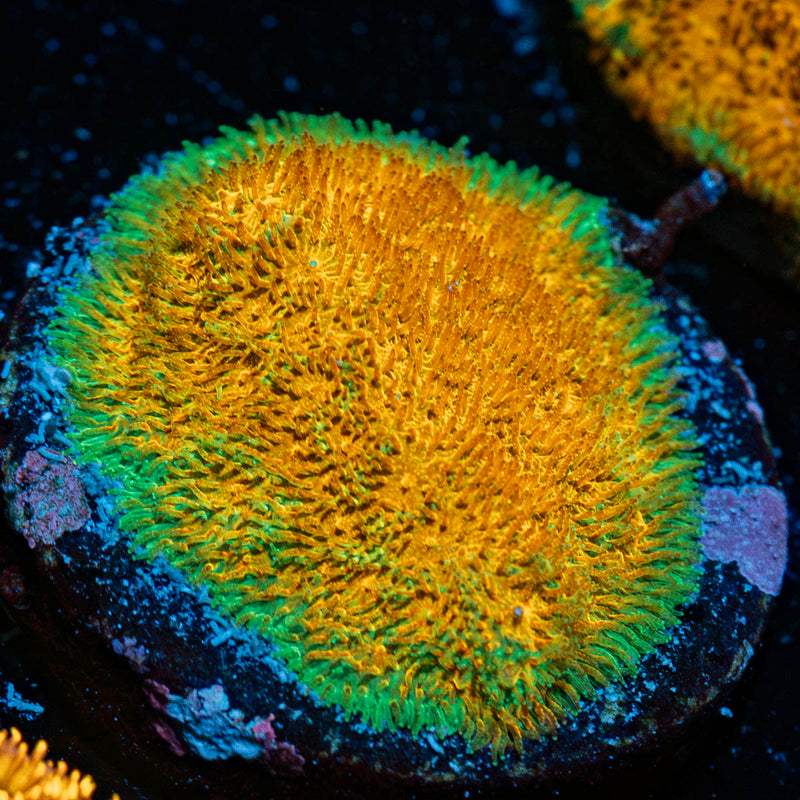
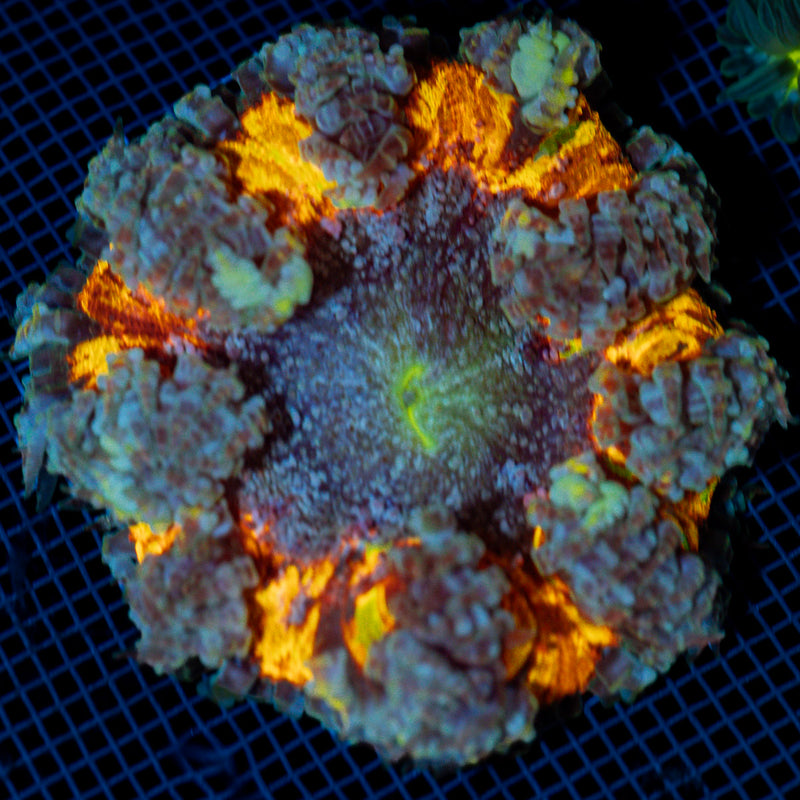
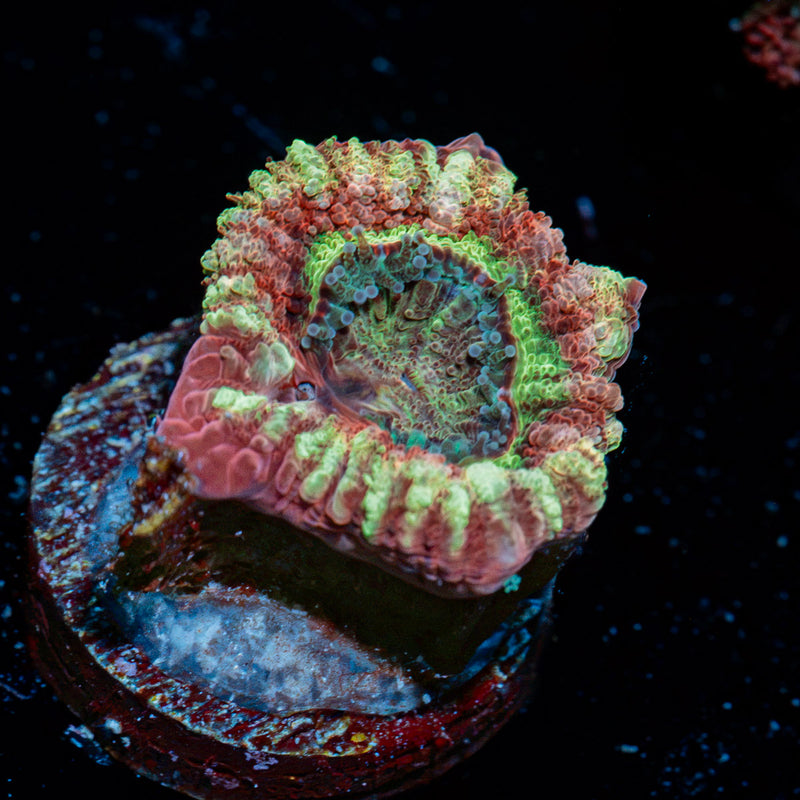
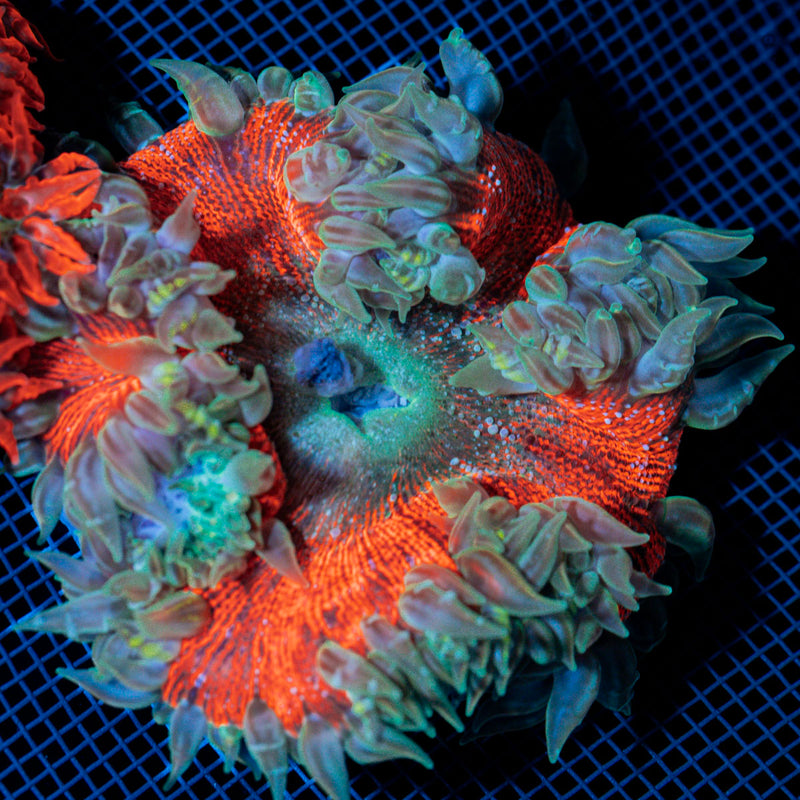
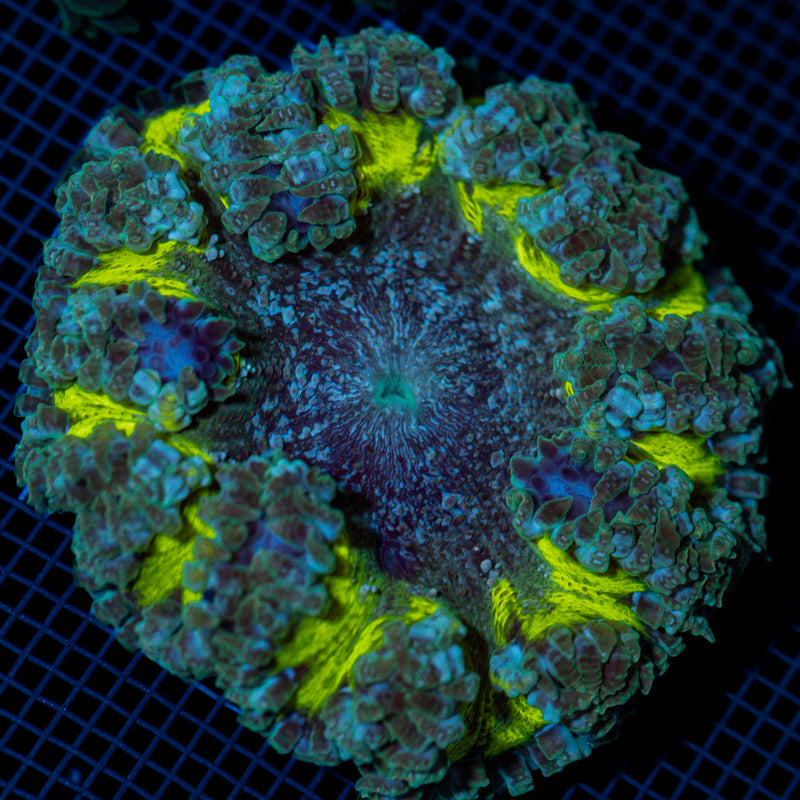
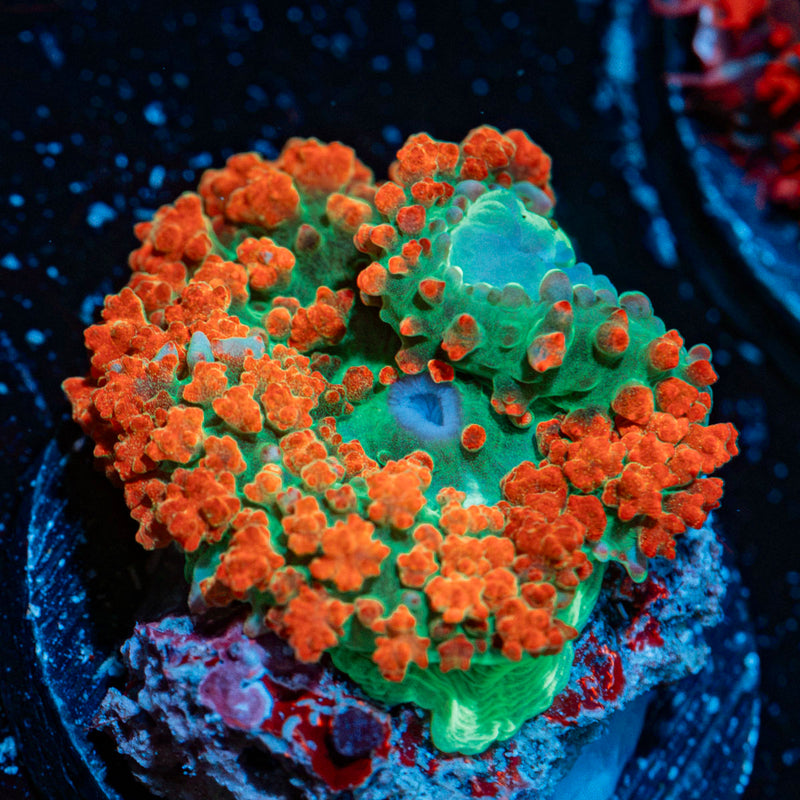
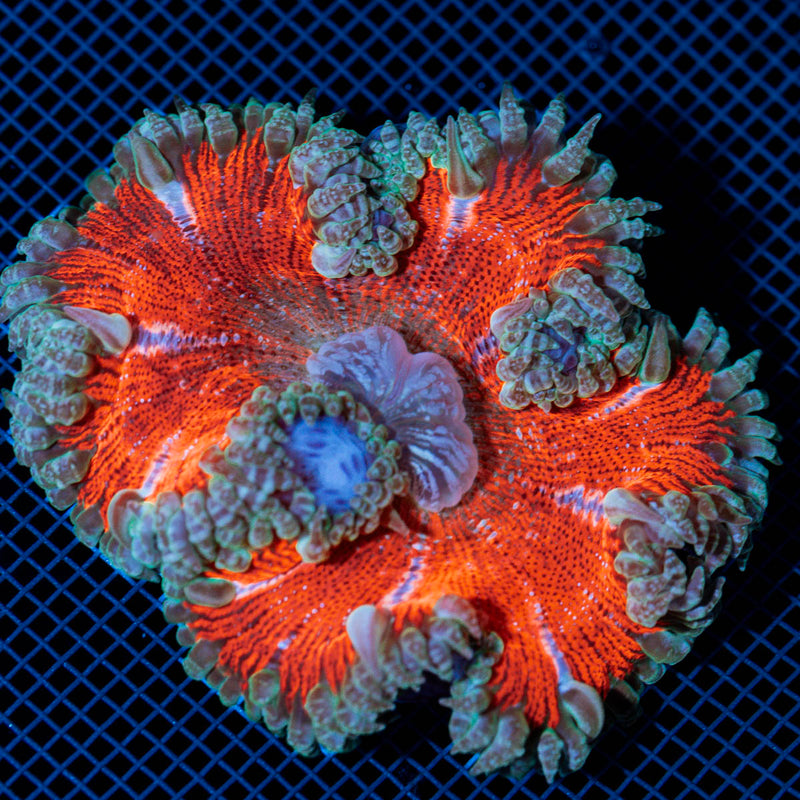
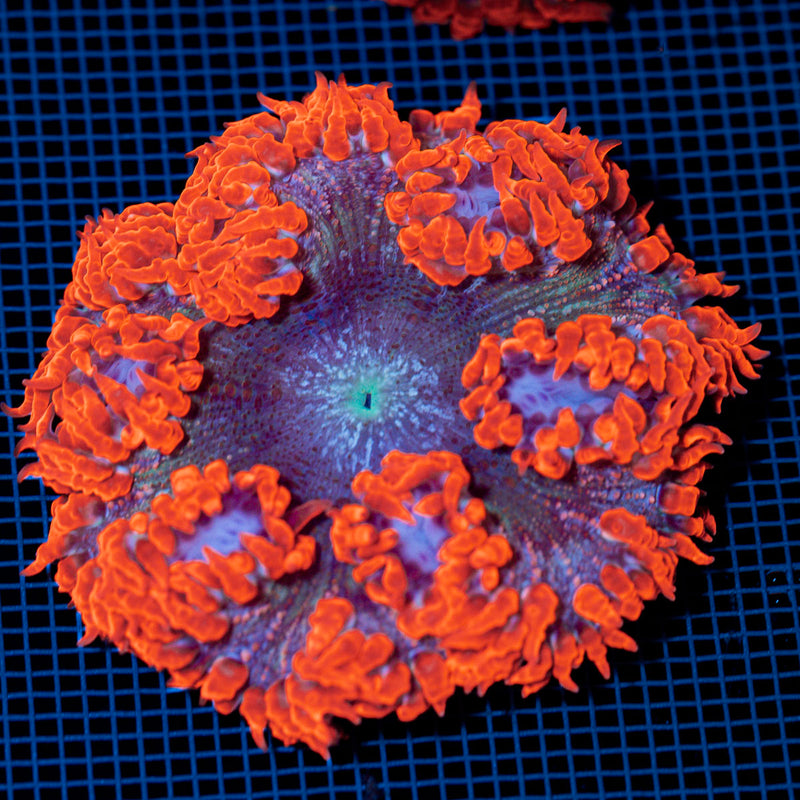
Mushrooms are one of the classic first-reef wins. They come in vibrant reds, blues, greens, and striped patterns, and they usually tolerate moderate imperfections better than many stony corals. In a newer tank, that forgiving nature can make a huge difference.
They do best when you avoid blasting them with intense light or flow. Give them a lower to moderate light area and gentle to moderate movement, and many varieties settle in quickly. The trade-off is that some mushrooms can spread and take over prime rock space if you let them. If you love the look, give them their own zone early.
Zoanthids
Zoanthids are colorful, expressive, and perfect for hobbyists who want a tank that looks lively fast. A single frag can become a bright little garden over time, with different polyp colors and patterns creating serious visual impact.
They are generally beginner-friendly, but placement still matters. Too much flow can keep them closed, and too little can let debris settle between polyps. Zoas are a strong choice when you want easy color with room to build a collection, especially if you enjoy mixing varieties rather than relying on one large showpiece.
Green star polyps
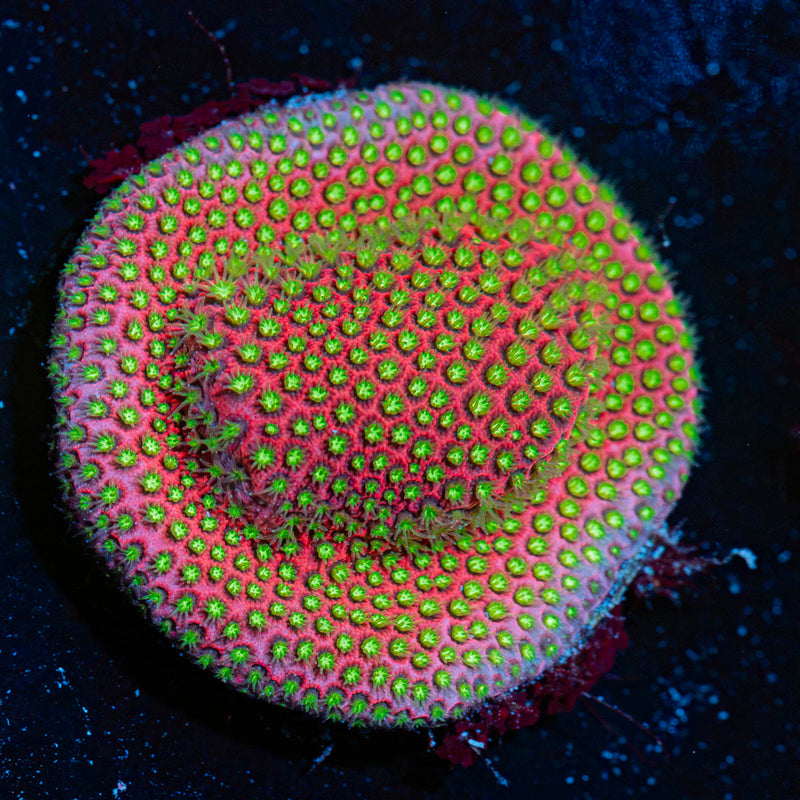
If movement is what makes a reef feel real to you, green star polyps deserve a look. Their waving neon-green polyps can turn a quiet tank into something vibrant almost overnight.
They are hardy and adaptable, which is exactly why beginners often love them. They are also exactly why experienced hobbyists sometimes keep them isolated. Green star polyps can spread aggressively across rockwork, over back walls, and toward neighboring corals. For a first reef, they are best treated like a feature coral with boundaries, not an accent tucked into your main structure.
Leather corals
Leather corals bring size, texture, and that soft, swaying motion many reef keepers want right away. Toadstool leathers and finger leathers are especially popular for beginners because they are generally durable and visually striking without being fussy.
They can have periods where they look closed up or moody while shedding a waxy film, which can worry new hobbyists. Usually, that is normal behavior rather than a crisis. Good flow helps them shed cleanly. If you want a coral that grows into a substantial, natural-looking centerpiece over time, leather corals are a strong place to start.
Kenya tree coral
Kenya tree coral is often recommended to first-time reef keepers for one simple reason - it usually wants to live. It has a soft, branching shape and a gentle waving motion that fills space nicely.
This is a coral for someone who values resilience over precision. It can handle a range of conditions, and it tends to show growth without demanding constant tweaking. The downside is that it may drop branches and spread on its own. In a smaller tank, that can turn into more coral than you planned for.
Xenia
Pulsing Xenia has a look that almost does not seem real. The rhythmic pulsing motion catches attention immediately and gives a reef tank an animated, high-energy feel.
For some hobbyists, Xenia grows very easily. For others, it can be inconsistent depending on tank conditions. That makes it a little less predictable than mushrooms or zoas, but still a reasonable beginner coral if you understand the gamble. When it thrives, it can spread quickly, so give it room and treat it like a coral that may claim territory.
Duncan coral
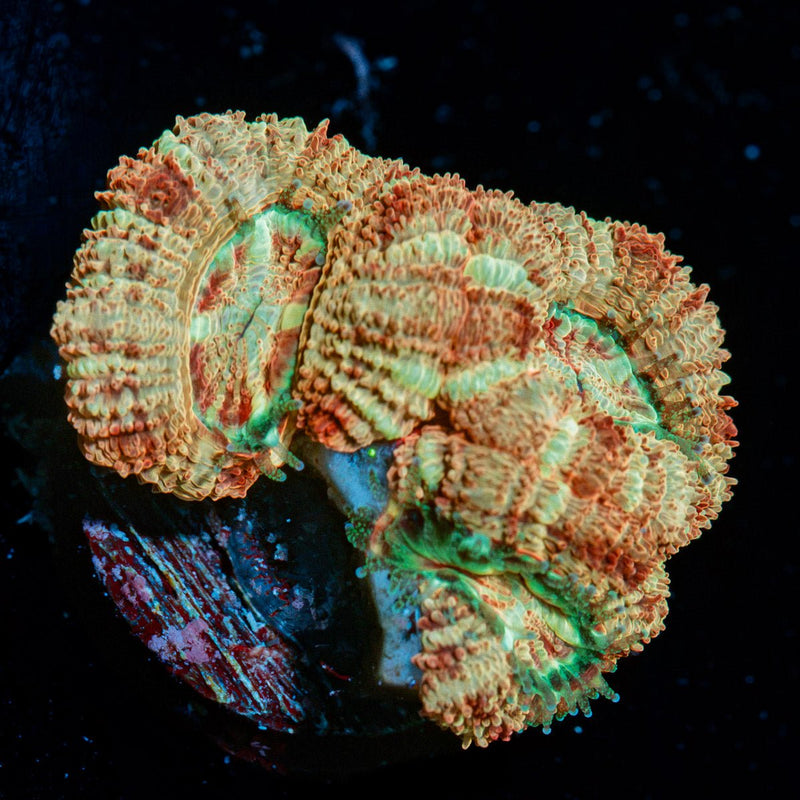
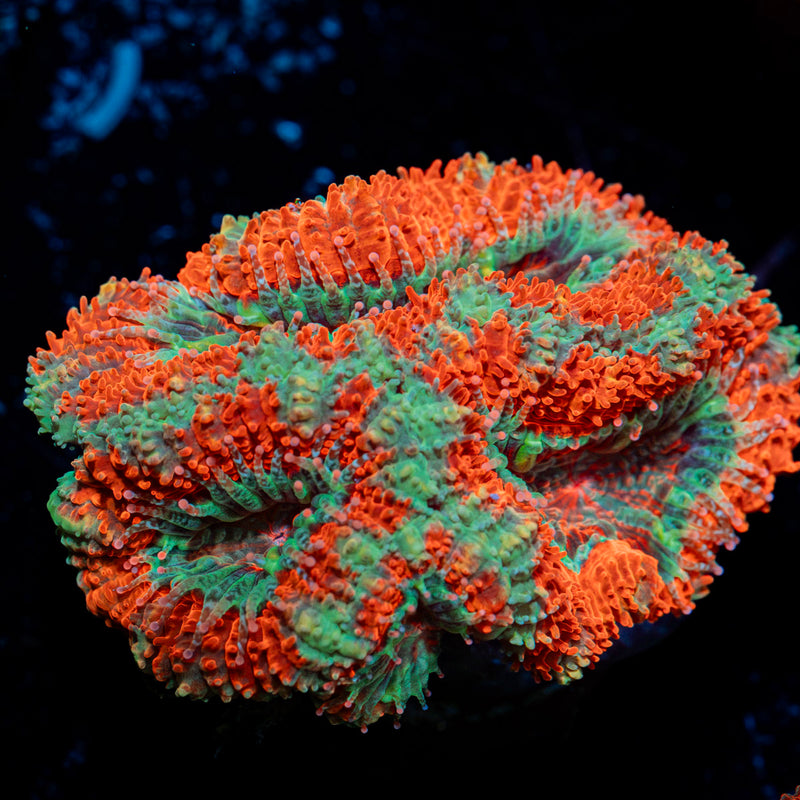
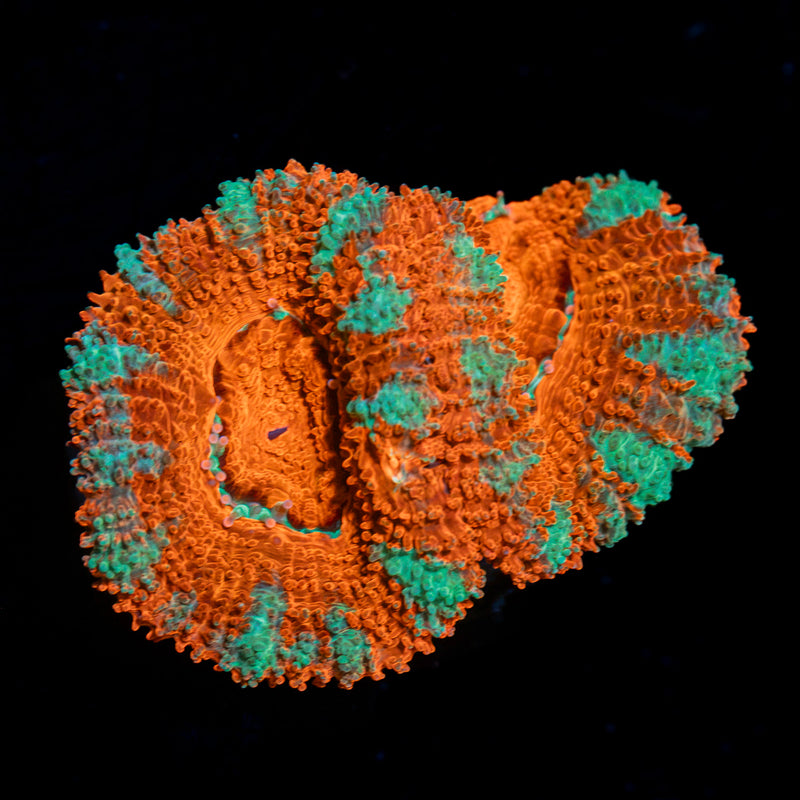
If you want to step into LPS territory without making life too difficult, Duncan coral is one of the most welcoming options. It has fleshy polyps, nice extension, and a clean, polished look that reads premium even in a beginner tank.
Duncans usually appreciate stable parameters and moderate light and flow. They are more demanding than many soft corals, but not nearly as touchy as some of the higher-end LPS pieces beginners are tempted to buy too soon. They also have a practical advantage - they tend to show you how they feel. A happy Duncan opens well. A stressed one usually tells you.
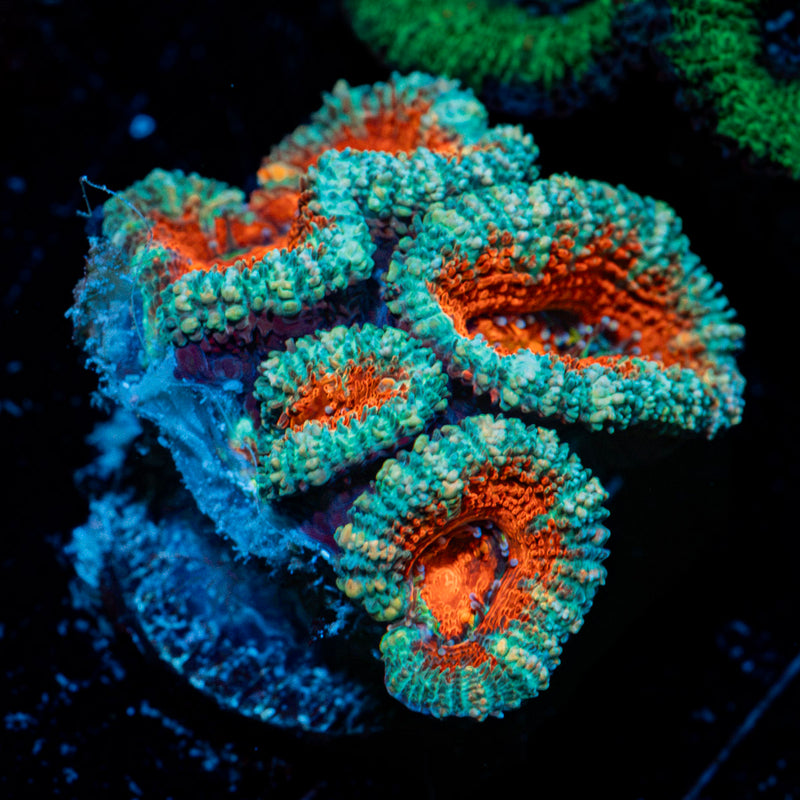
Candy cane coral
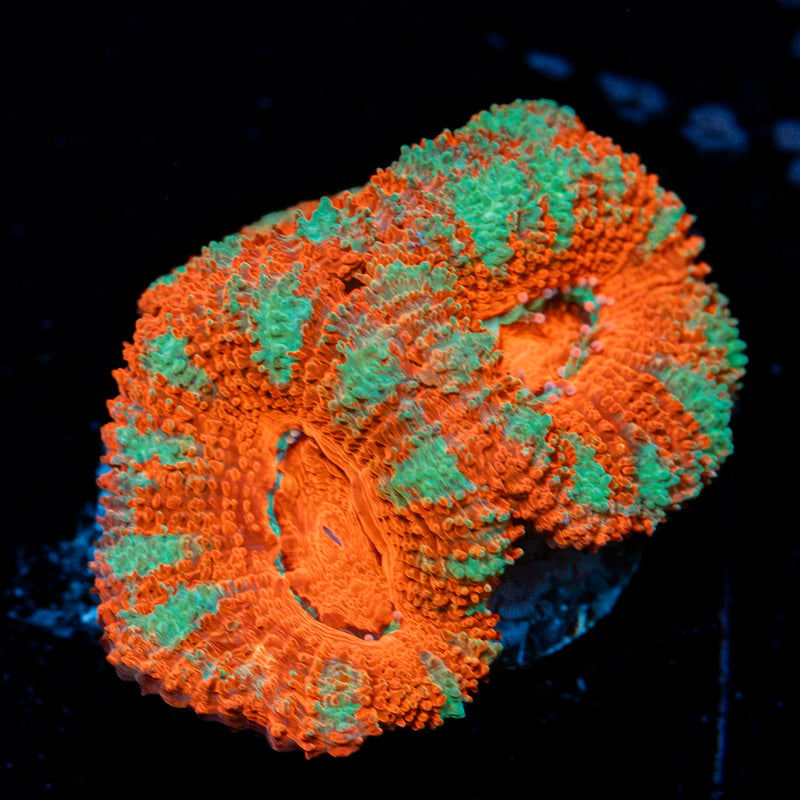
Candy cane coral, also called trumpet coral, is another solid first LPS. It has a neat, structured growth form with plump heads that can fluoresce beautifully under blue-heavy reef lighting.
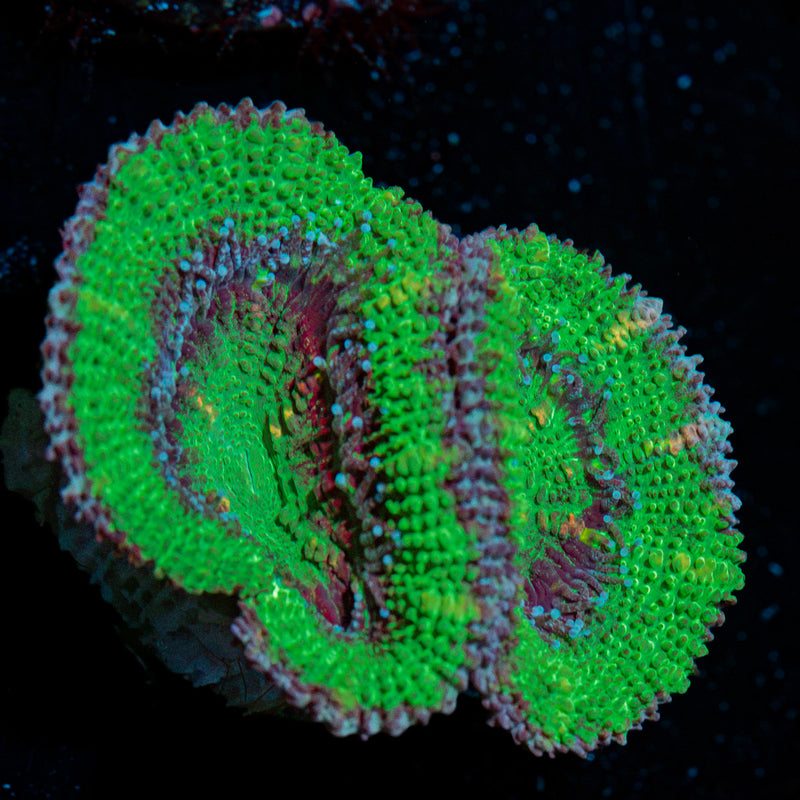
This coral works well for beginners because it is hardy relative to many stony corals and does not require extreme placement precision. Moderate light and moderate flow are usually a good starting point. It also grows in a satisfying way, which makes it rewarding if you want a coral that visibly develops as your reef matures.
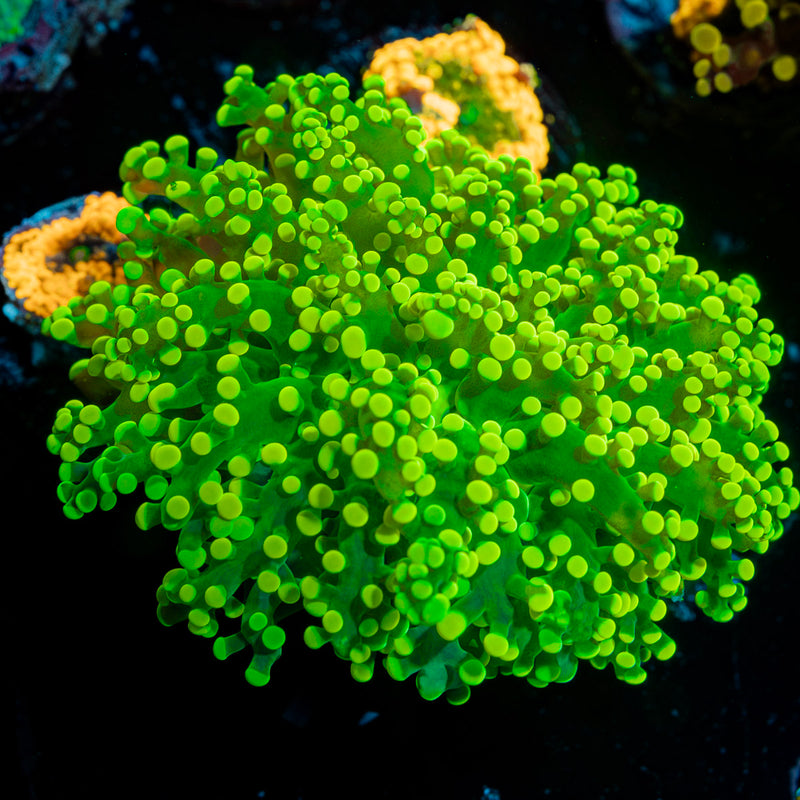
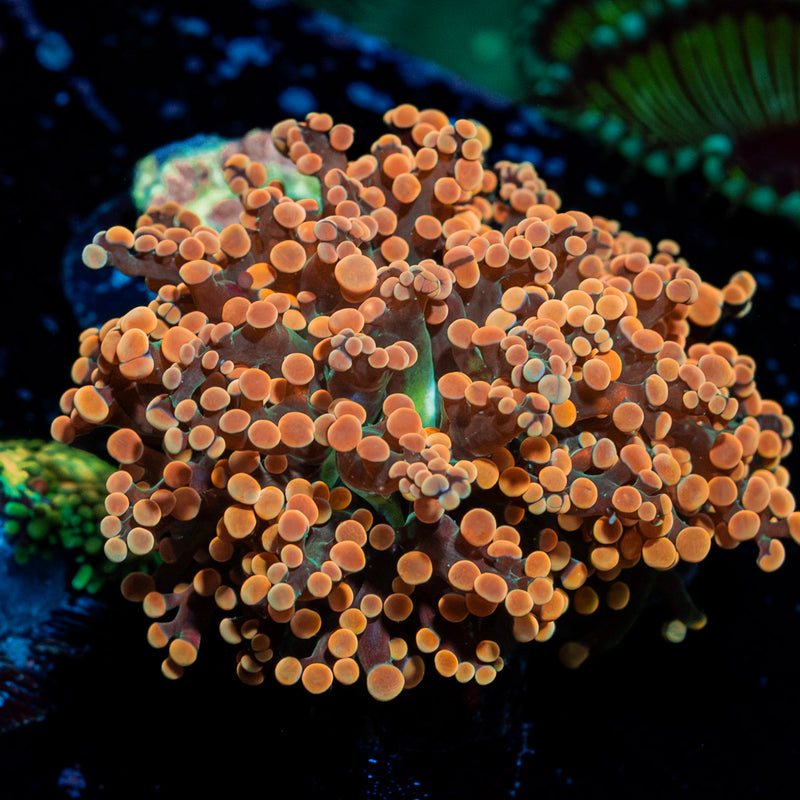
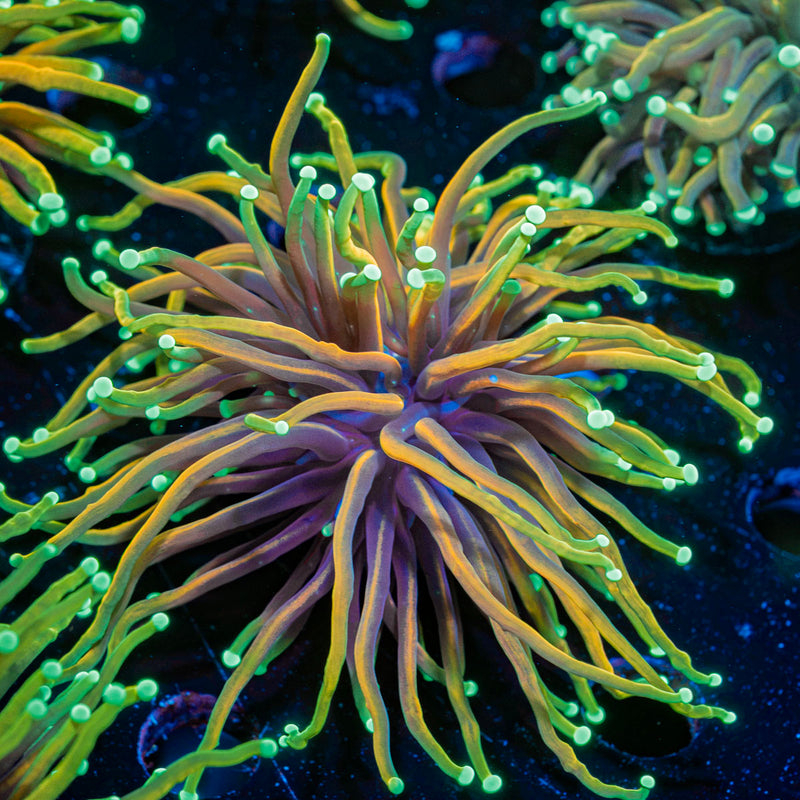
Hammer coral
Hammer coral is often the coral that makes a new reefer say, "Okay, now this looks like a reef." The movement is stunning, the heads have real presence, and even a small frag can become a visual anchor in the tank.
It is not the easiest coral on this list, but it is often manageable for beginners with stable water quality and a little patience. Placement matters more here. Too much flow can keep the tissue retracted, while too little may allow detritus to settle. Hammer corals also need space from neighbors because their sweeper tentacles can sting nearby corals. If you want one early, buy with the future in mind and leave room around it.
How to choose the best corals for your first reef
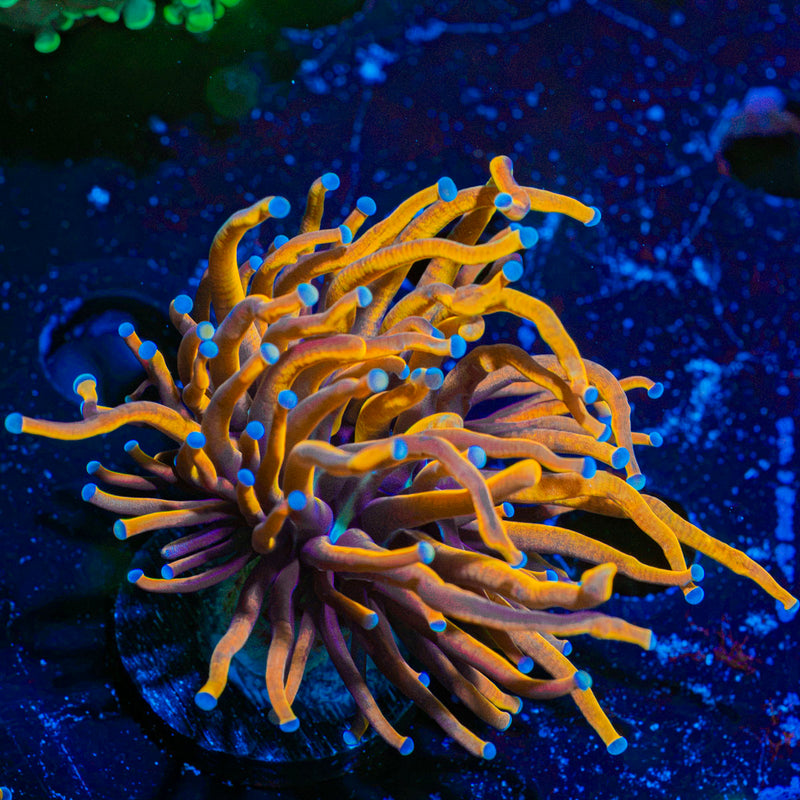
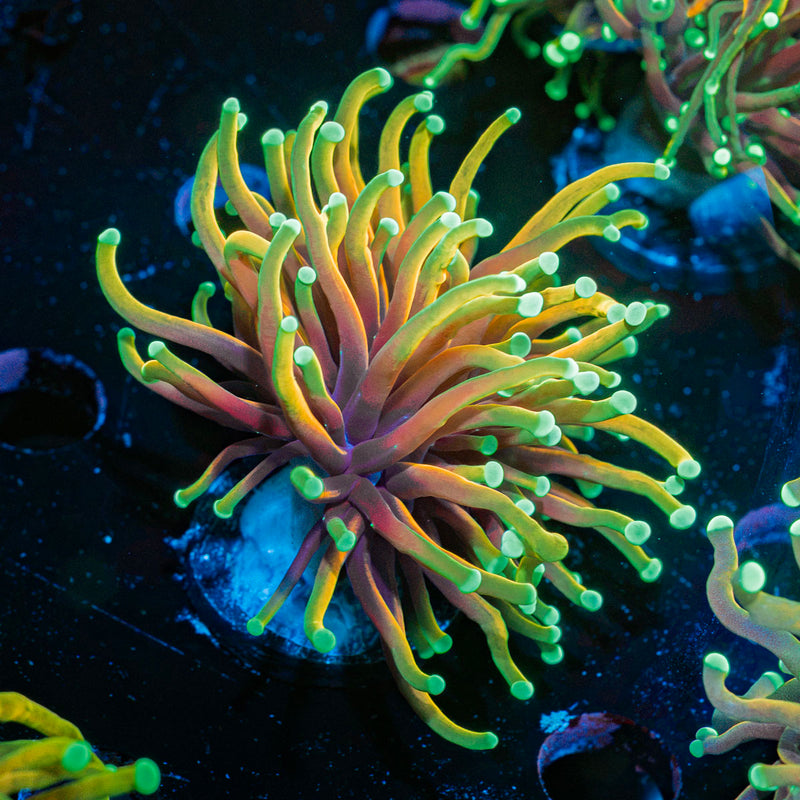
Start with your tank, not the coral you saw in a photo. Light strength, flow pattern, tank size, and nutrient levels all shape what will actually thrive in your system. A mushroom in a modest mixed reef may be a better first purchase than a premium torch in a tank that is only a few weeks old.
It also helps to mix your goals. Choose one or two corals for movement, one for fast color payoff, and maybe one that gives you a taste of LPS if your tank is stable enough. That creates a reef that looks full and interesting without forcing every coral to meet the same care profile.
When buying online, exact-item and aquacultured options can make the process feel much more approachable. Seeing the actual frag, knowing what kind of coral you are getting, and shopping curated beginner-friendly selections takes a lot of guesswork out of a category where confidence matters. That is one reason many new hobbyists start with aquacultured frags from specialists like Riptide Aquaculture.
A few first-reef mistakes worth avoiding
The most common mistake is buying for color alone. A coral may look incredible under intense blue lighting in a photo, but if it needs higher stability, stronger lighting, or more mature conditions than your tank can offer, it is not the right first choice yet.
Another mistake is overstocking too fast. Even easy corals need space, time to settle, and room to grow. A first reef usually looks better in the long run when you add a few hardy pieces, learn their behavior, and build from there.
Finally, do not assume all "easy" corals are low maintenance in the same way. Some are easy because they are tolerant. Others are easy because they grow quickly. Those are not identical benefits. Fast growers can become management projects if they start crowding slower, more premium pieces later.
A first reef is supposed to be exciting, not stressful. Choose corals that give you color, motion, and momentum early, and let your tank earn the more demanding pieces over time. The hobby gets a lot more fun when your first frags are growing instead of testing your nerves.