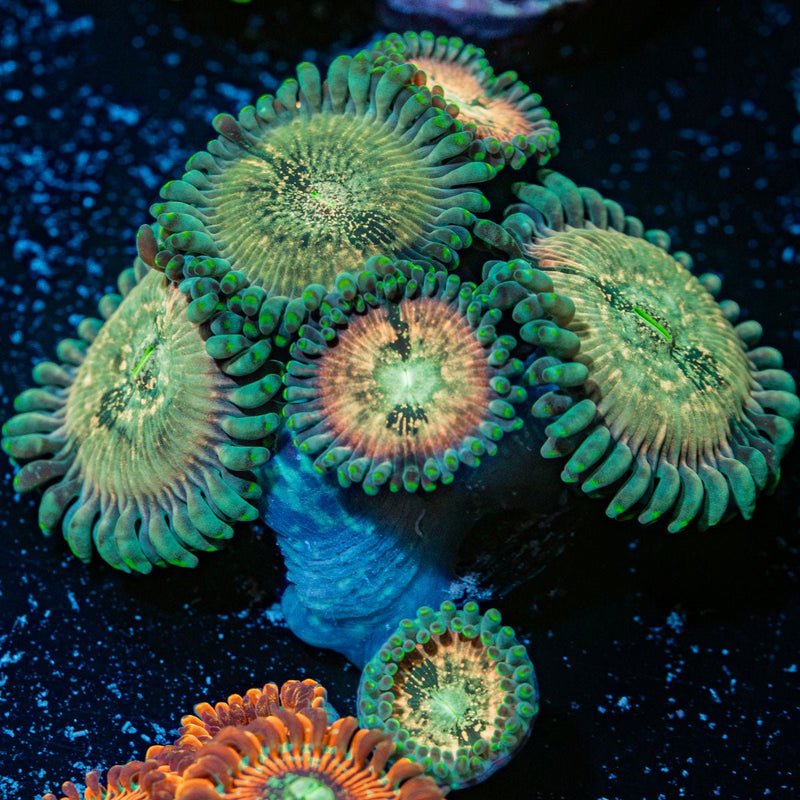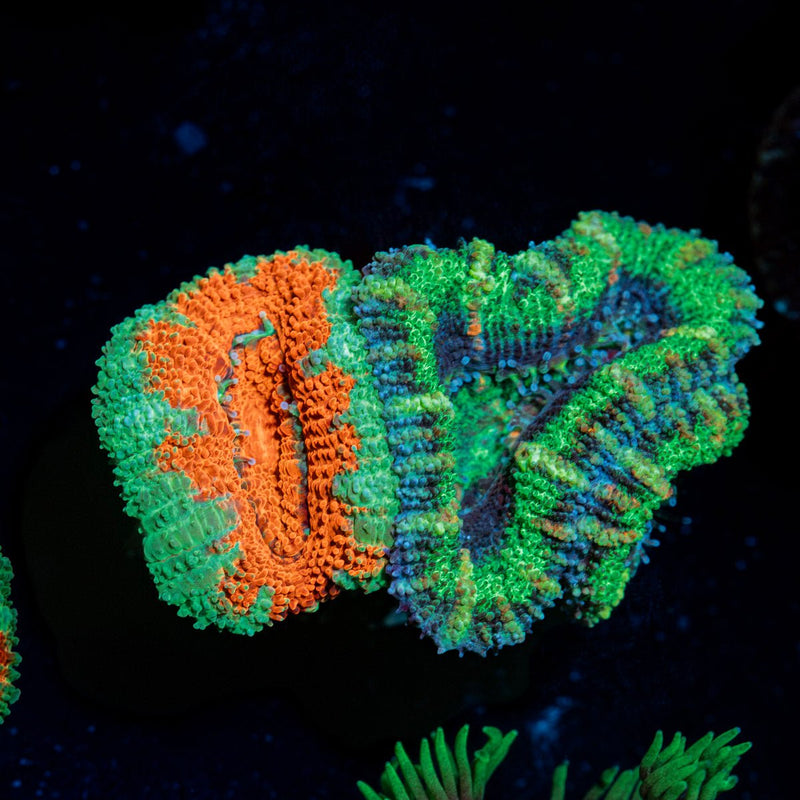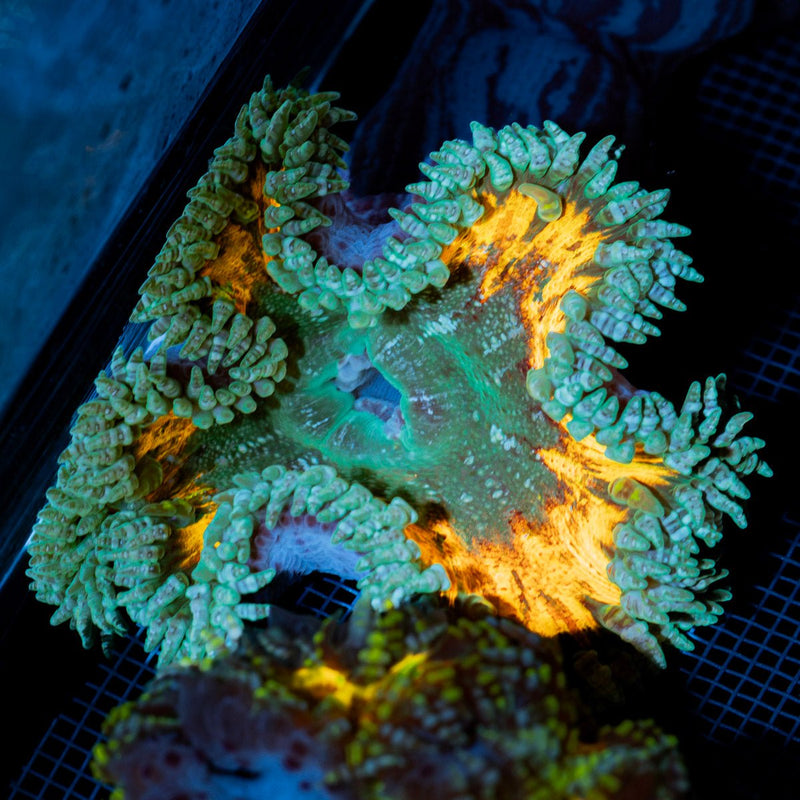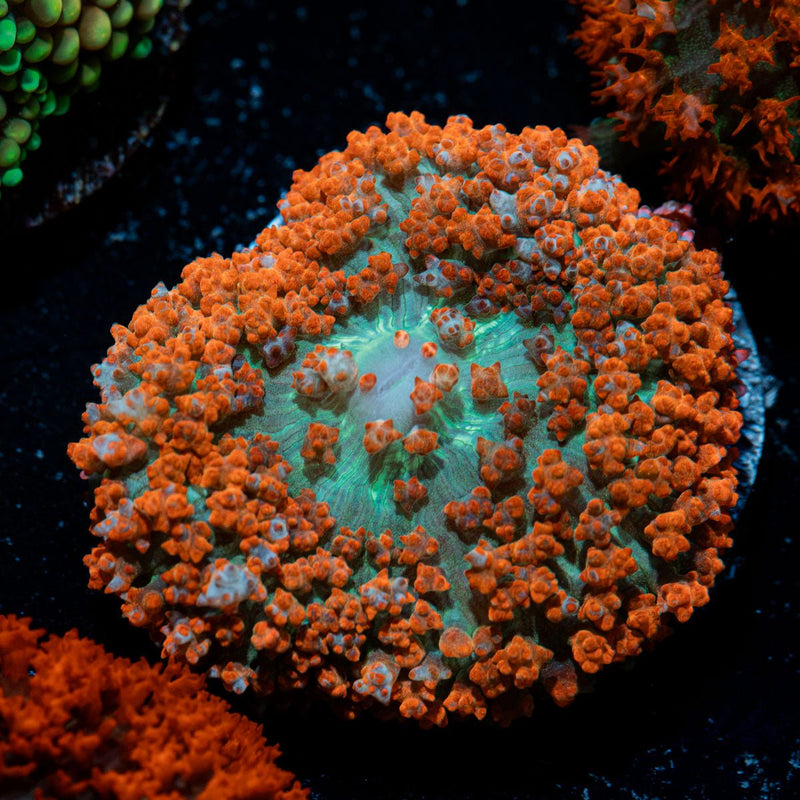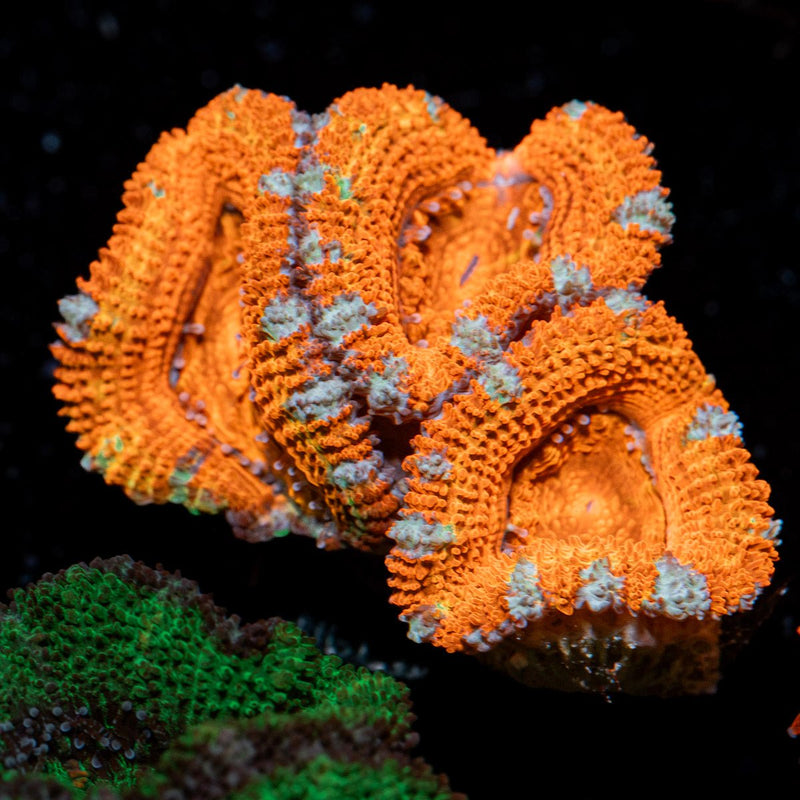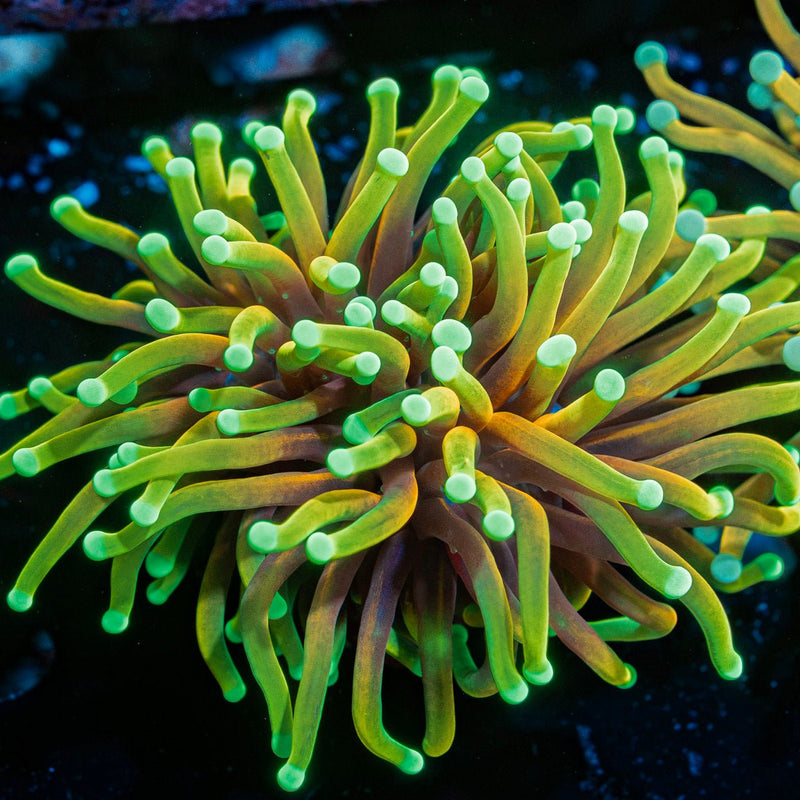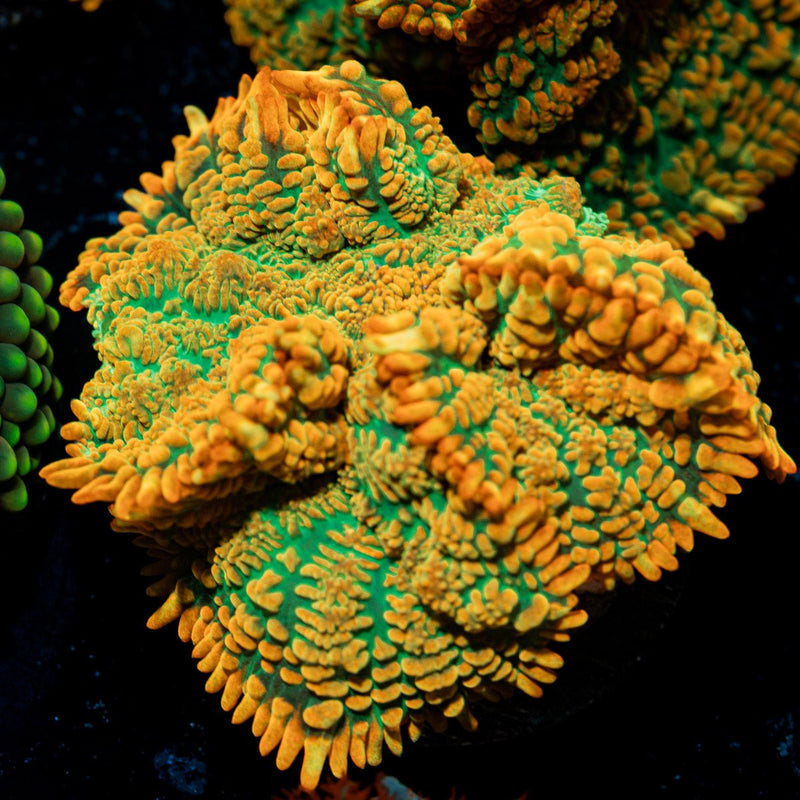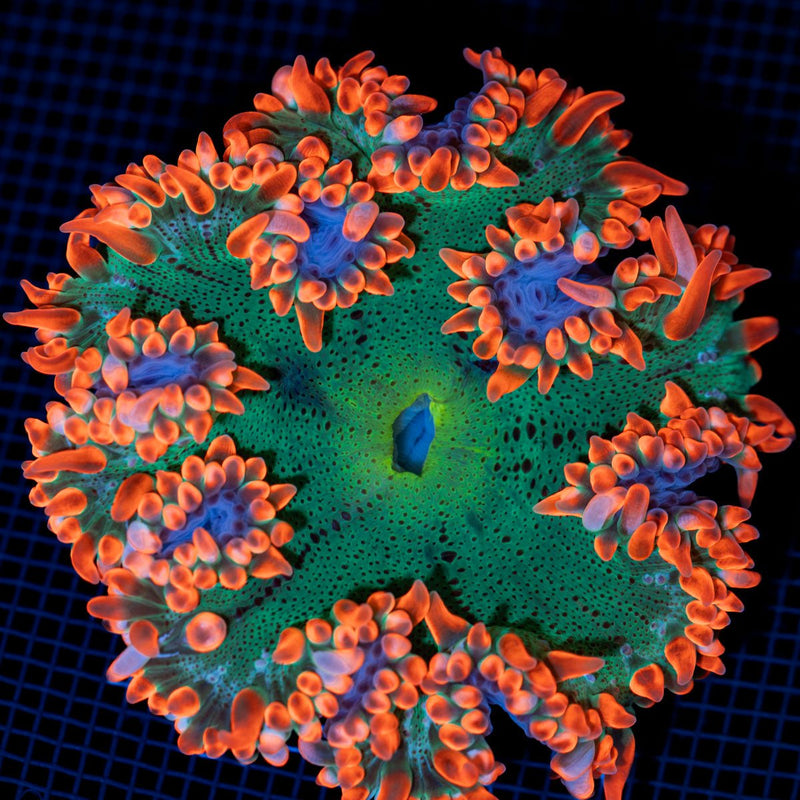
Few corals make a new reef tank look alive as quickly as a mushroom. They open wide, show off rich color, and usually skip the drama that makes some first coral purchases stressful. If you are looking at mushroom coral for beginners, you are starting in one of the most forgiving corners of the hobby - and one of the most visually rewarding.
Mushroom corals are often recommended to new reef keepers for a simple reason: they tend to adapt well, tolerate small swings better than many stony corals, and bring instant movement and texture to a tank. That does not mean they are impossible to mess up. It means your margin for error is better, which is exactly what most beginners need while learning how their tank behaves.
Why mushroom coral for beginners makes sense
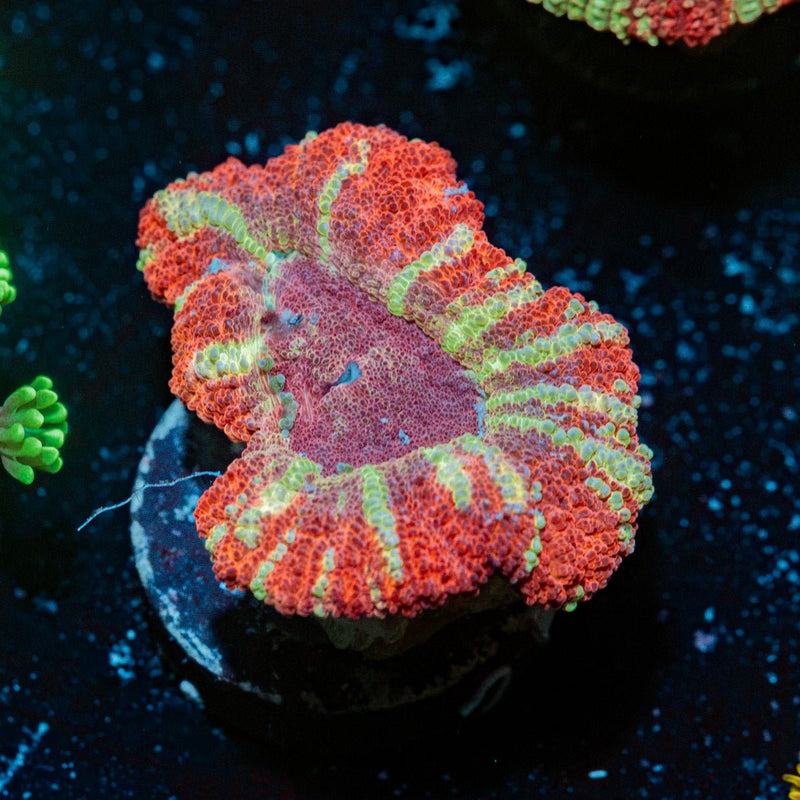
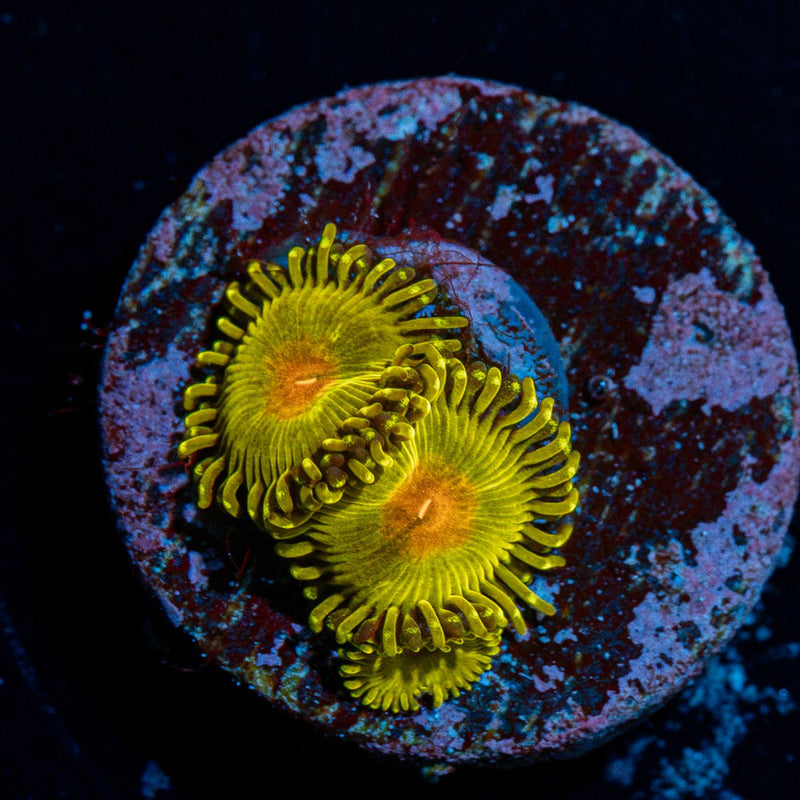
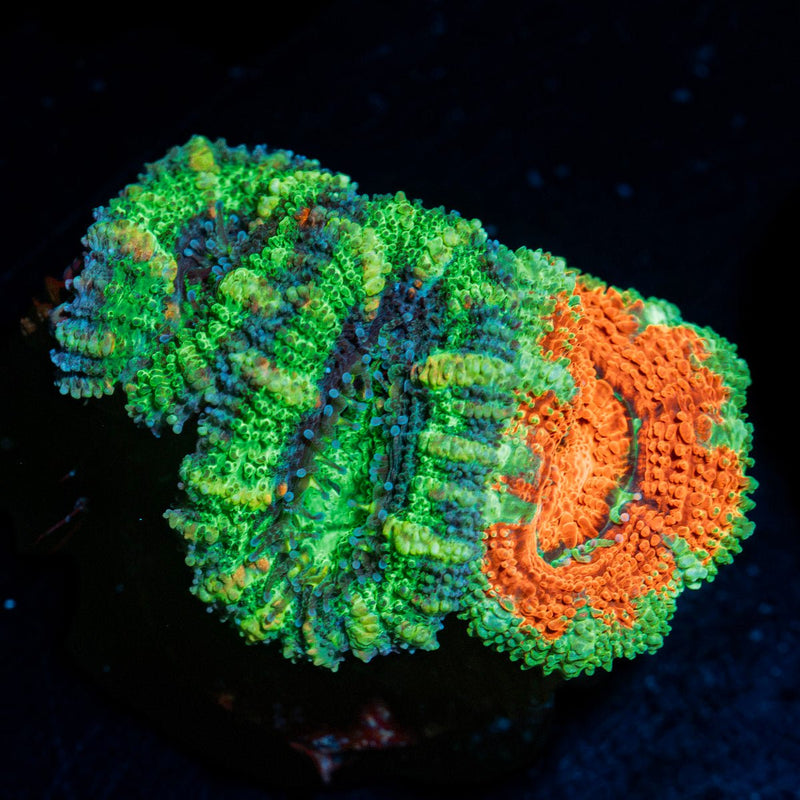
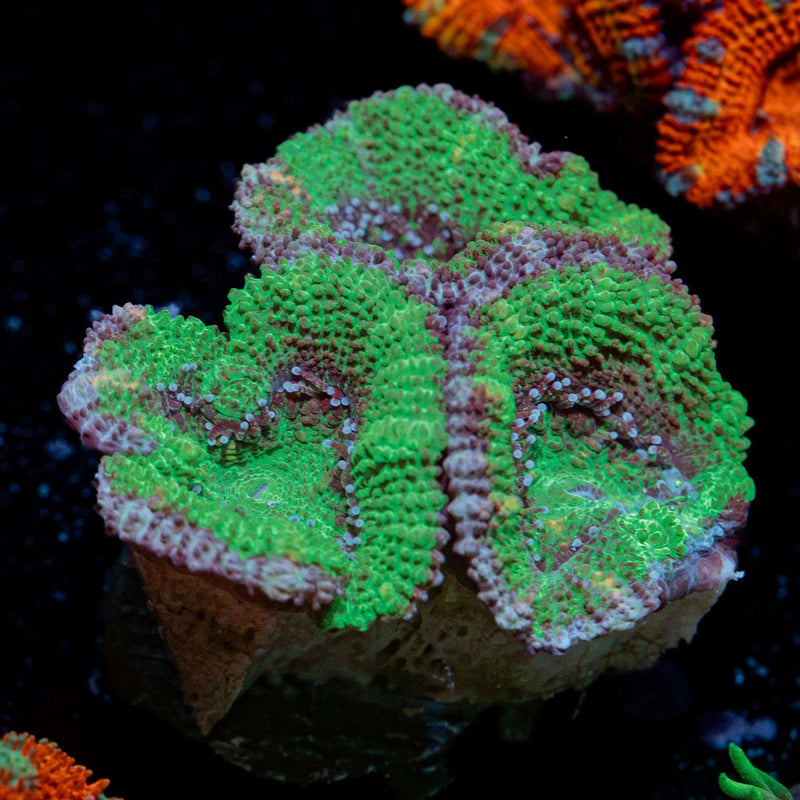
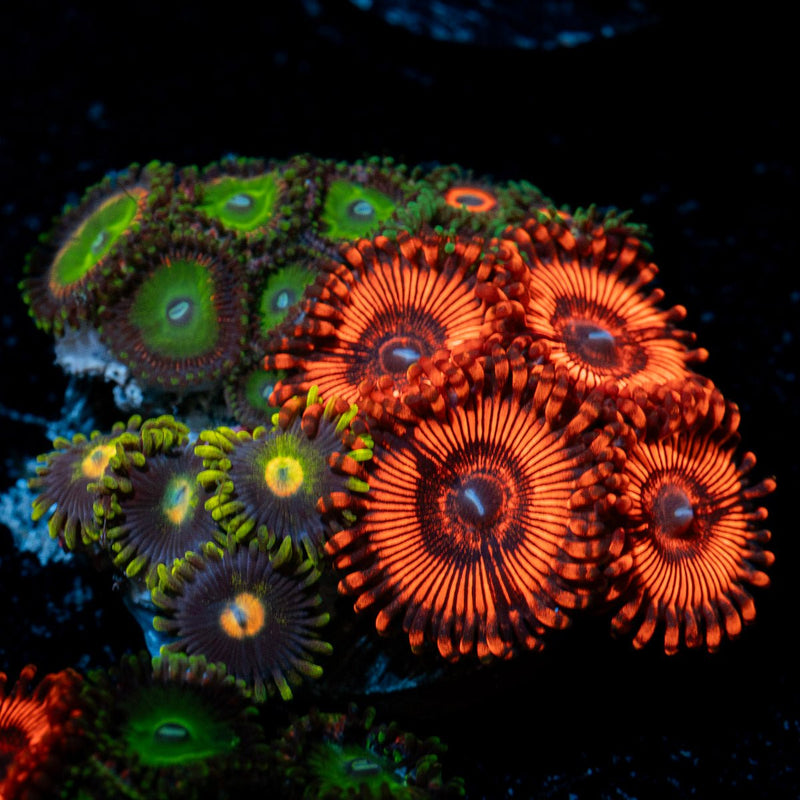
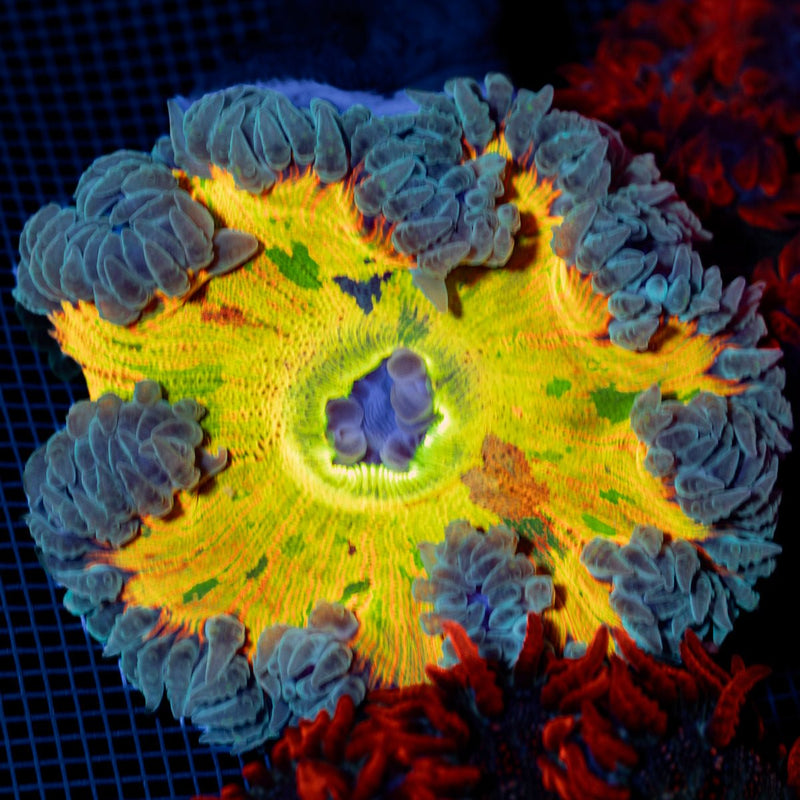
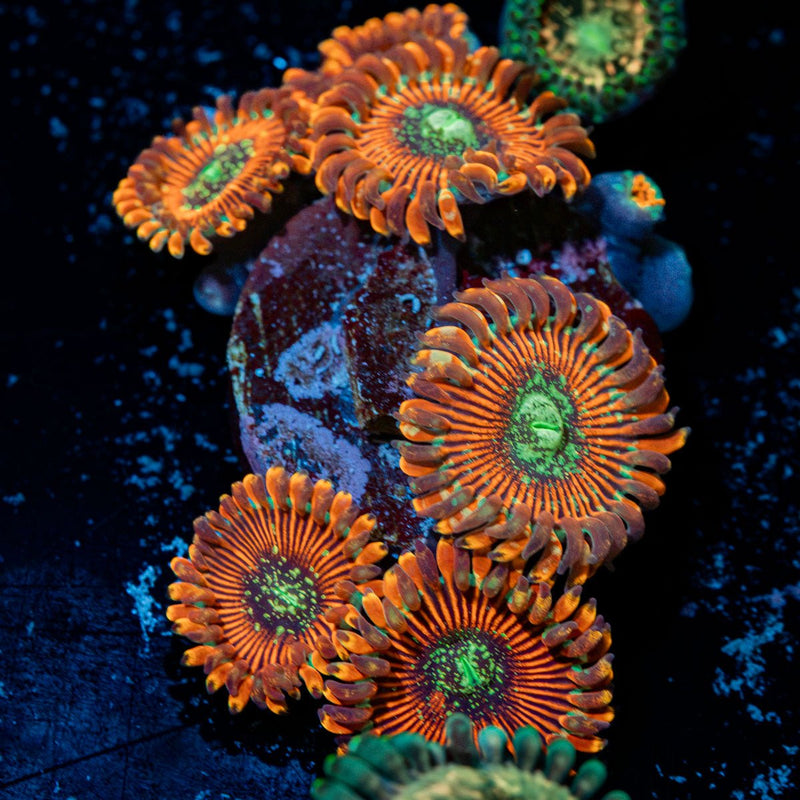
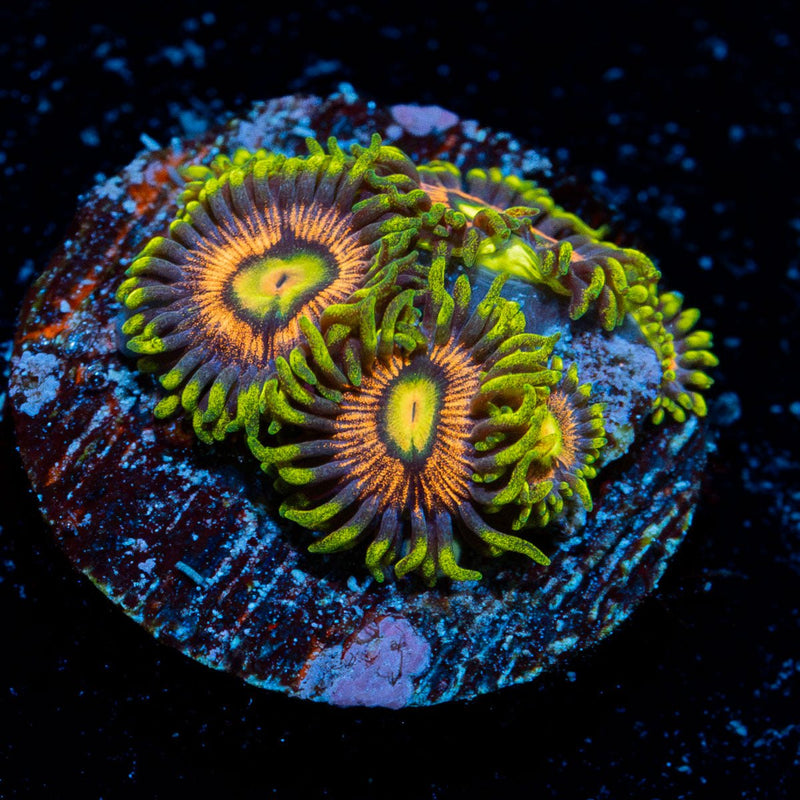
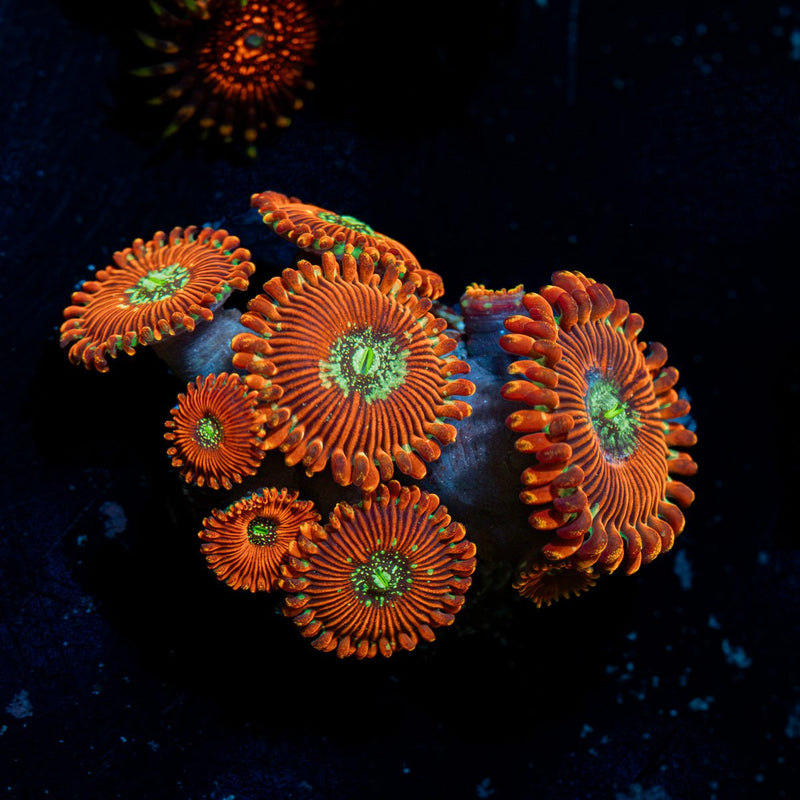
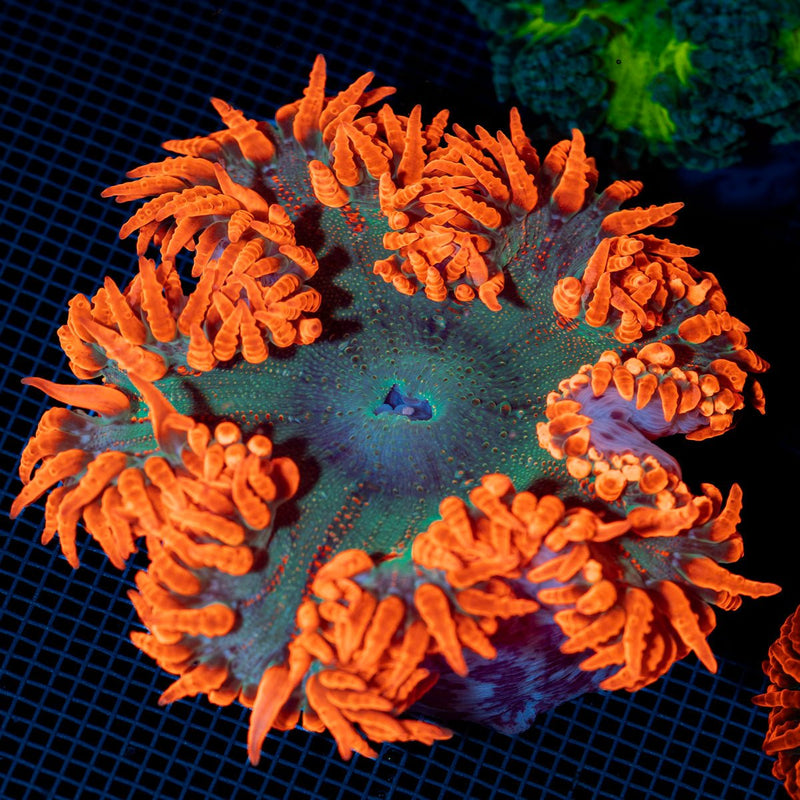
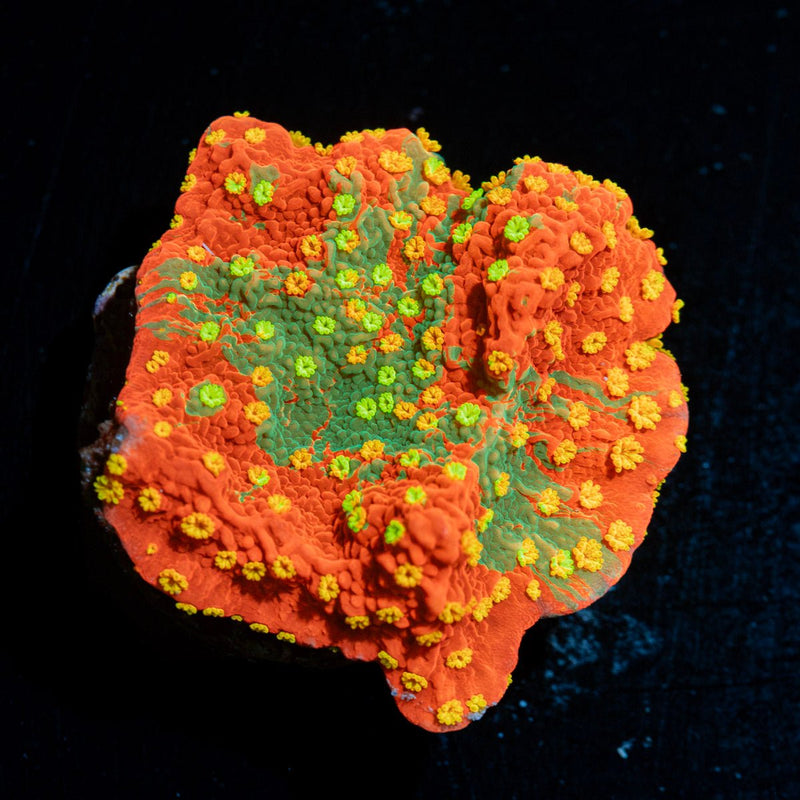
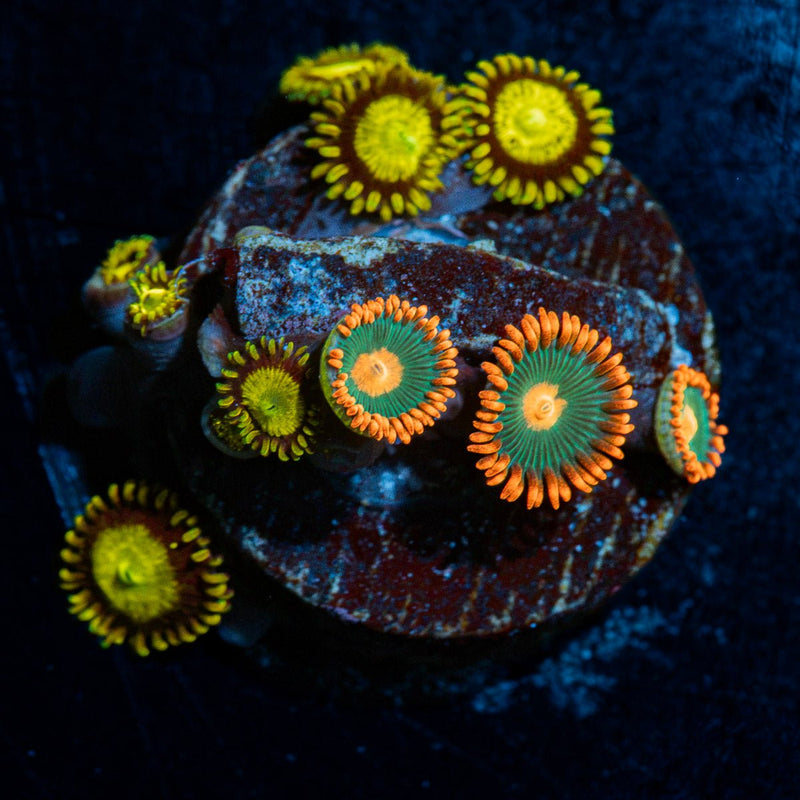
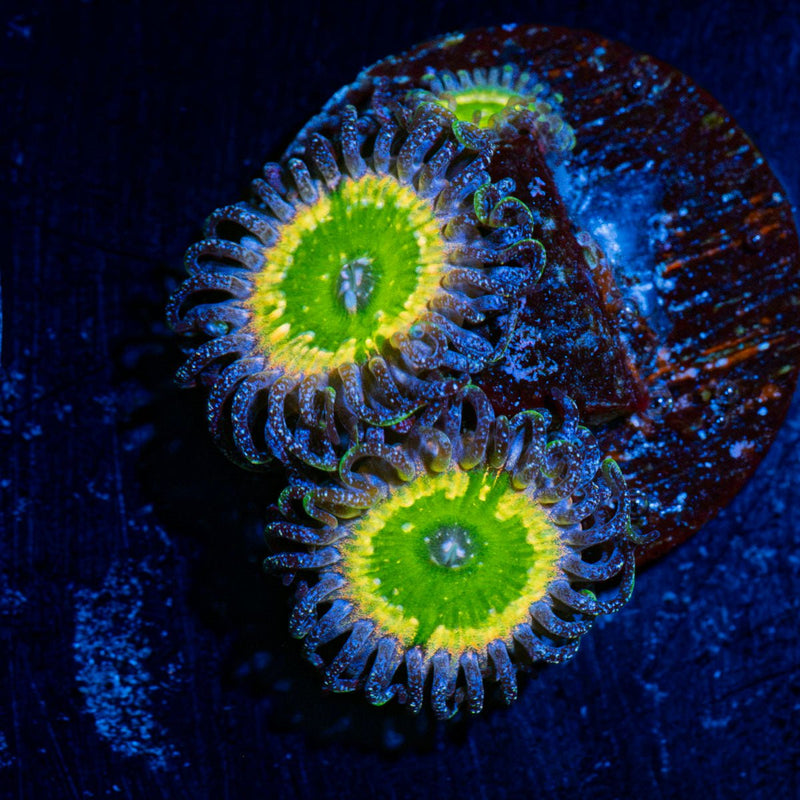
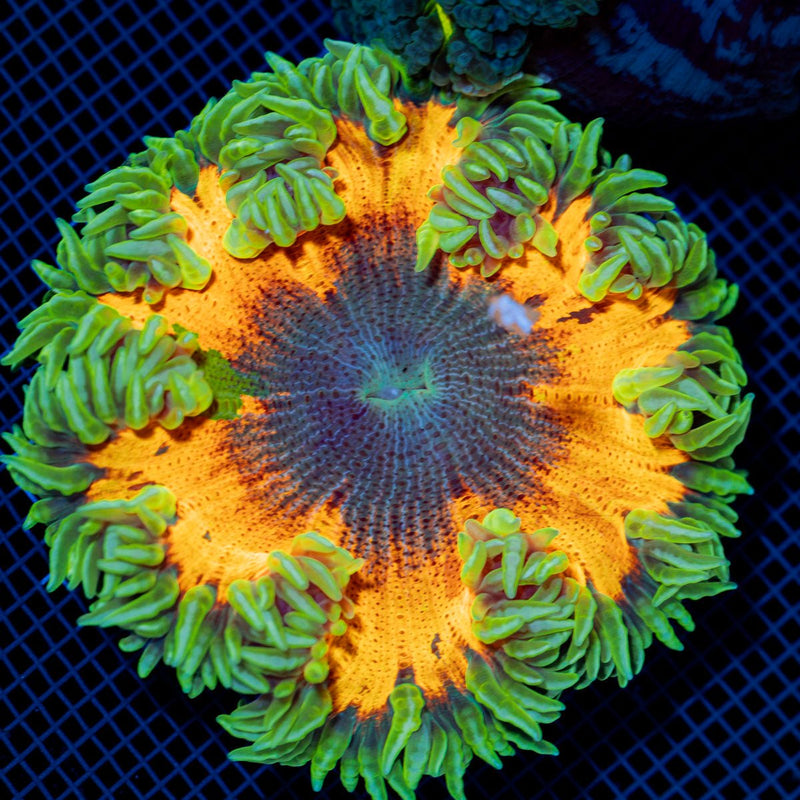
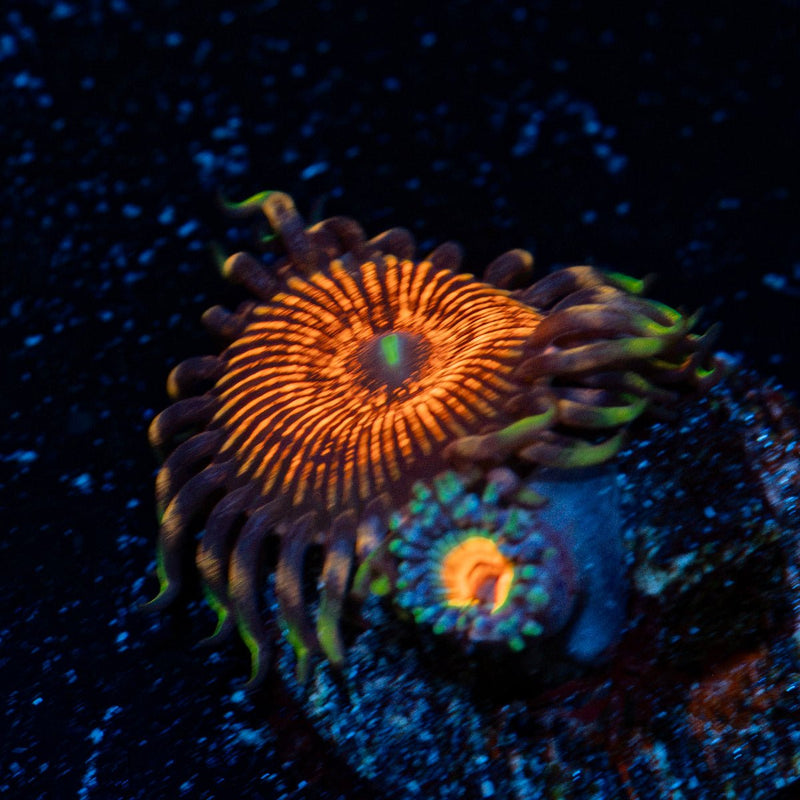
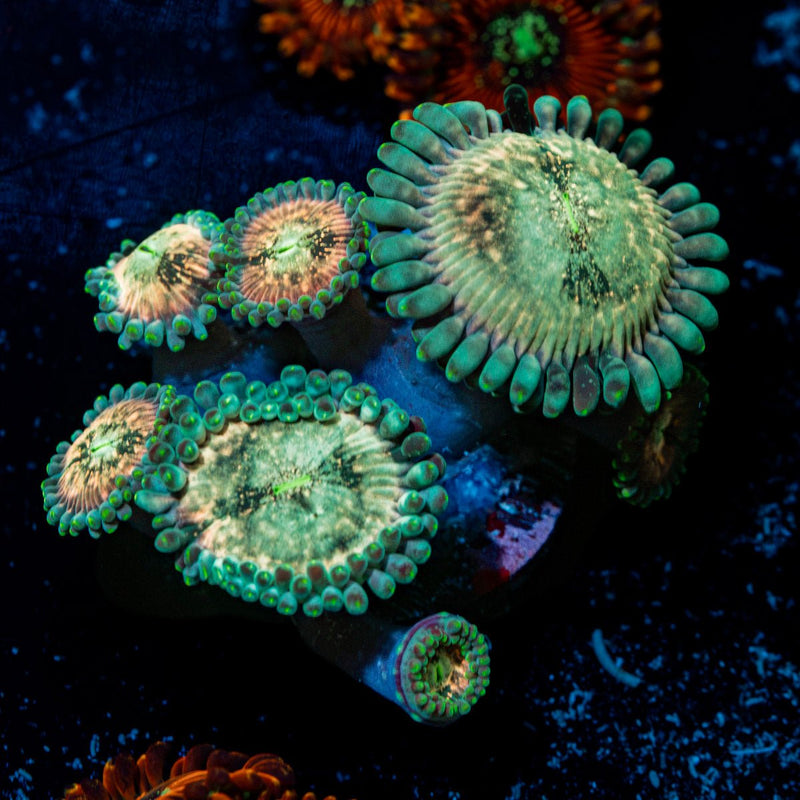
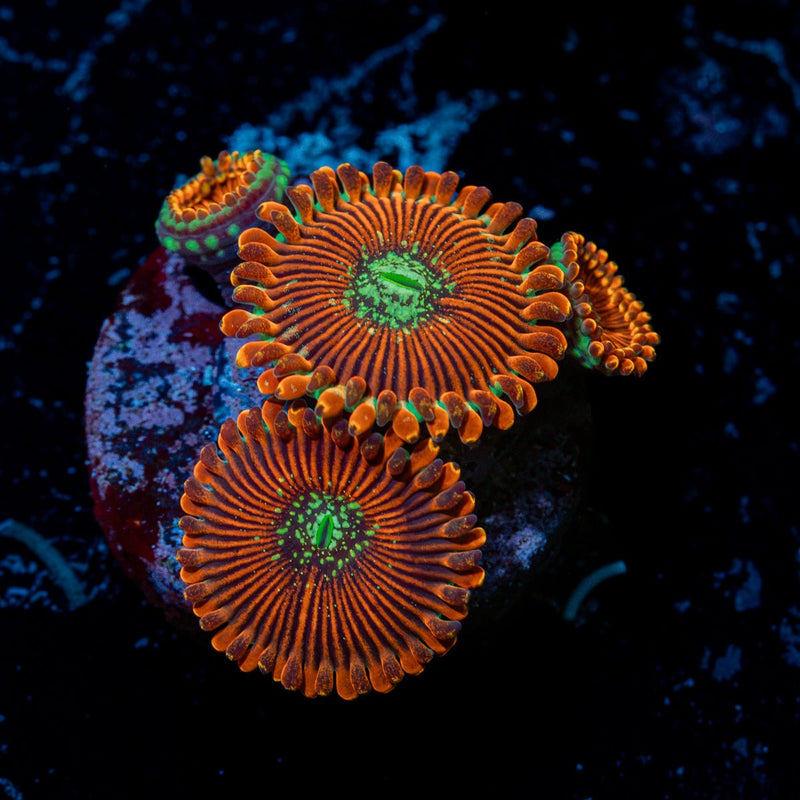
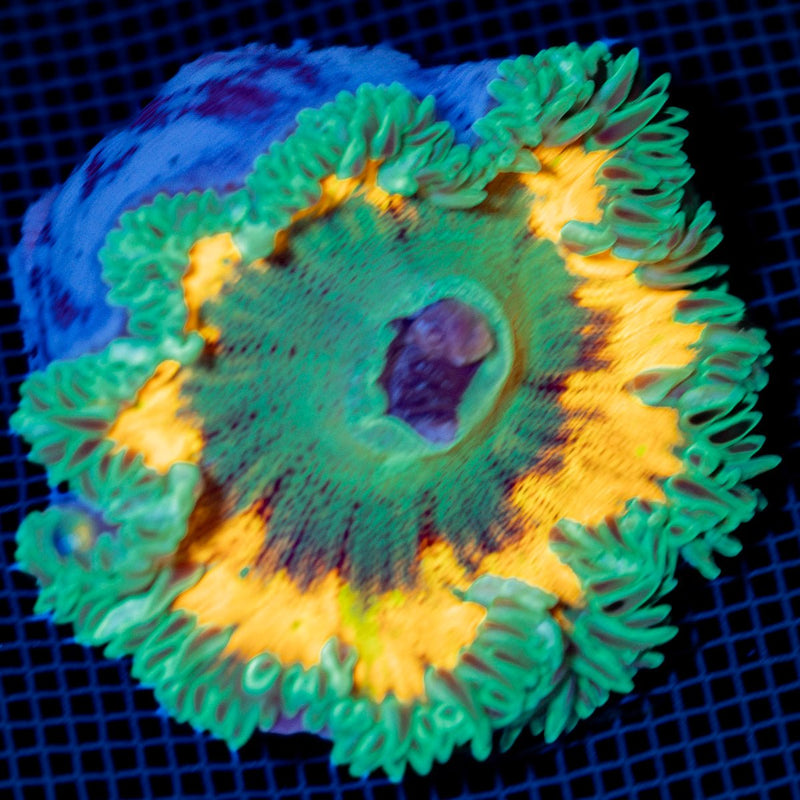
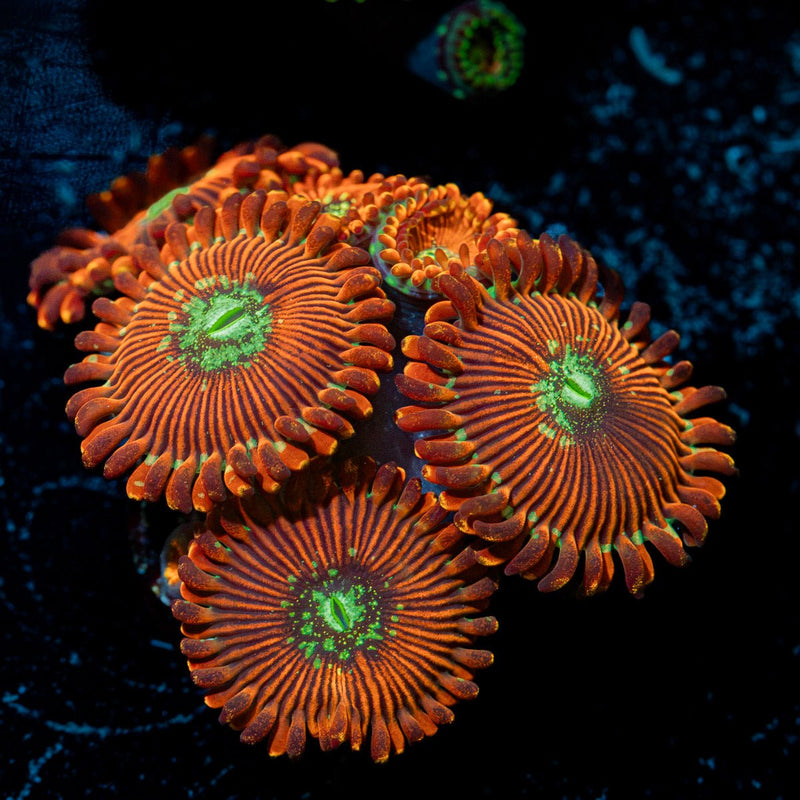
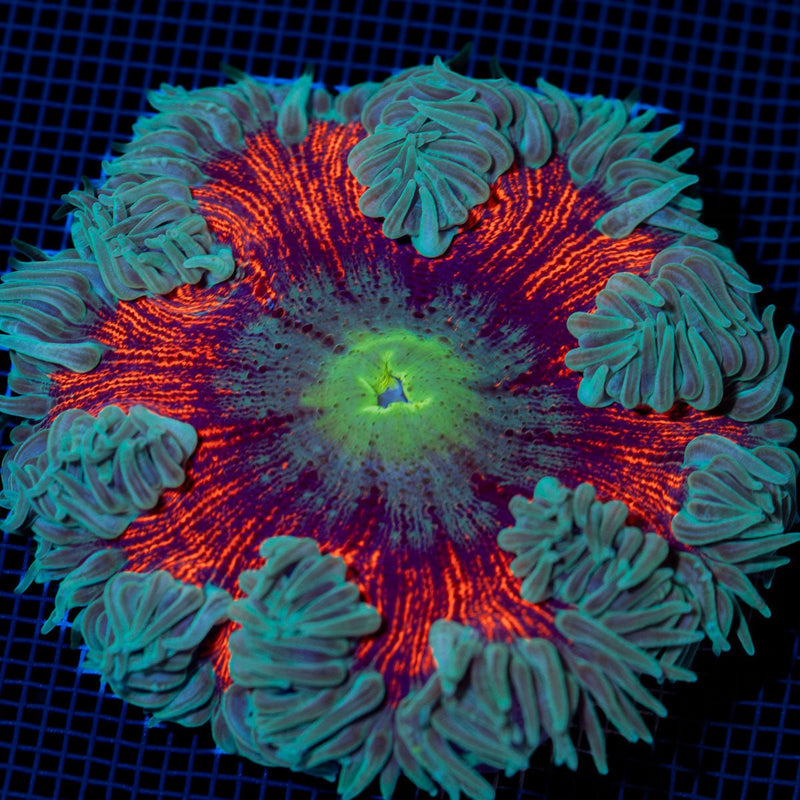
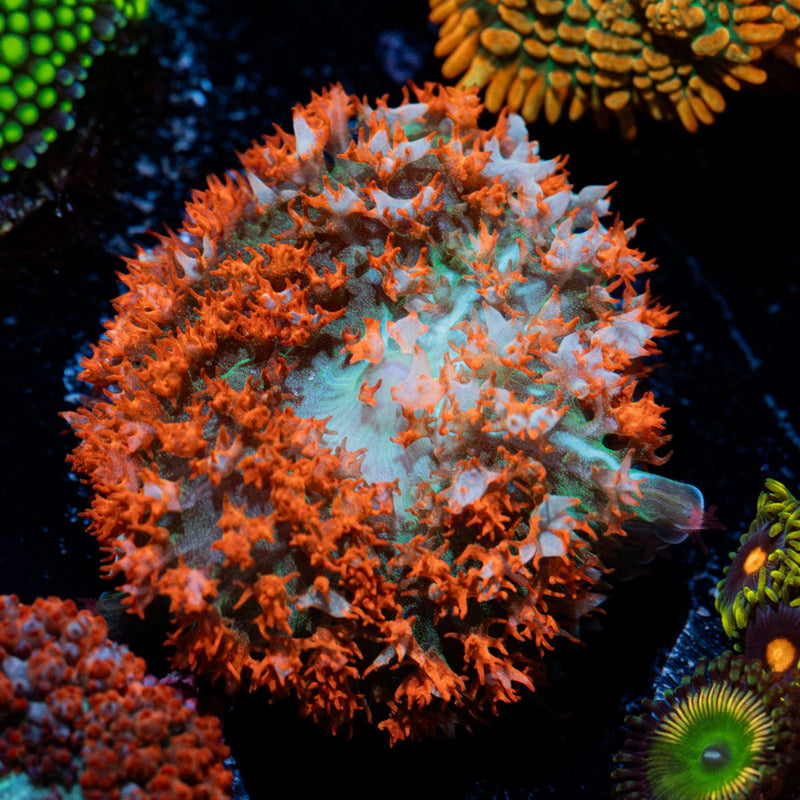
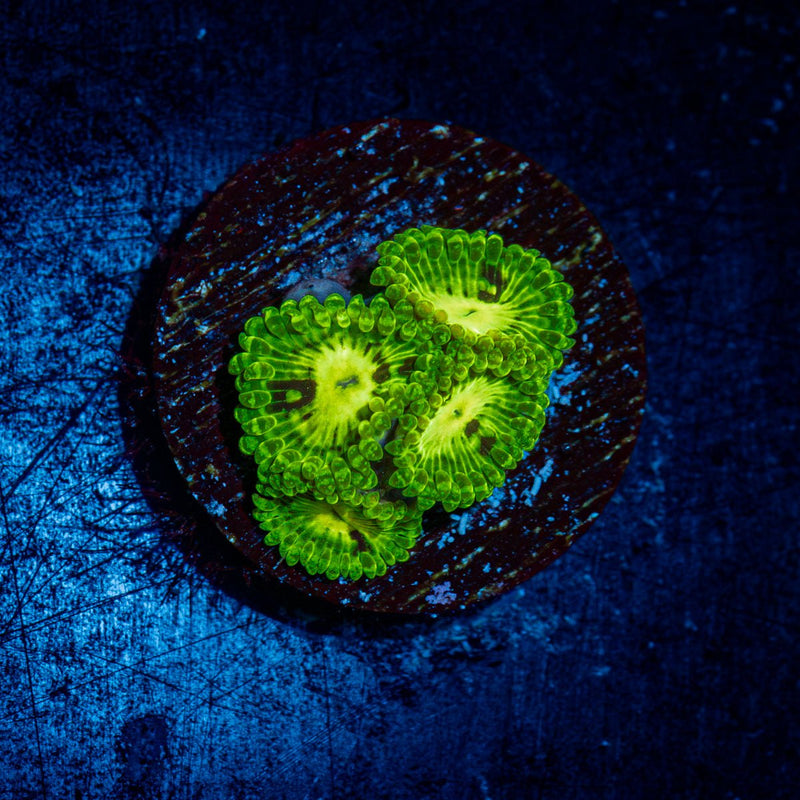
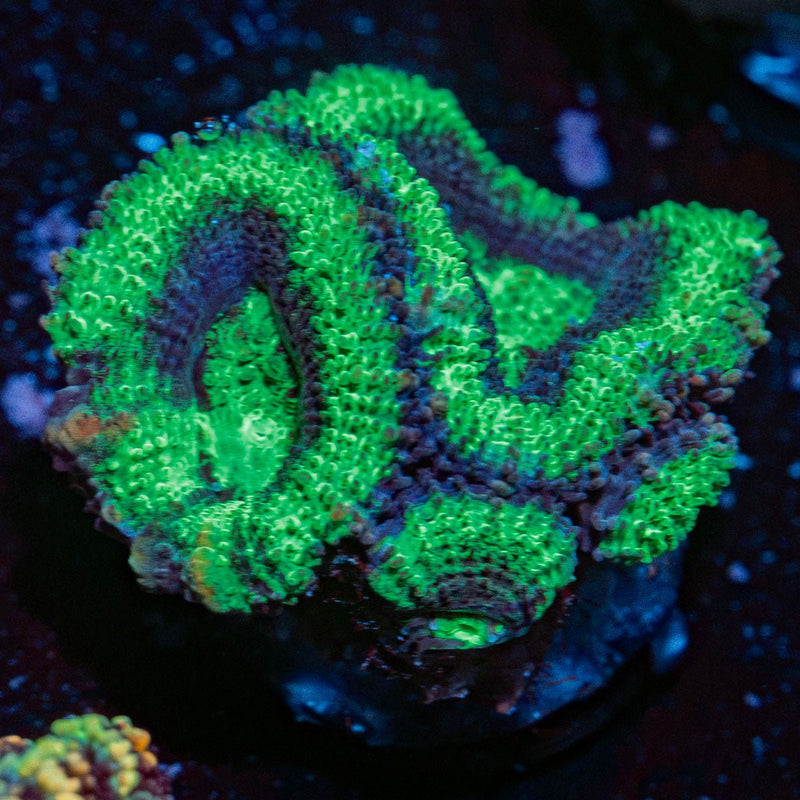
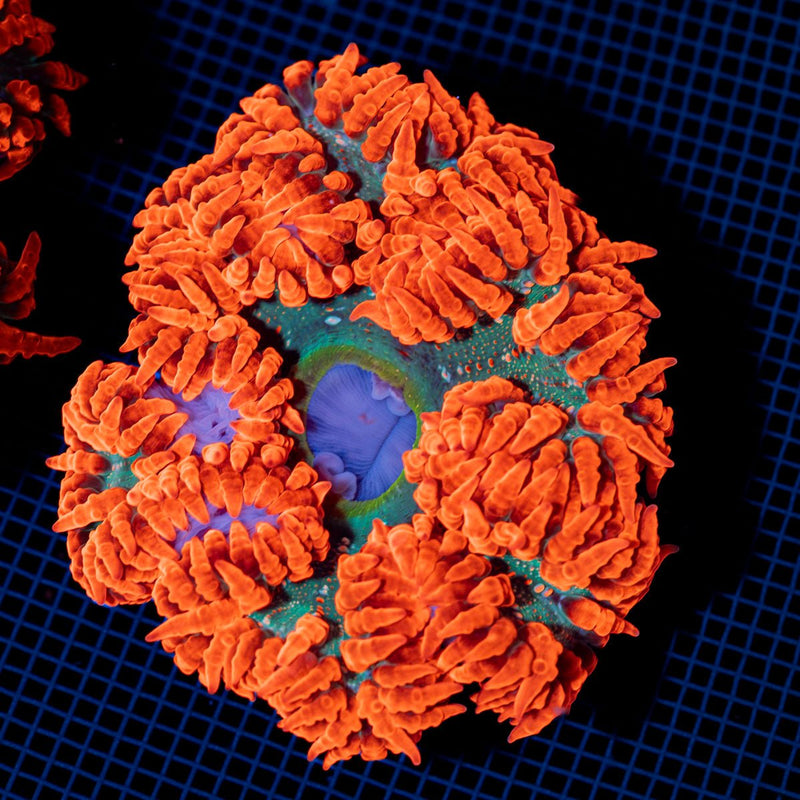
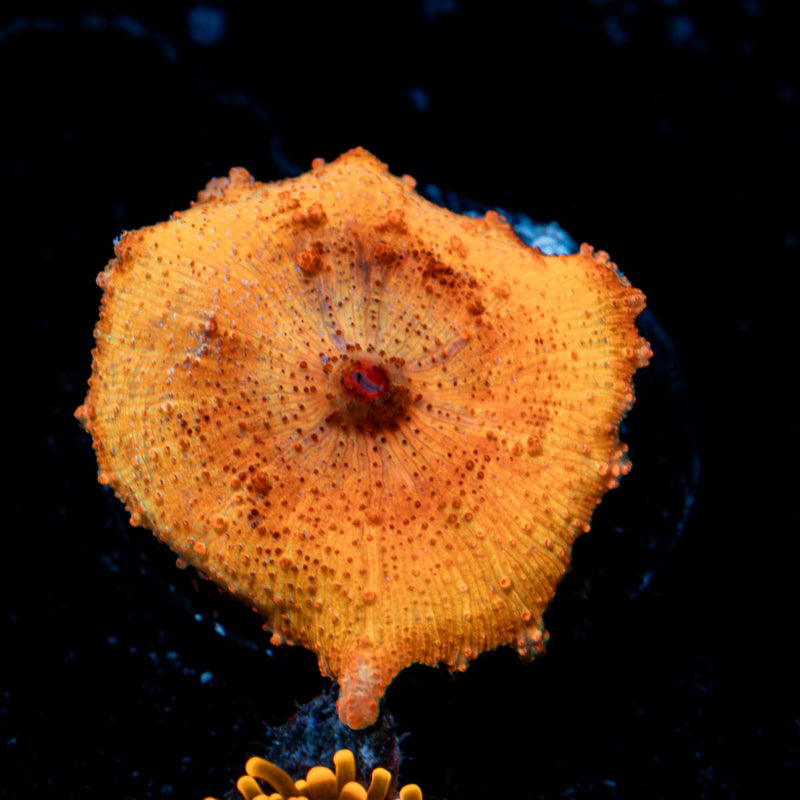
Mushroom corals are soft corals or corallimorphs, and they are loved for their fleshy, disc-like shape and vibrant colors. Some stay smooth and simple, while others bubble up, wrinkle, or develop striking patterns that make them look like living jewels under reef lighting.
For a beginner, the biggest advantage is that mushrooms usually do not demand intense light, aggressive feeding schedules, or razor-thin parameter stability. In a newer reef, that matters. You are still figuring out evaporation, salinity, nutrient export, and where flow is stronger than you expected. A coral that can handle a learning curve is a smart buy.
They also fit a wide range of tanks. A single mushroom frag can look great in a nano reef, but a small garden of colorful mushrooms can also fill space beautifully in a larger mixed reef. If your goal is a tank that looks vibrant without feeling high-risk, mushrooms are an easy yes.
The best mushroom coral types for beginners
Not every mushroom is equally beginner-friendly, but several common types are great first additions.
Discosoma mushrooms are often the classic starting point. They come in bright reds, blues, greens, and speckled combinations, and they usually prefer lower to moderate light with gentle to moderate flow. They are hardy, attractive, and a great way to learn coral placement.
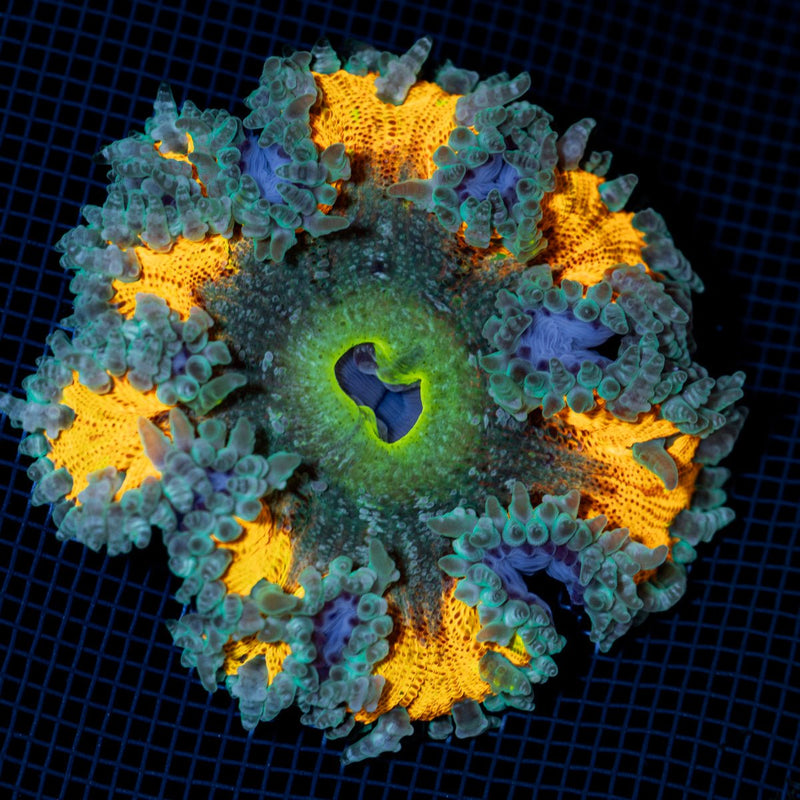
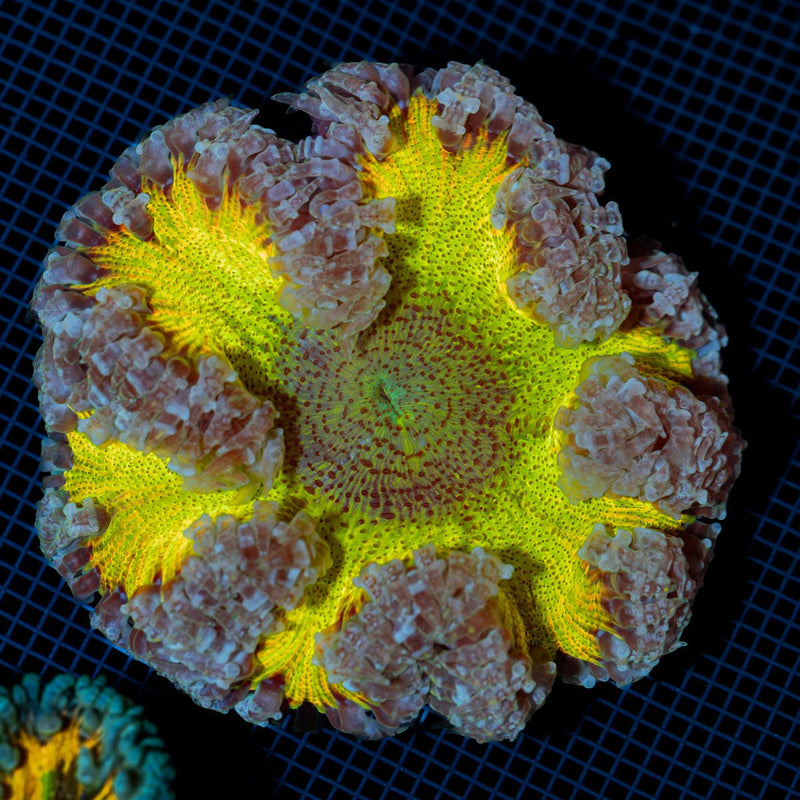
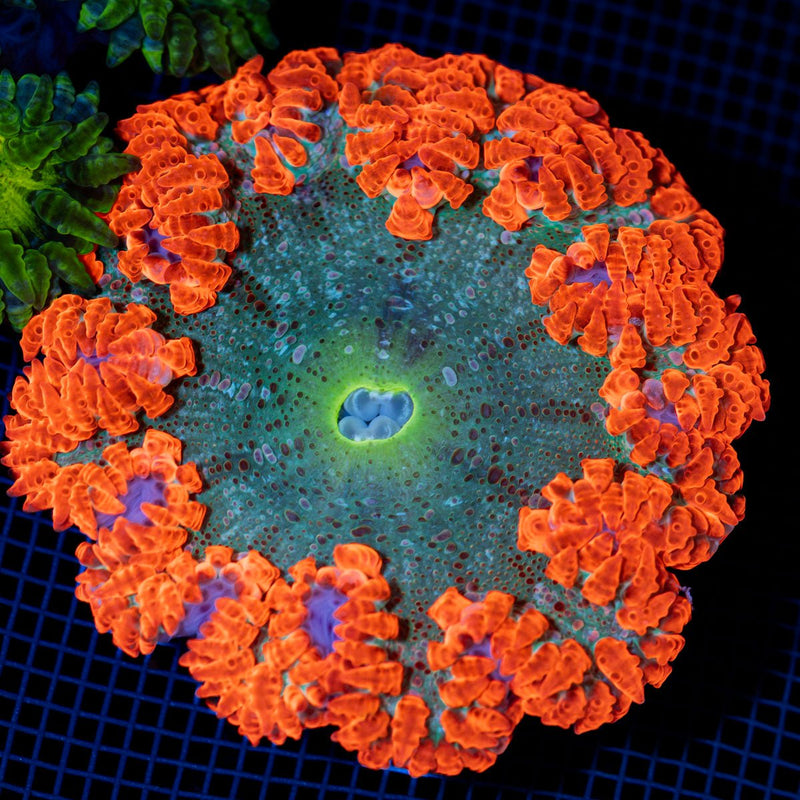
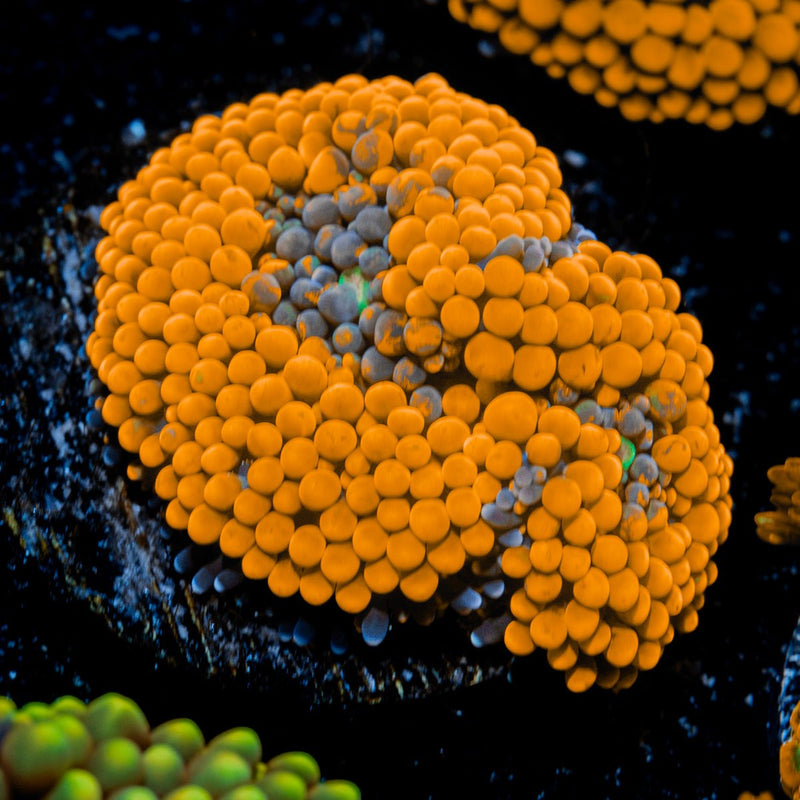
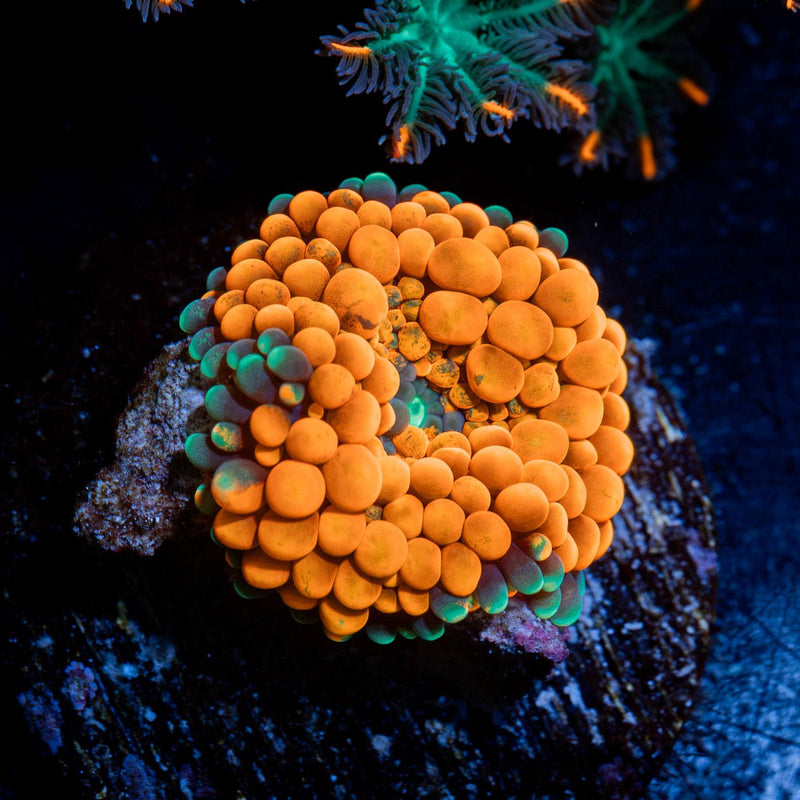
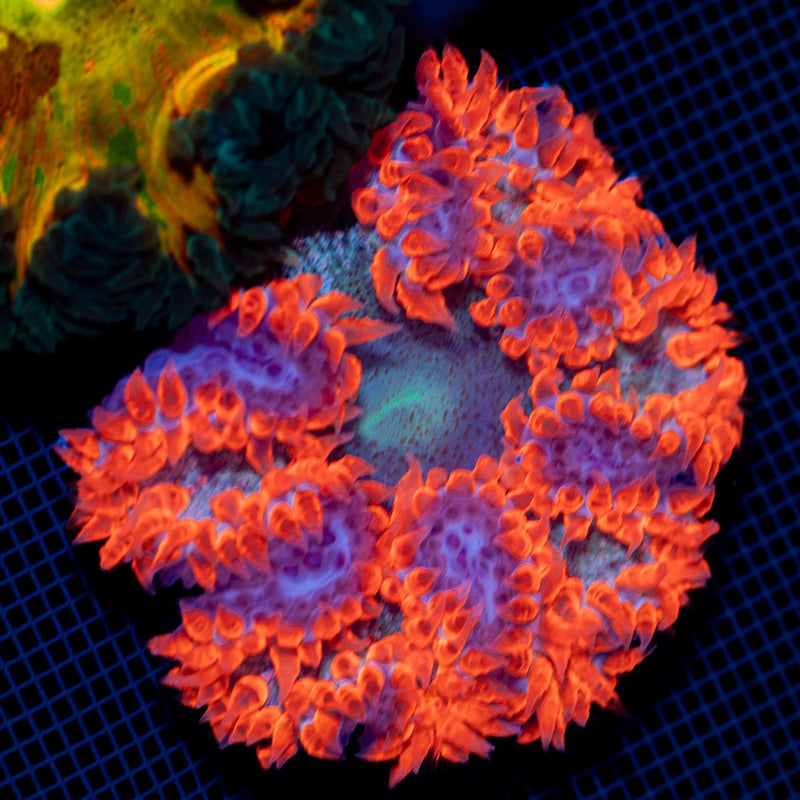
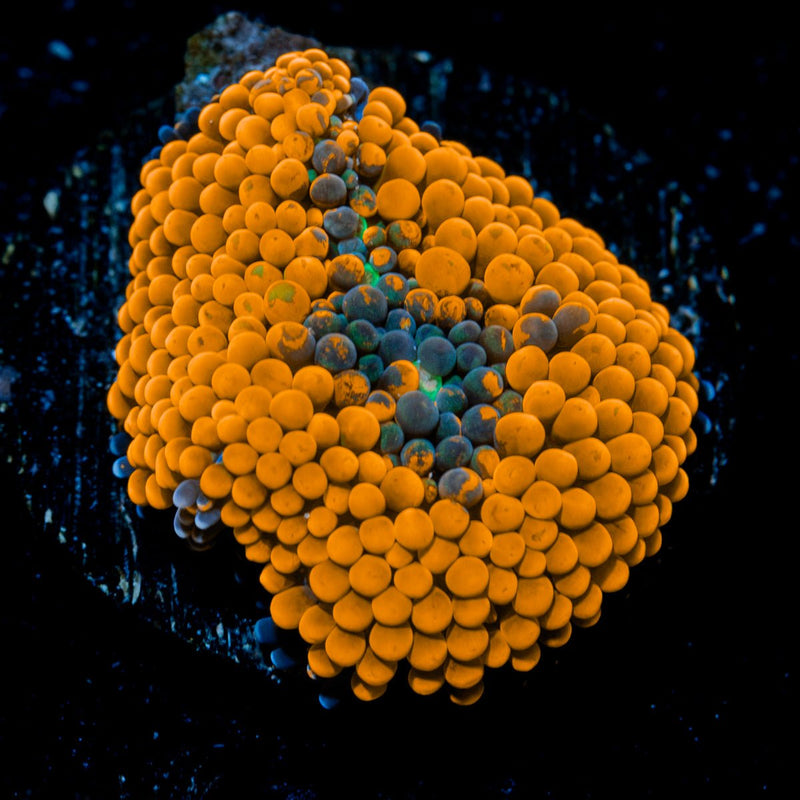
Ricordea florida is another strong choice, especially if you want more texture and a slightly more premium look. These have a beaded, bubbly surface and can show stunning orange, green, blue, or multicolor patterns. They may want a little more attention than basic discos, but they are still very approachable for most new hobbyists.
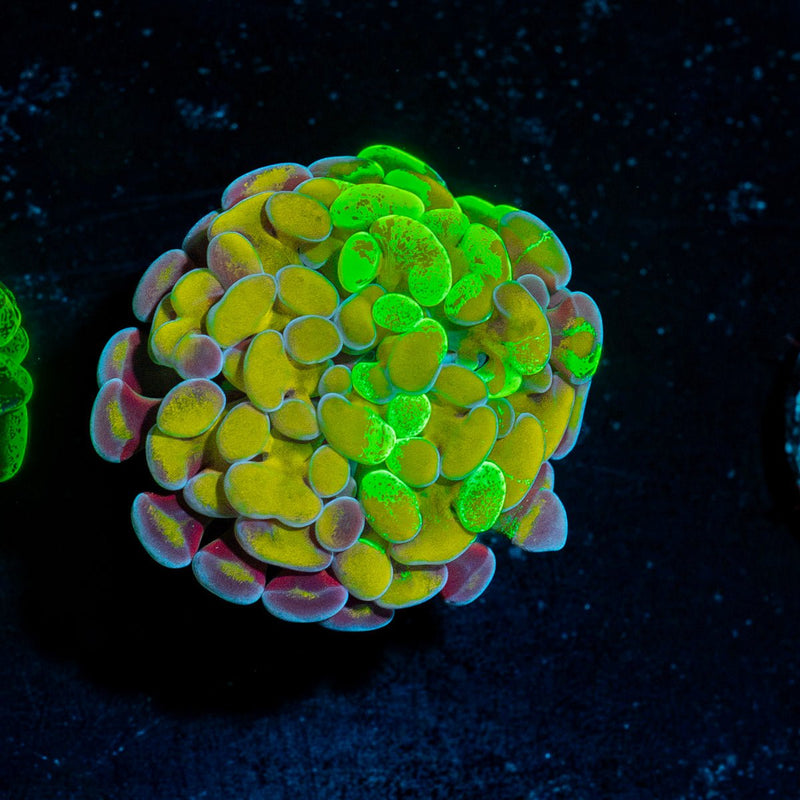
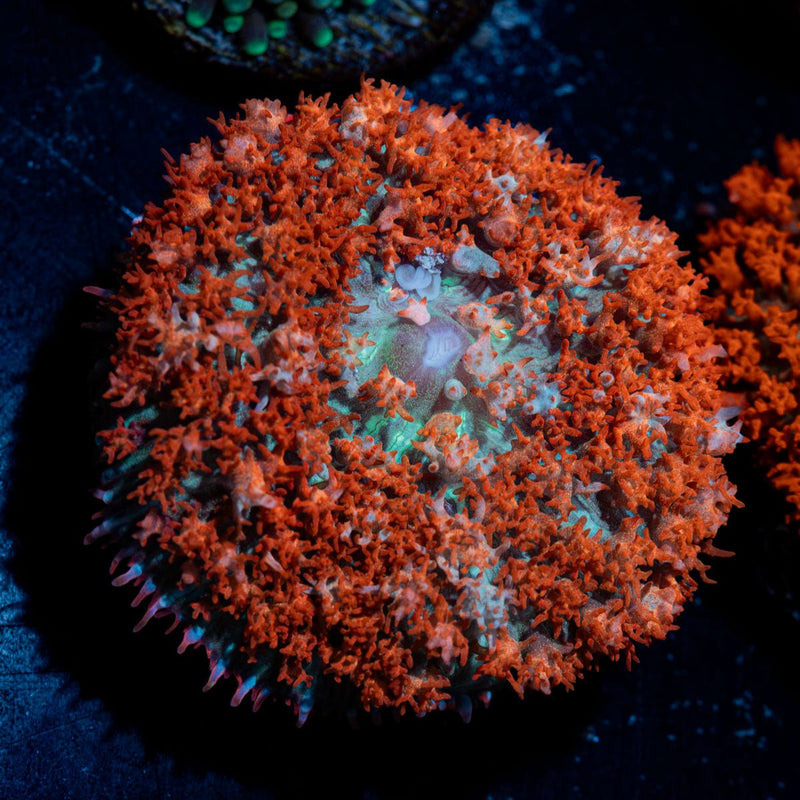
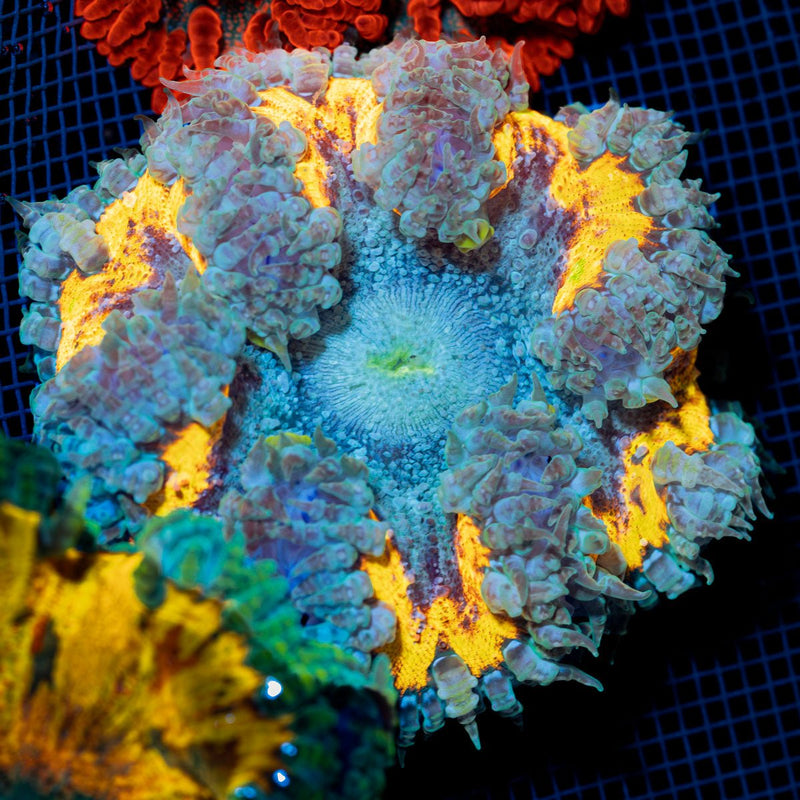
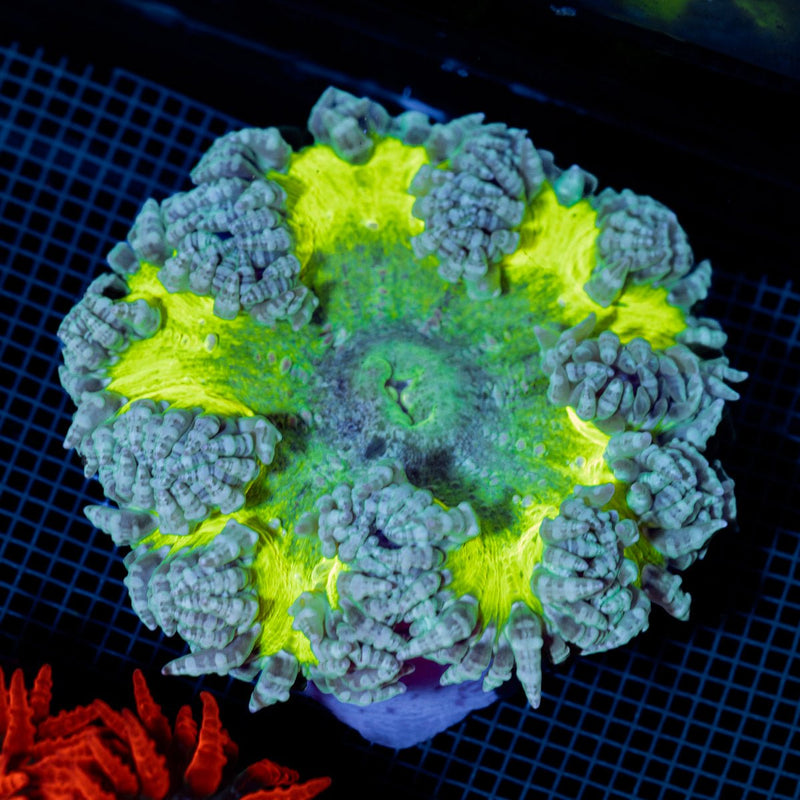
Rhodactis mushrooms can also work well, though they vary more. Some are easygoing, while others grow larger and can be a bit more particular about placement. Hairy mushrooms and textured varieties can become standout pieces, but they may need a little more room than beginners expect.
If you are choosing your first frag, start with aquacultured mushrooms that are already established on a plug or small rock. Healthy, attached specimens tend to settle in faster and give you more confidence from day one.
Lighting and flow for mushroom coral
One of the easiest beginner mistakes is assuming every coral wants bright light and heavy flow. Mushrooms are often the opposite.
Most mushroom corals prefer low to moderate light. Under extremely intense lighting, they may stay shrunken, bleach, or stretch awkwardly to avoid exposure. If your tank is set up for high-light SPS, mushrooms may do better lower in the rockwork, under an overhang, or in partially shaded zones.
Flow should usually be gentle to moderate. You want enough water movement to keep detritus from settling on them, but not so much that the coral is constantly folding over or unable to fully expand. A mushroom that looks calm, open, and inflated is usually telling you the placement is working. One that stays tight, cups unnaturally, or leans away from a strong current may want a different spot.
This is where patience pays off. With mushrooms, subtle placement changes can make a big difference. Move slowly, then give the coral a few days to respond before making another adjustment.
Water parameters beginners should focus on
Mushrooms are forgiving, but they still do best in stable saltwater. Stability matters more than chasing perfect numbers.
Aim for salinity around 1.025, temperature in the upper 70s, and a reef-safe range for alkalinity, calcium, and magnesium. Unlike hard corals, mushrooms are not heavy skeleton builders, so they are not as dependent on elevated calcium consumption. Still, they benefit from a healthy, balanced reef environment.
Nutrients matter too. Ultra-clean water is not always ideal for soft corals. Many mushrooms actually look better with some nitrate and phosphate available rather than a stripped-out system. If your tank is aggressively filtered and your mushrooms stay small or dull, the issue may not be neglect - it may be that the tank is too clean for them.
For beginners, the practical takeaway is simple: avoid major swings, test regularly, and do not overcorrect. A stable tank with decent nutrients often grows mushrooms better than a tank where numbers are constantly being pushed up and down.
Placement, space, and growth habits
Mushrooms seem harmless when they arrive as a small frag, but they can become enthusiastic growers once they settle in. That is good news if you want coverage and color. It is less ideal if you place them next to slower-growing corals that do not appreciate being crowded.
Give mushrooms their own area if possible. An isolated rock island is often a smart move, especially in smaller tanks. Some species spread by dividing or leaving small bits of tissue behind as they move, and before long, you can have multiple mushrooms where you started with one.
This spreading habit is part of their appeal, but it is also the main trade-off. Beginners love mushrooms because they are easy. Intermediate hobbyists sometimes end up managing them because they were too easy. Think ahead before placing a fast-growing variety near prized LPS or a future SPS section.
Feeding and everyday care
Mushrooms get much of their energy from light, and many will do just fine without target feeding. That is another reason they fit beginner tanks so well.
That said, some mushrooms respond well to occasional broadcast feeding or fine particulate coral foods in the water column. Ricordea and larger fleshy mushrooms may also grab small meaty foods, though overfeeding can create more problems than benefits in a newer tank.
The best day-to-day care is observation. Look for full inflation, steady color, and normal expansion. A healthy mushroom should look settled and established, not pinched and constantly irritated. If it shrinks for a day after acclimation, that is not automatically a red flag. If it stays closed, fades in color, detaches, or starts wandering, something in the environment likely needs attention.
Common mistakes with mushroom coral for beginners
The biggest mistake is too much intensity too soon. New hobbyists often place mushrooms high on the rockwork under strong reef lights because they want the color to pop. In many cases, lower placement works better.
The second mistake is assuming low-maintenance means no-maintenance. Mushrooms are easier than many corals, but they still react to salinity swings, neglected water changes, dirty filters, and unstable temperature.
Another common issue is poor acclimation. Corals shipped from one system to another need time to adjust to new lighting and chemistry. Slow, thoughtful acclimation gives a beginner-friendly coral the best chance to actually behave like one.
Finally, do not underestimate aggression by proximity. Mushrooms may not have long sweeper tentacles like some LPS corals, but they can still crowd neighbors, sting through contact, and win battles for space over time.
Buying your first mushroom coral with confidence
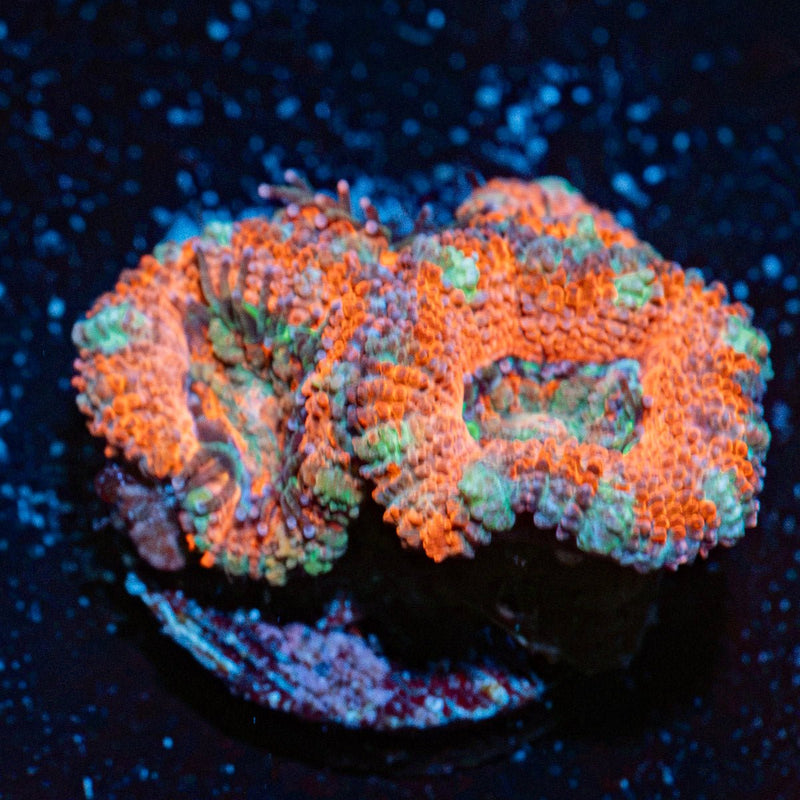
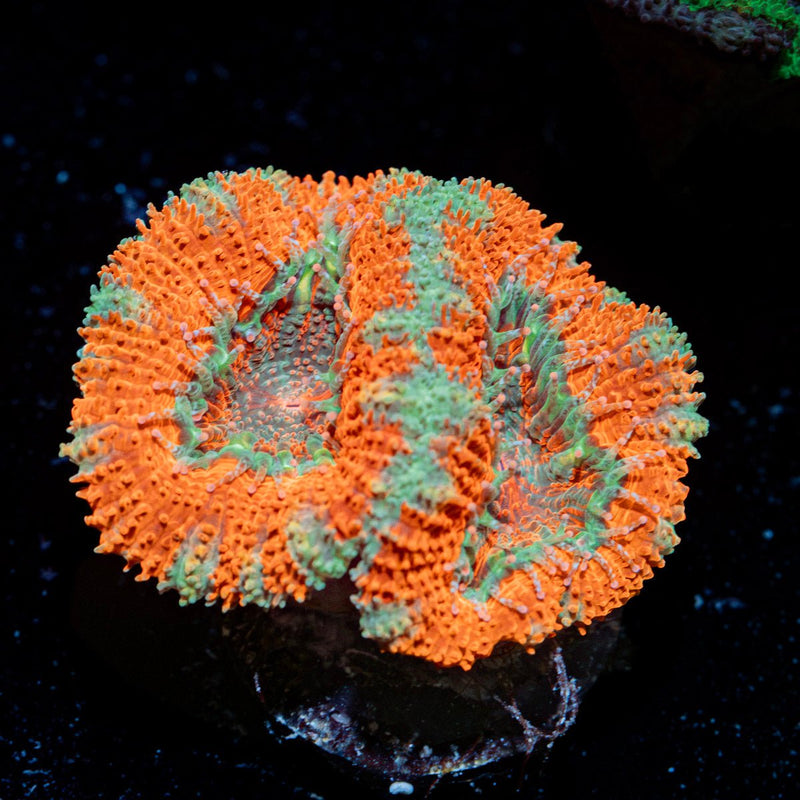
When shopping online, quality and transparency matter. A healthy aquacultured mushroom frag should have strong color, a firm attachment point, and a clean, intact appearance. WYSIWYG listings are especially helpful for beginners because they remove guesswork - you know exactly what color and pattern you are adding to your reef.
This is where a curated beginner-friendly selection can make a real difference. At Riptide Aquaculture, the appeal of mushrooms is not just that they are easy. It is that they offer a premium, vibrant look without forcing a new hobbyist into a high-risk purchase.
If you are torn between color and care level, choose care level first. A healthy, well-placed mushroom in a color you like will almost always bring more satisfaction than a pricier specimen that never really settles in your tank.
A reef tank does not need to start with the hardest coral to become stunning. Sometimes the smartest first step is also one of the most colorful - a mushroom that opens wide, settles in, and reminds you why this hobby is worth the effort.
Products from the article