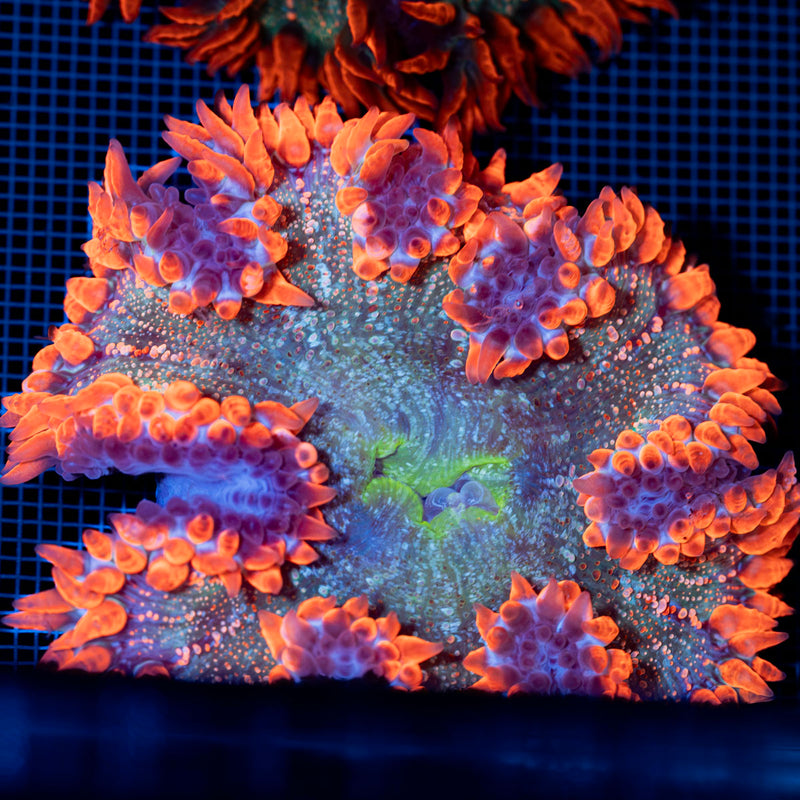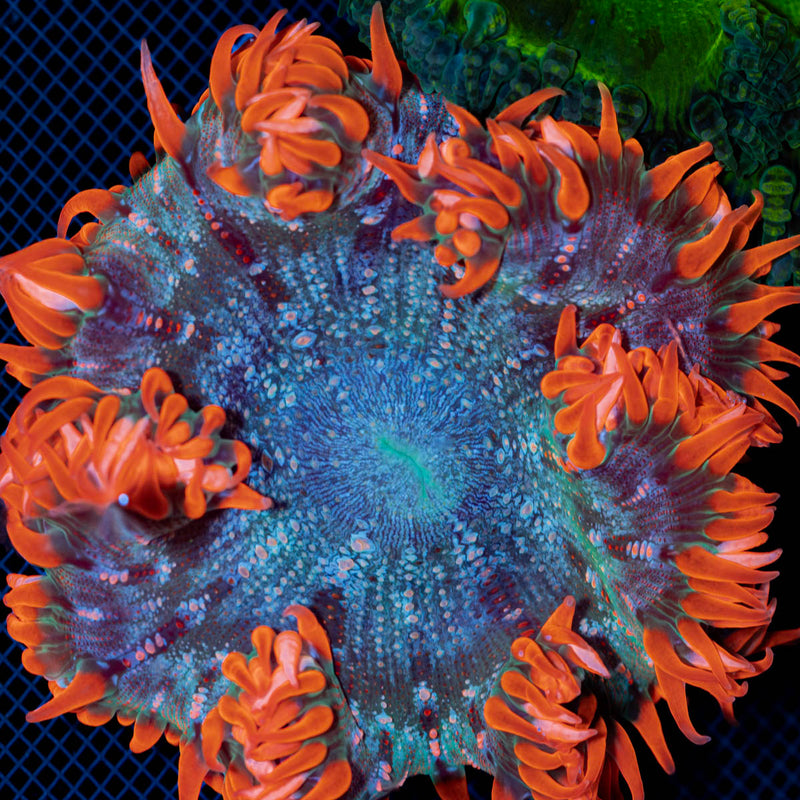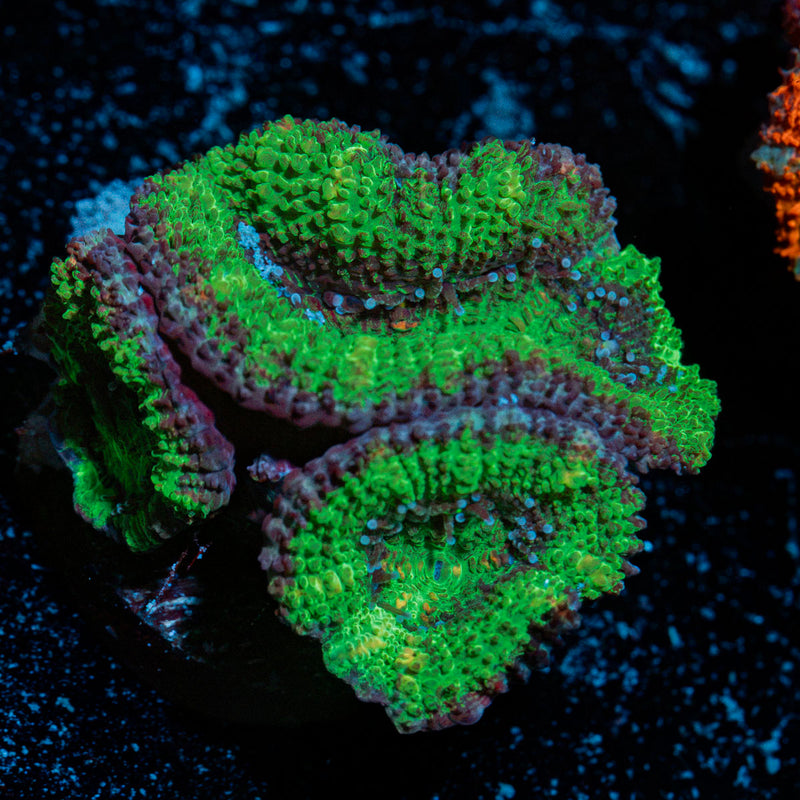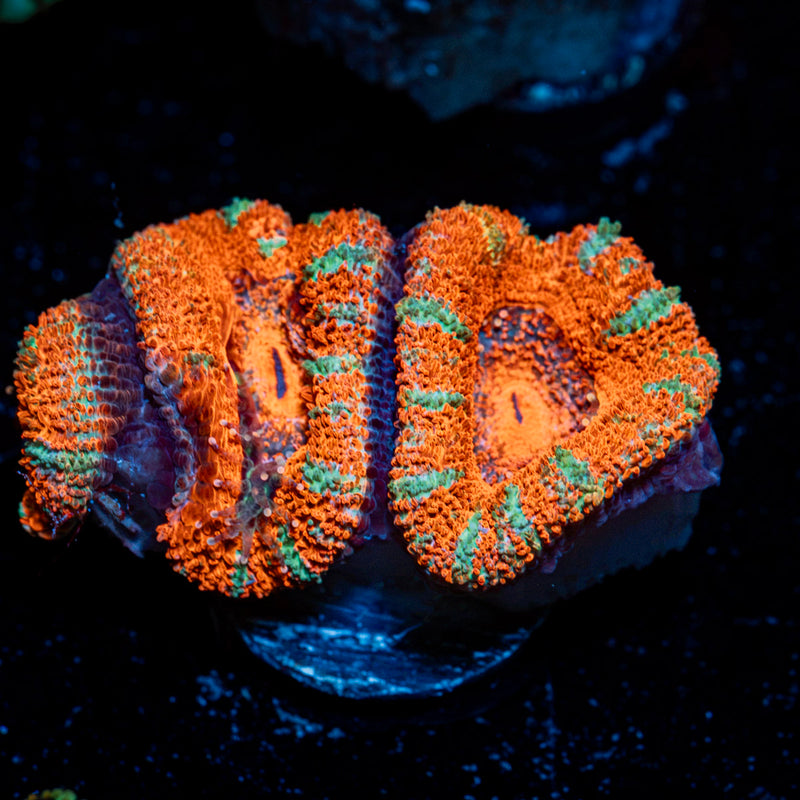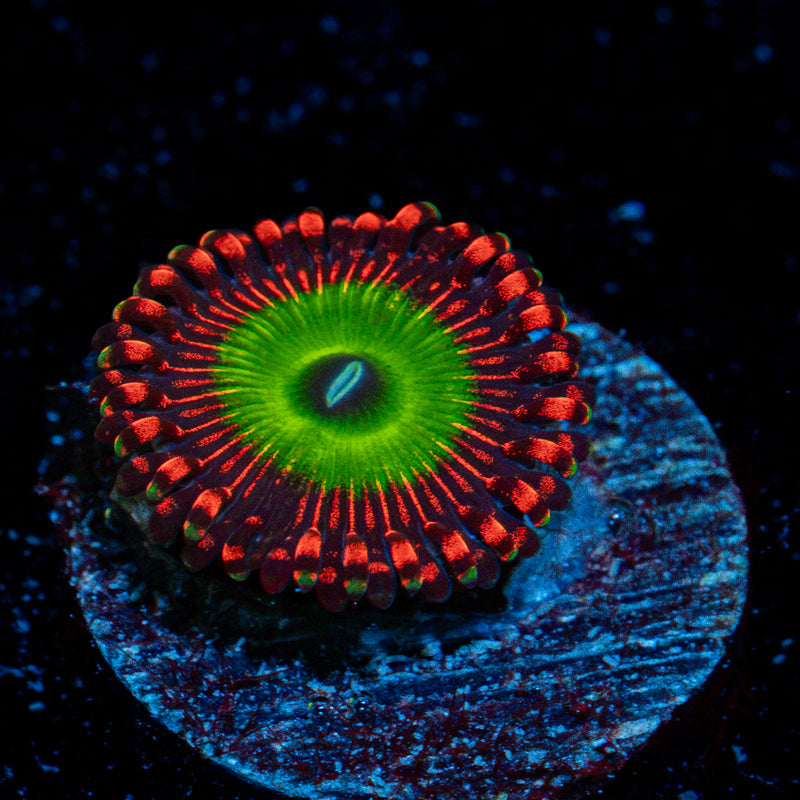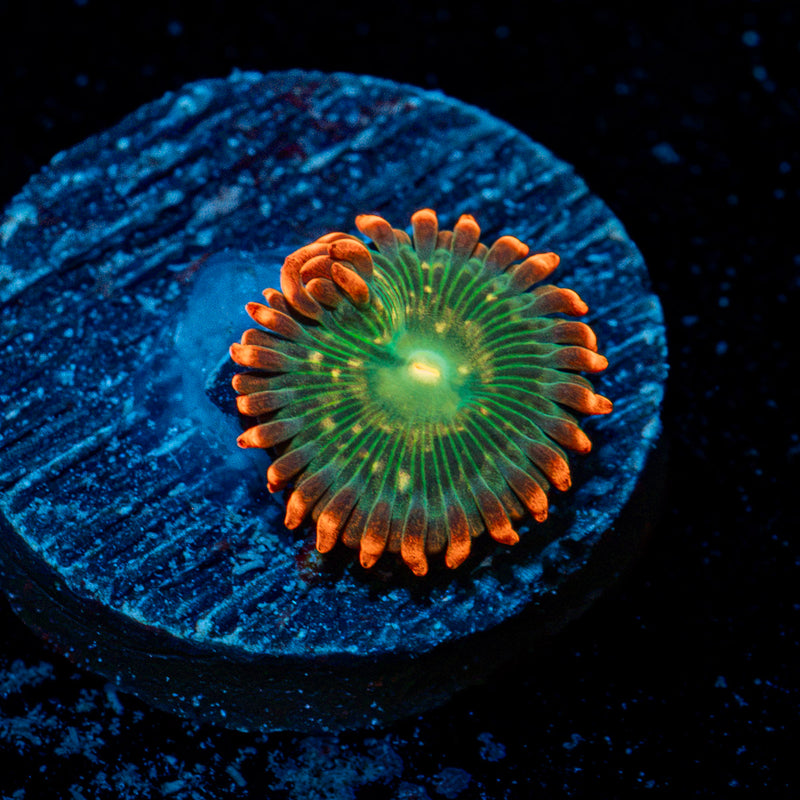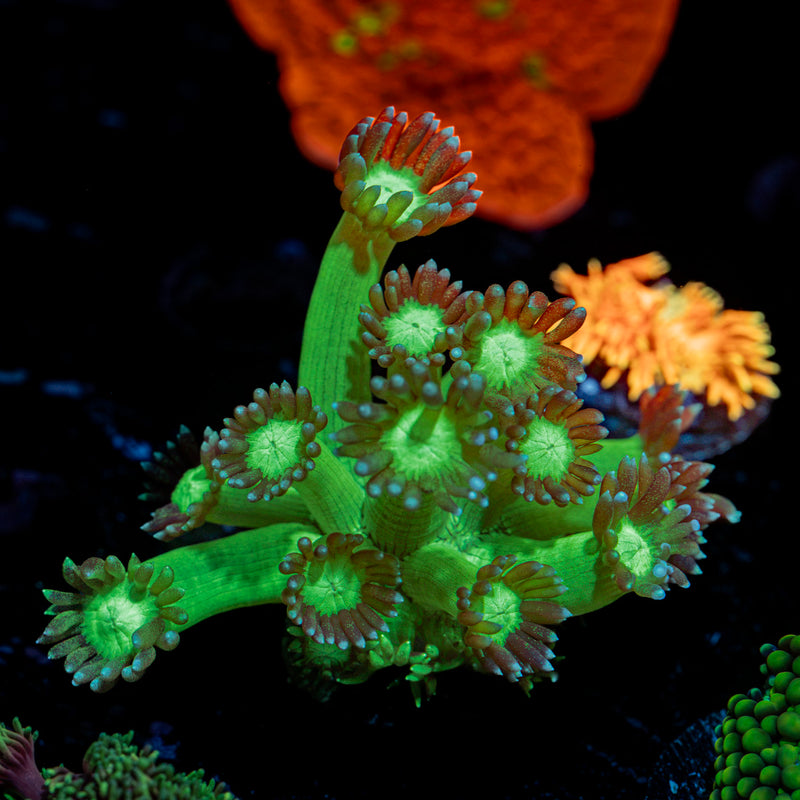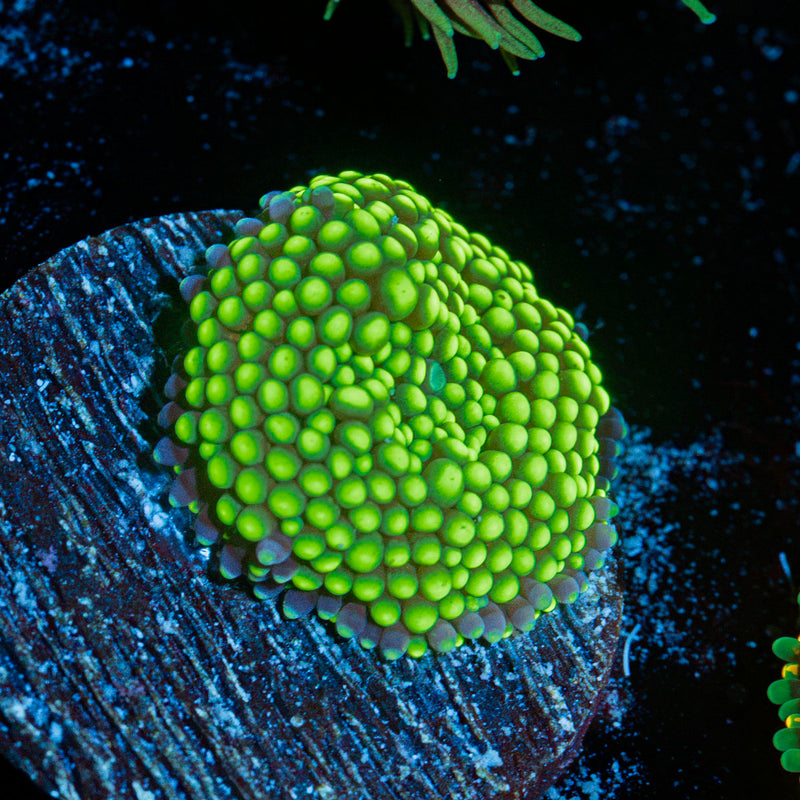
That moment when your tank is finally stable and ready for its first real coral is exciting - and a little nerve-racking. If you are searching for the best LPS corals beginners can keep with confidence, the sweet spot is easy-care species that bring movement, color, and forgiving behavior without demanding expert-level stability.
LPS corals, or large polyp stony corals, are a favorite first step for reef keepers who want more visual impact than many soft corals but are not ready to chase the tighter parameters some SPS corals prefer. They can look stunning under reef lighting, with fleshy polyps, bright coloration, and that classic flowing reef-tank movement. The key is choosing beginner-friendly varieties and giving them enough space, the right light, and moderate flow.
Why the best LPS corals for beginners are so popular
There is a reason so many first reef tanks eventually feature hammers, acans, or candy canes. Beginner-friendly LPS corals tend to reward good habits quickly. You can actually see them inflate, extend feeders, and settle into the tank, which makes the learning process feel more engaging.
They also offer a nice middle ground. Many are hardier than new hobbyists expect, especially when aquacultured, but they still teach you the basics of placement, feeding response, and coral aggression. That makes them a smart category for reef keepers who want colorful, premium-looking livestock without turning their first coral purchase into a high-risk experiment.
7 best LPS corals for beginners
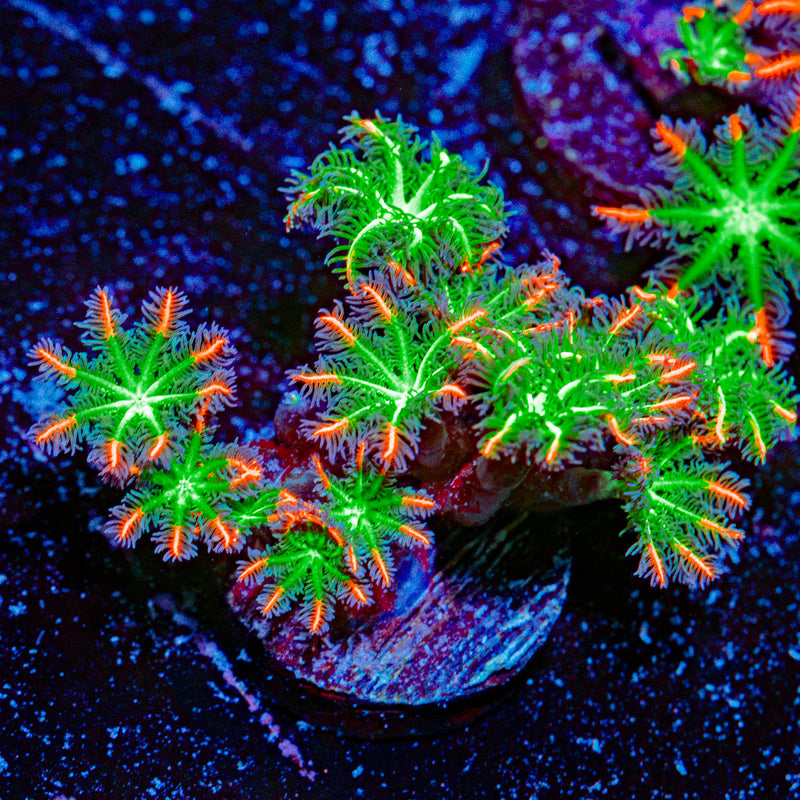
Candy Cane Coral
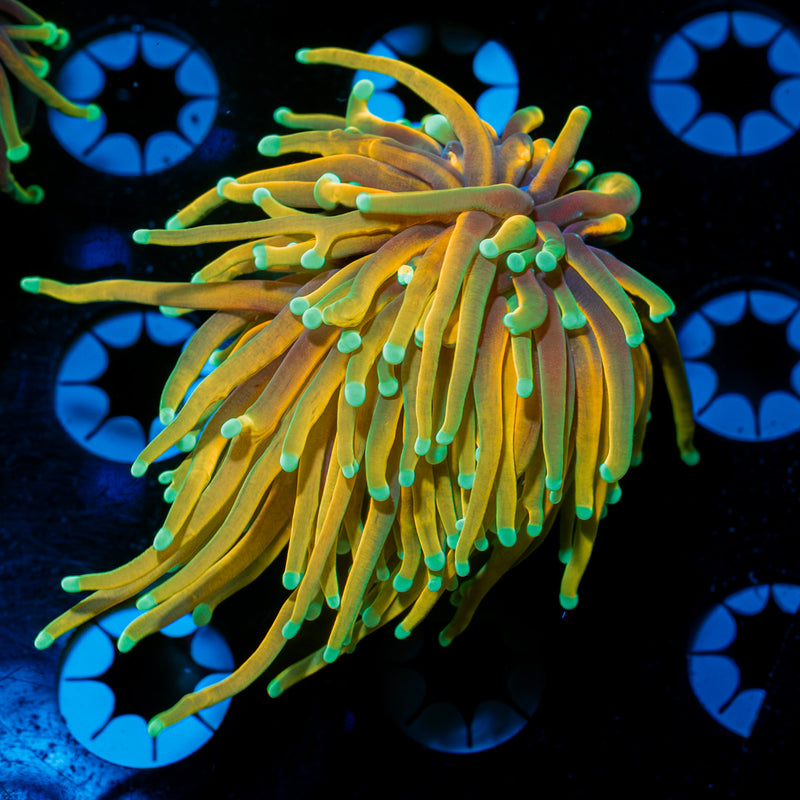
Candy cane coral is one of the most reassuring first LPS choices you can make. It has plump, rounded heads, usually in bright green, teal, or striped color patterns, and it generally adapts well to a range of beginner-friendly reef conditions.
It prefers low to moderate flow and moderate lighting. Too much flow can keep the polyps from opening fully, while intense light may stress a newly introduced frag if it is not acclimated carefully. Give it a bit of space, keep your parameters consistent, and it often grows in a steady, satisfying way.
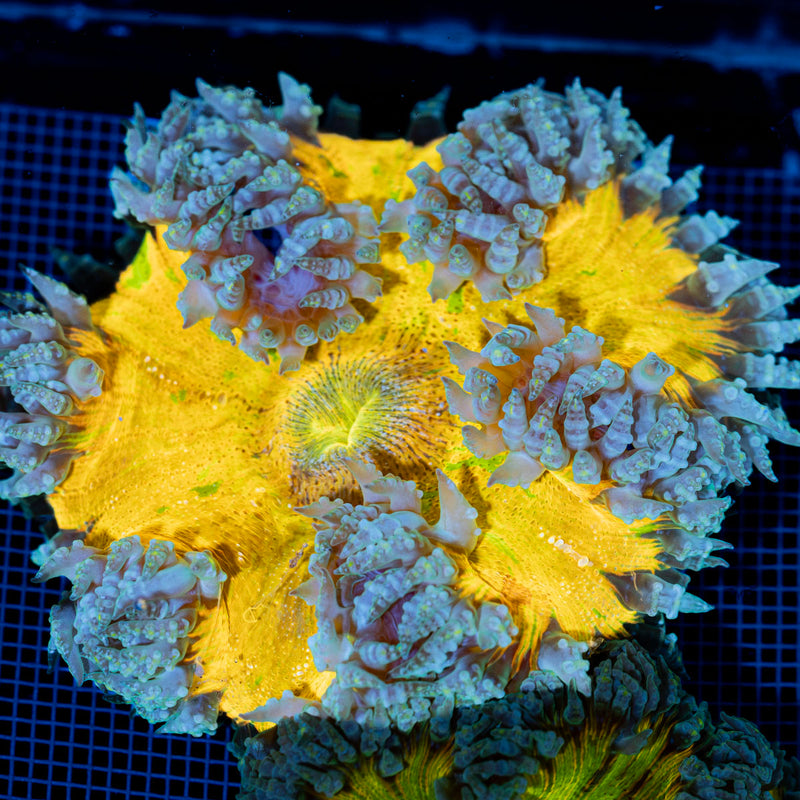
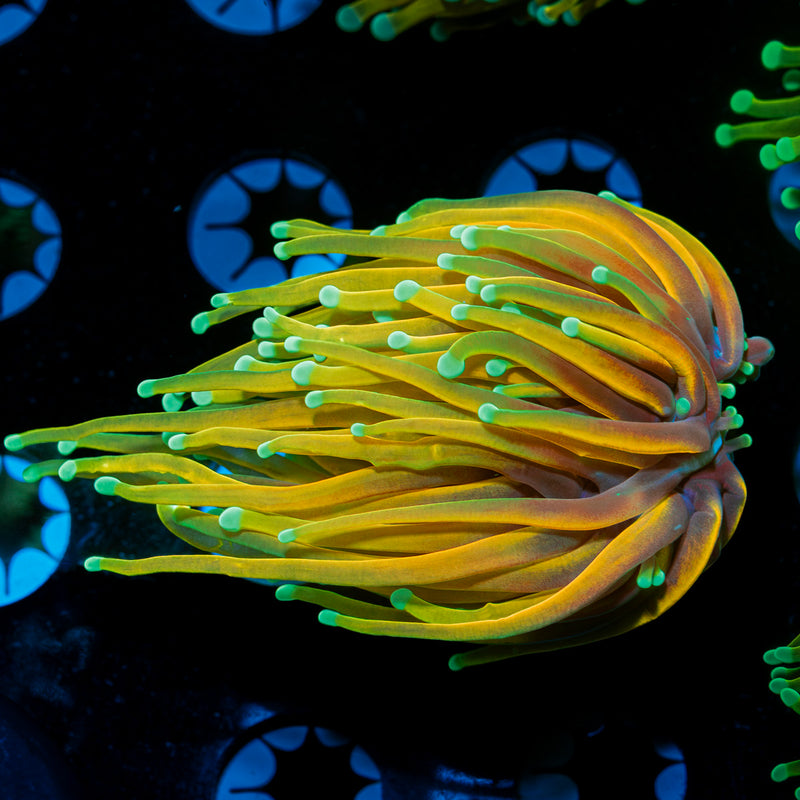
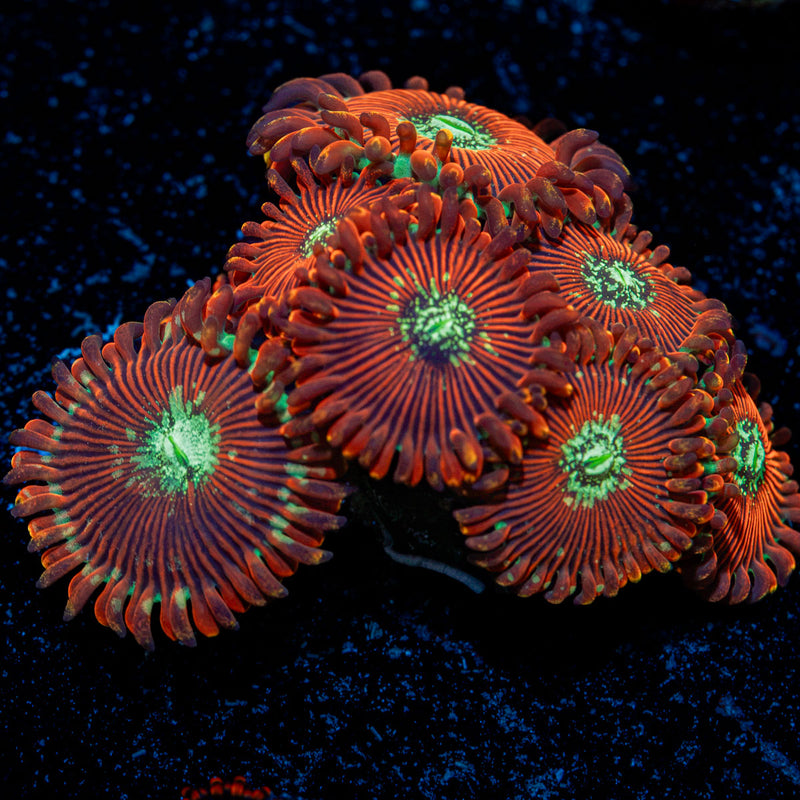
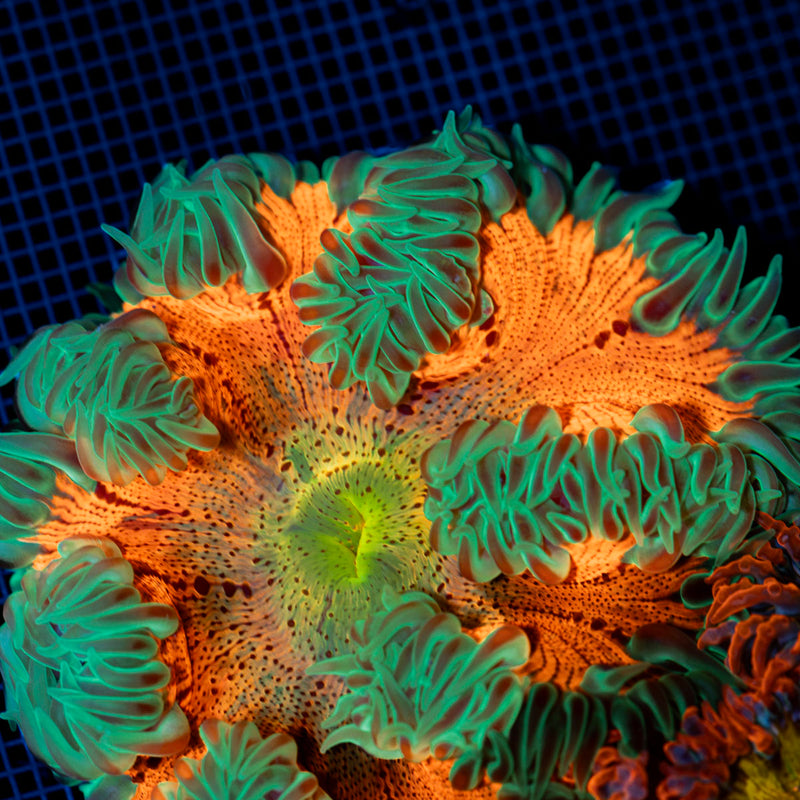
Duncan Coral
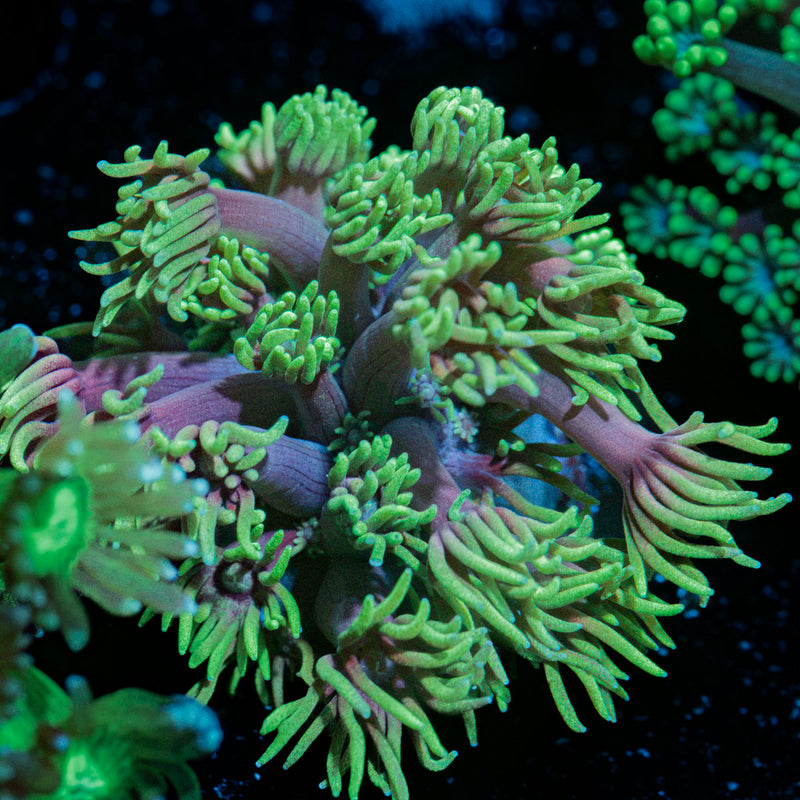
Duncan corals are popular for good reason. They have a bright, open look, long tentacles, and a feeding response that makes them especially fun for newer hobbyists. When happy, they extend nicely and can become one of the most lively corals in the tank.
They are also reasonably forgiving. Moderate light and gentle to moderate flow usually work well, and they often benefit from occasional target feeding. If you want an LPS coral that feels interactive and looks vibrant even in a young reef, Duncan is a strong pick.
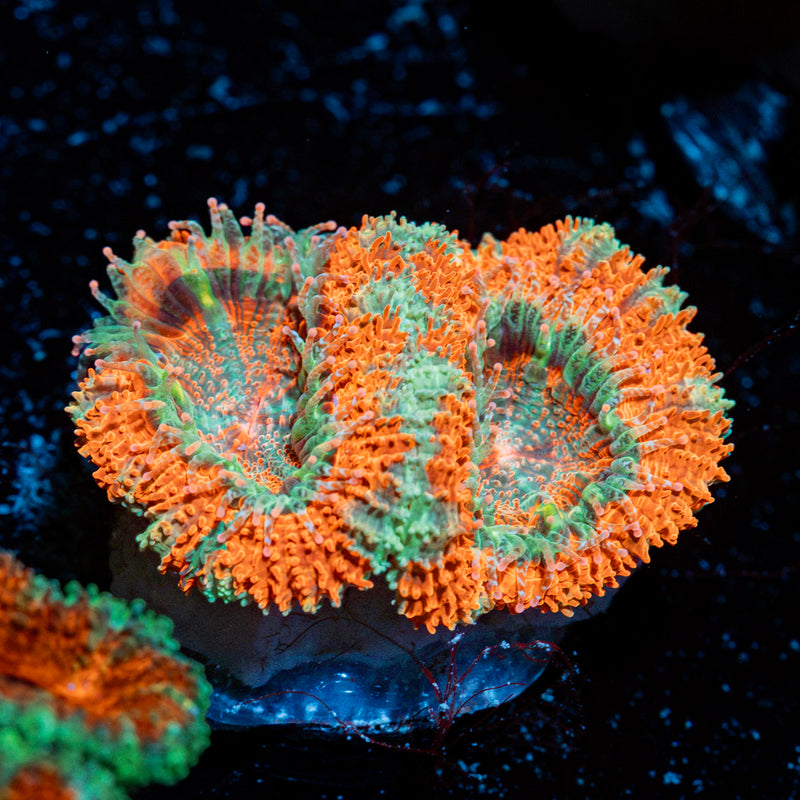
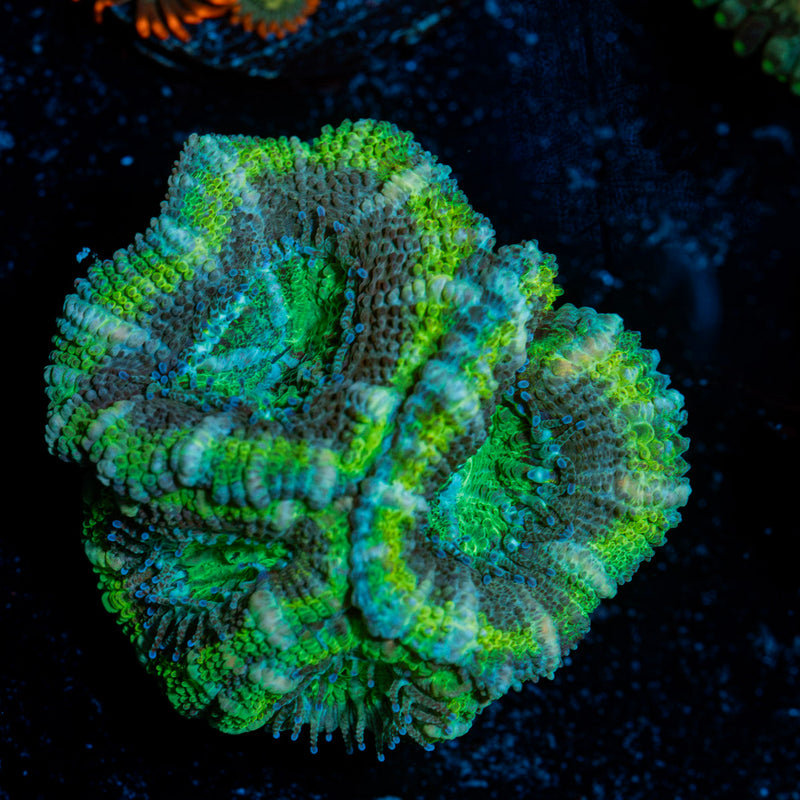
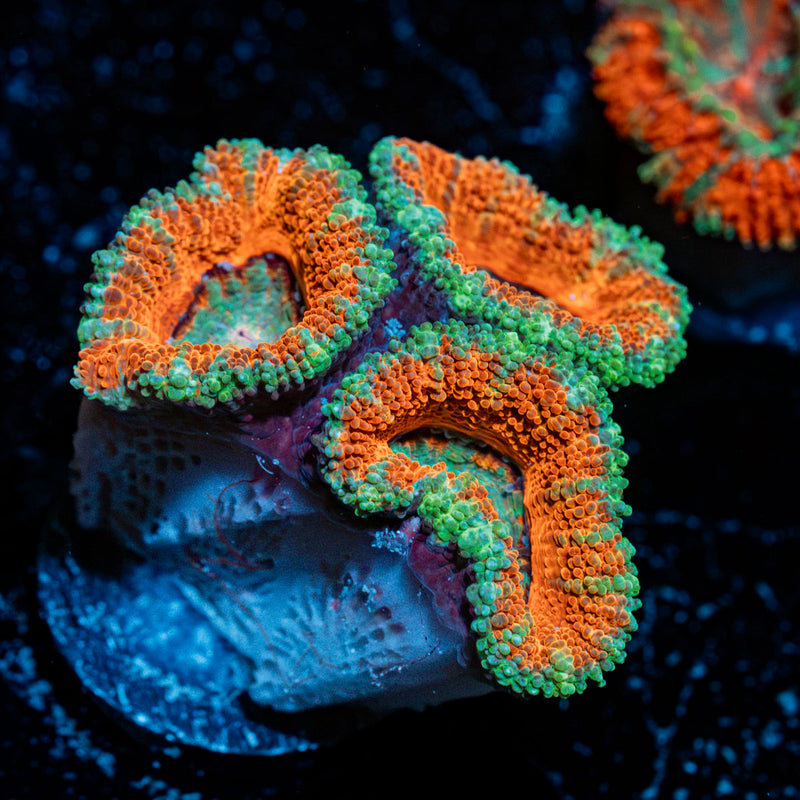
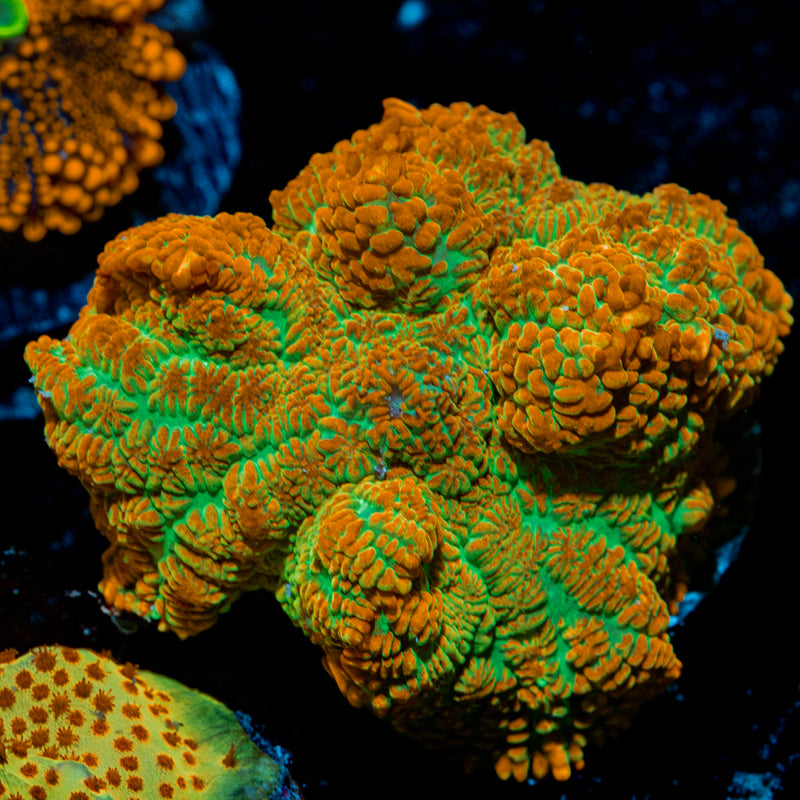
Acan Coral
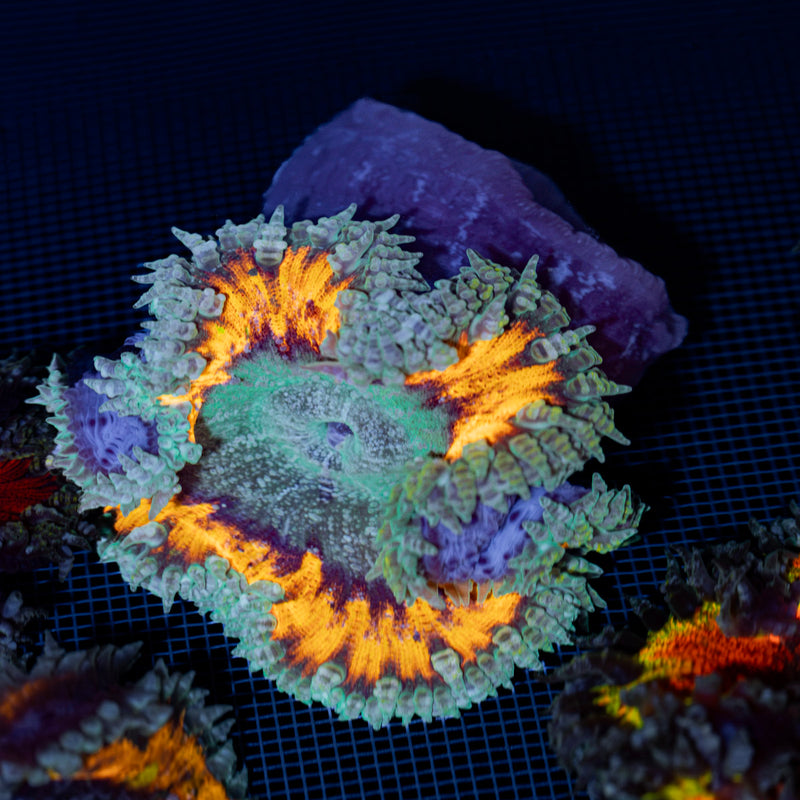
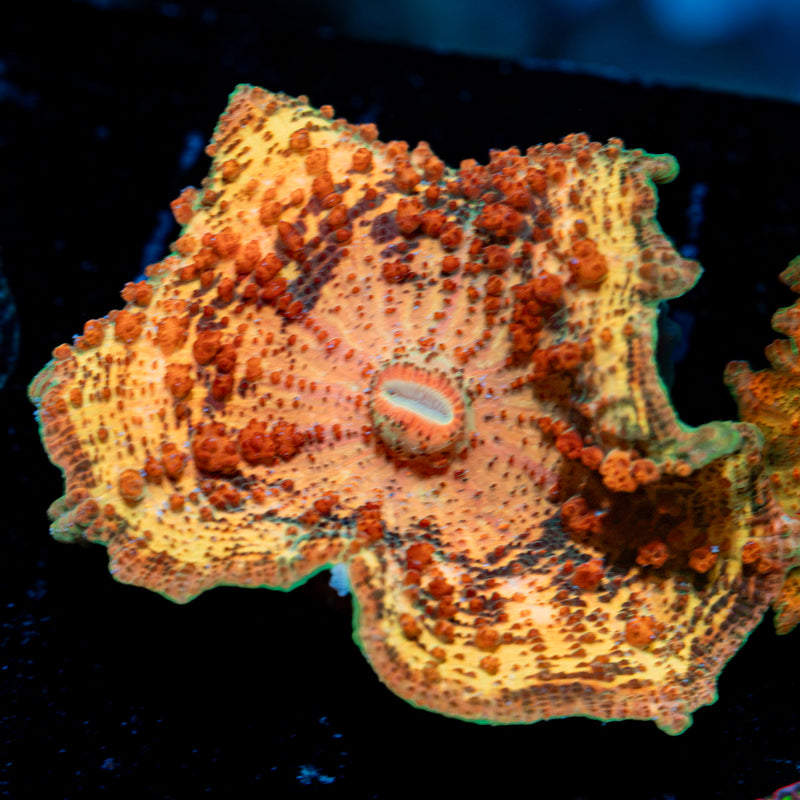
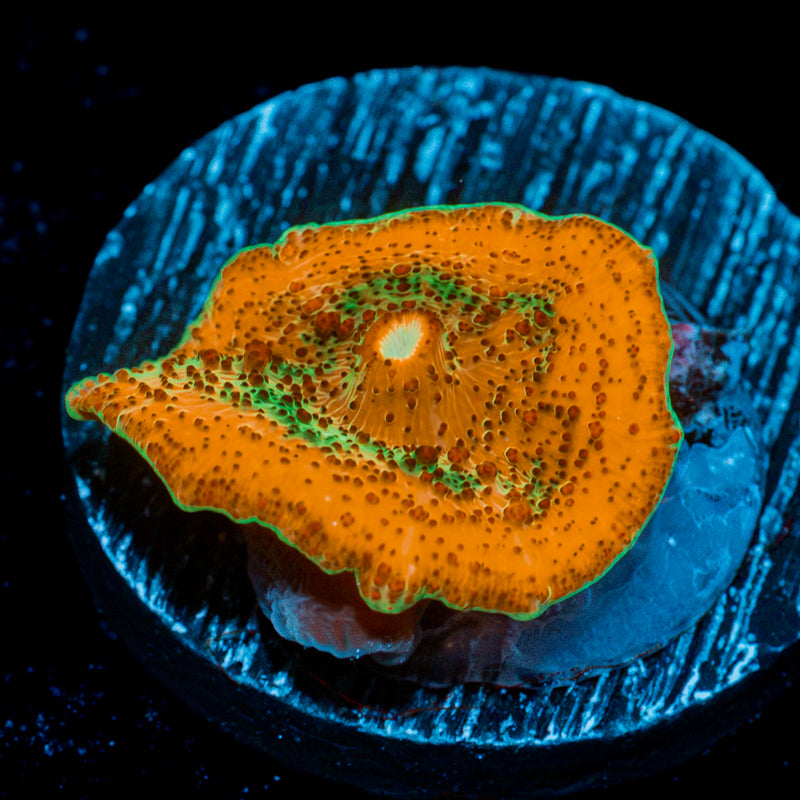
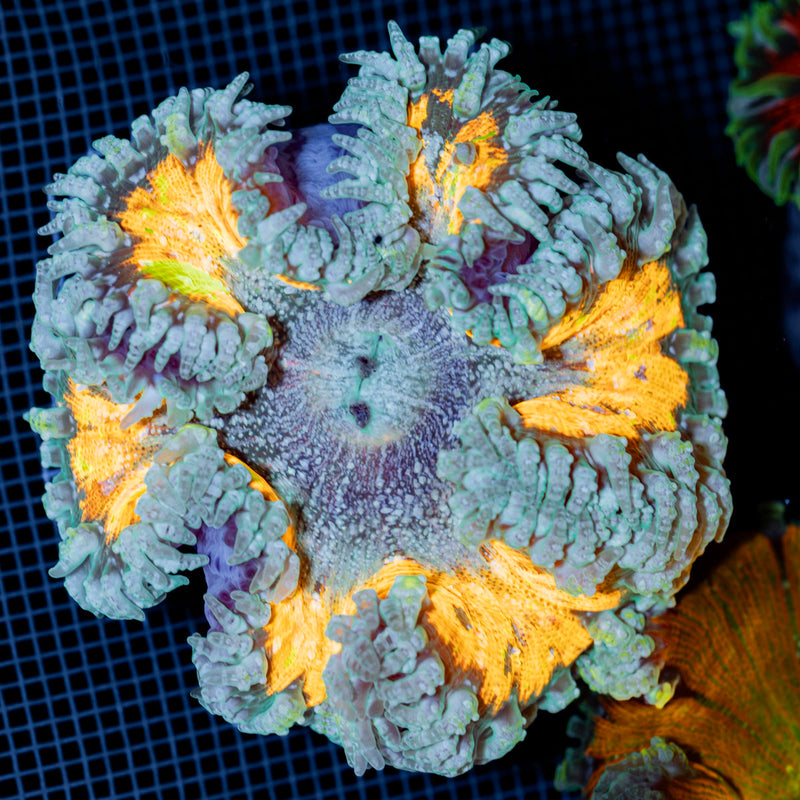
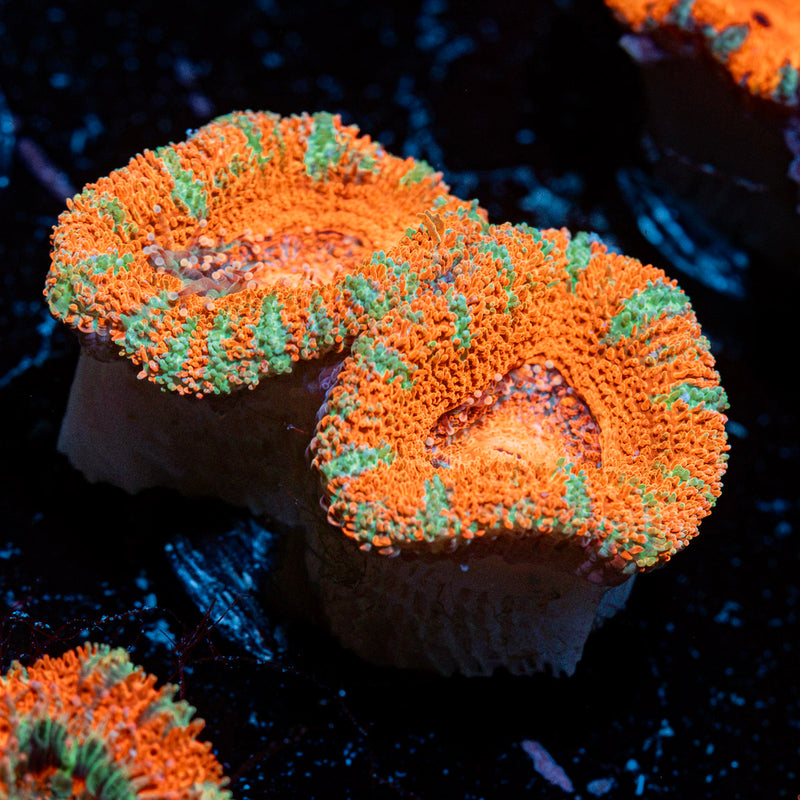
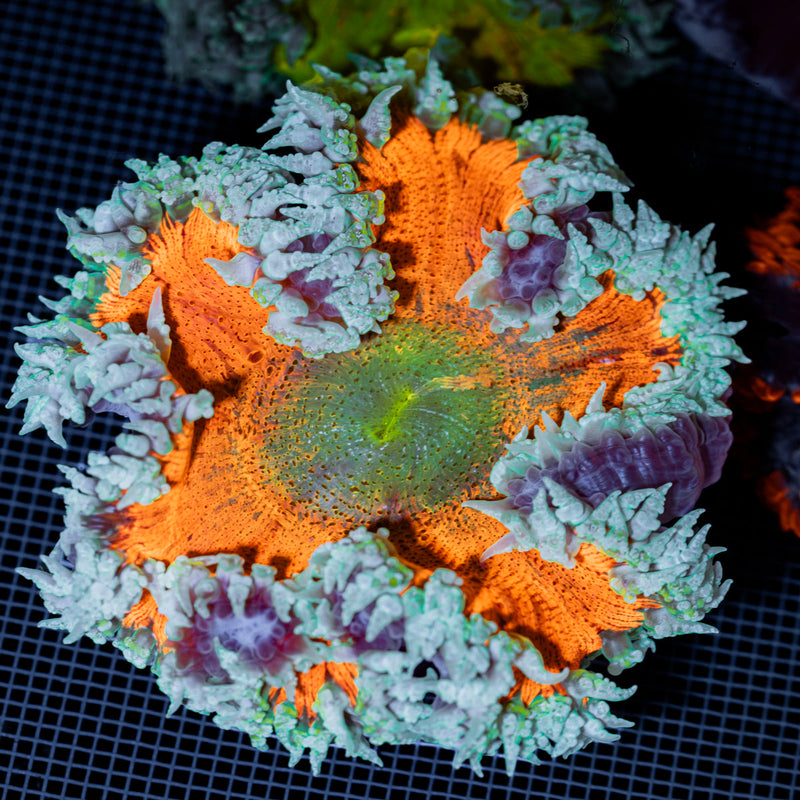
Acans bring rich color and a premium look without always demanding advanced care. Their fleshy polyps come in striking combinations of red, orange, green, blue, and gold, making them feel like living jewels on the sand bed or lower rockwork.
For beginners, the trade-off is placement and stability. Acans usually prefer lower to moderate light and lower flow, and they do not appreciate being blasted. They also do best when alkalinity, calcium, and salinity stay consistent. That said, once settled, they can be surprisingly approachable and very rewarding.
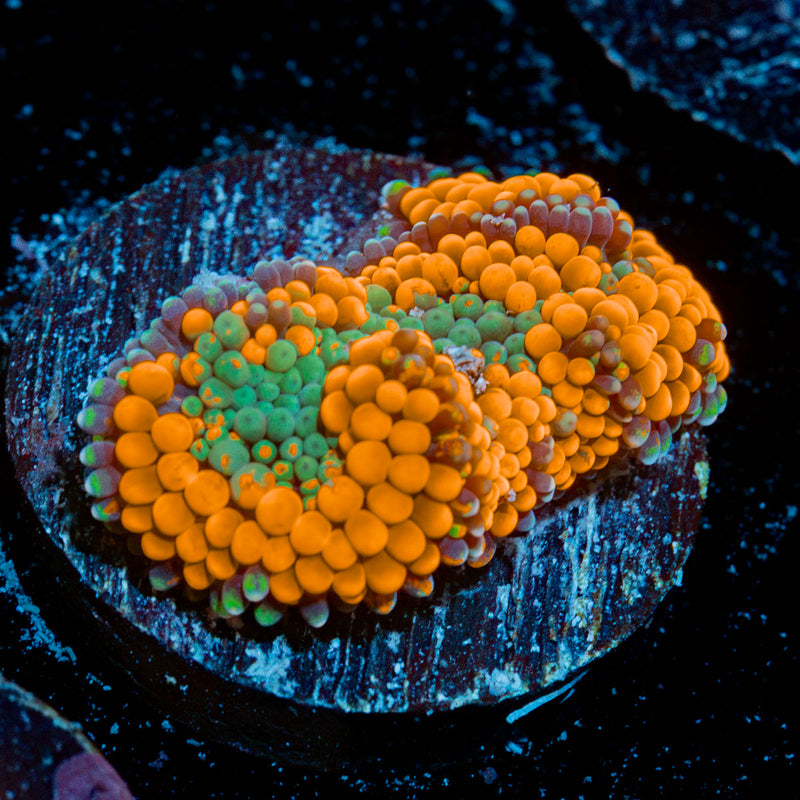
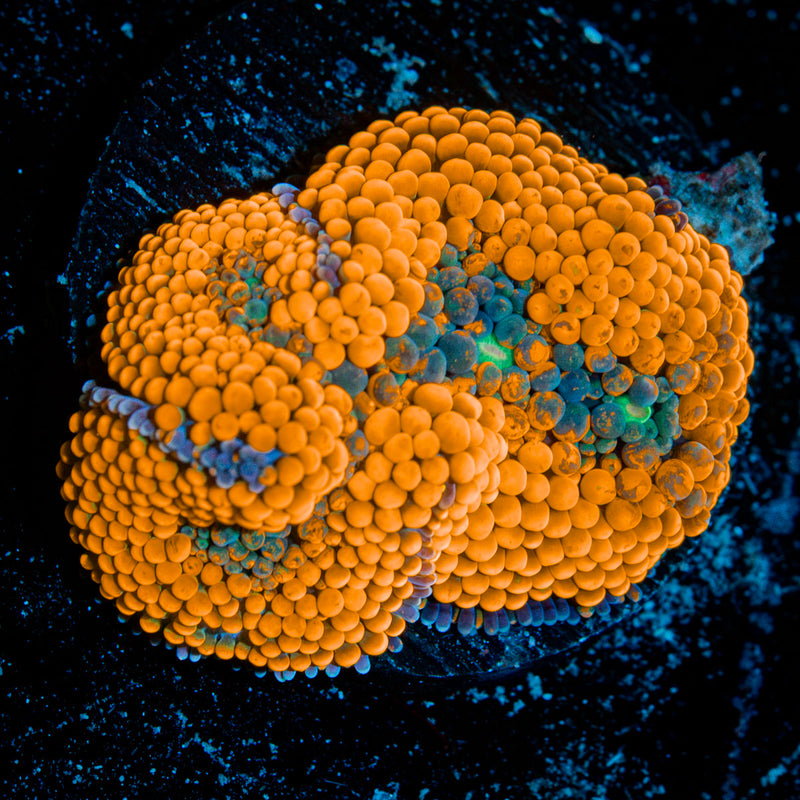
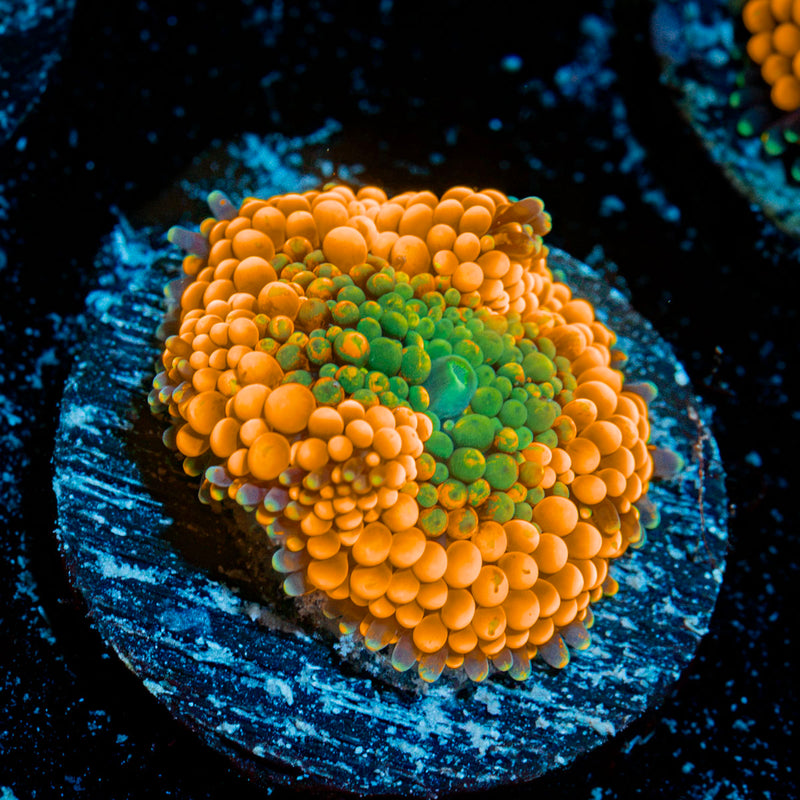
Blastomussa
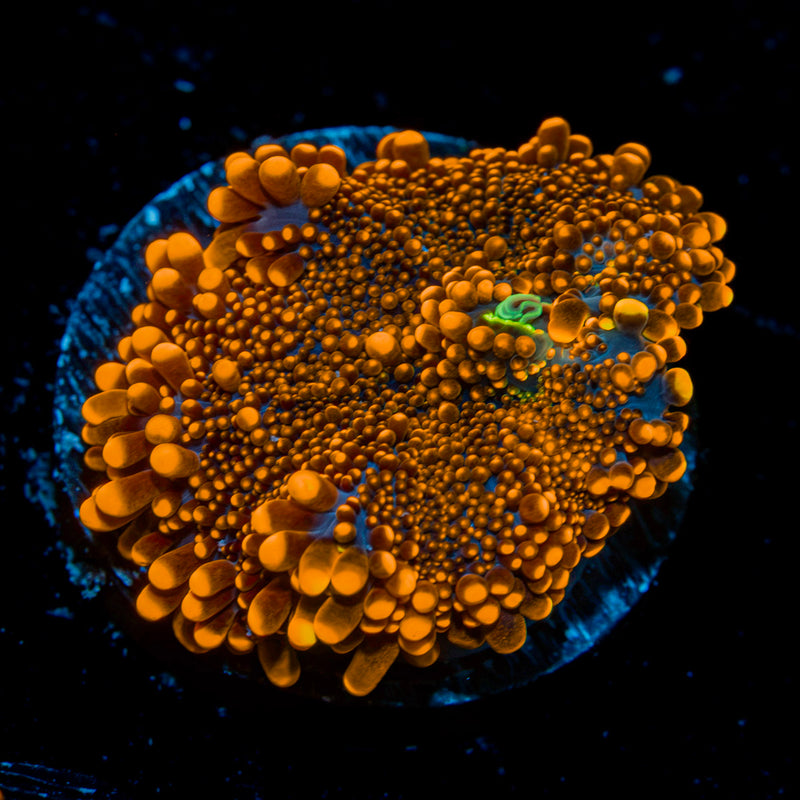
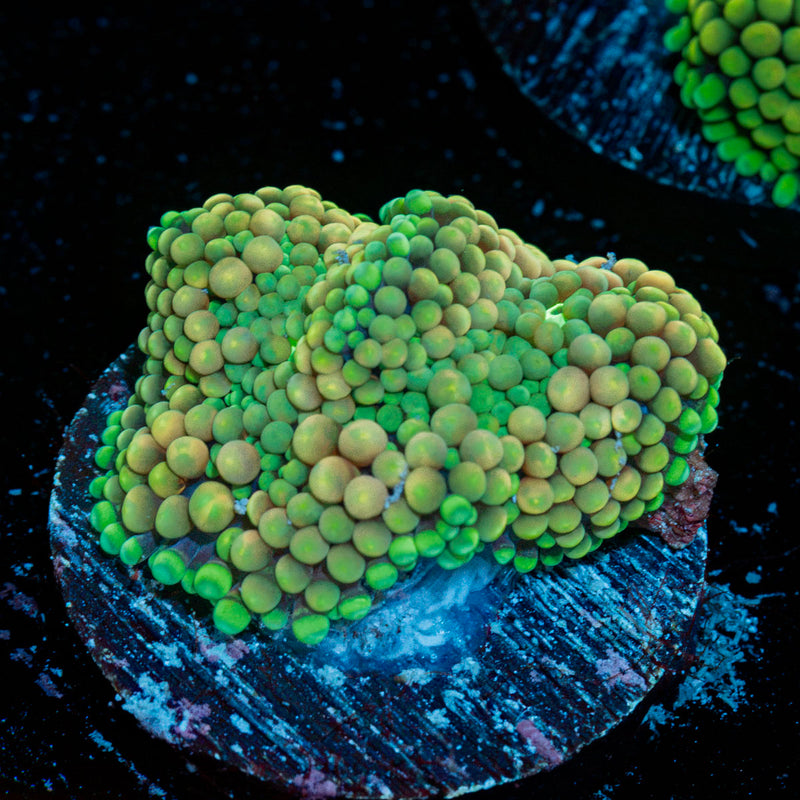
Blastomussa is one of the more underrated beginner LPS options. It has a softer, puffier appearance than some other stony corals, and the color can be stunning under blue-heavy reef lighting. It tends to do best in lower light and gentle flow, which makes it useful for tanks with shadier spots.
This is a good coral for reef keepers who want color without aggression. Blastos are generally less temperamental than their upscale appearance suggests, though they still benefit from stable water chemistry and patient acclimation.
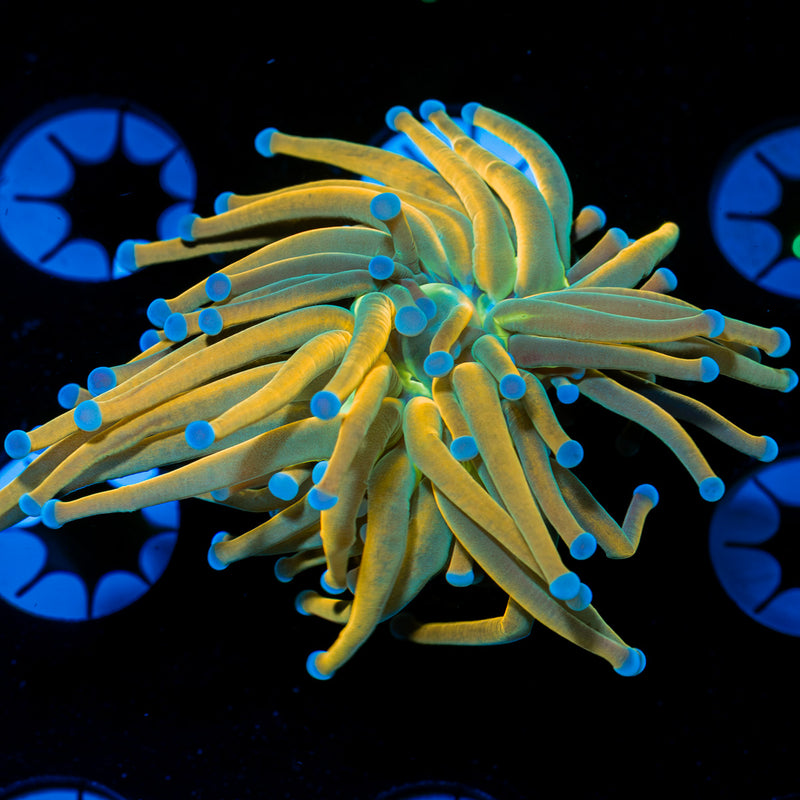
Hammer Coral
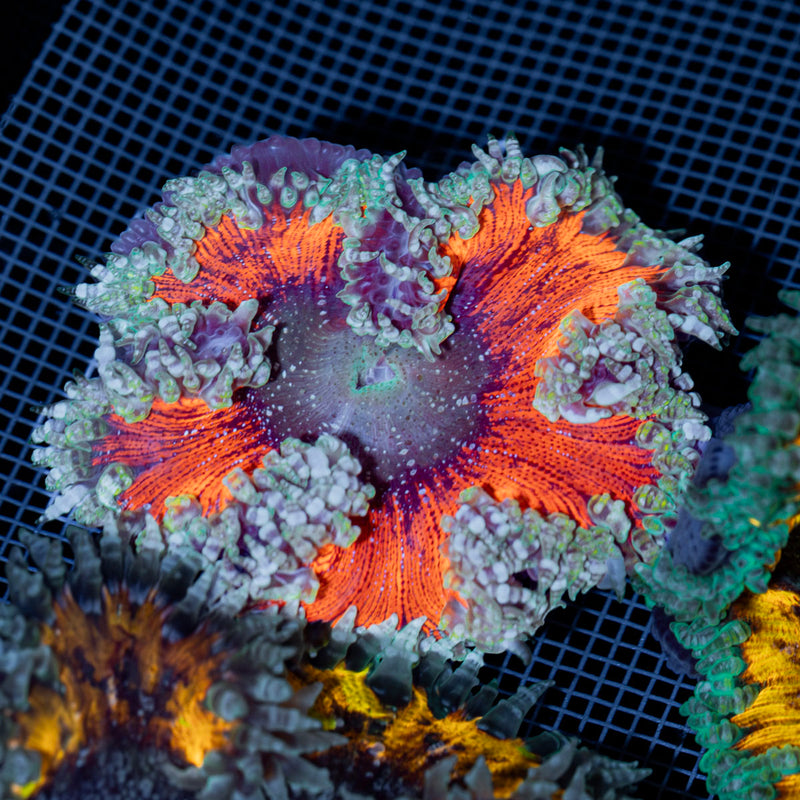
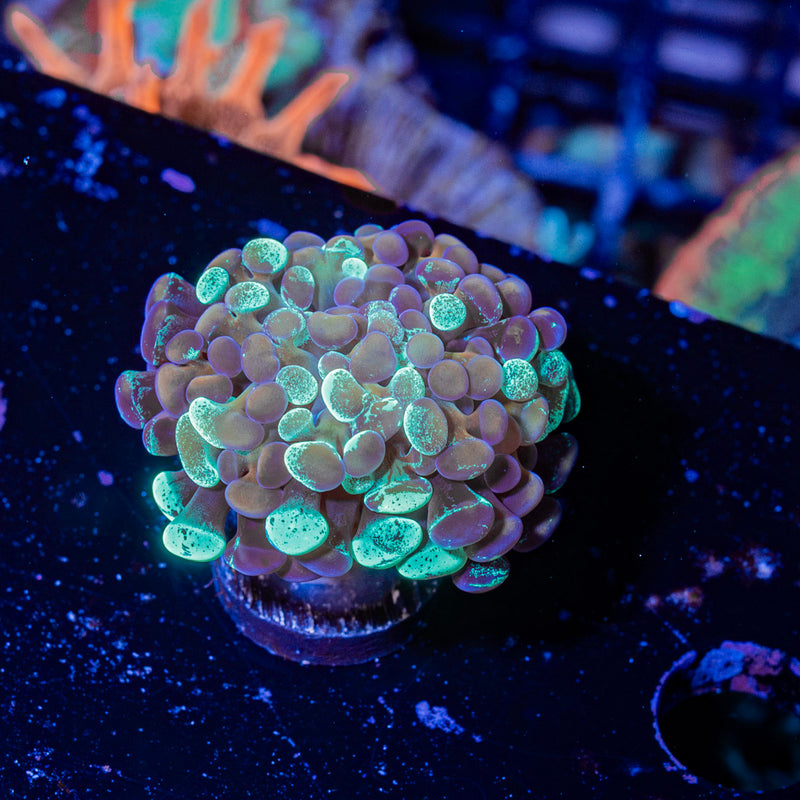
Hammer coral is often one of the first corals hobbyists picture when they think of a classic reef display. Its branching or wall-form heads create flowing movement that gives the tank instant life. In the right spot, it can become a true centerpiece.
For beginners, branching hammers are usually the safer choice than wall hammers because they are often a bit more manageable if something goes wrong. They like moderate lighting and moderate, indirect flow. The big caution here is space. Hammer corals can send out sweeper tentacles and sting nearby neighbors, so do not crowd them just because the frag looks small today.
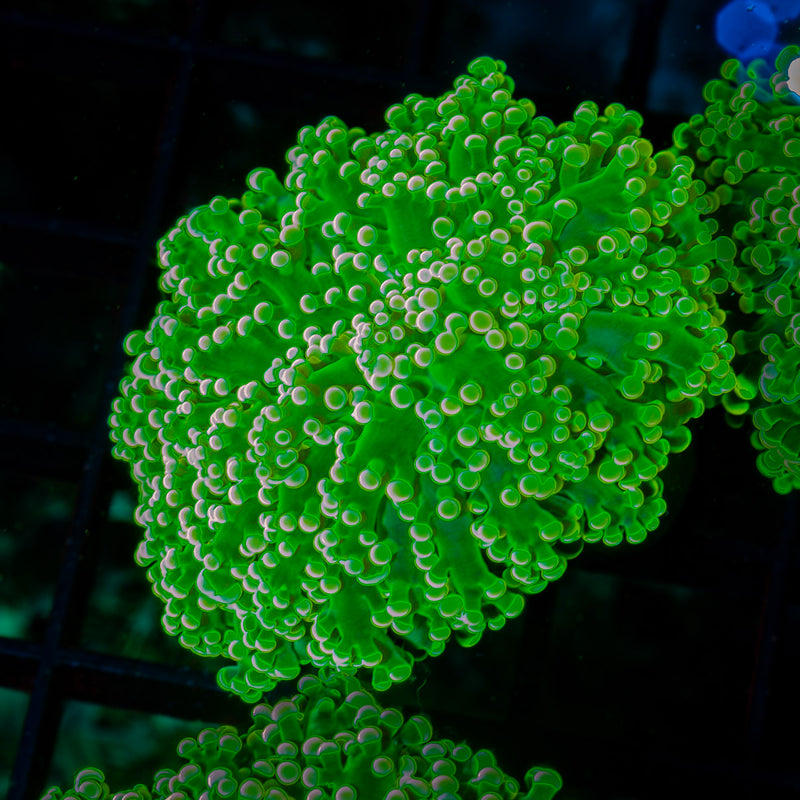
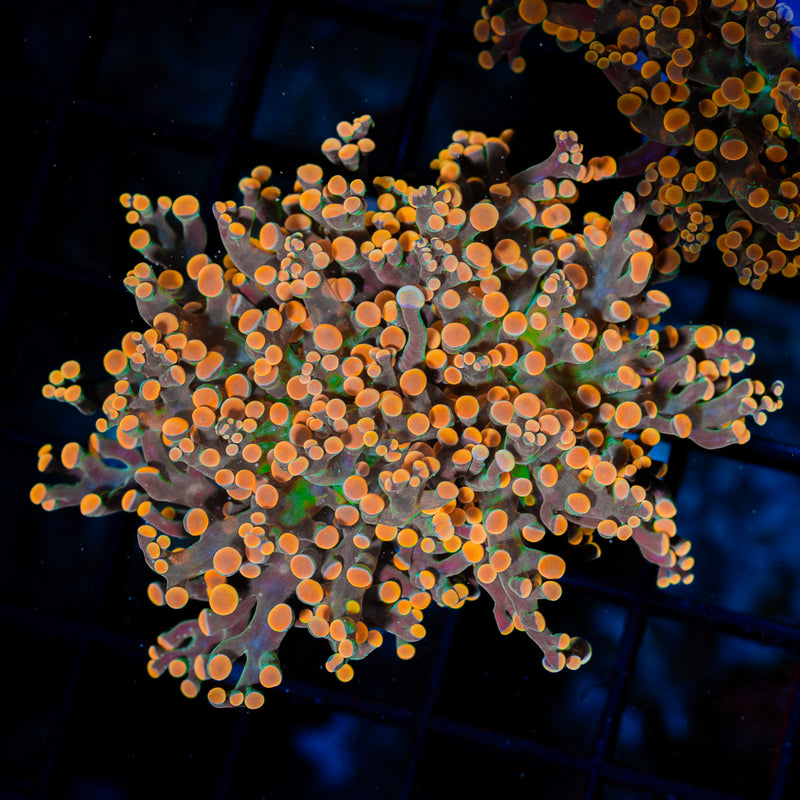
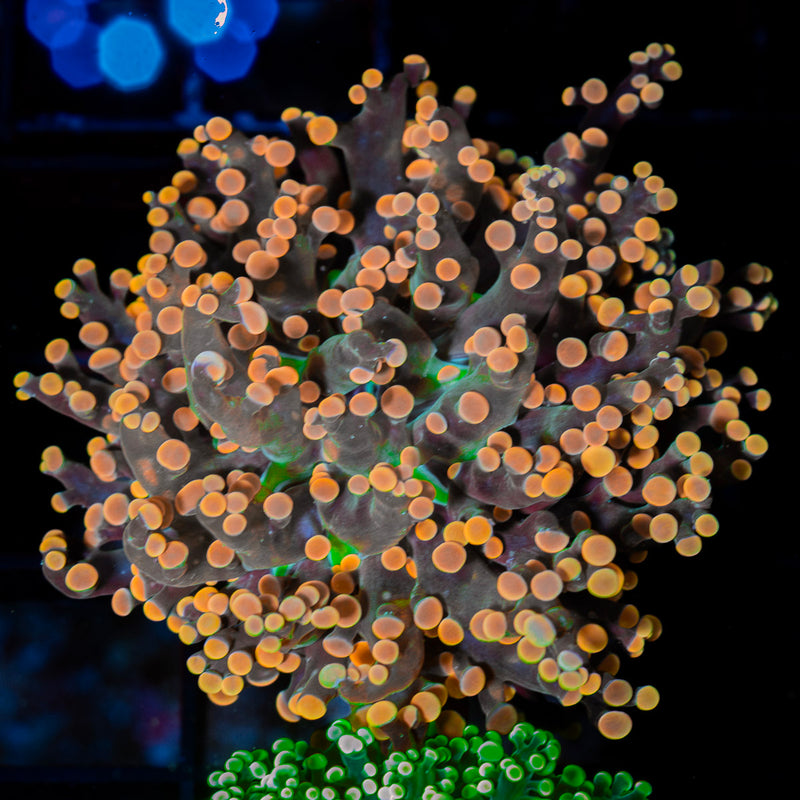
Frogspawn Coral
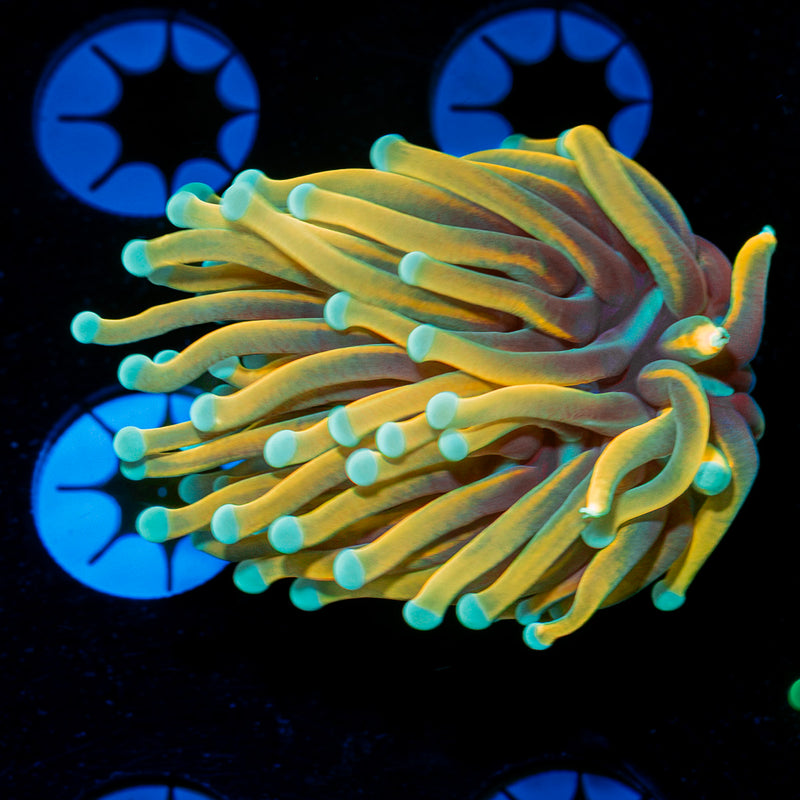
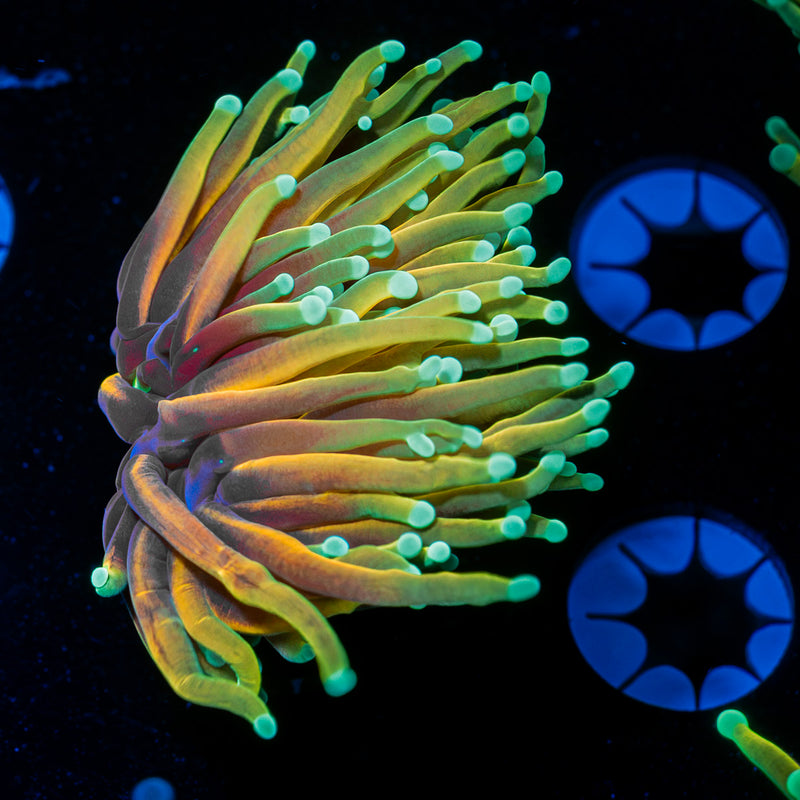
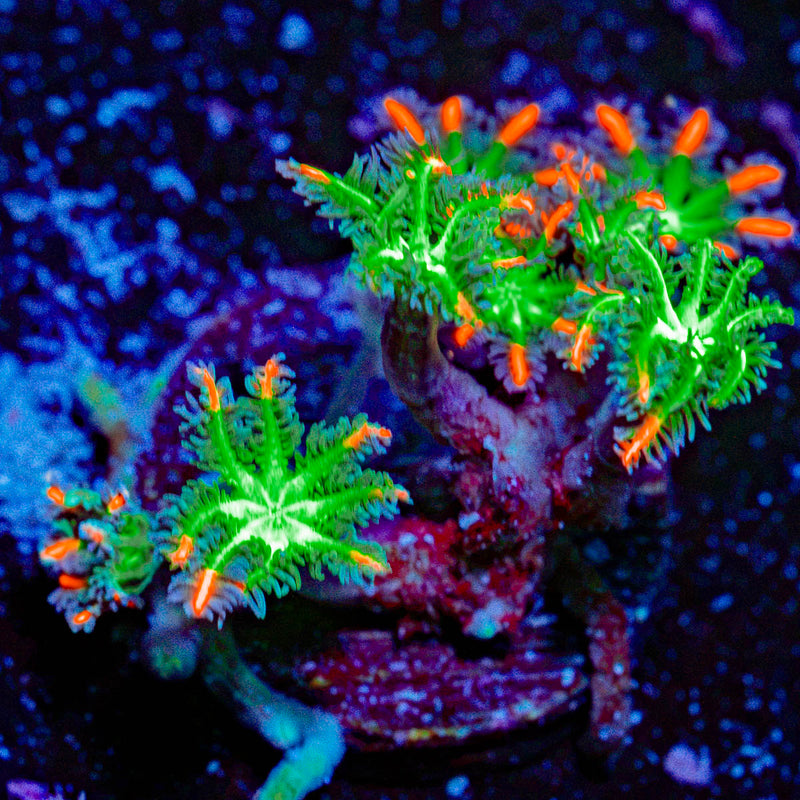
Frogspawn offers a similar appeal to hammer coral, with lots of motion and a full, elegant look. It can be a great beginner LPS if you already understand the basics of coral spacing and flow placement.
Like hammer, frogspawn does best with moderate light and indirect flow that keeps the tentacles moving without whipping them around. It is beautiful, beginner-friendly in many tanks, and often quite hardy, but it is not a coral to wedge into a packed rock garden. Give it room to expand.
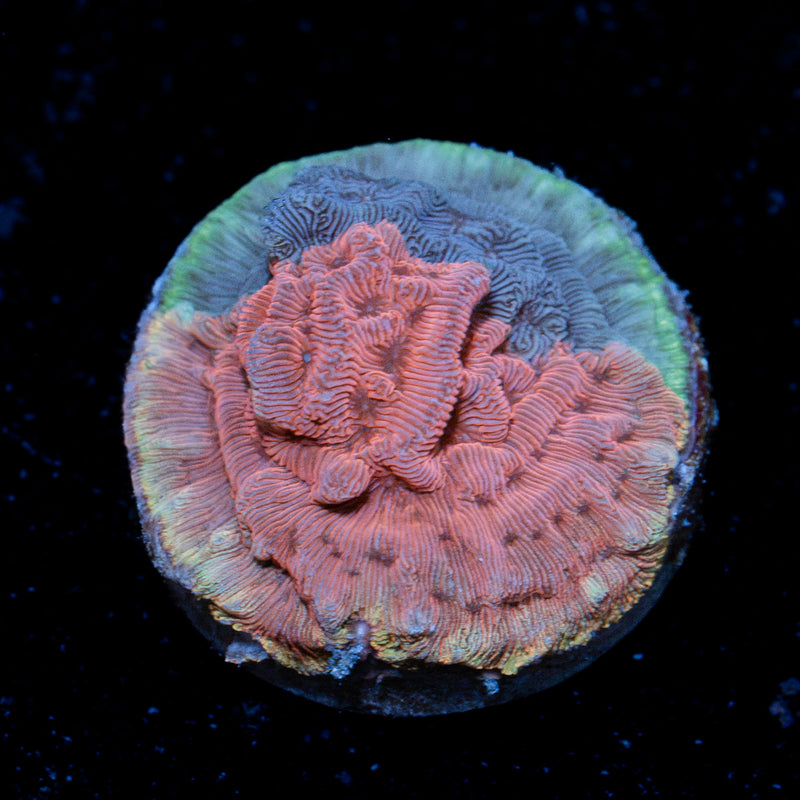
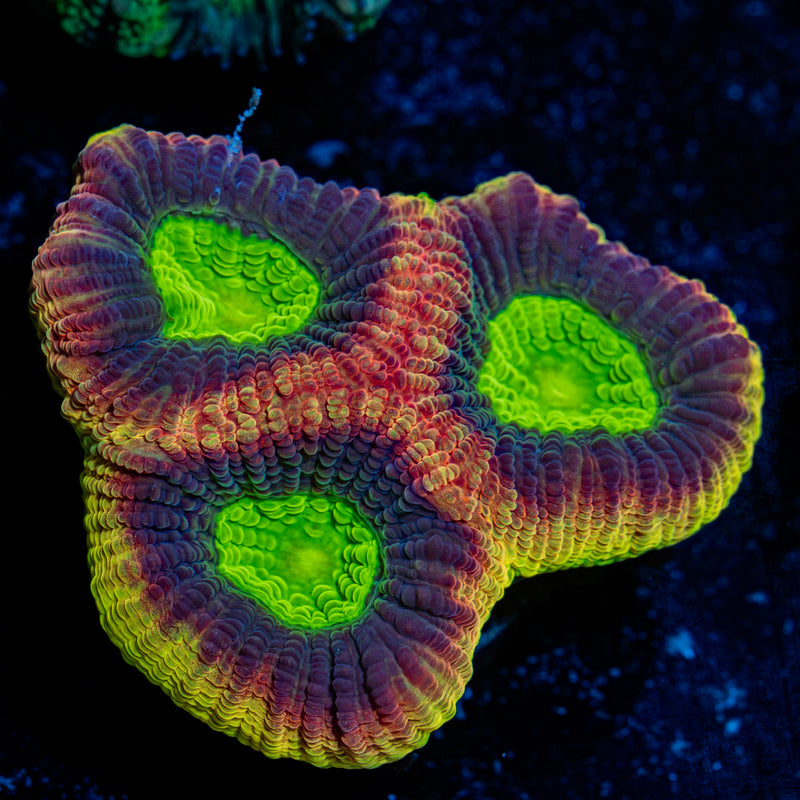
Micromussa Lordhowensis
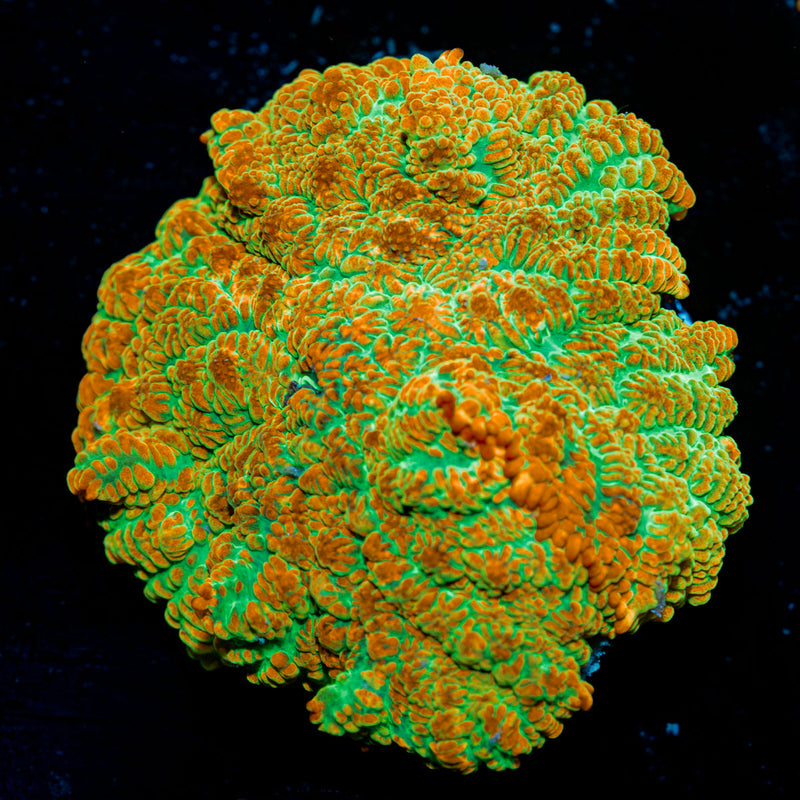
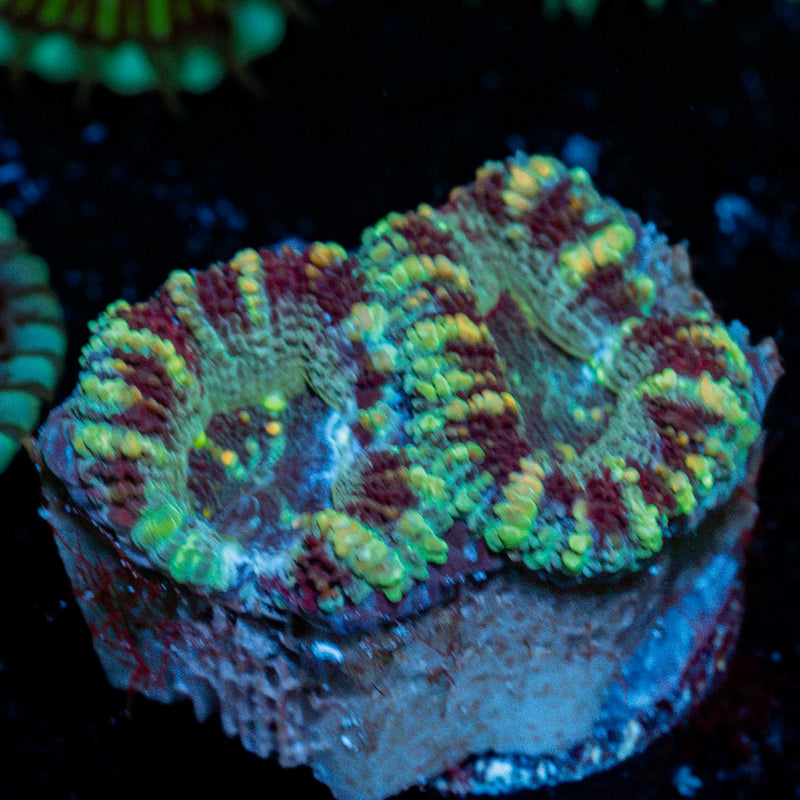
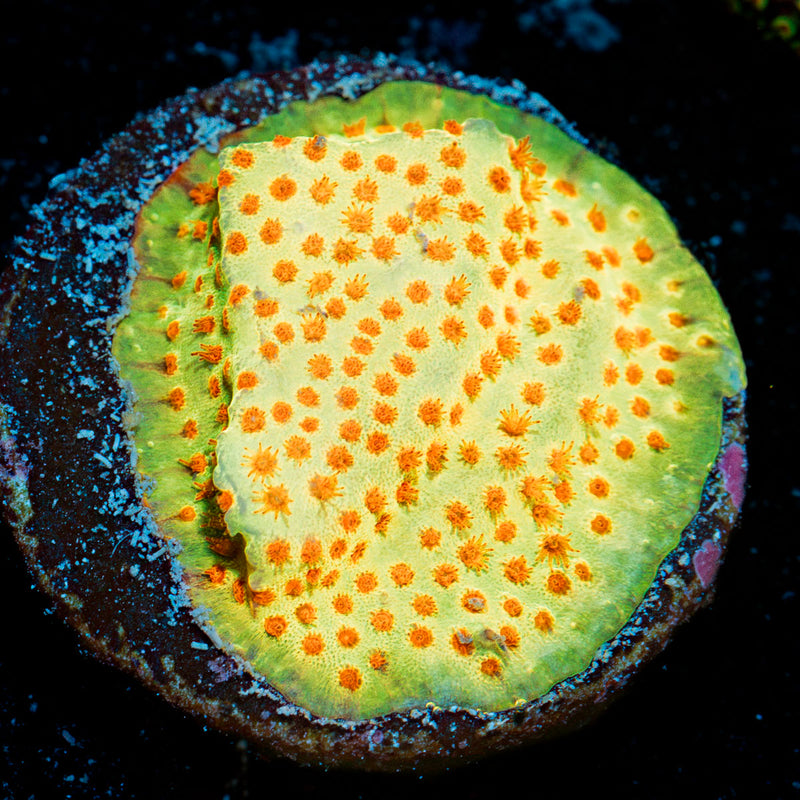
Many hobbyists still group these with classic acans, and for beginners they fill a similar role: colorful, eye-catching, and very collectible. Micromussa lordhowensis frags often show off bright multi-color patterns that can make even a small nano reef look more established and refined.
They typically prefer lower to moderate light, lower flow, and steady parameters. They are not the best pick for a tank that is still swinging through its ugly phase, but for a beginner with a stable system, they offer a lot of visual payoff without requiring expert-level care.
How to choose the best LPS corals for beginners
The best coral on paper is not always the best coral for your tank. A hammer may be easy enough in a moderately stocked 40-gallon reef, but in a cramped nano with unpredictable flow, a candy cane or blasto might be the smarter first purchase.
Start by looking at your tank's age and stability. If the system is newly cycled and still bouncing around, lean toward the more forgiving options. Next, think about placement. LPS corals need room not just for the frag plug, but for future growth and nighttime sweeper reach.
It also helps to buy with confidence. Aquacultured corals are often better suited to aquarium life than wild pieces, and WYSIWYG selection removes a lot of guesswork. For beginners, that matters. Knowing the exact coral you are getting makes it easier to plan color, spacing, and expectations.
Care basics that make beginner LPS corals thrive
Most beginner-friendly LPS corals do well when you avoid extremes. Stable salinity, temperature, alkalinity, calcium, and magnesium matter more than chasing some perfect number you saw in a forum thread. Corals can adapt to a reasonable range, but they do not handle constant swings well.
Lighting should be acclimated slowly, especially if you are moving a coral from lower light into a brighter system. Flow should keep tissue clean and gently moving, not pinned back. If a fleshy coral stays tightly closed, looks irritated, or recedes after placement, the first things to check are usually light intensity and flow direction.
Feeding can help, but it is not always mandatory. Duncans, acans, and micromussa often respond well to occasional coral foods or meaty foods sized appropriately. Just do not overfeed a young tank and create nutrient problems while trying to speed up growth.
Common beginner mistakes with LPS corals
One of the biggest mistakes is adding too many corals too fast. A few healthy frags placed thoughtfully will usually do better than a rushed collection of bargain buys crammed into every open inch of rock. LPS corals expand far beyond the size they appear at the store or in photos.
Another common issue is misreading aggression. Euphyllia like hammer and frogspawn can look peaceful while the lights are on, then create problems after dark. On the other side, fleshy corals placed in overly strong flow can decline simply because their tissue is being stressed day after day.
The last mistake is buying only for color and not for fit. A stunning coral is still the wrong choice if your tank cannot support it yet. The good news is that there are plenty of colorful, vibrant beginner-safe choices, so you rarely need to force a risky pick early on.
A smart first stocking approach
If you are building your first LPS collection, start with one or two forgiving corals and watch how they respond for a couple of weeks. Candy cane, Duncan, or blastomussa are excellent confidence builders. After that, you can add more movement with a hammer or frogspawn, then layer in acans or micromussa for dense color.
This slower approach gives you time to learn your tank. You will see where detritus settles, which rock gets too much light, and how much room a coral really needs once it opens. That kind of experience is worth more than any care chart.
For hobbyists shopping online, curated beginner-friendly selections can make the process easier. Riptide Aquaculture focuses on vibrant aquacultured corals that help take some of the uncertainty out of first purchases, especially when exact-item confidence and healthy frags matter.
A great beginner reef does not need the rarest coral in the hobby. It needs healthy pieces, smart placement, and enough patience to let those first living jewels settle in and shine.
Products from the article