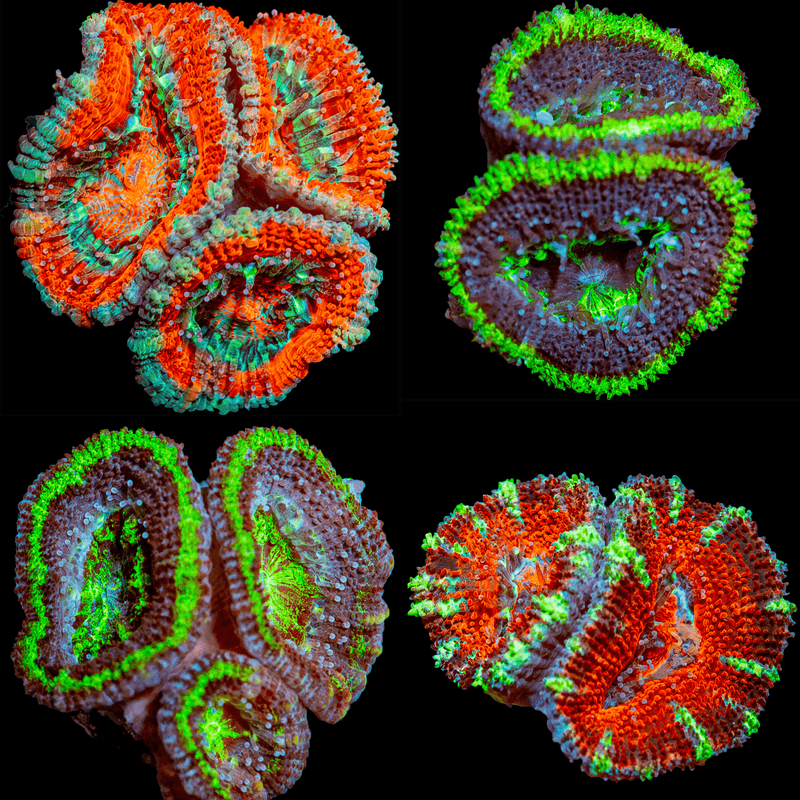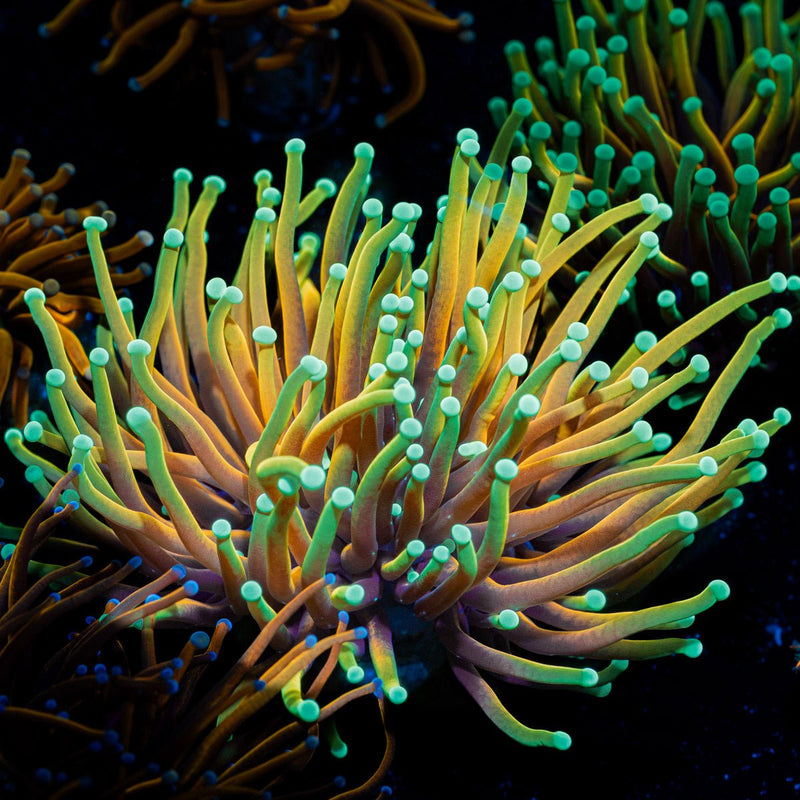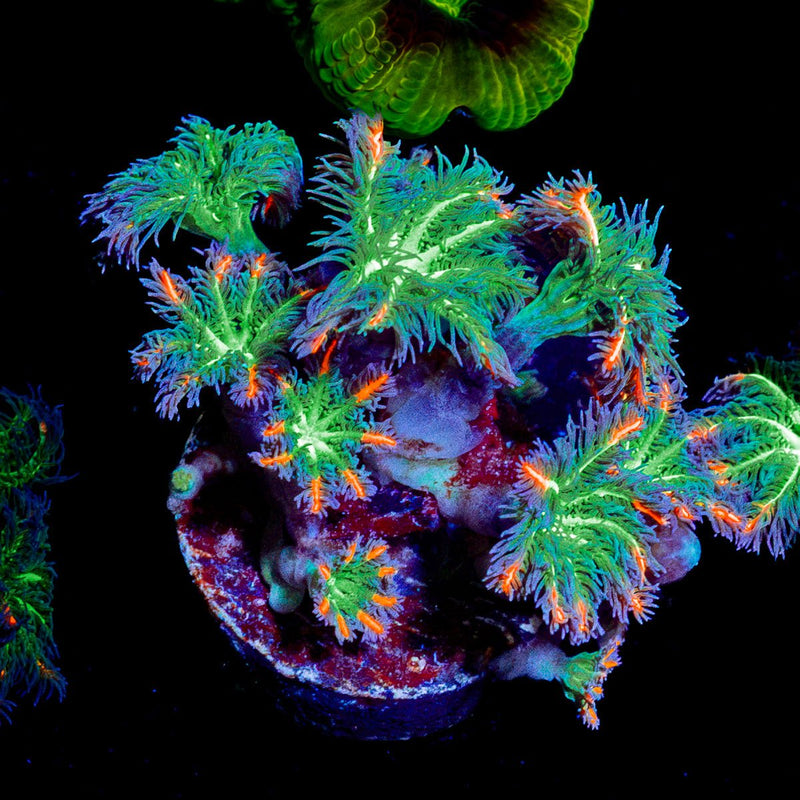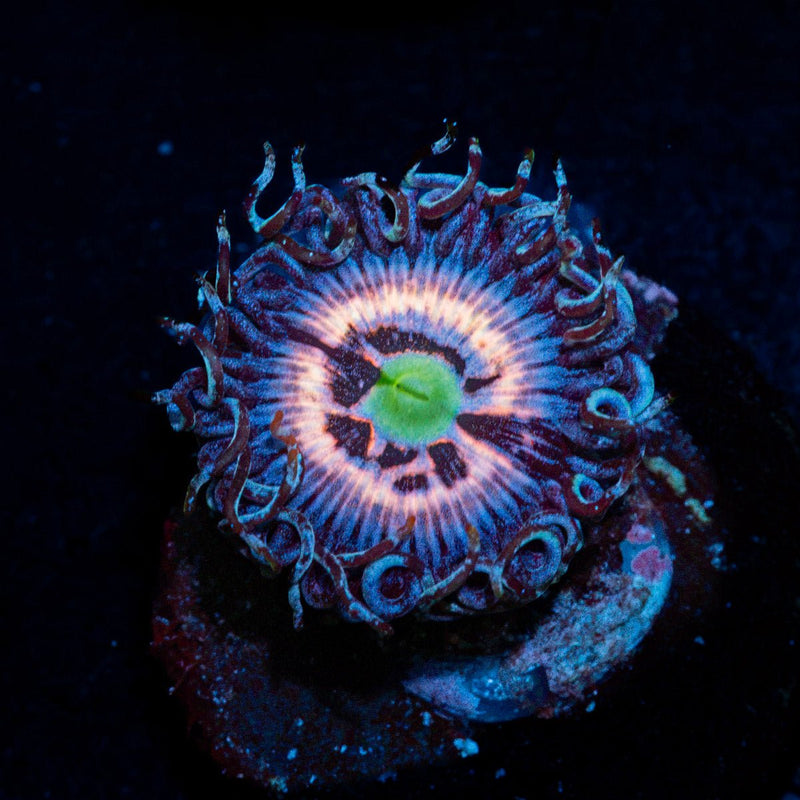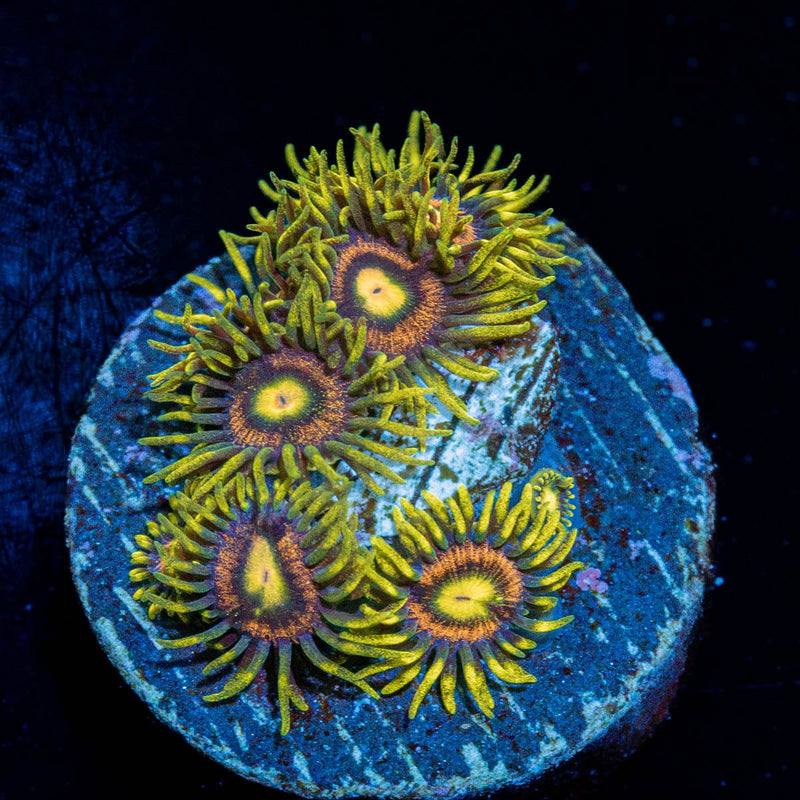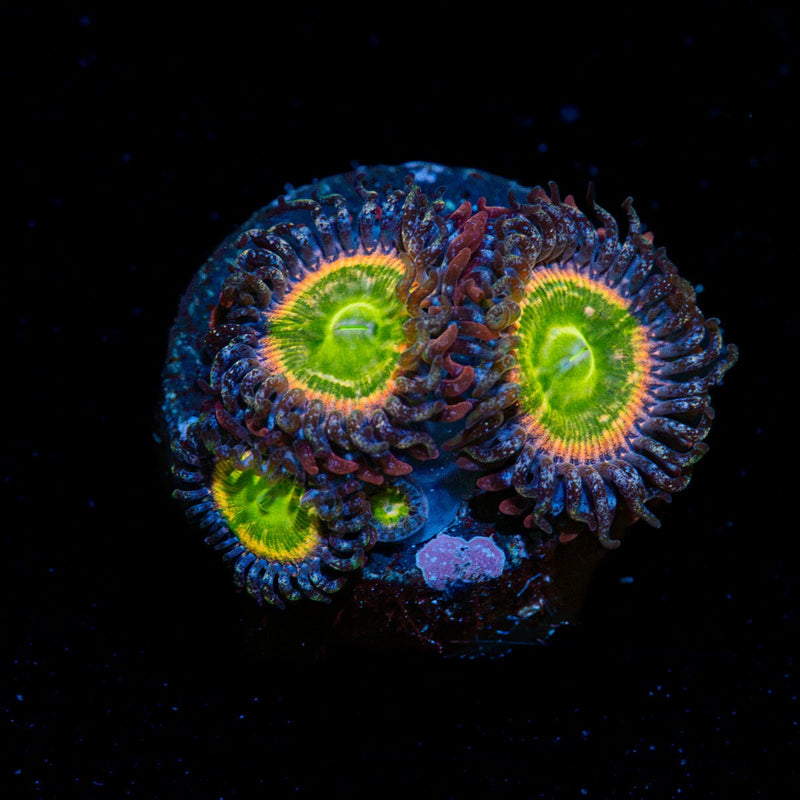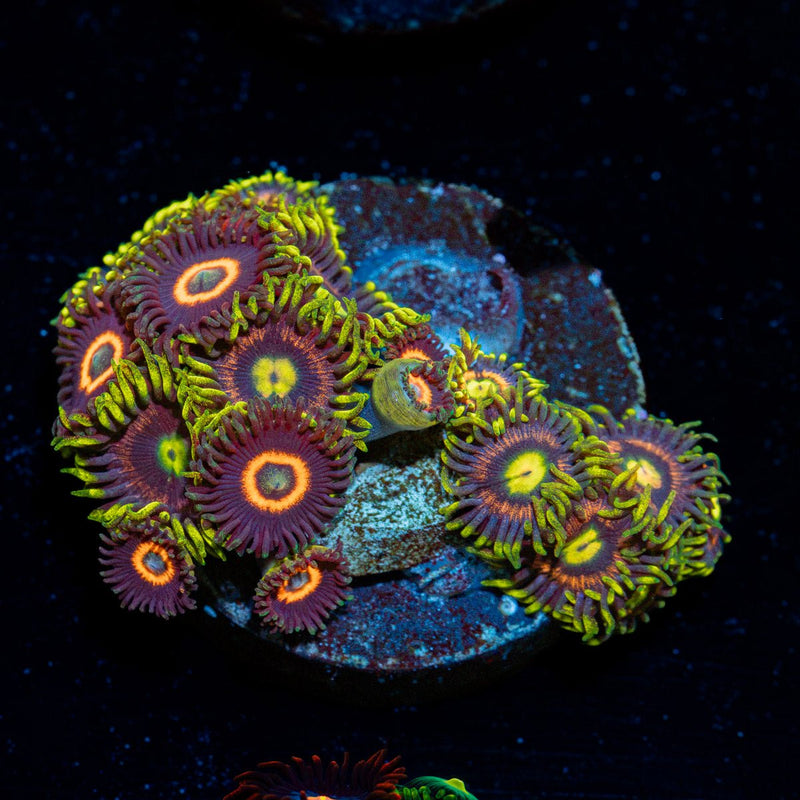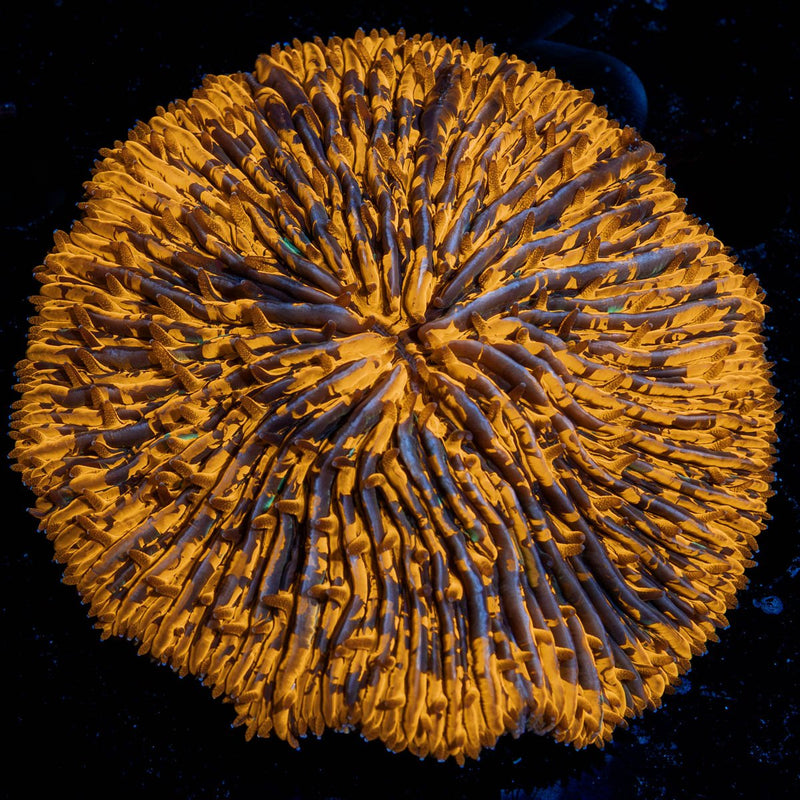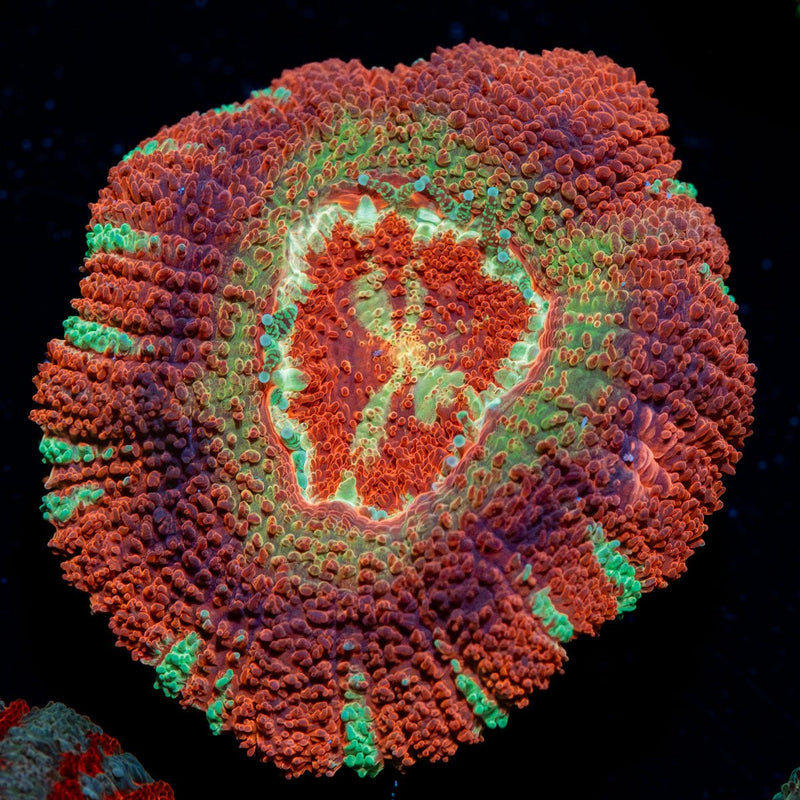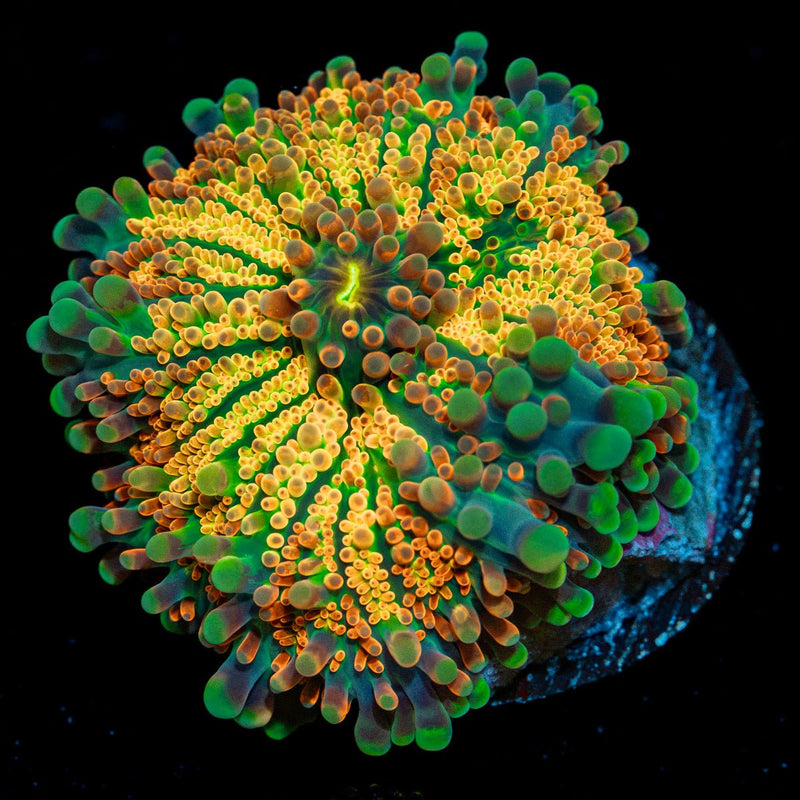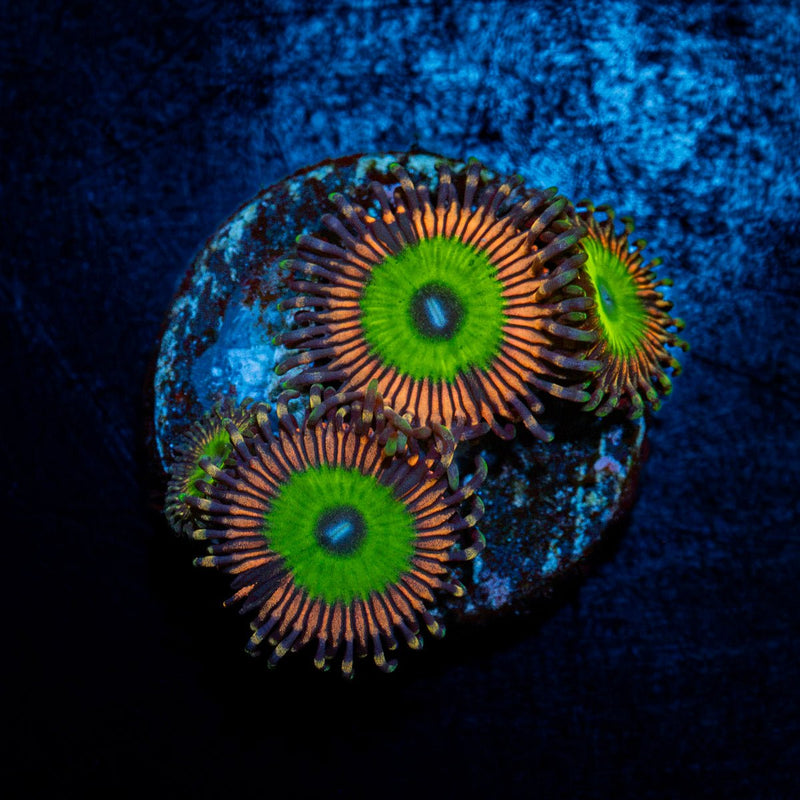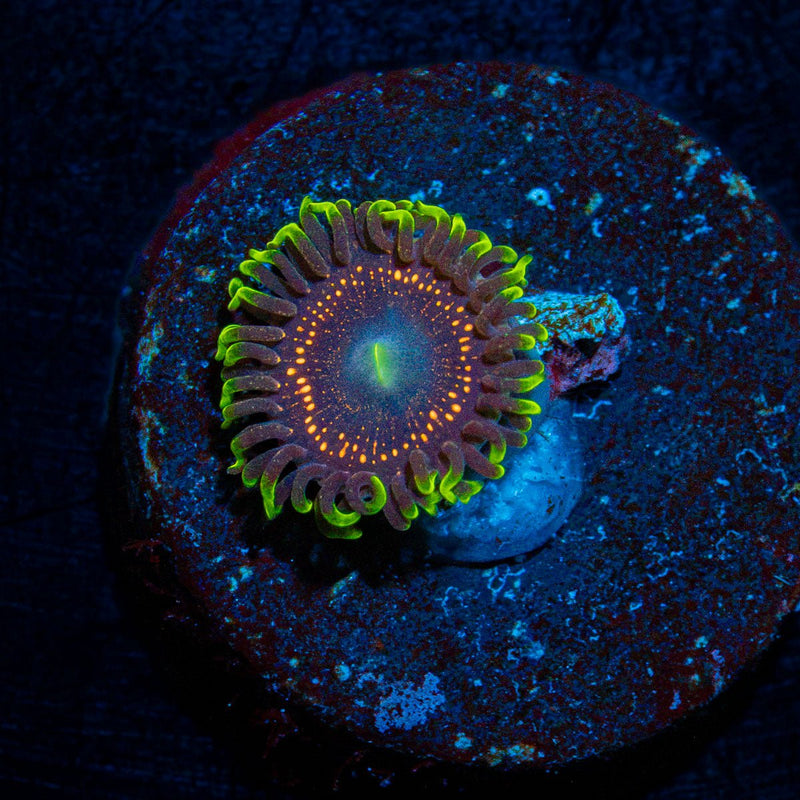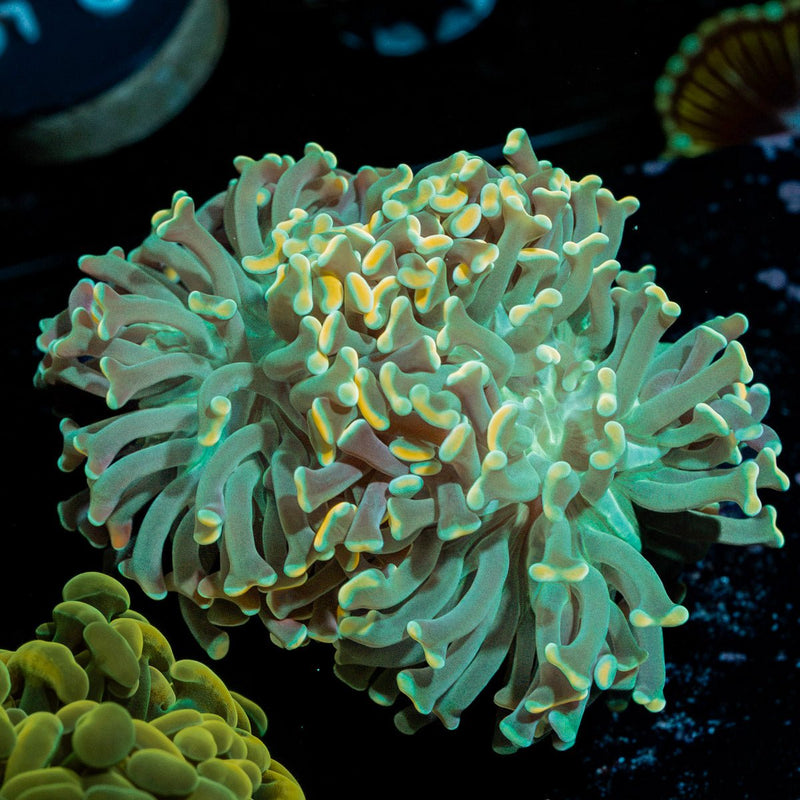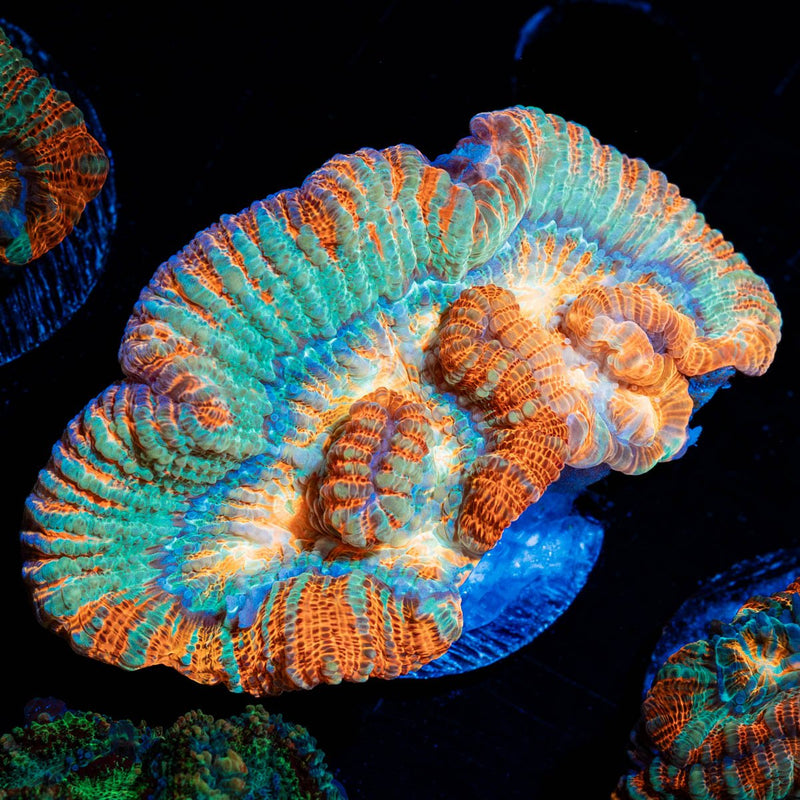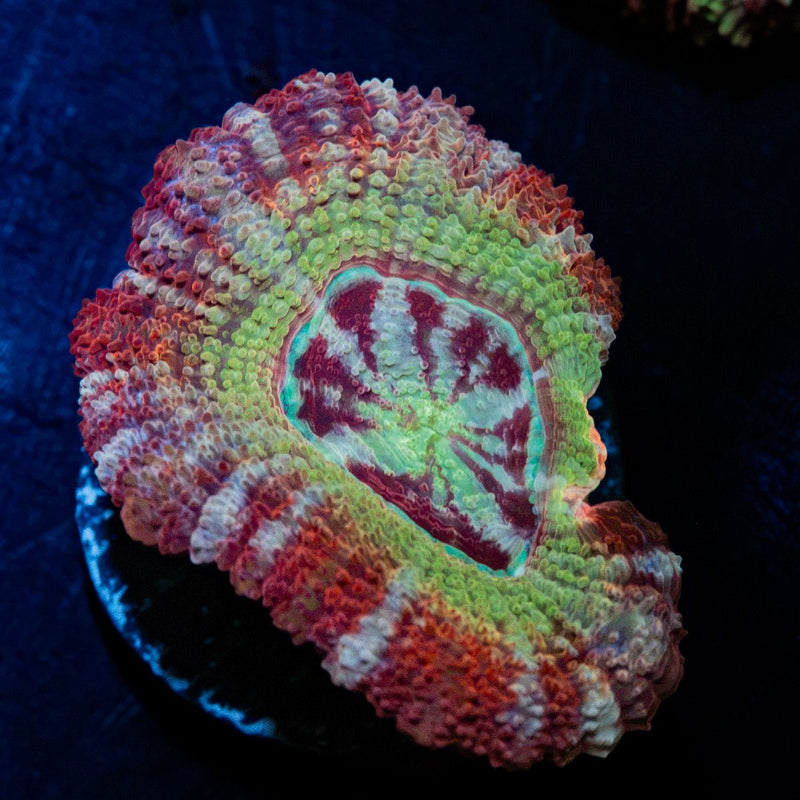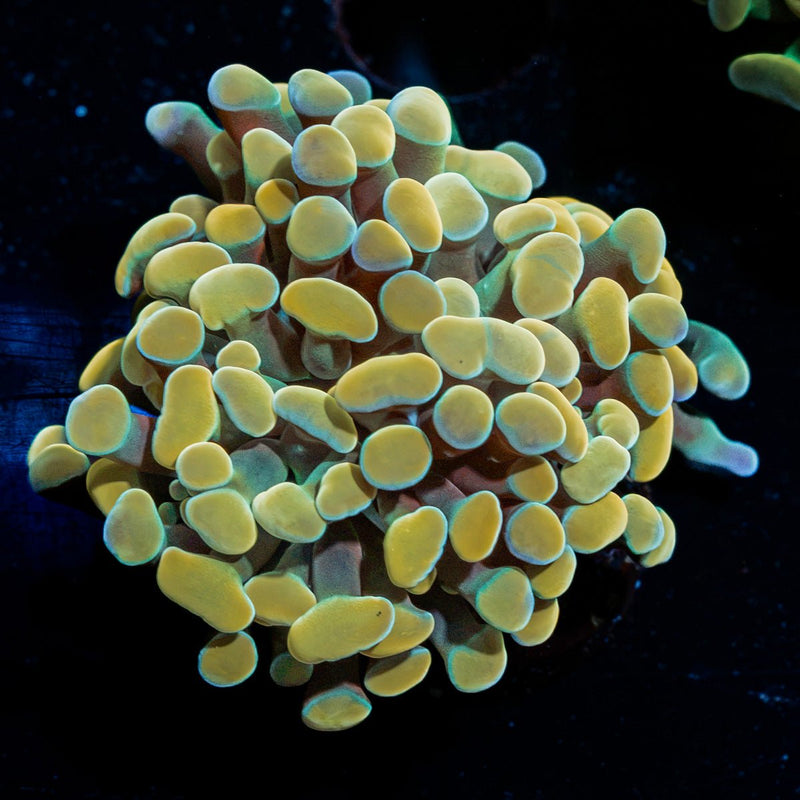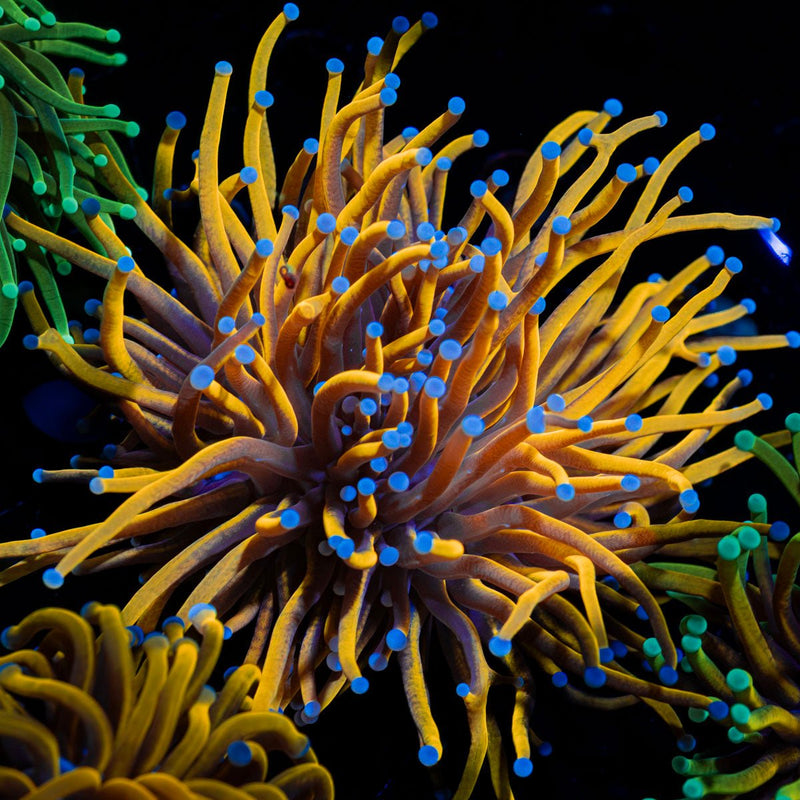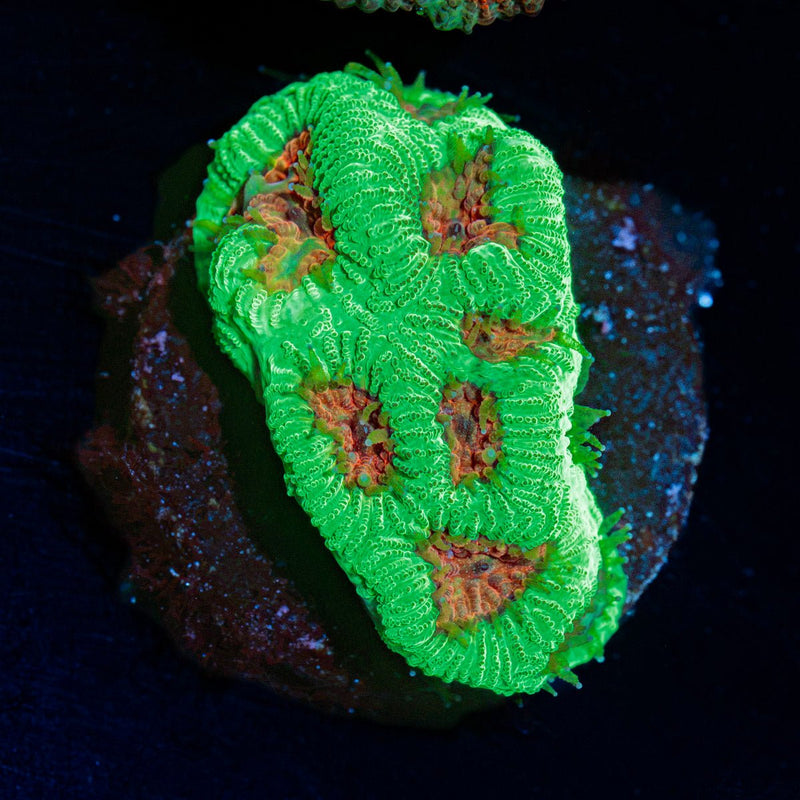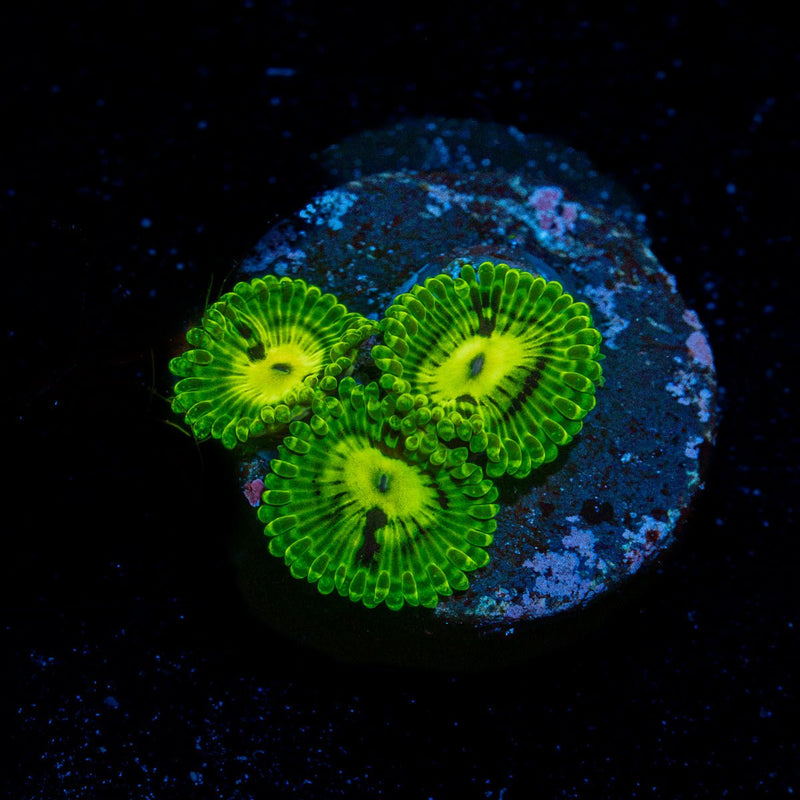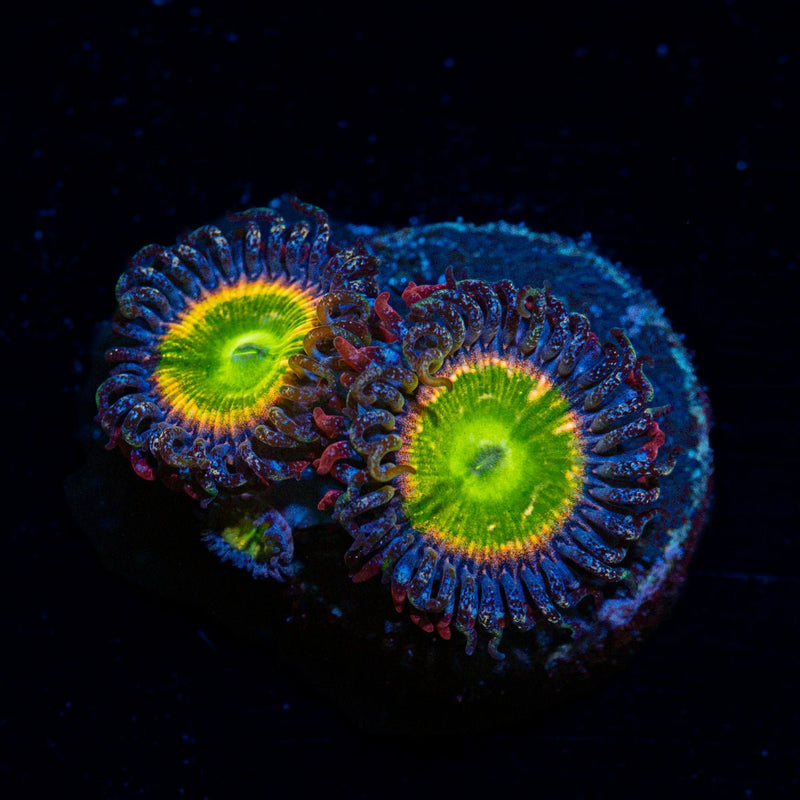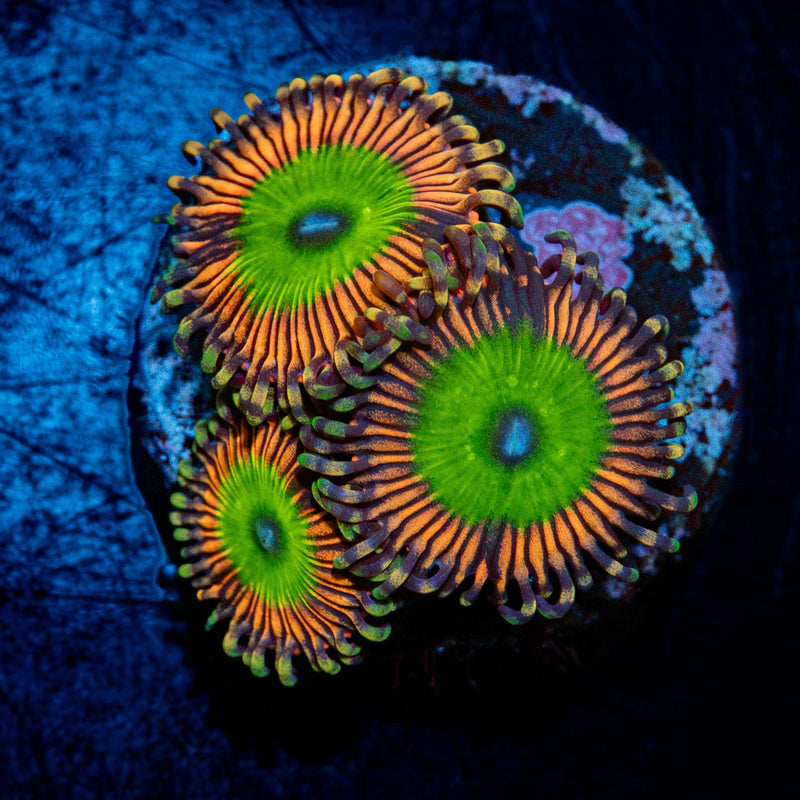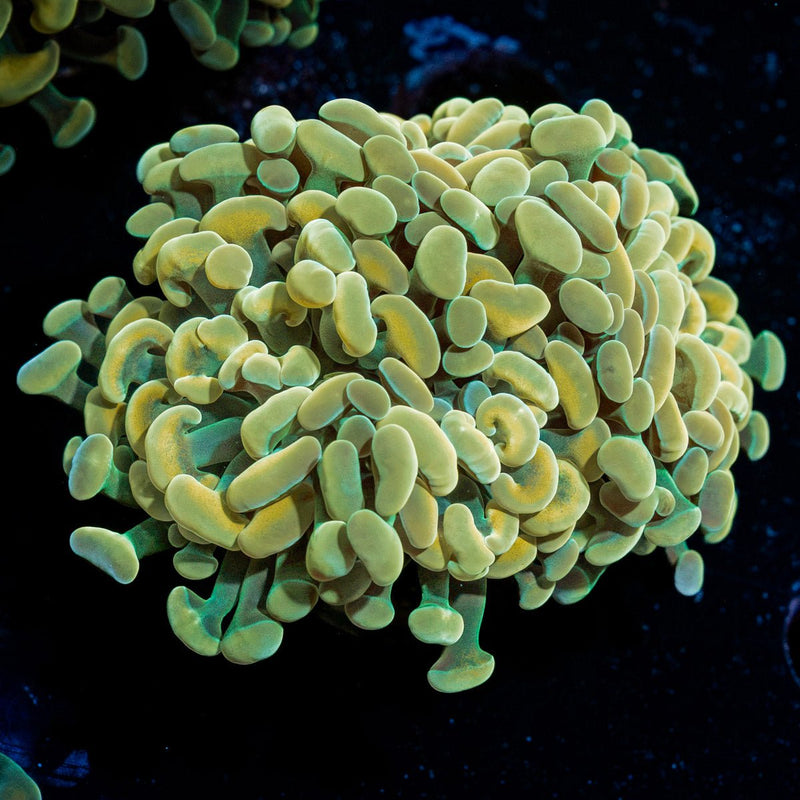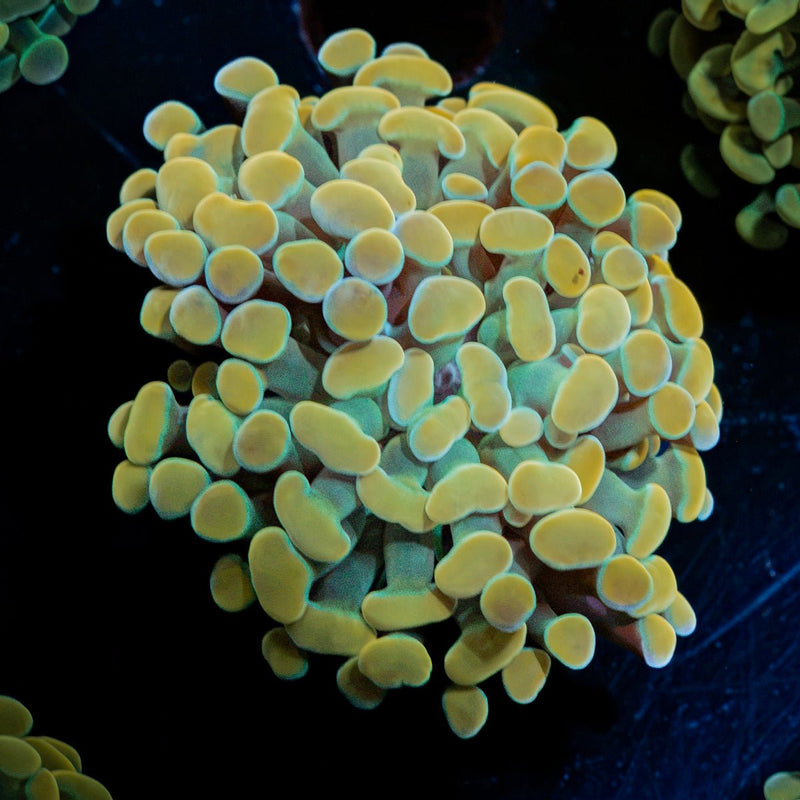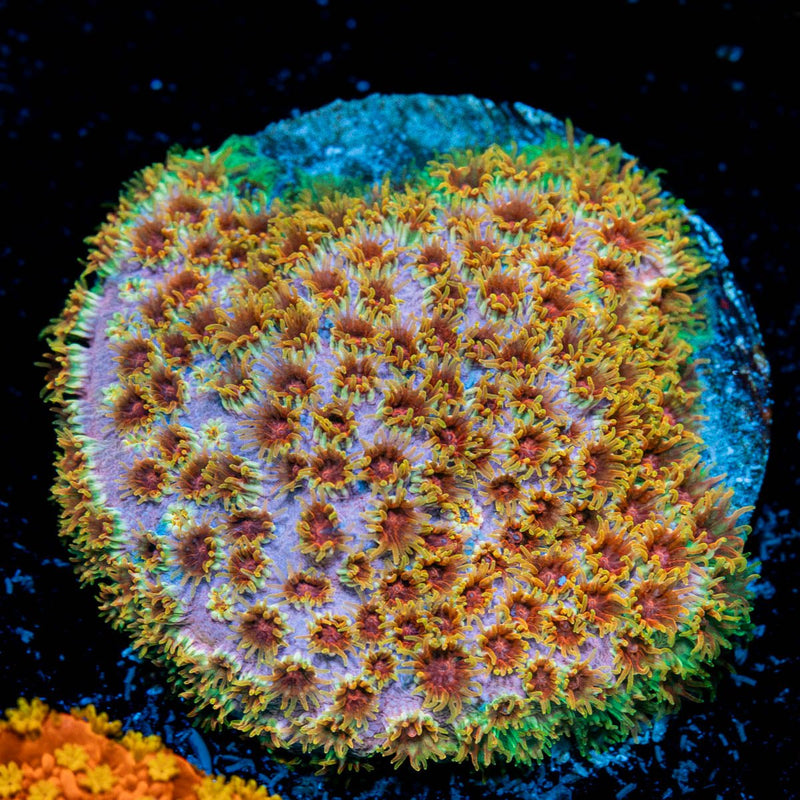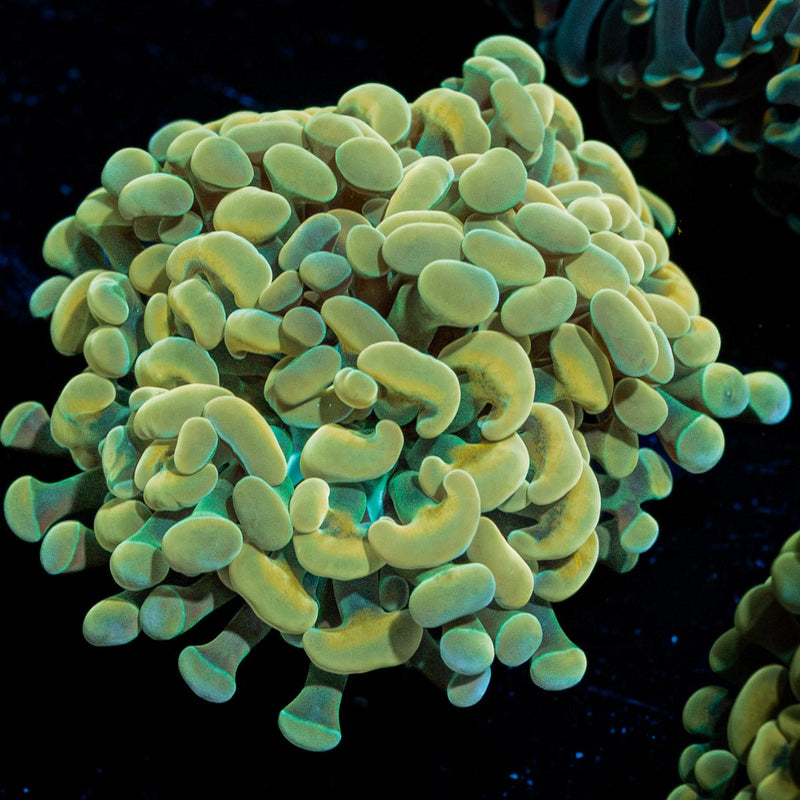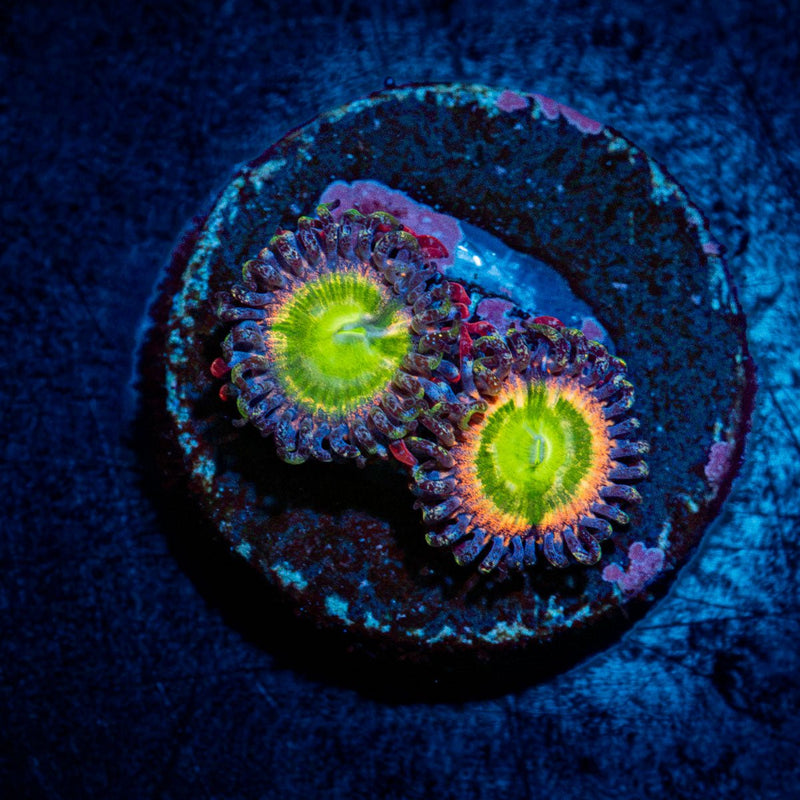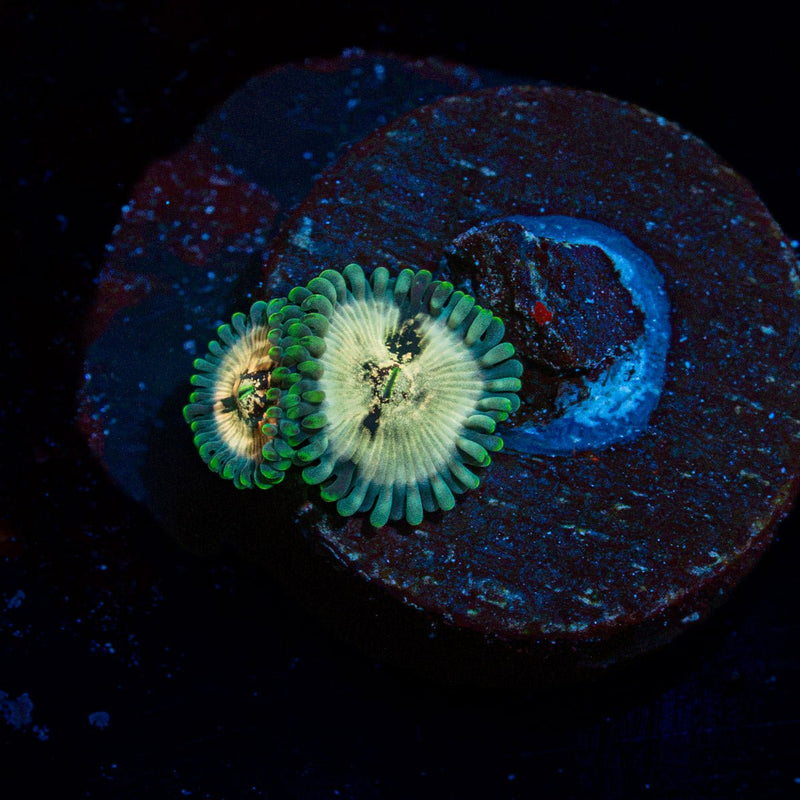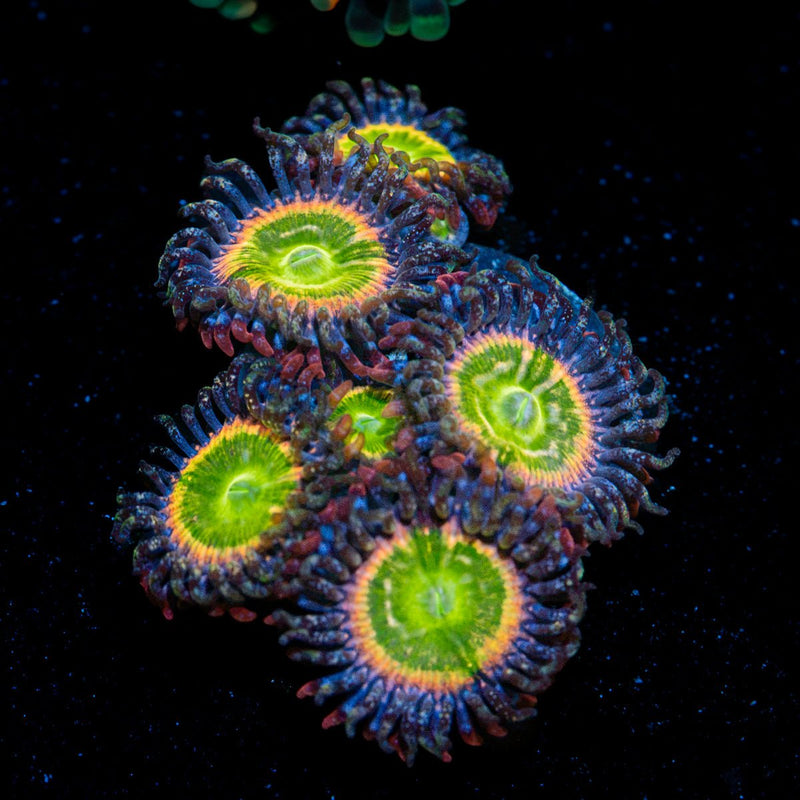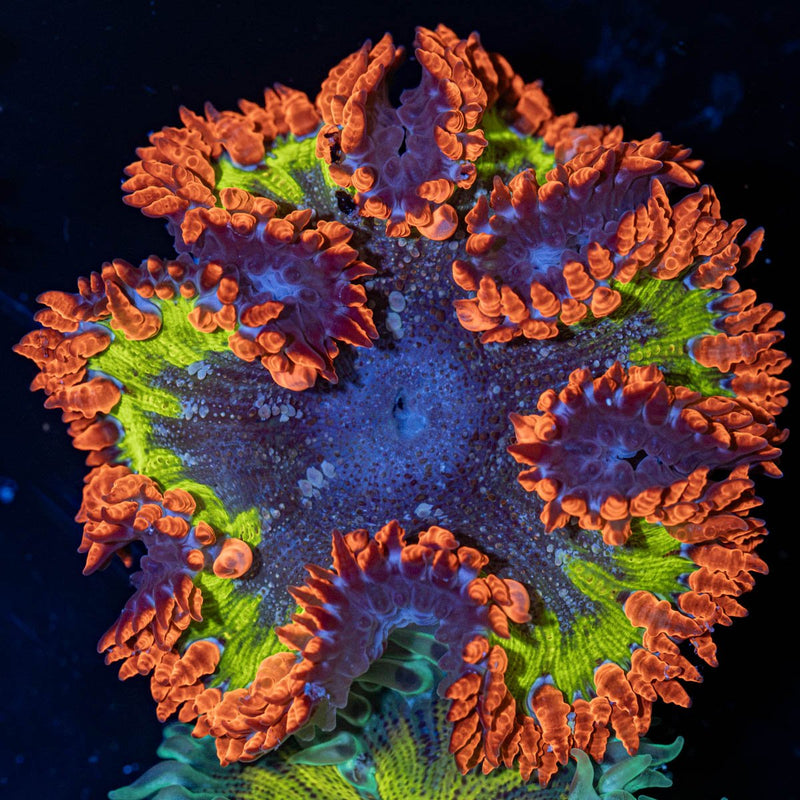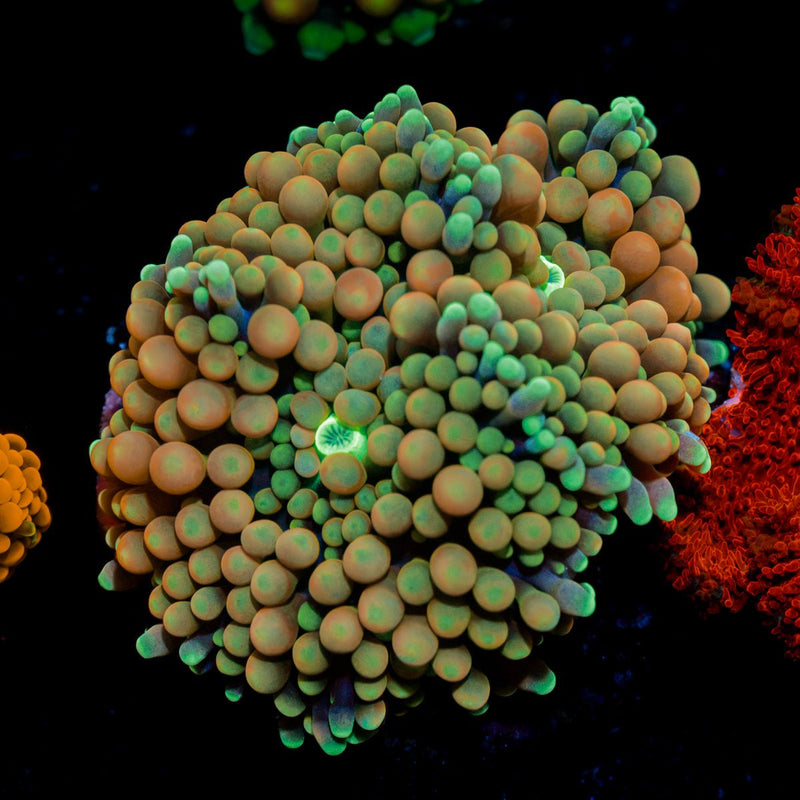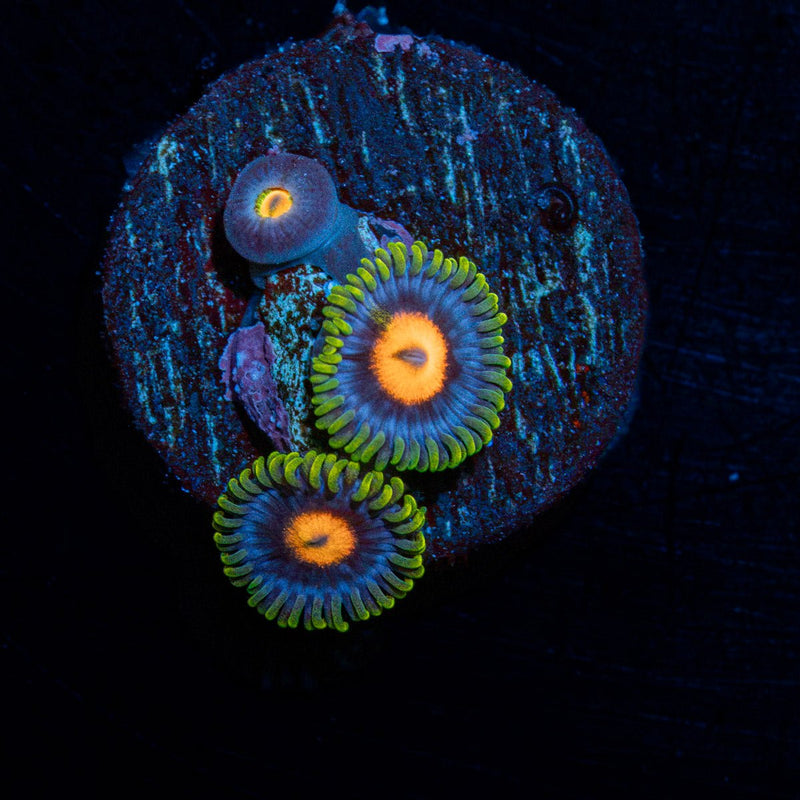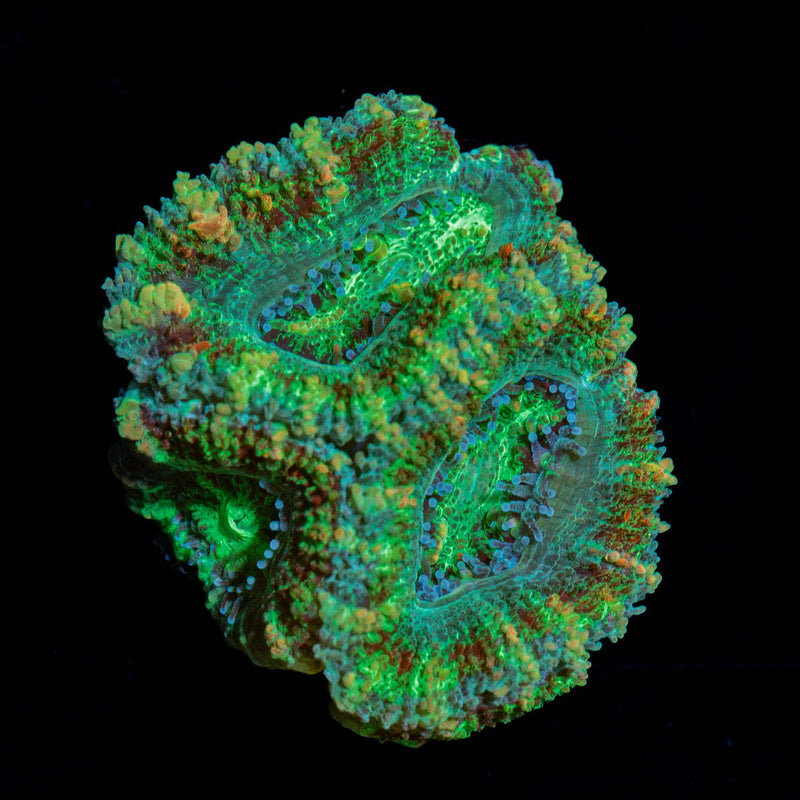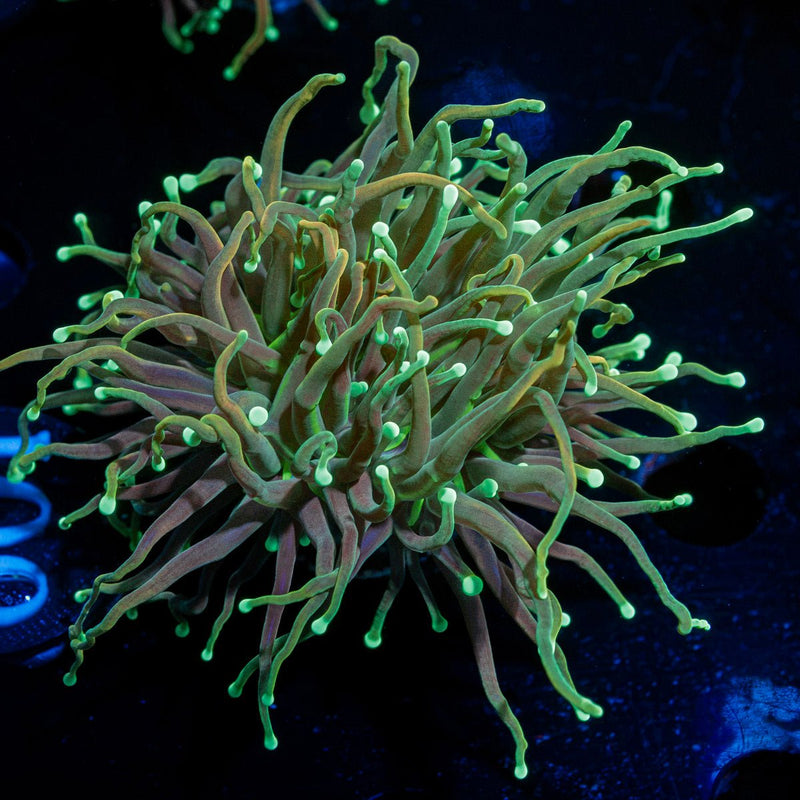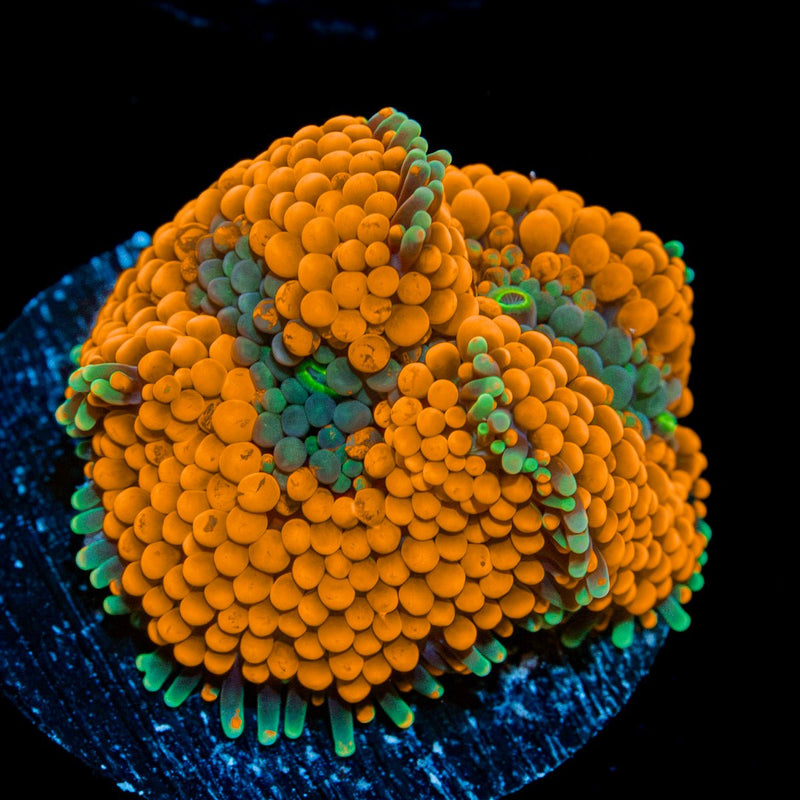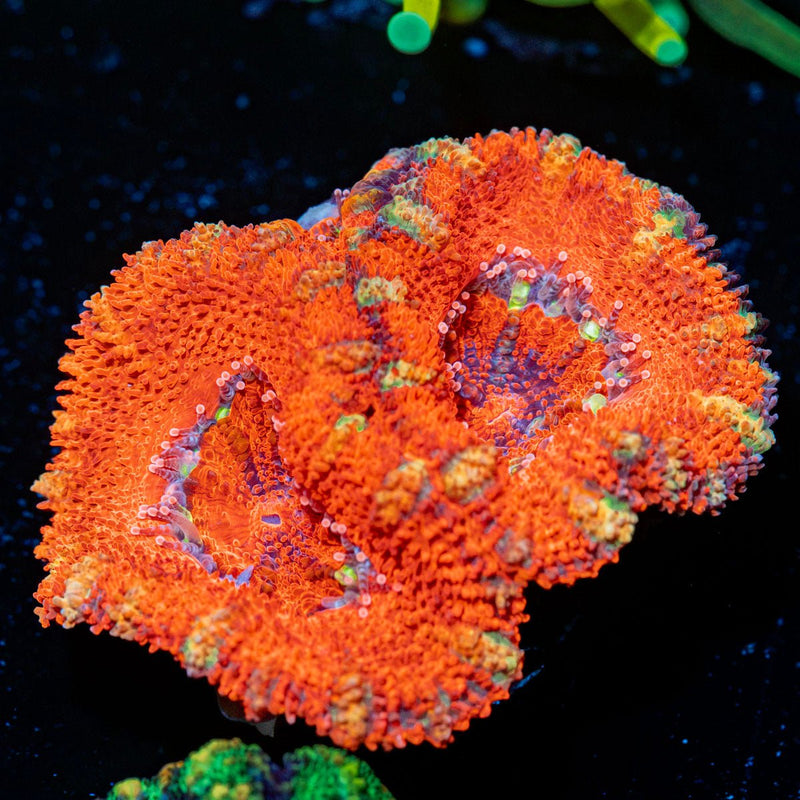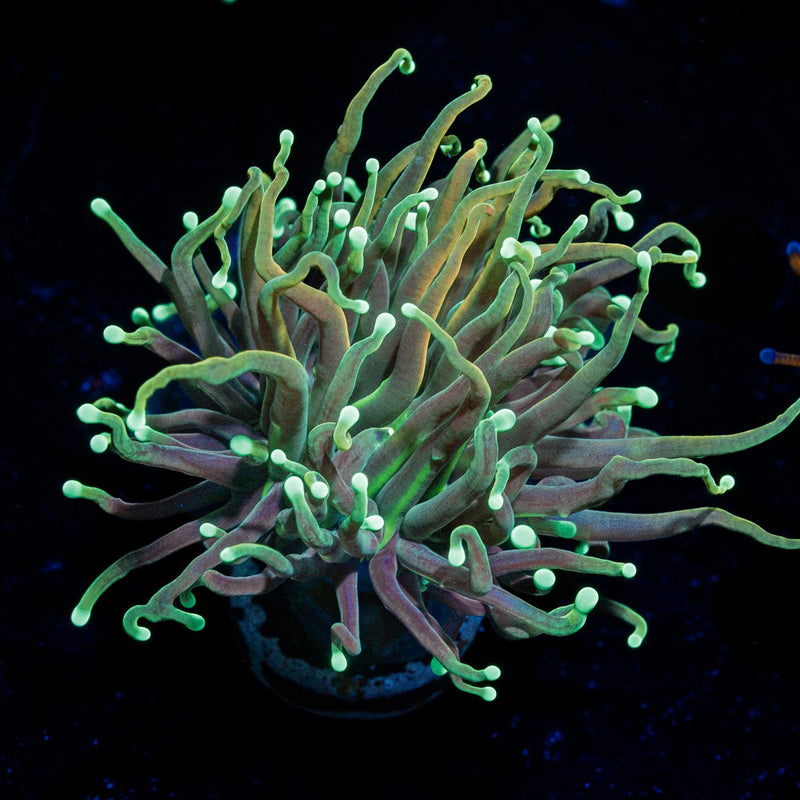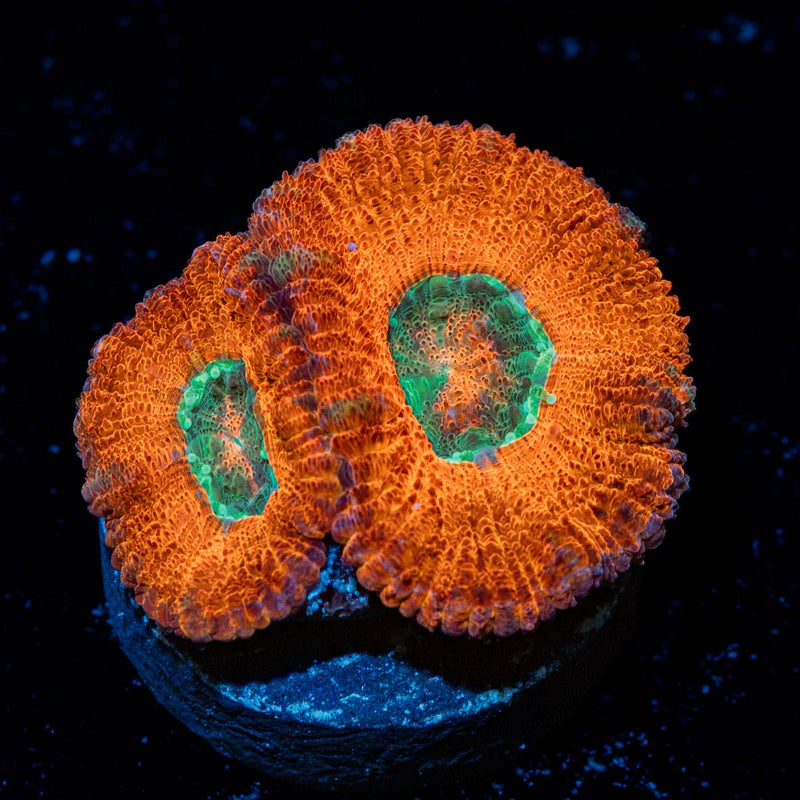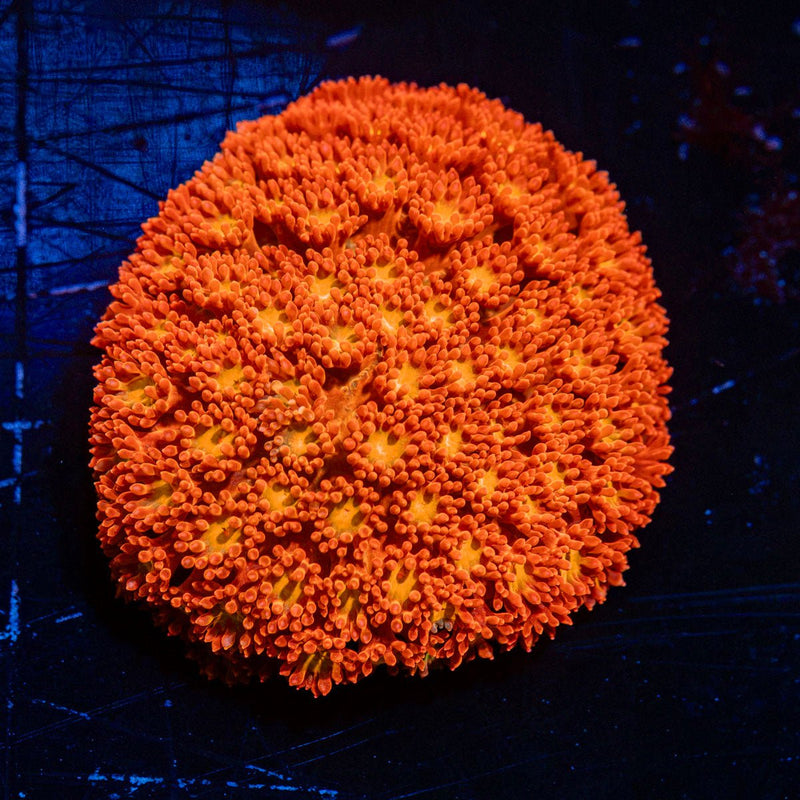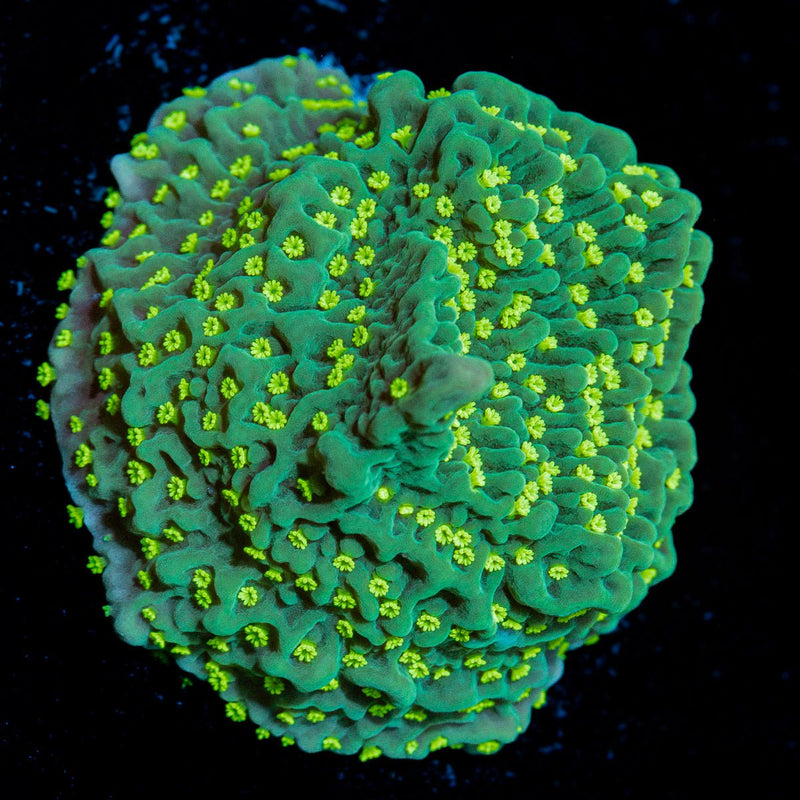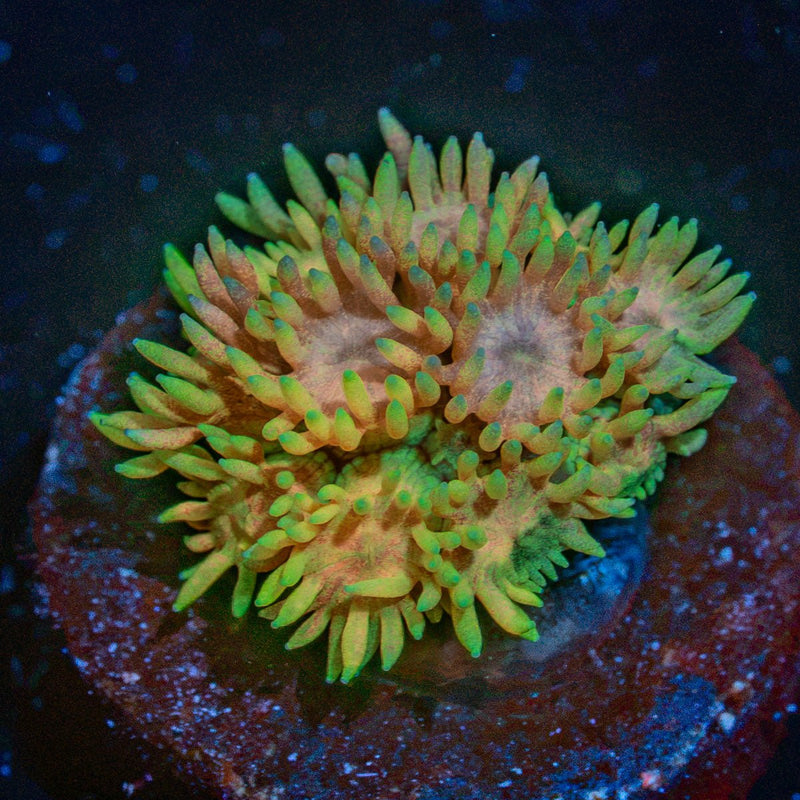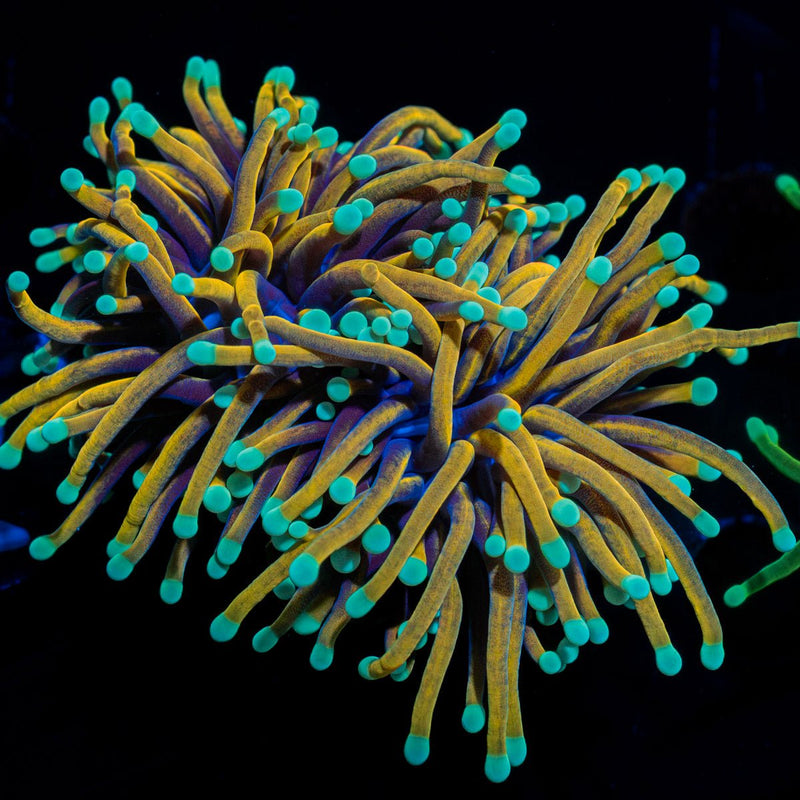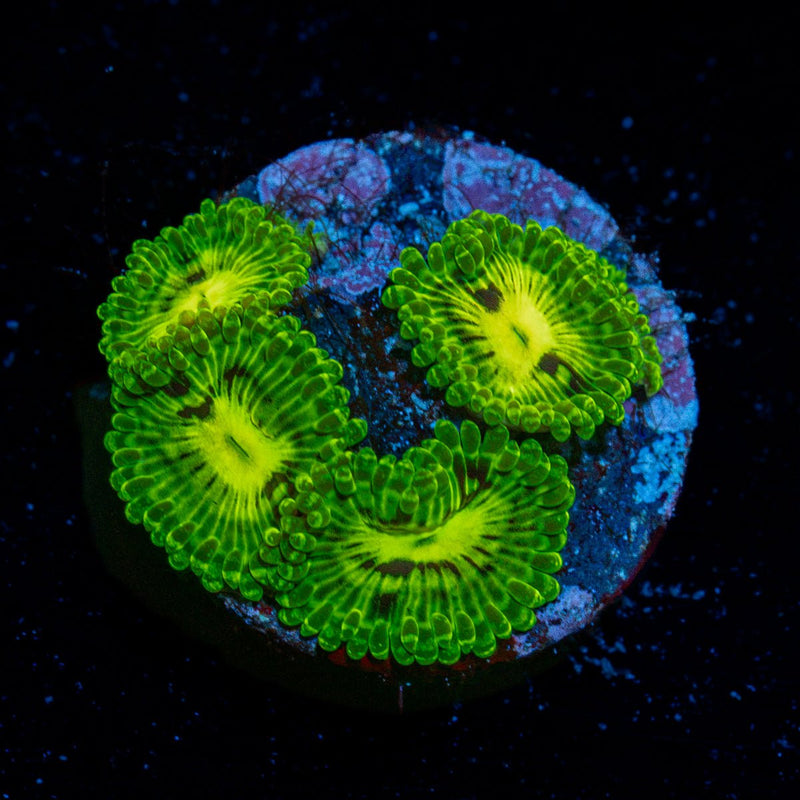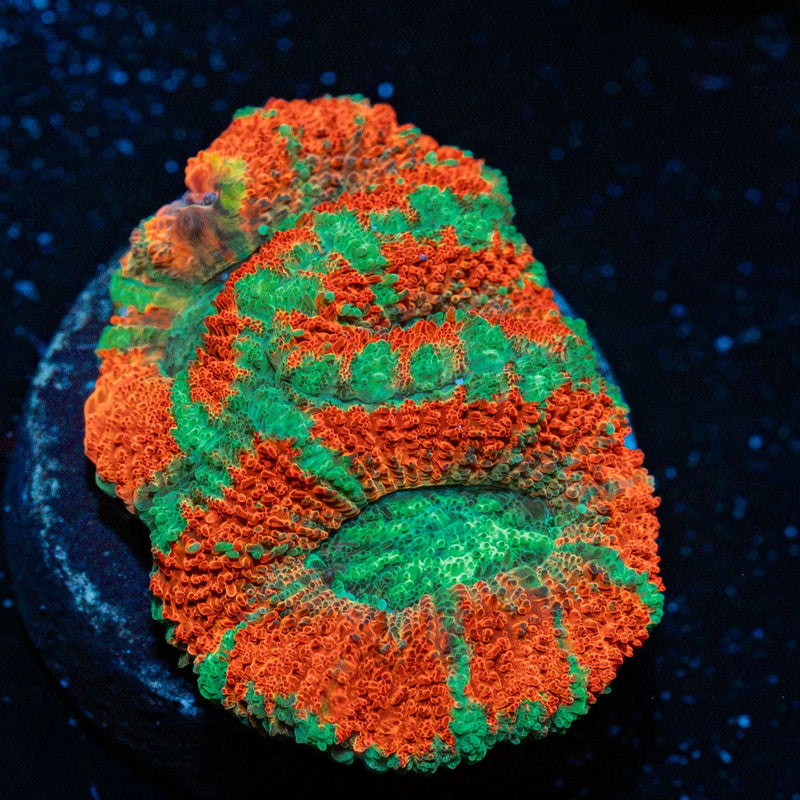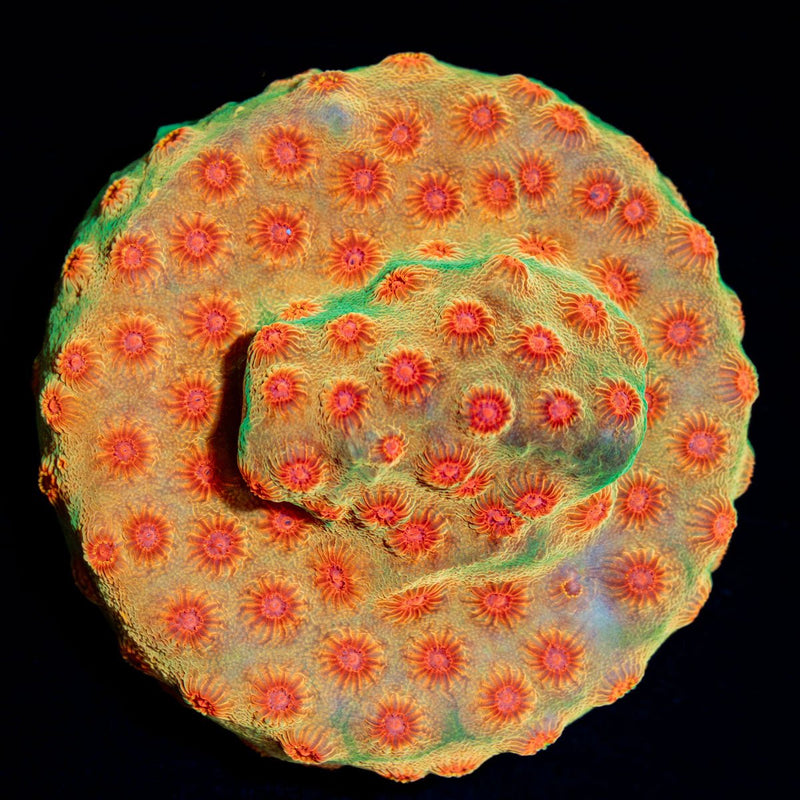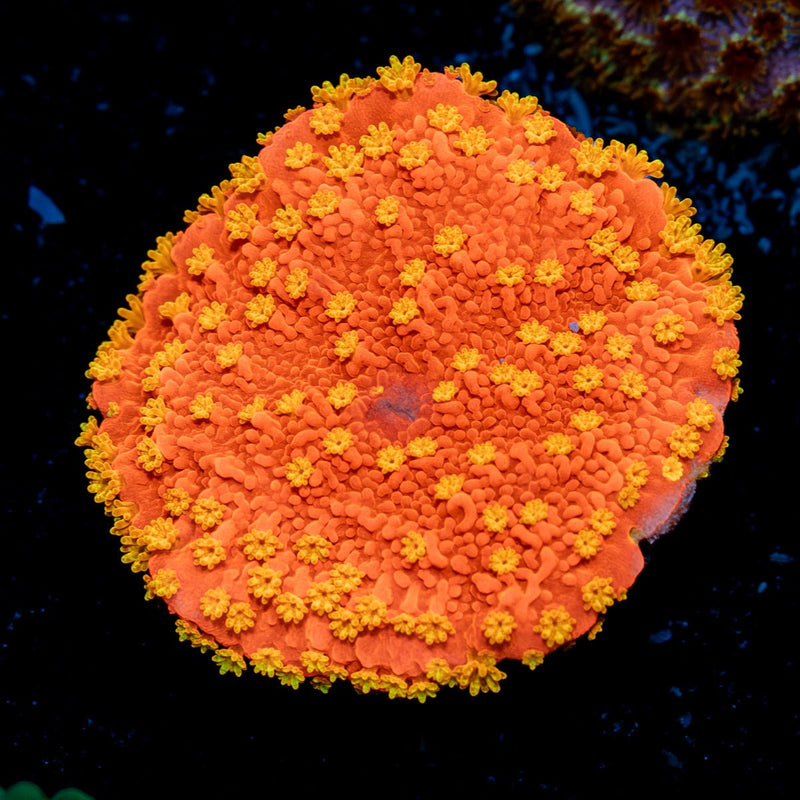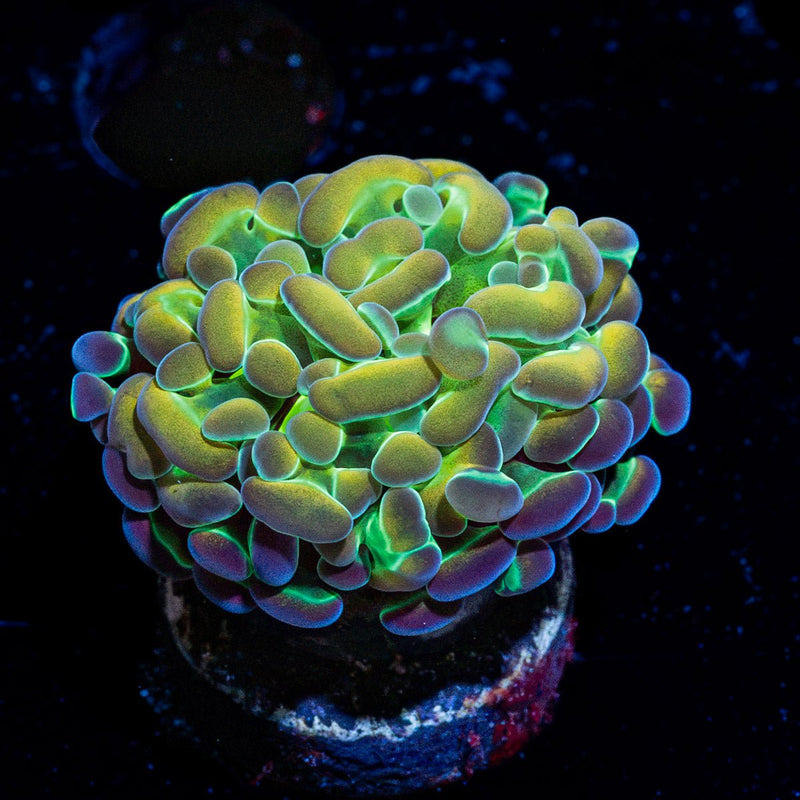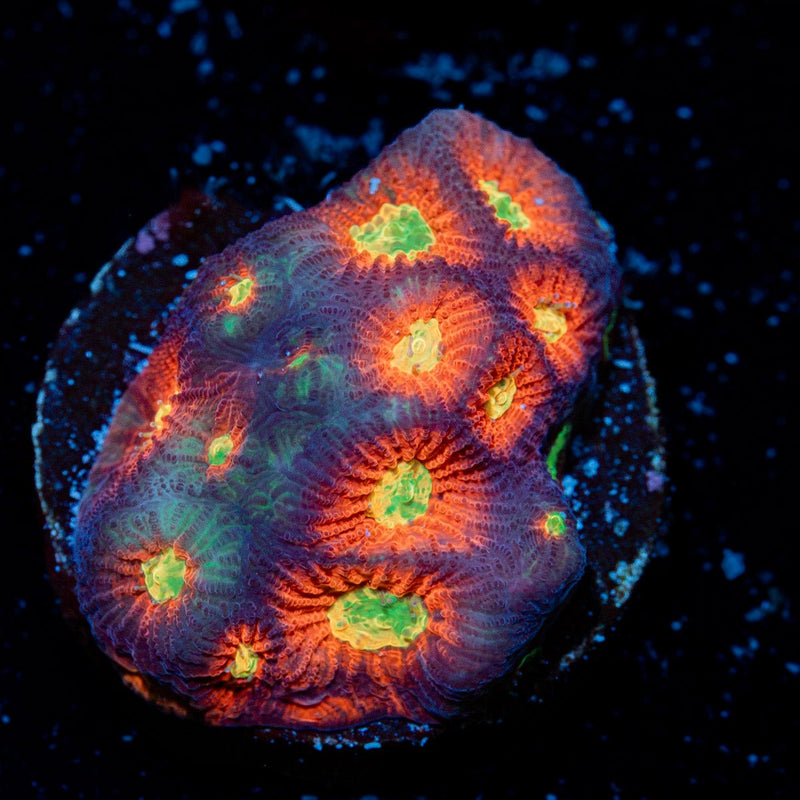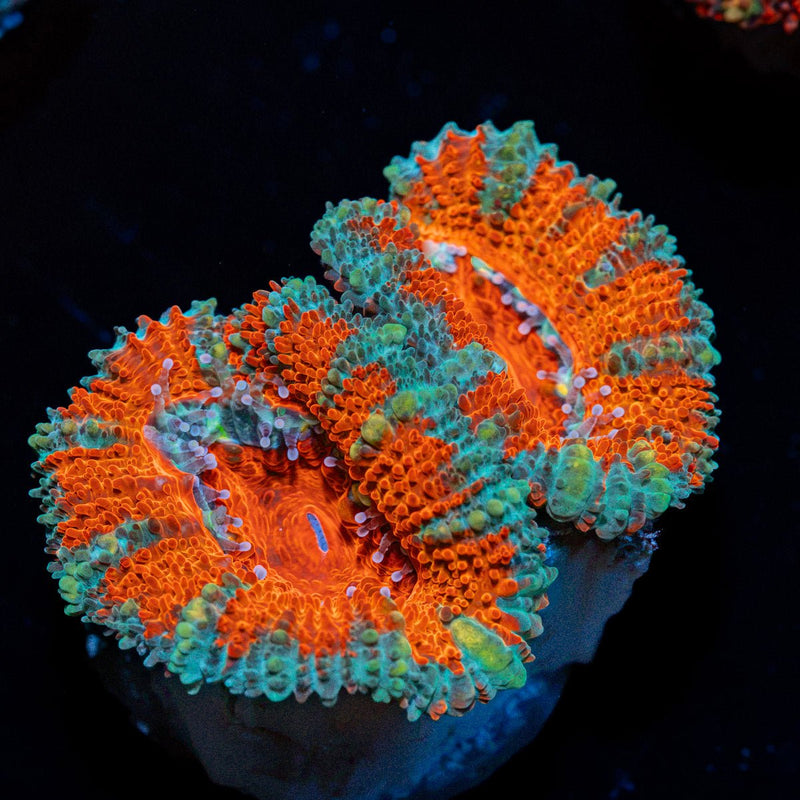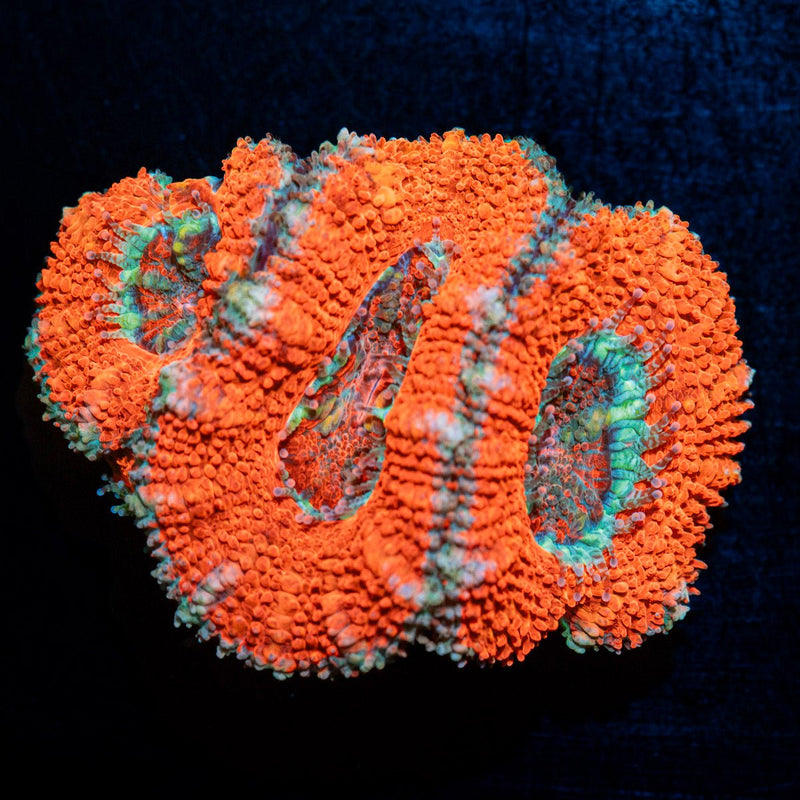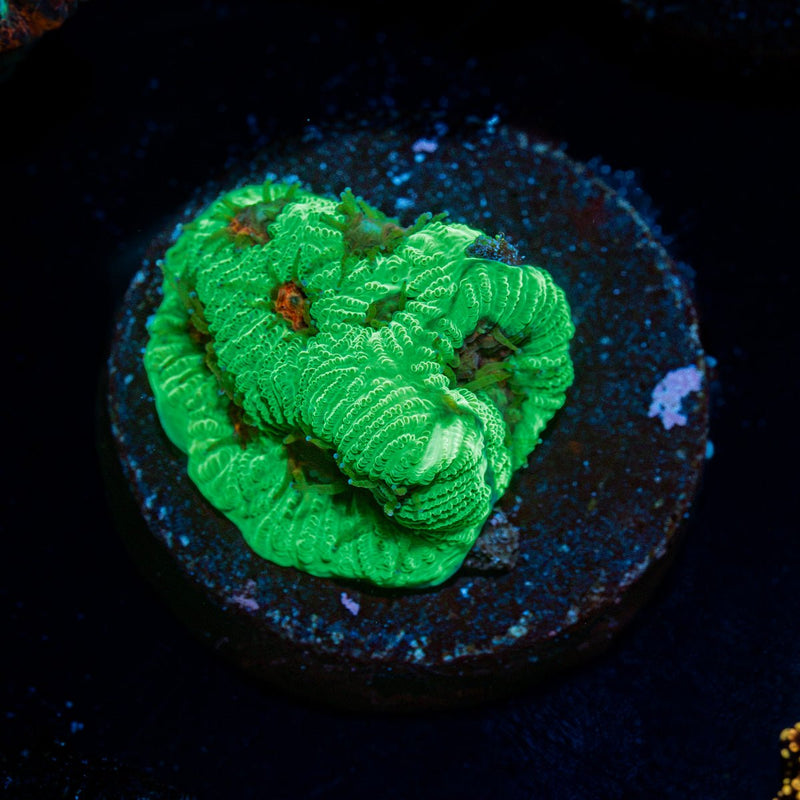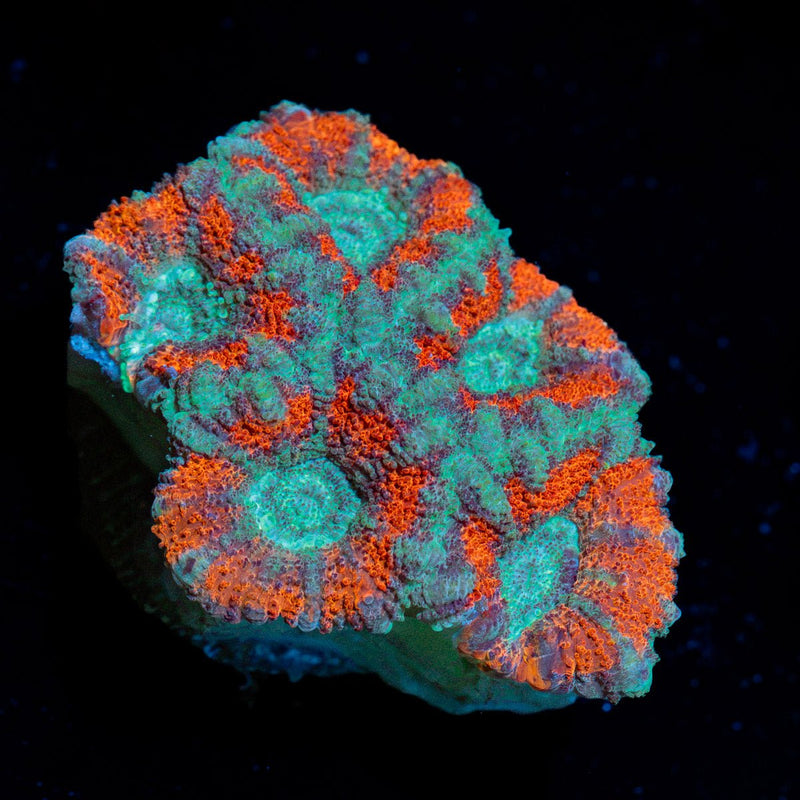
A bright torch with perfect extension. A rainbow acan with clean, puffy tissue. A single mushroom that looks like it was made to be the focal point of your rockscape. When hobbyists search for wysiwyg coral for sale, they are usually looking for one thing above all else - certainty. You want to know that the coral in the photo is the coral heading to your reef.
That matters more than ever when you are buying online. Two frags with the same name can look very different in size, coloration, polyp count, or growth pattern. WYSIWYG, short for what you see is what you get, removes a lot of that guesswork. It gives you a direct view of the exact specimen, which makes the buying experience feel a lot more like choosing coral in person and a lot less like taking a gamble.
Why WYSIWYG coral for sale is worth the premium
Not every coral purchase needs to be WYSIWYG. If you are buying hardy starter zoas or building out a budget-friendly frag rack, standard aquacultured listings can still be a great fit. But for showpieces, collector pieces, and anything where pattern or coloration really matters, WYSIWYG is often the smarter buy.
The biggest advantage is predictability. You can assess the actual growth form, number of heads, encrustation, and visible color before you commit. For LPS, that might mean seeing whether a hammer has the branch structure you want or whether an acan has enough heads to make the price feel worthwhile. For SPS, it could mean checking the shape, branch spacing, or how well the frag is already encrusted on the plug.
There is also a confidence factor that is hard to overstate. Reef keepers know photos can be misleading when listings use representative images. A WYSIWYG listing sets a clearer expectation. You are not buying the idea of a coral. You are buying that coral.
What a strong WYSIWYG listing should show
A good exact-item listing does more than prove the specimen exists. It should help you judge health, value, and fit for your tank.
Start with the photo quality. The coral should be clearly visible, with enough detail to evaluate tissue, fleshiness, polyp extension, and overall condition. Color should look vivid but believable. Reef lighting can shift a coral dramatically, so some saturation is normal, especially under blue-heavy spectrum, but the image should still feel honest.
The frag plug or base matters too. A cleanly mounted coral with signs of encrustation often suggests stability and successful aquaculture. That does not guarantee easy success in your tank, but it is usually a reassuring sign. For branching corals, look at the shape and size of the cut. For encrusting species, look for healthy spread and even tissue coverage.
It also helps when the listing gives enough context for scale. A tiny chalice frag and a chunky mini colony can photograph similarly if there is no reference point. WYSIWYG works best when the image and description make it easy to judge what you are actually getting.
How to judge coral health from photos
Buying live coral online always involves some trust, but you can still read a lot from a photo if you know what to notice.
For fleshy LPS corals, look for inflation and intact tissue. Receding flesh around the skeleton, torn tissue, or odd deflation can be signs of stress. For torches, hammers, and frogspawn, extension can vary depending on when the photo was taken, but the tissue should still appear full and attached cleanly to the skeleton.
For zoanthids and palys, open polyps are a good sign, though not every healthy frag will be fully open in a photo. More important is whether the tissue looks clean and the polyps appear intact. Mushrooms should look full, not melted or pinched. SPS should show good coloration for the variety, visible polyps if possible, and no obvious dead patches at the base or tips.
There is some nuance here. A freshly cut frag may not look as settled as a fully healed piece, and some corals naturally photograph better than others. That is why aquacultured specimens are so appealing - they tend to be hardier, better adapted to aquarium life, and more predictable once established.
WYSIWYG is great, but your tank still decides the outcome
A beautiful listing photo does not override compatibility. The exact-item model reduces uncertainty at checkout, but it does not eliminate the realities of reef keeping.
Light, flow, nutrient balance, and stability all shape how a coral will look after it arrives. That neon torch may shift in color under different PAR. A chalice with intense contrast under blue lighting may appear more subdued under a whiter schedule. An acropora frag with great structure can still struggle if alkalinity swings or flow is weak.
That is not a flaw in WYSIWYG. It is just the nature of live coral. The best purchases happen when the specimen matches both your taste and your system. Beginners often do well with forgiving soft corals, mushrooms, zoas, and certain LPS. More advanced hobbyists may chase higher-end SPS or signature showpieces, but those corals ask for more consistency.
Choosing the right WYSIWYG coral for sale for your experience level
If you are newer to reefing, WYSIWYG can actually be a very helpful way to shop. You can choose a healthy-looking coral with the size, shape, and visual impact you want, instead of wondering what a representative frag might turn into. That can make the whole process feel more approachable.
For a first WYSIWYG buy, it usually makes sense to lean toward hardy, visually rewarding corals. Zoanthids, mushrooms, certain acans, and beginner-friendly LPS can bring strong color without demanding expert-level tuning. You still want proper acclimation and placement, but these categories tend to offer a friendlier learning curve.
If your tank is mature and stable, WYSIWYG opens the door to more selective collecting. You can hunt for exact branching patterns, unusual coloration, multi-head pieces, or standout frags that fill a very specific role in your aquascape. This is where exact-item shopping really shines. Instead of ordering a general variety and hoping for the best, you can choose the piece that fits your vision.
Why aquacultured coral makes WYSIWYG even better
WYSIWYG and aquaculture are a strong combination. Seeing the exact coral is reassuring. Seeing the exact coral and knowing it was grown in captivity is even better.
Aquacultured coral often arrives with advantages that hobbyists care about - stronger adaptation to aquarium conditions, more sustainable sourcing, and a track record of success in captive systems. That does not mean every piece is effortless, but it does stack the odds in your favor compared with wild, recently imported specimens.
For shoppers, this pairing adds a layer of trust. Exact-item listings help you verify appearance. Aquaculture helps support confidence in hardiness and long-term performance. When a seller also presents clear category guidance, beginner-safe choices, and healthy, vibrant frags, the whole purchase feels more grounded and less speculative.
The real trade-off with WYSIWYG coral
The obvious downside is price. WYSIWYG coral for sale often costs more than a standard listing for the same named variety. Part of that premium reflects the specimen itself, especially if it has better coloration, larger size, or more developed growth. Part of it reflects the labor and care involved in exact-item photography and inventory management.
For many hobbyists, that premium is worth it. You get more clarity, less disappointment, and a better chance of receiving a coral that matches your expectations. Still, it depends on what you are buying. If your goal is simply to add a few hardy frags and grow them out over time, non-WYSIWYG options can be a perfectly smart value play.
If your goal is to hand-pick living jewels for a display reef, exact-item shopping is hard to beat.
A good reef is built one informed choice at a time. The right coral is not just the brightest one on the screen - it is the one that arrives healthy, fits your tank, and still makes you smile every time the lights come on.
Products from the article