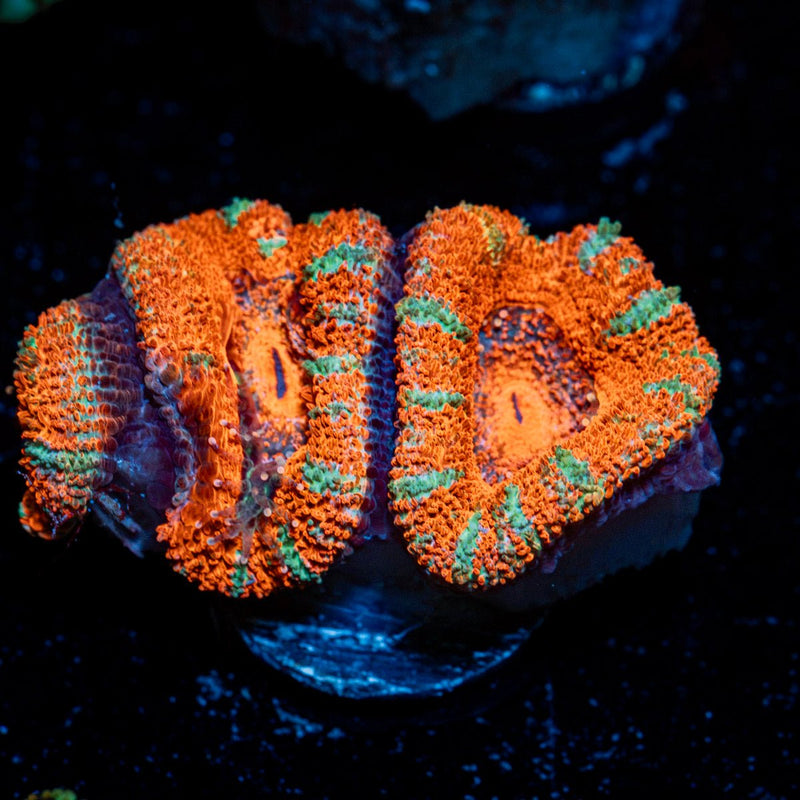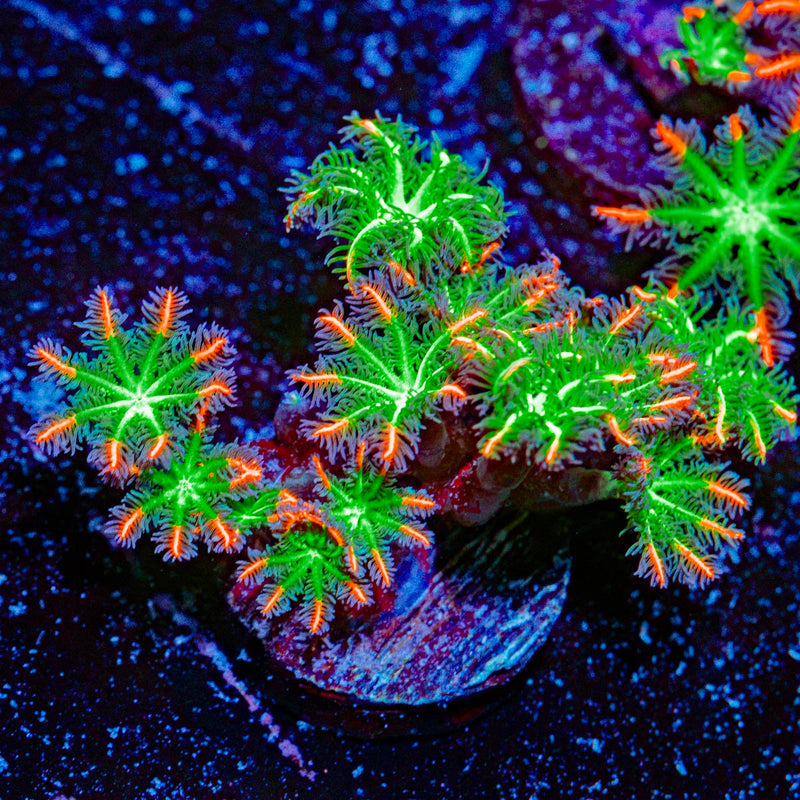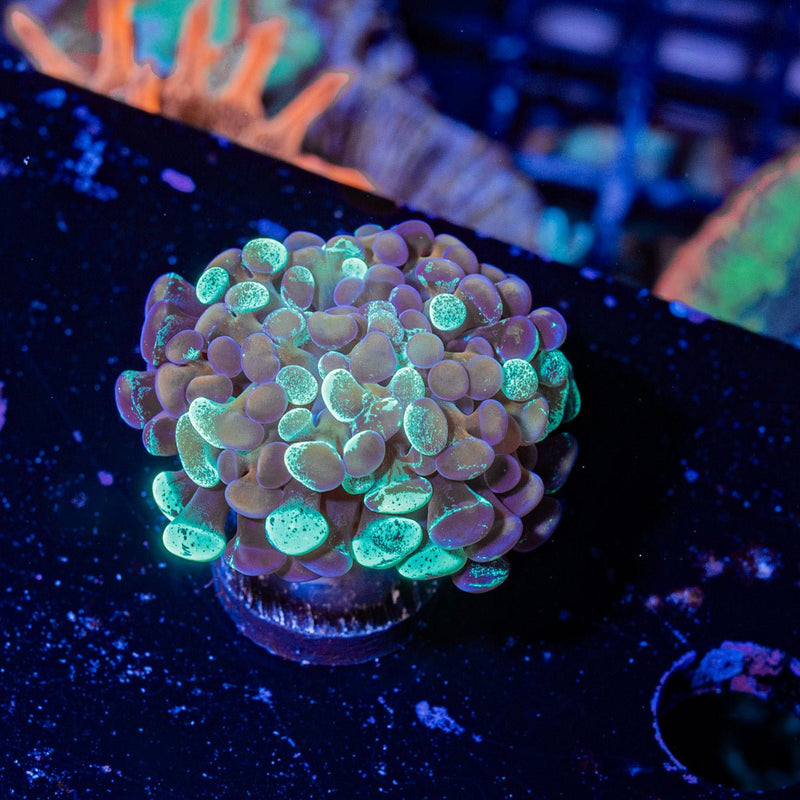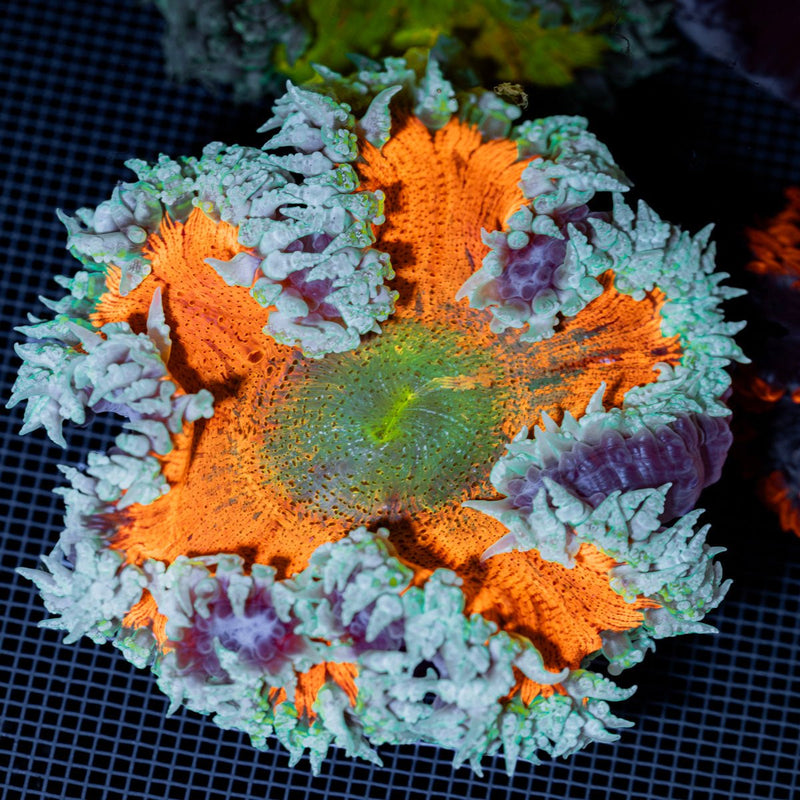
A great reef is not built by adding the most expensive frag first. It is built by choosing reef tank corals that fit the tank you have right now, then giving them stable conditions to show their real color, growth, and personality. A carefully placed hammer coral can become a graceful centerpiece. A small colony of zoanthids can turn an ordinary rock into a field of color. The goal is not simply to fill space. It is to create a living display that looks better as it matures.
Start With the Reef Tank You Actually Have
Every coral purchase starts with a few honest questions: How stable is the aquarium? What lighting and water movement are available? How much open rockwork remains? A coral that thrives in one established reef may struggle in a newer tank, even when the water test results look acceptable.
For newer hobbyists, a tank with consistent salinity, temperature, alkalinity, and nutrient levels is a much better foundation than a tank that chases perfect numbers. Corals generally respond well to stability. Sudden swings in salinity, temperature, alkalinity, or light intensity can cause stress, fading, tissue recession, or a long adjustment period.
Before selecting corals, consider the practical footprint of your aquarium. A compact nano reef can become a striking display with mushrooms, zoanthids, acans, and a few carefully chosen LPS corals. A larger system gives you more room for branching SPS corals, sweeping torch tentacles, and wide colonies that need distance from their neighbors. Bigger is not automatically easier, but added water volume can soften the impact of small mistakes.
Choose Reef Tank Corals by Care Style
Coral categories are useful because they offer a quick picture of how a frag may behave in your reef. They are not rigid rules. Individual species, lighting setups, and tank conditions always matter. Still, understanding the broad groups makes it easier to shop with confidence.
Soft Corals, Zoanthids, and Mushrooms
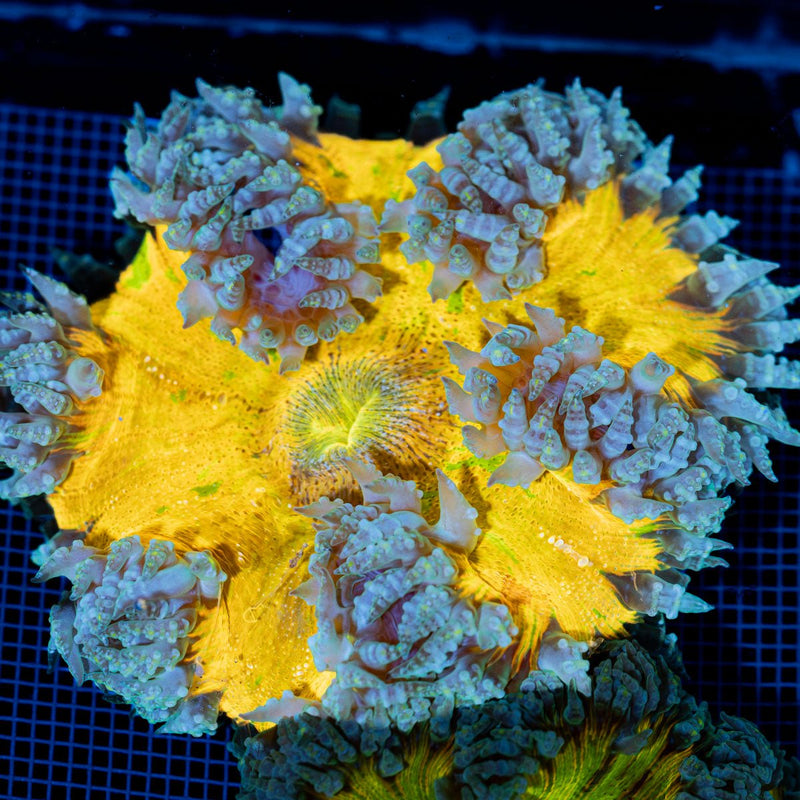
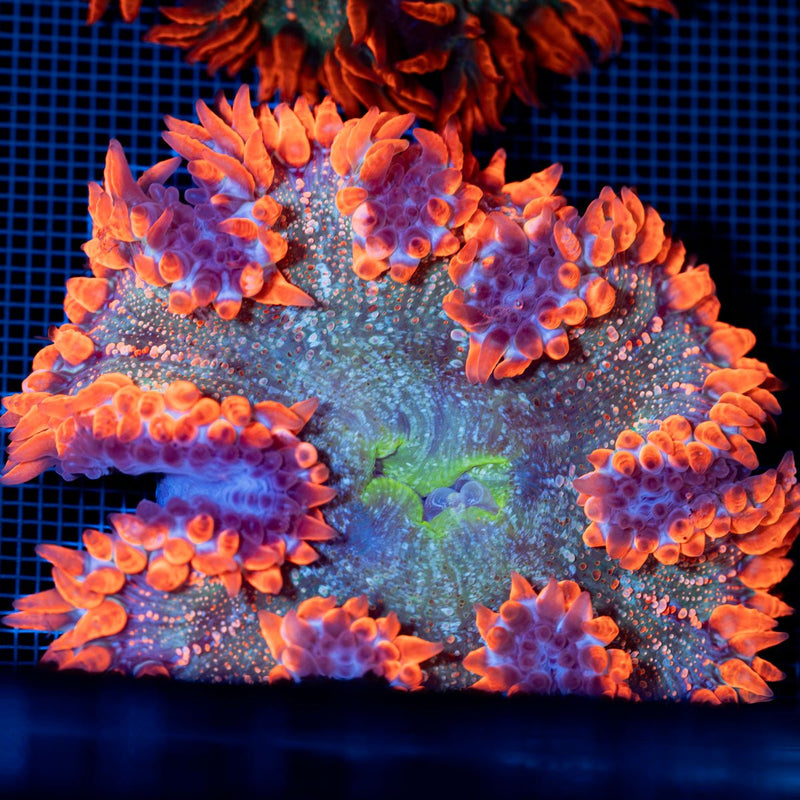
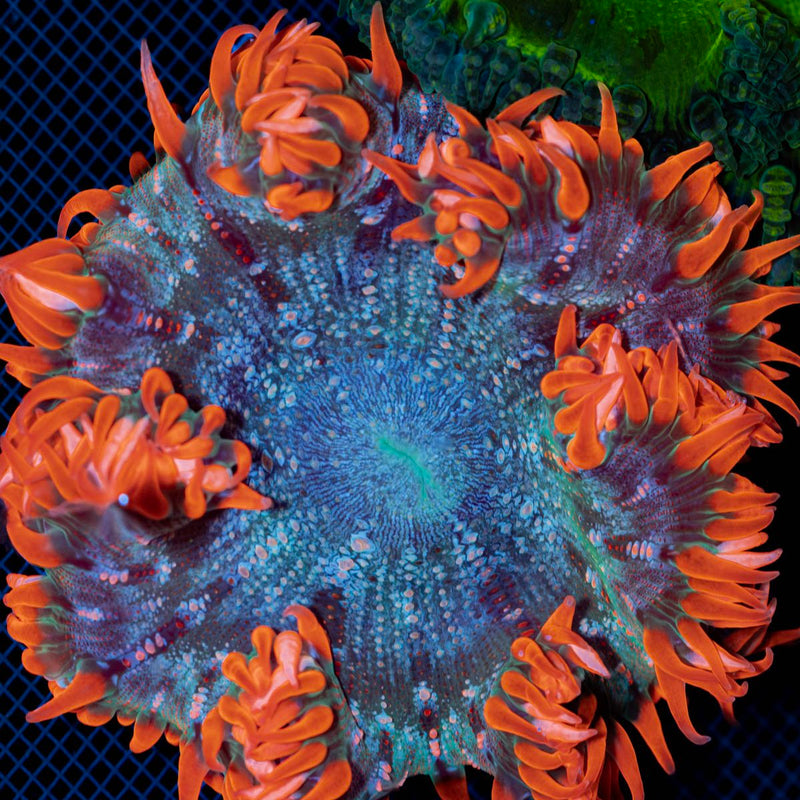
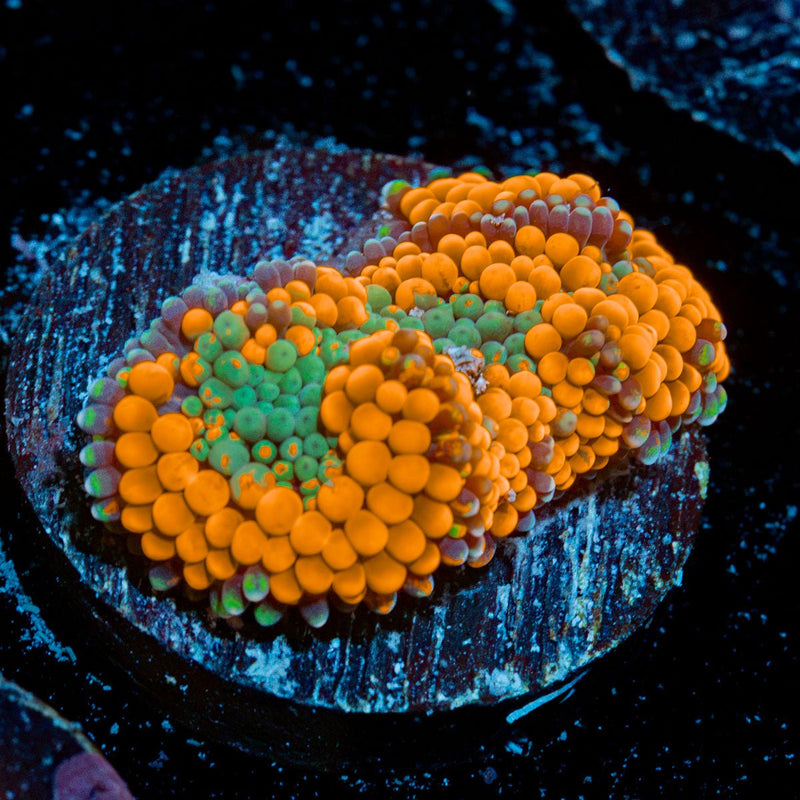
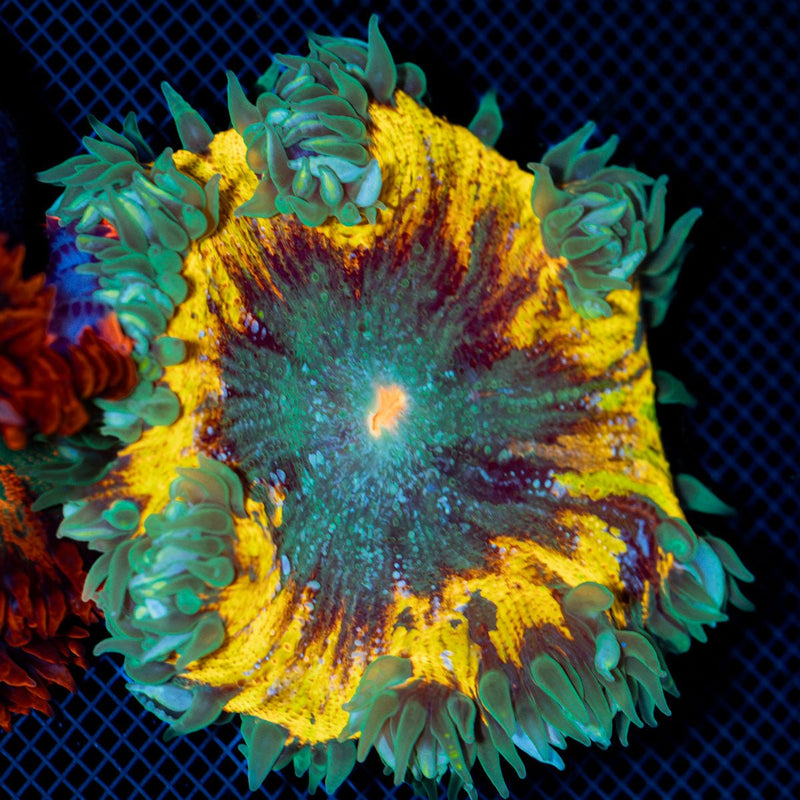
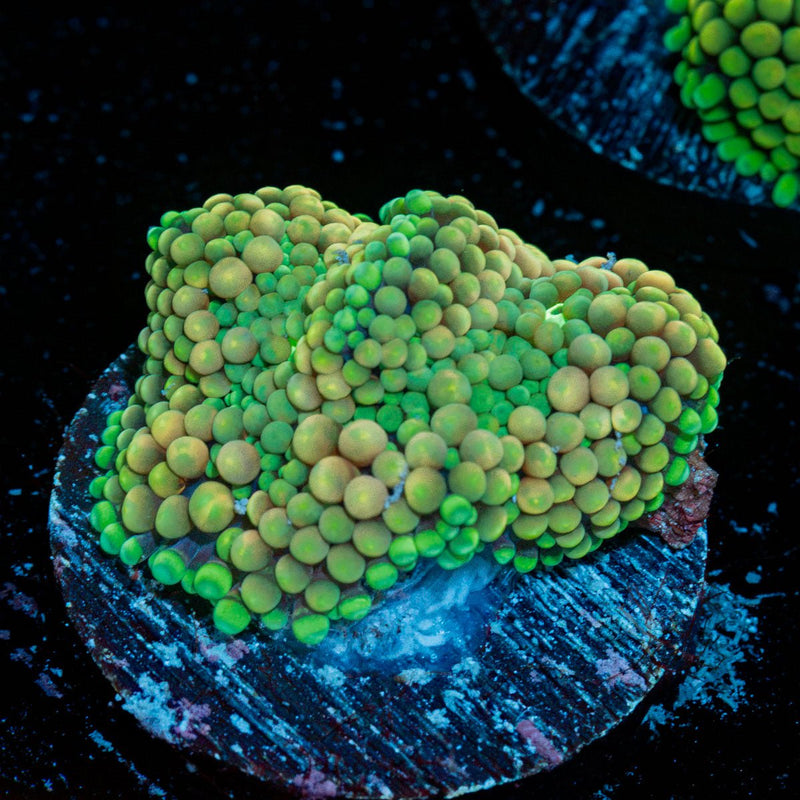
Soft corals are a welcoming place to start when you want movement, color, and a more forgiving care profile. Many leathers, ricordea, mushrooms, and zoanthids tolerate moderate lighting and variable flow well once acclimated. They can create a full, natural look without demanding the intense lighting and tightly controlled chemistry associated with many SPS corals.
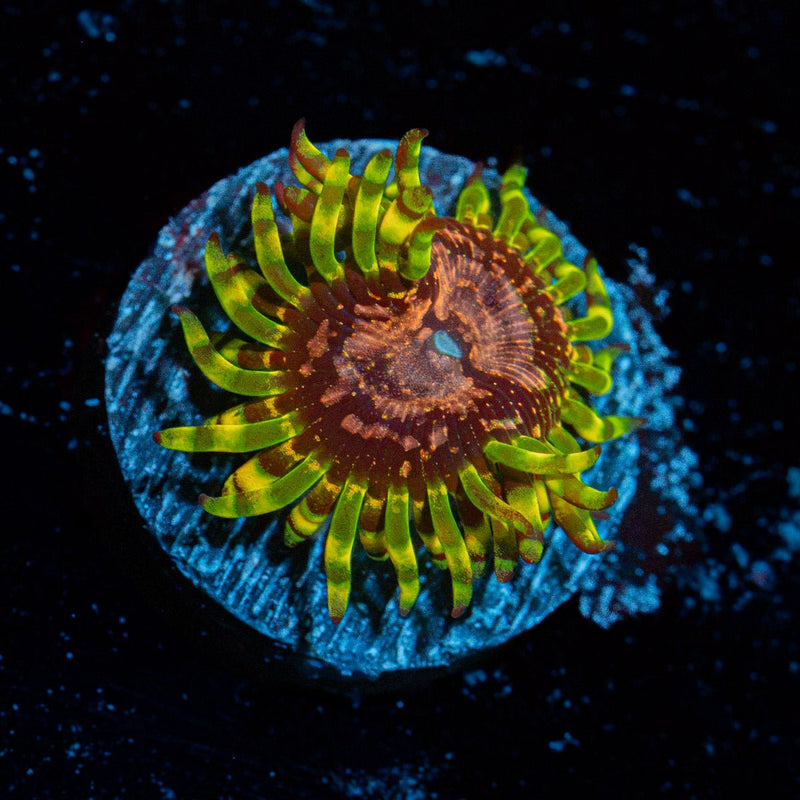
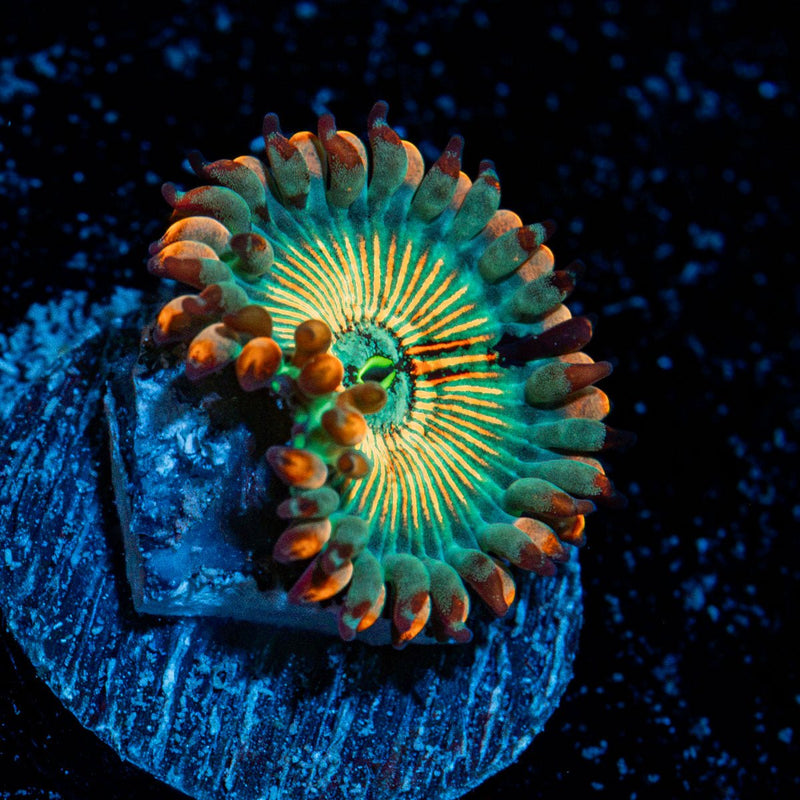
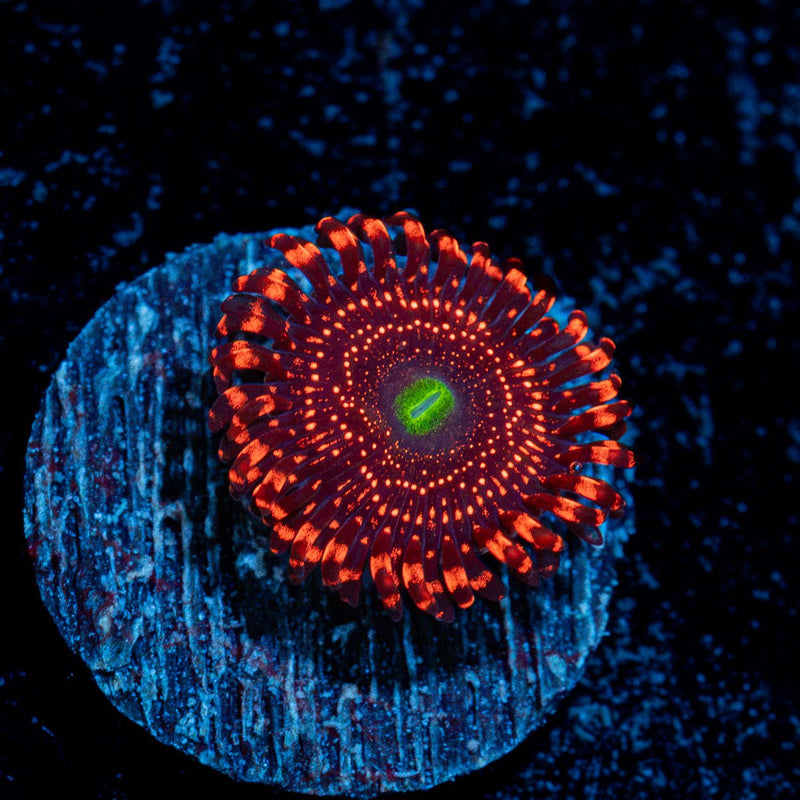
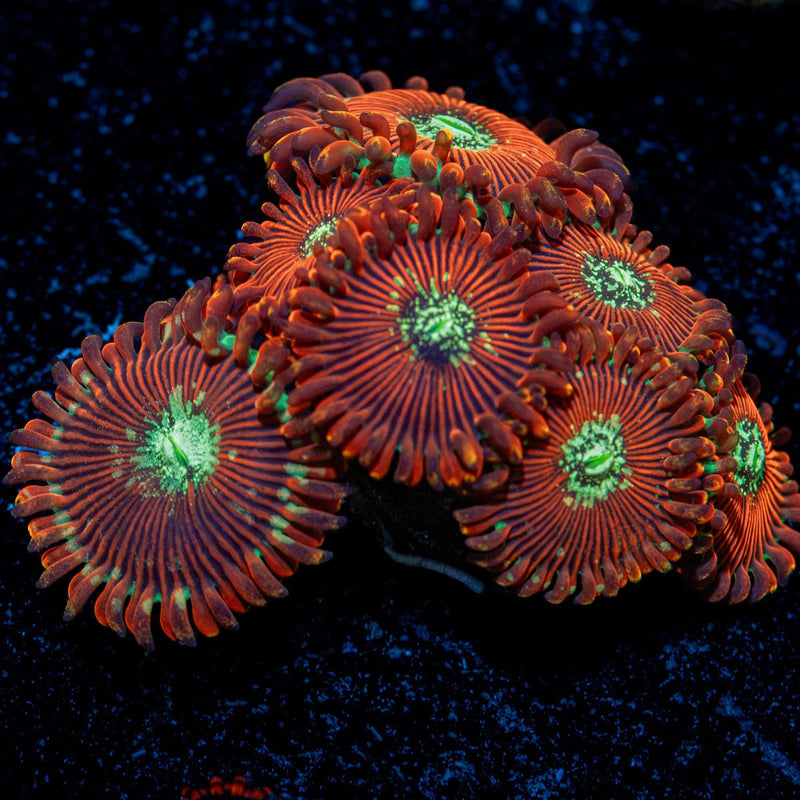
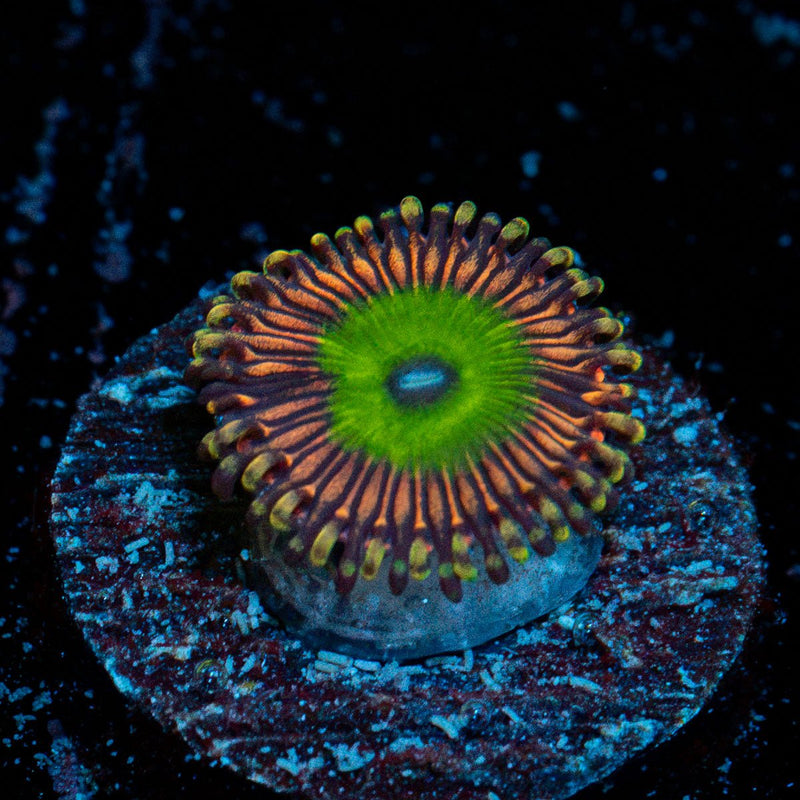
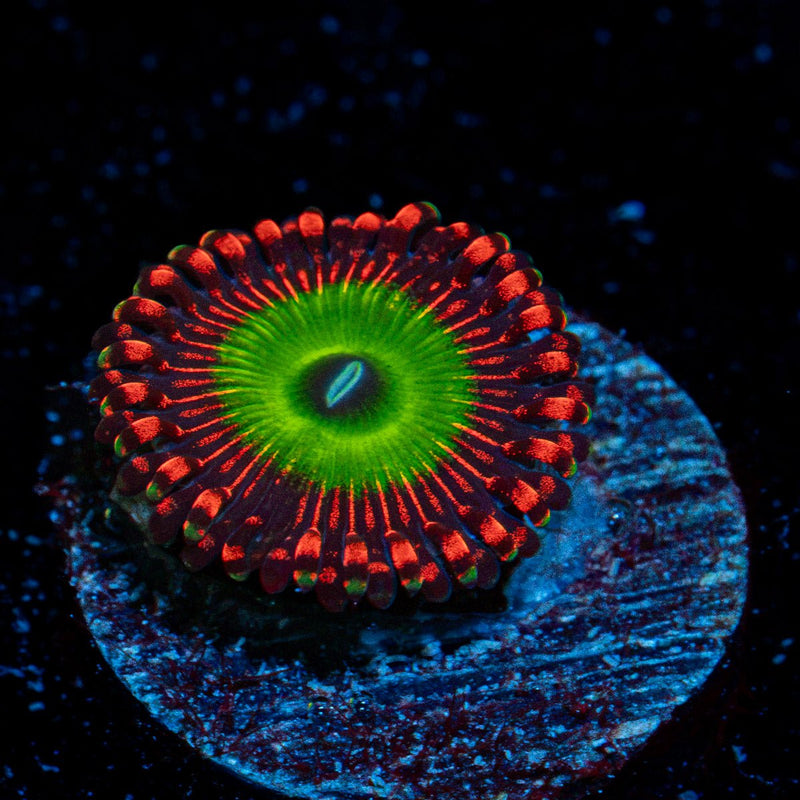
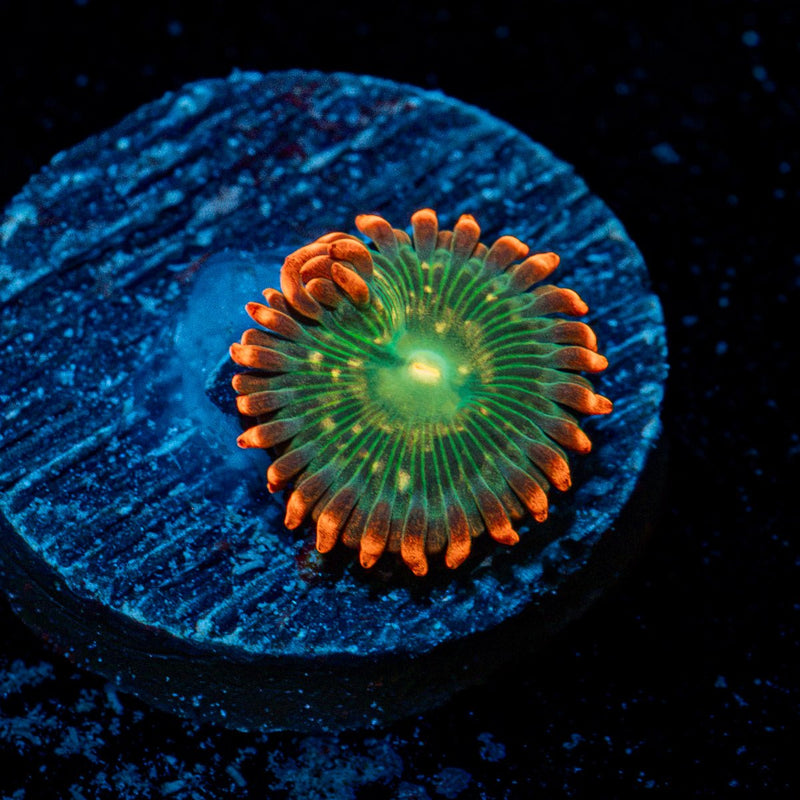
Zoanthids are especially popular for building colorful gardens. Their compact polyps make it easy to mix patterns and shades, from bright oranges and neon greens to deep reds and electric blues. Give them room on an isolated rock when possible. Many varieties spread steadily, and a little planning prevents a favorite colony from overtaking slower-growing neighbors.
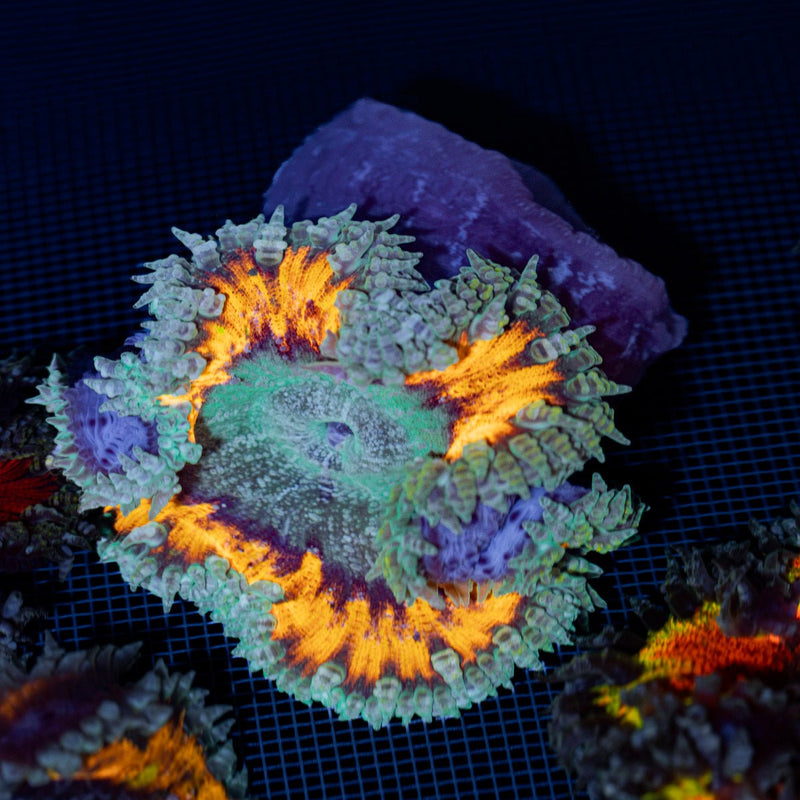
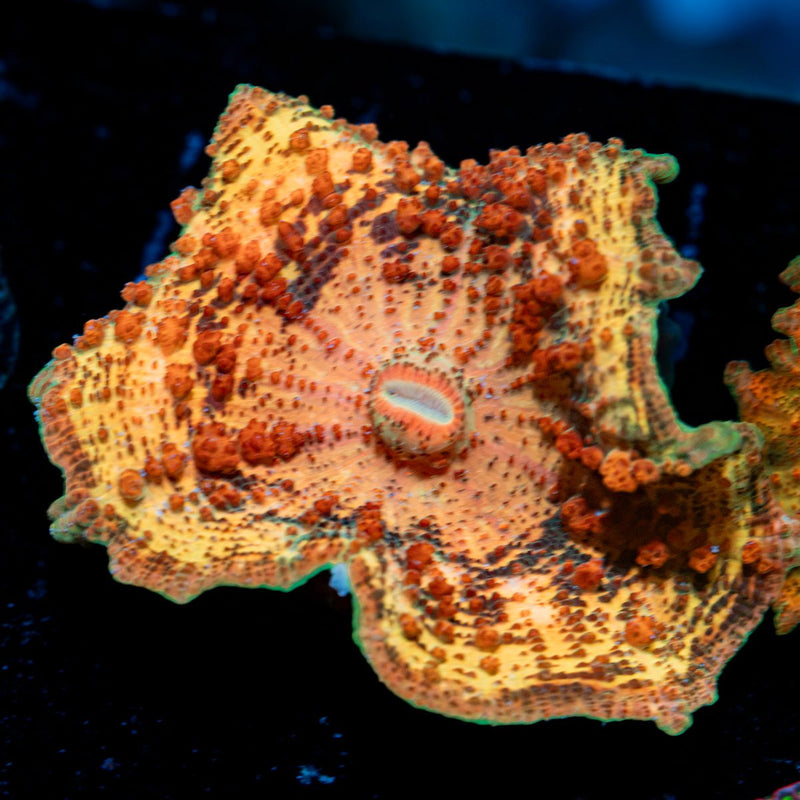
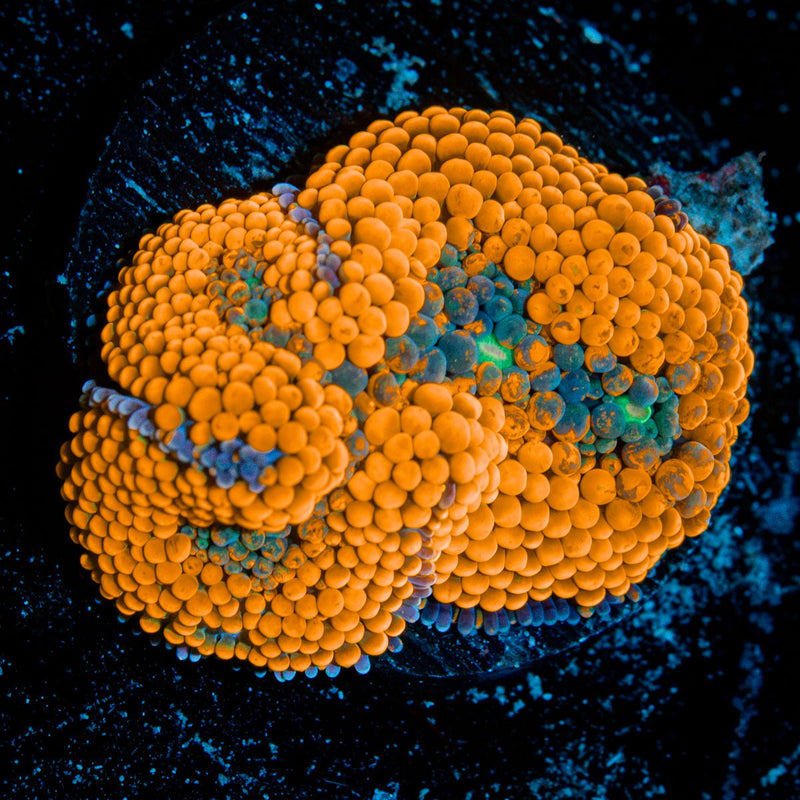
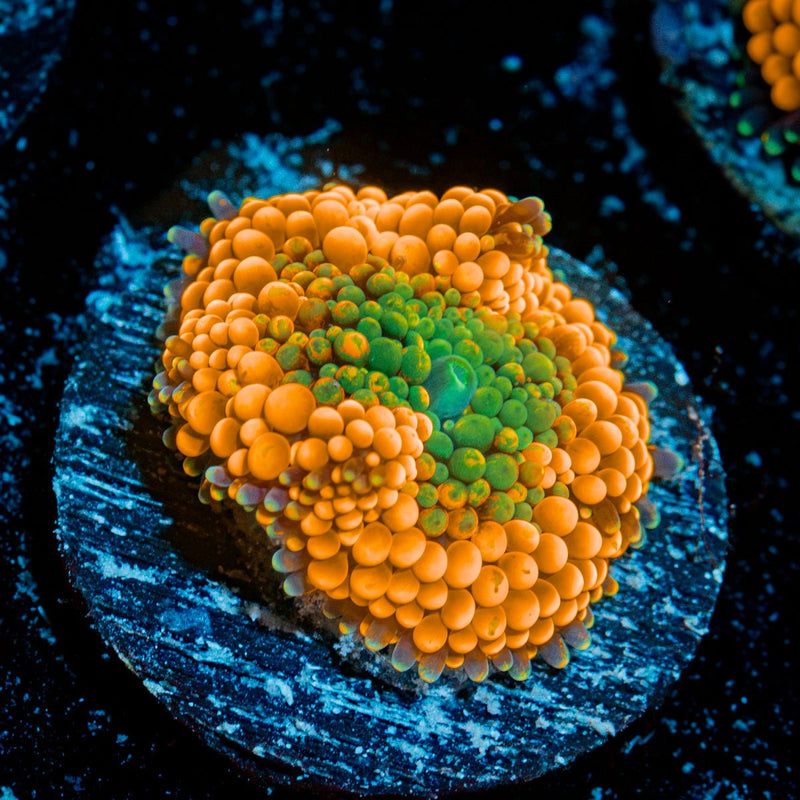
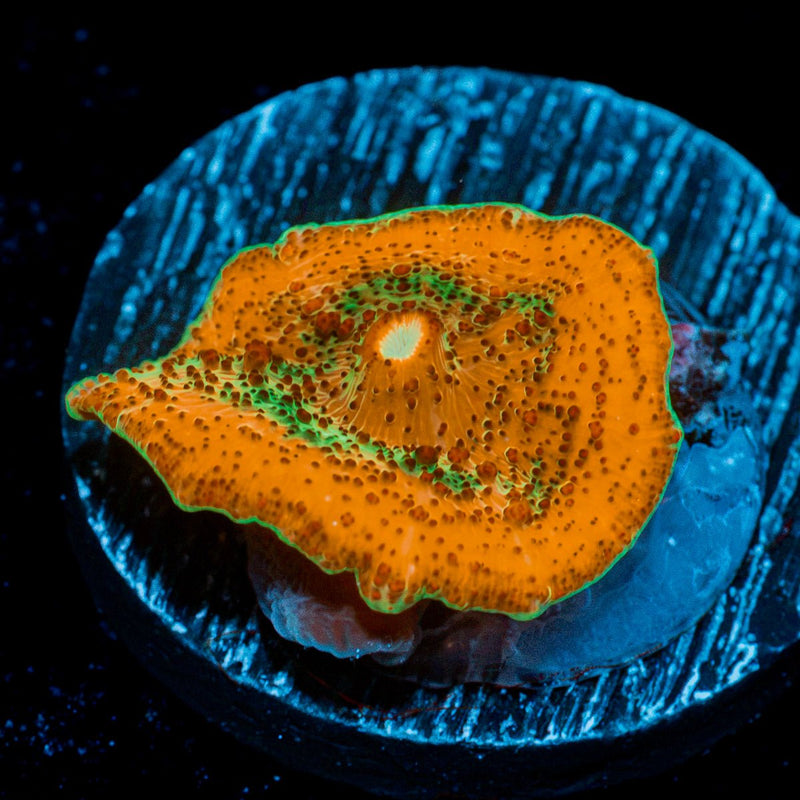
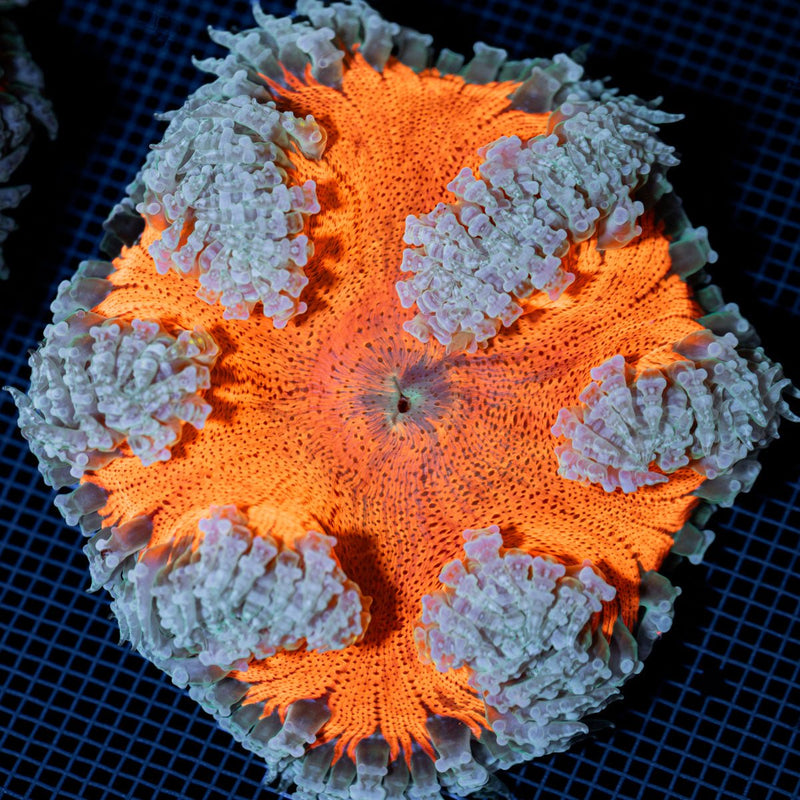
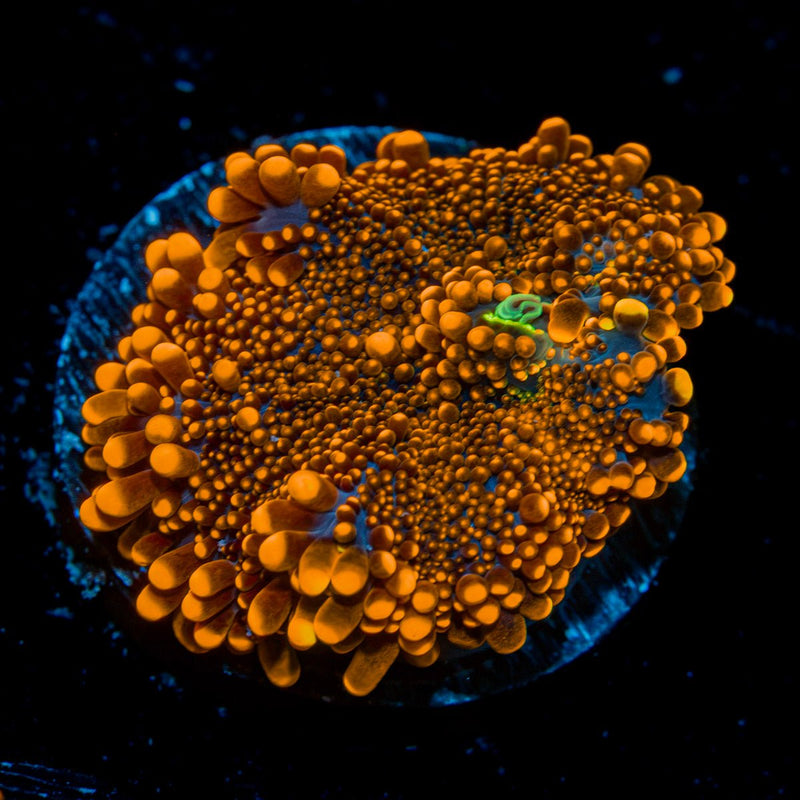
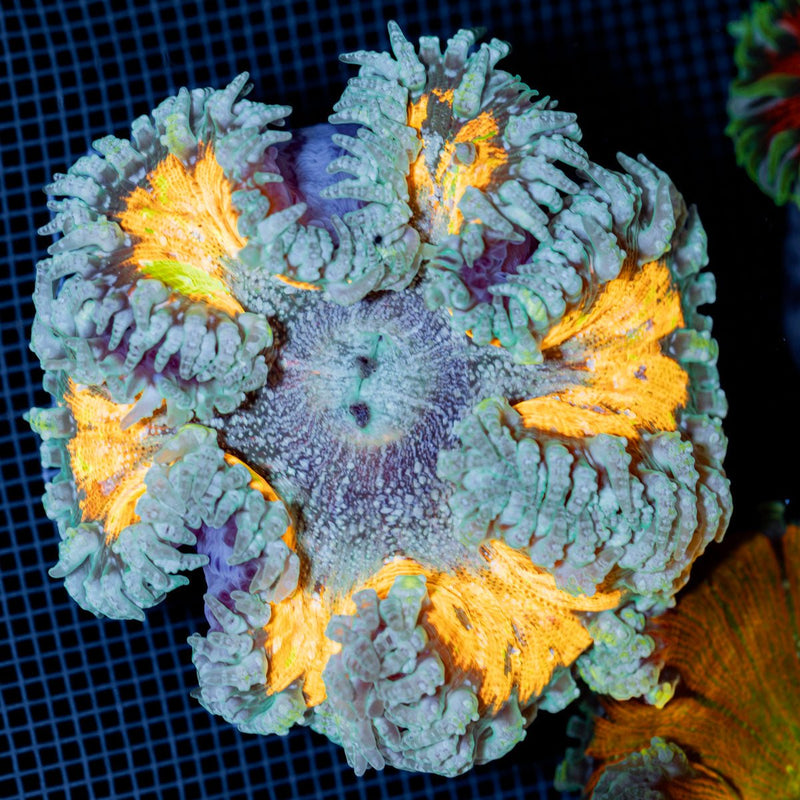
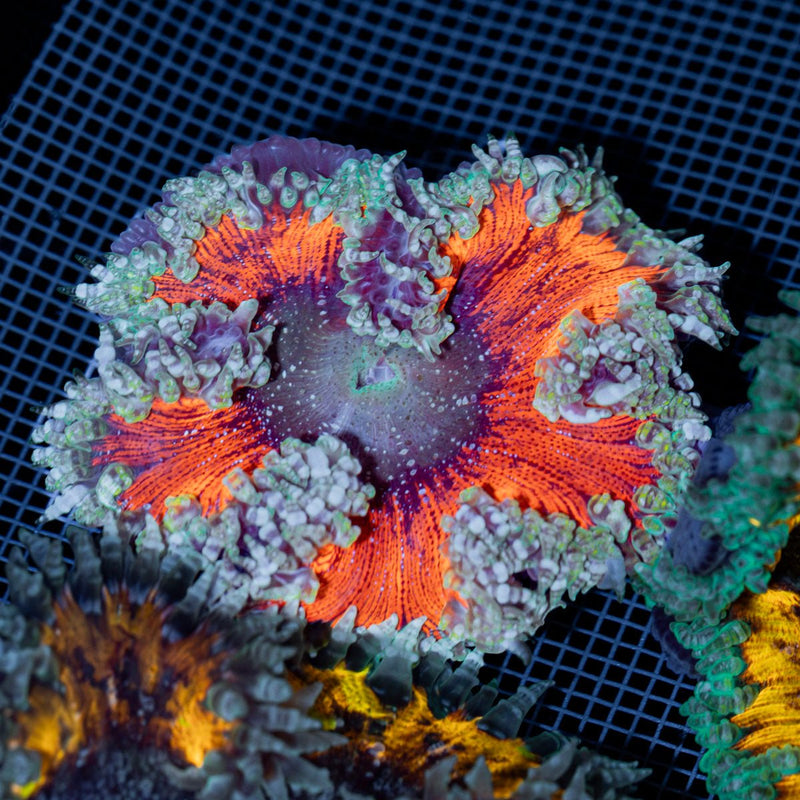
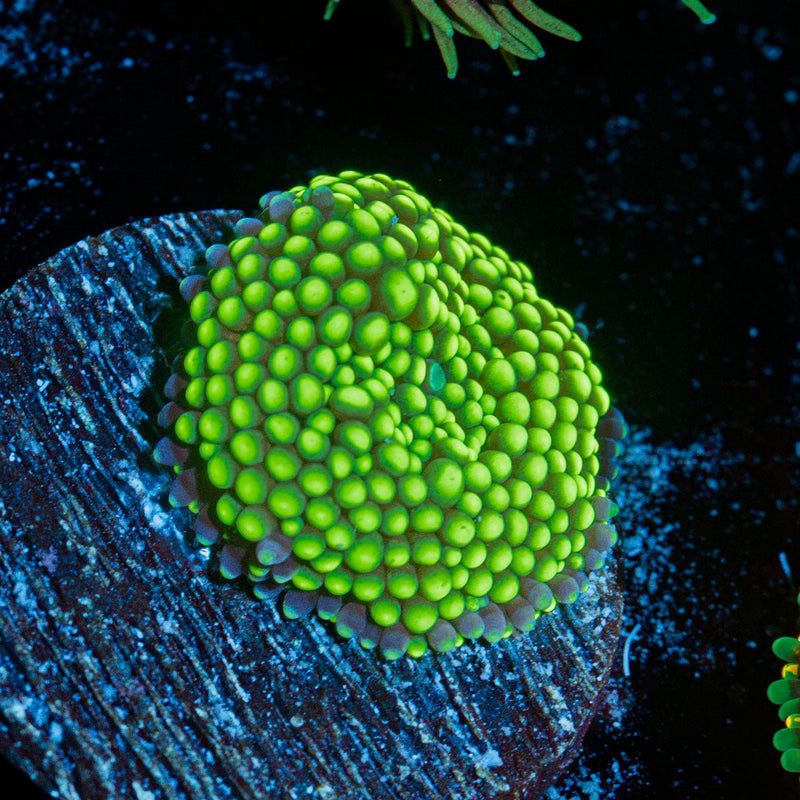
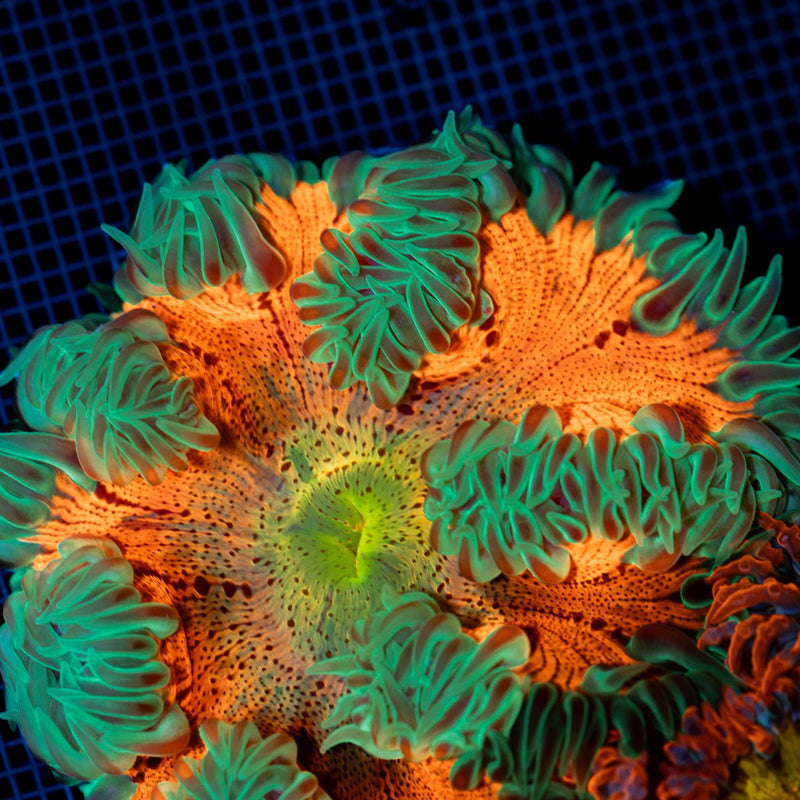
Mushrooms offer a different kind of beauty. Their soft texture and vivid fluorescence make them ideal for lower sections of the aquascape. Some stay compact while others can become large, flowing discs, so check the expected growth habit before committing to a small ledge.
LPS Corals for Movement and Presence
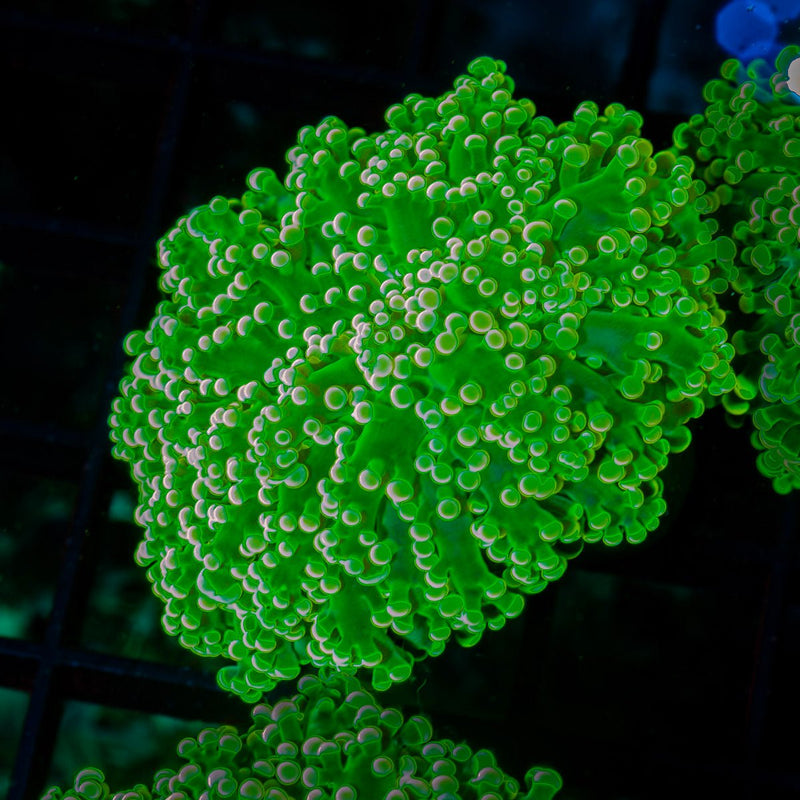
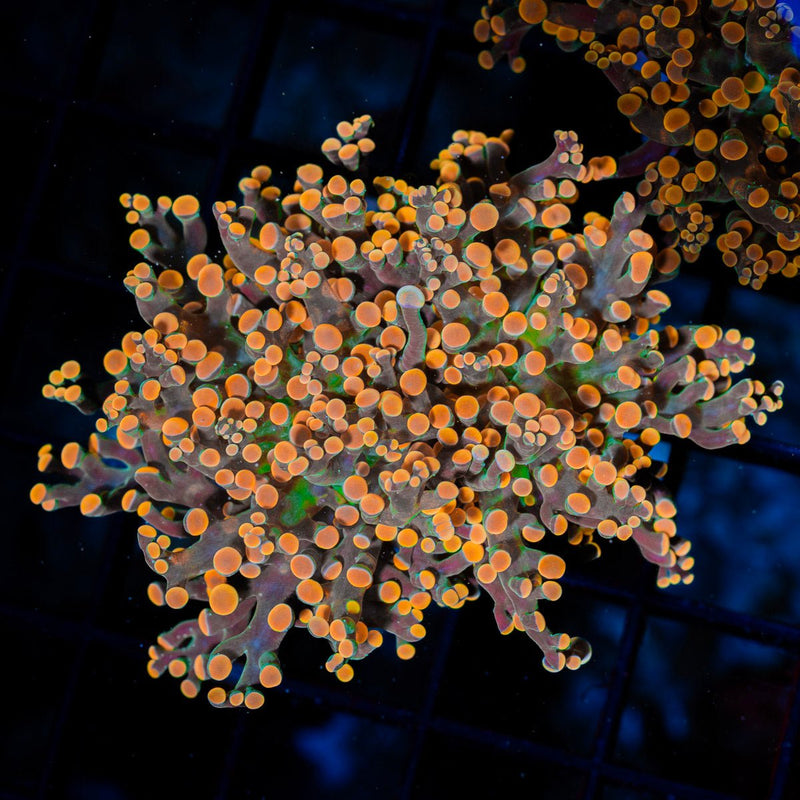
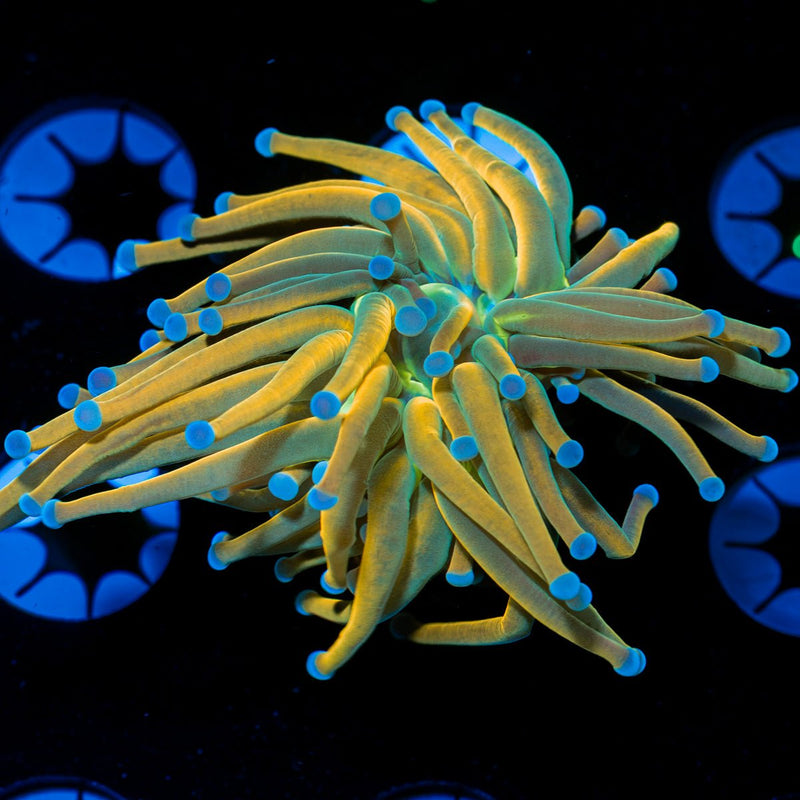
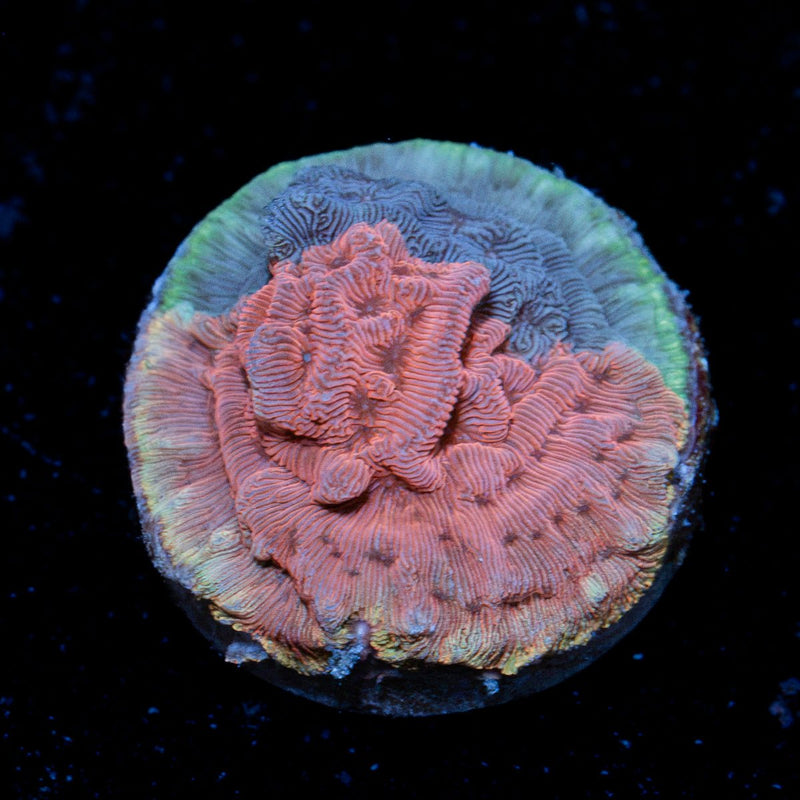
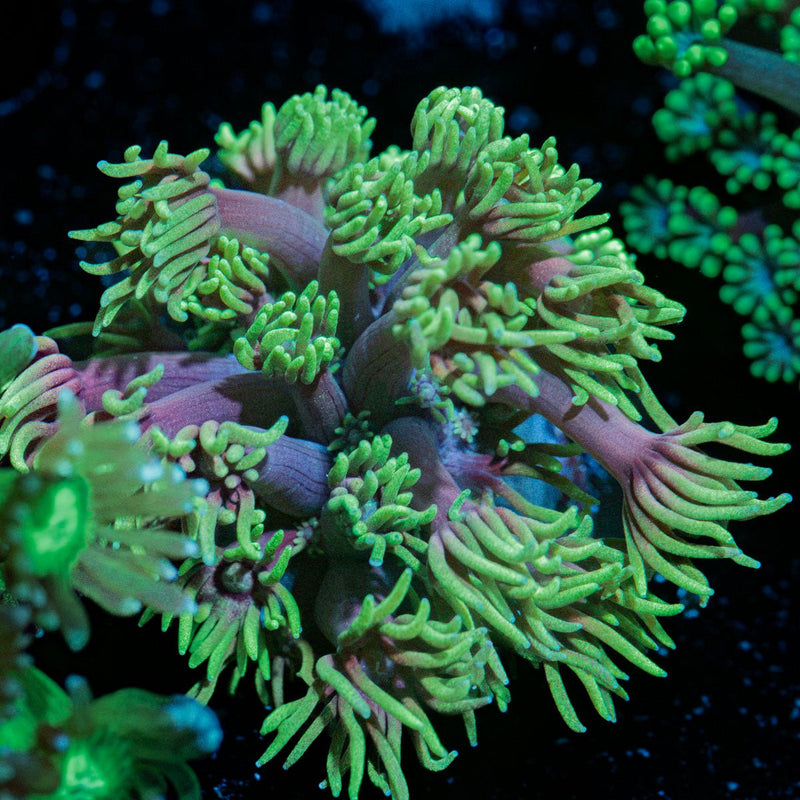
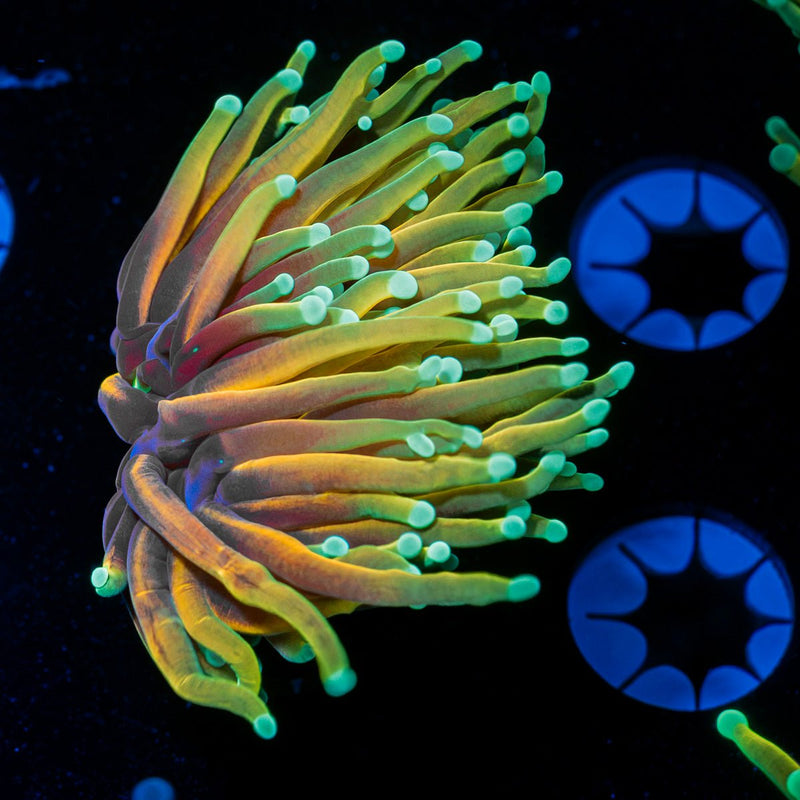
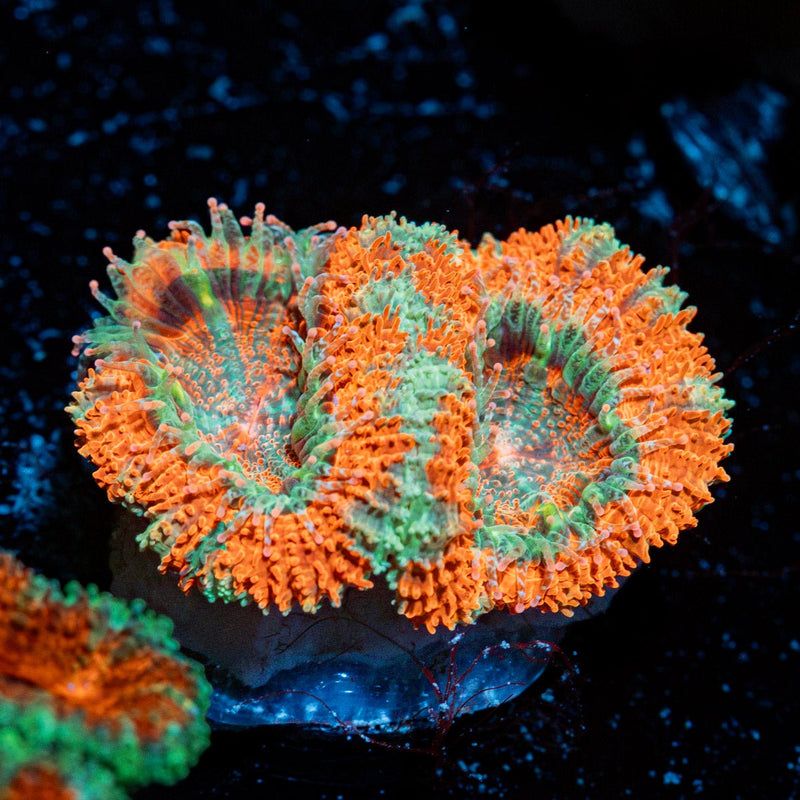
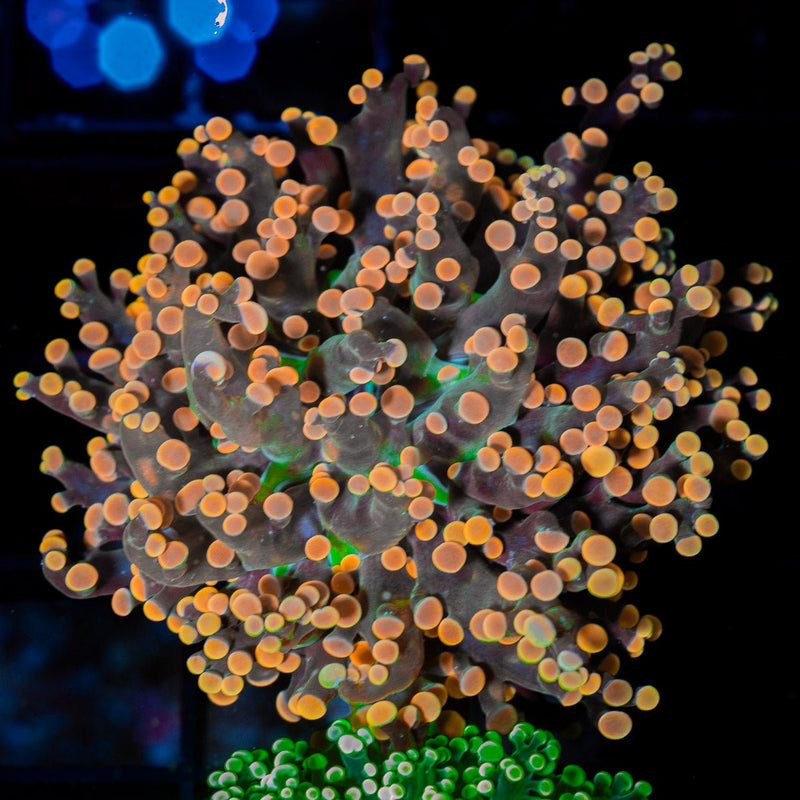
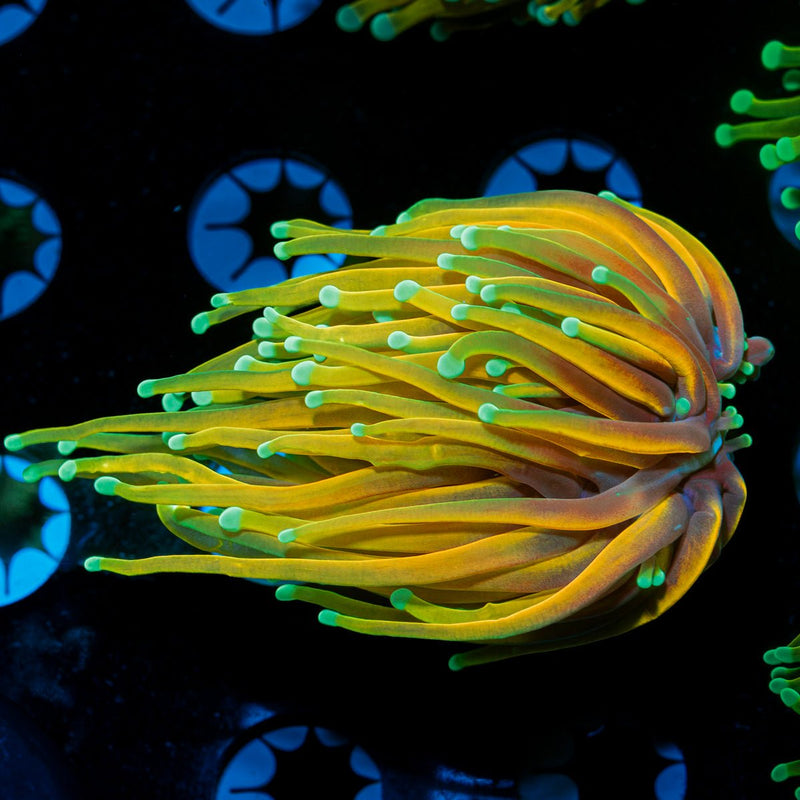
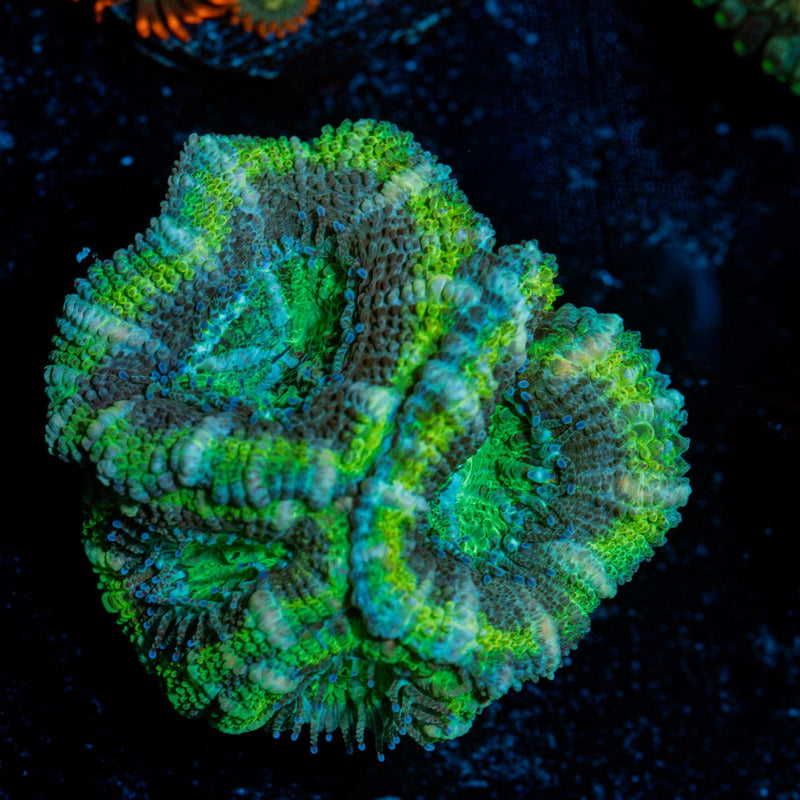
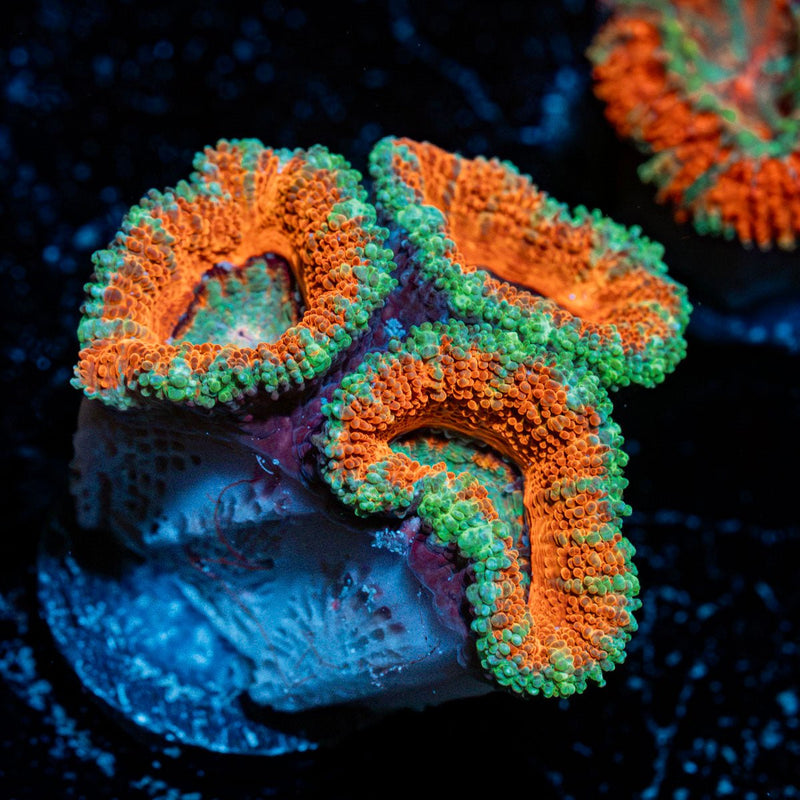
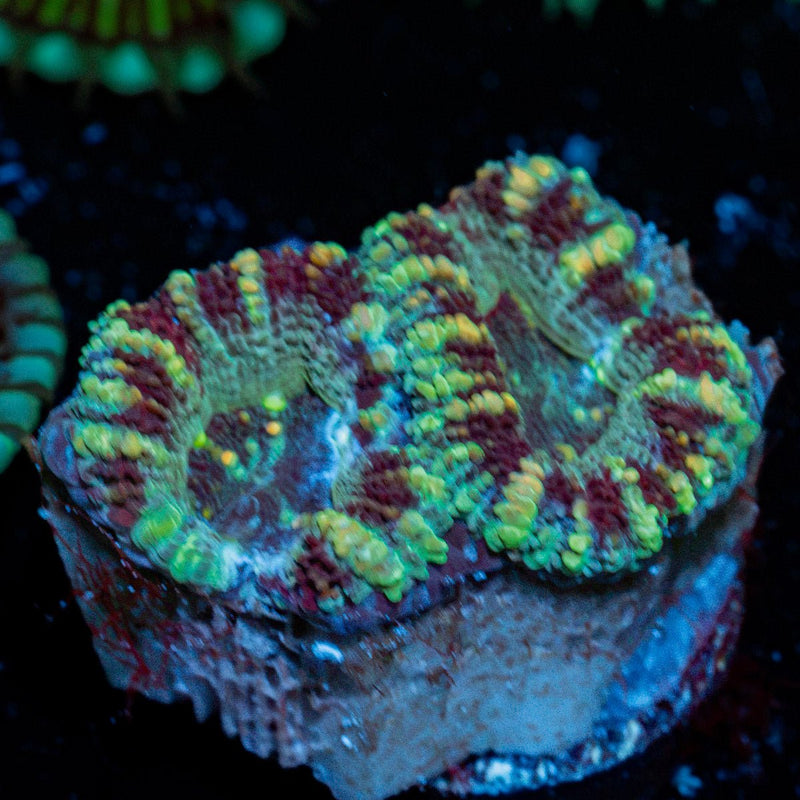
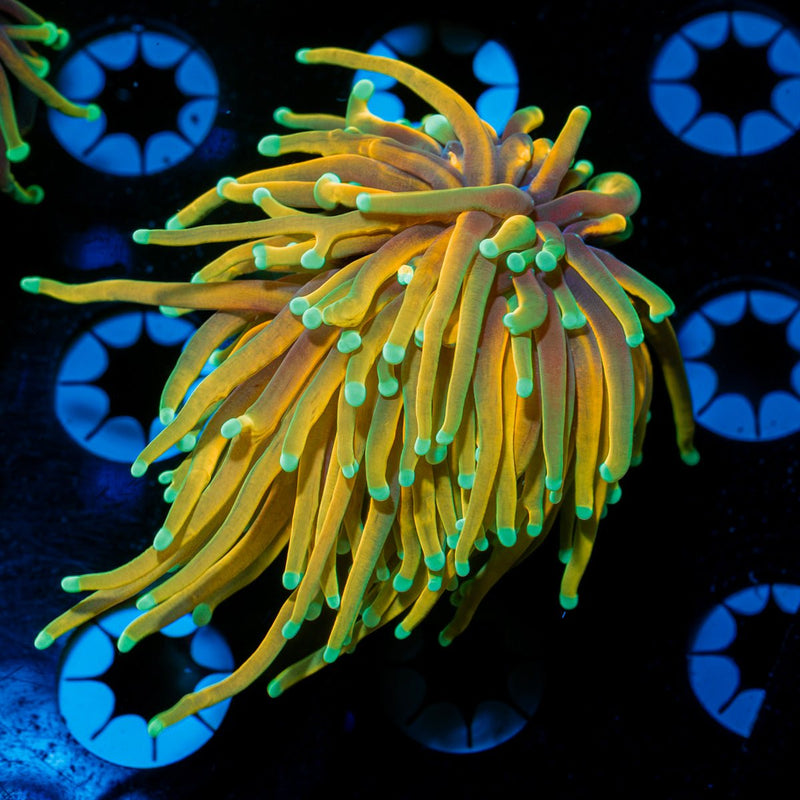
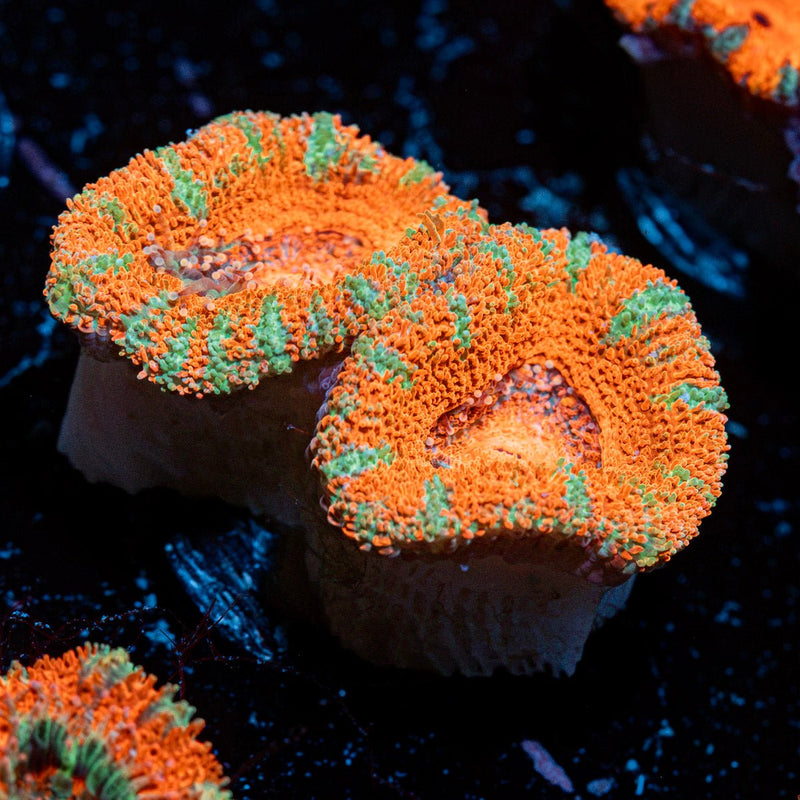
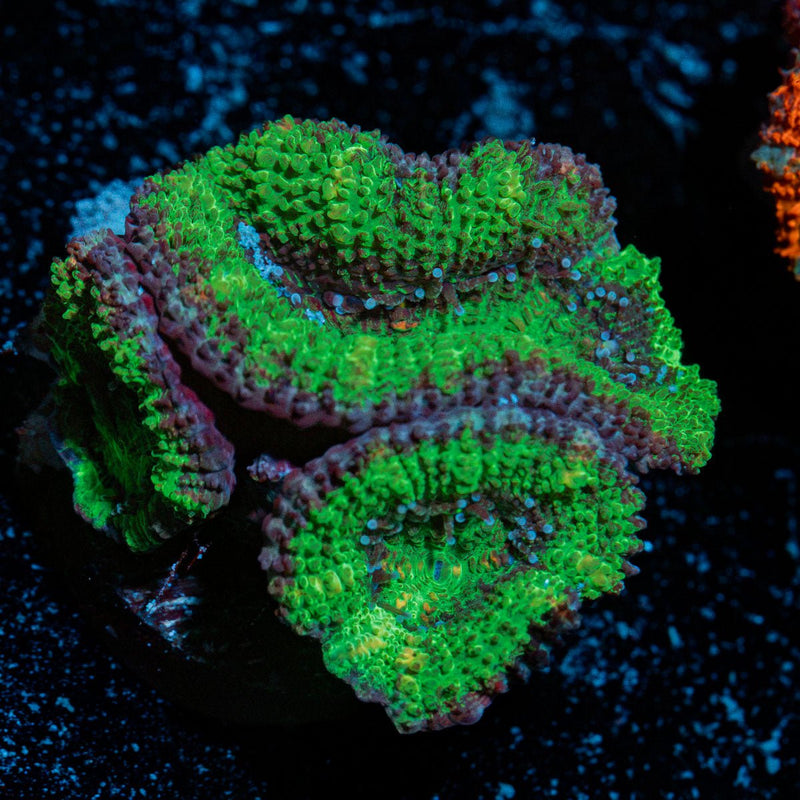
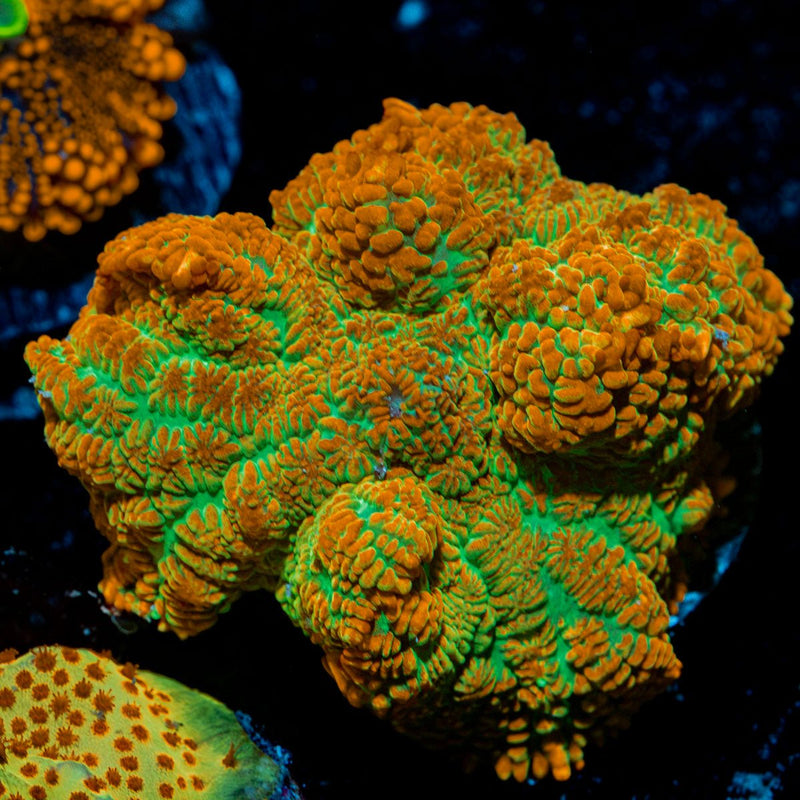
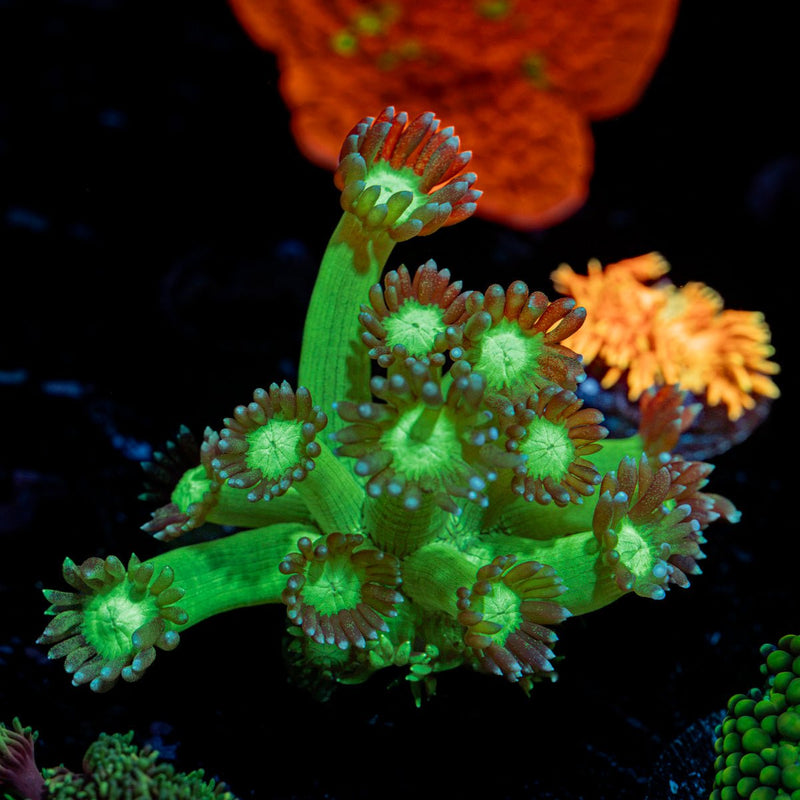
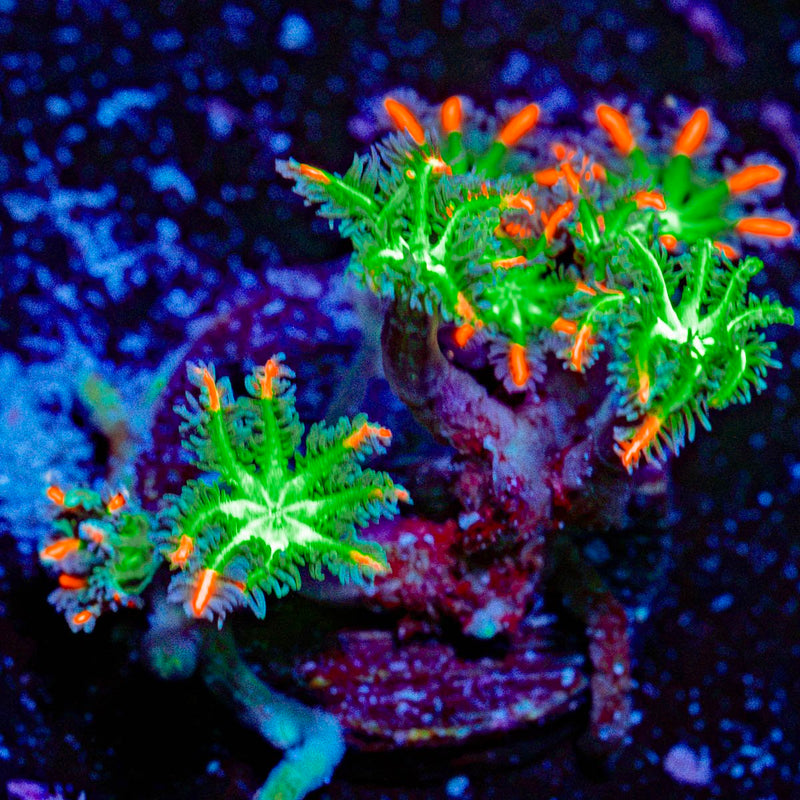
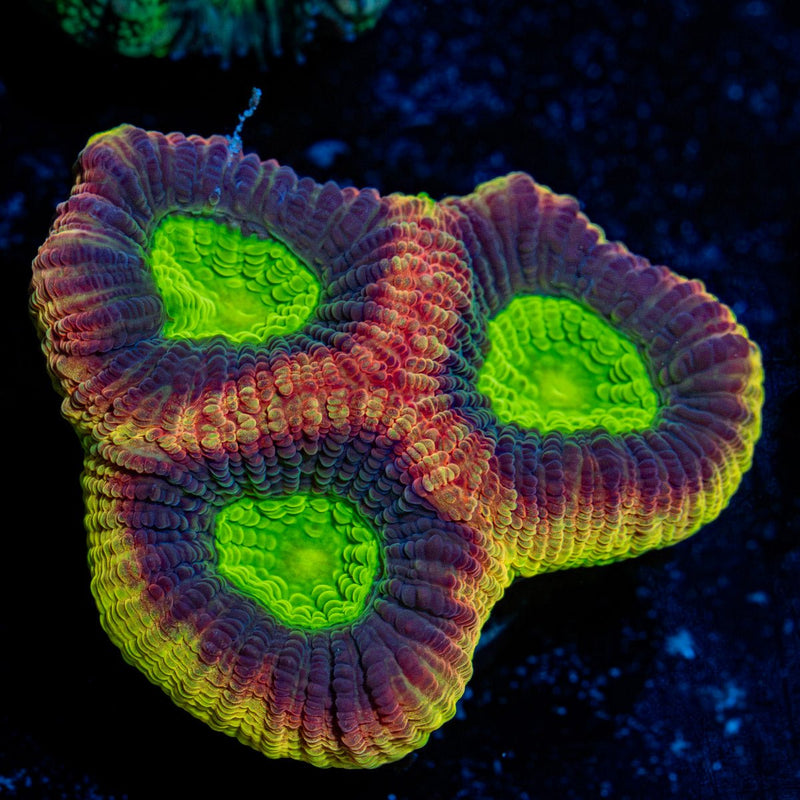
LPS corals bring some of the most recognizable shapes in the hobby. Torches, hammers, and frogspawn add dramatic motion as their tentacles move with the current. Acans and chalices bring dense color, patterned flesh, and a lower profile that works beautifully across rock shelves and sand-adjacent areas.
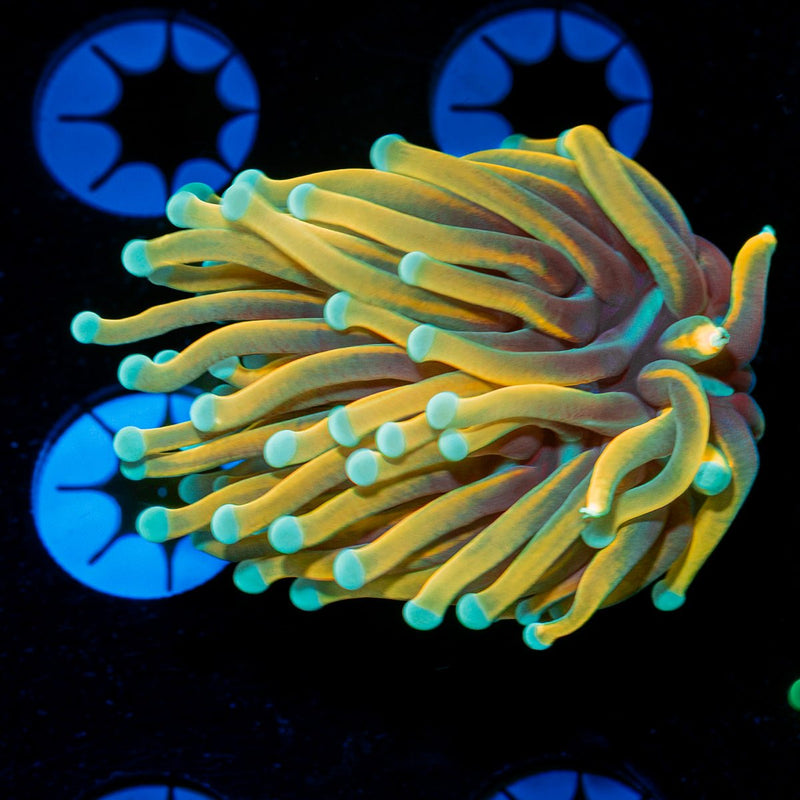
The trade-off with many LPS corals is space. Their tentacles can extend beyond the coral's visible body, particularly after lights dim. A torch coral may look neatly contained during the day, then reach several inches toward a neighboring frag at night. Leave a generous buffer and watch how each coral behaves after it settles in.
Moderate lighting and moderate, indirect flow are a sensible starting point for many LPS selections. Flow should keep tissue gently moving and clear of debris without blasting the coral so hard that polyps stay retracted. Placement can be adjusted over time. A coral that remains withdrawn may need less light, less direct flow, or simply more time to acclimate.
SPS Corals for Established, High-Energy Reefs
SPS corals such as Acropora and Millepora are prized for branching structures, intense color, and the satisfaction of growing a true reefscape from small frags. They are often best suited to established aquariums with dependable alkalinity, calcium, and nutrient management. They also tend to appreciate stronger light and more active, randomized water movement.
That does not mean SPS corals are only for experts. It means consistency matters even more. If your tank is still experiencing frequent parameter changes or you are learning how your lighting performs, beginning with hardy soft corals or LPS can make the process more enjoyable. When the system is stable, an aquacultured SPS frag can be a rewarding next step.
Match Light, Flow, and Placement
Placement is where a beautiful coral purchase becomes a long-term success. Start lower and move upward if the coral needs more light. This cautious approach is especially helpful with freshly shipped frags, which may need time to adjust to a new spectrum and intensity.
High-light areas are often reserved for many SPS corals, while lower ledges and shaded sections can suit mushrooms, some zoanthids, and select LPS. But avoid treating the aquascape like a strict set of zones. Light strength varies dramatically by fixture, mounting height, water clarity, and rock elevation. A PAR meter provides the clearest answer, but careful observation also tells an important story.
Flow should carry food and oxygen to the coral while preventing detritus from settling on its tissue. A random, alternating current usually looks and performs more naturally than a constant direct stream. If a hammer coral is folding tightly against itself or an SPS branch is collecting debris, change the angle or intensity of the pump rather than assuming the coral is the problem.
Buy Frags With Room to Grow
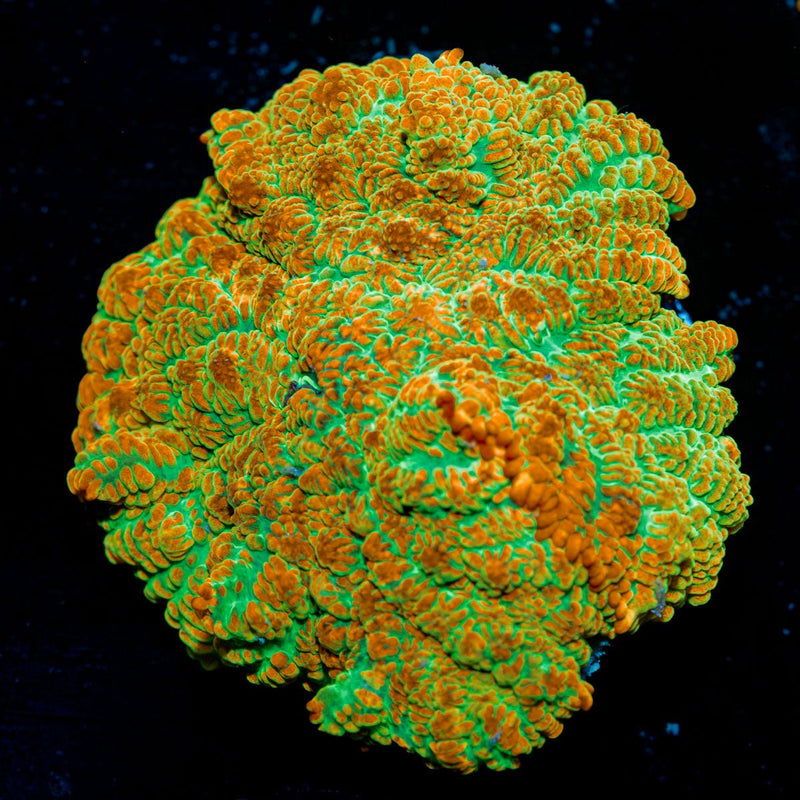
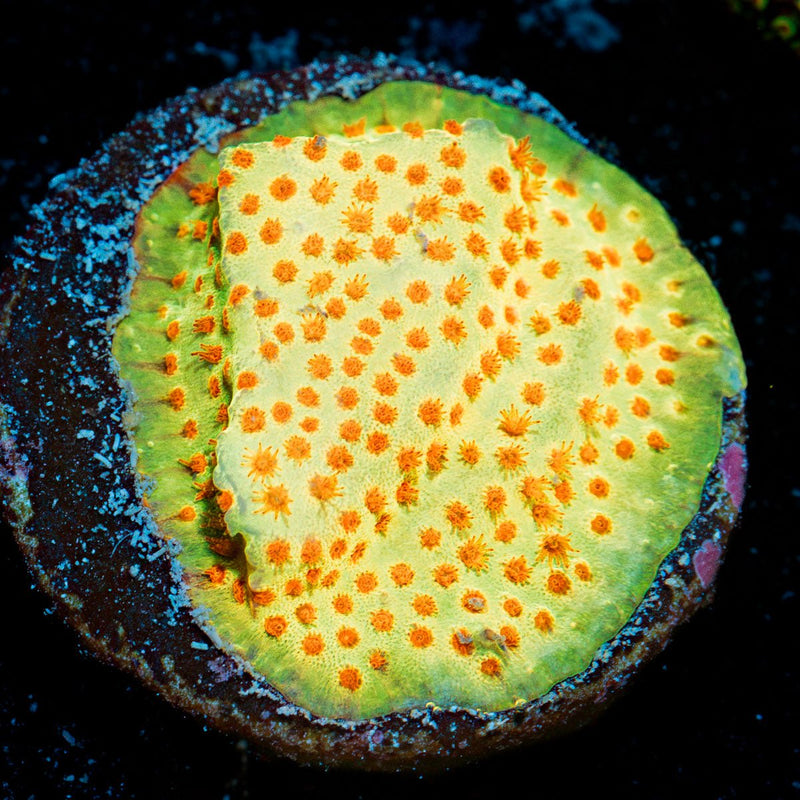
The frag plug is temporary. When choosing coral, picture the colony it can become in one or two years. Branching corals occupy vertical space. Encrusting corals can spread across nearby rock. Chalices grow outward in broad plates, while torches claim space with long tentacles.
A reef with open areas around each frag may look sparse for a few months, but it often becomes more balanced and impressive than a tank packed too tightly from day one. Leave pathways for maintenance, glass cleaning, and fish to move through the aquascape. You will also have room to add that special WYSIWYG showpiece when the right one appears.
Exact-item coral shopping is especially valuable when color and form matter. With a WYSIWYG specimen, you can choose the precise coral you want rather than relying on a general representation. That confidence matters for premium pieces, unusual patterns, and frags intended to become a focal point in the display.
Acclimate for a Strong Start
A healthy coral still needs a calm introduction to its new aquarium. Float the sealed bag to equalize temperature, then follow the seller's acclimation guidance. Inspect the frag carefully before placement and remove any unwanted material from the plug if appropriate for the coral and your process.
Light acclimation deserves patience. Reduce intensity, use an acclimation mode, or begin the frag in a lower position before moving it higher over several days or weeks. There is no universal schedule because every fixture and coral differs. Watch for signs such as tissue color, polyp extension, and whether the coral remains open during its normal active period.
Avoid making several major changes at once. If you change the light schedule, move a coral, increase flow, and adjust alkalinity on the same day, it becomes difficult to know what caused a reaction. Small, measured adjustments protect both the new frag and the established reef.
Build a Collection With Intention
The most memorable reef tank corals do more than look good under blue lights. They create contrast in shape, motion, and color. Pair a branching coral with a rounded mushroom colony. Use a bright zoanthid garden near a textured chalice. Let one or two larger LPS pieces serve as anchors instead of filling every surface with similar frags.
Aquacultured corals are a smart choice for hobbyists who value reef-safe sourcing and specimens adapted to aquarium life. They also make it easier to build a collection at your own pace, whether you are choosing beginner-friendly color or adding a rare WYSIWYG piece to a mature display.
Give each new coral space, stable water, and time to settle. A reef built with patience has a way of rewarding you every day - not just when the frag first arrives, but when it becomes part of a thriving, vibrant home reef.