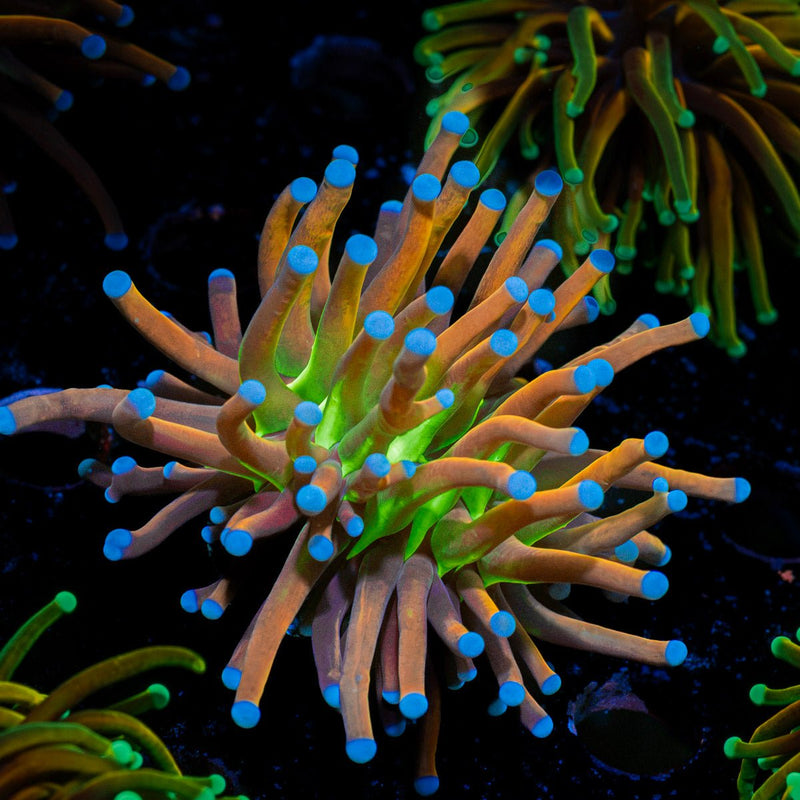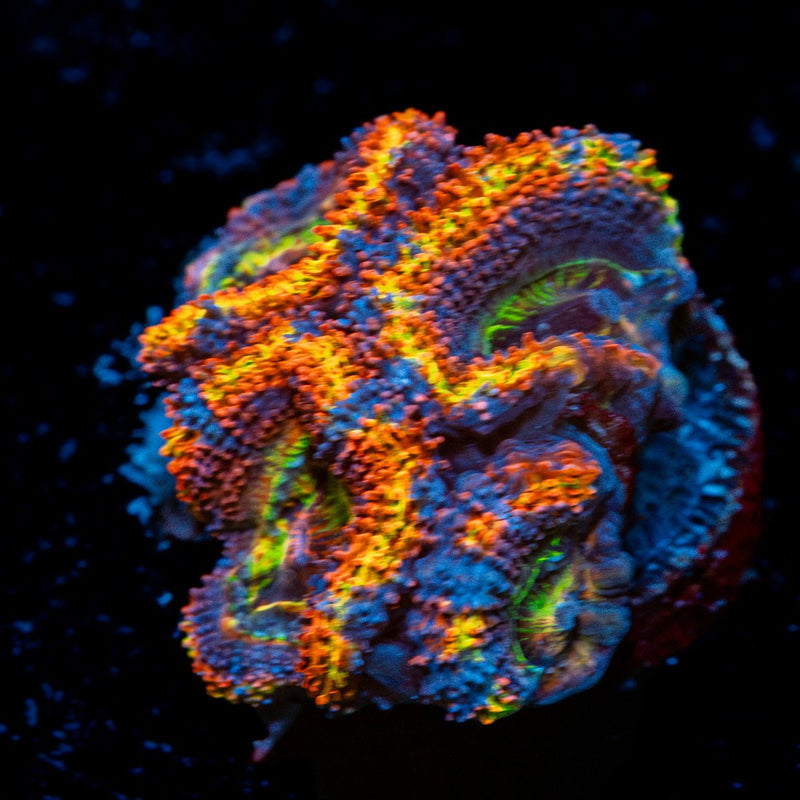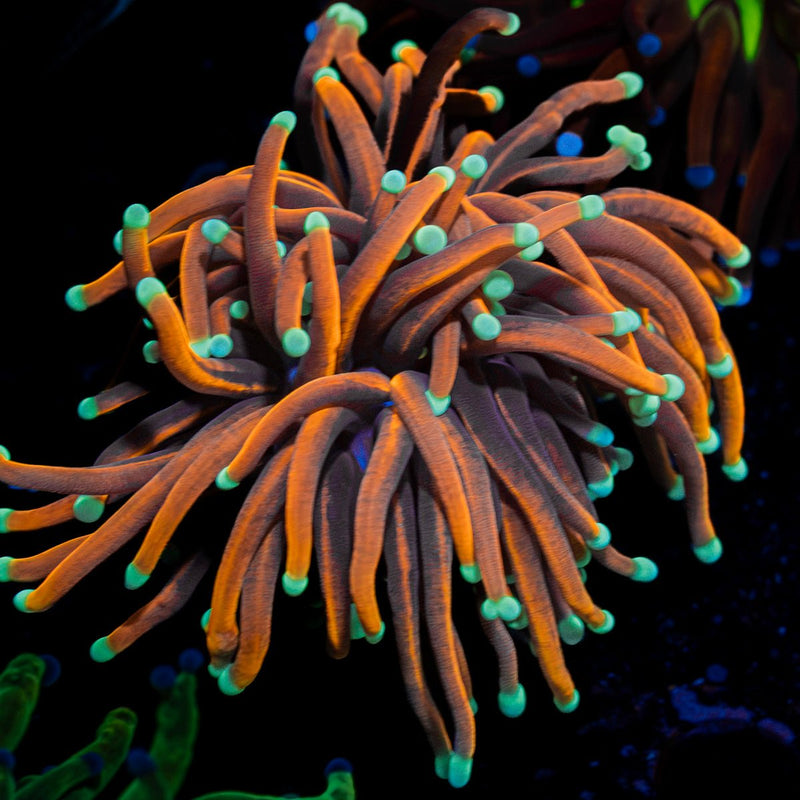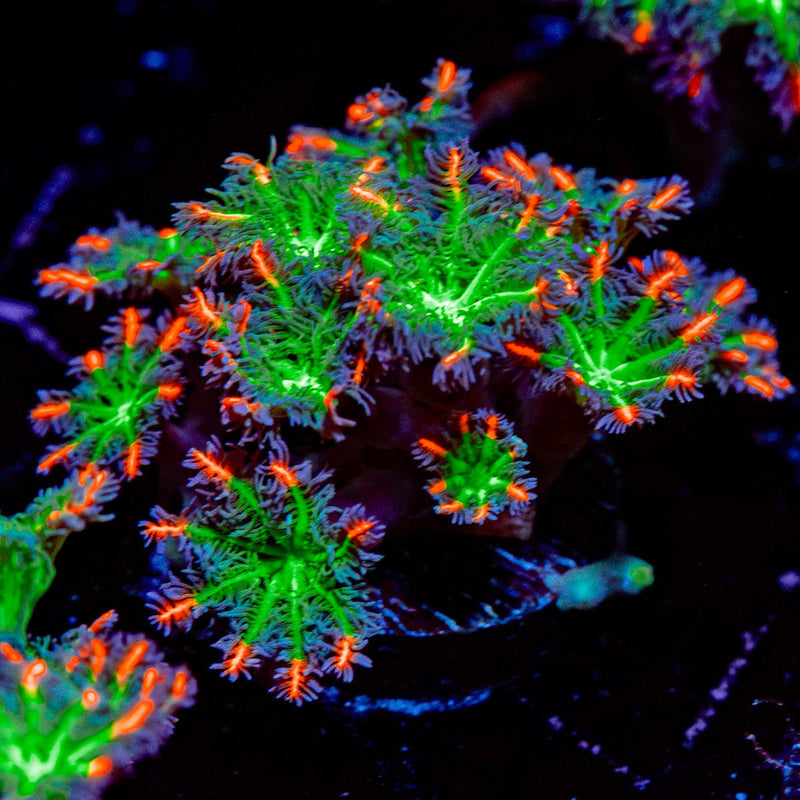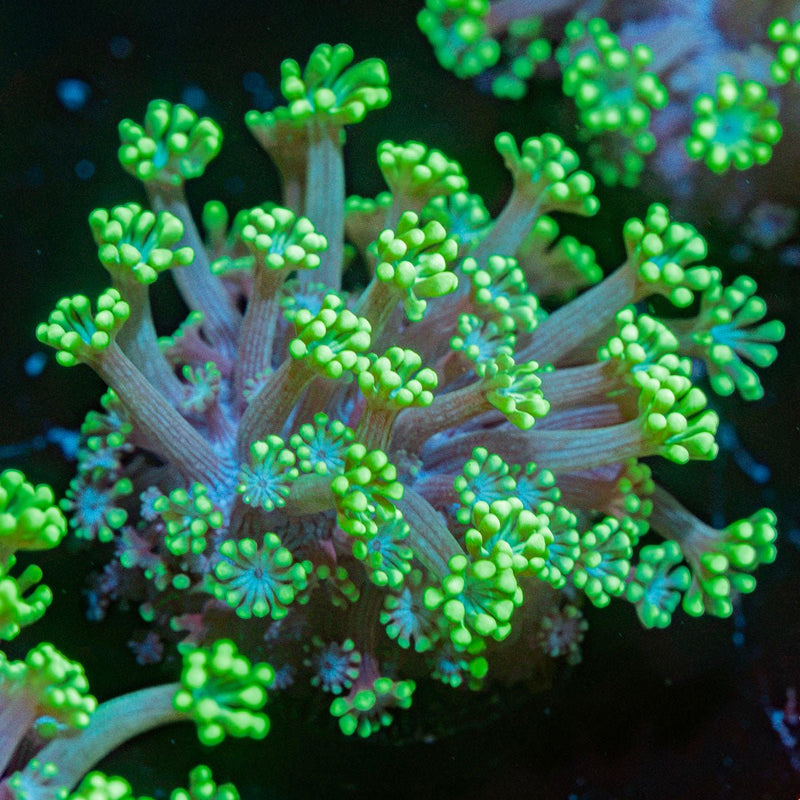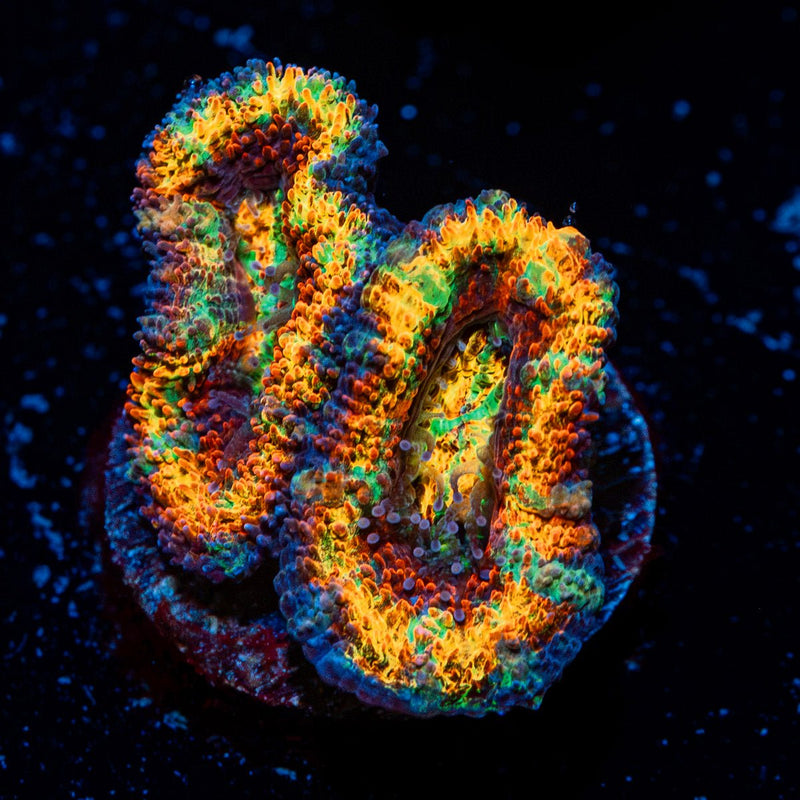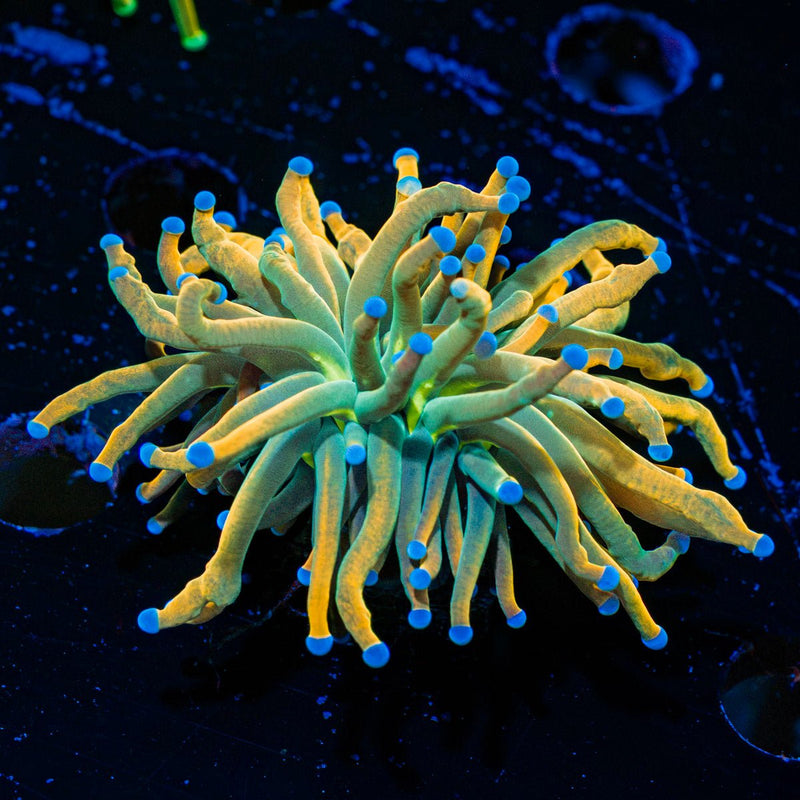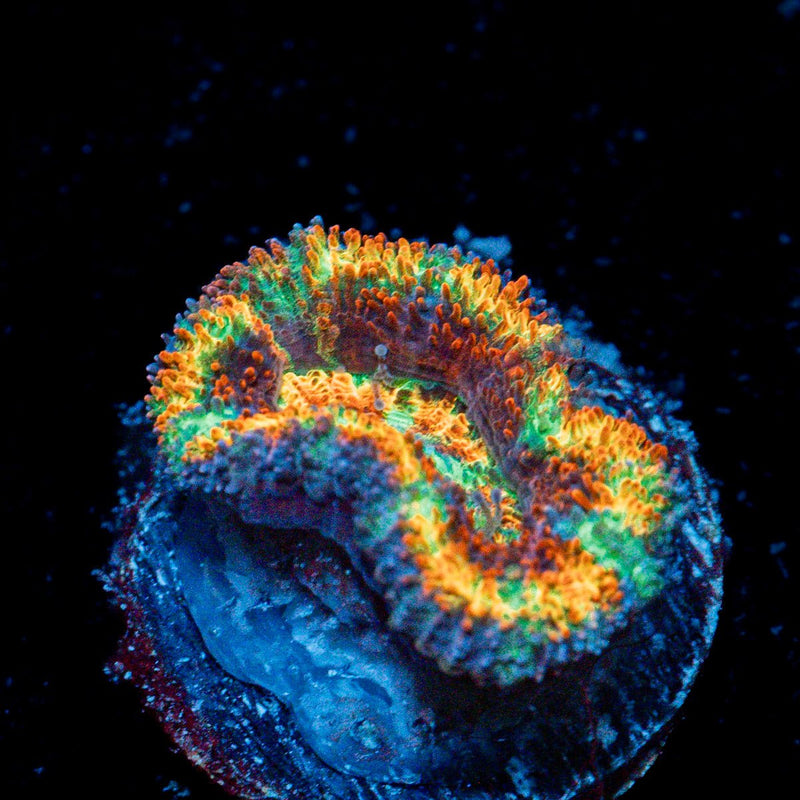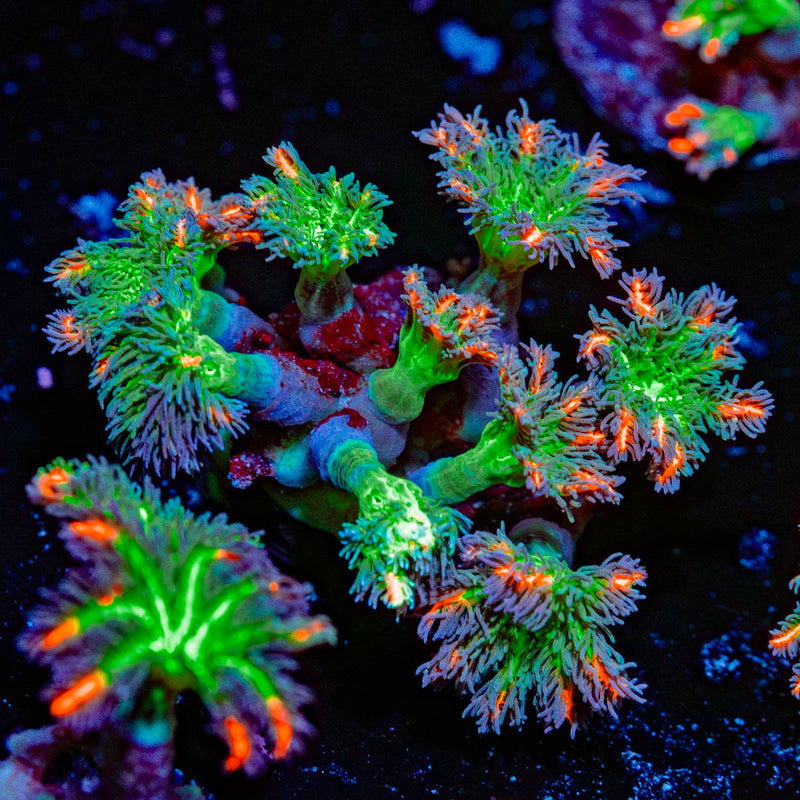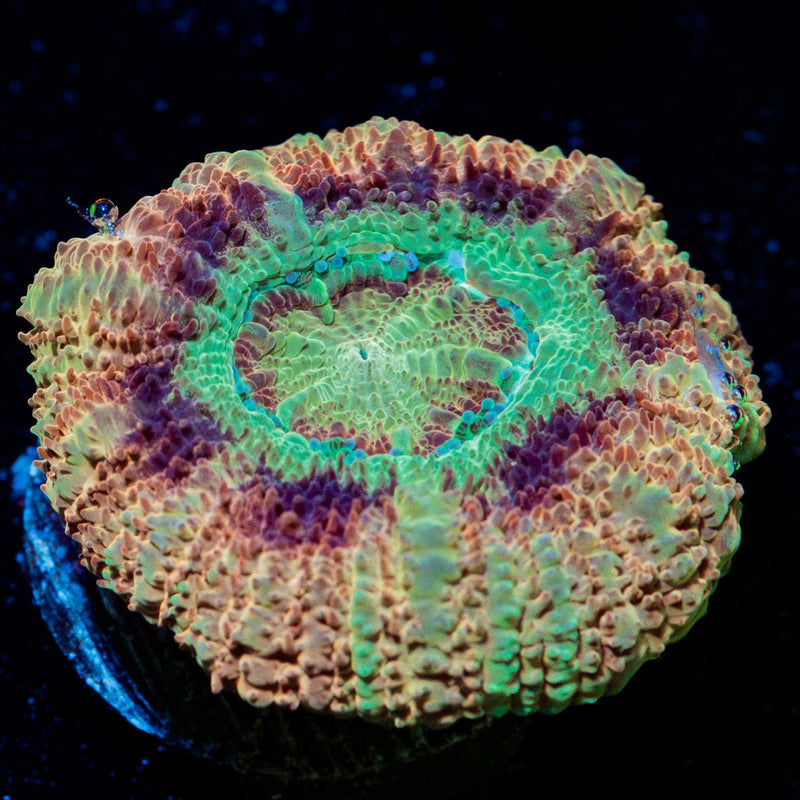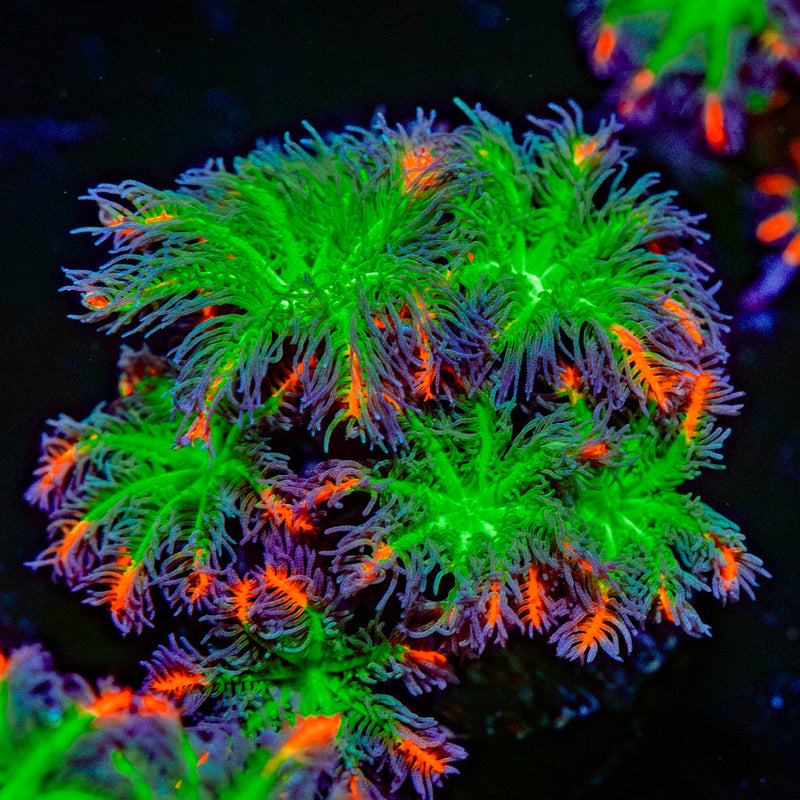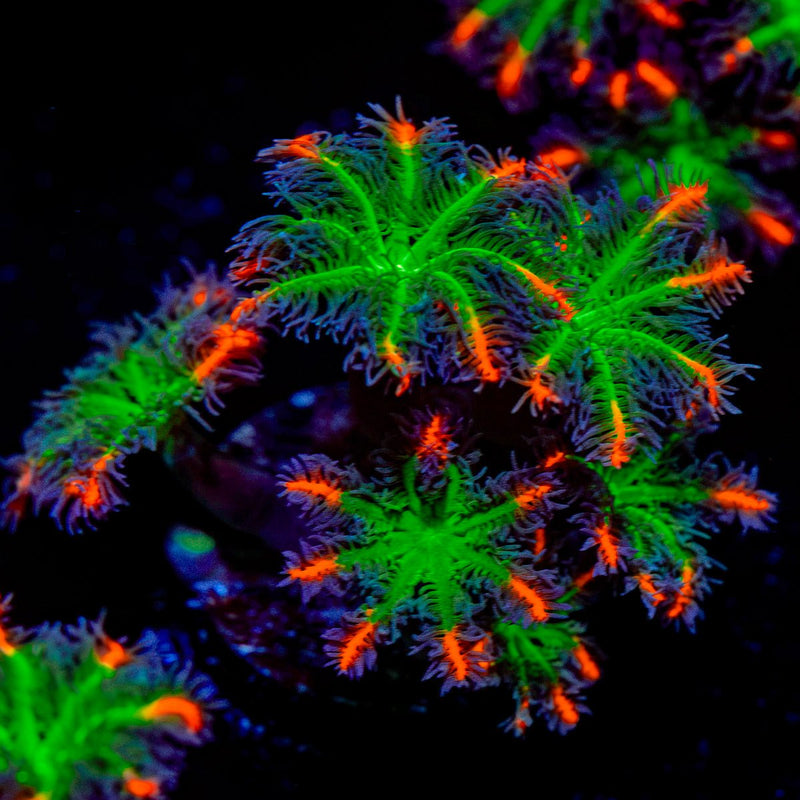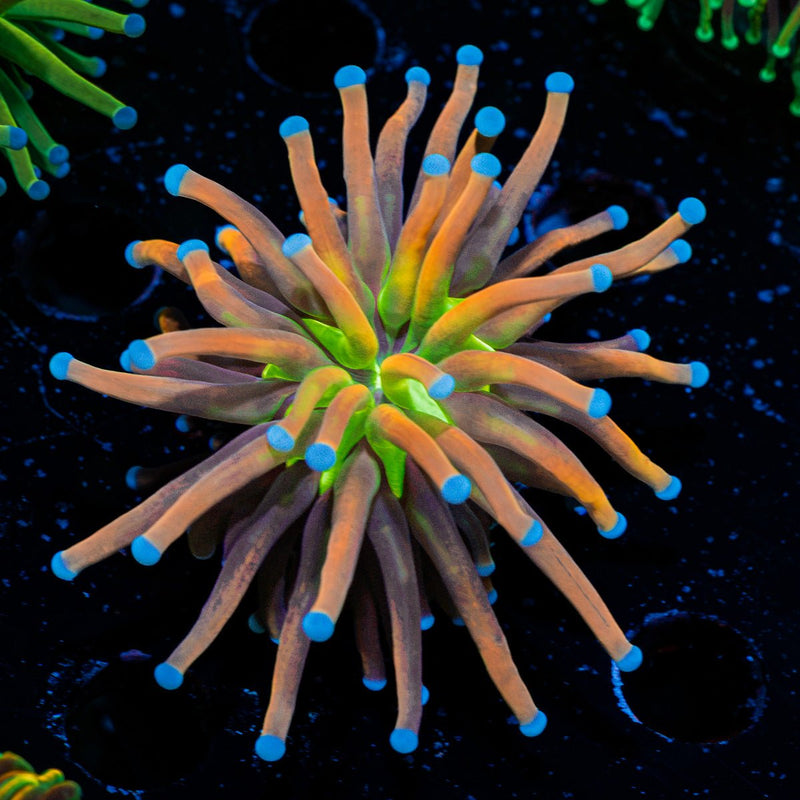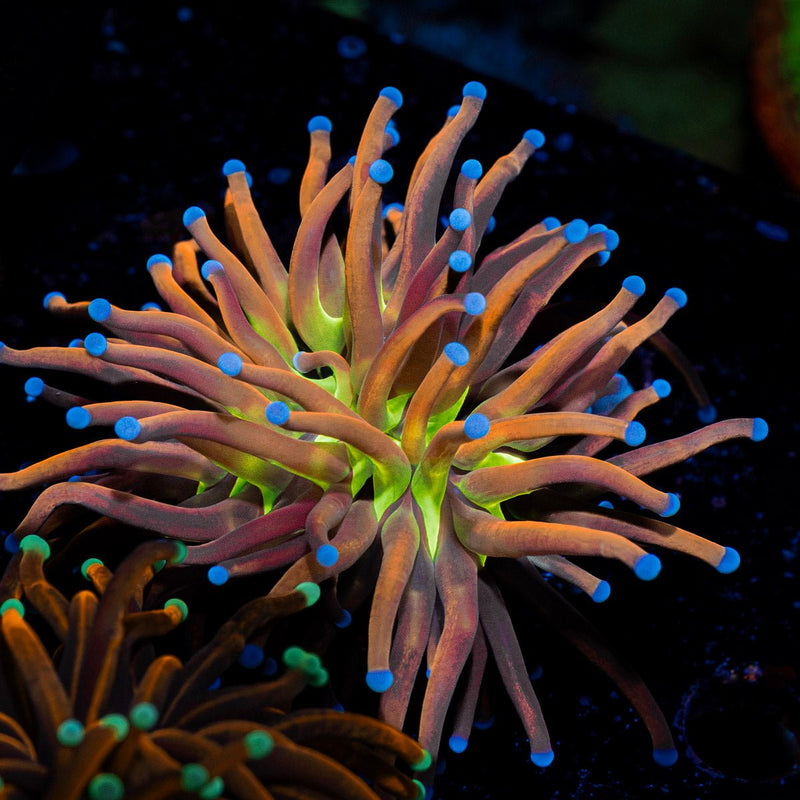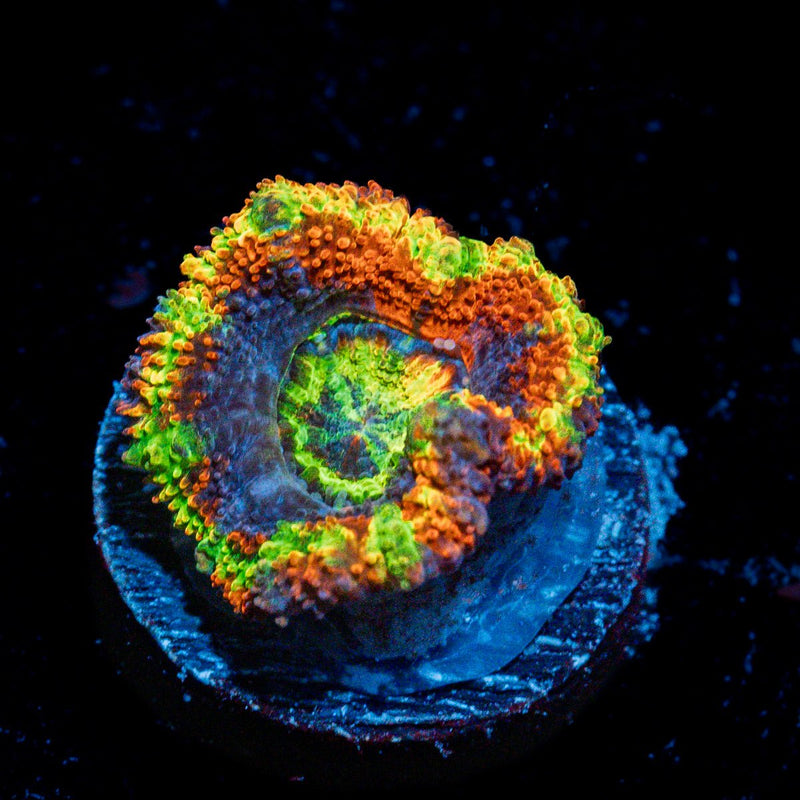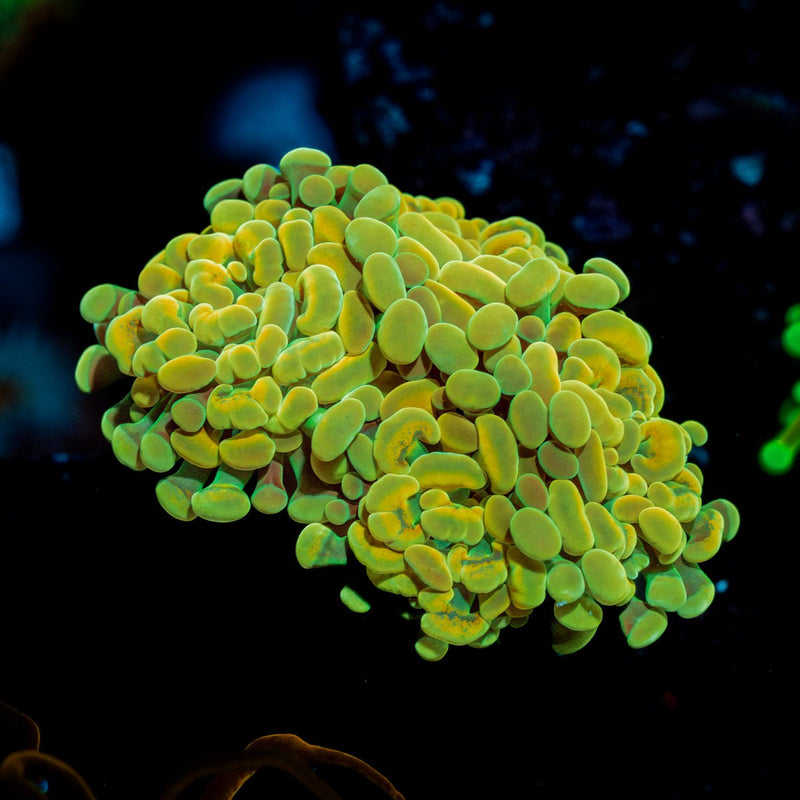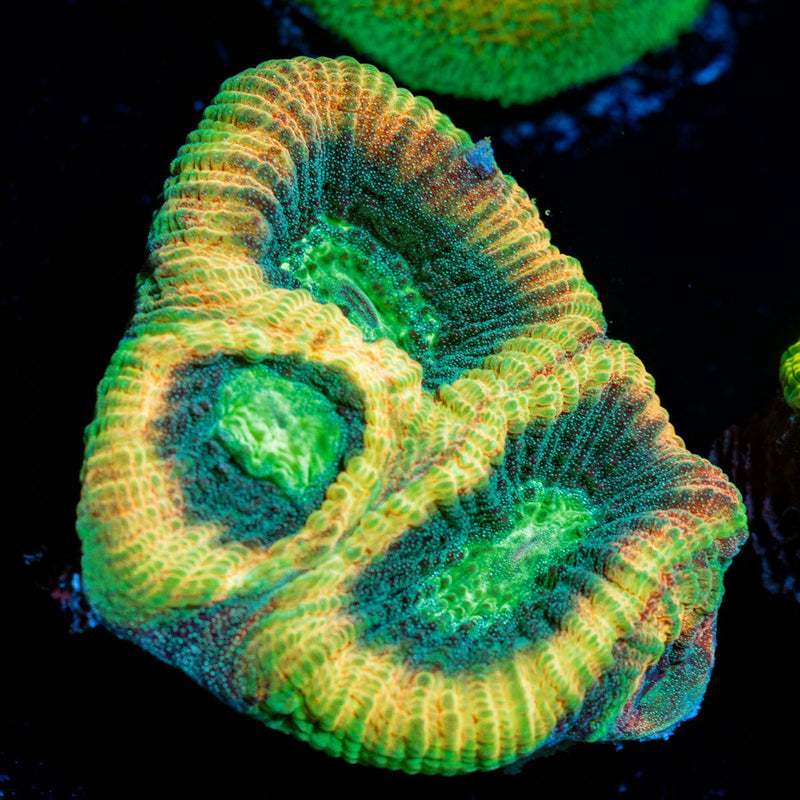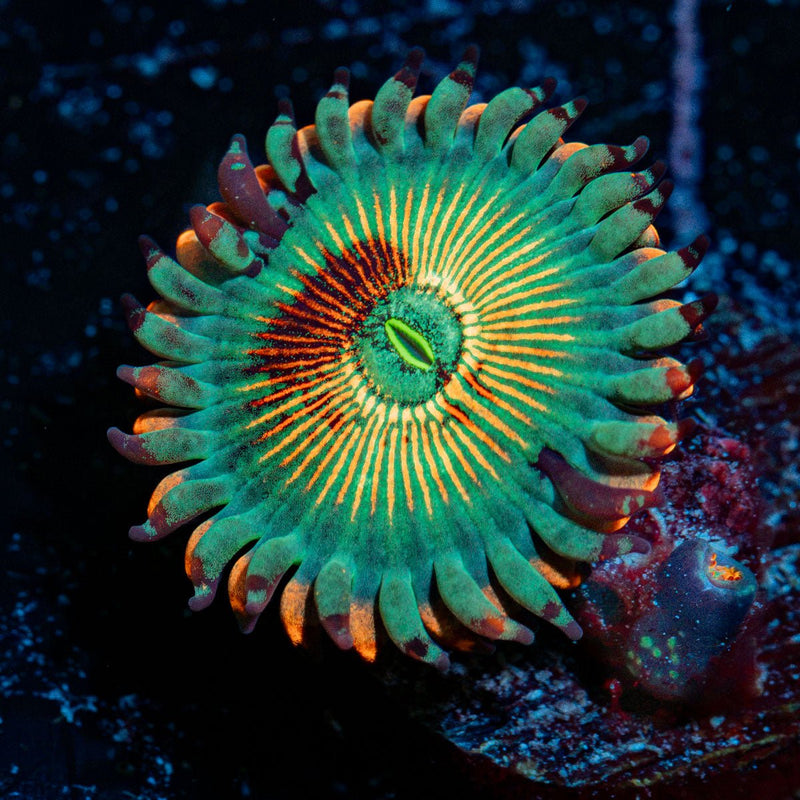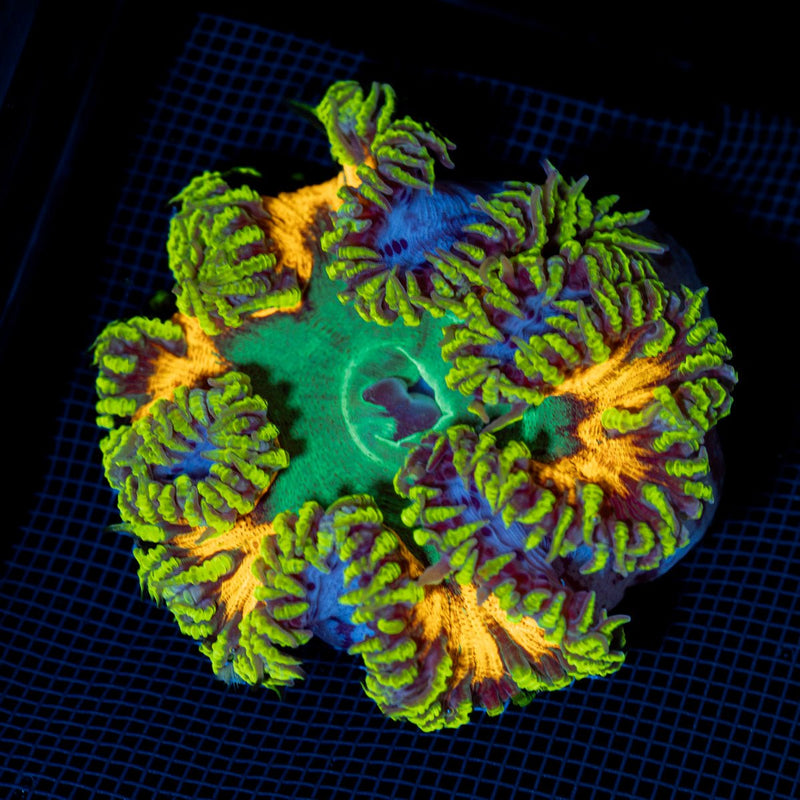
A torch coral with flowing tentacles can turn an ordinary rockscape into a showpiece. A bright acan colony can add rich texture to the lower reef. But the coral that looks best in a photo is not always the best coral for your tank. Knowing how to select LPS corals means choosing living jewels that suit your system, your available space, and the level of care you can provide consistently.
LPS, or large polyp stony corals, are favorites for good reason. Many offer bold color, noticeable movement, and a more forgiving reputation than demanding SPS corals. That said, LPS is a broad category. A gentle acan, a sweeping torch, and a large, fleshy Trachyphyllia have very different needs. The right selection starts with the tank you already have, not simply the empty spot you want to fill.
Start With a Stable Reef, Not a Wishlist
LPS corals can tolerate a range of conditions, but they respond best to stability. Before adding one, make sure your aquarium has reliable salinity, temperature, alkalinity, calcium, and nutrient levels. Chasing perfect numbers from week to week is usually less helpful than maintaining reasonable numbers without sudden swings.
A mature reef with predictable lighting and flow gives new frags a far better chance to settle in. If your tank is newly cycled, still experiencing algae blooms, or showing frequent parameter changes, waiting can save you from an expensive and disappointing loss. LPS corals are approachable, but they are still sensitive animals with a calcium carbonate skeleton and fleshy tissue that can be stressed by unstable water.
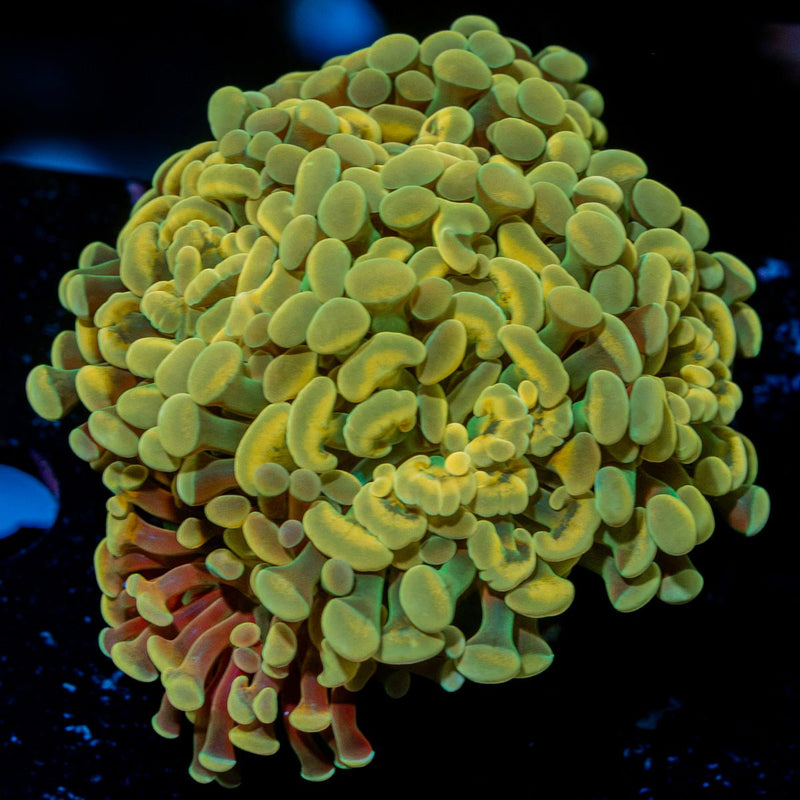
Think about placement before you buy. Measure the open areas of your rockwork and sandbed, then account for the coral's future size. A small frag can become a substantial colony, especially with Euphyllia species such as torches, hammers, and frogspawn. Planning room for growth is one of the easiest ways to keep a colorful reef from becoming a crowded coral traffic jam.
How to Select LPS Corals by Care Style
Rather than treating all LPS corals as interchangeable, choose a group that matches your reef's flow, lighting, and maintenance style.
For gentle movement and a dramatic centerpiece
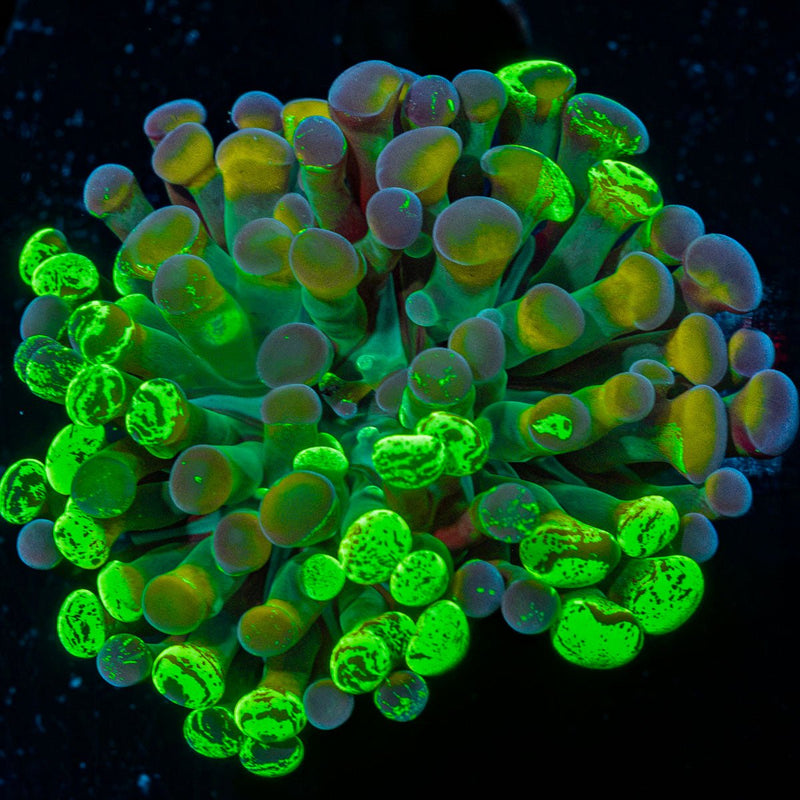
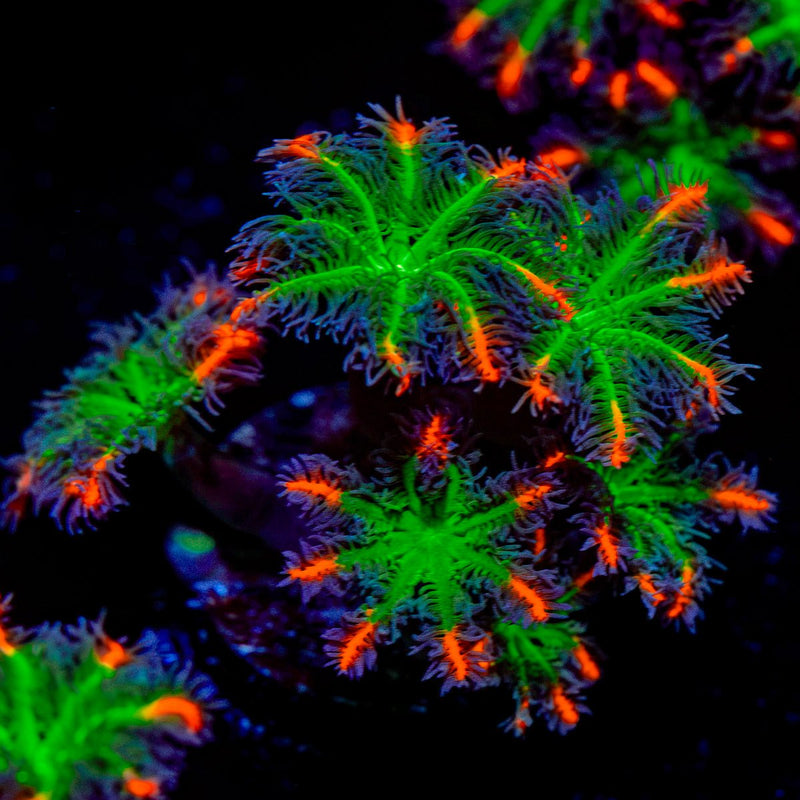
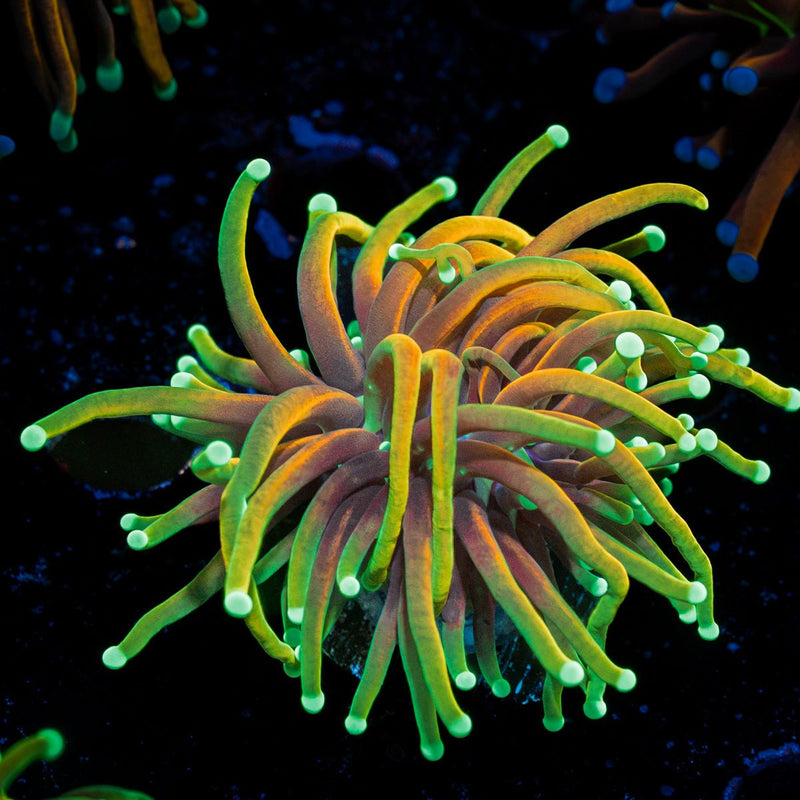
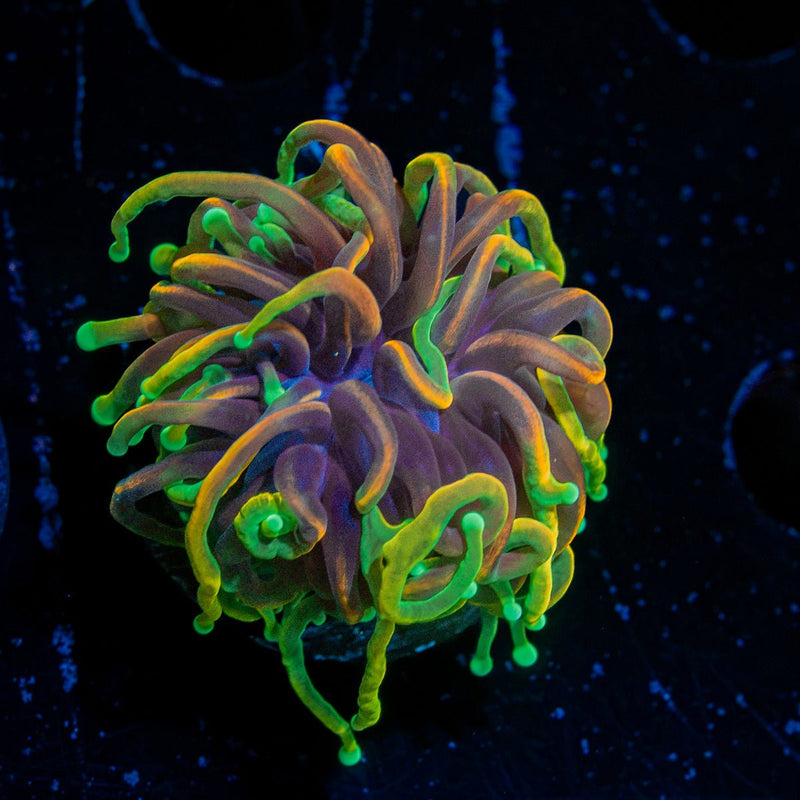
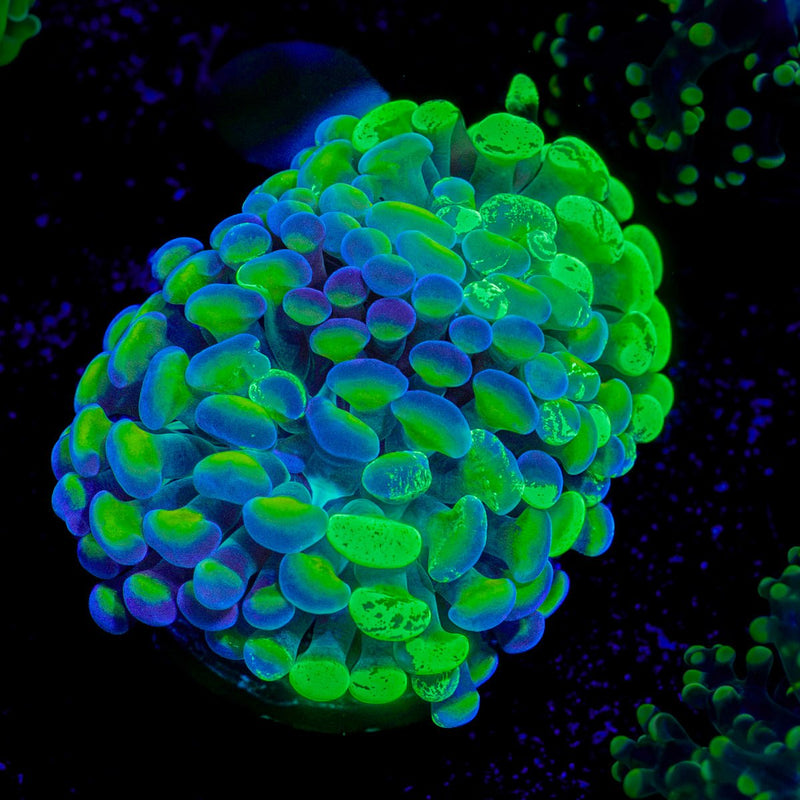
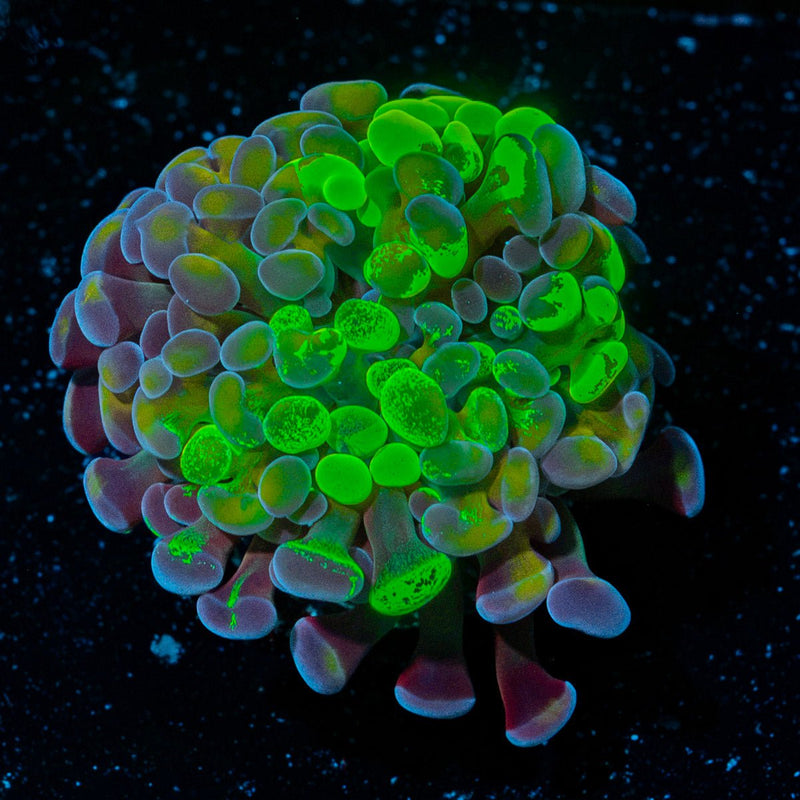
Torches, hammers, and frogspawn bring the movement many reef keepers want most. Their long or branching tentacles create a soft, natural motion under moderate, indirect flow. They are stunning, but they need room. Euphyllia can extend well beyond the size of their skeleton and may sting nearby corals, particularly at night.
These corals generally prefer moderate lighting and moderate, varied flow. A direct blast from a powerhead can keep polyps retracted or damage tissue. At the same time, stagnant water allows detritus to settle around the coral. Aim for tentacles that sway rather than whip violently in one direction.
For a colorful, beginner-friendly lower reef
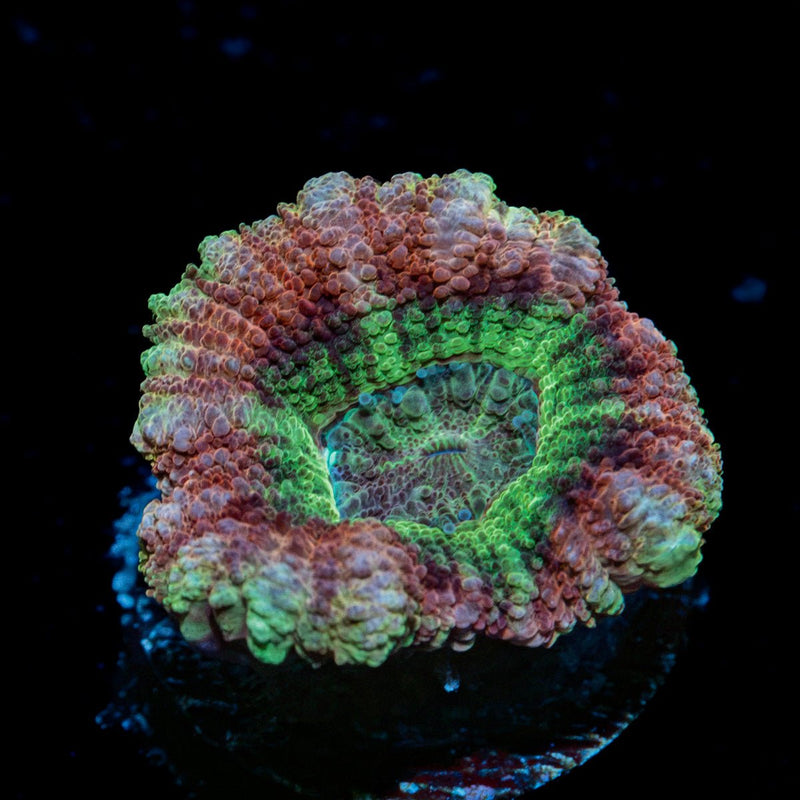
Acans, often sold under Micromussa names, are popular for their rich color patterns and manageable placement. They usually do well in lower to moderate light with gentle to moderate flow. Their fleshy polyps make them easy to appreciate from the front glass, and they can be excellent choices for hobbyists building their first collection of LPS corals.
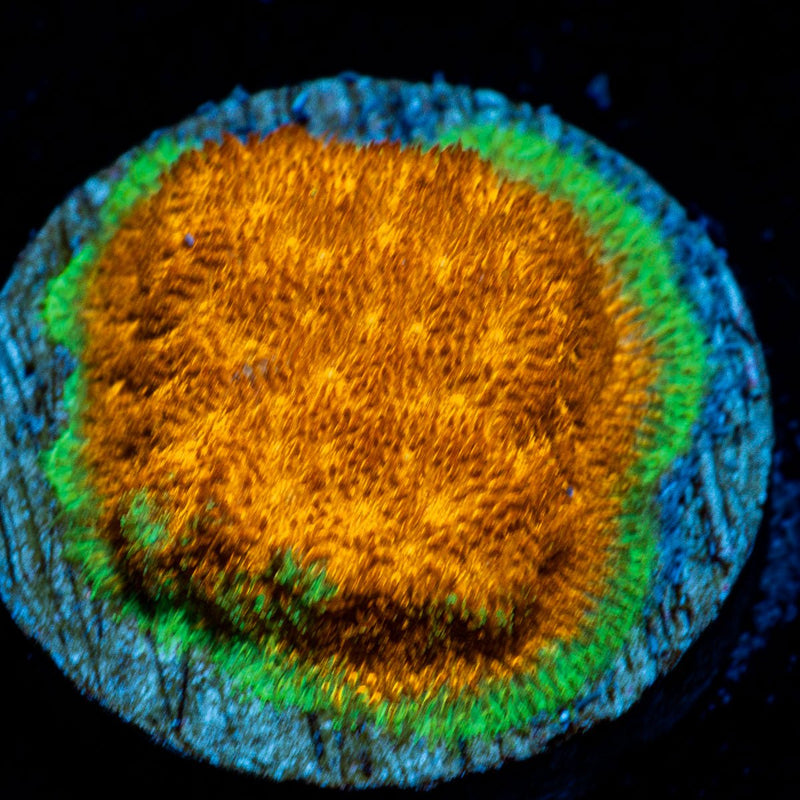
Favias and similar encrusting or dome-forming LPS offer another practical option. They tend to have a tidy growth habit compared with long-tentacled Euphyllia, although they can still send out sweeper tentacles after lights-out. Give them a reasonable buffer from neighbors and let their color develop under stable conditions rather than moving them repeatedly in search of the perfect spot.
For an open sandbed showpiece
Trachyphyllia, scolymia, and other large solitary LPS can make an open sandbed feel intentional rather than empty. Their broad, fleshy tissue and saturated colors draw the eye immediately. These corals should rest on clean sand or a stable, smooth surface where sharp rock cannot rub or tear their tissue.
Sandbed corals are not automatically low-flow corals. They still need enough water movement to prevent debris from settling on them, but they should not be battered by a focused stream. Their placement also needs to be protected from burrowing fish, tumbling rocks, and hungry cleanup crew members that may disturb their tissue.
Inspect Coral Health Before Choosing Color
Color matters. It is part of the joy of keeping a reef. Still, a healthy coral with slightly subtler coloration is usually a better purchase than a stressed coral with an eye-catching name.
When evaluating an LPS coral, look for full, responsive tissue and a clean transition where tissue meets skeleton. Inflation varies by species and time of day, so a coral does not need to look maximally expanded in every image. What you want to avoid is obvious recession, exposed white skeleton where tissue should be present, torn flesh, brown jelly-like material, or a mouth that appears severely and persistently gaping.
For branching Euphyllia, inspect the heads and the area around the skeleton. For acans and favias, look for intact flesh over the colony and clear, healthy-looking polyp structure. A little natural variation is normal. Damage, bare areas, or a coral that appears to be melting away are not.
Aquacultured corals are especially appealing because they have already been grown in aquarium conditions. They are accustomed to captive systems, and their care history is generally more relevant to your reef than a coral collected from a very different natural environment. That does not eliminate the need for acclimation and careful observation, but it can add confidence to the selection.
Match Lighting and Flow to the Coral, Then Acclimate
A common mistake is moving a new LPS coral directly into the brightest, most visible place in the aquarium. More light does not always mean more color or faster growth. Too much light too quickly can cause bleaching, tissue contraction, or a coral that simply refuses to open fully.
Most LPS corals are comfortable under low to moderate lighting, while some can adapt to stronger light over time. The detail that matters is acclimation. Start a new coral lower in the tank or in a partially shaded area, then watch its response over the following days and weeks. If it is reaching, browning, fading, or staying tightly closed, reassess placement rather than making several major changes at once.
Flow should be equally intentional. LPS corals need enough circulation to carry away waste and deliver food, but their large tissue is easily irritated by constant direct force. Random, indirect movement is often the sweet spot. If a coral is collecting debris, increase nearby circulation gently. If tissue is being pushed hard against sharp skeleton, reduce or redirect the flow.
Buy the Exact Coral With Confidence
For a visually driven hobby, exact-item selection matters. WYSIWYG, or what you see is what you get, photography lets you choose the individual frag or colony you will receive rather than a general representative image. That is particularly valuable for LPS corals, where color pattern, polyp count, branching shape, and size can vary from piece to piece.
When comparing WYSIWYG pieces, consider more than the brightest photo. Look at the frag size, the number of heads or polyps, the condition of the tissue, and whether the coral's shape suits your intended placement. Ask yourself how it will look from the viewing angle of your aquarium, not only under heavily blue lighting in a product image.
At Riptide Aquaculture, curated aquacultured selections and exact-item presentation can help remove much of the guesswork from buying coral online. Your job is to choose a piece that is exciting now while still making sense for your reef six months from now.
Leave Space for Growth and Coral Boundaries
Every coral purchase changes the chemistry and physical layout of a reef. LPS corals can be surprisingly assertive neighbors. Torches often need the widest safety zone because their tentacles can reach far beyond their heads. Favias may look compact during the day but extend sweepers after dark. Even peaceful-looking acans benefit from a little breathing room.
Do not mount a new frag tightly against another coral just because both look small today. Give each piece open real estate and plan a path for maintenance. You should be able to clean around the frag, inspect it for pests or tissue problems, and move it if its response shows that the first placement was not ideal.
Think Beyond the First Purchase
The best LPS selection often comes from choosing a small group that creates contrast. Pair movement with texture, or add a warm orange acan near a cool-toned hammer. A sandbed showpiece can balance a rockwork-heavy layout. Build in layers instead of buying several corals with identical shapes and colors.
Budget for coral care, too. A healthy reef depends on quality saltwater, testing supplies, stable equipment, and a safe acclimation process. Feeding can support many LPS corals, especially fleshy species, but it should complement stable water quality rather than replace it. Heavy feeding without nutrient control can create problems that affect the whole aquarium.
The most rewarding LPS corals are not necessarily the rarest or most expensive pieces. They are the corals that open confidently, grow into their space, and make your reef feel more alive each time the lights come on. Choose with patience, give each new frag room to settle, and let your collection become more vibrant one healthy coral at a time.