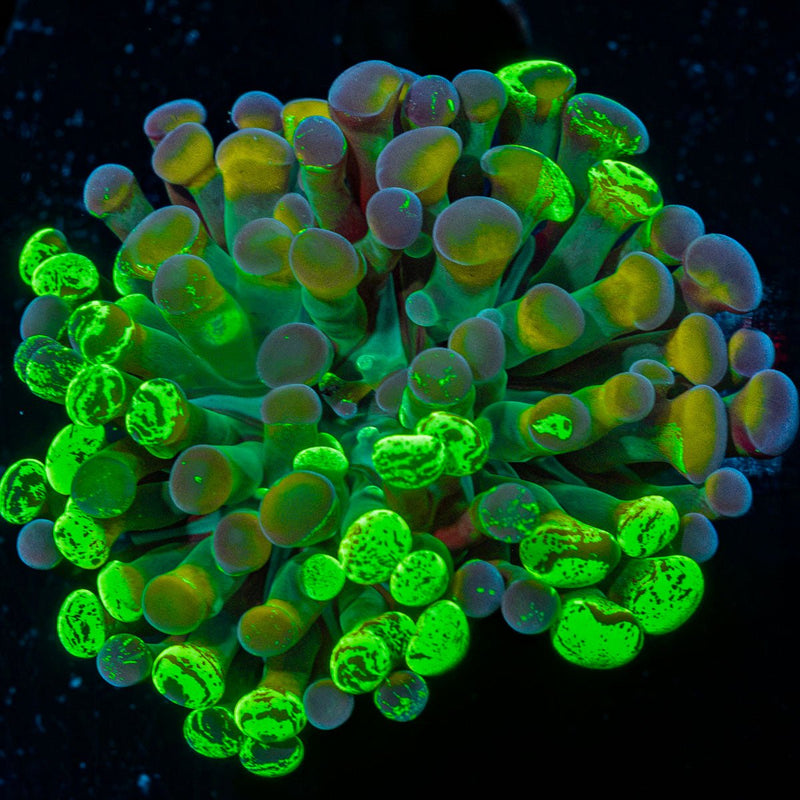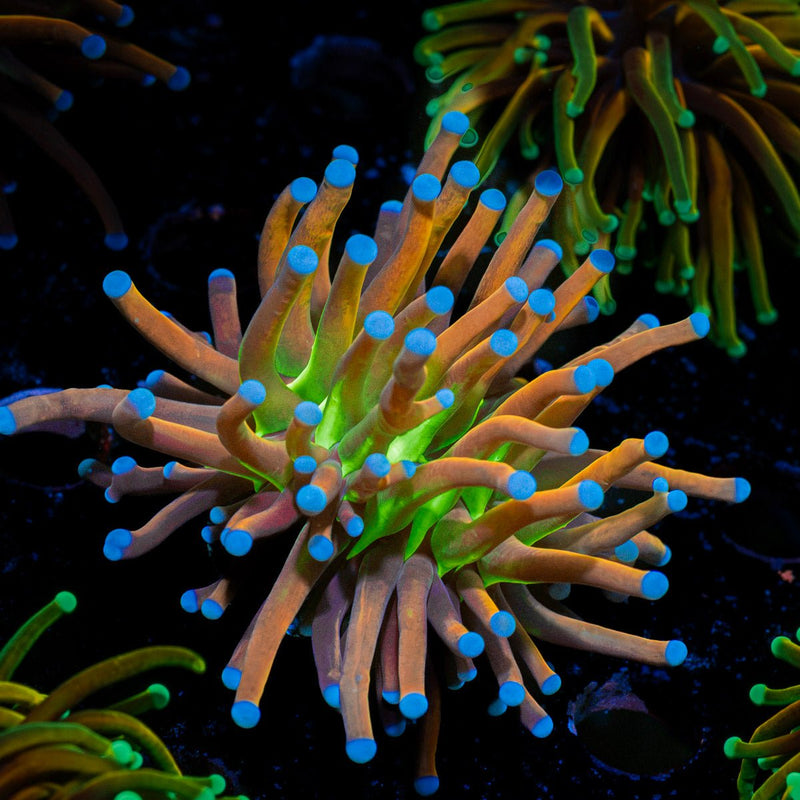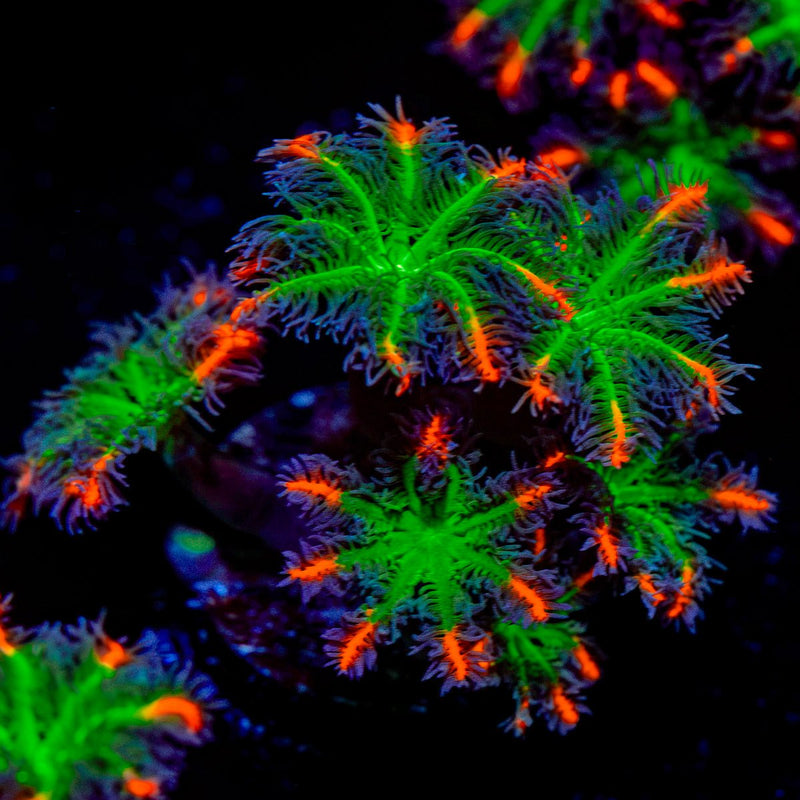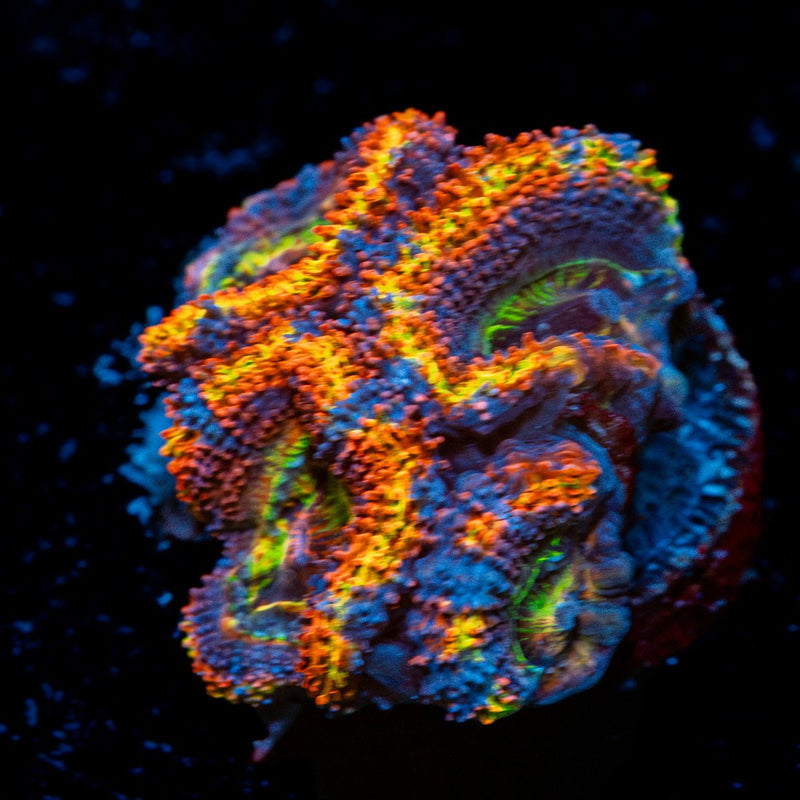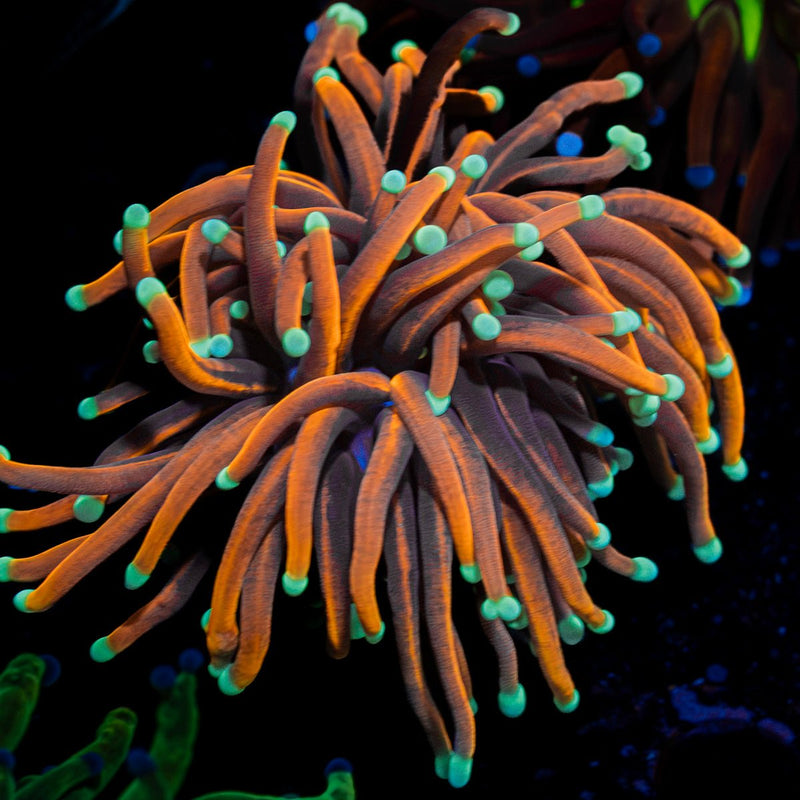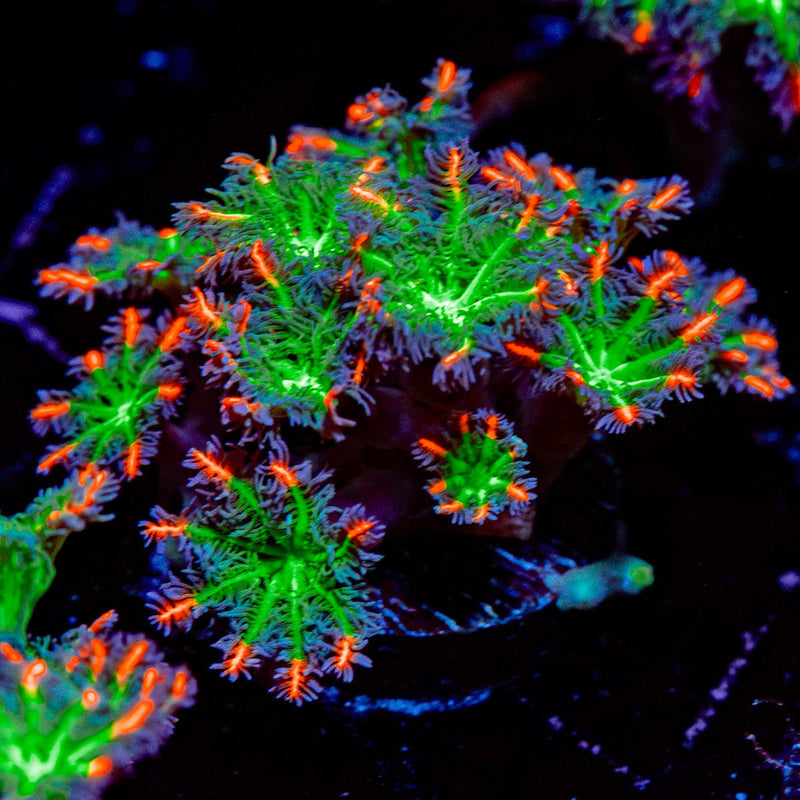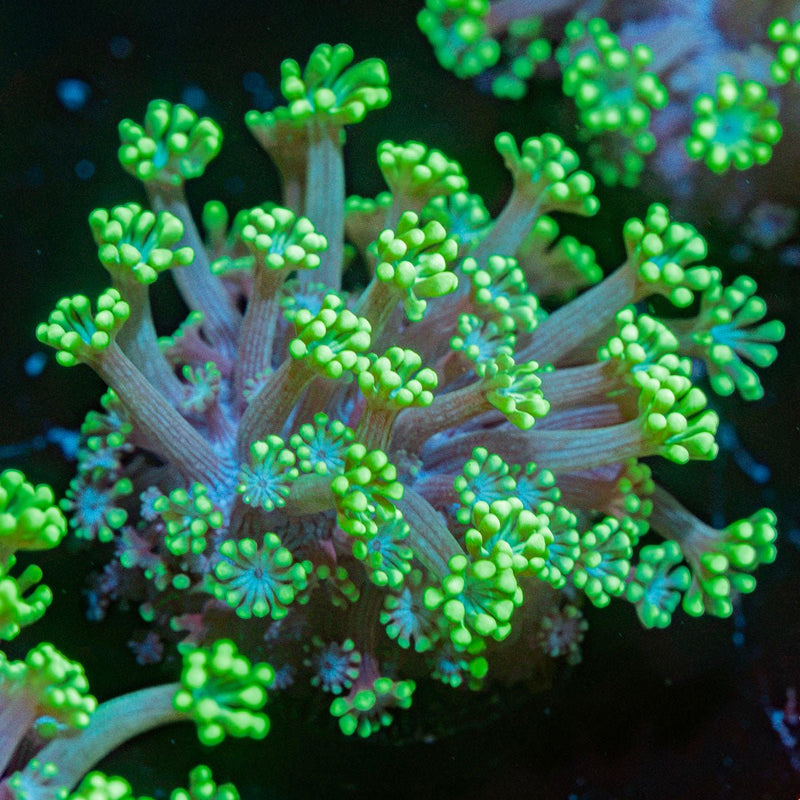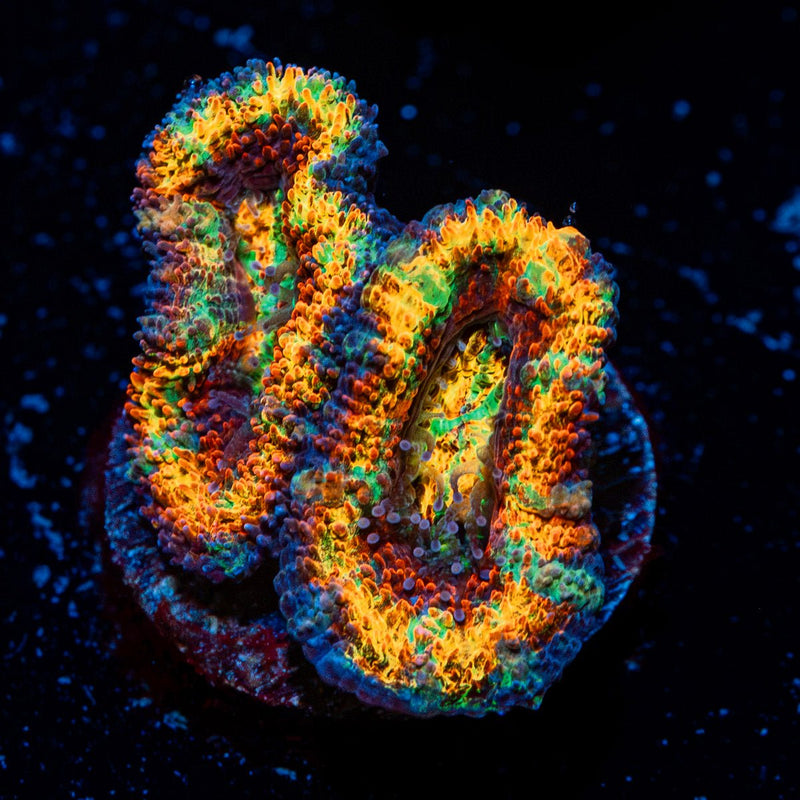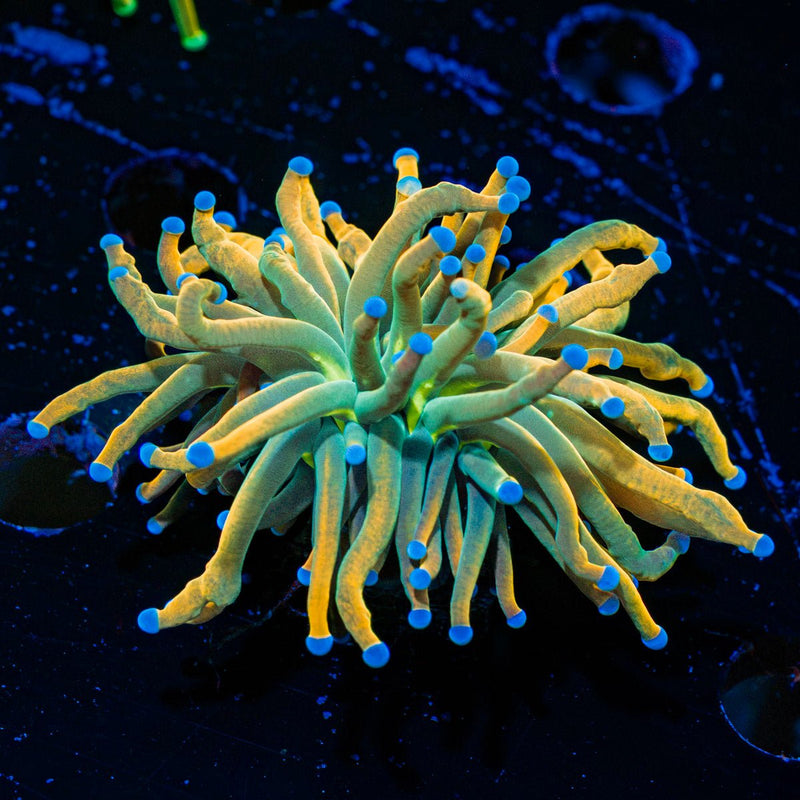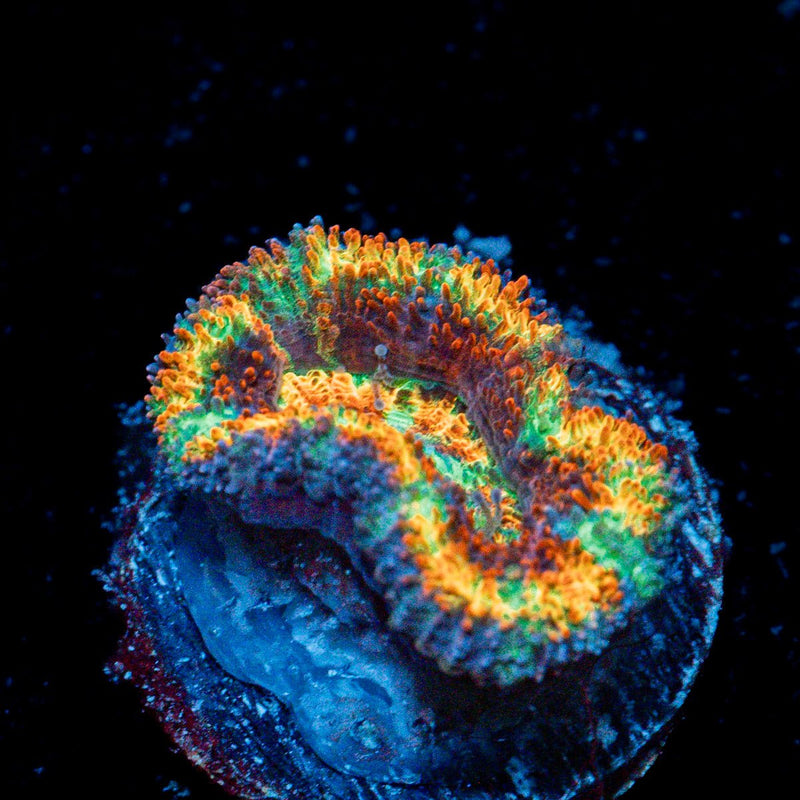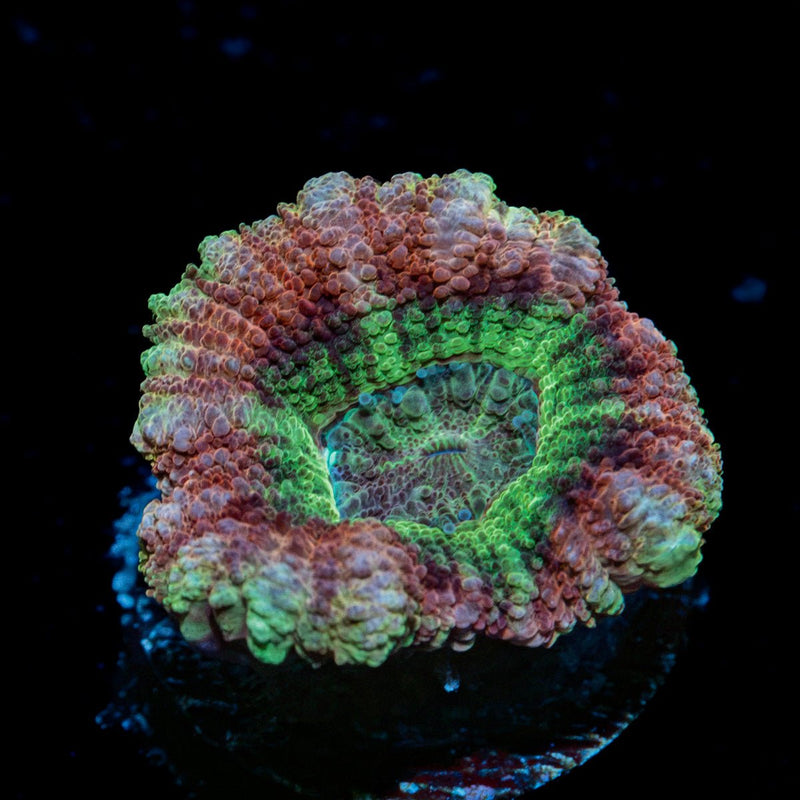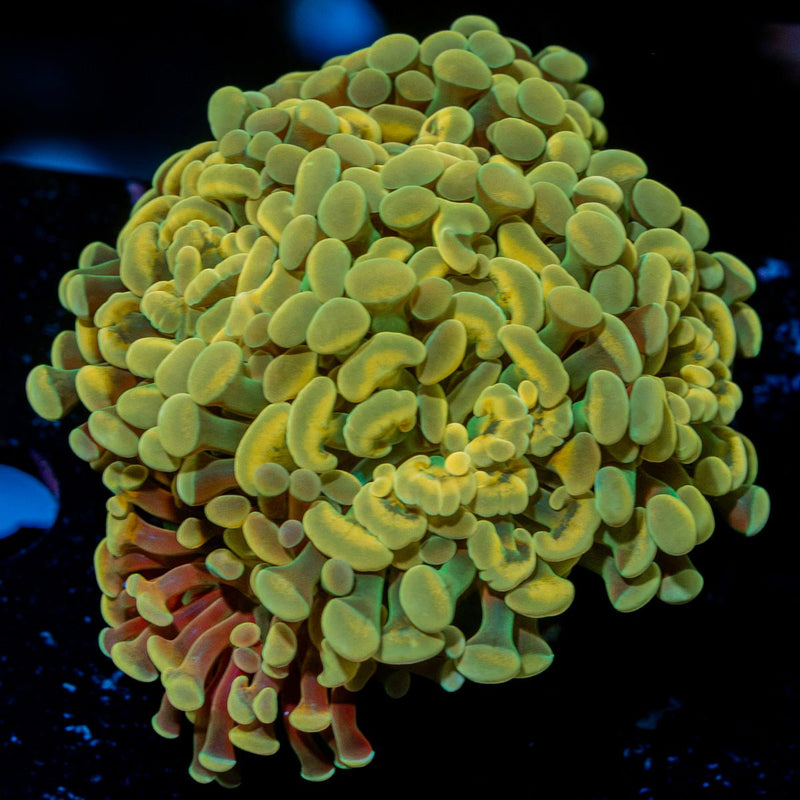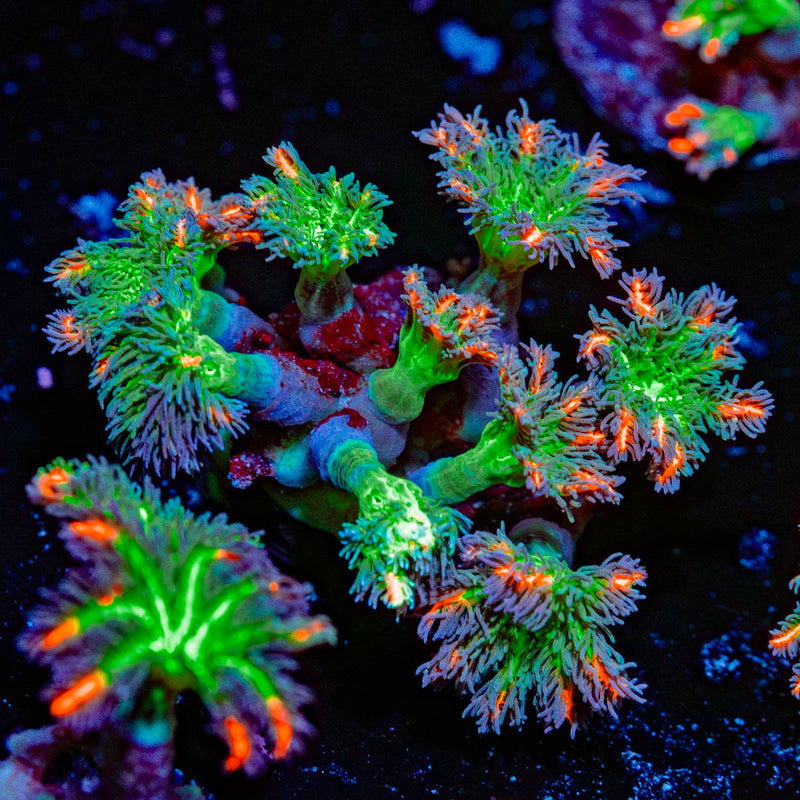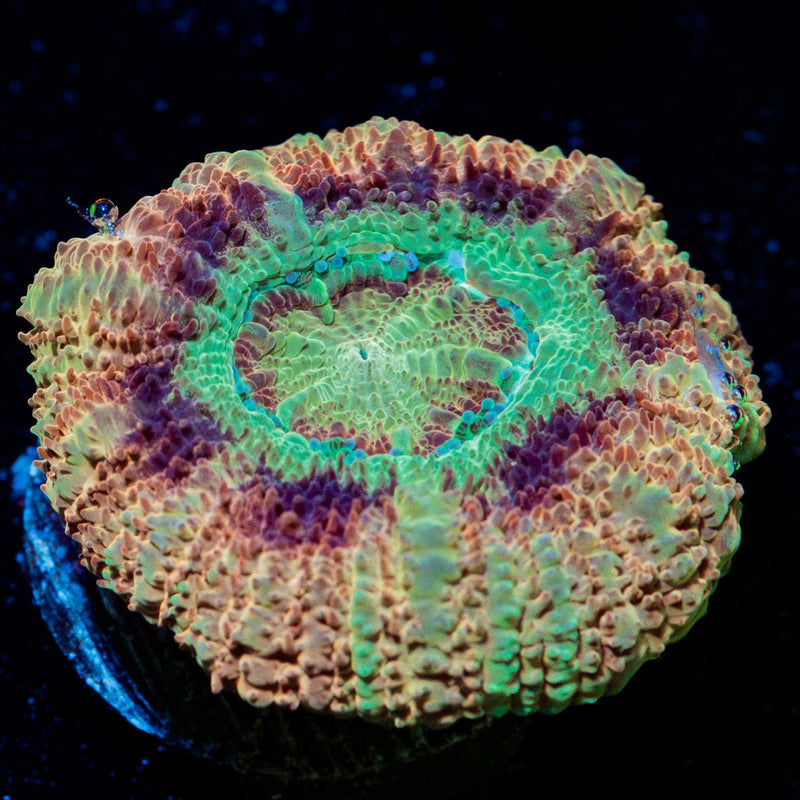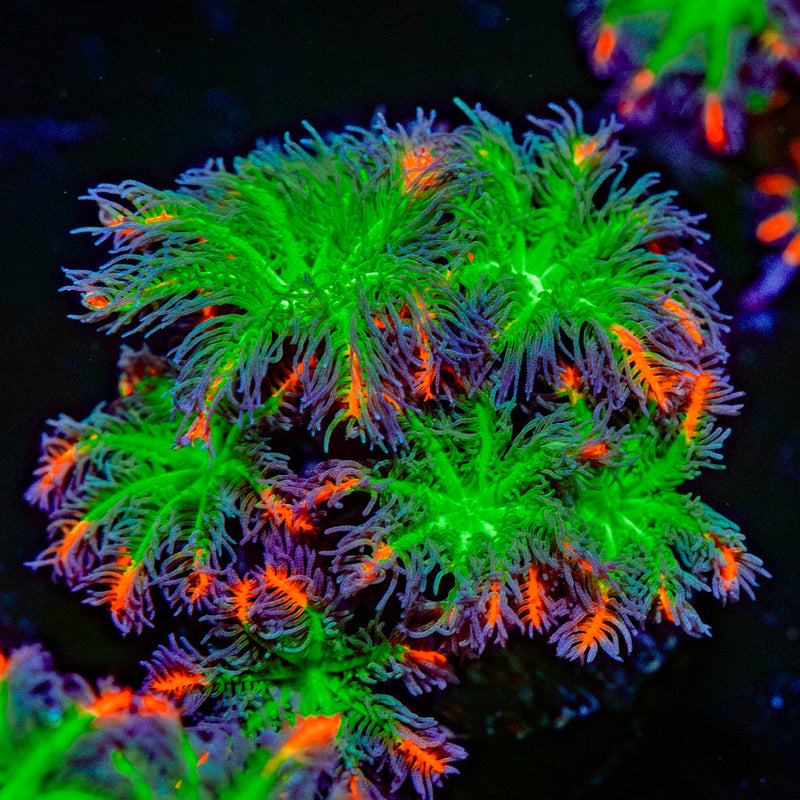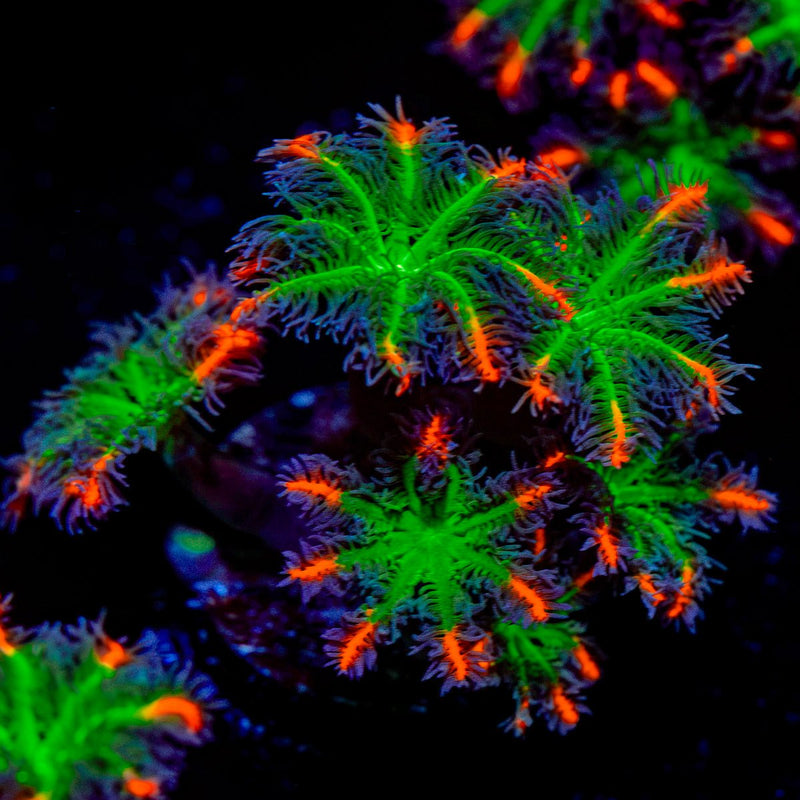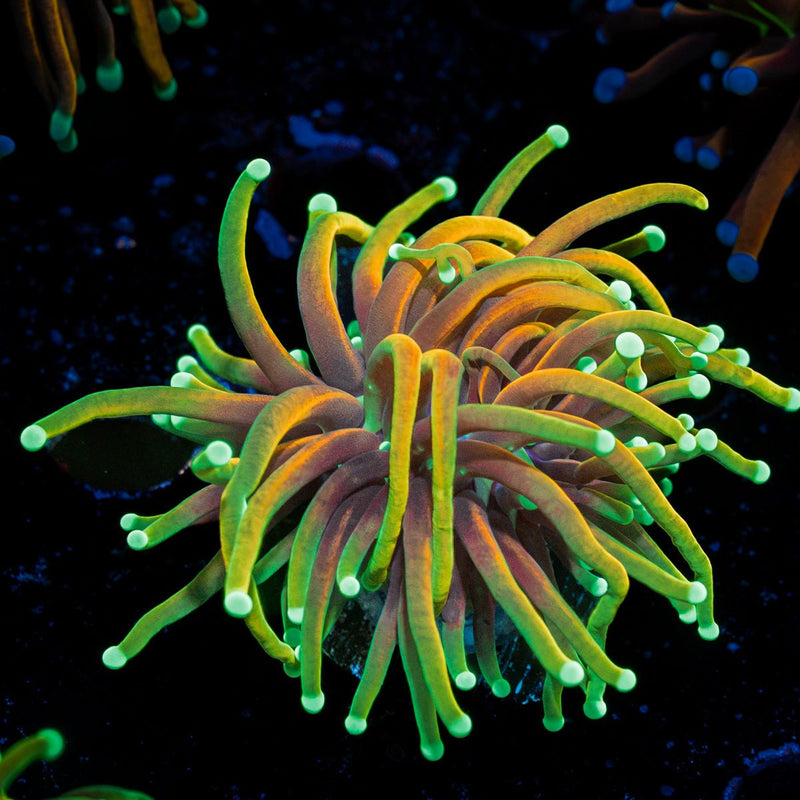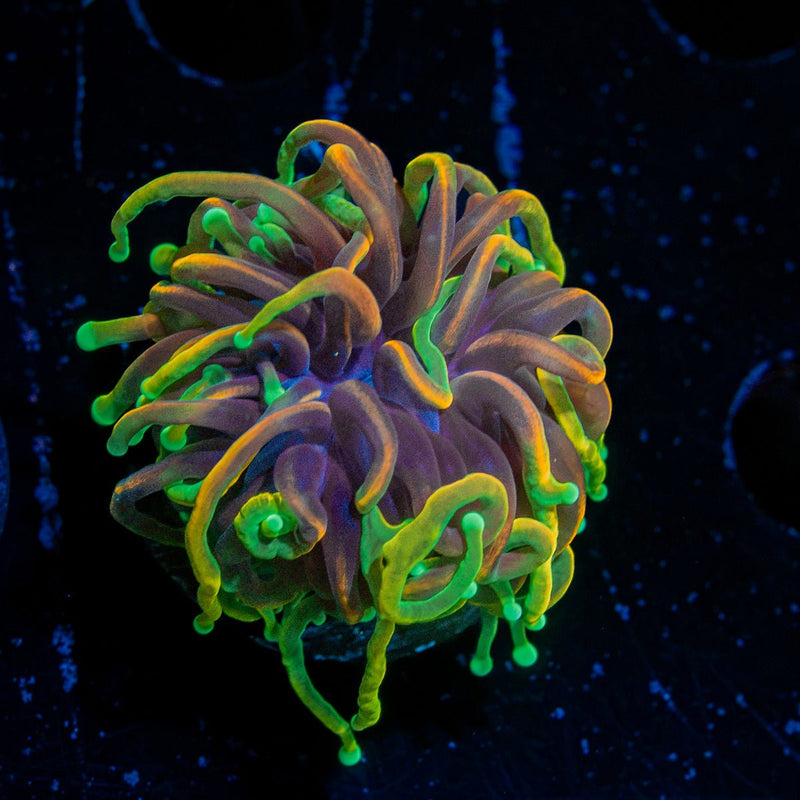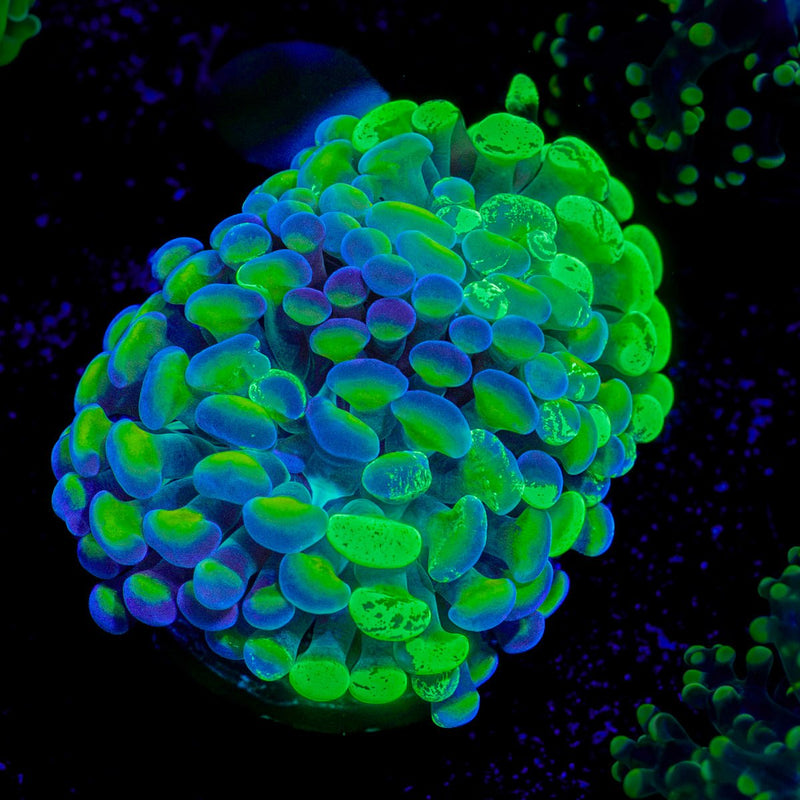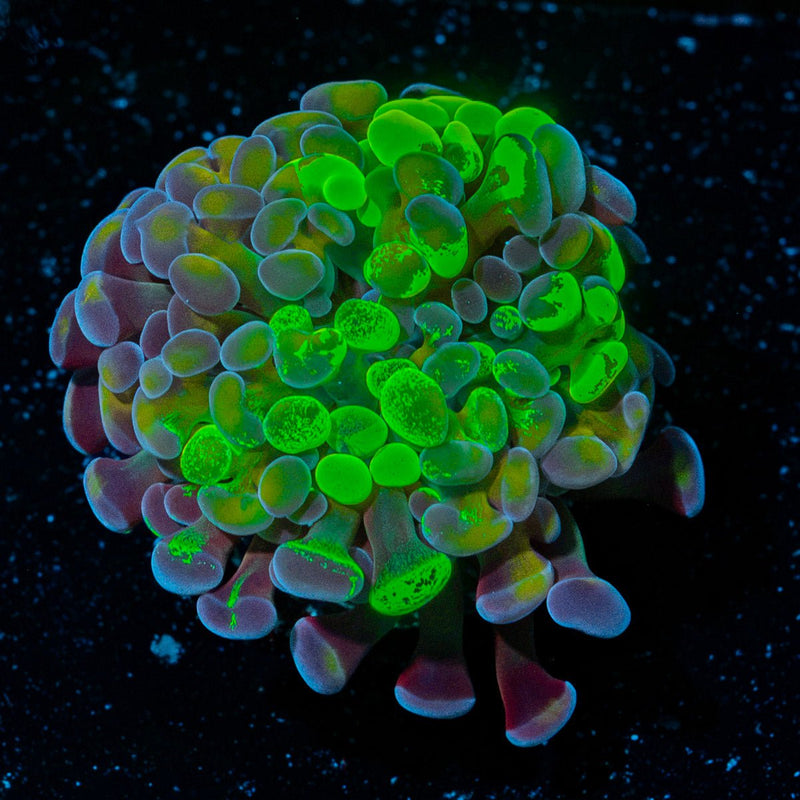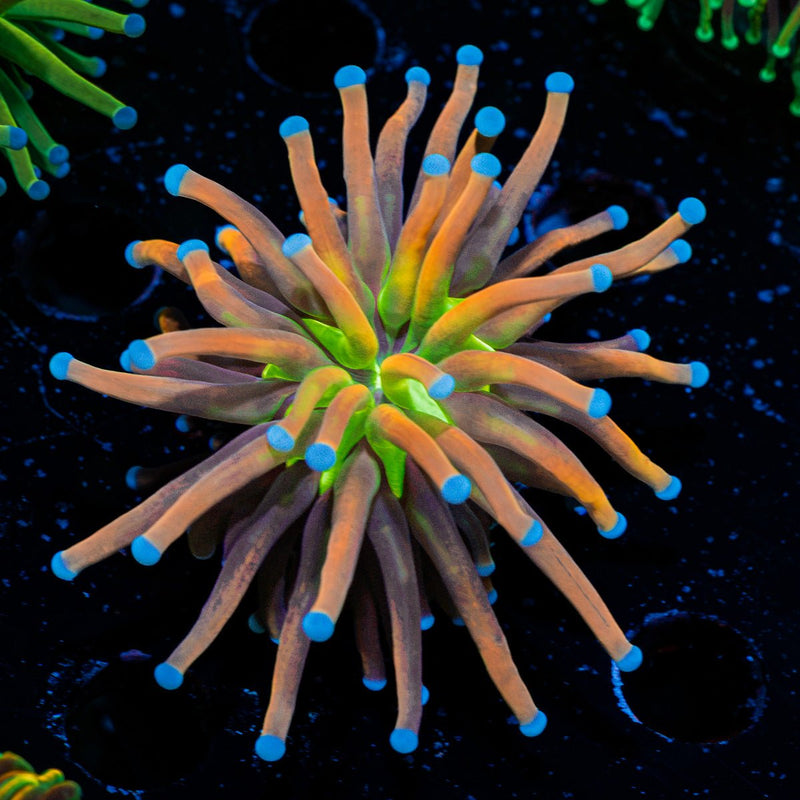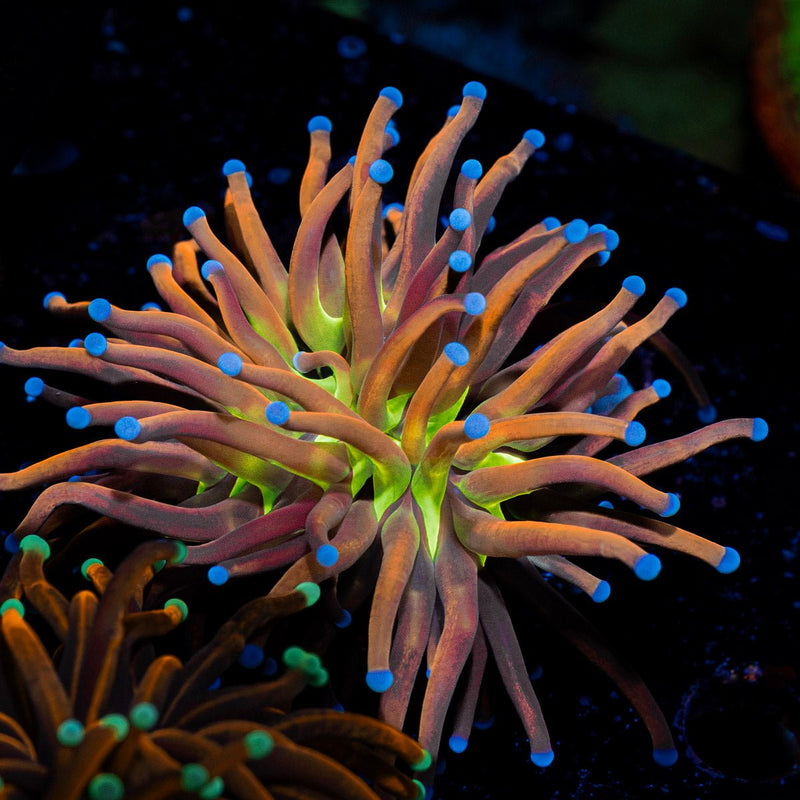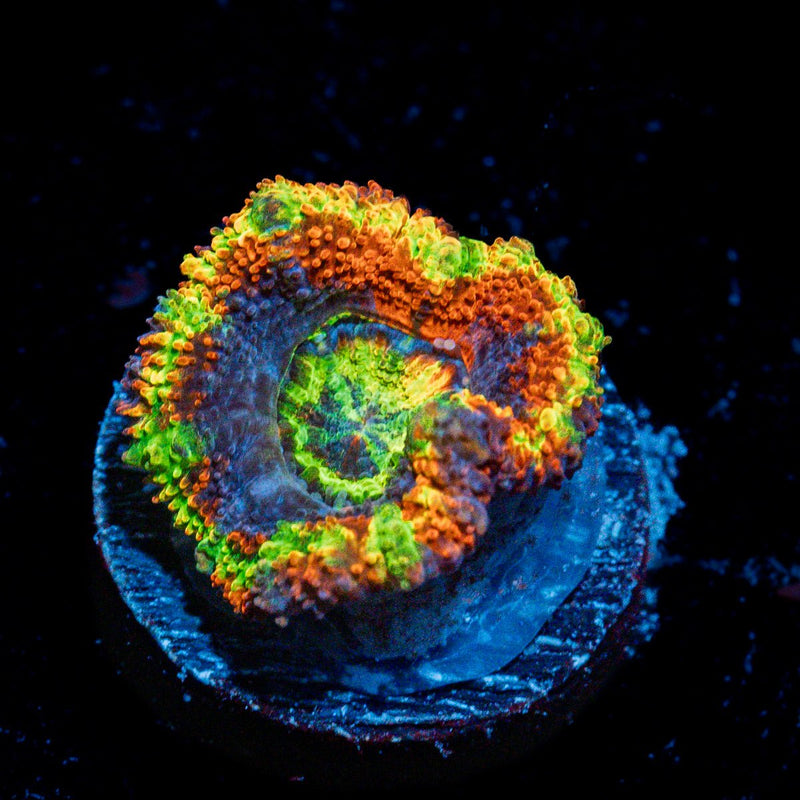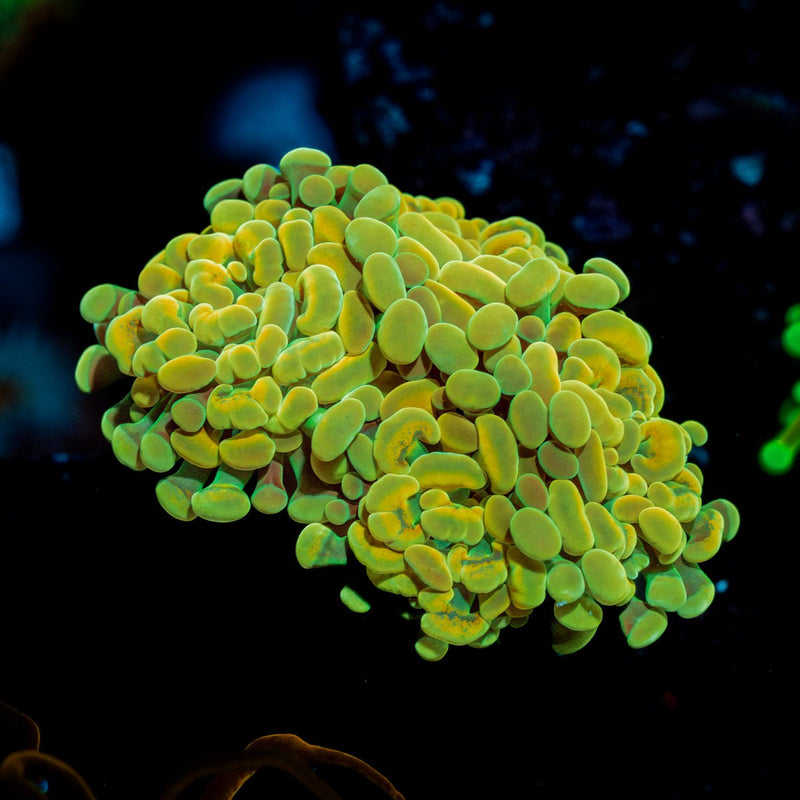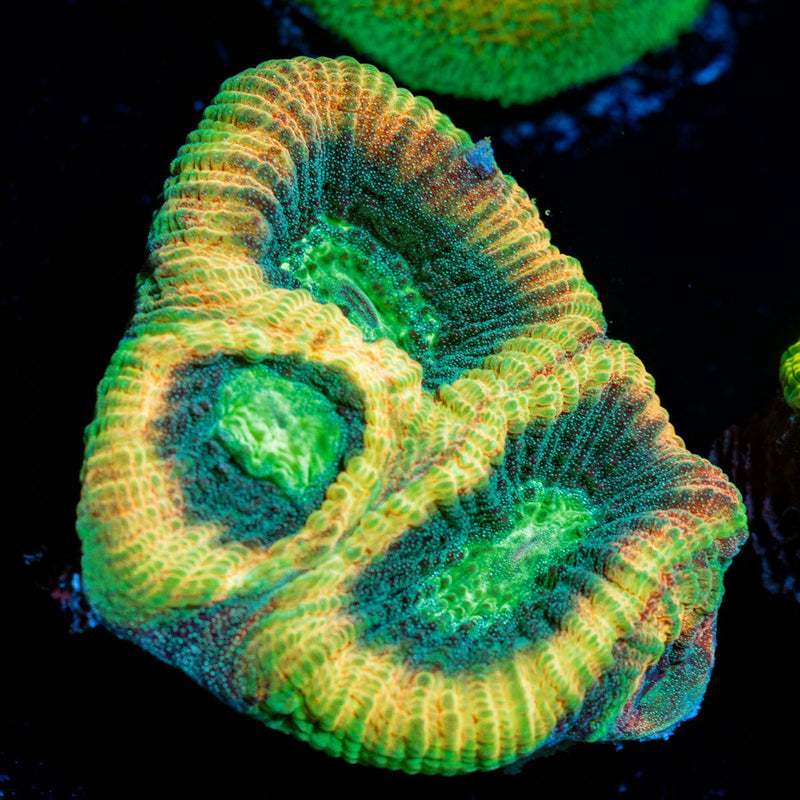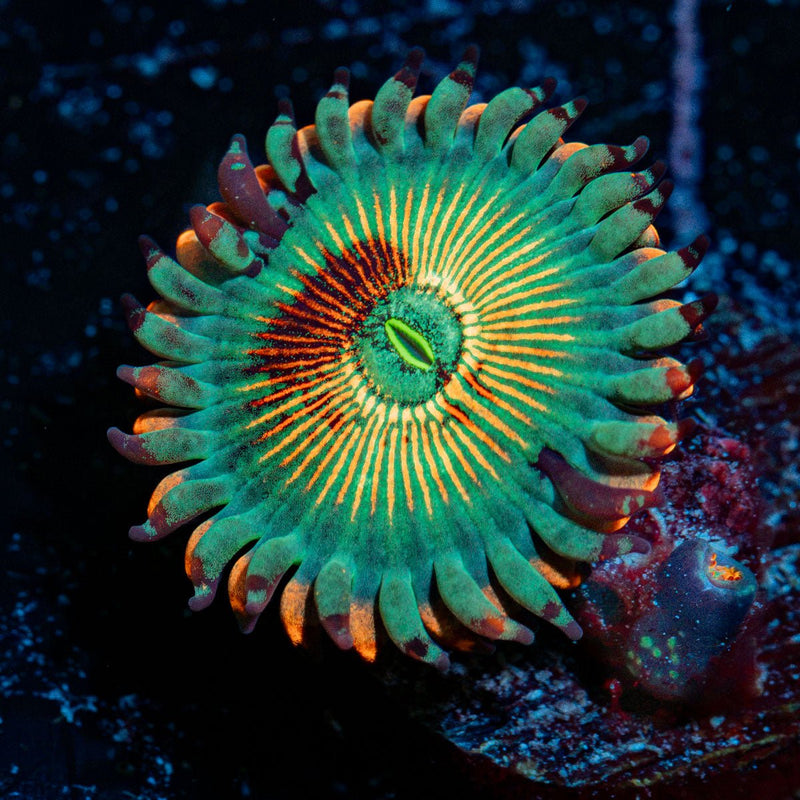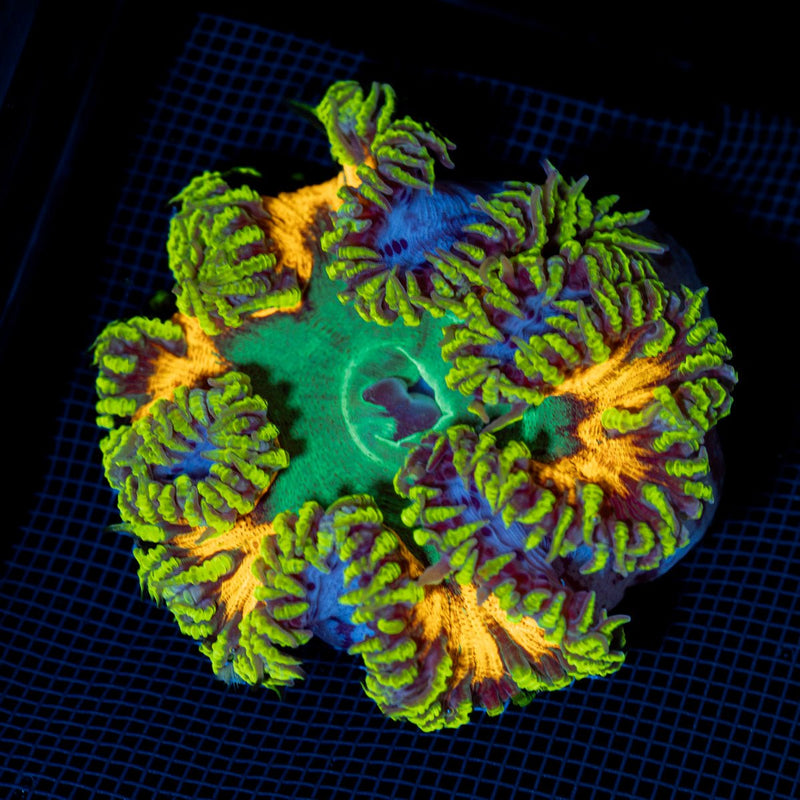
A colorful torch, a bright zoanthid colony, or a standout WYSIWYG Acropora can travel safely across the country when the weather and shipping plan cooperate. This coral shipping temperature guide explains why temperatures matter, when a shipment may need to wait, and what you can do at home to give your new living jewels the calm, stable start they deserve.
Live coral does not travel in an aquarium. During transit, it is sealed in insulated packaging with a limited volume of water, oxygen, and temperature protection. The goal is not to recreate perfect reef conditions in the box. It is to keep the coral within a safe, stable range until it reaches your tank.
Why Temperature Matters When Shipping Coral
Corals are more resilient than many hobbyists expect, especially healthy aquacultured frags that are accustomed to aquarium life. Still, extreme temperatures add stress quickly. A box left in a hot delivery vehicle, on a cold porch, or in direct sun can warm or cool far beyond what insulation alone can manage.
Heat is often the bigger concern. As water warms, oxygen becomes less available, while the coral's metabolic demand rises. In a sealed shipping bag, that combination can shorten the margin for error. Cold exposure can be equally challenging when temperatures approach freezing, particularly if the package sits outdoors or moves through an unheated facility.
That is why responsible coral shipping is built around conditions, not just a calendar. A delivery date that looks convenient is not always the safest date for livestock. A brief weather hold can be the better choice when it protects the health and color of the coral you selected.
The Coral Shipping Temperature Guide: Safe Ranges and Weather Risks
There is no single outside temperature that guarantees a perfect shipment. Box size, insulation, transit time, origin and destination weather, carrier routes, and the type of temperature pack used all affect the outcome. However, most coral shipments are most comfortable when outside conditions are moderate and the package can arrive promptly.
Mild conditions - generally daytime temperatures around 50°F to 85°F - are the easiest to manage. Insulated boxes can buffer normal swings, and the risk of a package reaching dangerous internal temperatures is lower.
When destination temperatures move outside that window, shipping is still possible in many cases, but more planning is needed. During warmer periods, cold packs may be used to slow heat buildup. During colder periods, heat packs can provide warmth. Neither is a magic fix. Temperature packs create their own localized conditions and must be selected and packed carefully so they support the box without sitting against the coral bags.
The highest-risk situations tend to be prolonged extremes: a summer heat wave with temperatures above 90°F, overnight lows near freezing, storms that cause carrier delays, or a package scheduled to arrive on a day when no one can bring it indoors. In these conditions, a seller may delay fulfillment, recommend another delivery date, or ask the recipient to hold the shipment at a carrier location. That is careful livestock stewardship, not an inconvenience for its own sake.
Summer Shipping: Protecting Against Heat
Summer shipments need a fast path from the carrier to your aquarium. A box can go from air-conditioned transit to a hot truck or sunlit doorstep in a short time. Even a few hours outside can make a difference.
If your forecast is hot, choose a delivery day when someone can receive the package. If you work away from home, a carrier hold for pickup can be safer than an unattended porch. Pick it up as early as possible, keep it out of direct sunlight on the drive home, and begin acclimation soon after arrival.
Do not assume a cloudy day solves every problem. Delivery vehicles, warehouses, and the last mile of transit can still be warm. The key is reducing the time between delivery and unpacking.
Winter Shipping: Managing Cold Exposure
Cold-weather shipping can be successful with appropriate insulation and heat support, but freezing conditions demand extra caution. A heat pack works best in a properly designed box with enough air exchange and separation from the bags. It should warm the overall package gradually, not create a hot spot next to a coral frag.
If your area is experiencing snow, ice, or overnight lows near or below freezing, be flexible. Shipping earlier in the week can leave more room to resolve a delay before the weekend. A carrier pickup location may also be a better choice if your doorstep is exposed to wind and cold.
When the package arrives cold, resist the urge to rapidly warm the bags. Sudden temperature changes can be stressful. Float sealed bags in the aquarium or a temperature-stable container long enough to gently equalize the water before following your normal acclimation routine.
How to Choose the Best Delivery Day
The best delivery day is not simply the first available date. It is the day with the clearest path to a quick, attended delivery. Check the forecast for both the delivery day and the day before, because your coral may be moving through regional hubs with different conditions than your home.
For most hobbyists, a weekday delivery early in the week is a smart choice. Monday shipments can occasionally face weekend timing complications, while late-week shipments leave less flexibility if severe weather interrupts transit. Tuesday through Thursday delivery windows often provide a practical balance, though local weather should always make the final call.
If a forecast changes after your order is placed, prioritize the coral over the original date. It depends on the severity of the conditions, but a short postponement is usually easier than asking a live animal to endure unnecessary risk. Riptide Aquaculture approaches weather decisions with the health of each aquacultured specimen in mind, especially during seasonal temperature swings.
Prepare Your Reef Tank Before the Box Arrives
Shipping stress is only one part of the arrival experience. A stable aquarium gives coral the best chance to open, color up, and settle into its new place. Have your tank ready before delivery rather than making adjustments while the bags are on the counter.
Confirm that temperature, salinity, and alkalinity are steady. Avoid adding a new frag immediately after a large water change, medication treatment, major aquascape revision, or parameter correction. Corals appreciate consistency more than last-minute chasing of “perfect” numbers.
It also helps to plan placement in advance. A beginner-friendly mushroom, zoanthid, or many LPS corals may be more forgiving of lower-to-moderate light and gentler flow than a high-demand SPS frag. A premium WYSIWYG piece deserves the same thoughtful placement: appropriate light, stable flow, and room to grow without being shaded or stung by nearby corals.
Before delivery, have these basics on hand:
- A clean container for acclimation and inspection
- Coral dip and clean tank water, if you use a dipping protocol
- Gloves, cutters, or tweezers for handling plugs and packaging
- A designated spot in the aquarium with suitable light and flow
What to Do When Your Coral Arrives
Bring the package inside immediately and inspect it before opening individual bags. Check that the bags are intact and that the coral is submerged. It is normal for some specimens to look contracted, pale, or less inflated after travel. Many corals need time in stable aquarium water before showing their familiar color and extension.
Avoid judging the coral only by its first few minutes out of the box. Zoanthids may stay closed, LPS may deflate, and SPS may look muted after shipment. Give the specimen clean water, suitable placement, and time. Healthy aquacultured coral often responds beautifully once it has had a chance to recover from transit.
Follow the seller's live arrival and acclimation instructions for your specific order. If anything appears concerning, document the condition promptly with clear photos while the coral is still in its original packaging. That preserves the information needed to provide useful support and keeps the process straightforward.
A Weather Hold Is Part of Good Coral Care
The most exciting shipping notification is the one that leads to a healthy, vibrant coral settling into your reef. Sometimes that means shipping right away. Other times, it means waiting for a safer weather window, choosing a carrier hold, or arranging a day when you can welcome the box indoors.
Treat the delivery plan as part of your coral care routine. When the forecast, packaging, carrier timing, and aquarium preparation all work together, your new frag arrives with the best possible opportunity to become a lasting, colorful part of your reef.