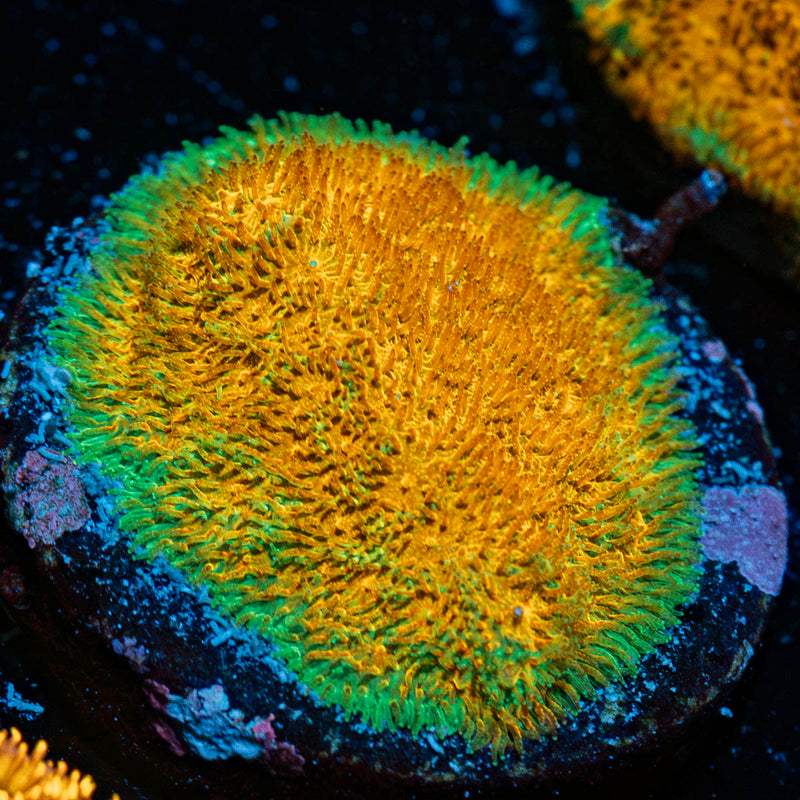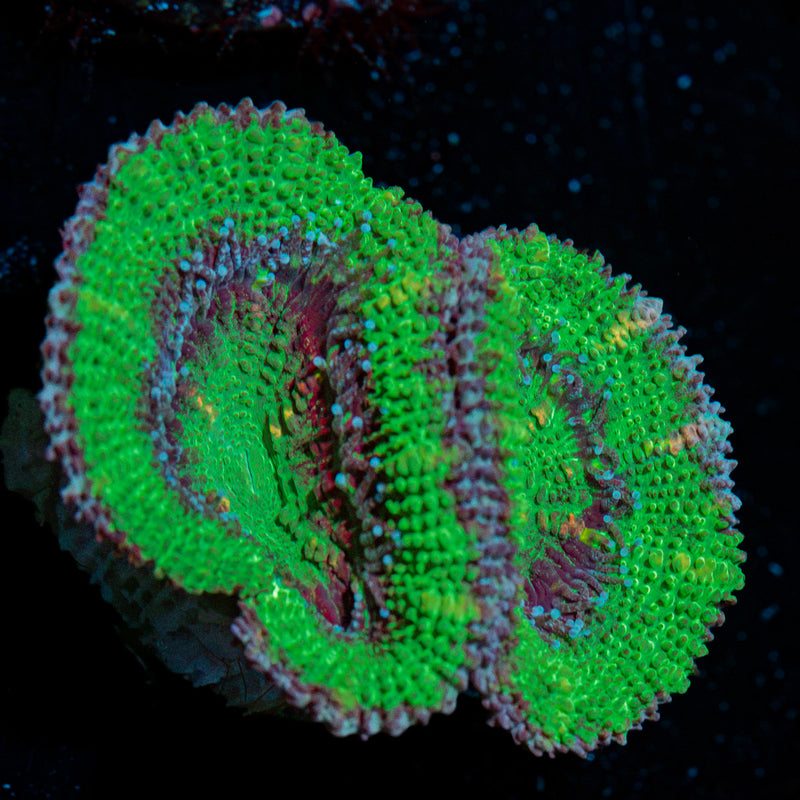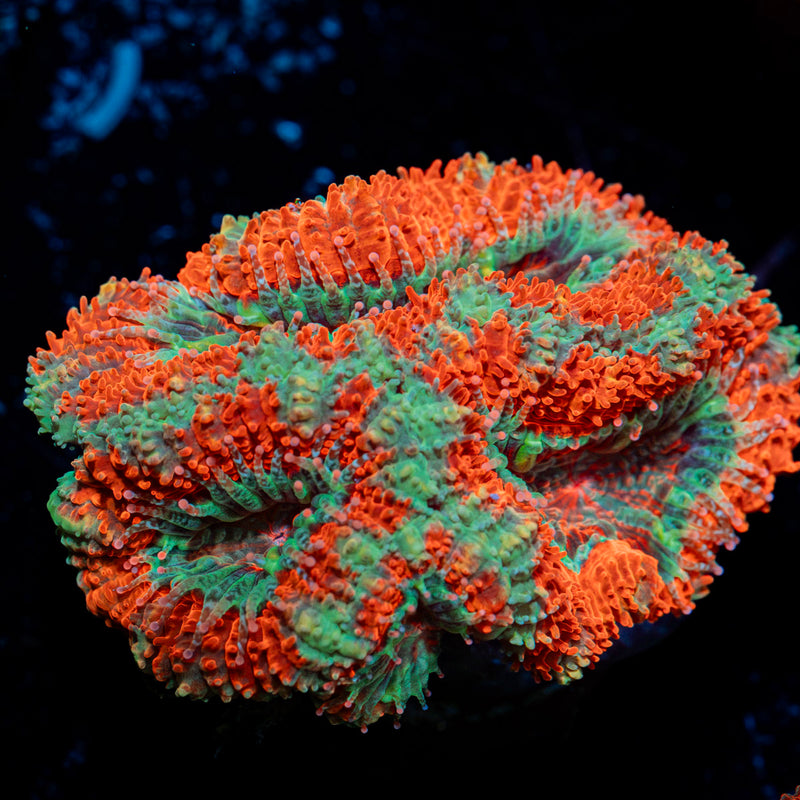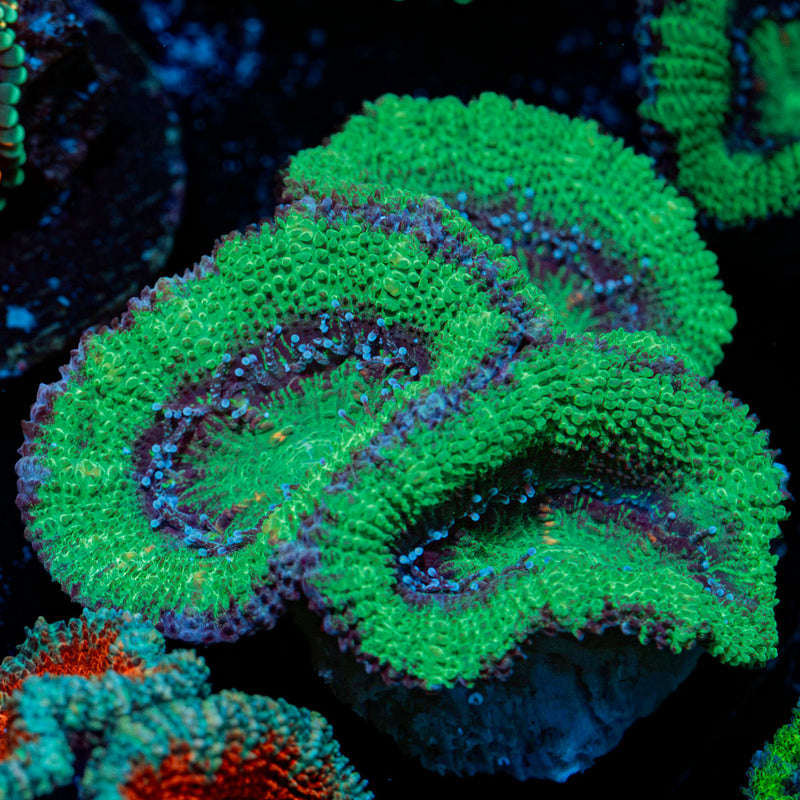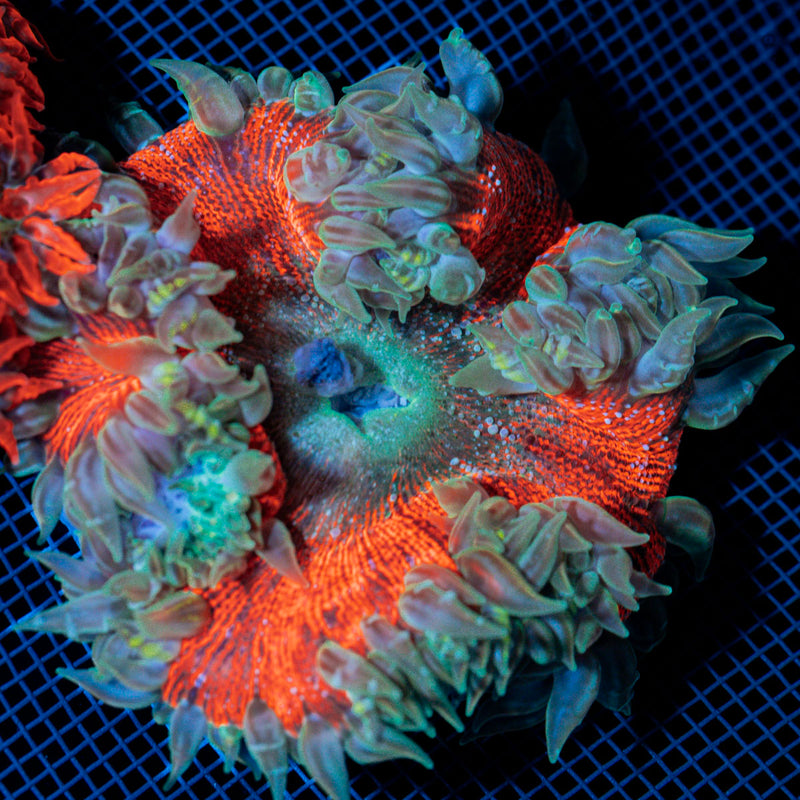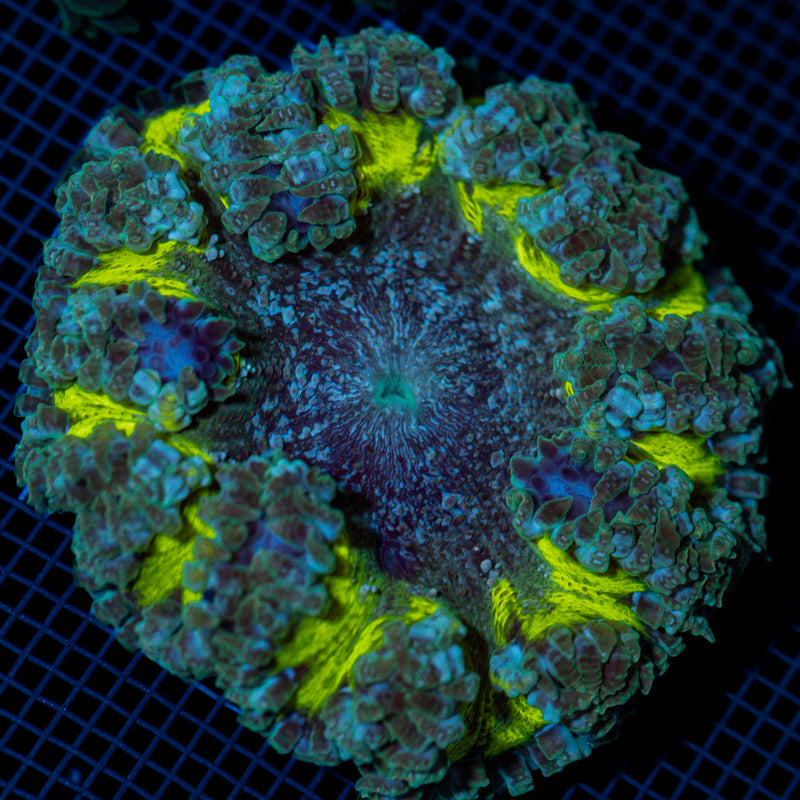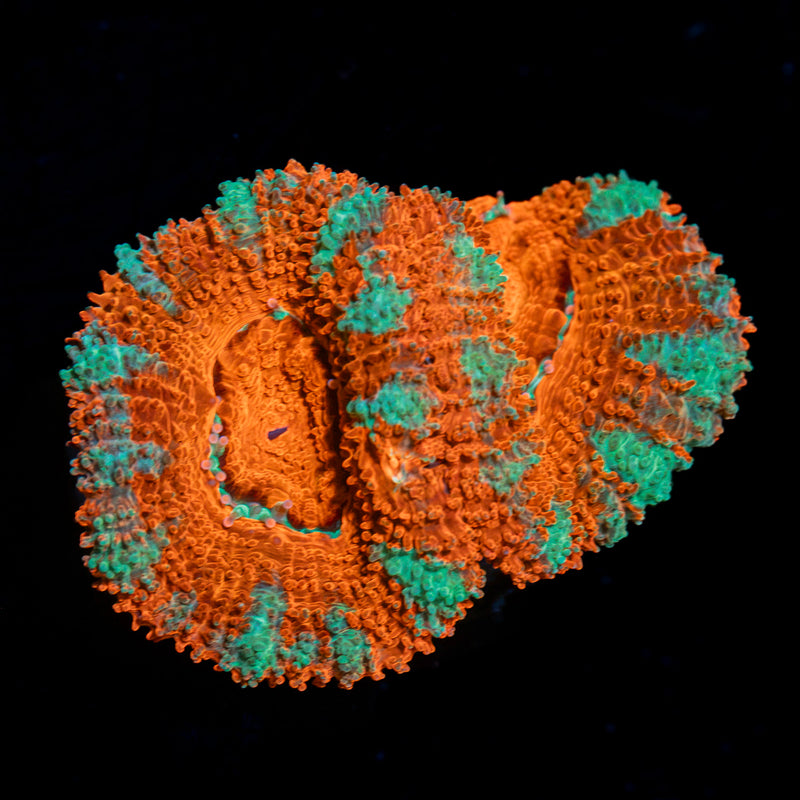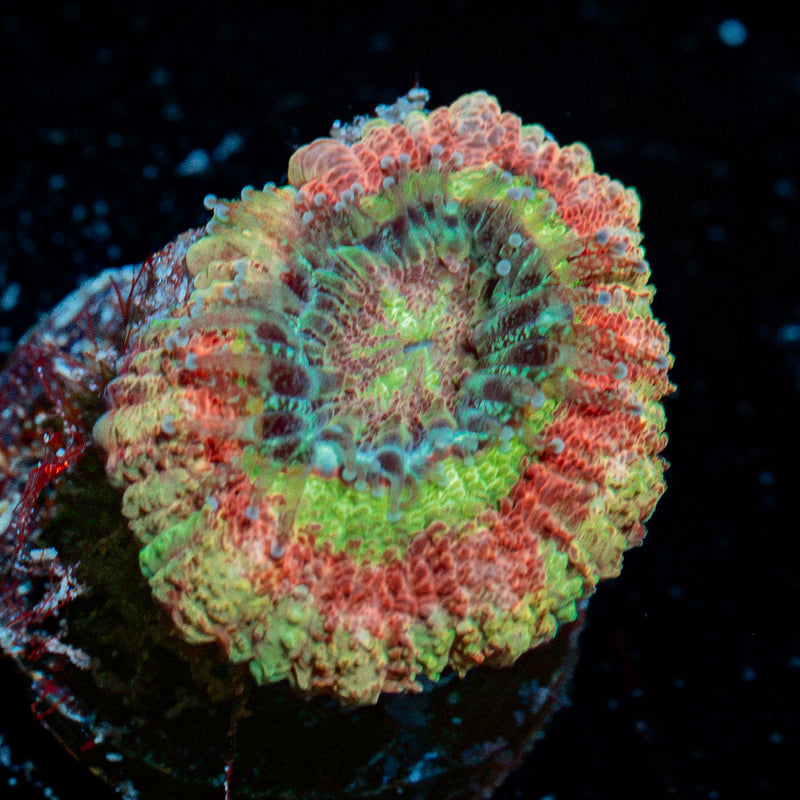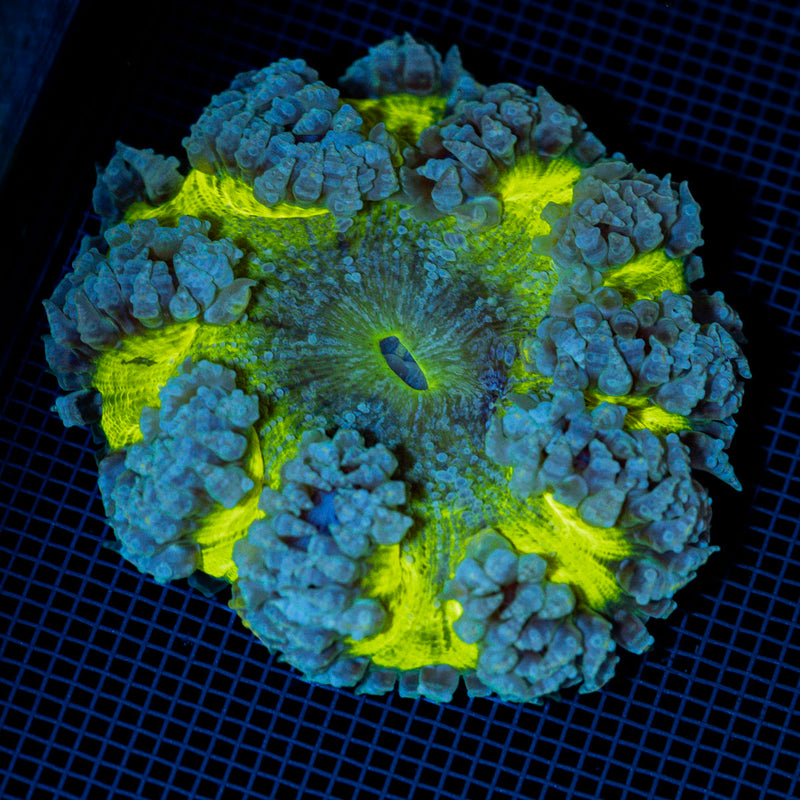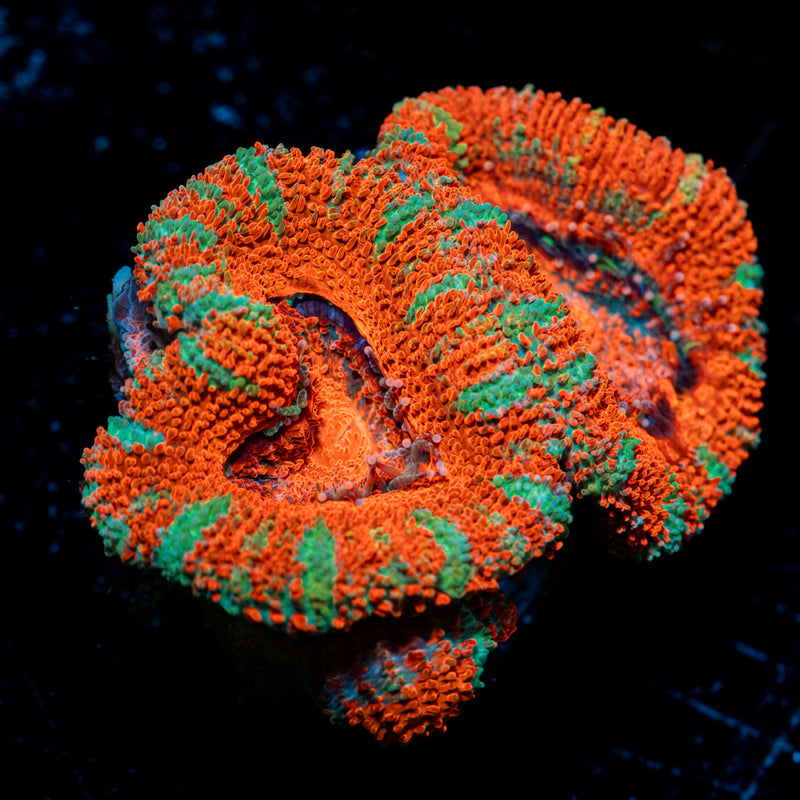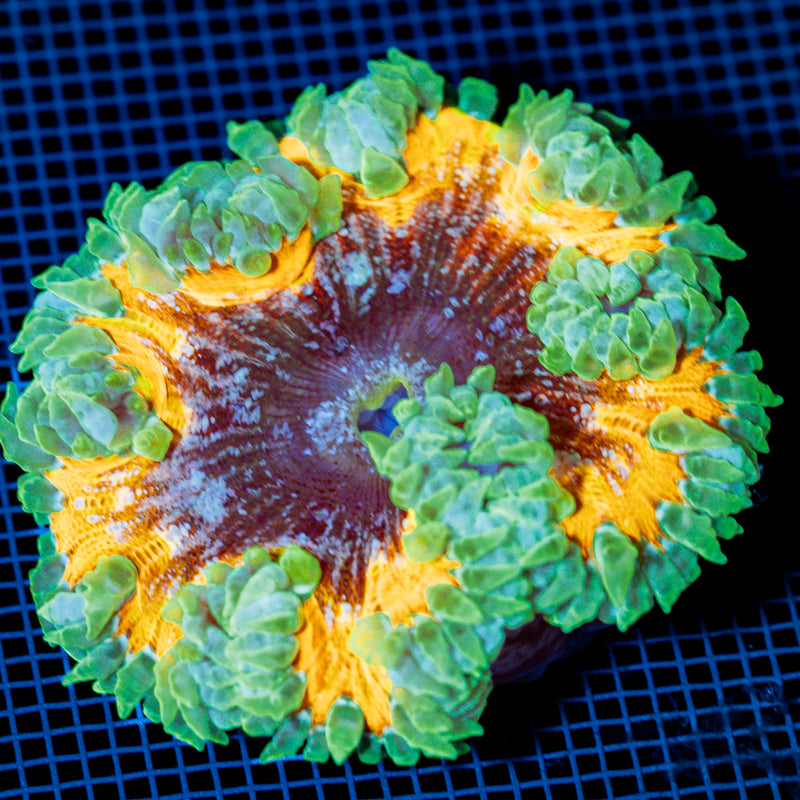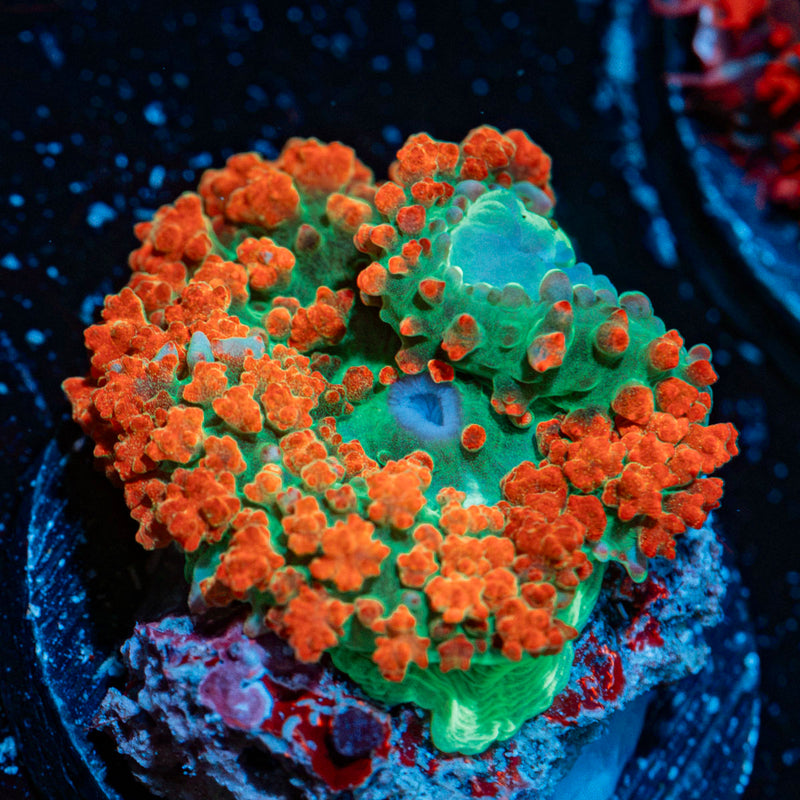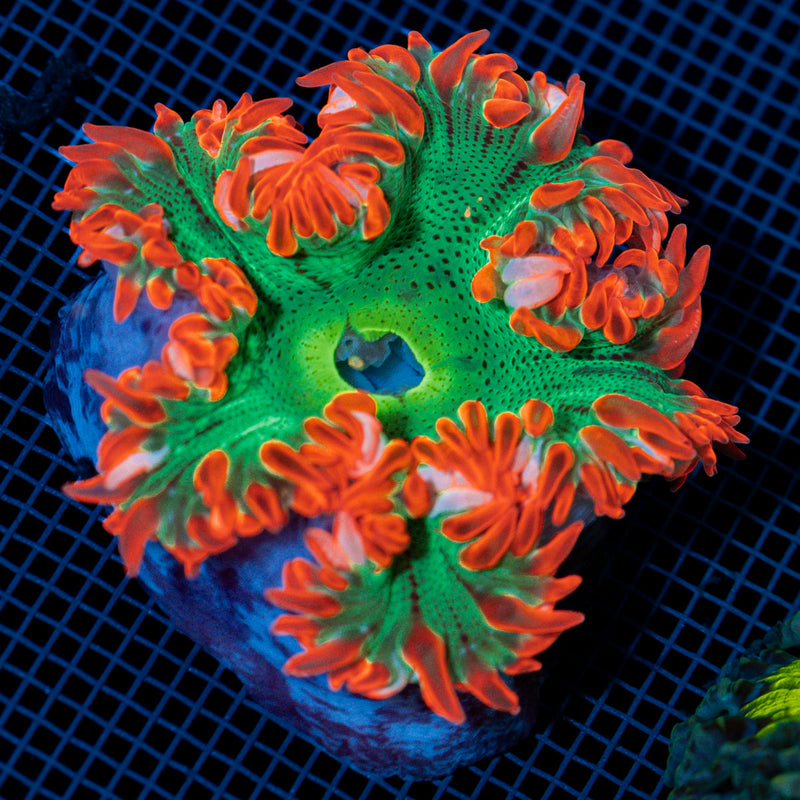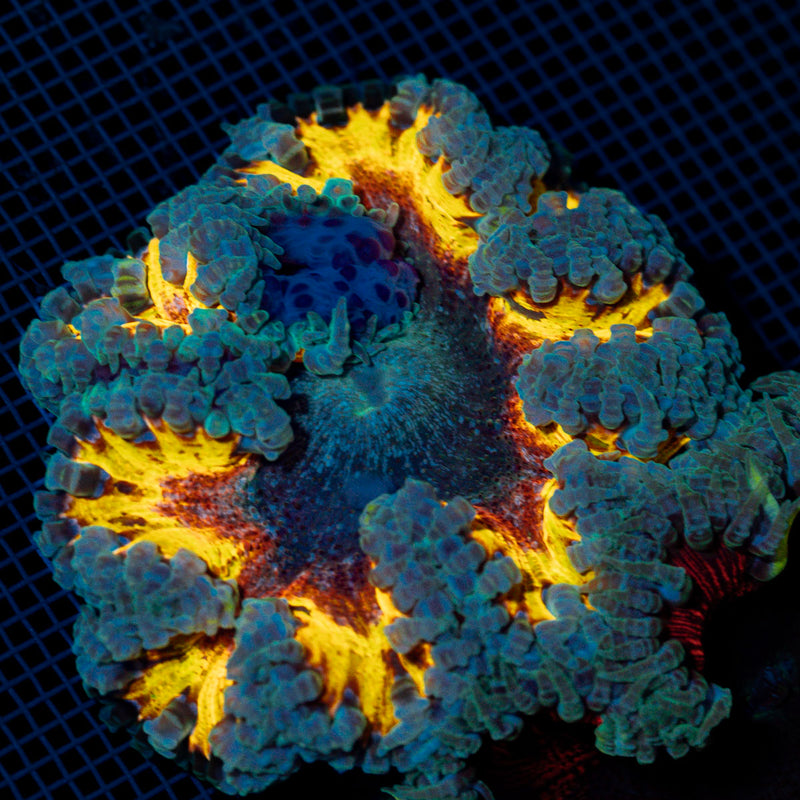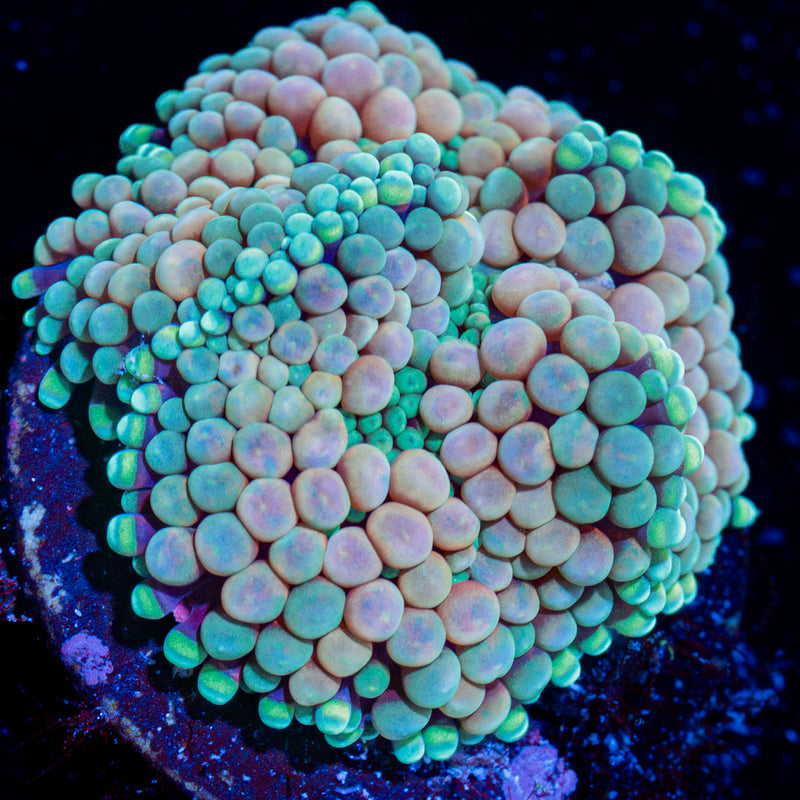
A coral can look electric blue, neon orange, or impossibly gold on a product page, but the real question is whether it will thrive under the lights already hanging over your tank. This online coral buying guide is built around that question. Buying corals online should feel exciting, not like a gamble, when you know how to match each living jewel to your system, experience level, and goals.
The best online coral purchase is not always the rarest frag or the brightest photo. It is the specimen that arrives healthy, looks like what you expected, and has the right care needs for your reef. A little planning before checkout protects your investment and gives your new coral a much better start.
Start With Your Tank, Not the Coral Photo
Before shopping, take an honest look at the conditions your aquarium can provide. Corals respond to stability more than perfection. A mature tank with steady salinity, temperature, alkalinity, calcium, and nutrient levels gives nearly every coral a stronger chance of settling in.
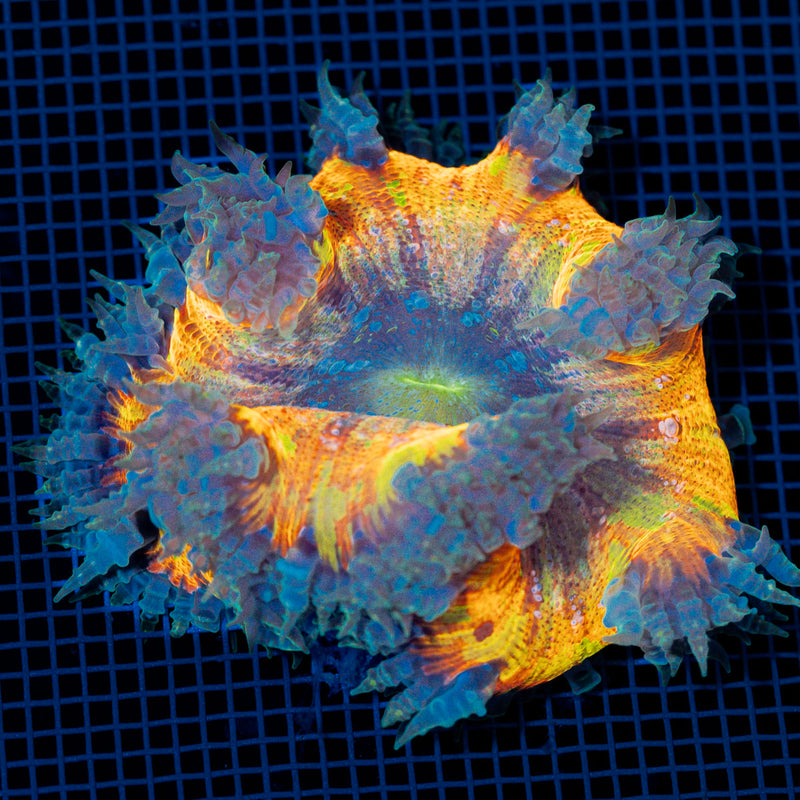
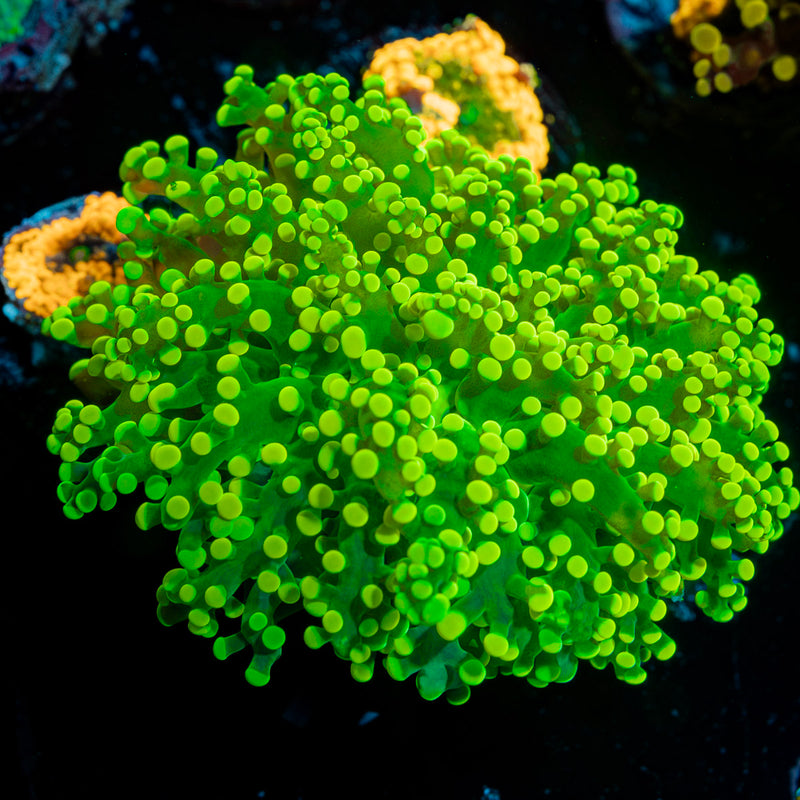
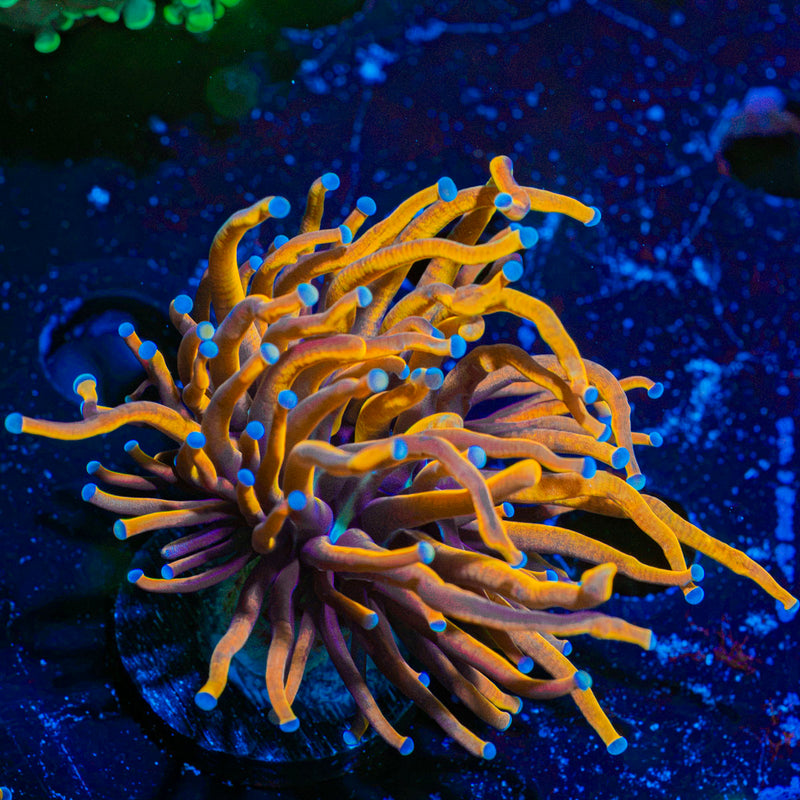
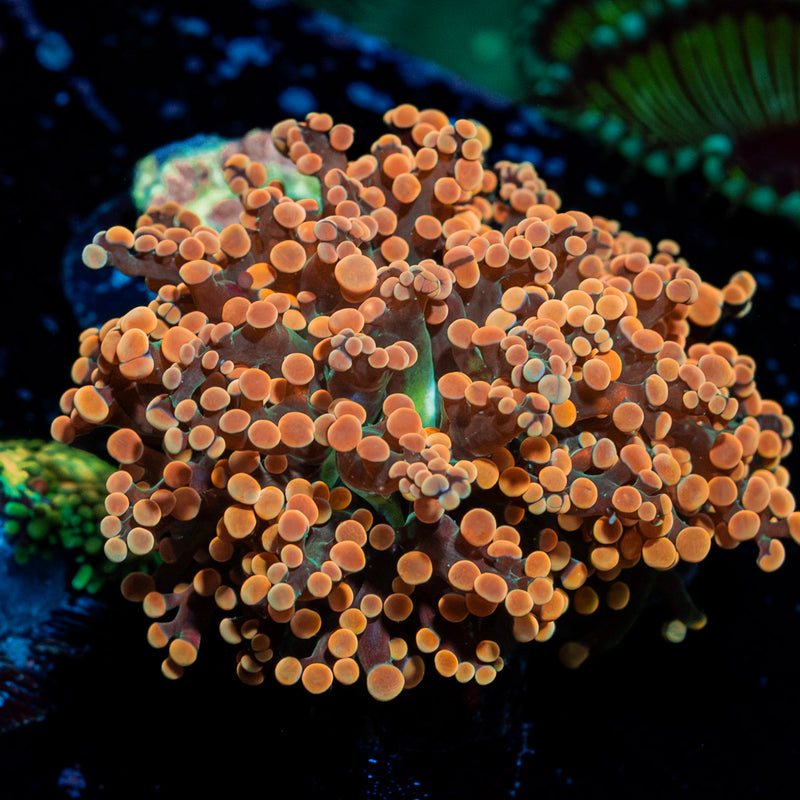
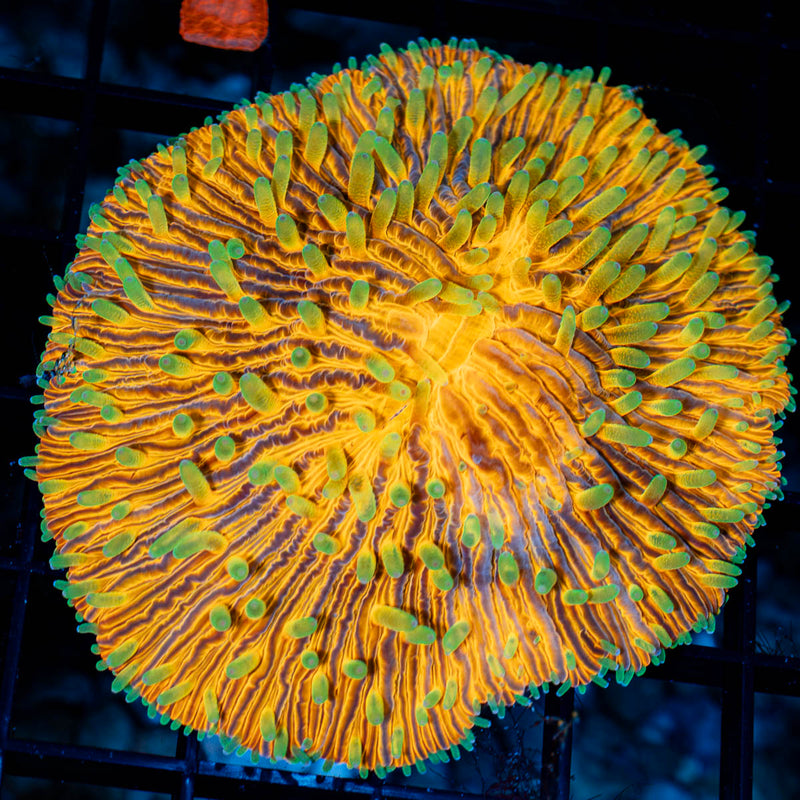
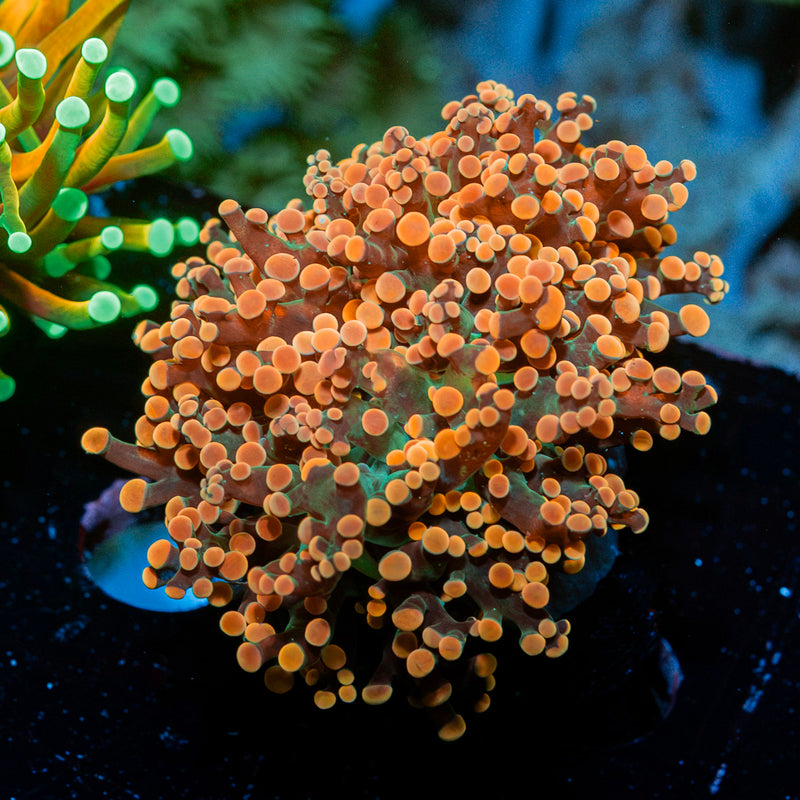
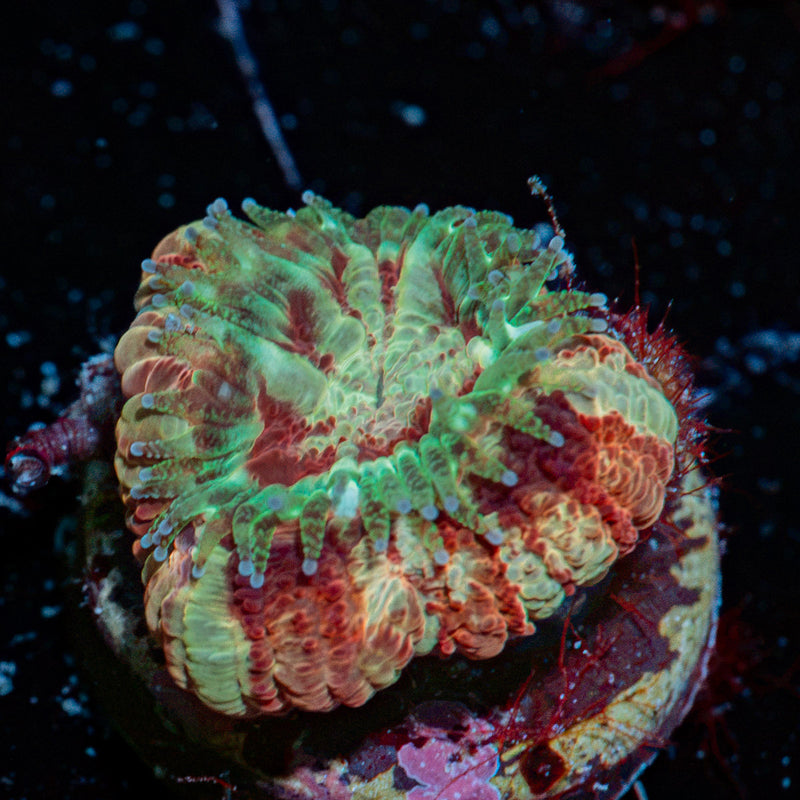
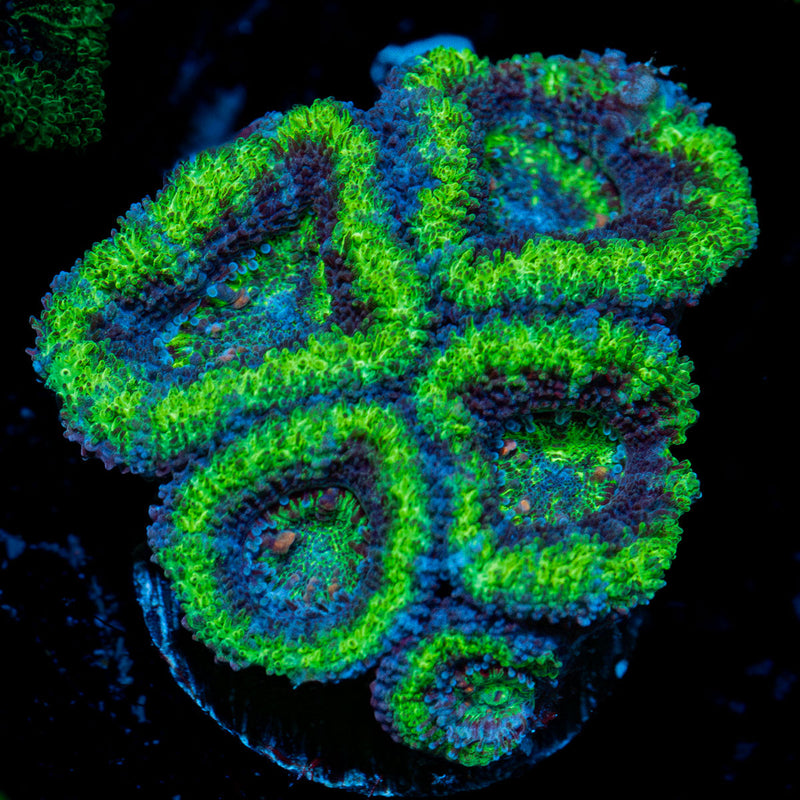
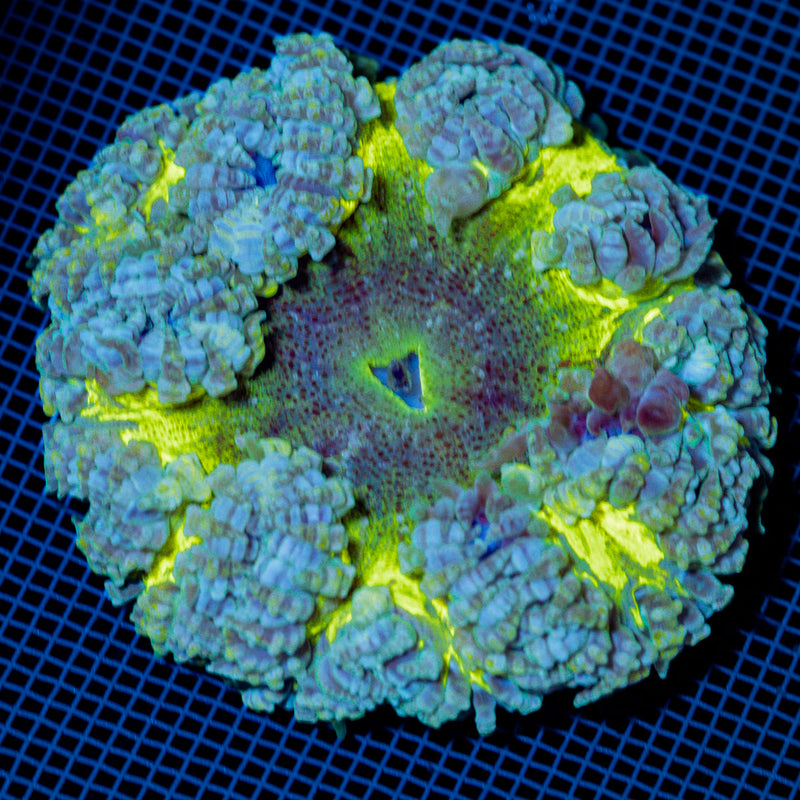
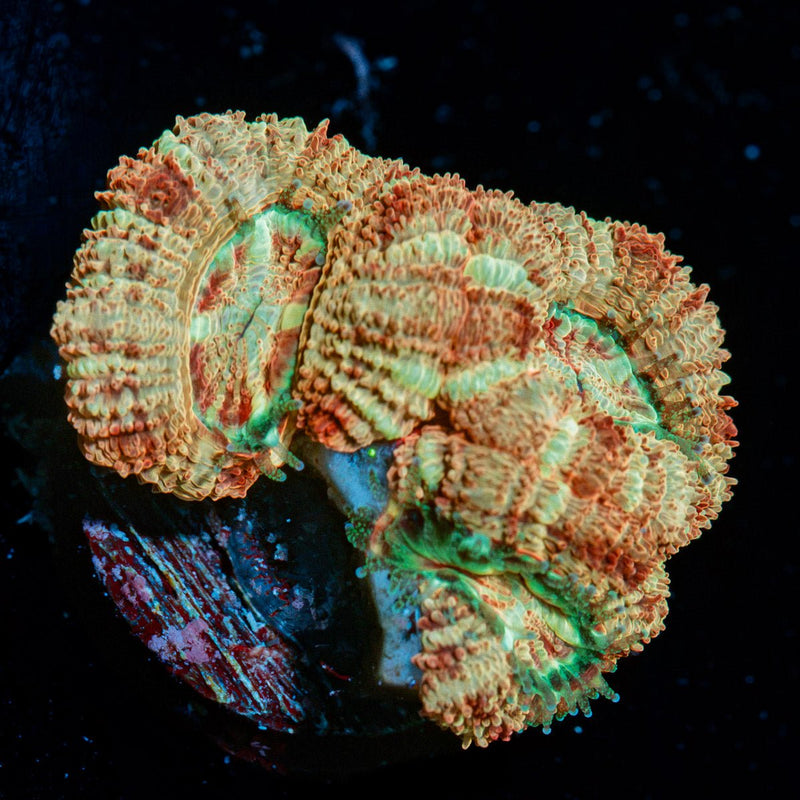
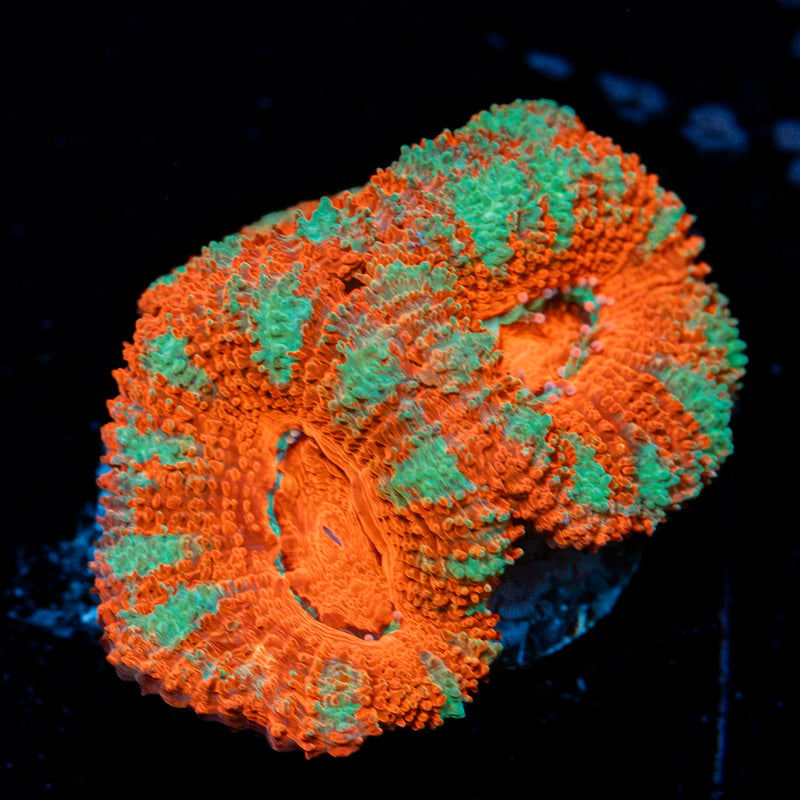
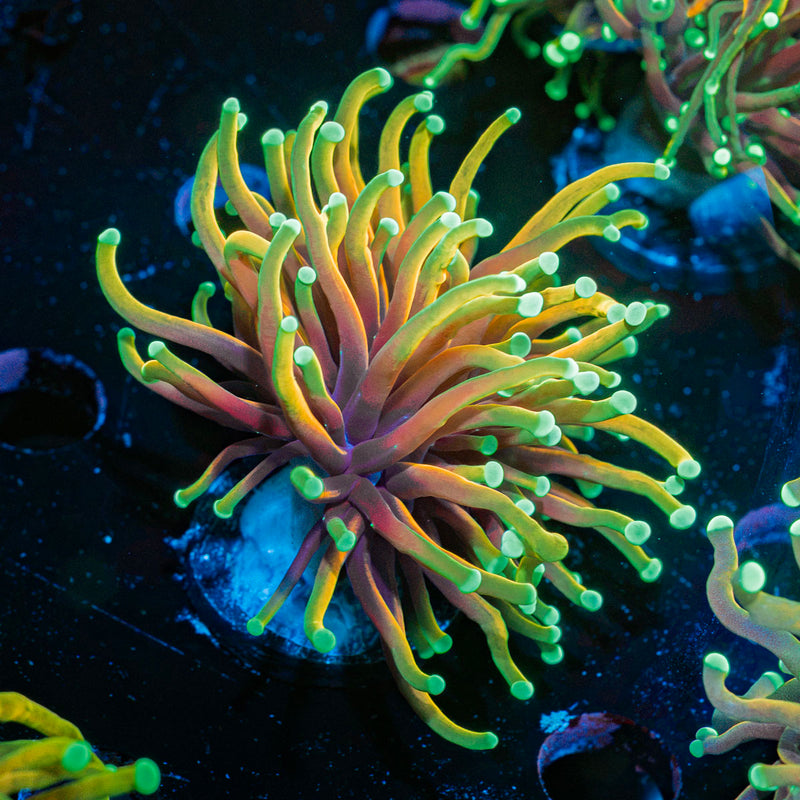
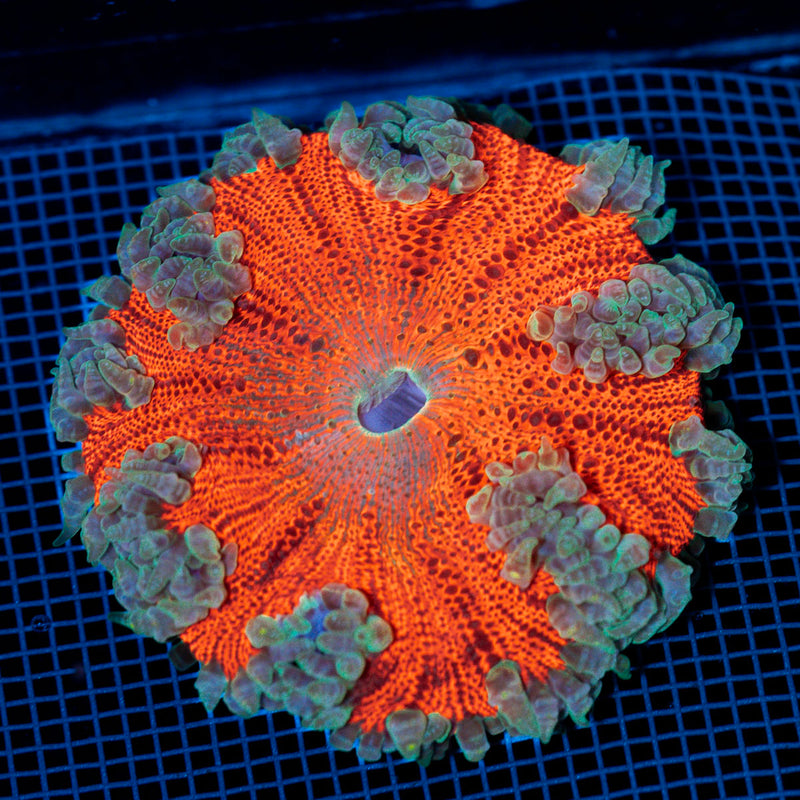
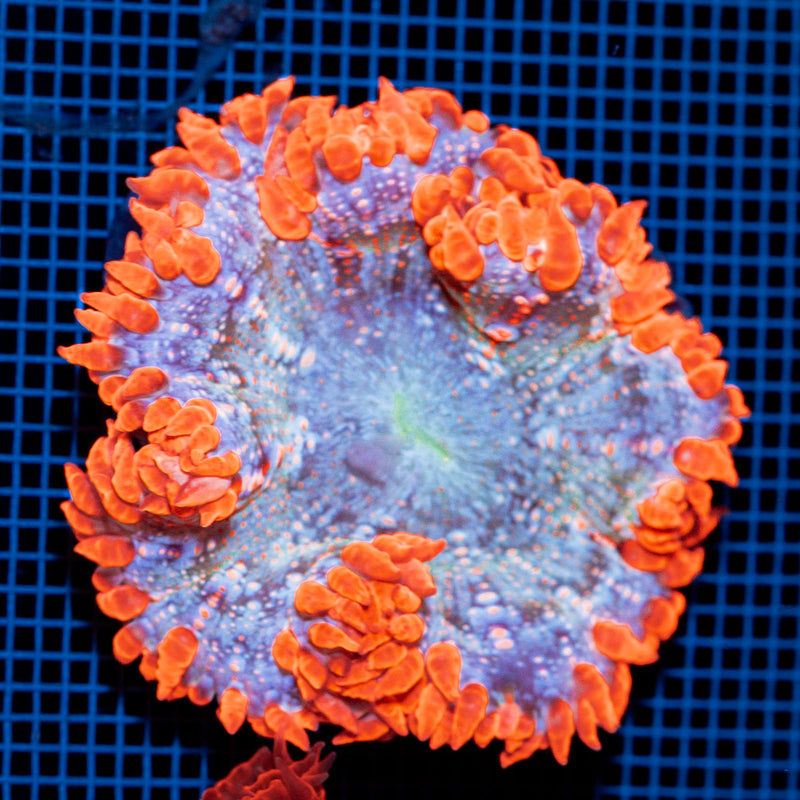
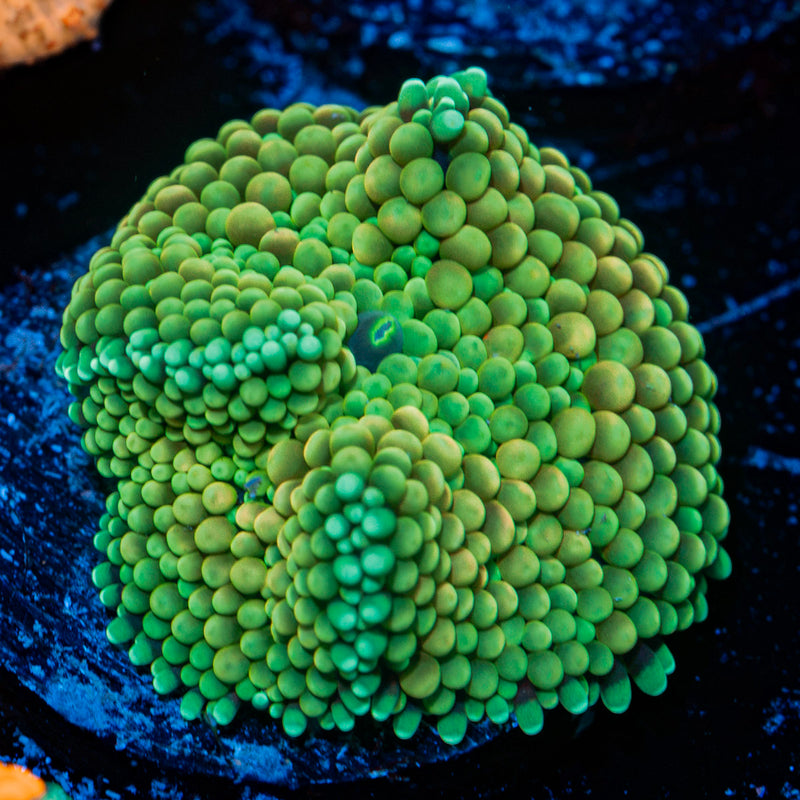
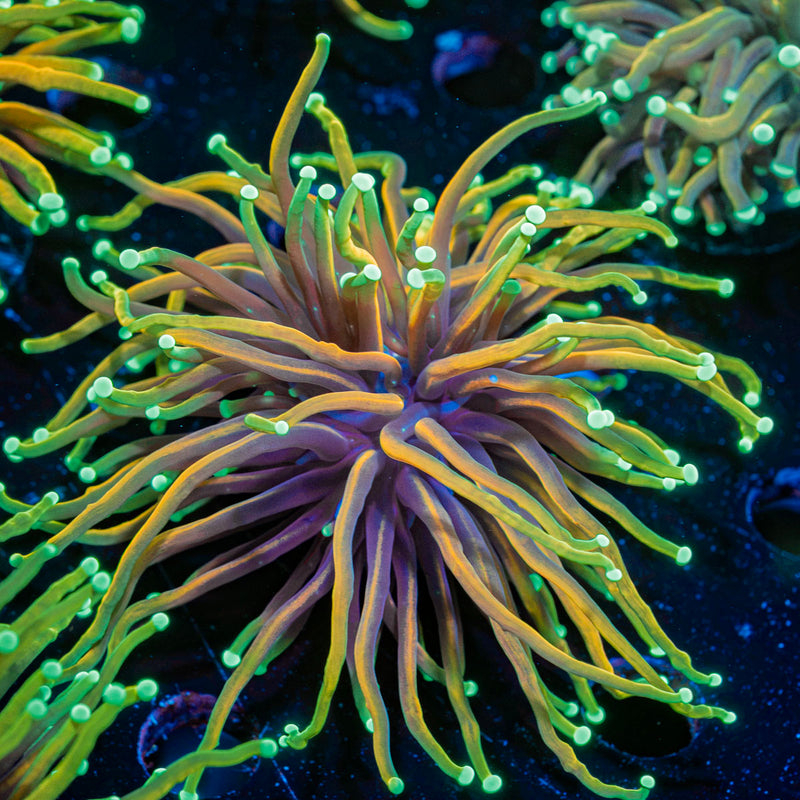
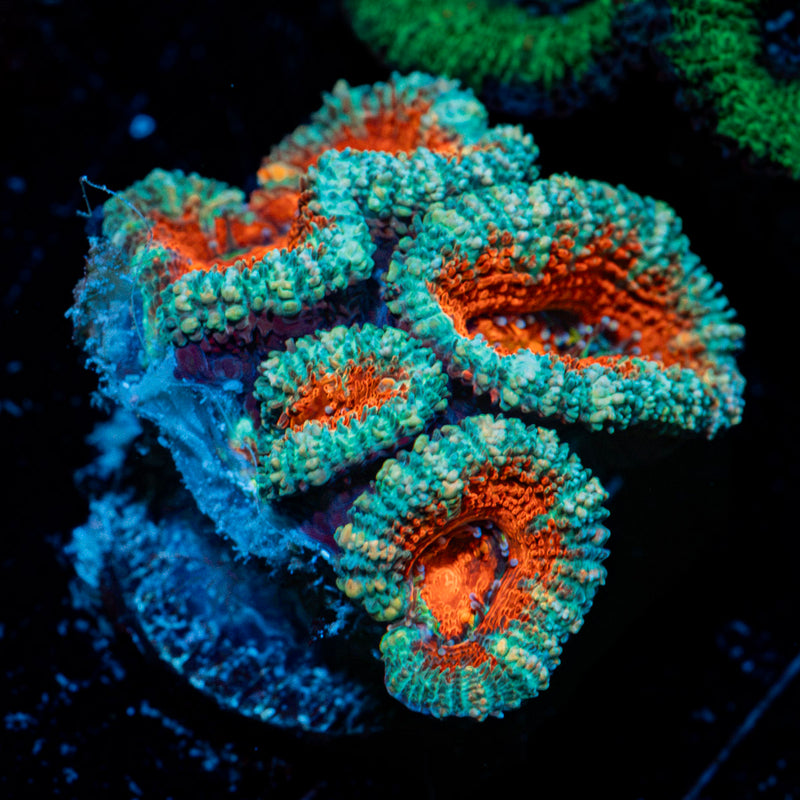
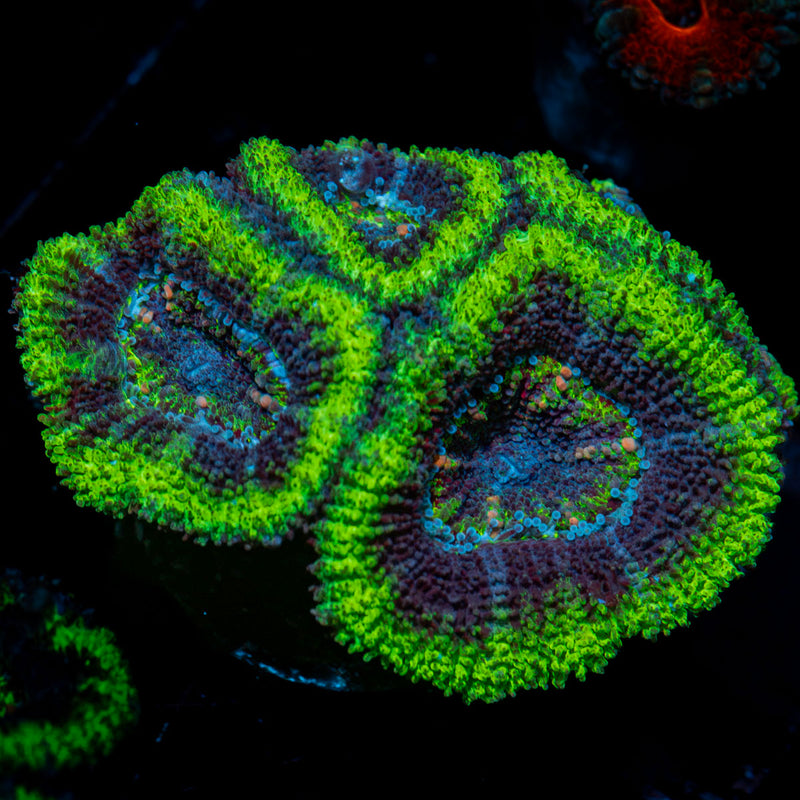
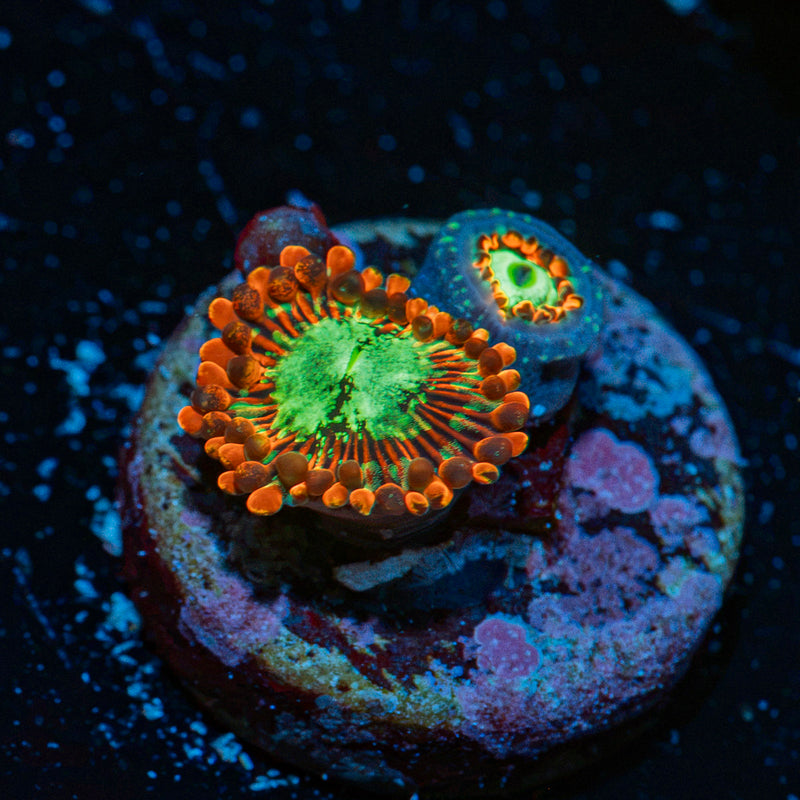
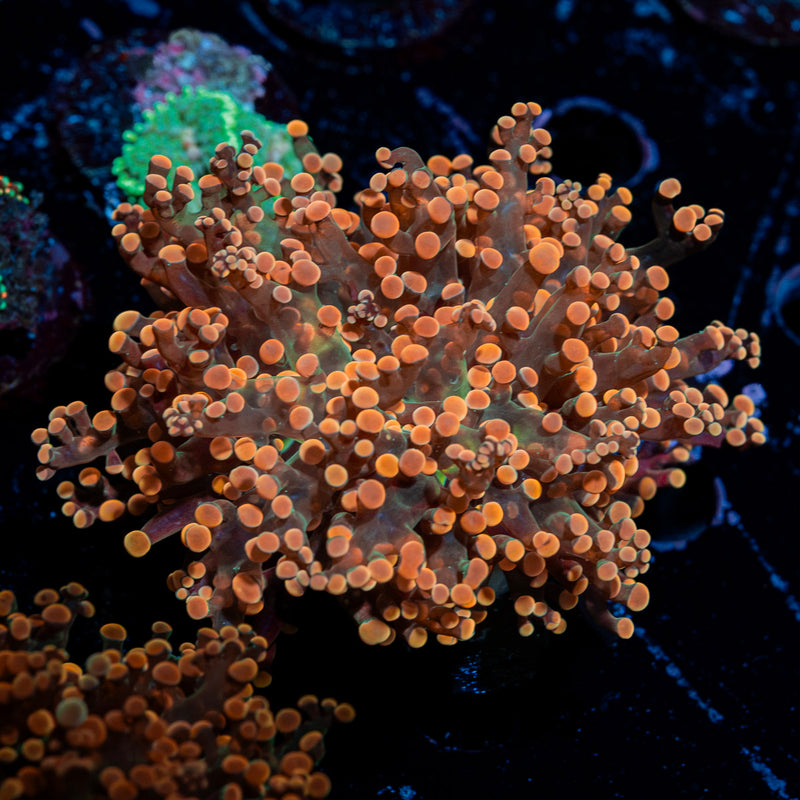
Think about light and flow next. Soft corals, mushrooms, and many zoanthids are often forgiving choices for tanks with moderate lighting and gentle-to-moderate flow. LPS corals such as hammers, frogspawn, torches, acans, and chalices bring big color and movement, but their placement needs vary. Some appreciate lower areas and indirect flow, while others need room to extend without touching nearby corals.
SPS corals, including Acropora and Millepora, can be stunning showpieces for established reefs. They also tend to reward consistency. Stronger lighting, purposeful flow, and stable chemistry are typically part of the equation. If your tank is new, it may be smarter to save that high-end SPS frag for a future addition rather than force it into a system that is still finding its rhythm.
Your available space matters, too. A tiny frag can become a large colony. Give branching corals clearance, leave room around corals with long sweepers, and remember that fast-growing zoanthids or soft corals may eventually claim more rockwork than expected.
Choose Corals That Match Your Experience
There is no prize for choosing the most demanding coral first. A successful beginner reef with colorful, healthy frags is more satisfying than a tank full of stressed impulse buys.
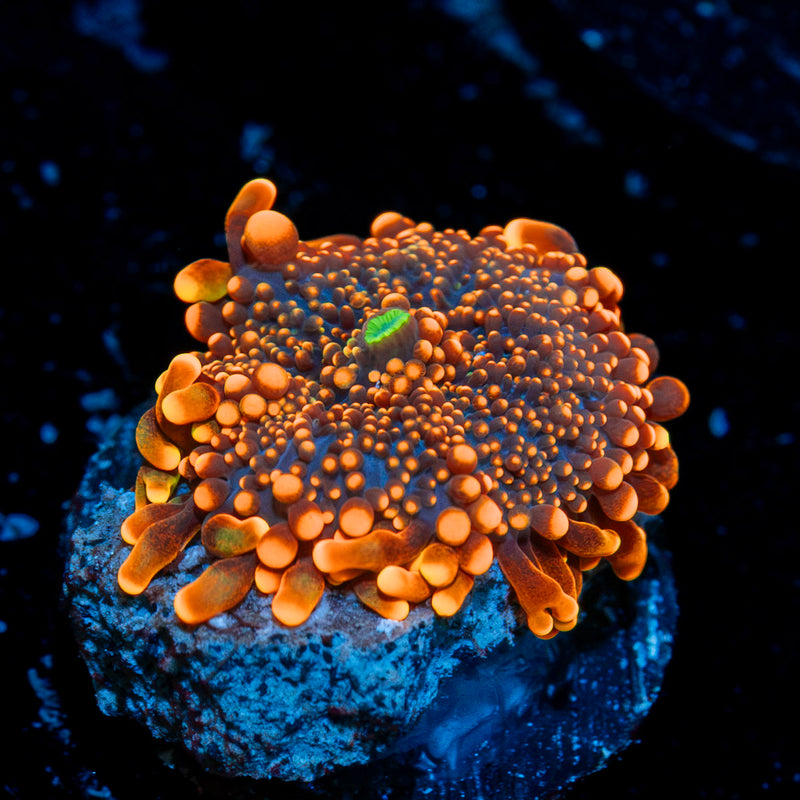
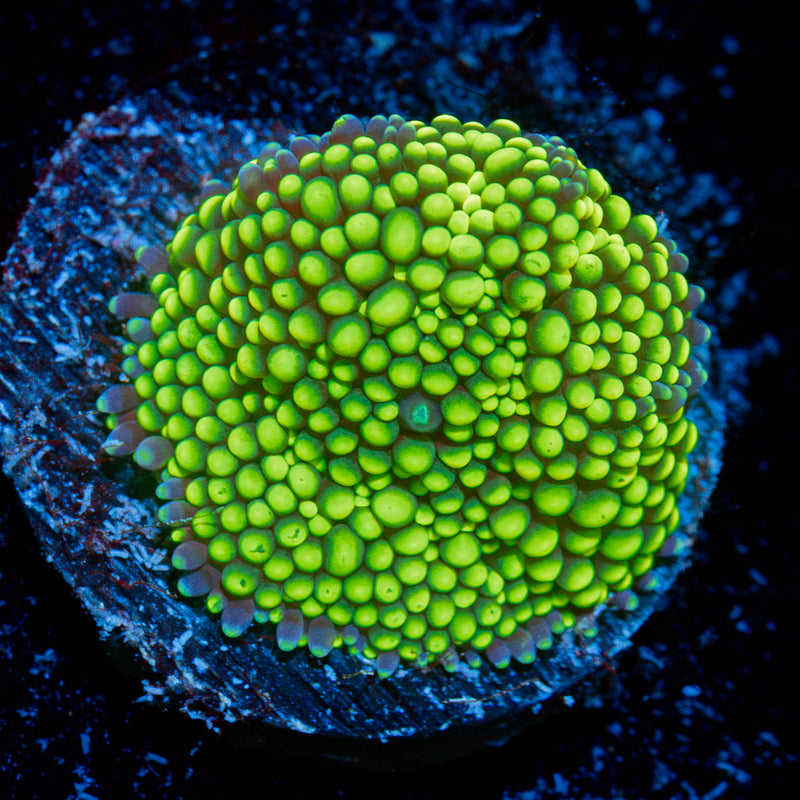
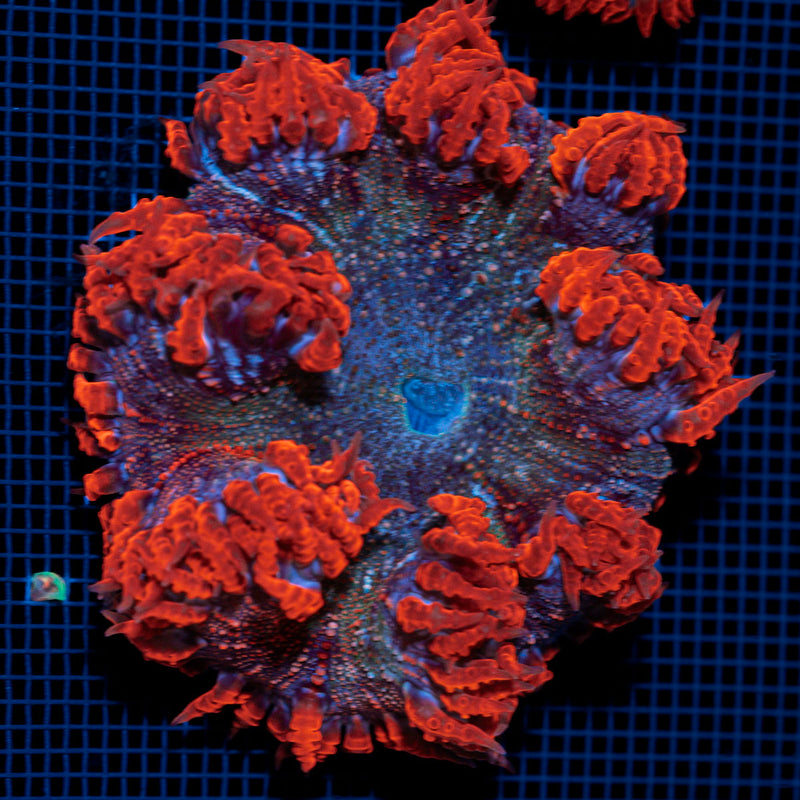
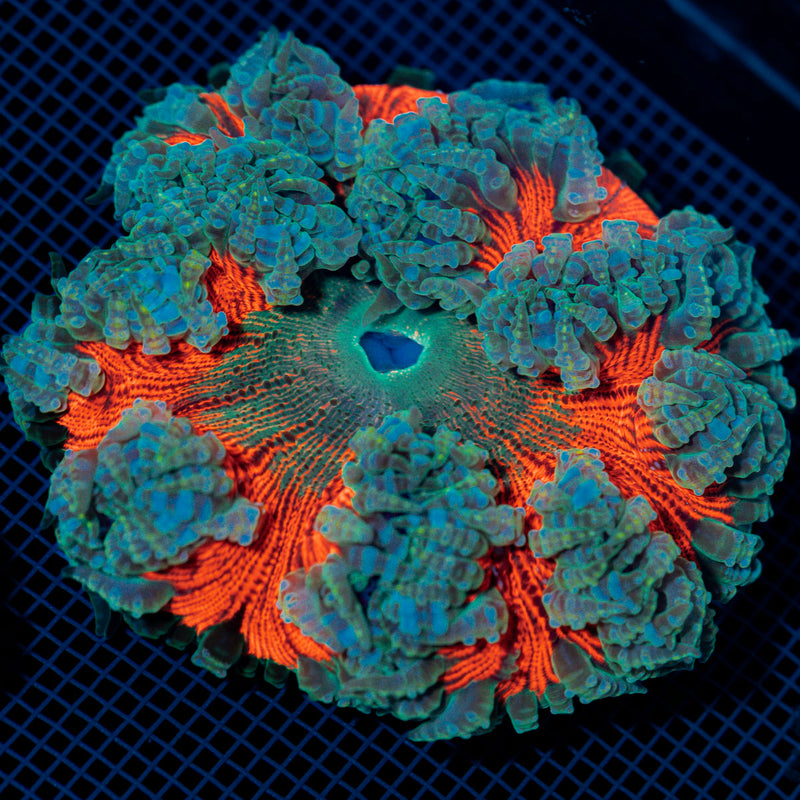
For newer hobbyists, curated beginner-friendly corals can take much of the guesswork out of selection. Mushrooms, many zoanthids, hardy soft corals, and carefully selected LPS are popular places to start because they offer excellent color without requiring an advanced routine. That does not mean they need no care. Every coral benefits from stable water, careful acclimation, and patience. It means their care requirements can be more approachable while you learn how your aquarium behaves.
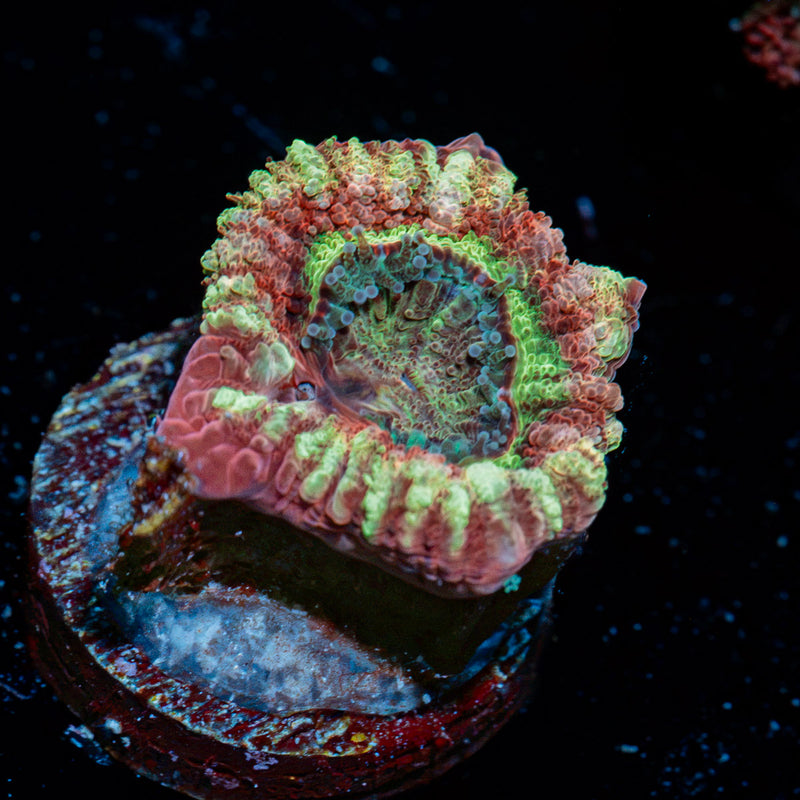
Intermediate reefers may want to build contrast: a waving torch above textured zoanthids, a bright acan tucked into lower rockwork, or a colorful chalice placed where it has room to grow. Advanced hobbyists can focus more tightly on lineage, growth form, lighting response, and specific color morphs when selecting premium SPS and collectible WYSIWYG pieces.
The right mix depends on your goals. If you want a tank that feels full and colorful quickly, a frag pack can create an intentional starting palette. If you are searching for one centerpiece, a single WYSIWYG coral may be the better choice.
Why WYSIWYG Matters When Buying Corals Online
WYSIWYG means “what you see is what you get.” For live coral, that distinction matters. Rather than receiving a representative frag from a group, you receive the exact specimen pictured.
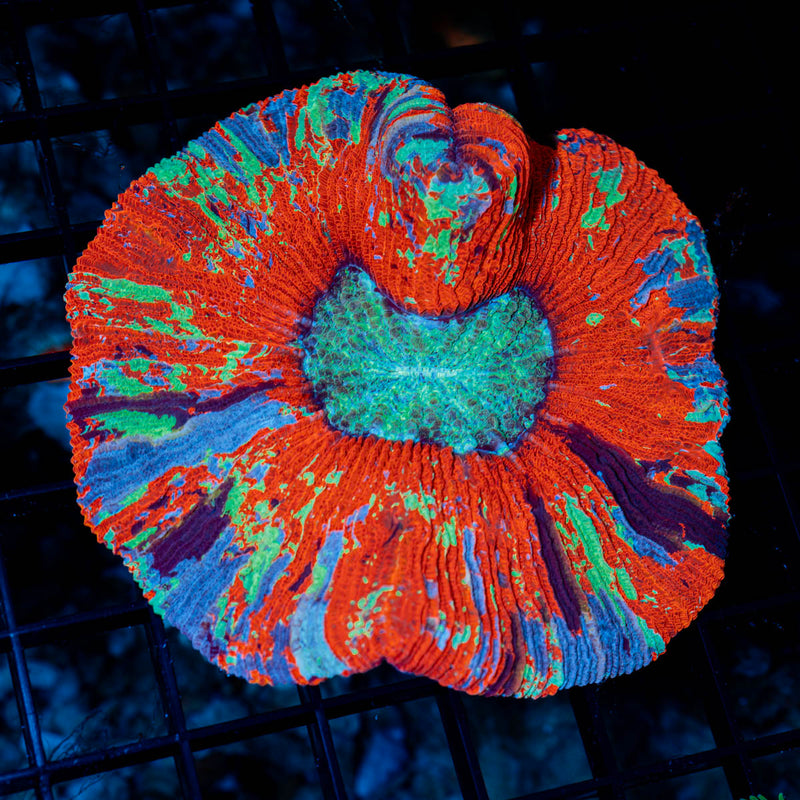
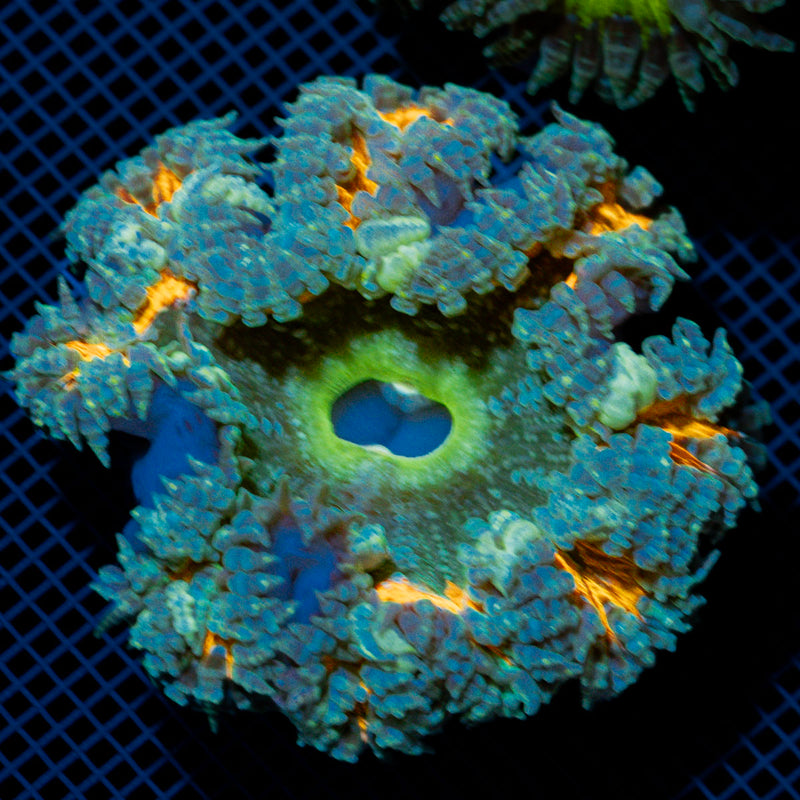
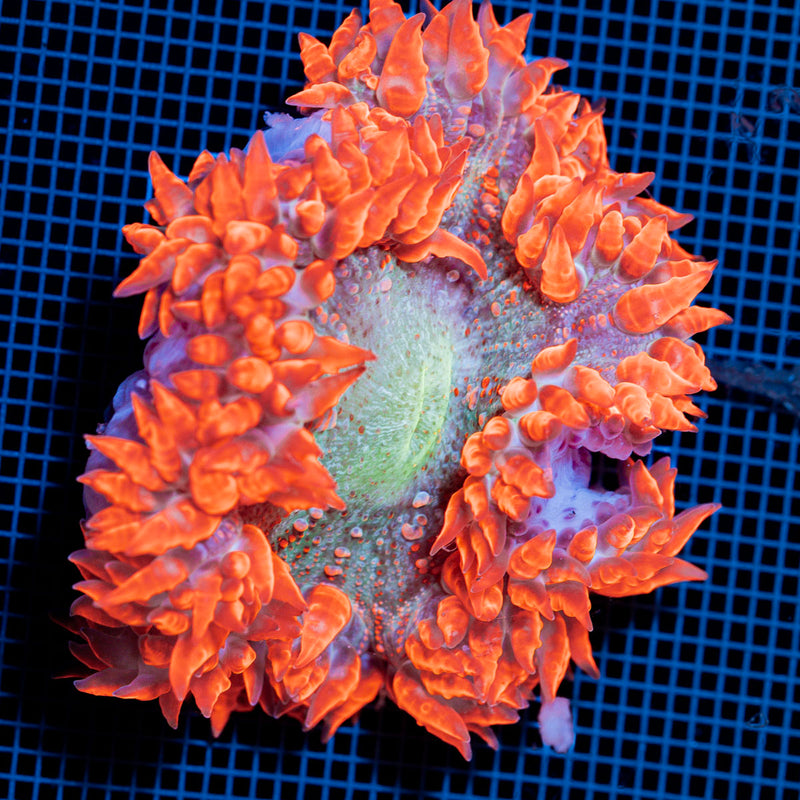
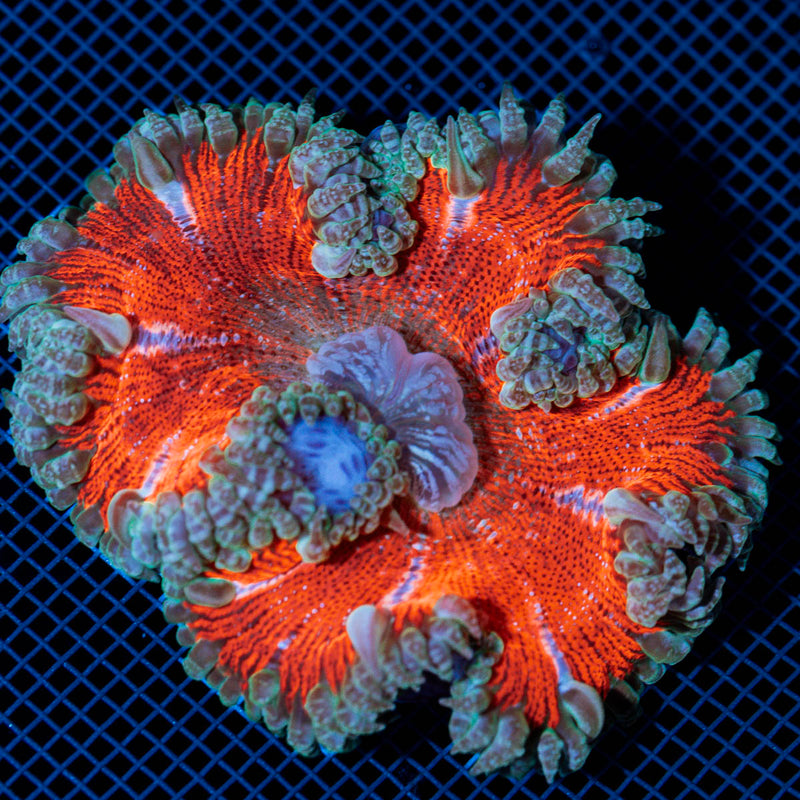
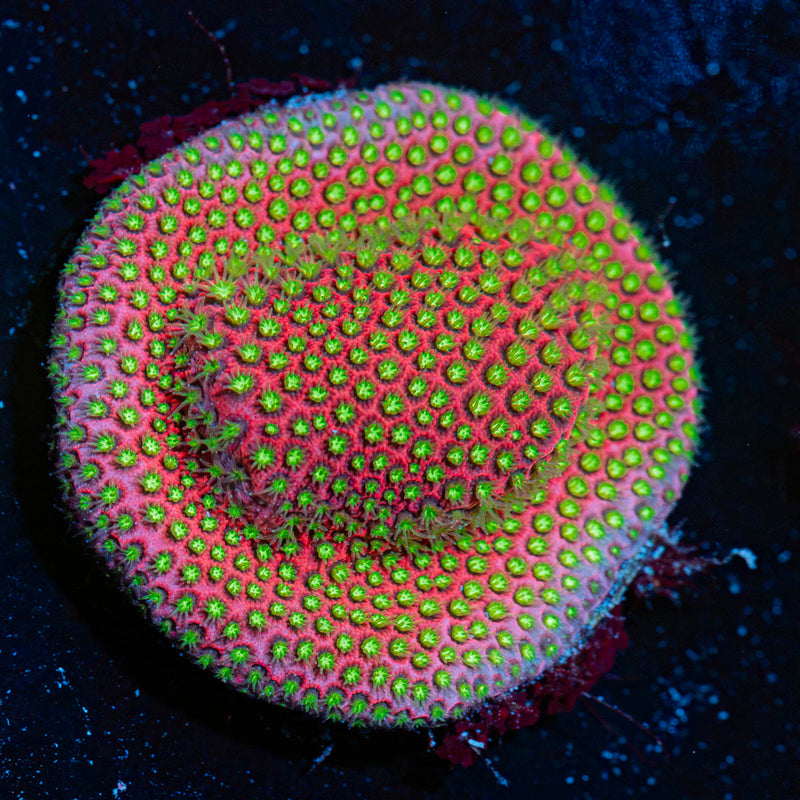
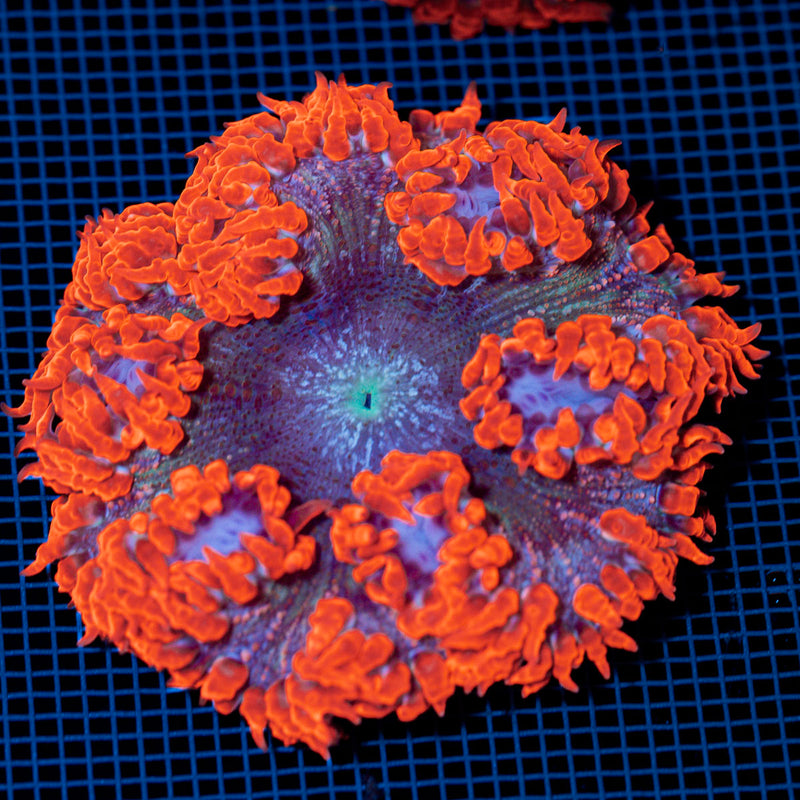
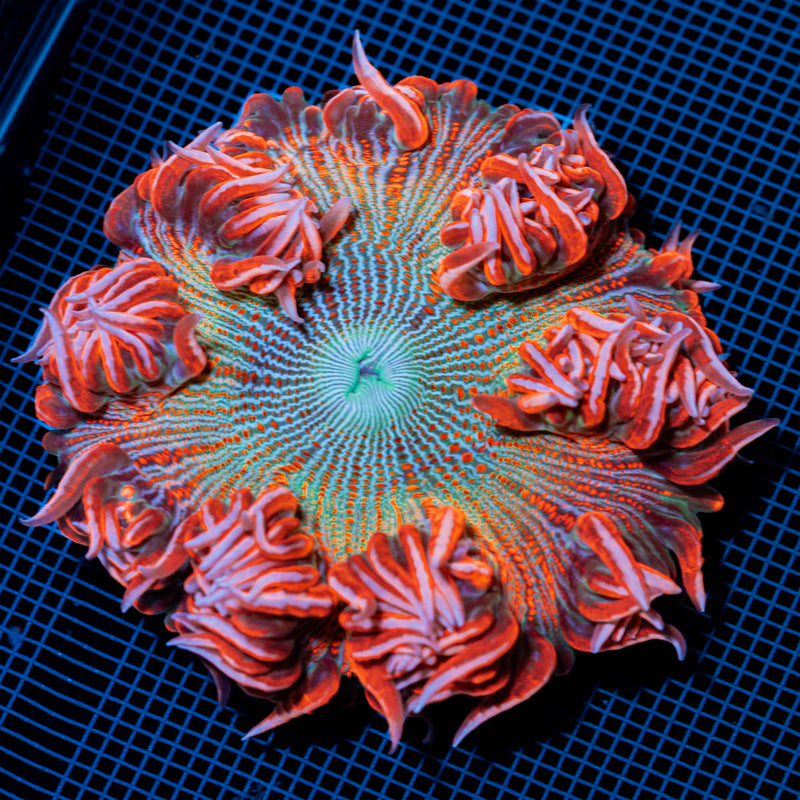
This creates useful purchase confidence for collectors and detail-oriented reefers. You can evaluate the coral’s size, shape, number of heads, encrustment, and visible coloration before adding it to your cart. It is especially valuable for high-end Acropora, torches, mushrooms, chalices, and other specimens where individual appearance can vary significantly.
Photos still need context. Coral colors can shift under different aquarium lights, camera settings, and viewing angles. A reputable seller should present clear, accurate images, but your tank’s spectrum may make a coral appear warmer, cooler, brighter, or more subdued at first. Give new frags time to adjust before judging their long-term color.
For shoppers who value exact-item confidence, Riptide Aquaculture pairs aquacultured coral selection with WYSIWYG transparency so you can shop the specimen that caught your eye, not a vague approximation.
Read the Listing Like a Reef Keeper
A good coral listing should answer practical questions, not just sell a beautiful image. Look for the coral category, expected care level, lighting and flow preferences, and any useful notes about placement or temperament. These details help you compare corals that may look equally appealing but behave very differently in a home reef.
Pay special attention to growth and aggression. Euphyllia corals can have flowing tentacles and a dramatic presence, but they need personal space. Chalices may extend sweepers after lights out. Zoanthids can spread across available surfaces. A coral that is easy to keep may still be a poor fit if it will crowd a favorite colony six months from now.
Also consider whether the frag is freshly cut or healed. A well-healed aquacultured frag has had time to recover and establish itself on its plug. Aquacultured corals are grown under aquarium conditions, which can make them especially well suited to life in a captive reef while supporting a more reef-safe approach to building your collection.
Plan Shipping Around Real Weather
Live coral delivery is not ordinary package delivery. Healthy livestock, thoughtful packing, and a clear live arrival assurance provide meaningful confidence, but the receiving side of the shipment matters just as much.
Choose a delivery day when someone can bring the box inside promptly. Avoid ordering ahead of a vacation, a work trip, or a stretch of extreme weather if your schedule is uncertain. Seasonal shipping guidance is worth paying attention to because high heat, hard freezes, storms, and carrier delays can change the risk profile of any livestock order.
When the box arrives, inspect it right away. Check that the bags are intact and that each coral appears appropriately packaged. Follow the seller’s arrival process if there is a concern, including any timing or photo requirements associated with a live arrival policy. Do this before starting a lengthy acclimation routine.
Acclimate With Patience, Then Place With Purpose
New corals have already experienced collection, packing, travel, and a major change in water chemistry. The first day should be calm. Temperature acclimation, a careful inspection, and a coral dip when appropriate to your established quarantine and pest-prevention process are sensible steps.
Avoid placing a fresh coral immediately under the brightest light or strongest flow in the tank. Start with a lower-light, gentler-flow position when the coral’s needs allow, then gradually move it toward its intended home. This is particularly helpful for specimens coming from a different lighting spectrum.
Resist the urge to move a coral repeatedly because it looks slightly closed during its first few hours. Some corals open quickly; others need several days to settle. Watch for meaningful trends instead: tissue condition, polyp extension, color stability, and response over time. A consistent environment is more valuable than constant tinkering.
A Smarter Online Coral Buying Checklist
Before checkout, confirm that your tank can support the coral’s light, flow, and care needs. Verify that the listing is WYSIWYG when exact appearance matters, and make sure the specimen has enough future space in your aquascape. Review shipping timing, be available on delivery day, and have acclimation supplies ready before the box is on your doorstep.
Just as important, buy with a plan rather than filling a cart because every coral is beautiful. A well-chosen mushroom, hammer, zoanthid, or Acropora can become the piece you watch every evening. Give it stable water, appropriate placement, and time to become part of your reef’s story.