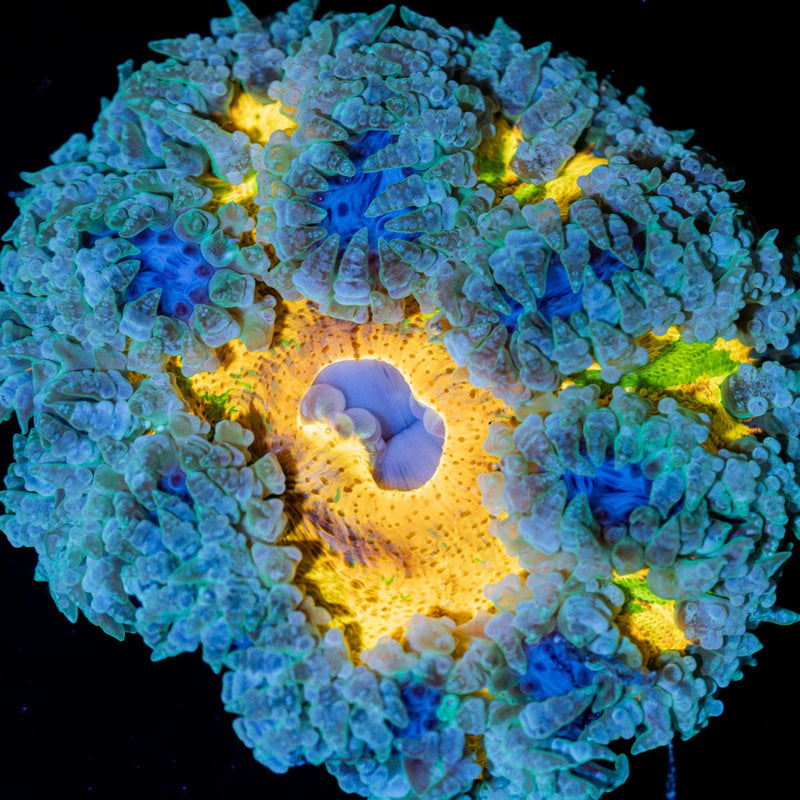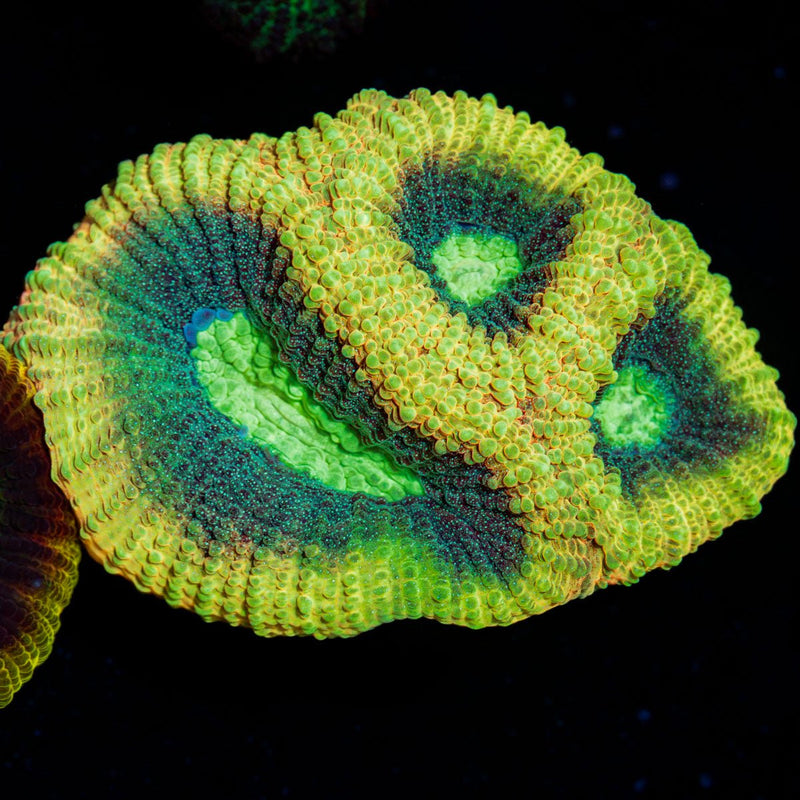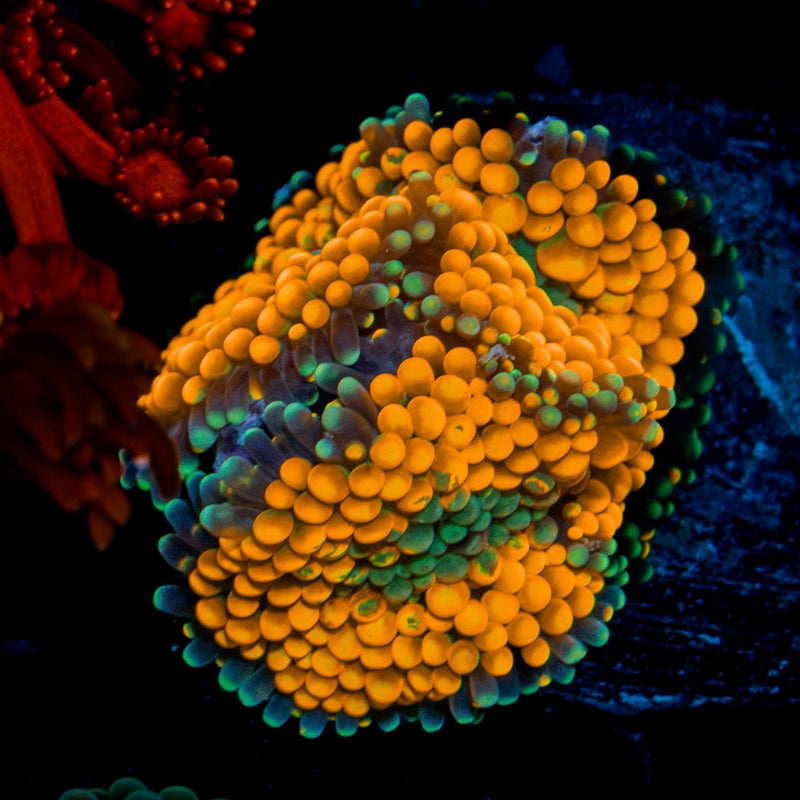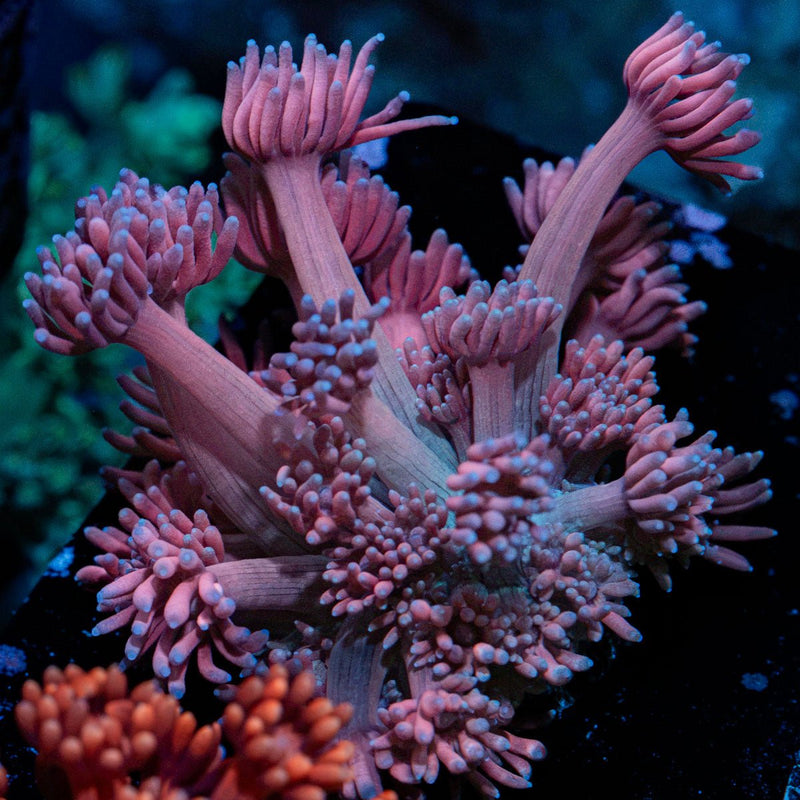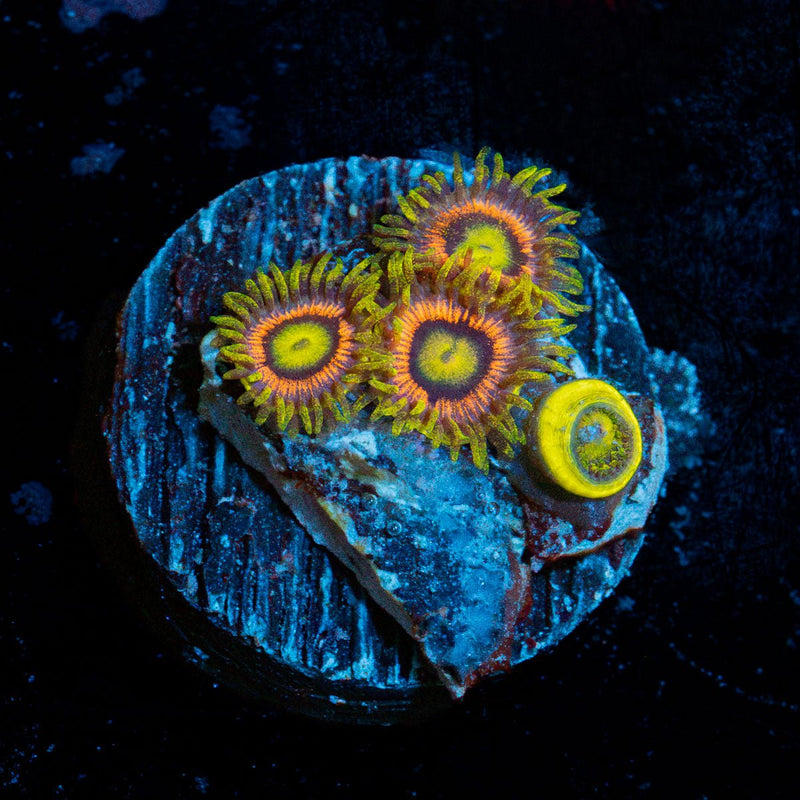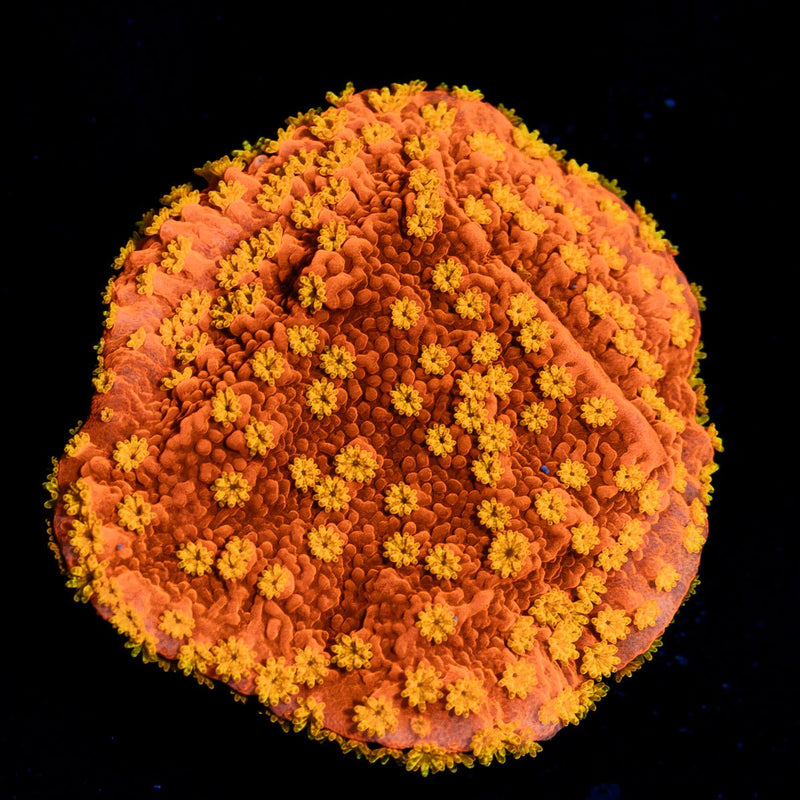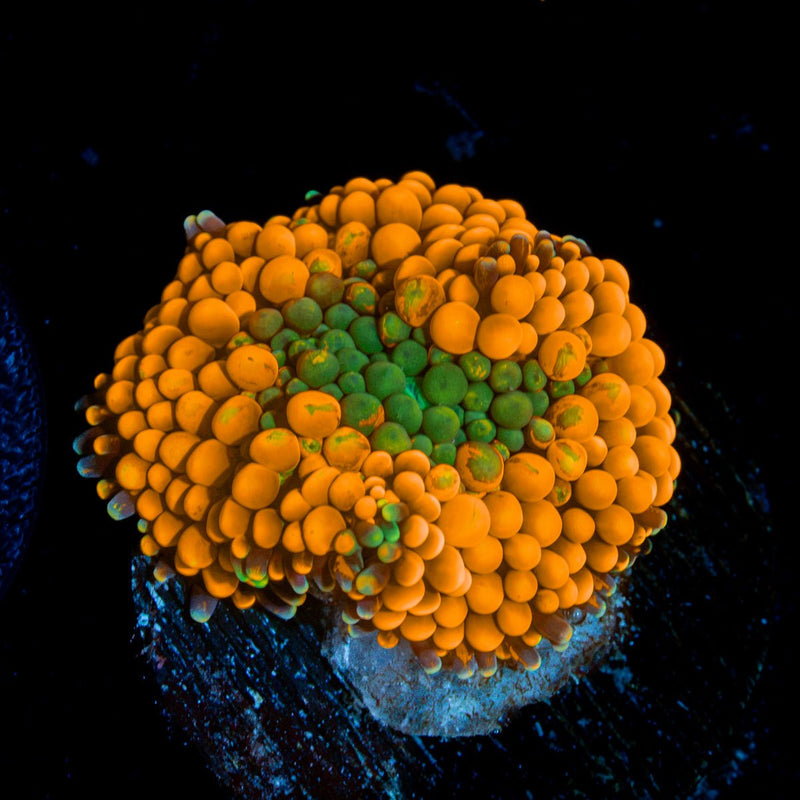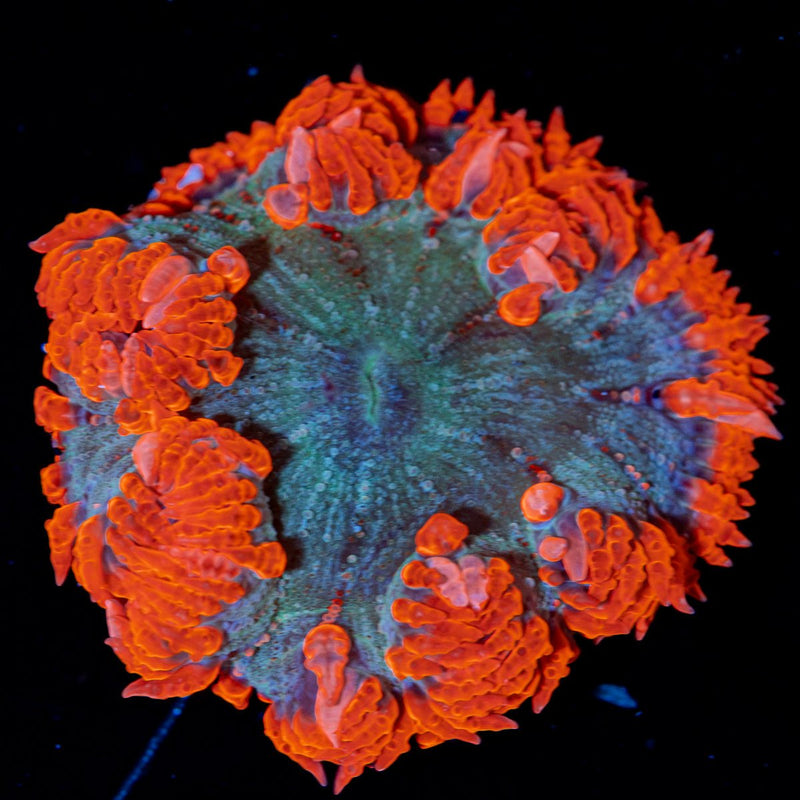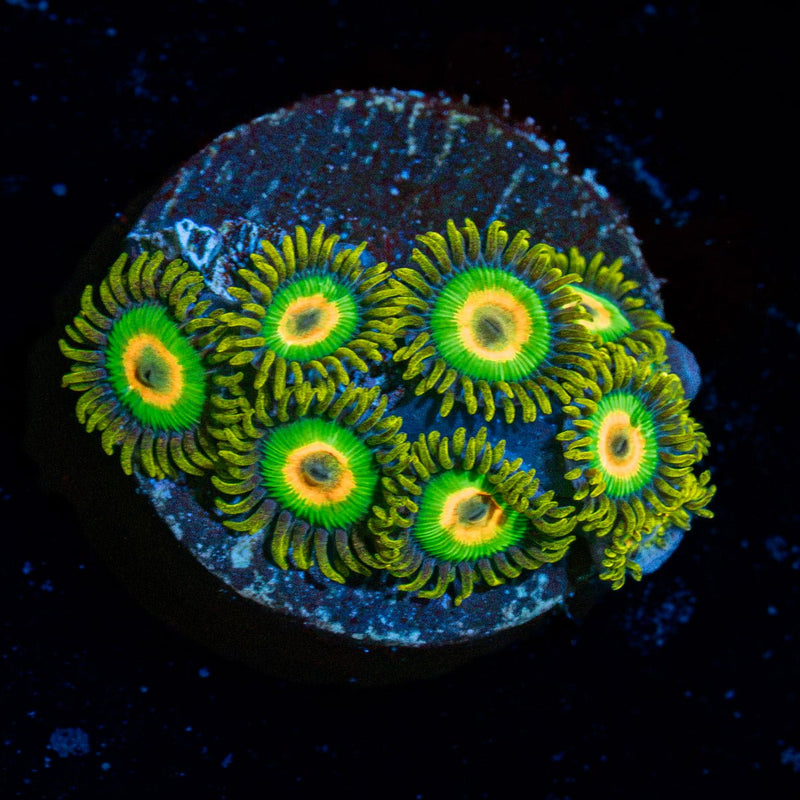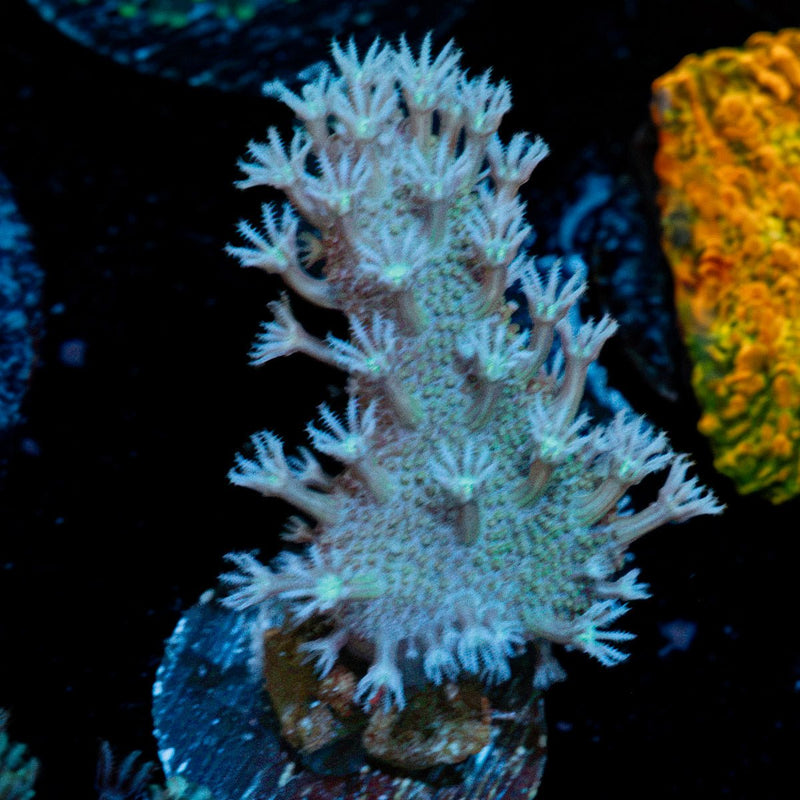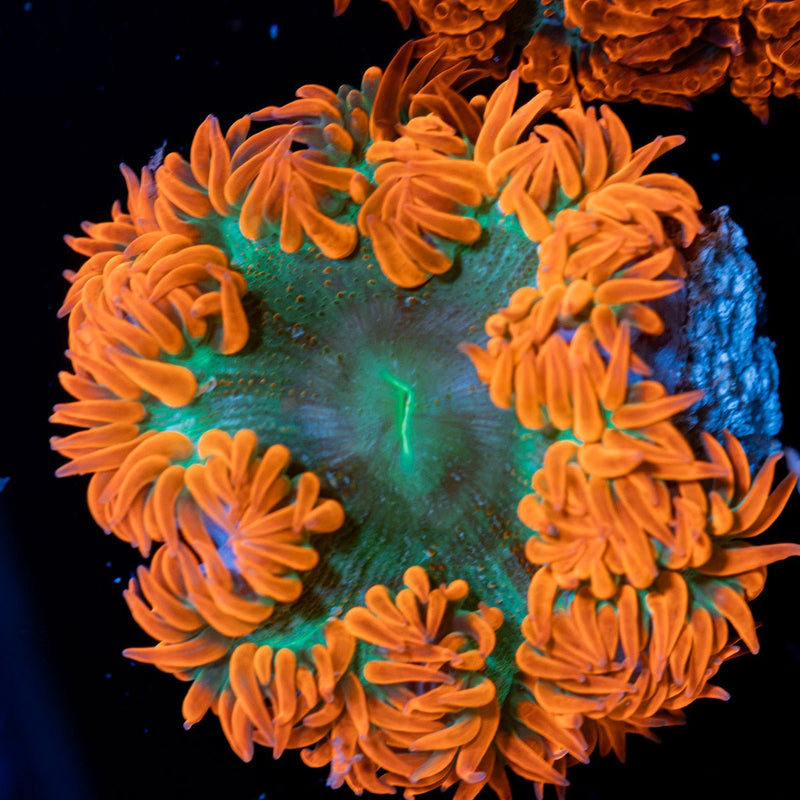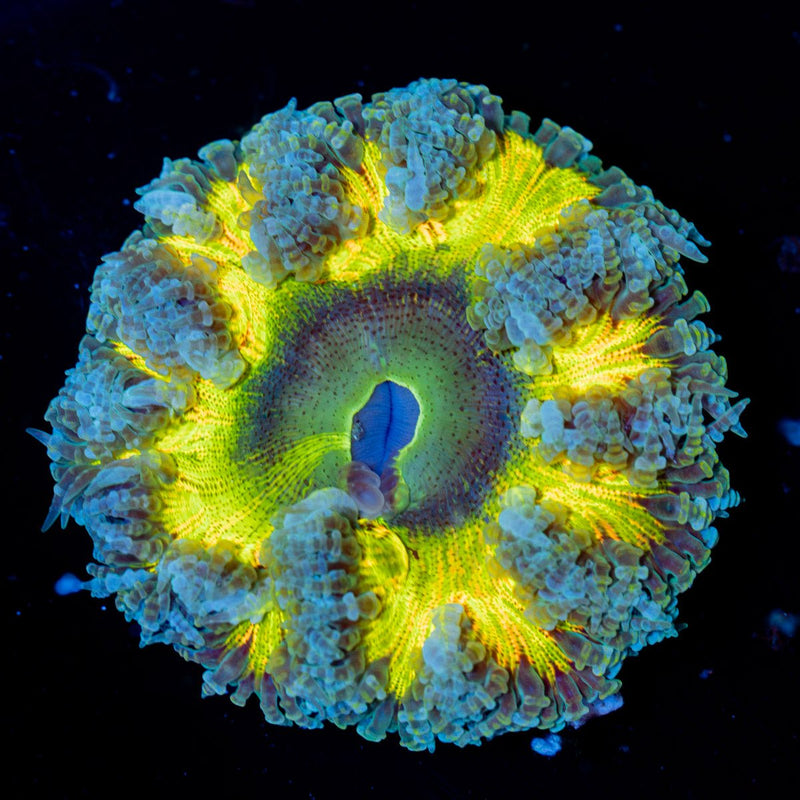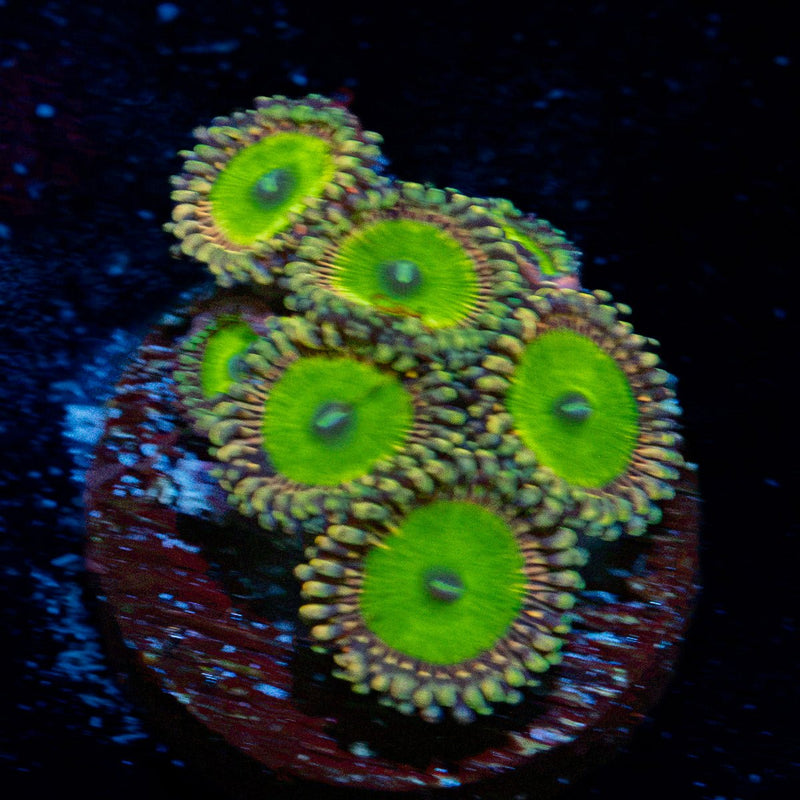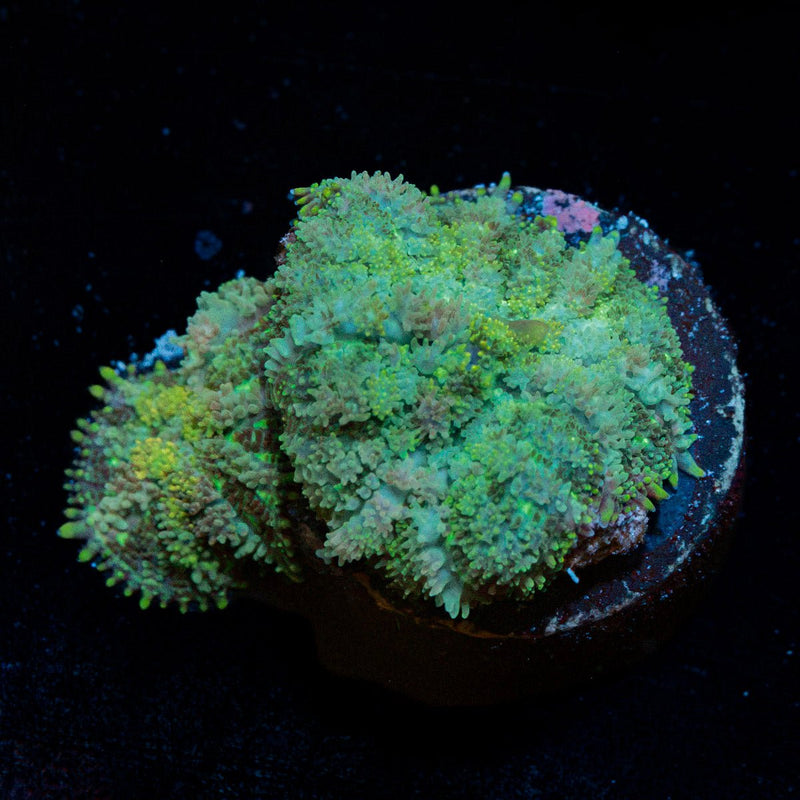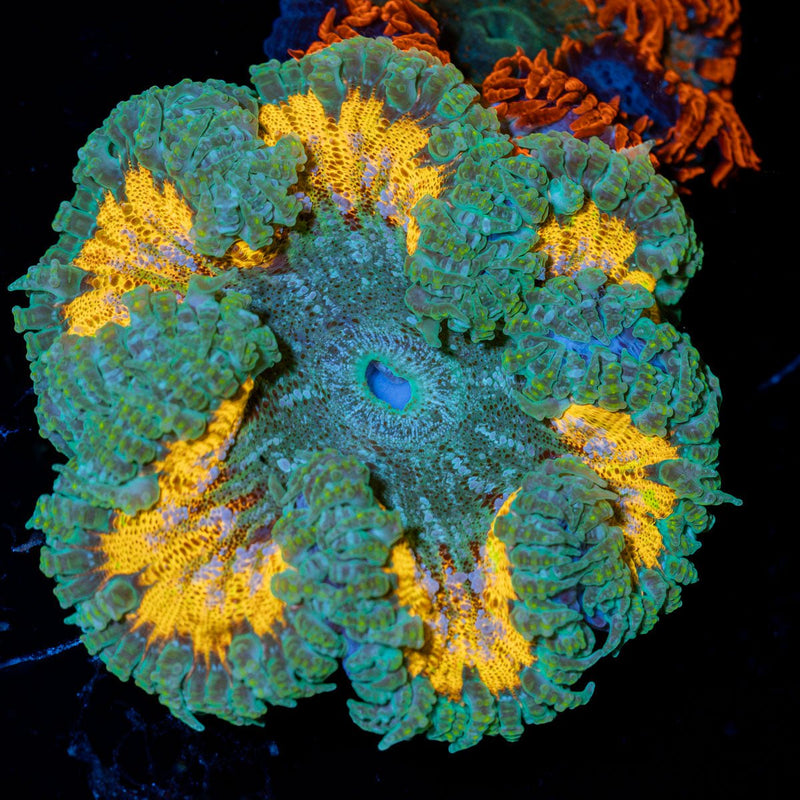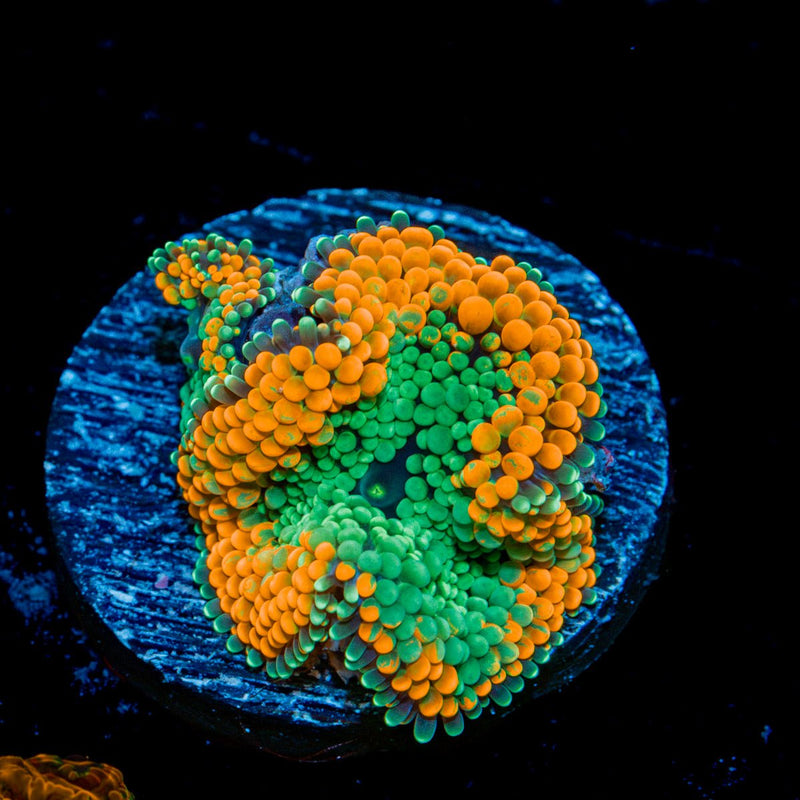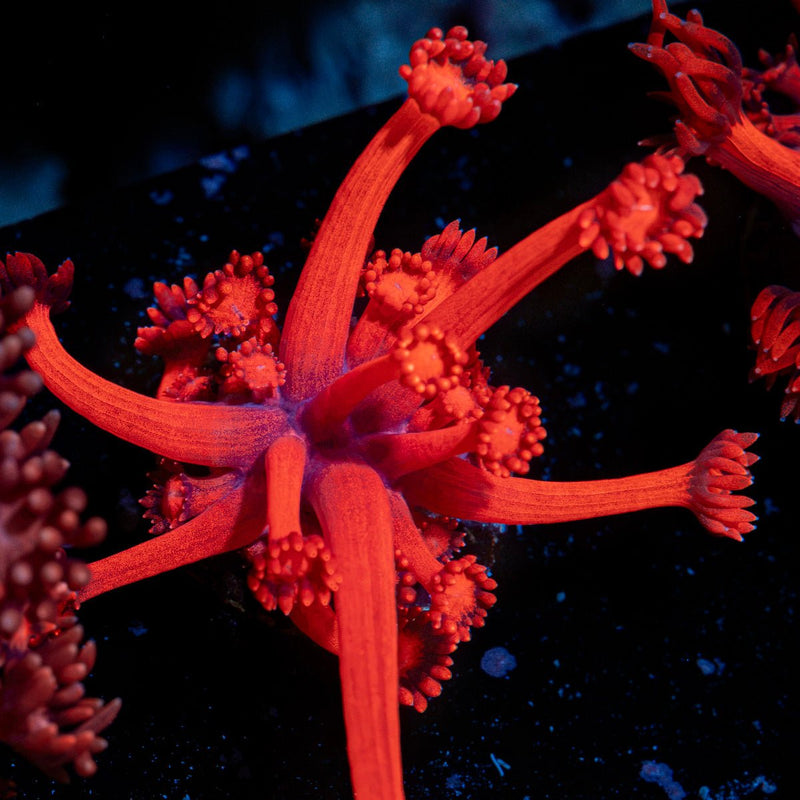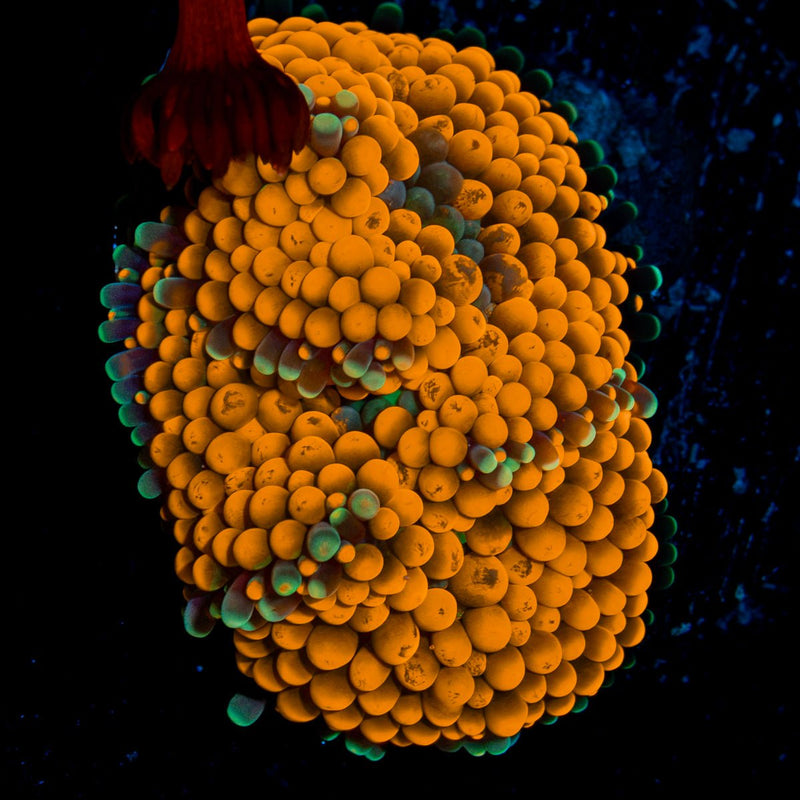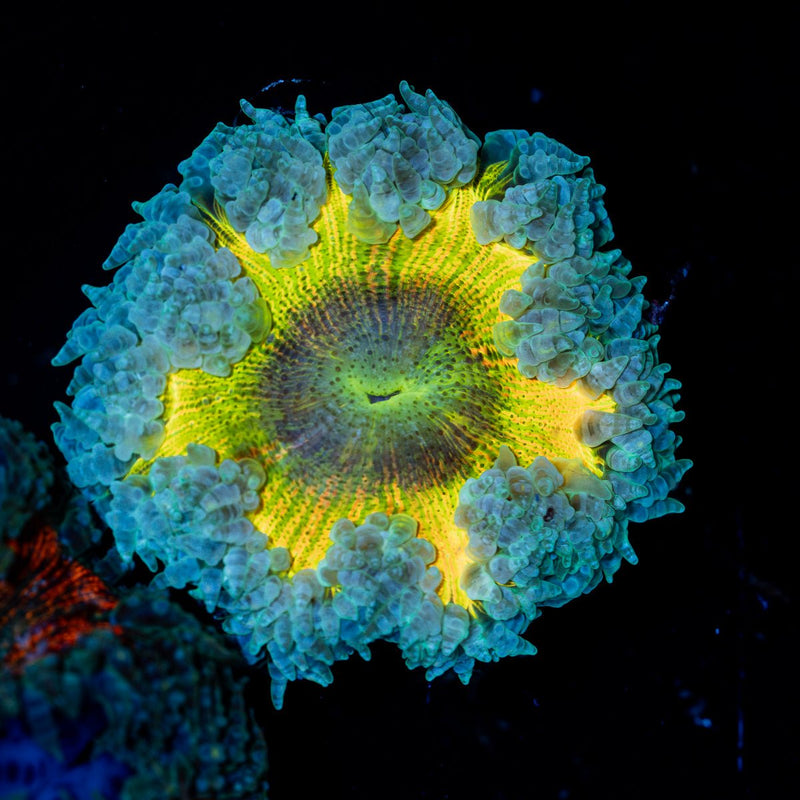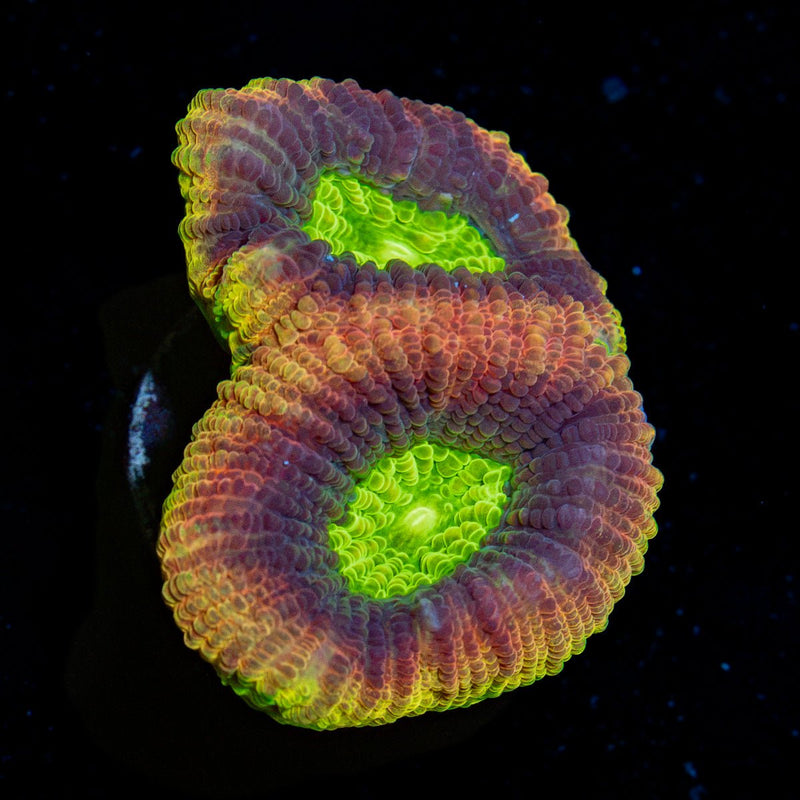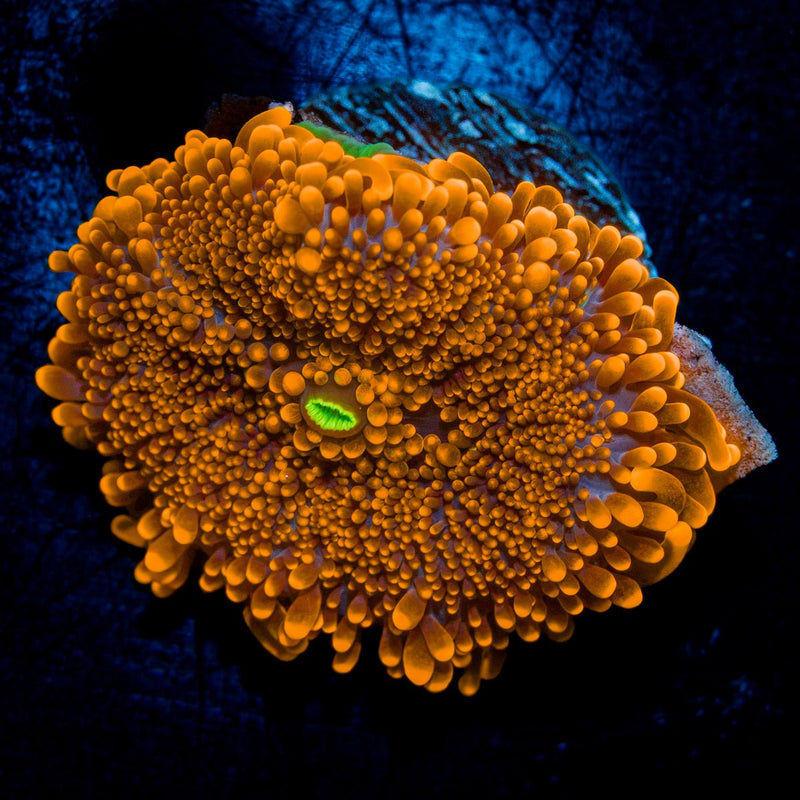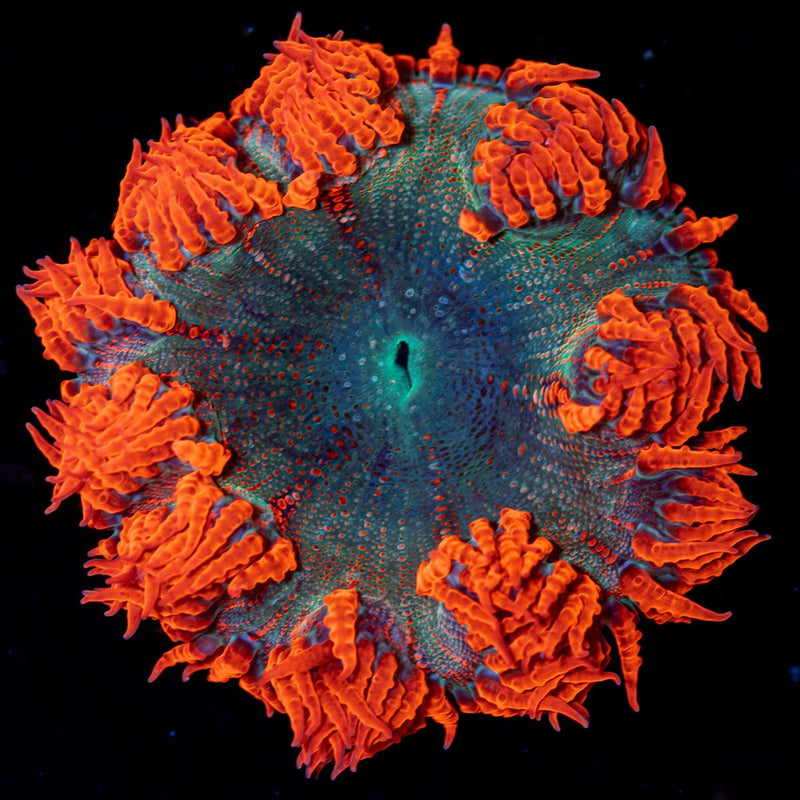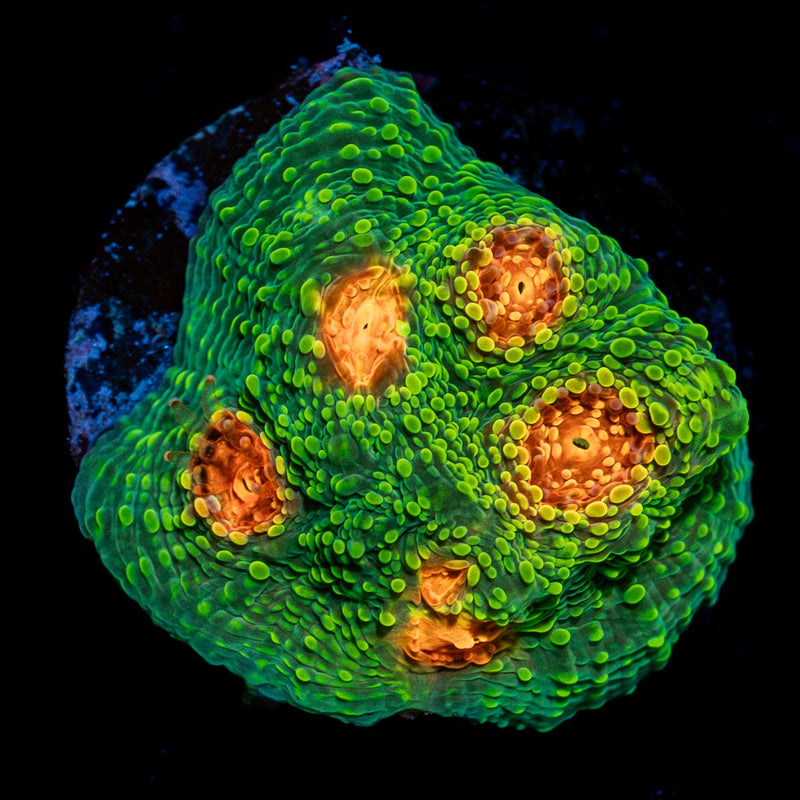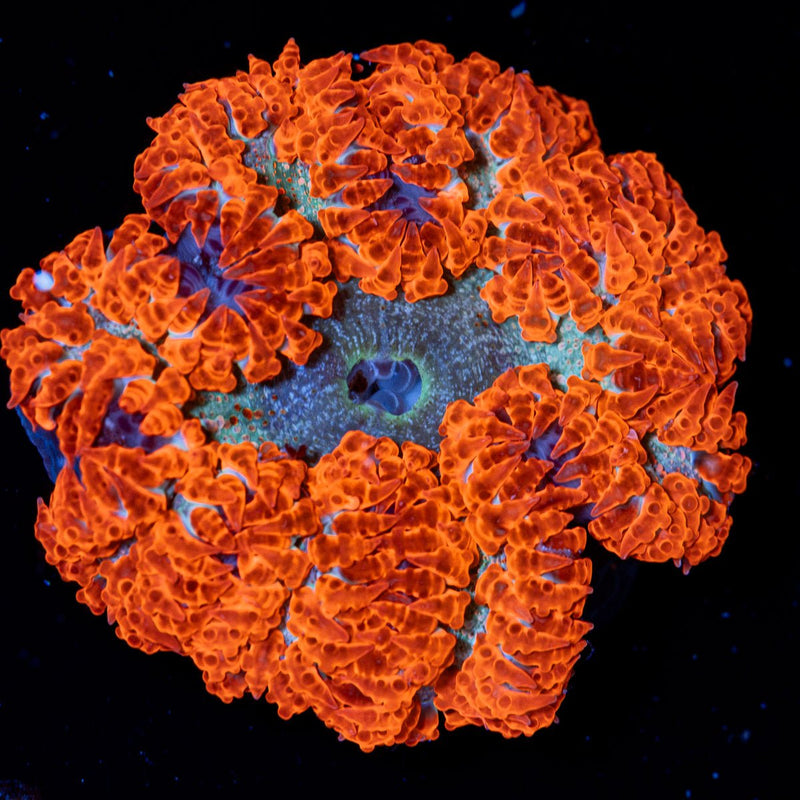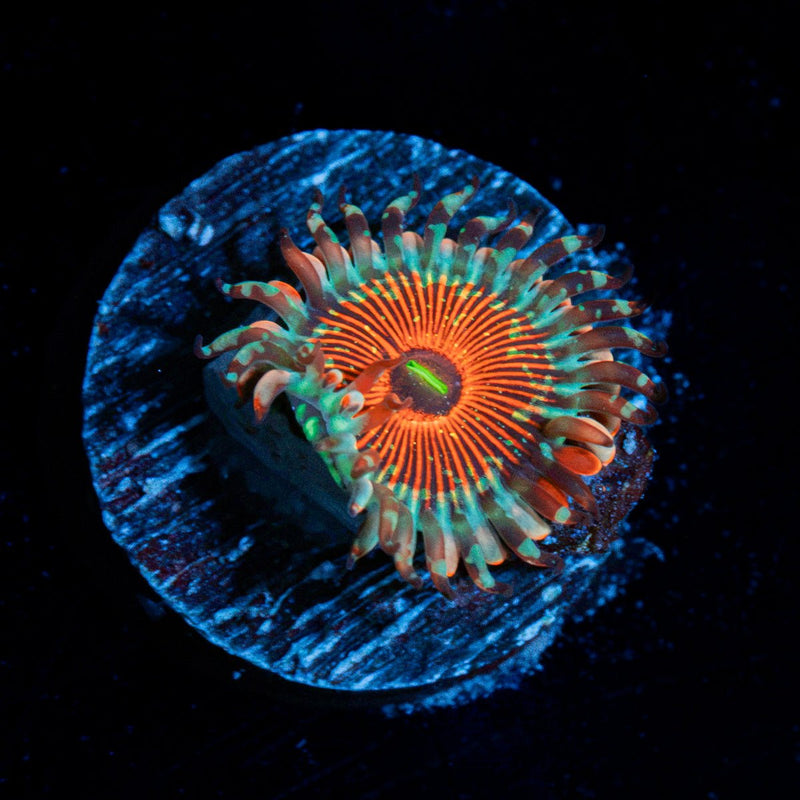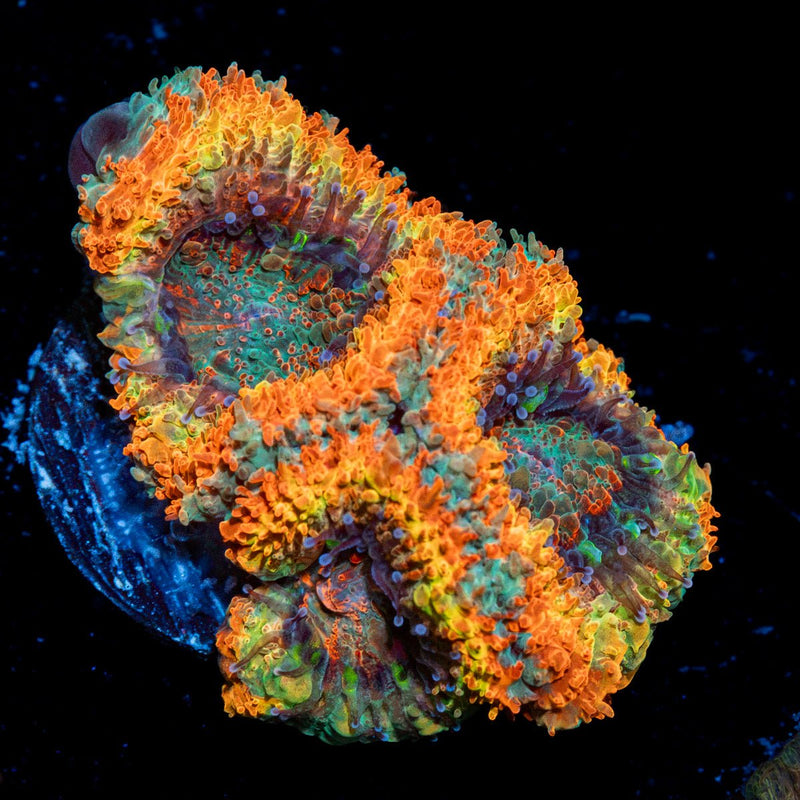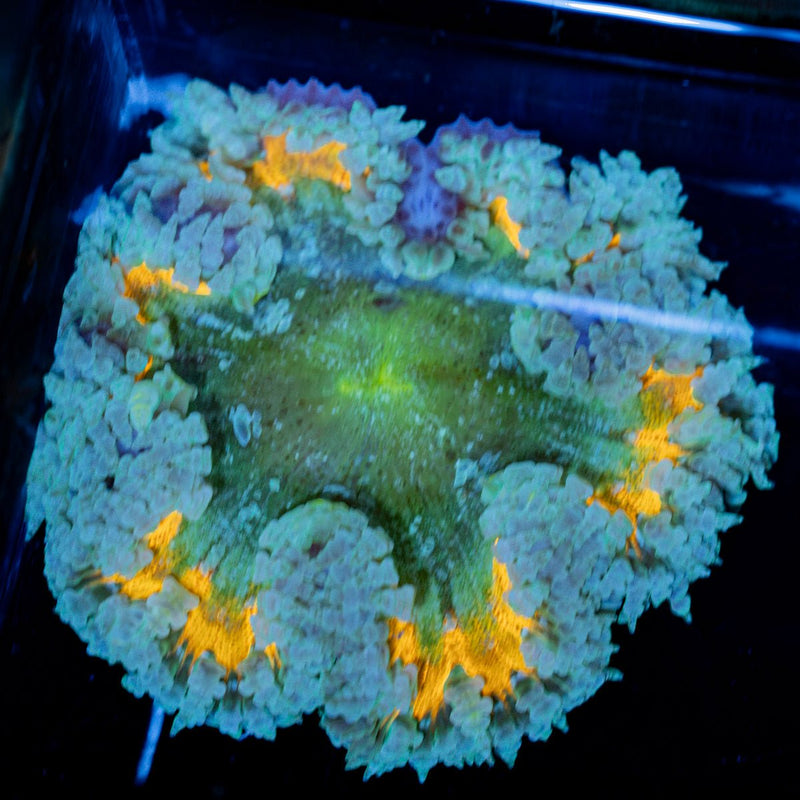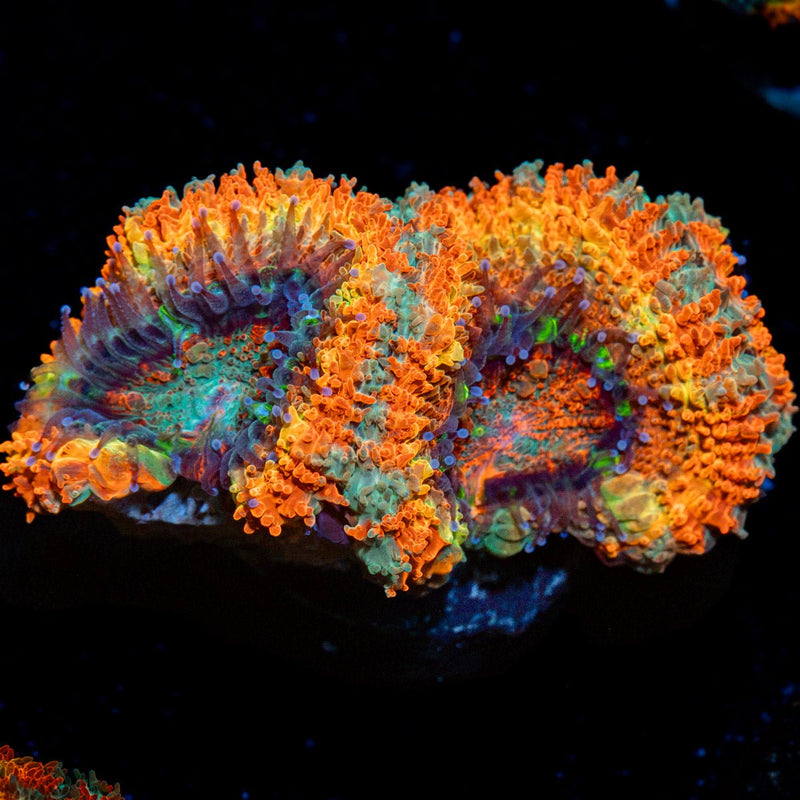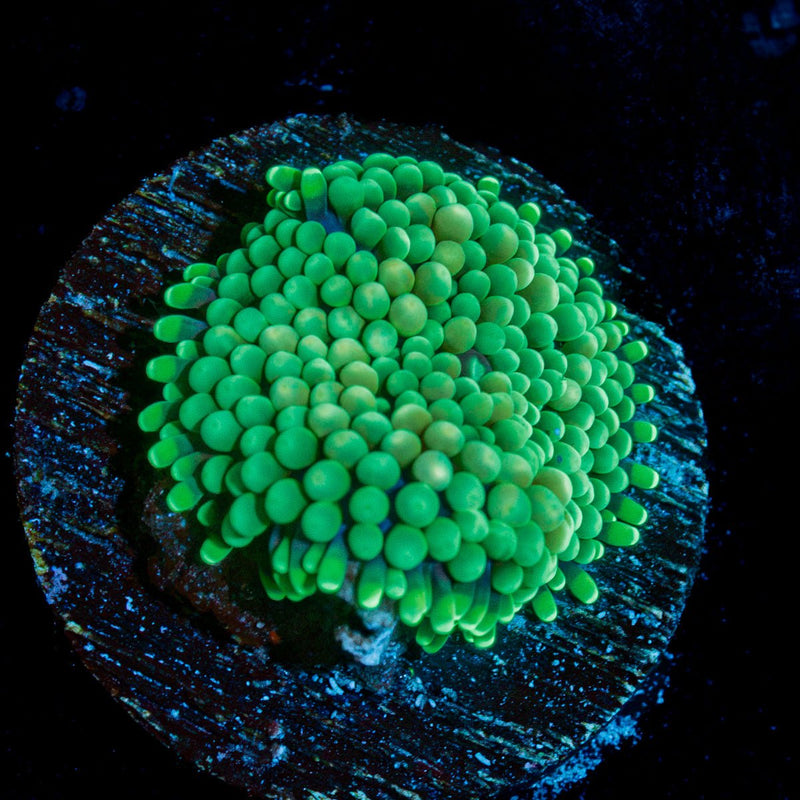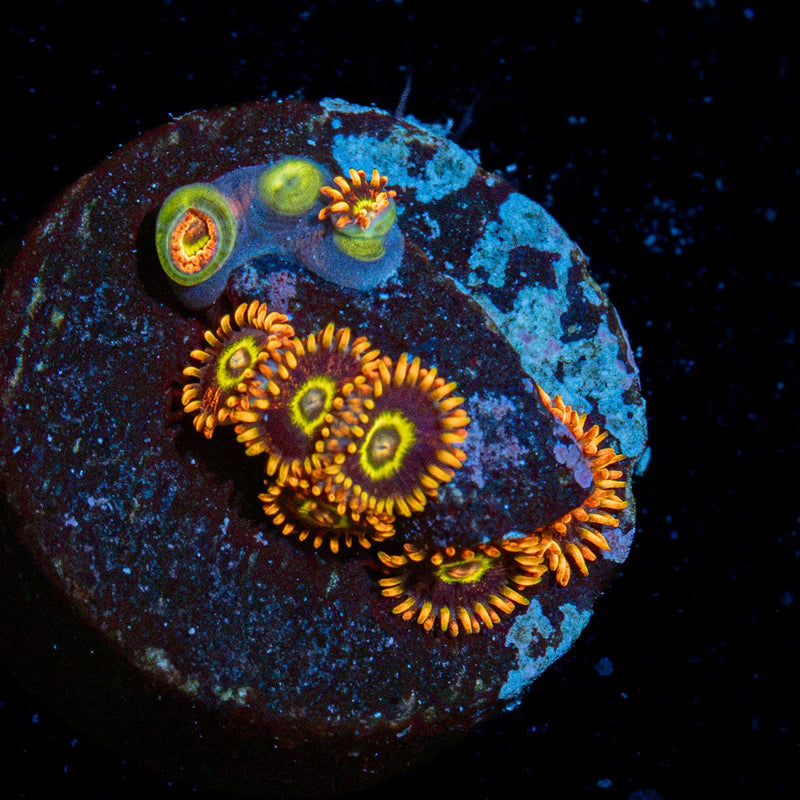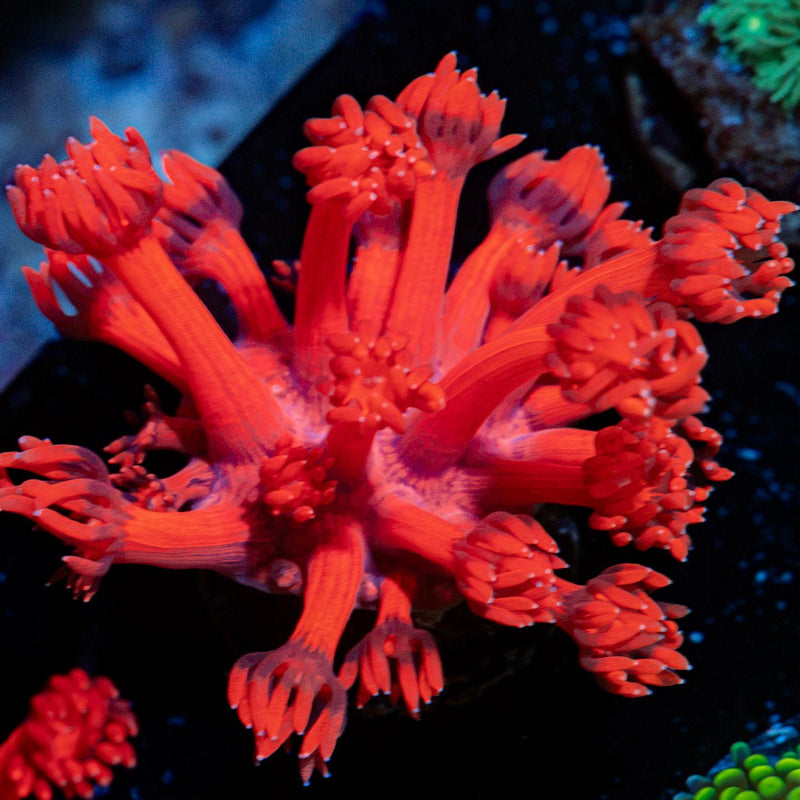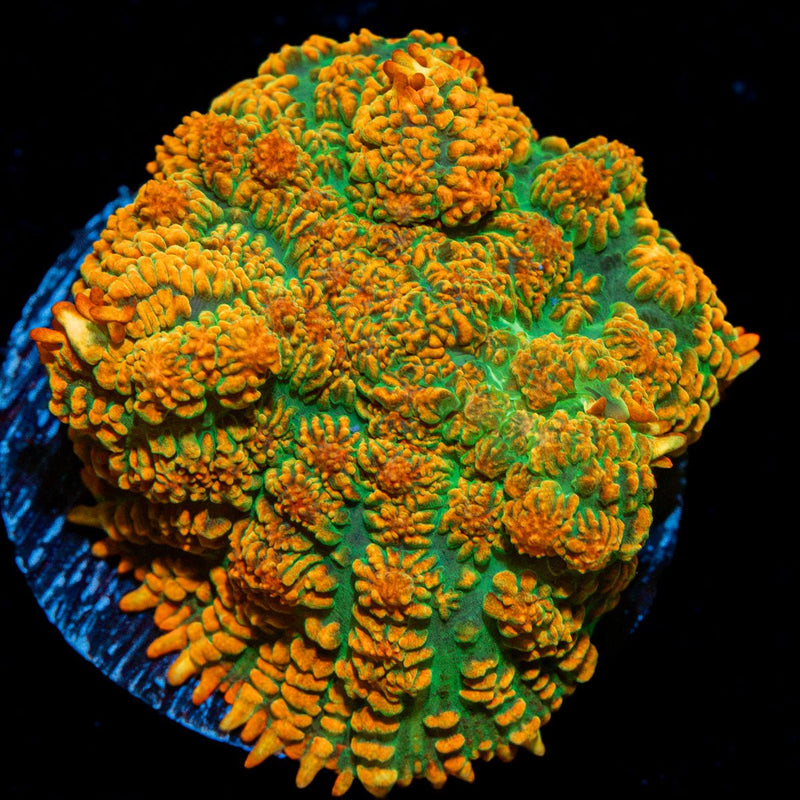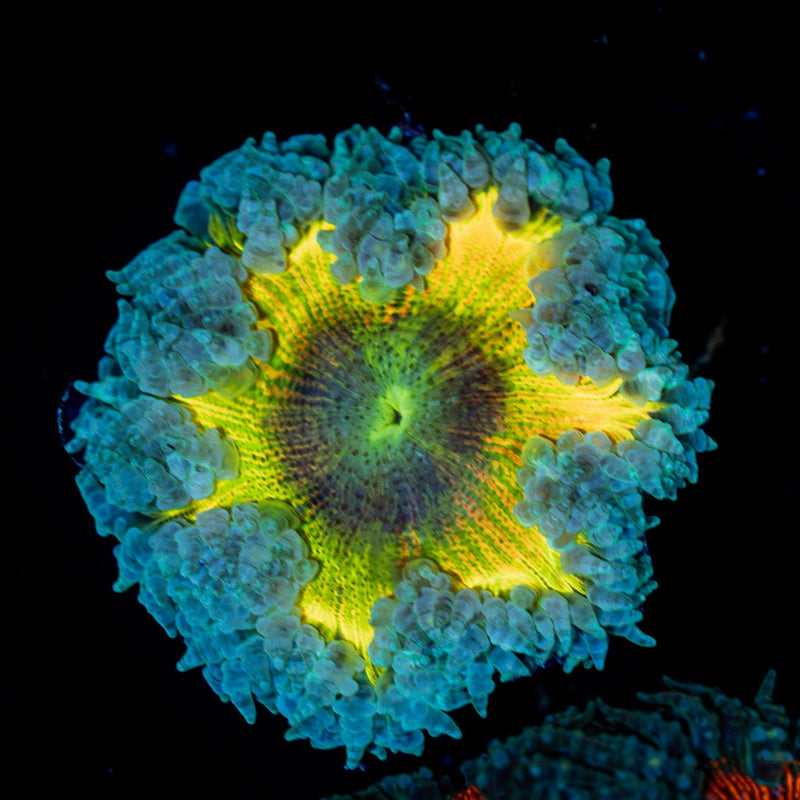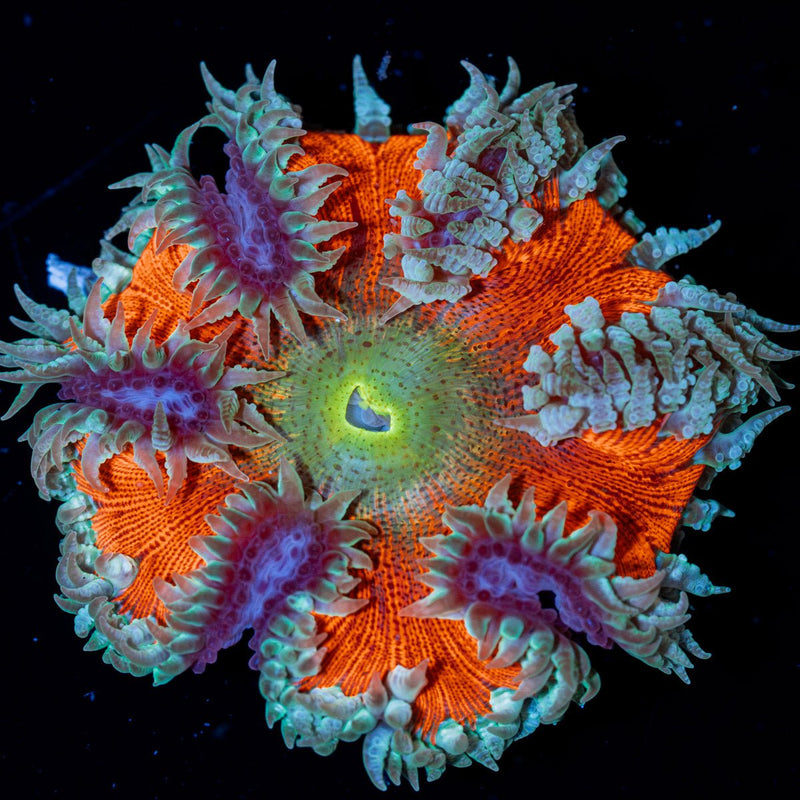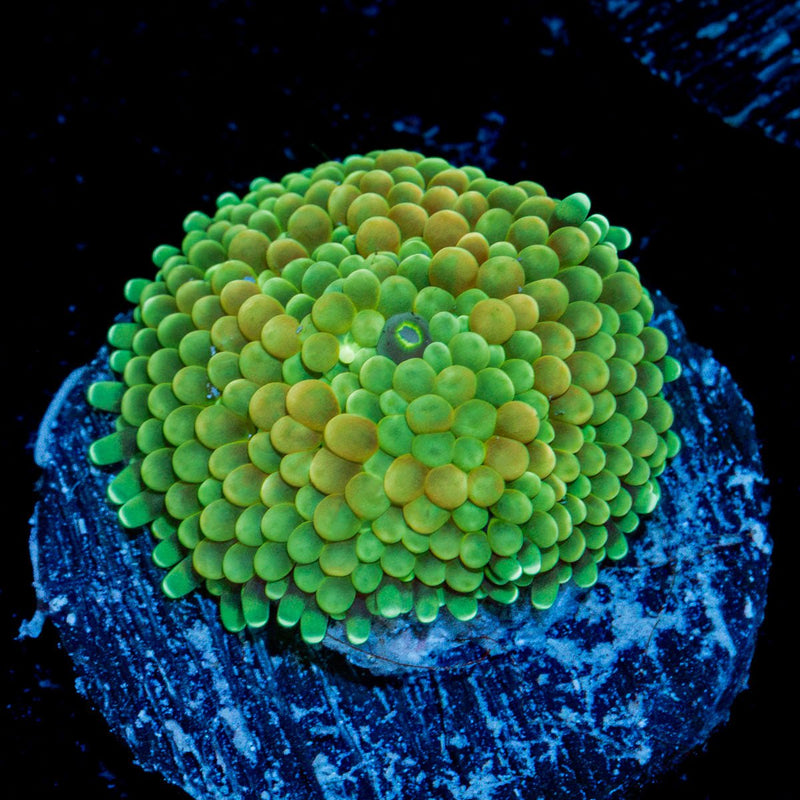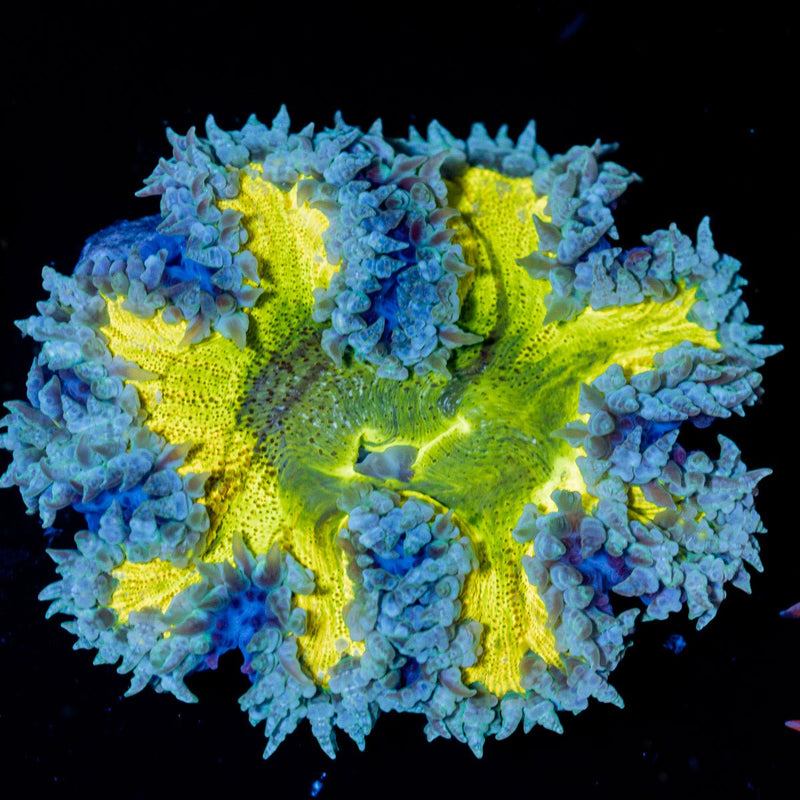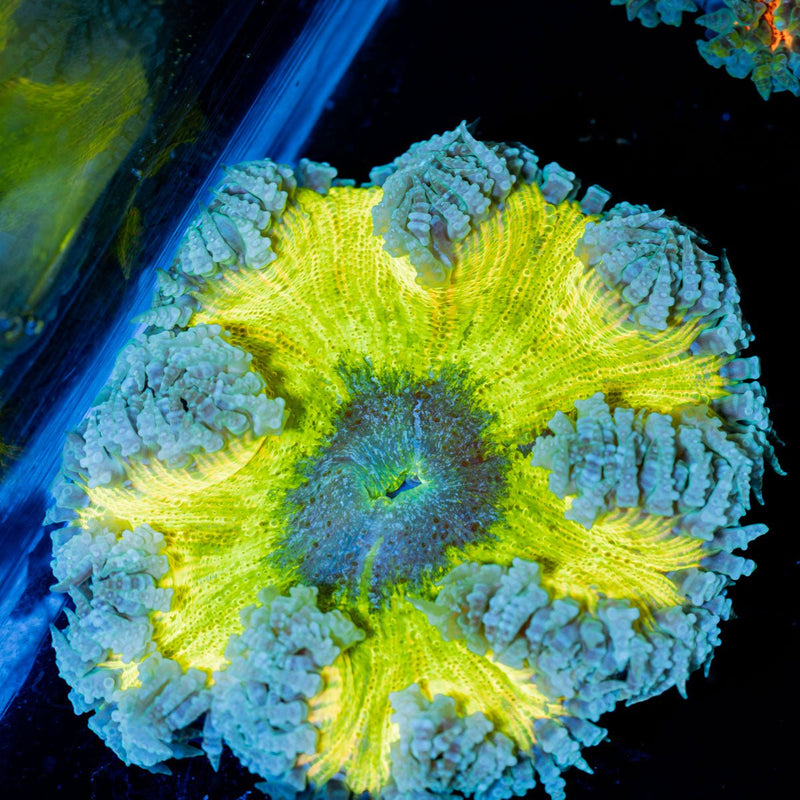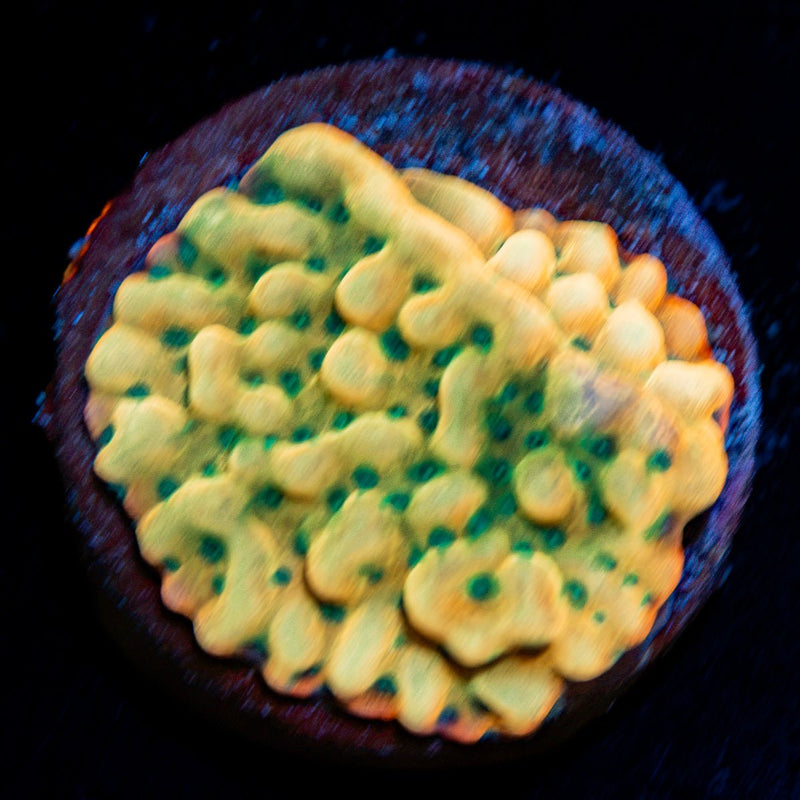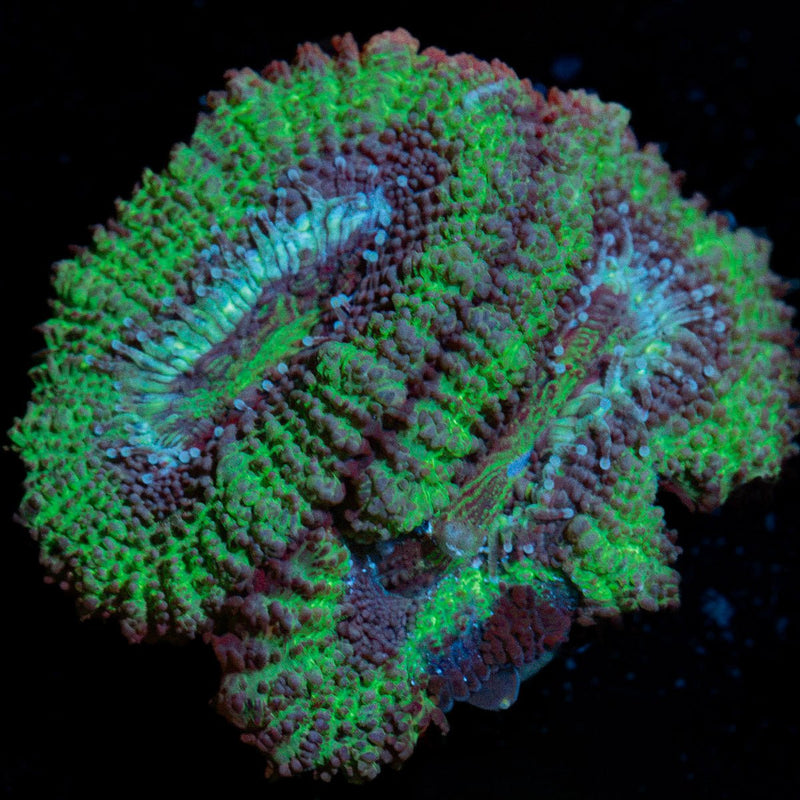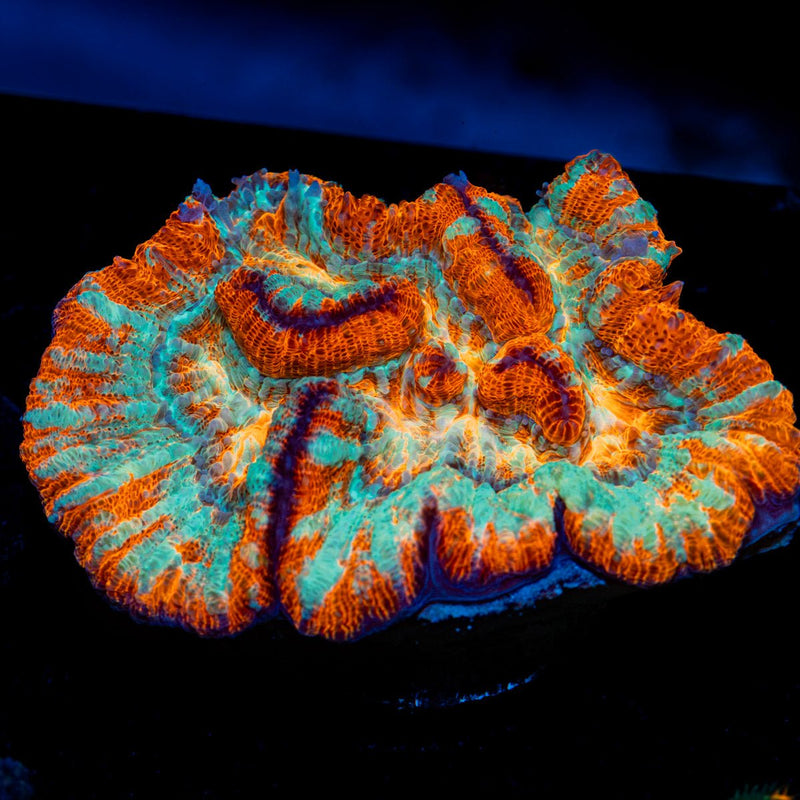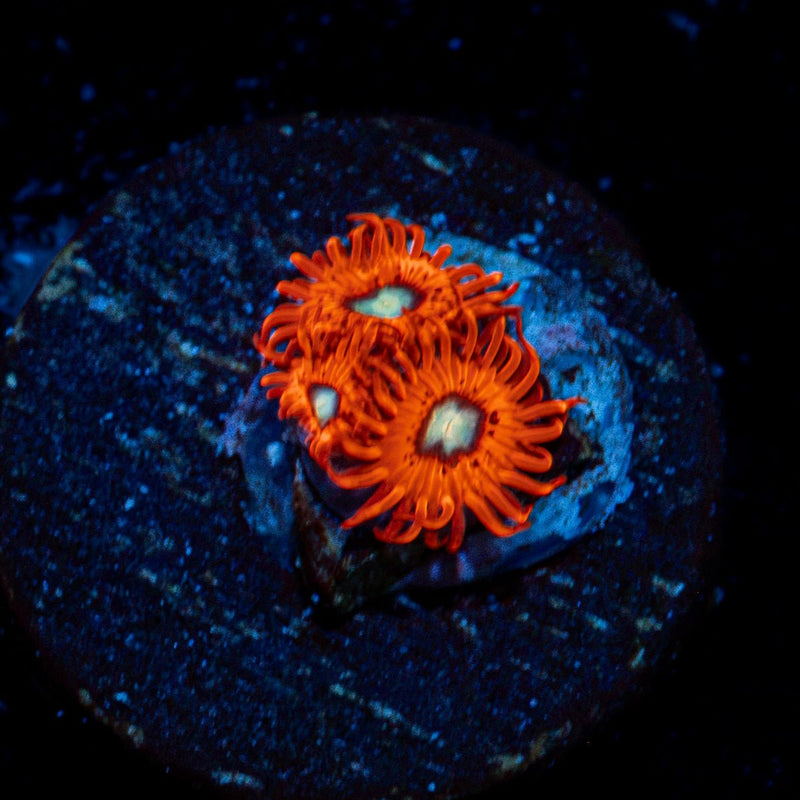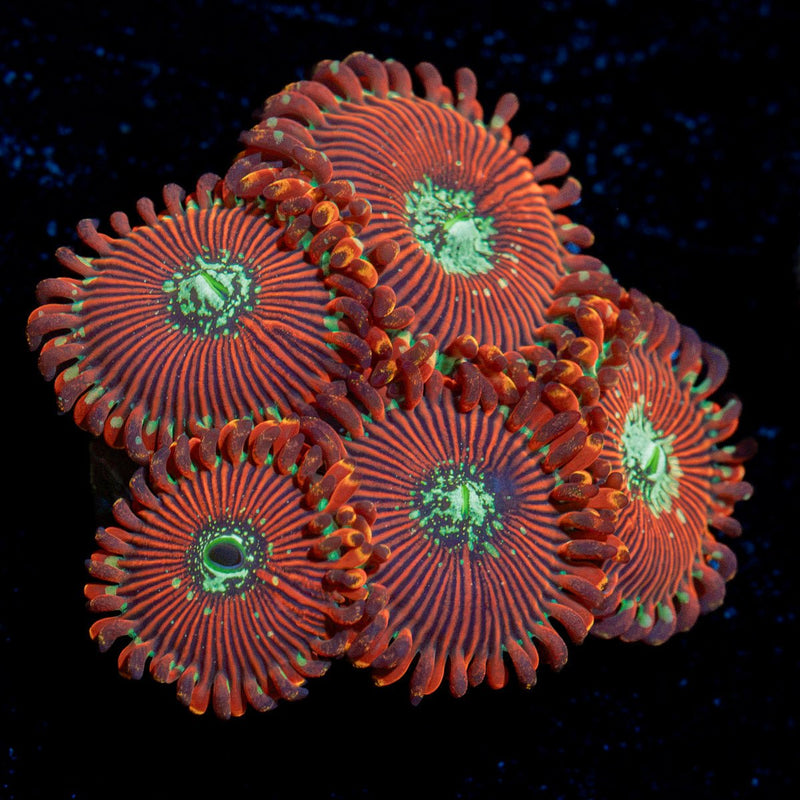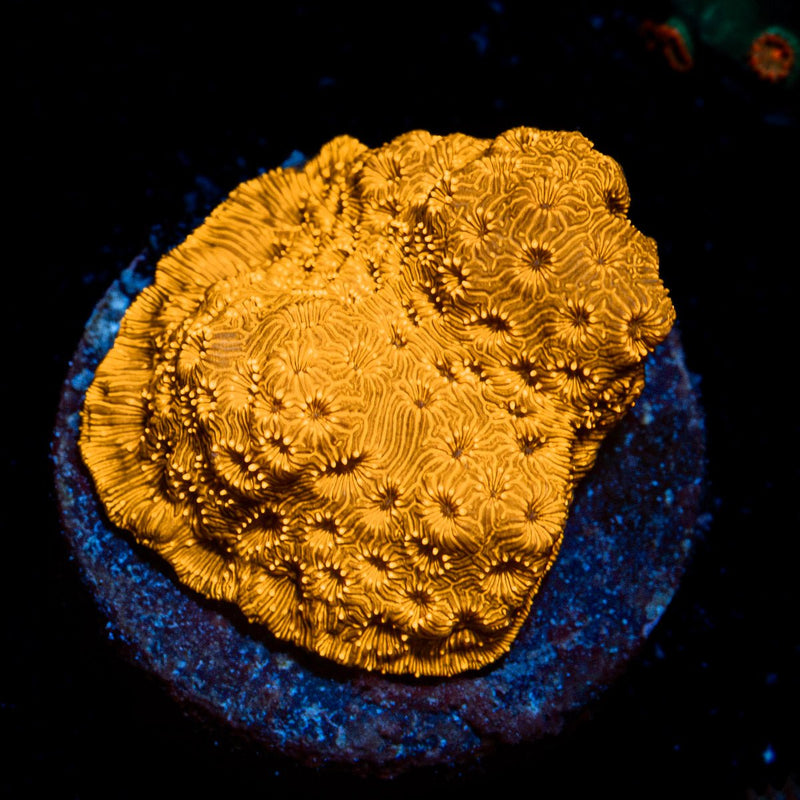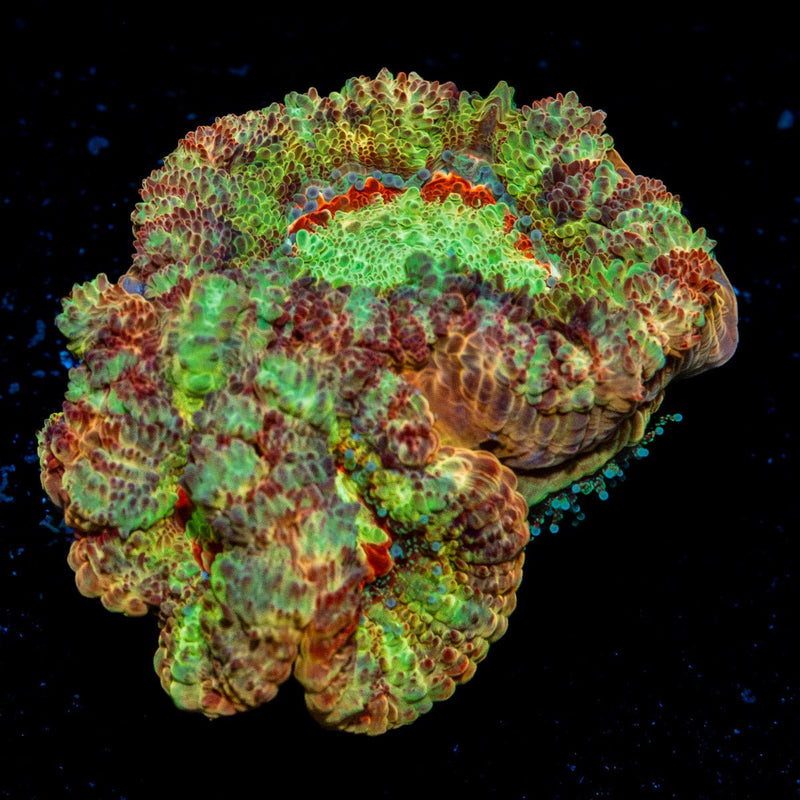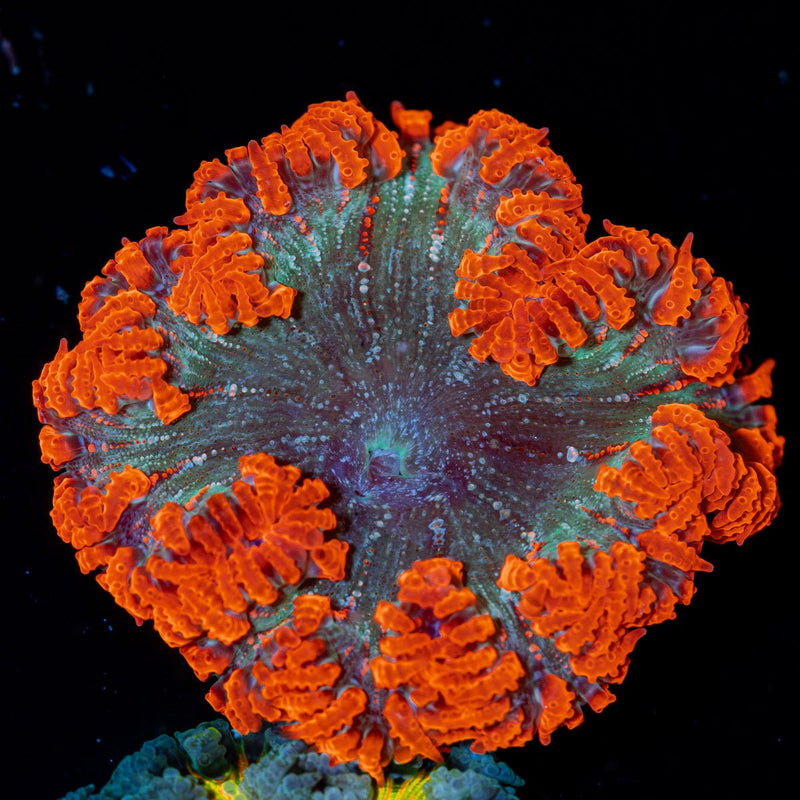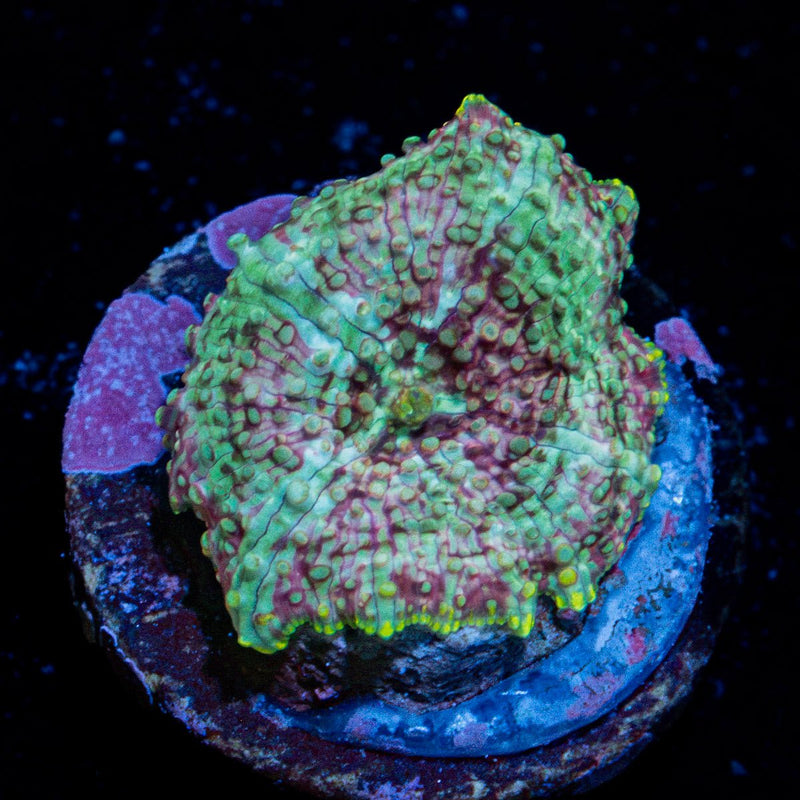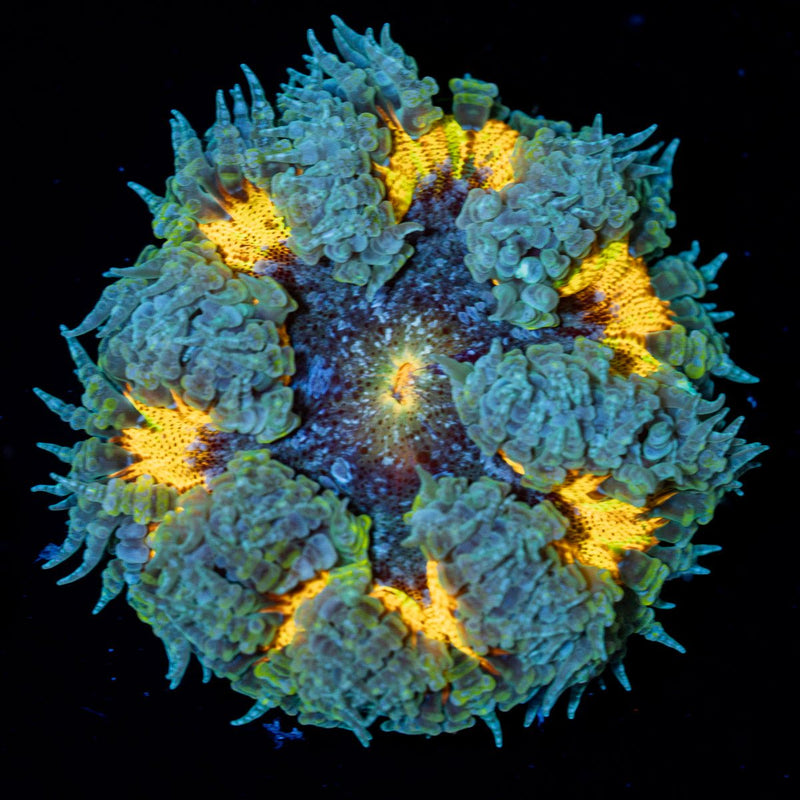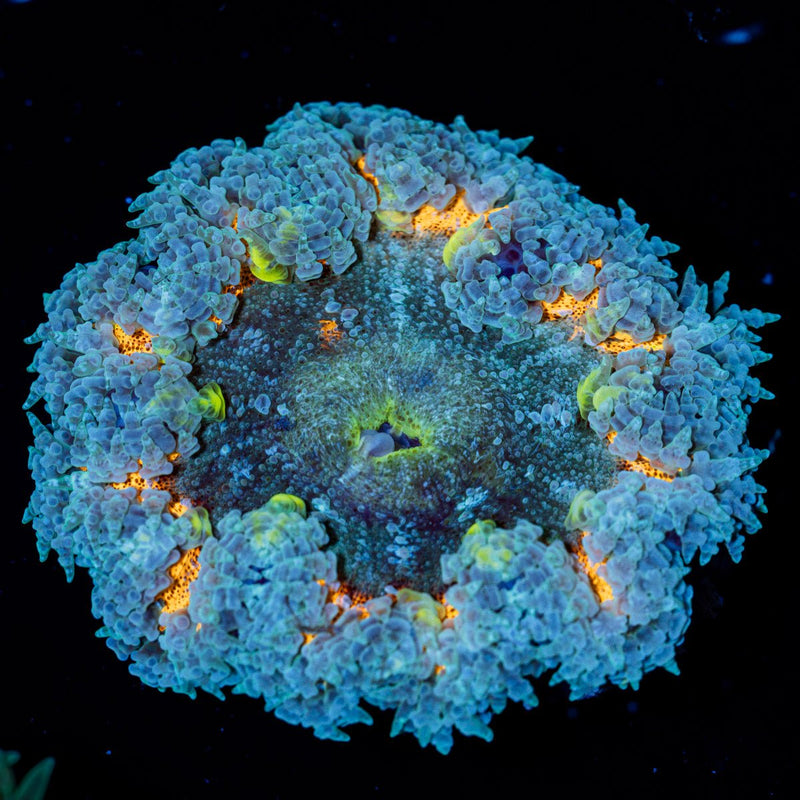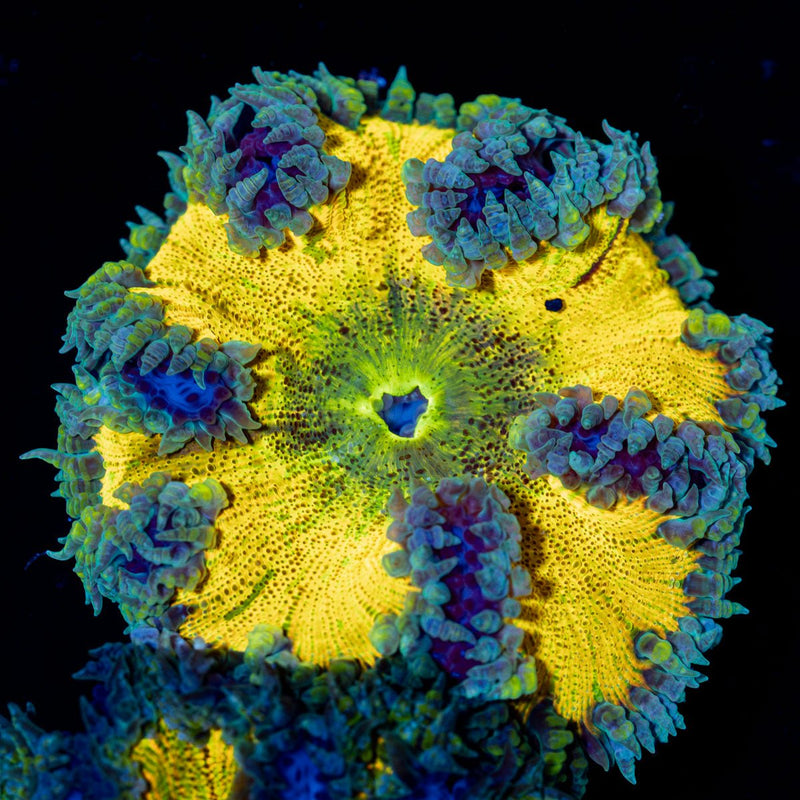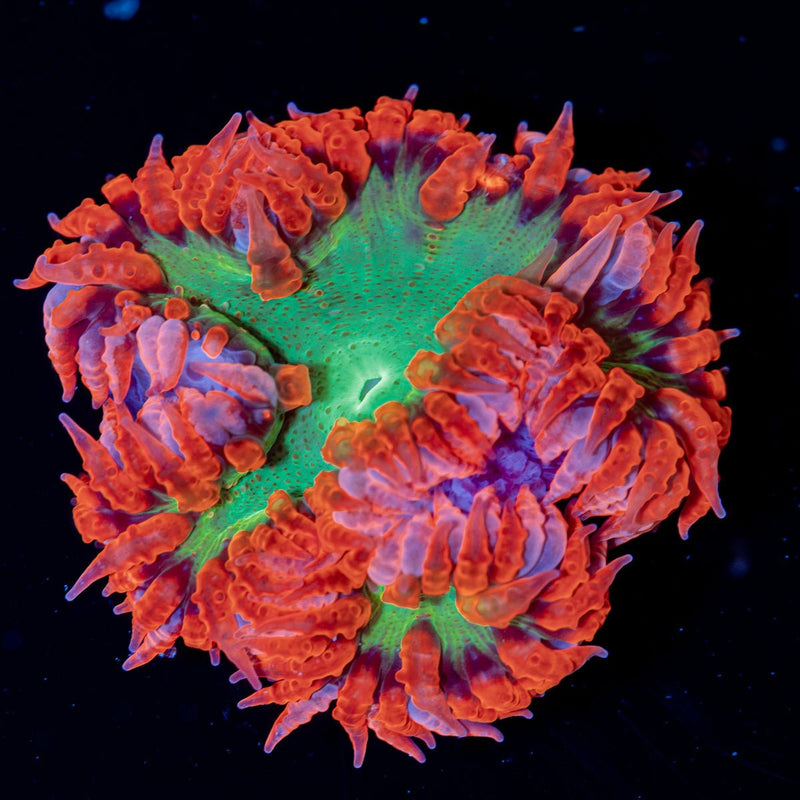
That first coral purchase usually starts with color. A bright torch, a glowing zoa, a chalice with crazy contrast - it is easy to fall for the piece that makes your tank feel alive. But once you look past the wow factor, the real question becomes aquacultured versus wild corals, and that choice affects everything from survival rates to long-term growth.
For reef keepers, this is not just an ethics discussion or a price comparison. It is a practical decision about how a coral is likely to adapt to aquarium life, how predictable its behavior may be, and how confident you can feel when adding it to your reef. Some hobbyists want the most established, tank-adapted option possible. Others are drawn to the novelty, scale, or scarcity that certain wild colonies can offer. Both sides have appeal, but they are not interchangeable.
Aquacultured versus wild corals: what is the difference?
Aquacultured corals are grown and propagated in captivity. That can mean they were fragmented from established mother colonies in reef systems, grown out under aquarium lighting and flow, and repeatedly adapted to life in closed systems. Many of the frags hobbyists buy today have been tank-raised for multiple generations.
Wild corals, by contrast, are collected from natural reefs and then imported into the aquarium trade. Sometimes they arrive as full colonies, and sometimes they are cut or maricultured before sale. They can be stunning, especially when you want a larger immediate visual impact, but they have also gone through a very different chain of stress before ever reaching your tank.
That difference matters. A coral that has spent years in stable aquarium conditions often handles the transition to another reef tank more predictably than one that has been collected, shipped internationally, held, acclimated, and then shipped again.
Why aquacultured corals are so popular with hobbyists
Aquacultured corals have earned their reputation for a reason. In many reef tanks, they simply make life easier.
The biggest advantage is adaptation. Tank-grown corals are already accustomed to artificial light, captive nutrient levels, aquarium flow patterns, and the normal swings that happen in home systems. That does not make them indestructible, but it often gives them a head start. A healthy aquacultured frag may open faster, encrust sooner, and settle in with less drama than a freshly imported wild specimen.
There is also a confidence factor. When you buy a well-established aquacultured coral, especially as a WYSIWYG piece, you usually know what you are getting in terms of color, growth form, and size. For beginners, that predictability is huge. For experienced reef keepers, it helps with planning placement, flow zones, and long-term aquascape balance.
Another benefit is sustainability. Reef hobbyists care deeply about the beauty of living reefs, and many prefer livestock that reduces collection pressure on natural ecosystems. Aquacultured coral fits that goal while still delivering stunning color and variety. It is one of the clearest ways the hobby has become more responsible without losing the visual appeal that makes reef keeping so addictive.
Where wild corals still appeal
Wild corals are not automatically a bad choice, and serious hobbyists know that. In some cases, they offer shapes, sizes, or species availability that are harder to find in established aquaculture. A wild colony can provide an instant showpiece effect that a small frag simply cannot match on day one.
There is also the appeal of uniqueness. Some wild colonies arrive with unusual structure, coloration, or growth patterns that stand out even in a packed SPS or LPS collection. For advanced aquarists with stable systems and strong acclimation practices, a healthy wild coral can become an incredible centerpiece.
But this is where experience matters. The upside can be high, yet so can the risk. Wild pieces may brown out, recede, carry pests, or react poorly to new lighting and chemistry. Their appearance at purchase does not always reflect how they will look after a few weeks in captivity.
Hardiness and survival in the home reef
If the goal is long-term success, aquacultured corals usually have the edge.
That edge comes from familiarity with captive life. Reef tanks are controlled environments, but they are still artificial compared to the ocean. Light spectra, nutrient availability, temperature swings, and microbial communities all differ. A coral already grown in those conditions is often better prepared to keep thriving in them.
This is especially relevant for beginners and for hobbyists building mixed reefs. A tank-raised hammer, mushroom, acan, or zoa often offers a gentler learning curve than a freshly imported colony that may need more careful acclimation and more patience. Even among higher-end SPS, aquacultured frags can be more forgiving once they are established.
That said, hardiness is never guaranteed by the label alone. A poorly handled aquacultured frag can still struggle, and a well-selected wild coral in expert hands can do beautifully. Good husbandry still wins. Stable alkalinity, thoughtful placement, proper quarantine, and realistic stocking pace matter more than any marketing term.
Color, growth, and the reality behind first impressions
Wild corals often impress people at first glance because they can arrive large and dramatic. Aquacultured corals often win later.
A tank-grown frag may look modest when it arrives, but once it settles in, it can color up brilliantly under the same kind of lighting and nutrients it has known for generations. That makes its future in your reef easier to predict. You are not just buying what it looks like today. You are buying what it is likely to become.
Wild colonies can be trickier. Some hold their color well. Others fade, shift, or need months to recover from collection and transport stress. An amazing wild piece may still turn into a project coral before it turns into a showpiece.
Growth is another factor hobbyists sometimes underestimate. Aquacultured frags are small by nature, so they ask for patience. But that patience pays off in a different kind of satisfaction. Watching a healthy frag encrust, branch, split, or spread across your rockwork is one of the best parts of reef keeping.
Cost: cheaper now or better value later?
On paper, the answer is not always obvious.
A wild colony may seem like a better deal if you compare immediate size to price. You get more coral upfront, and that can be tempting when you want your tank to look full quickly. But initial size is only part of the equation.
Aquacultured corals often deliver better value over time because they tend to transition more reliably, and their losses may be lower in average hobbyist systems. Paying for a smaller, healthy, tank-adapted frag can be smarter than paying more for a wild piece that never fully settles in.
There is also a practical resale and trading angle for many reef keepers. Aquacultured corals that grow well in captivity are often easier to frag, share, and maintain long term. If you enjoy building a reef that matures with you, that matters.
Which is better for beginners?
For most new reef keepers, aquacultured corals are the safer and more rewarding starting point.
They pair better with the goals beginners usually have: colorful livestock, manageable care, and a higher chance of success. A beginner-friendly aquacultured selection can help new hobbyists learn placement, feeding response, polyp extension, and growth patterns without stacking on the extra uncertainty that wild imports sometimes bring.
This does not mean every aquacultured coral is easy. Some SPS still demand stable parameters and strong lighting no matter where they were grown. But if you are choosing between a tank-raised frag and a freshly imported wild colony in the same category, the aquacultured option is often the more reassuring place to start.
When wild corals may still make sense
If you have a mature, stable reef and you understand acclimation well, wild corals can still fit into your plan. They may make sense when you are chasing a particular species, colony form, or instant visual impact that is hard to find in aquacultured inventory.
The key is to buy with realistic expectations. Quarantine matters. Observation matters. Patience matters. If you treat a wild coral like a high-reward piece that may need extra care rather than an easy plug-and-play addition, you are already approaching it the right way.
The smarter question to ask before you buy
Instead of asking which option is universally better, ask which option is better for your tank right now.
If you want colorful, healthy corals with strong odds of adapting well, aquacultured pieces are usually the better fit. If you are an experienced hobbyist willing to take on more variability for a special specimen, a wild coral may still earn a spot. For many reef keepers, especially those shopping online and wanting confidence in what arrives, the balance tips toward aquaculture for good reason.
At Riptide Aquaculture, that is part of the appeal: vibrant, living jewels that are not just beautiful in a photo, but well suited to life in a home reef. The best coral is not always the biggest or rarest piece on day one. It is the one that settles in, grows with your tank, and keeps looking better month after month.