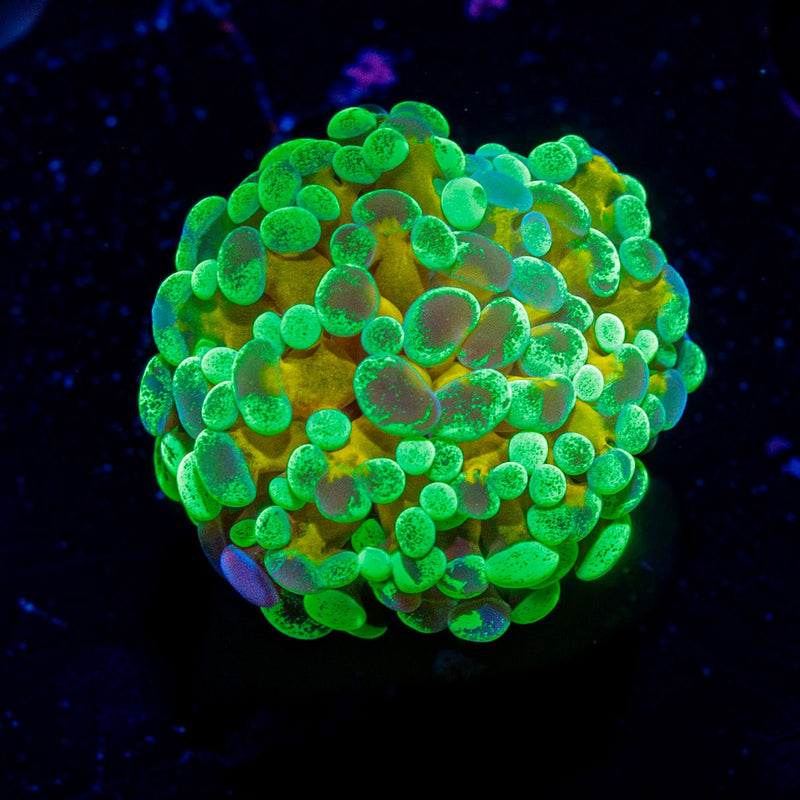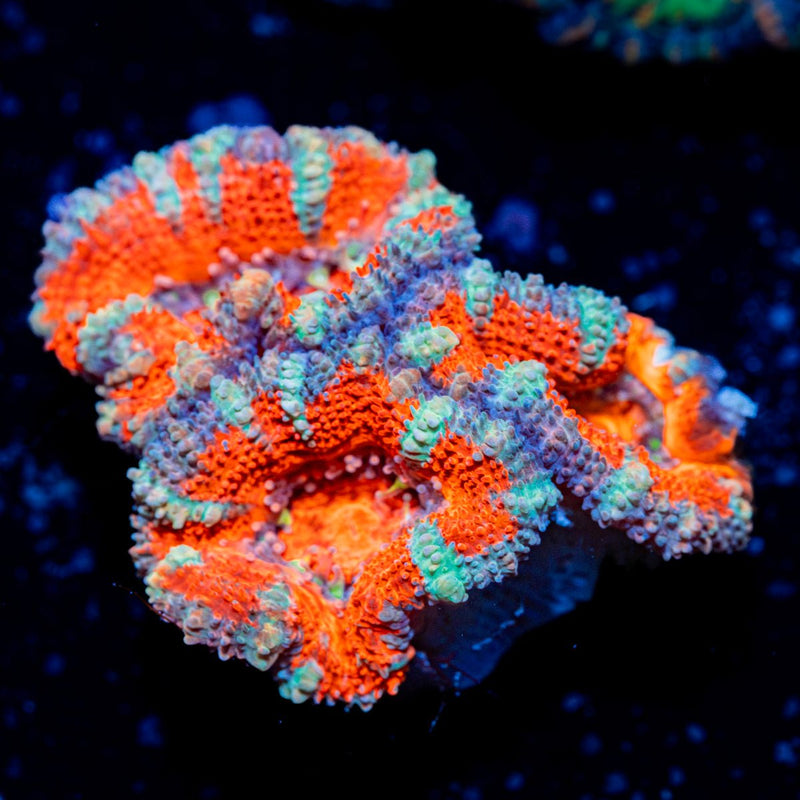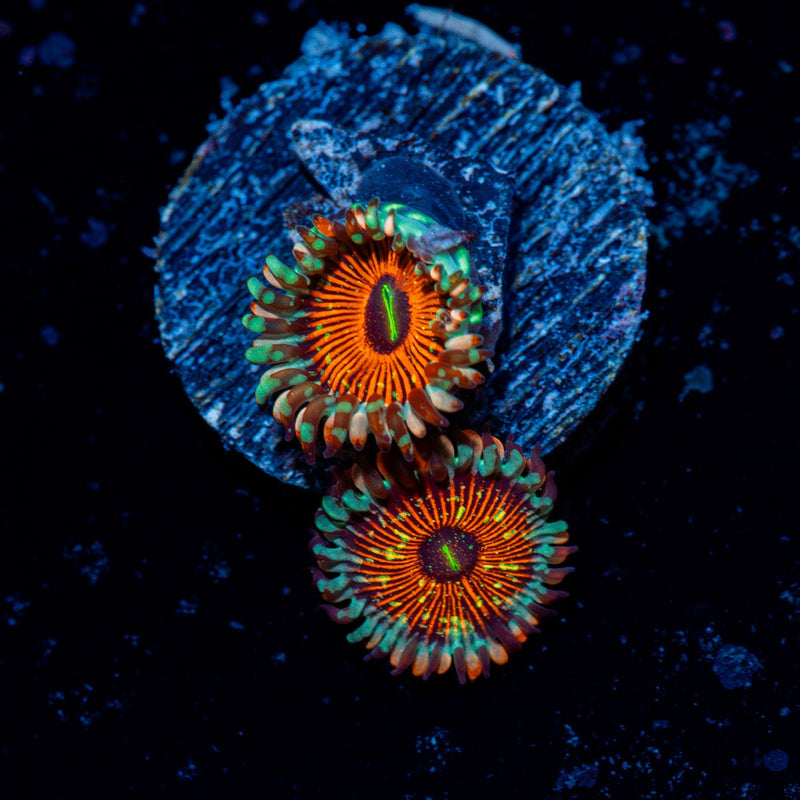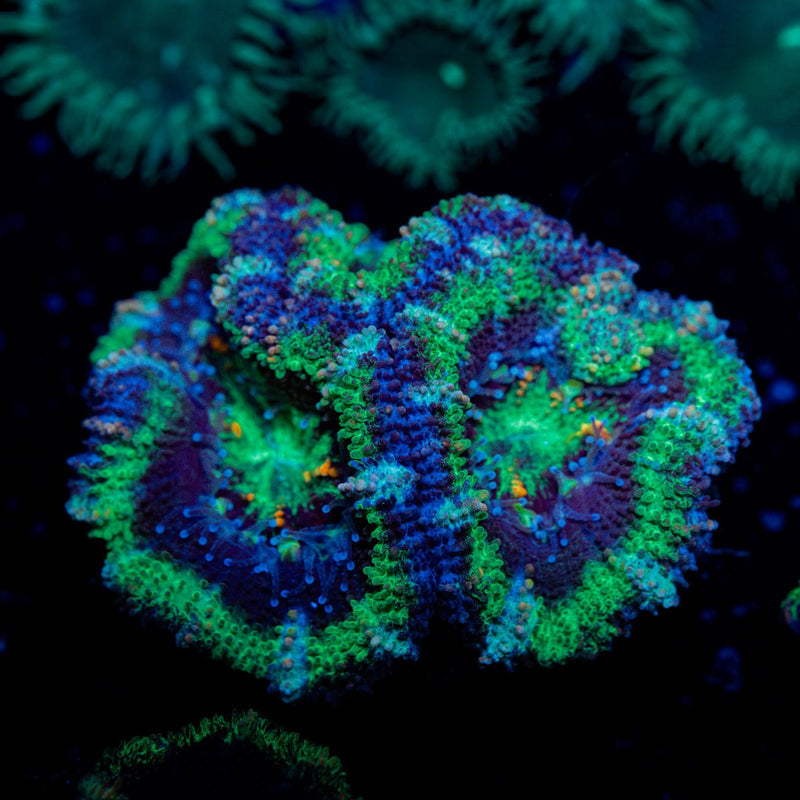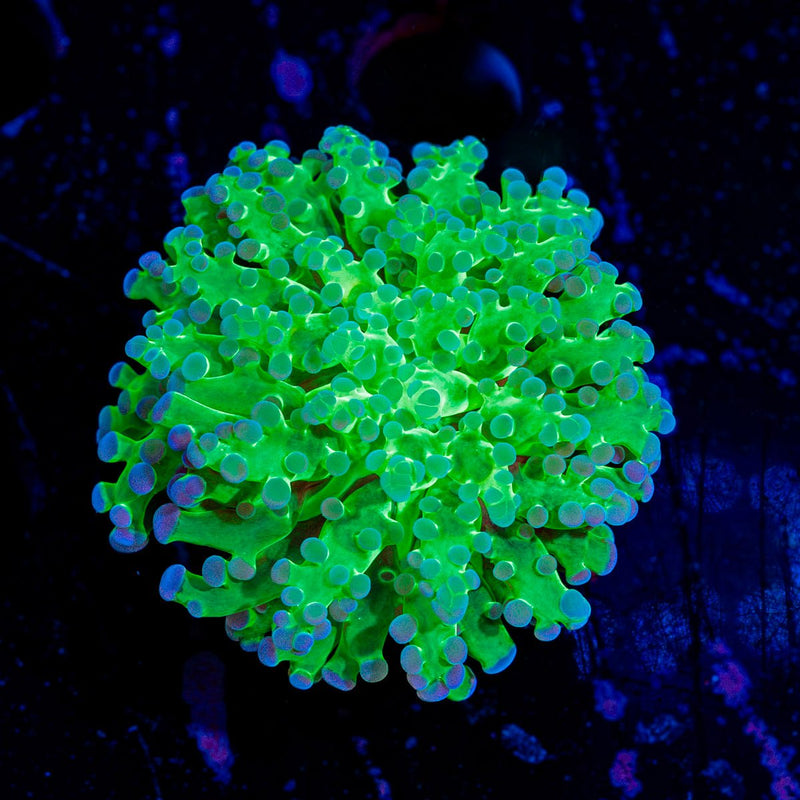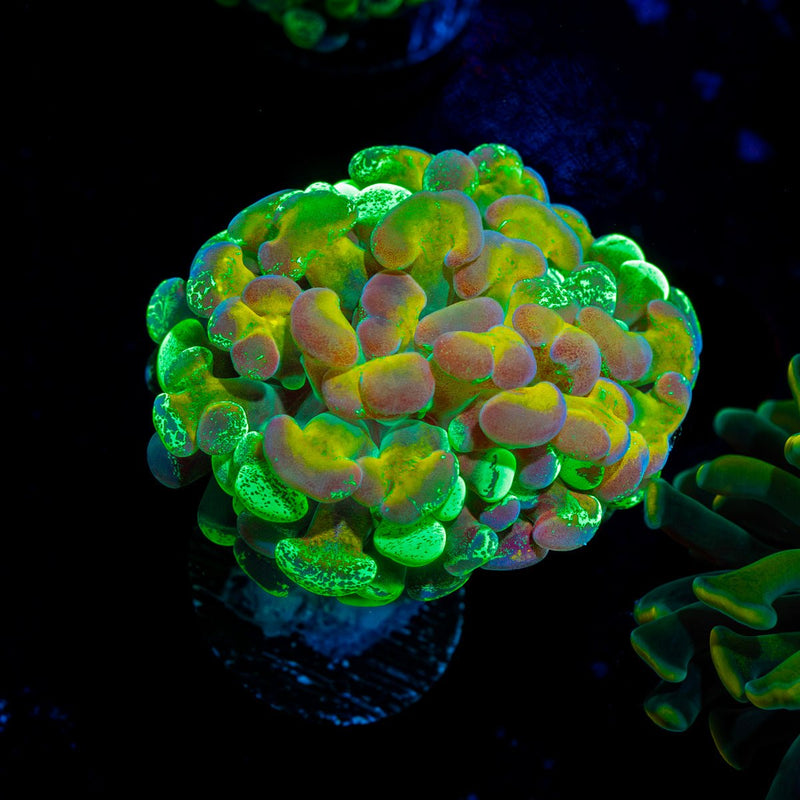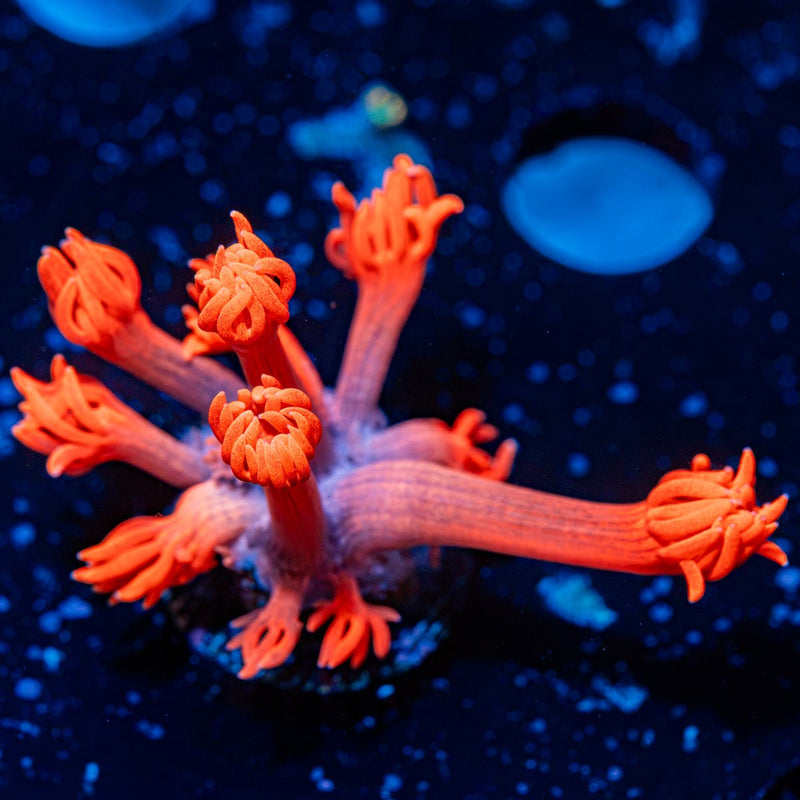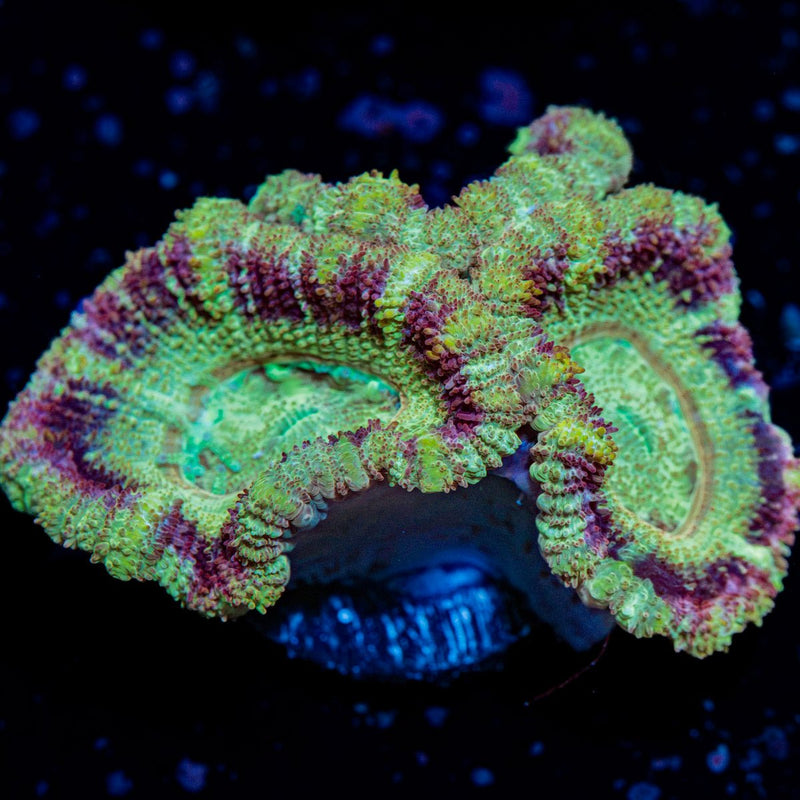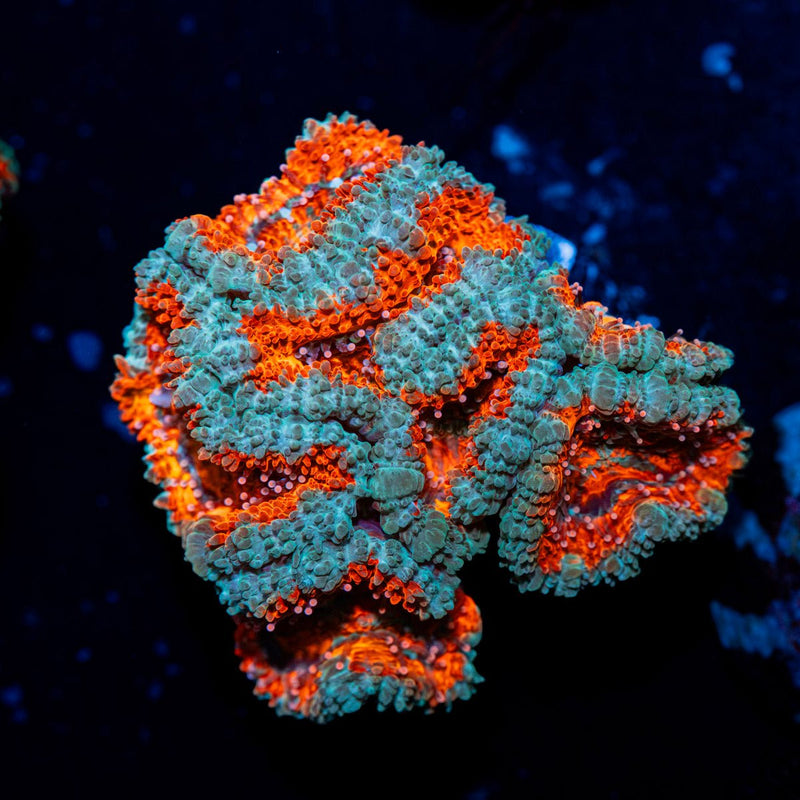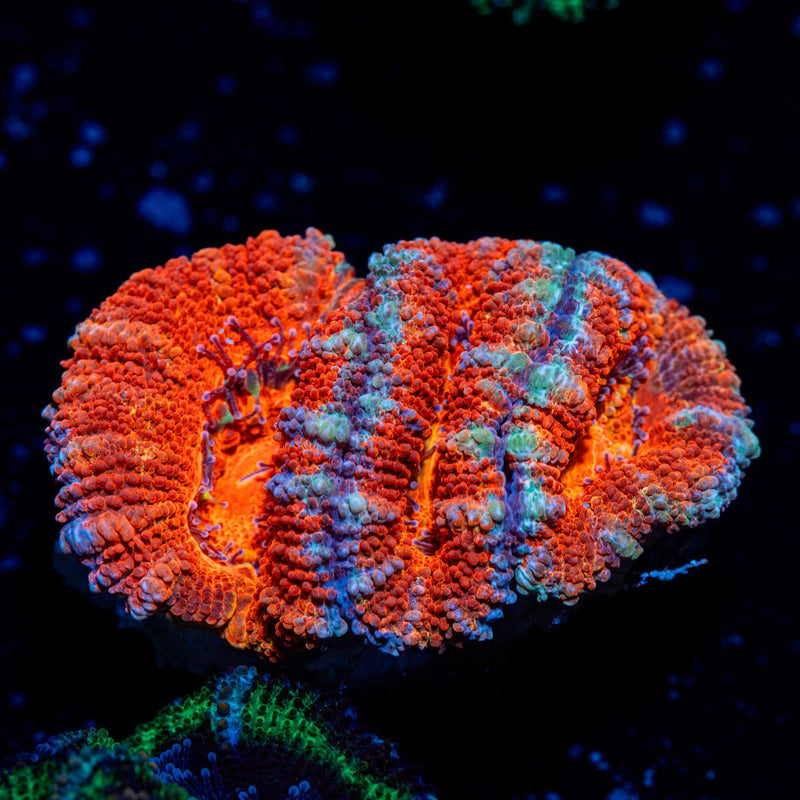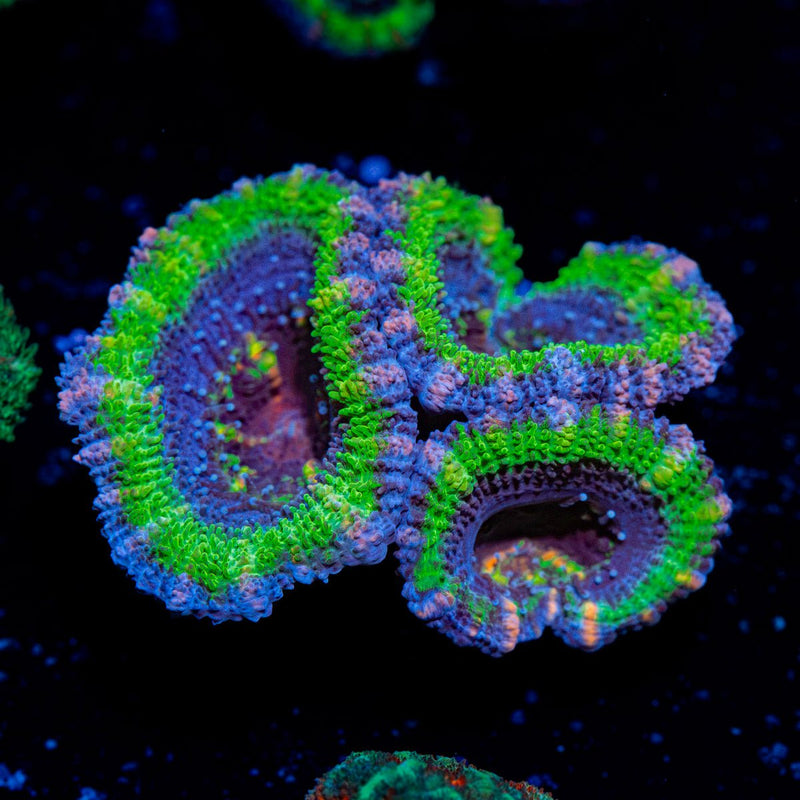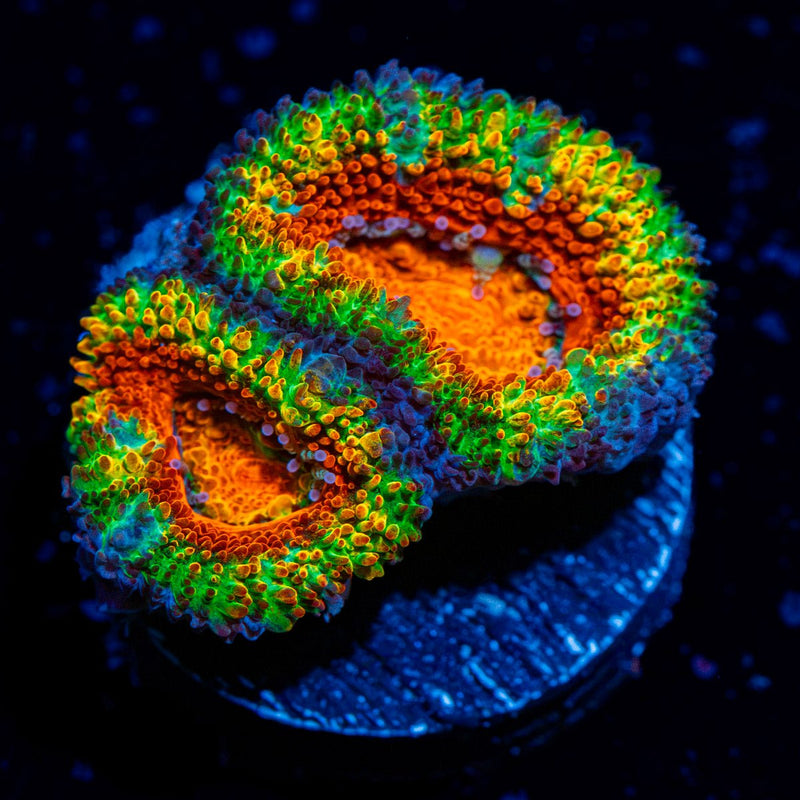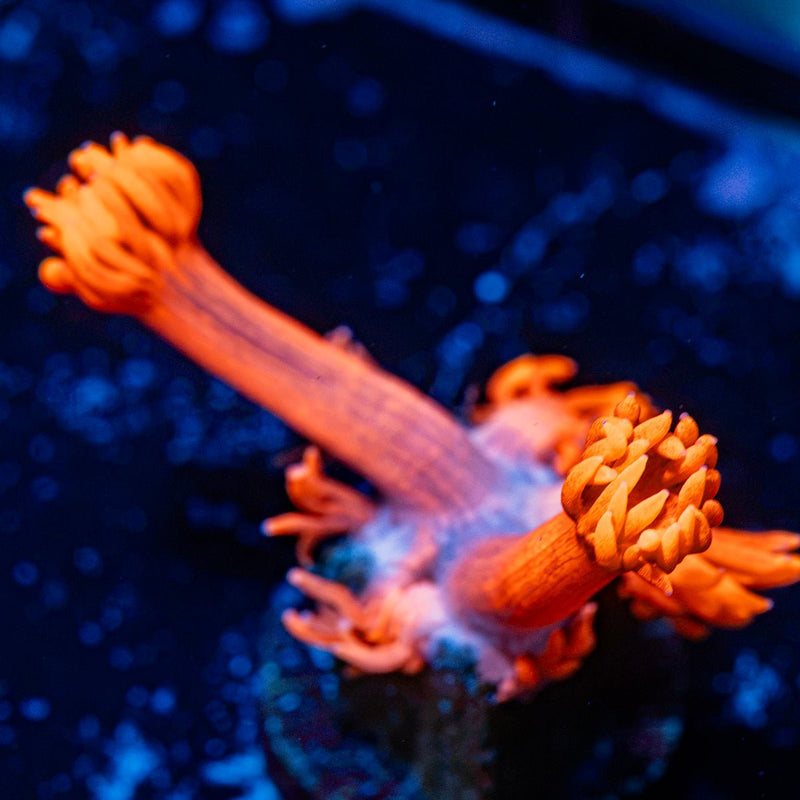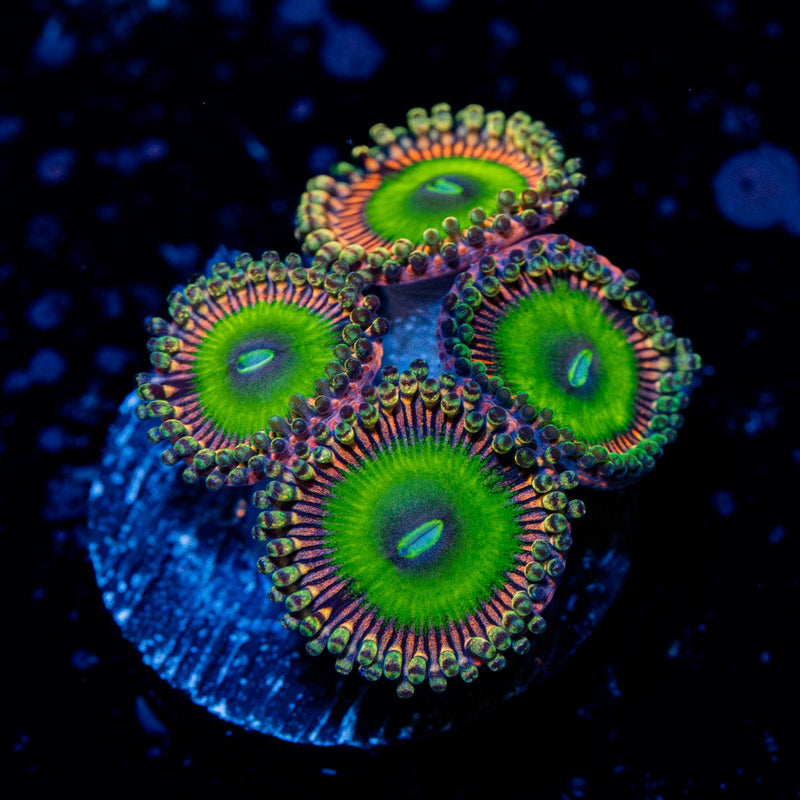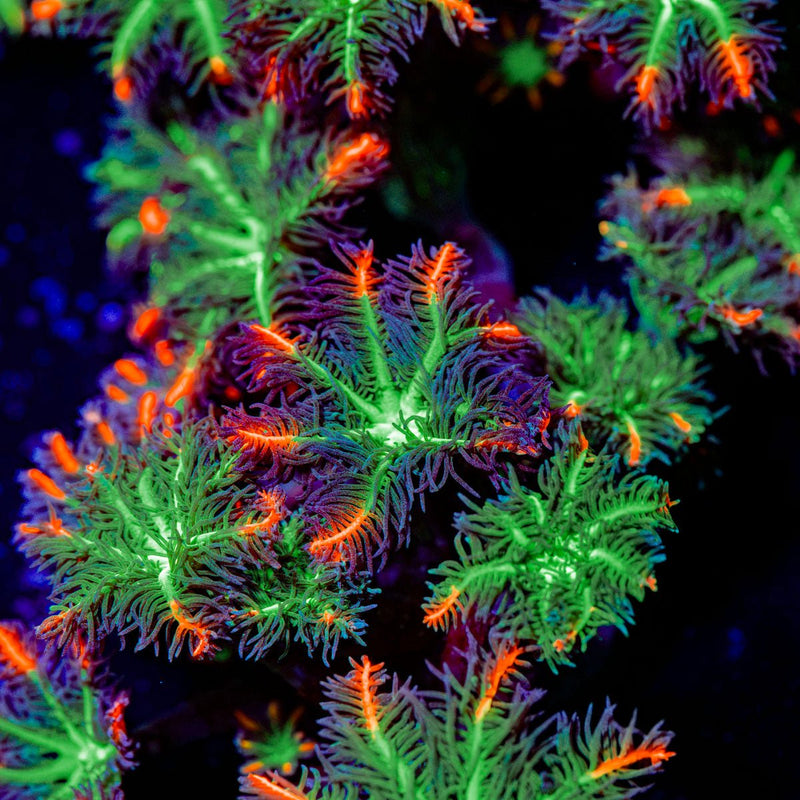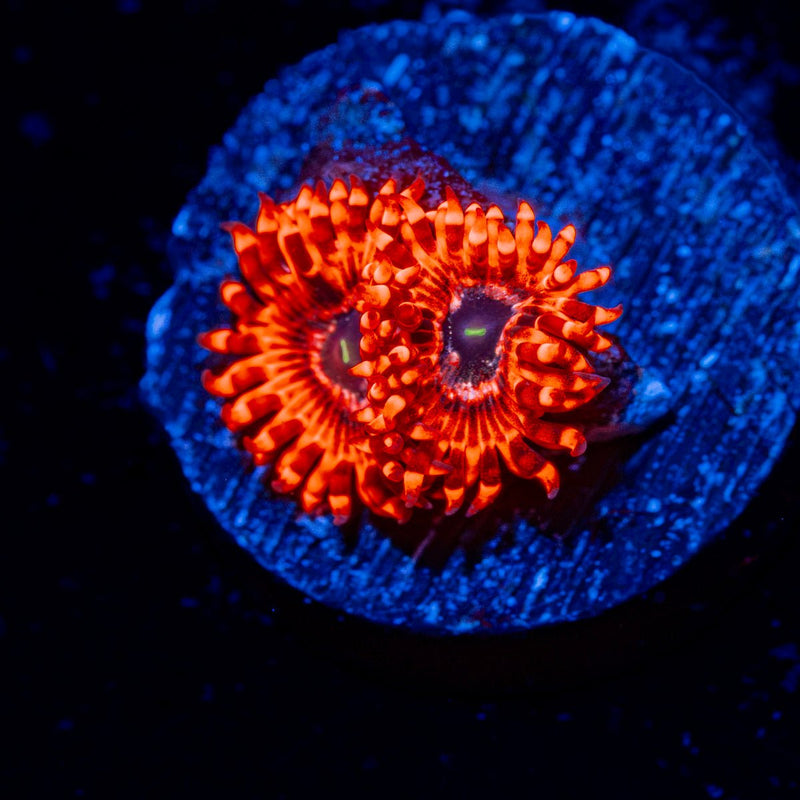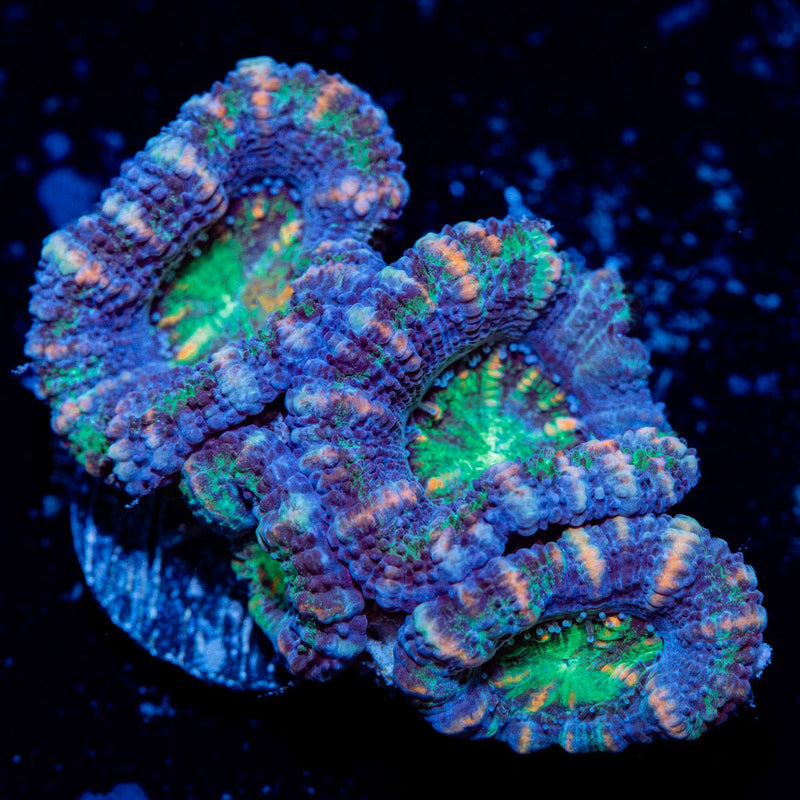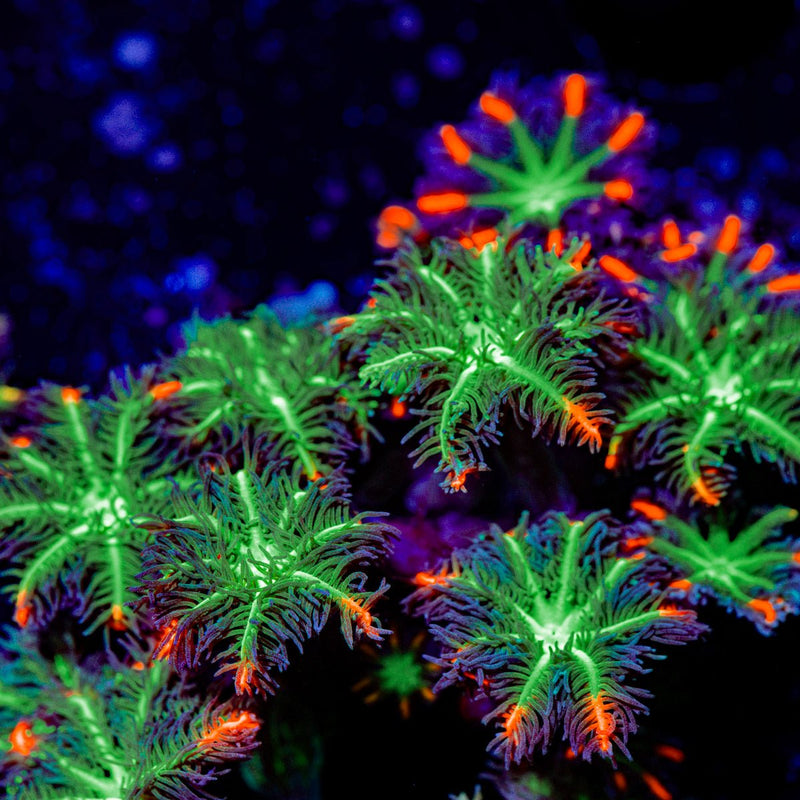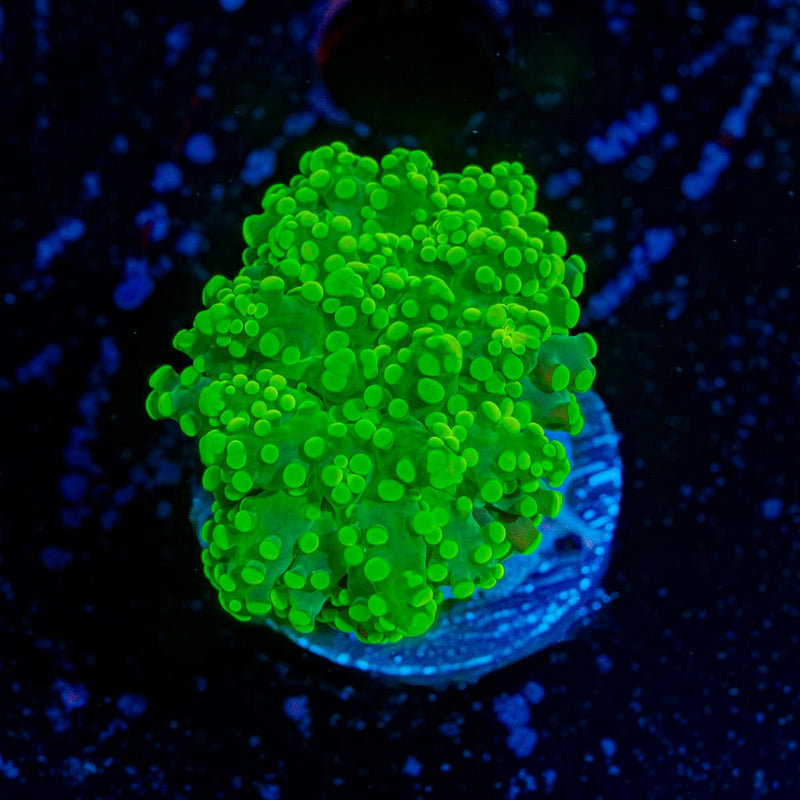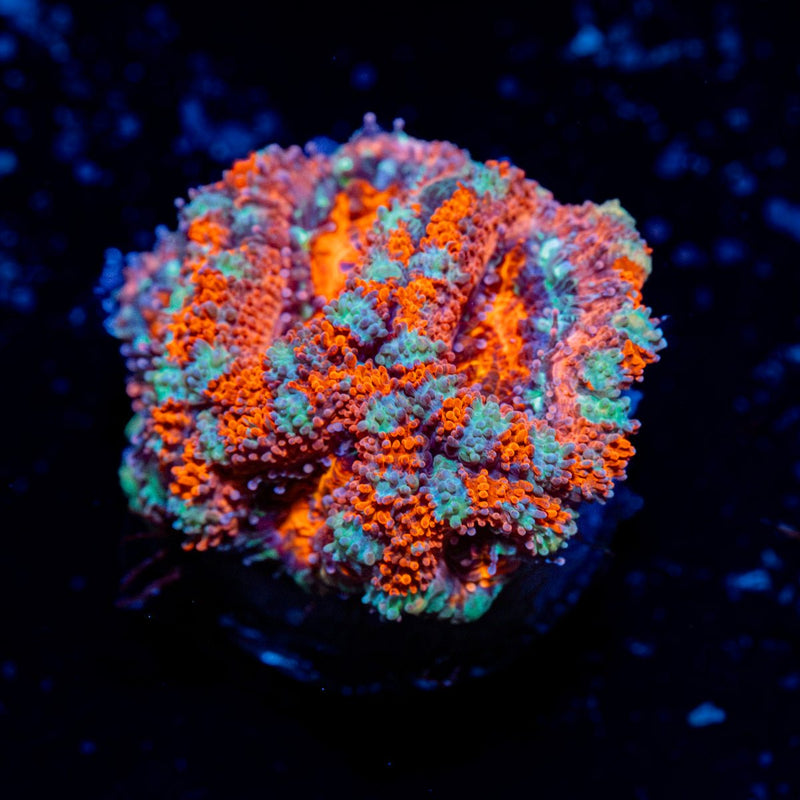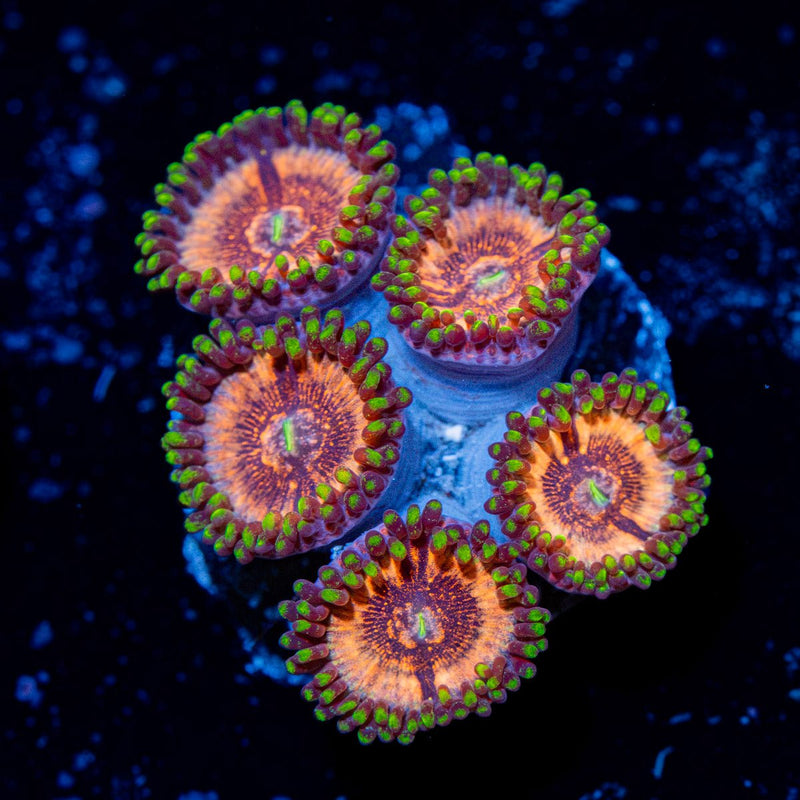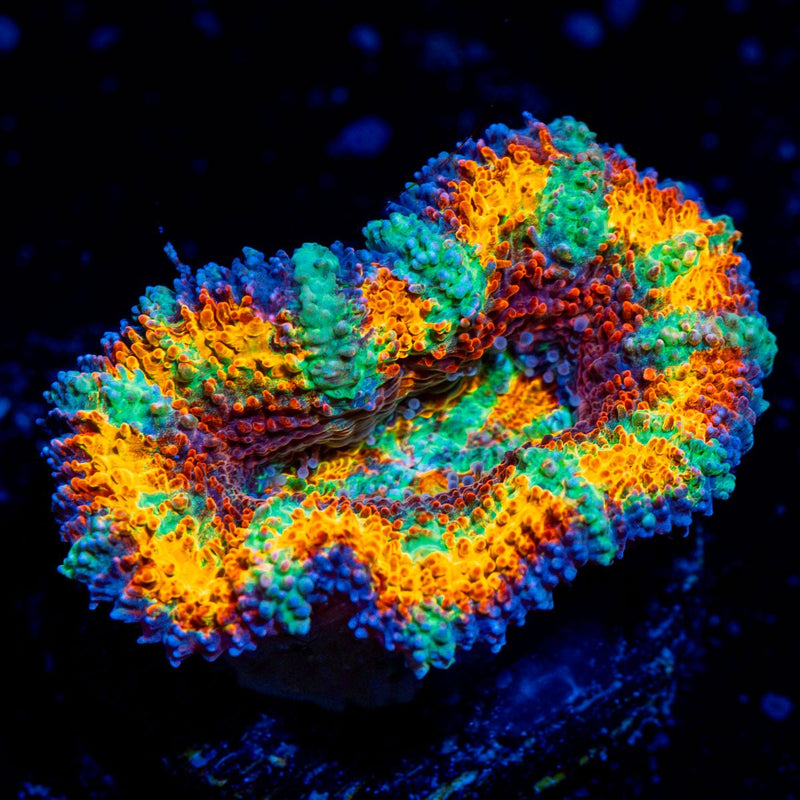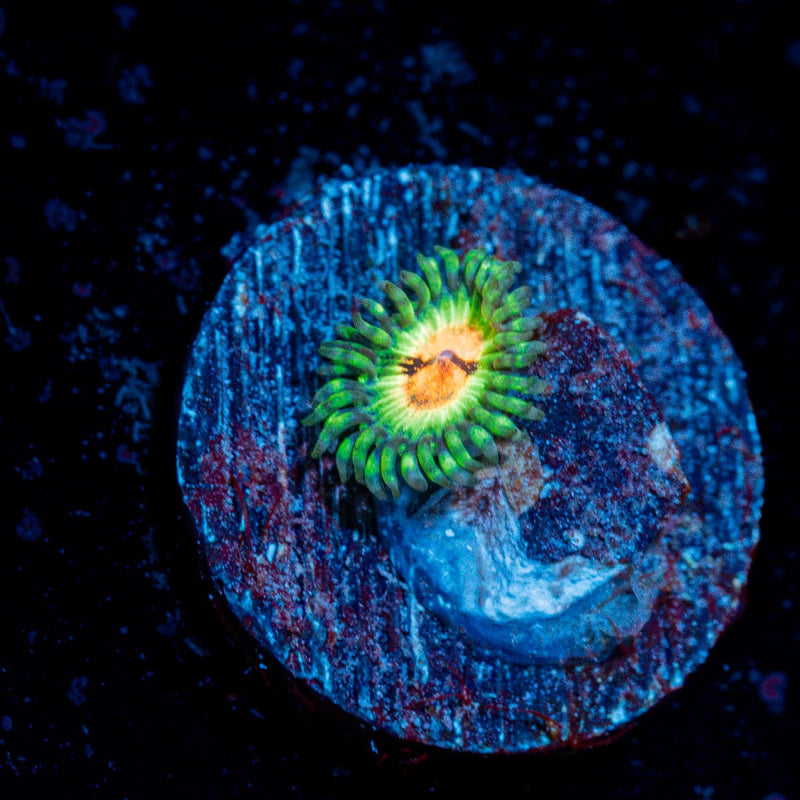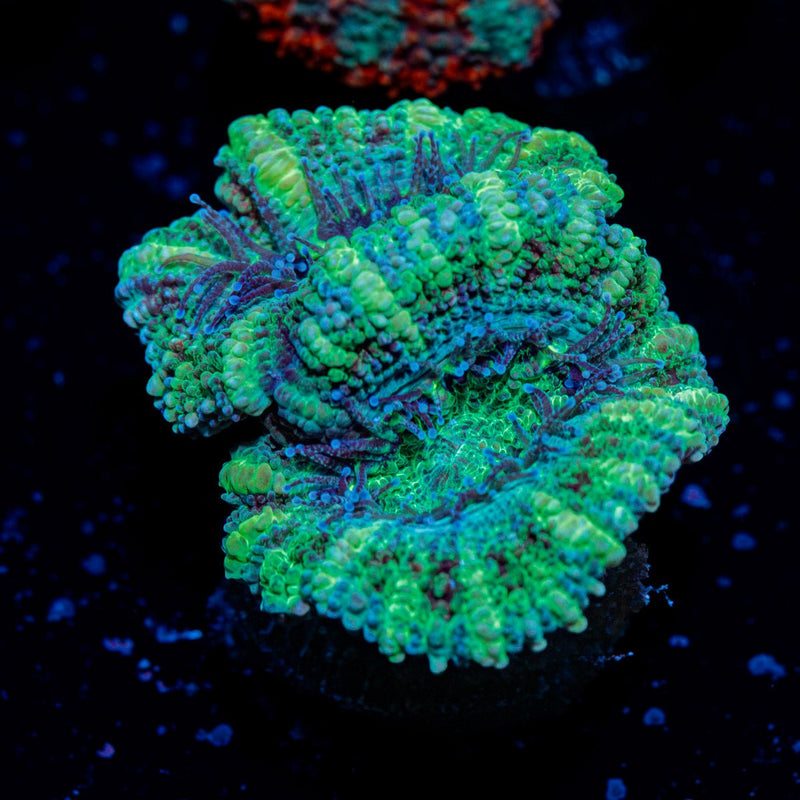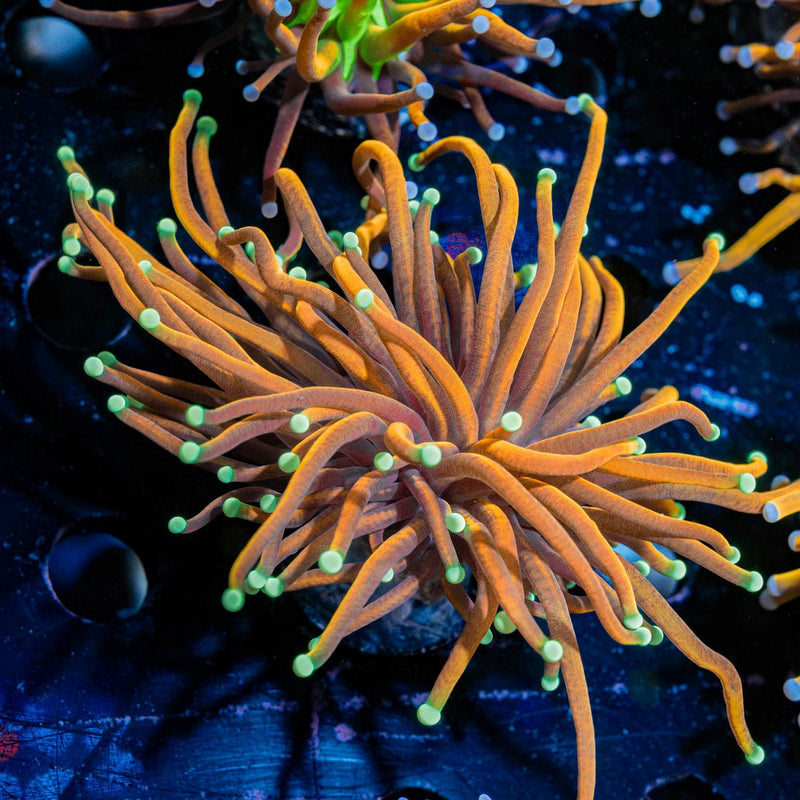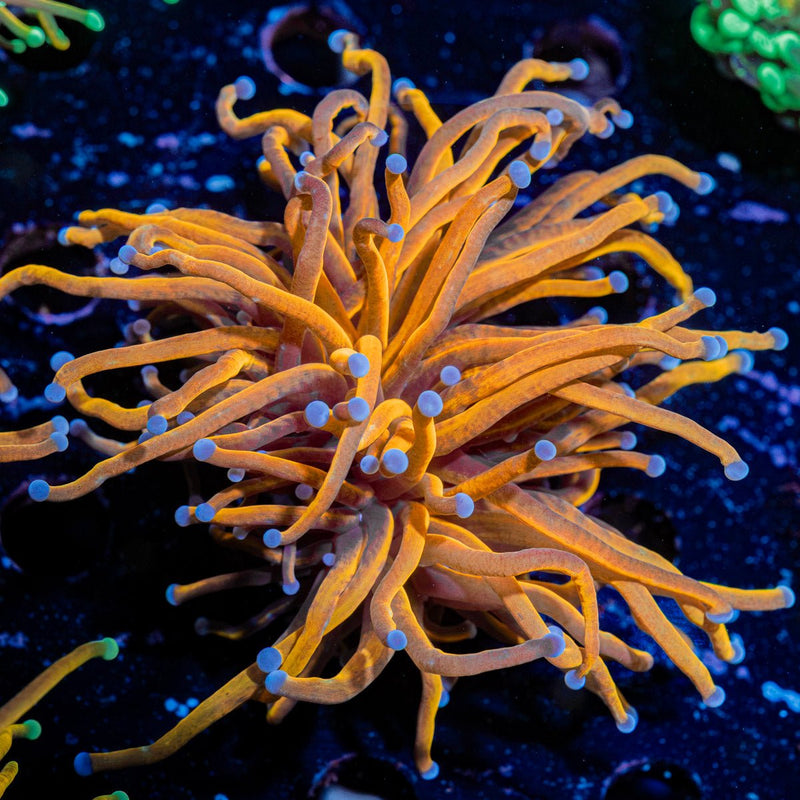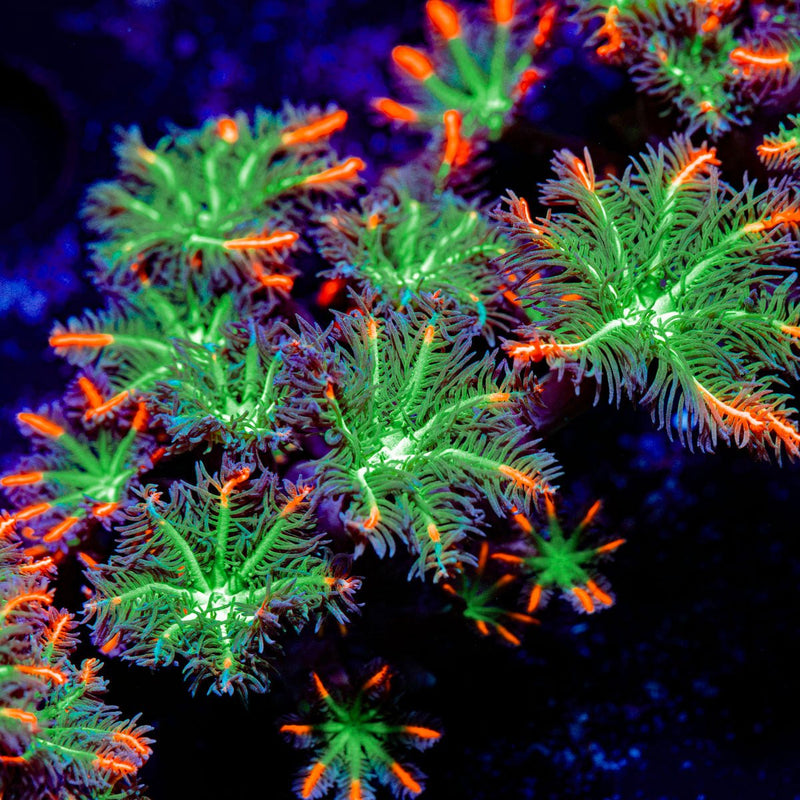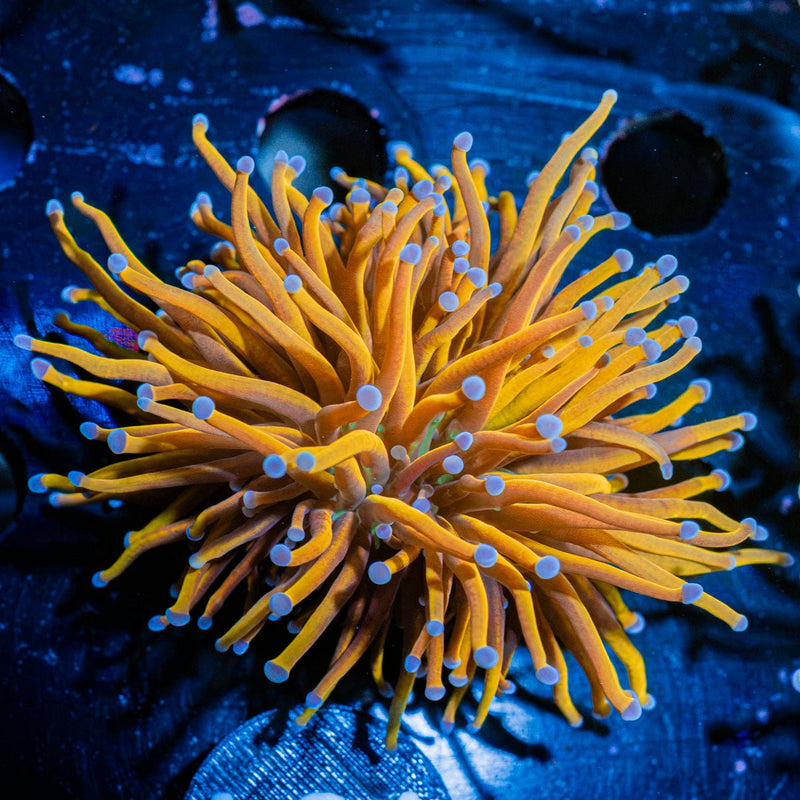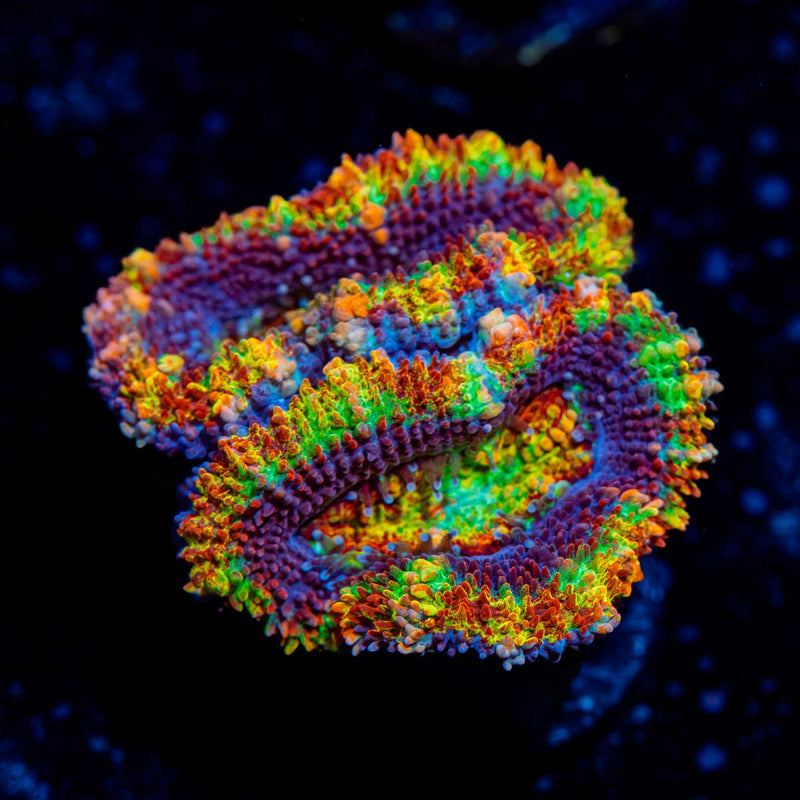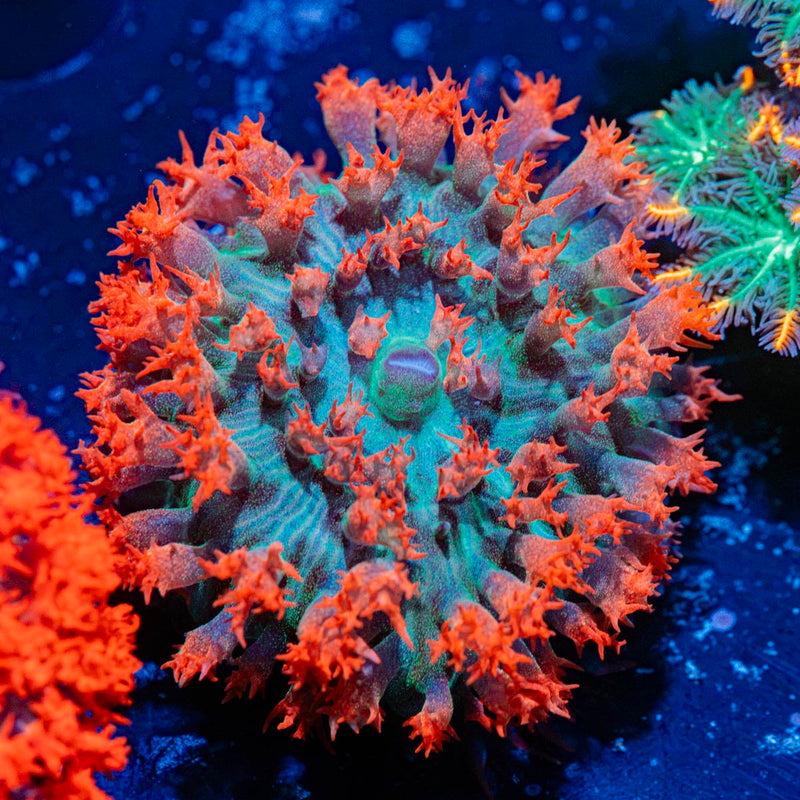
A healthy goniopora coral for sale should feel like more than a pretty photo. Its long, flowing polyps can turn a quiet section of rockwork into one of the most animated spots in a reef tank, but that movement is only part of the appeal. Goniopora bring soft, flower-like texture, bright color, and a showpiece presence that works beautifully in carefully planned mixed reefs.
Often called flowerpot corals, Goniopora have earned a reputation as corals that deserve thoughtful placement and stable conditions. That does not mean they are off-limits to newer reef keepers. It means the best purchase is one that matches your tank's maturity, your lighting and flow, and the kind of care routine you can maintain consistently.
What to Look for in Goniopora Coral for Sale
Color gets attention first, and for good reason. Goniopora are living jewels available in rich greens, pinks, reds, purples, oranges, yellows, and multicolor combinations. Under reef lighting, their extended tentacles create a soft field of movement unlike the more rigid look of many stony corals.
Still, color alone should not make the decision. Look closely at polyp extension, tissue coverage, and the condition of the frag plug or base. A healthy specimen generally shows intact tissue across its skeleton and responds with extension after it has settled into suitable conditions. Polyp extension can vary with lighting, flow, shipping, and time of day, so a coral that is not fully open in a photo is not automatically a problem. The larger picture matters.
Aquacultured frags are an especially appealing choice because they have been grown and conditioned in captivity. They are accustomed to aquarium life and can be a more responsible way to add exceptional color to your reef. When shopping WYSIWYG, you also get the confidence of choosing the exact coral pictured rather than a representative example. For collectors chasing a particular color pattern or hobbyists building a coordinated aquascape, that clarity matters.
Choose the Right Goniopora for Your Tank
Not every Goniopora behaves exactly the same way. Some varieties have shorter, denser polyps, while others develop longer tentacles with a dramatic, swaying presentation. Color, polyp shape, and growth form can vary significantly from piece to piece, which is part of what makes shopping for exact specimens so much fun.
Before adding one, consider the age and stability of your aquarium. A newer tank can succeed with coral, but Goniopora are usually better suited to systems with established biological filtration and consistent parameters. Frequent swings in salinity, temperature, alkalinity, or nutrients create stress that no amount of premium coloration can overcome.
Tank size also affects placement options. A larger reef gives you more room to provide moderate flow without aiming a powerhead directly at the coral, and it makes it easier to keep healthy space around its extended polyps. In a nano reef, a goniopora can still be a stunning focal point, but attention to stability becomes even more important because smaller water volumes change quickly.
If you are building your first coral collection, choose a healthy aquacultured frag and give it a dedicated spot rather than crowding it between aggressive neighbors. A curated selection designed for your experience level can remove much of the guesswork while leaving plenty of room for the excitement of finding a coral you genuinely love.
Placement, Light, and Flow That Support Extension
Goniopora are often placed on the sandbed or lower to middle rockwork, where they can receive moderate lighting and indirect water movement. The goal is not a fixed location that works for every specimen. It is a location where the polyps can open and sway naturally without being blasted, folded over, or held tightly closed by excessive flow.
Start conservatively after acclimation. If your reef uses powerful LED lighting, lower placement or reduced initial intensity can help a new frag adjust. Over time, observe the coral rather than chasing a single PAR number. Pale tissue, repeated retraction, or a lack of extension may indicate that something in the environment needs attention, although a newly shipped coral may simply need time to settle.
Flow should carry food and detritus away from the colony without creating a harsh, one-directional stream. Random, gentle-to-moderate movement is often a better fit than direct turbulence. A goniopora with happy extension looks relaxed and buoyant. One that is constantly whipped in one direction or buried in debris needs a placement adjustment.
Leave room around the coral. Long polyps can reach farther than expected, and nearby corals may sting or irritate it after lights out. Space also makes maintenance easier, allowing you to inspect the base and siphon away any buildup around the frag.
Feeding and Water Quality: The Balance Matters
Goniopora benefit from stable reef parameters and access to available nutrients. An ultra-clean system is not always the same as a thriving one. When nitrate and phosphate are stripped too aggressively, some corals lose color and struggle to maintain the energy they need. On the other hand, unchecked nutrients can fuel algae and create broader water-quality issues.
Consistency is the real goal. Keep salinity, alkalinity, calcium, magnesium, and temperature within appropriate reef ranges, then avoid rapid changes. Test regularly, make corrections gradually, and resist the urge to make several major adjustments at once when a coral looks less than perfect.
Many hobbyists include fine coral foods or planktonic foods in their routine for Goniopora. Target feeding can be useful, but it should be gentle and measured. Turn down flow briefly if needed, offer an appropriate amount, and watch how your tank responds. Heavy feeding without a nutrient-management plan can create more problems than it solves. For some reefs, consistent fish feeding and naturally available dissolved nutrients may already provide a solid foundation.
Acclimation After Your Coral Arrives
The trip from a professional aquaculture system to your aquarium is a meaningful transition. Plan ahead so your salinity, temperature, placement, and lighting strategy are ready before the shipment arrives. A smooth arrival process is part of protecting the coral's health and your investment.
Inspect the bag and coral promptly, then follow the seller's acclimation guidance. Match temperature carefully, avoid exposing tissue to air when possible, and make sure the frag is secured where it will not tumble or sit in a high-flow channel. If your lights are intense, use an acclimation mode, reduce intensity temporarily, or begin the coral in a lower-light area.
Do not judge success in the first few hours. Some Goniopora open quickly, while others take several days to show their normal personality. Focus on stable conditions, appropriate flow, and intact tissue. Constantly moving the frag from place to place can make it harder for the coral to settle.
Common Mistakes to Avoid
The most common mistake is buying based on color without considering the tank that will support it. A neon goniopora deserves a stable home, not a rushed addition to a system still finding its rhythm. The second is placing it directly in a strong flow path because its tentacles look better when they move. Motion is desirable; relentless force is not.
Another frequent issue is changing too many variables at once. If a coral is not extending, avoid immediately changing lights, flow, dosing, feeding, and placement all in the same day. Make one thoughtful adjustment, give the coral time, and observe the result. Reef keeping rewards patience more often than quick fixes.
Finally, do not overlook coral compatibility. Goniopora may look soft and delicate, but they still need personal space. Keep fast-growing, aggressive, or stinging neighbors from crowding their territory as the reef fills in.
A vibrant Goniopora is not just another frag on the rack. Given stable water, patient acclimation, and a thoughtfully chosen spot, it can become the coral that makes visitors stop and watch your reef for a little longer.