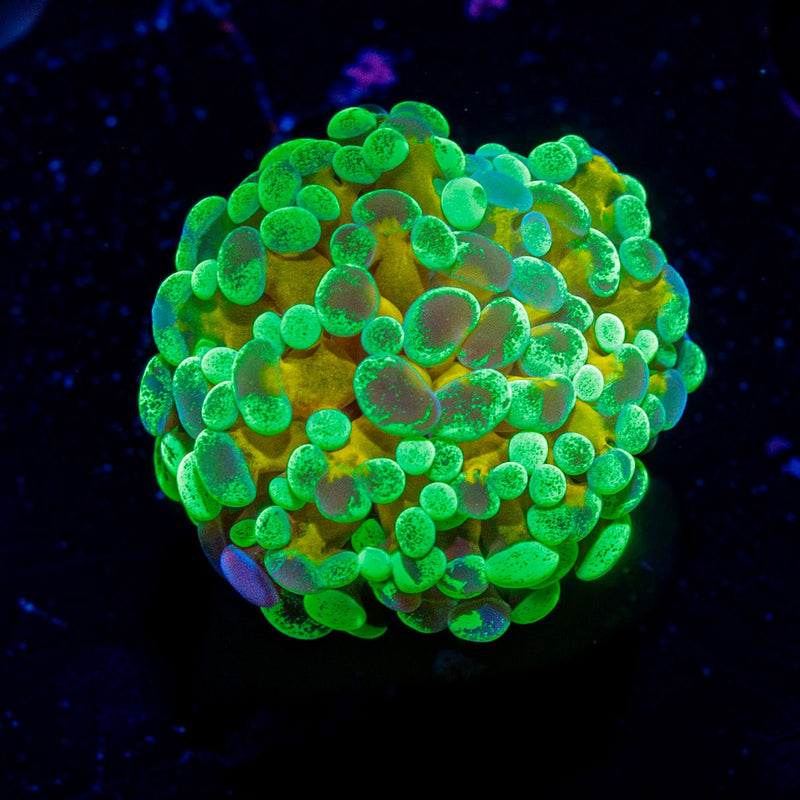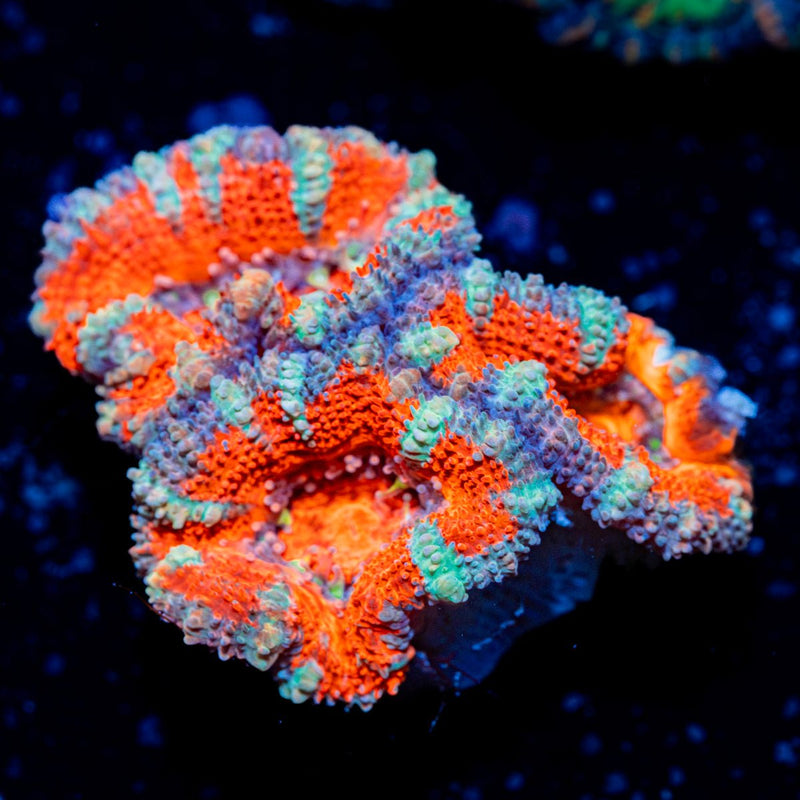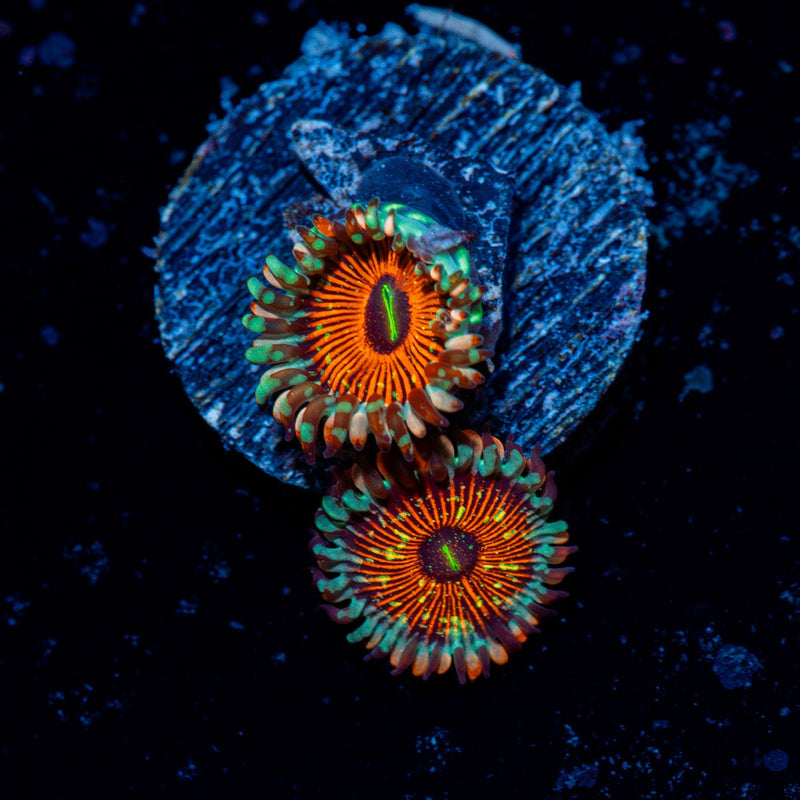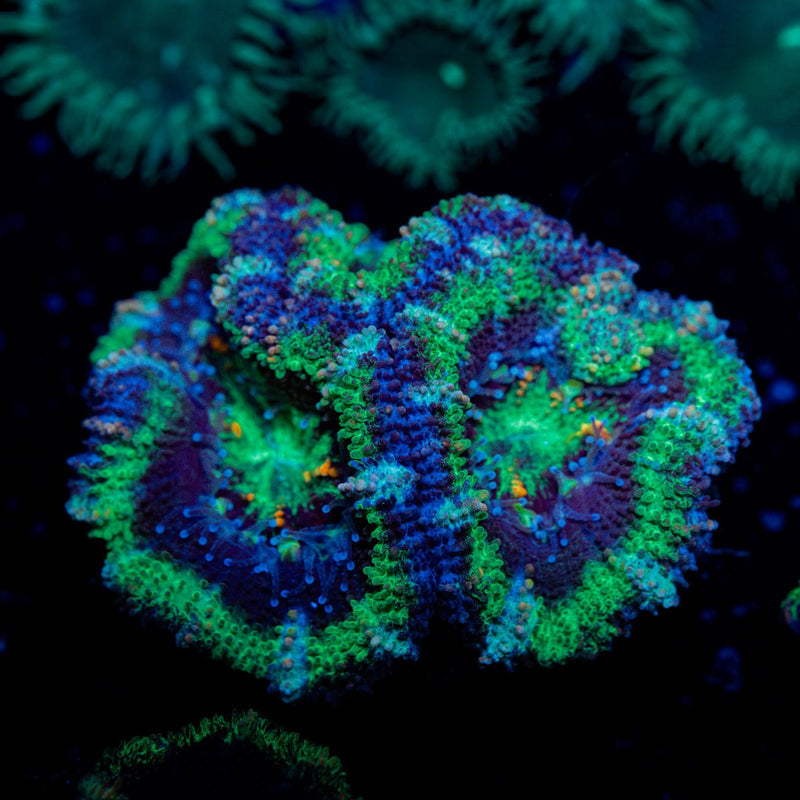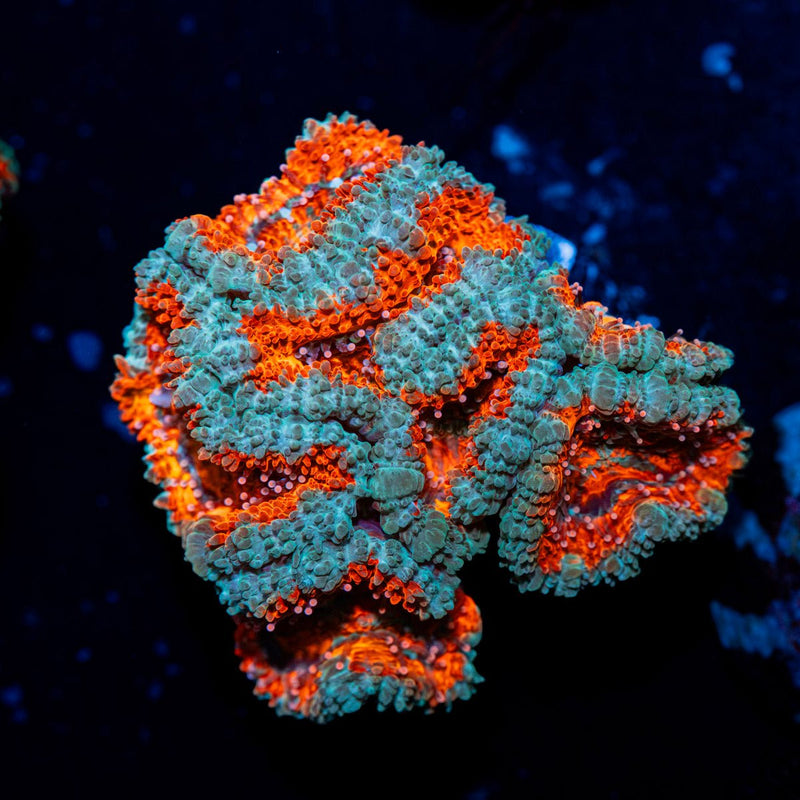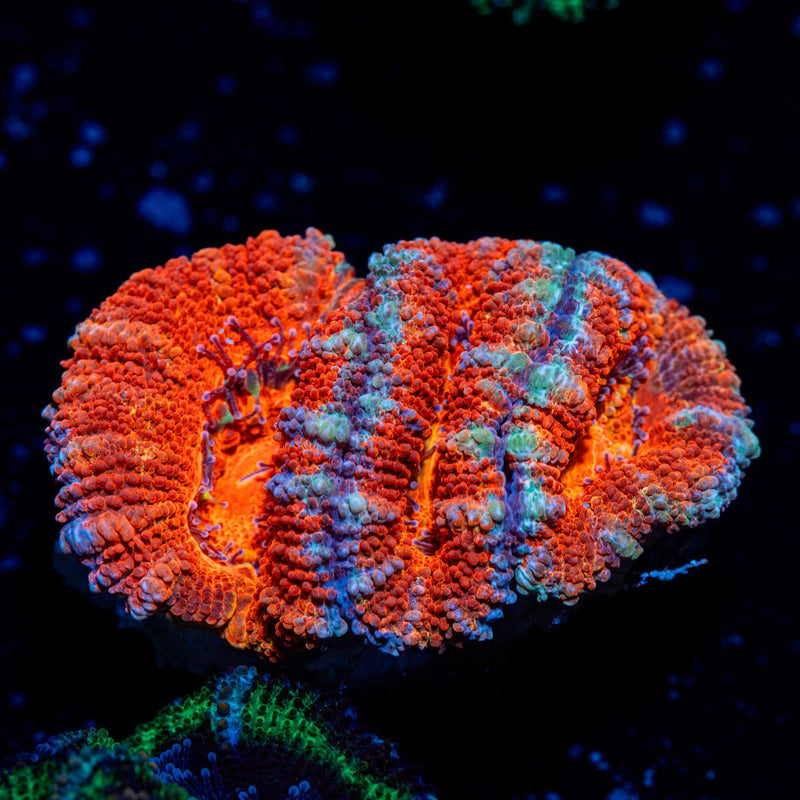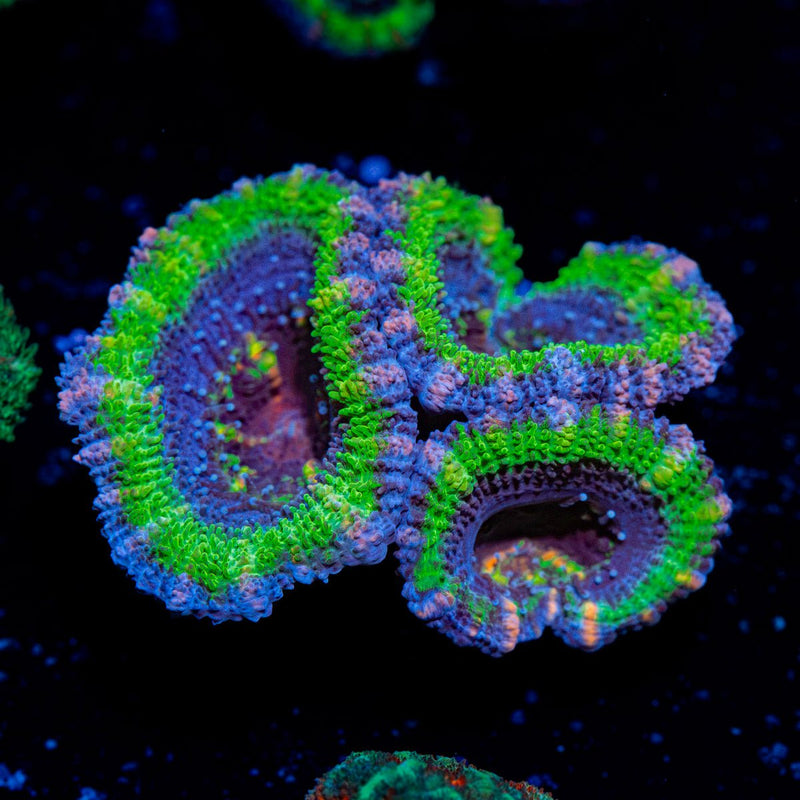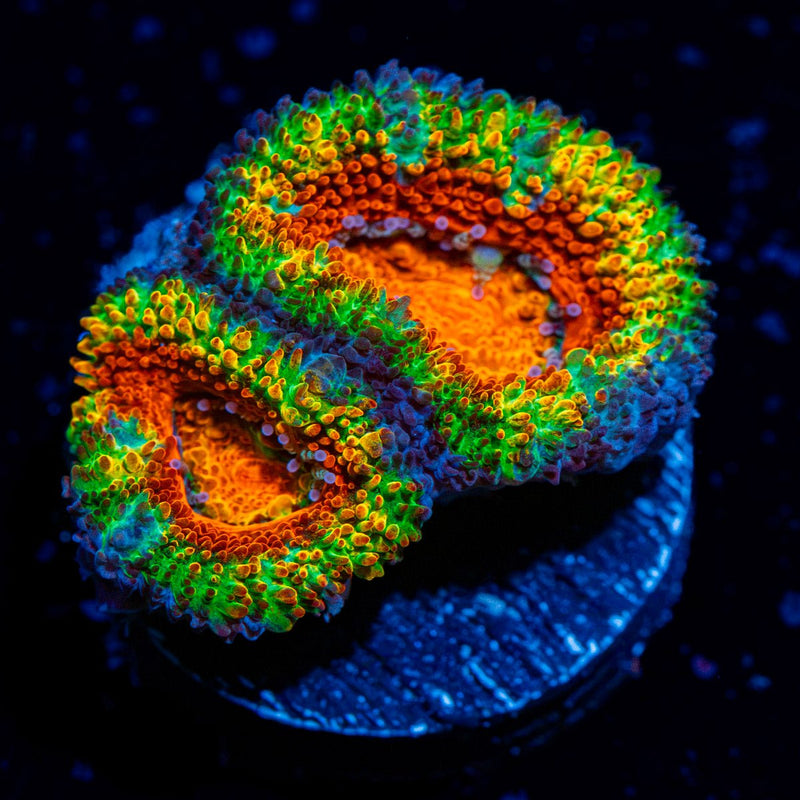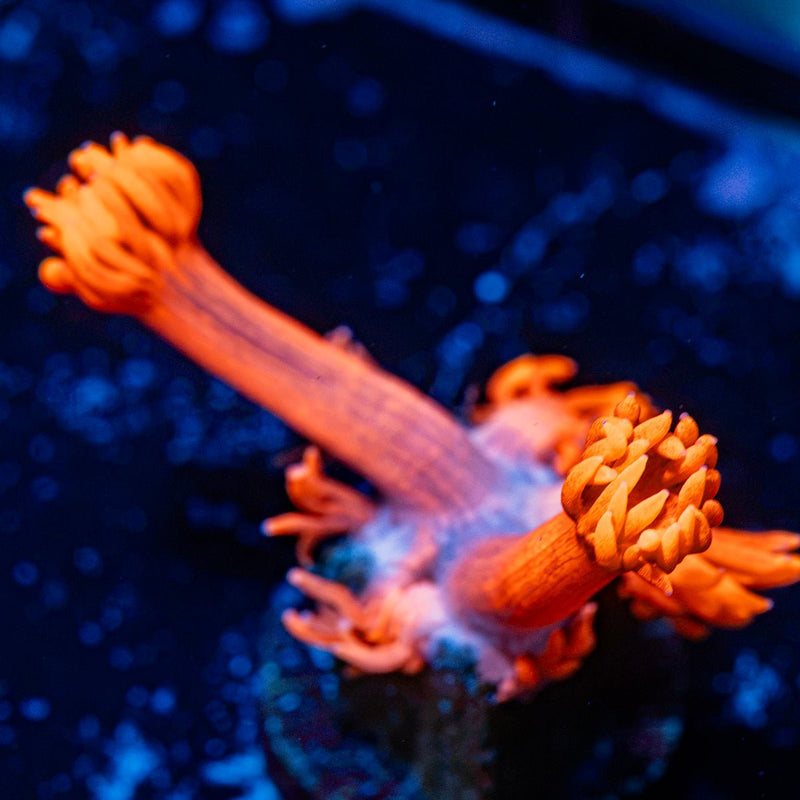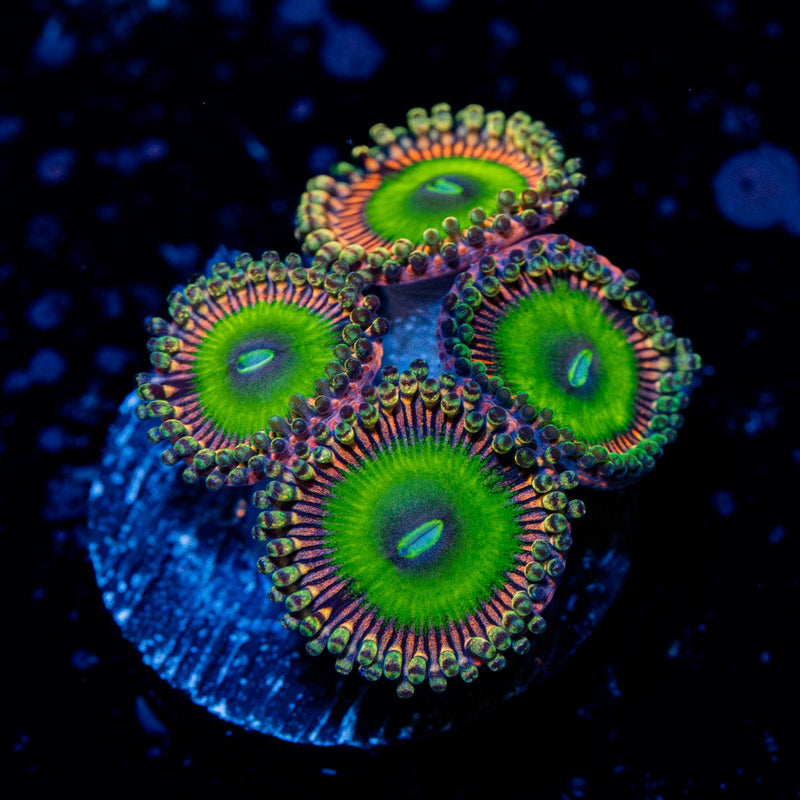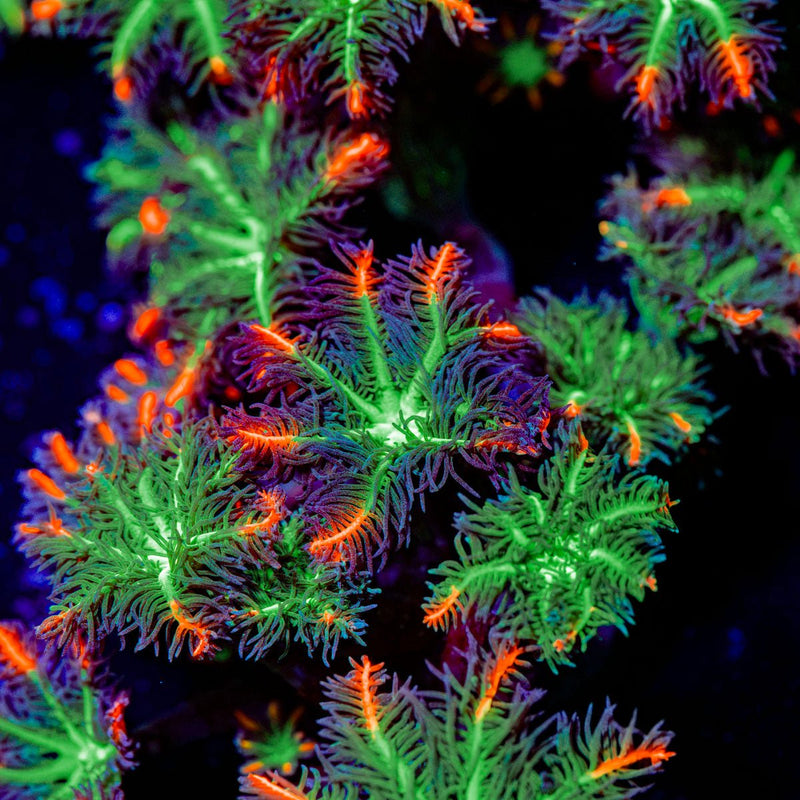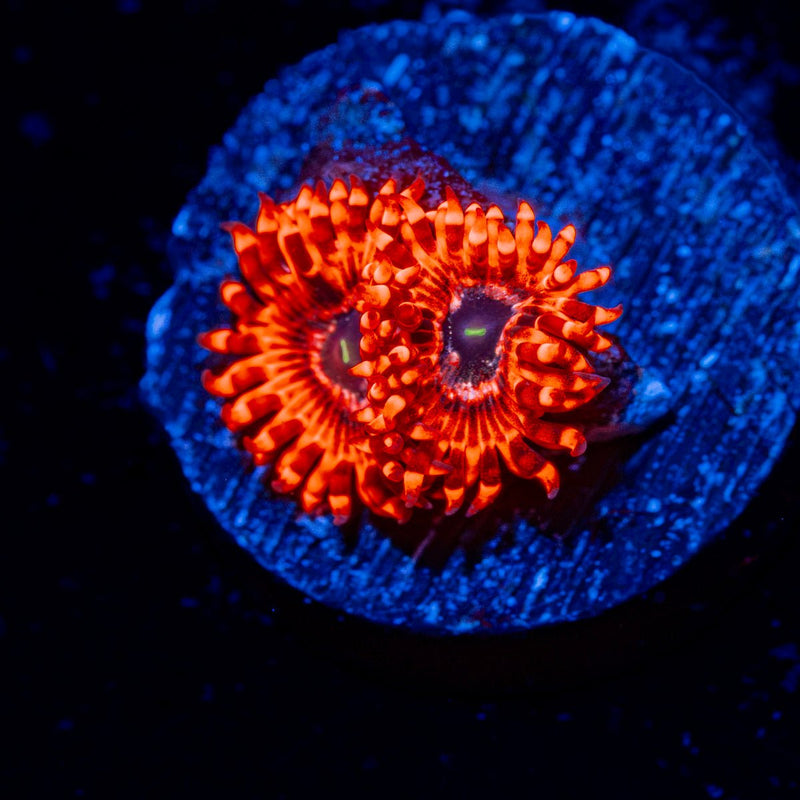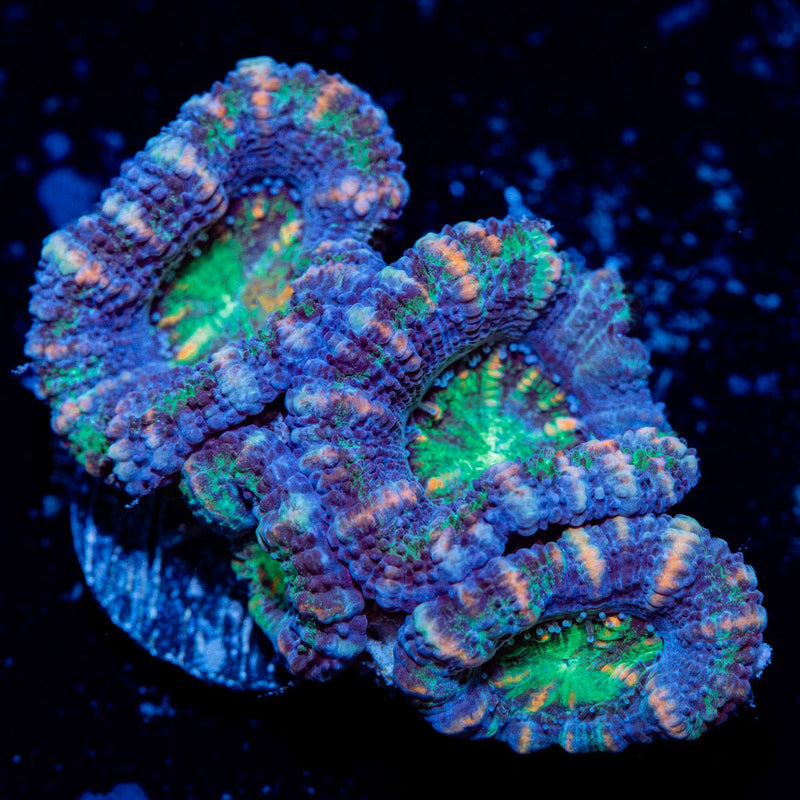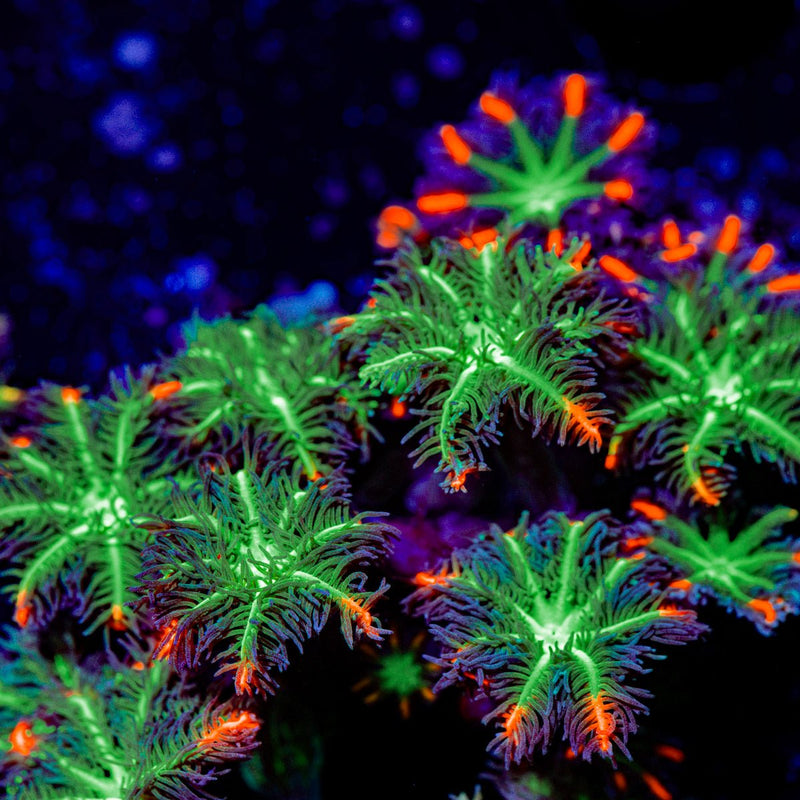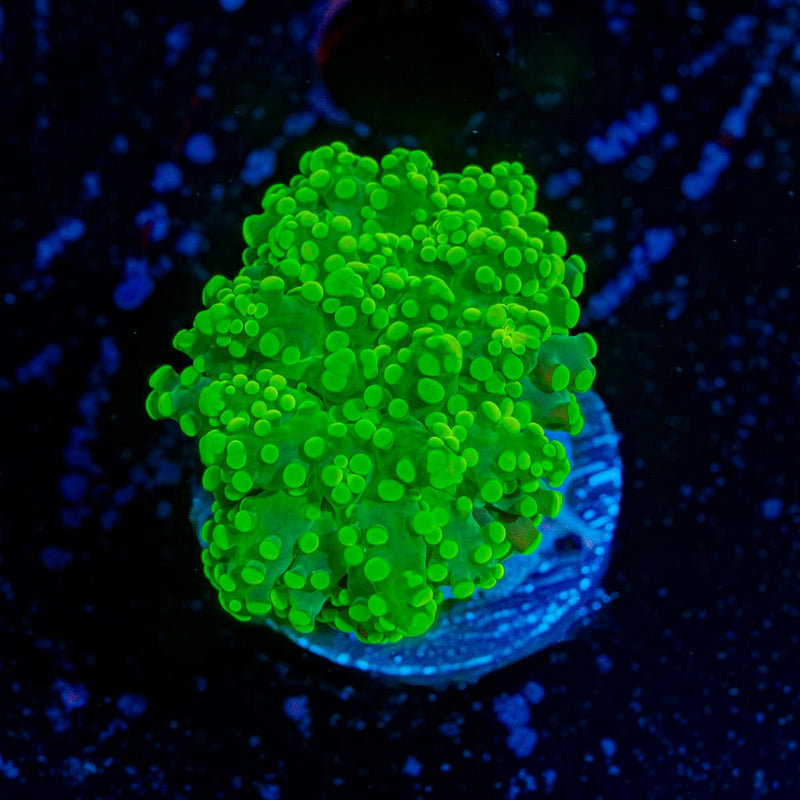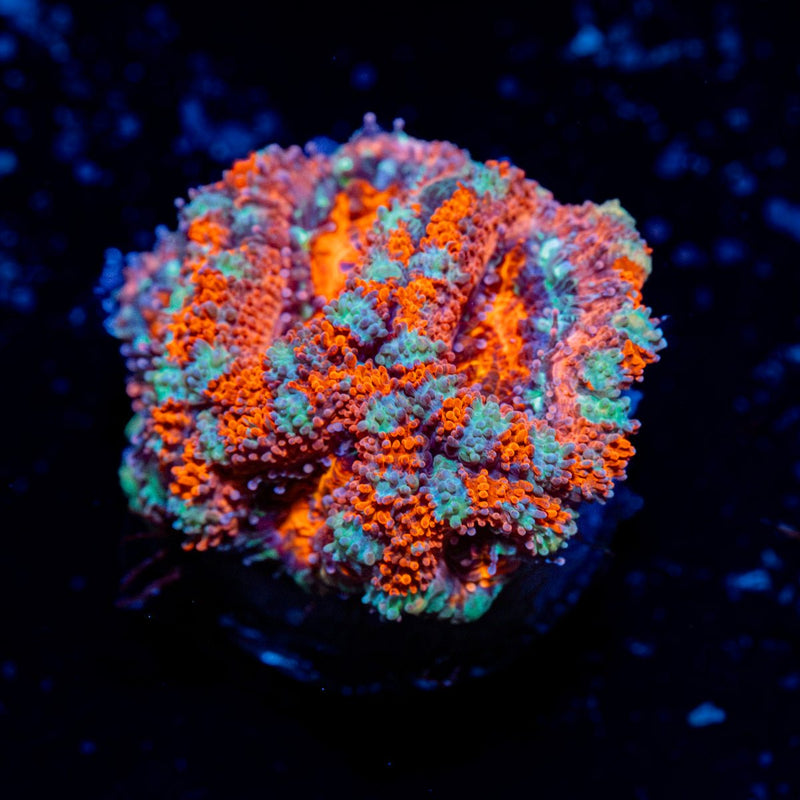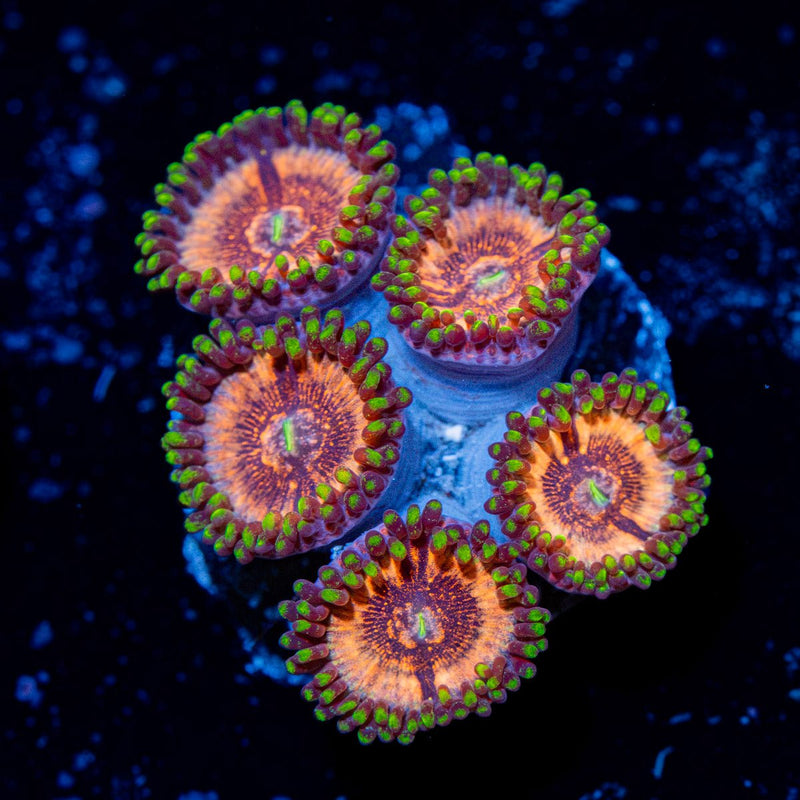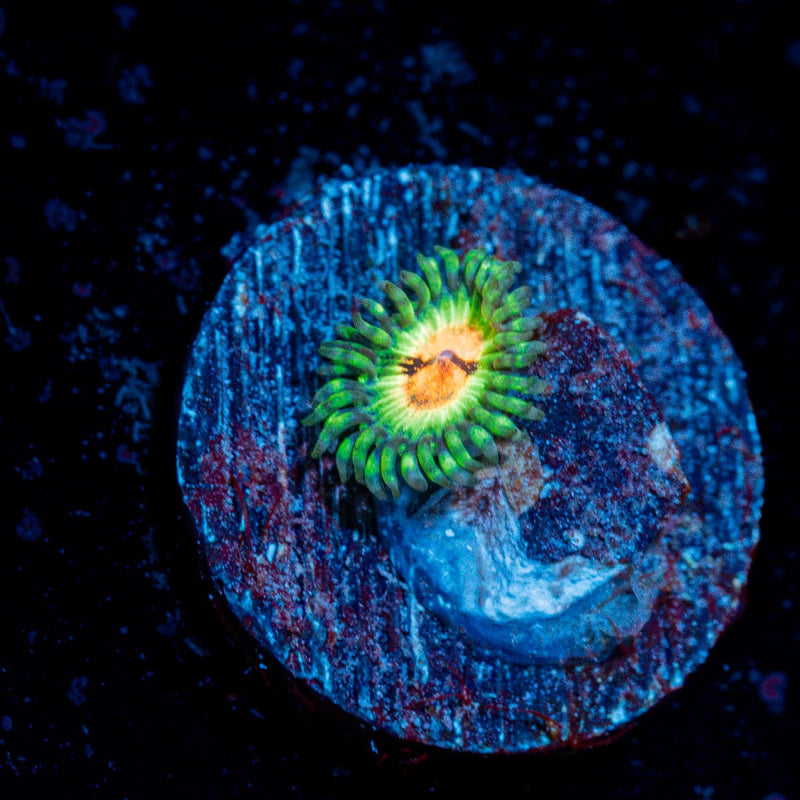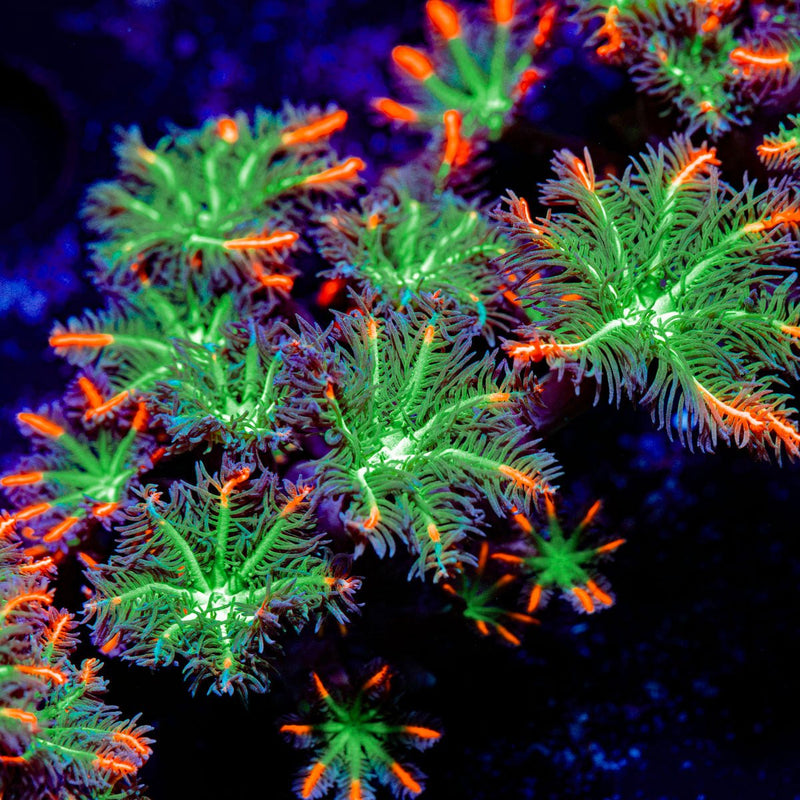
That bright zoanthid garden can be one of the most colorful, beginner-friendly features in a reef tank, but responsible reef keepers should understand what they are bringing home. Are zoanthids toxic pets? They can be. Some zoanthids and closely related button polyps can contain palytoxin, a potent natural toxin that calls for sensible handling habits, especially when fragging, moving colonies, or cleaning a tank.
The reassuring part is that a zoanthid colony sitting peacefully in a well-maintained aquarium is not a reason to panic. Most hobbyists enjoy these vibrant living jewels safely for years. Risk rises when coral tissue is damaged and toxin-containing mucus or droplets are released. With the right approach, zoanthids can remain a stunning, approachable addition to a home reef.
Are Zoanthids Toxic Pets? The Straight Answer
Zoanthids are corals, not pets in the traditional sense, but they are living animals that deserve the same thoughtful care as fish, shrimp, or anemones. The concern is palytoxin, a toxin associated with some members of the zoanthid group. In the aquarium hobby, the names zoanthid, zoa, button polyp, and paly are often used loosely, which can make the subject confusing.
Some colonies may contain little or no detectable toxin, while others may carry more. Palythoa species have historically received the most attention, but visual identification is not a dependable safety test. A colorful frag, a brown button polyp, or a colony sold under a popular trade name cannot be judged safe or unsafe just by appearance.
That is why the best rule is simple: treat every zoanthid or palythoa as potentially toxic when handling it. This is not a reason to avoid them altogether. It is a reason to use consistent, low-effort precautions every time.
How Palytoxin Exposure Happens
A healthy colony under aquarium lights does not release toxin into the room like a vapor. Typical viewing, feeding, and routine water changes around an intact colony are generally low-risk activities. The more meaningful concern is direct contact with damaged coral tissue or breathing droplets that become airborne during aggressive cleaning.
The highest-risk situations include cutting or peeling polyps during fragging, scrubbing colonies with a brush, blasting them at close range with a powerhead, and handling them with cuts on your hands. Boiling live rock or coral-covered rock is especially dangerous. Heat and steam can spread contaminated droplets through a home, creating a serious inhalation hazard for people and animals nearby.
Never boil rock, zoanthids, palythoa, or aquarium equipment that may have living tissue on it. Likewise, do not use a pressure washer, high-powered spray nozzle, or other method that creates mist from a colony. If a rock needs unwanted polyps removed, choose a controlled approach rather than an aerosol-producing one.
Why symptoms should be taken seriously
Palytoxin exposure can affect the skin, eyes, lungs, and whole body. Skin contact may cause irritation, numbness, redness, or pain. Eye exposure can be very painful and may lead to redness, swelling, or vision changes. Breathing airborne droplets may cause coughing, fever-like symptoms, chest tightness, shortness of breath, and a severe feeling of illness.
Symptoms and severity depend on the amount and route of exposure, so there is no useful home test for deciding whether a reaction is serious. If anyone develops breathing trouble, chest pain, severe eye pain, confusion, fainting, or rapidly worsening symptoms after working with zoanthids, seek urgent medical help. Tell medical professionals that palytoxin exposure from aquarium coral may be involved.
For suspected exposure in the United States, contact Poison Control at 1-800-222-1222 for immediate guidance. Call 911 for severe symptoms or trouble breathing. If a dog, cat, bird, or other pet may have contacted coral tissue or breathed aerosolized tank water, contact a veterinarian or emergency animal hospital right away.
Safe Zoanthid Care for a Home Reef
A few practical habits make an enormous difference. Wear disposable nitrile gloves whenever you place, move, trim, or frag zoanthids. Gloves also help protect the coral from oils, lotions, and contaminants on your hands. If you have a fresh cut, rash, hangnail, or broken skin, wait until it is healed or make sure it is fully covered before putting your hands in the tank.
Eye protection is a smart addition when a colony could be disturbed, particularly during fragging or removing a zoanthid-covered rock. Simple safety glasses or splash goggles protect against an unexpected squirt of water or mucus. Work in a well-ventilated area, keep your face away from the coral, and avoid handling zoanthids when children or pets are underfoot.
After maintenance, remove gloves carefully, wash your hands and forearms with soap and water, and clean any tools used on the colony. Keep dedicated coral-cutting tools separate when possible. Do not touch your eyes, handle food, or pick up a child or pet until you have cleaned up.
When planning a new aquarium, placement can also reduce the need for risky maintenance later. Give zoanthids room to grow on an isolated rock or a section of the aquascape where they can be managed easily. Many varieties are fast-growing and can spread across nearby rockwork. Building them a little space now keeps that colorful colony from becoming a difficult removal project later.
Safer fragging practices
Fragging is where hobbyists should slow down and be deliberate. Set up your workspace before taking the coral out of water: gloves on, eye protection in place, tools ready, towels nearby, and pets out of the room. Work with small, controlled cuts rather than crushing or tearing tissue.
Use a shallow container of aquarium water for the process instead of cutting directly over the display tank. This helps contain mucus and loose tissue. Avoid rushing, avoid spraying water, and never use your mouth to start a siphon or clear a clogged tube. Once the fragging session is finished, disinfect the work surface and dispose of used gloves and towels where children and animals cannot reach them.
If fragging does not feel comfortable, there is no requirement to do it. Let a colony grow into a colorful showpiece, trade it through a knowledgeable local reef community, or ask an experienced hobbyist to help. Zoanthids are enjoyable because they are adaptable and visually rewarding, not because every keeper needs to propagate them at home.
What About Tank Water, Fish, and Other Corals?
Normal aquarium water is not usually the primary concern for a household because palytoxin risk is most associated with direct contact with damaged tissue or contaminated aerosols. Still, standard reef-tank hygiene is wise. Wear gloves if you have cuts, wash after tank work, and prevent pets or small children from drinking aquarium water.
Zoanthids do not make a reef tank inherently unsafe for fish, shrimp, snails, or other corals. In fact, they are popular partly because many varieties are hardy, colorful, and adaptable under appropriate reef lighting and water quality. Their main husbandry trade-off is growth management. A thriving colony can shade or overtake slower-growing neighbors if it is not given a defined place in the aquascape.
Aquacultured zoanthid frags are an excellent way to begin with a manageable, healthy piece rather than adding a large, established colony of unknown history. Start with a small, well-mounted frag, allow it to settle into stable conditions, and enjoy watching the polyps open into a living field of color.
A Confident Way to Enjoy Zoanthids
Zoanthids belong in many successful reef aquariums, from a first nano reef to a mature display filled with premium coral. Their colors, patterns, and movement bring immediate personality to an aquascape. The key is to respect the coral during hands-on work rather than treating it casually.
Keep gloves and eye protection with your aquarium supplies, skip any cleaning method that creates spray or steam, and teach everyone in the household not to touch coral without you. Those small habits protect your family while letting your zoanthids do what they do best: turn a carefully built reef into a vibrant display worth stopping to admire.