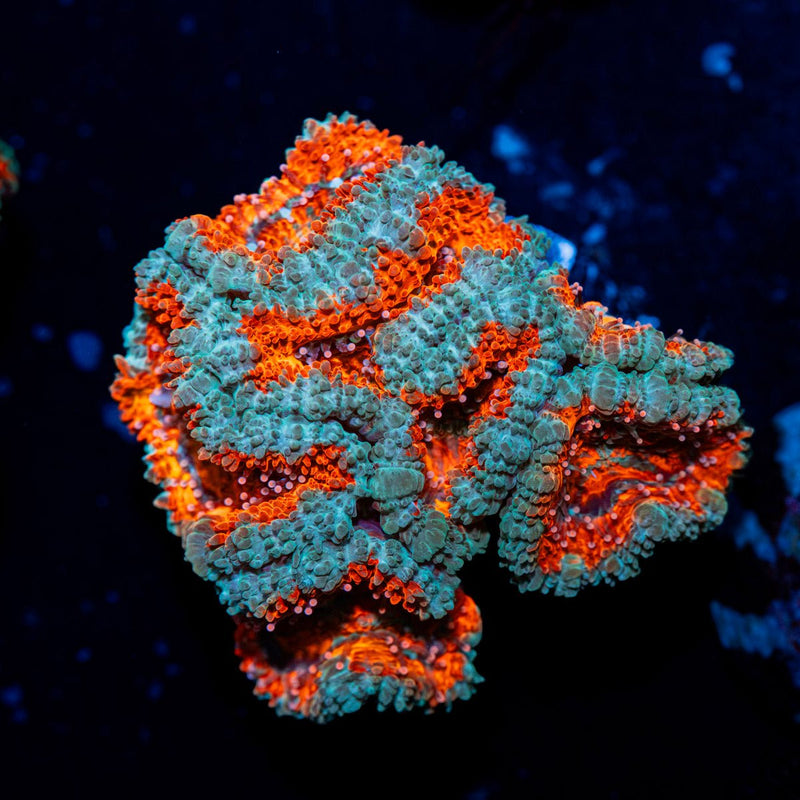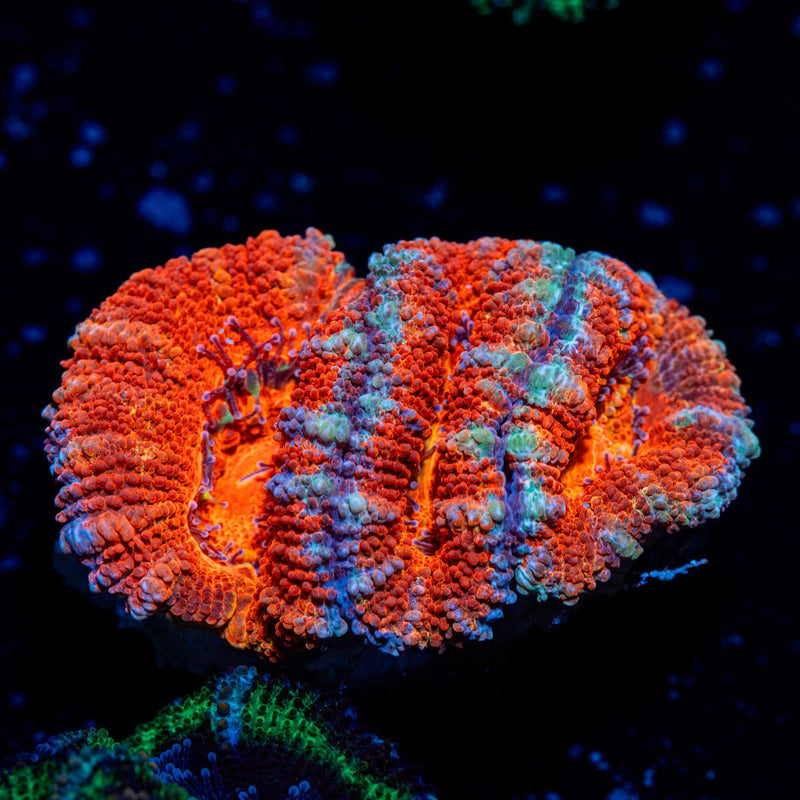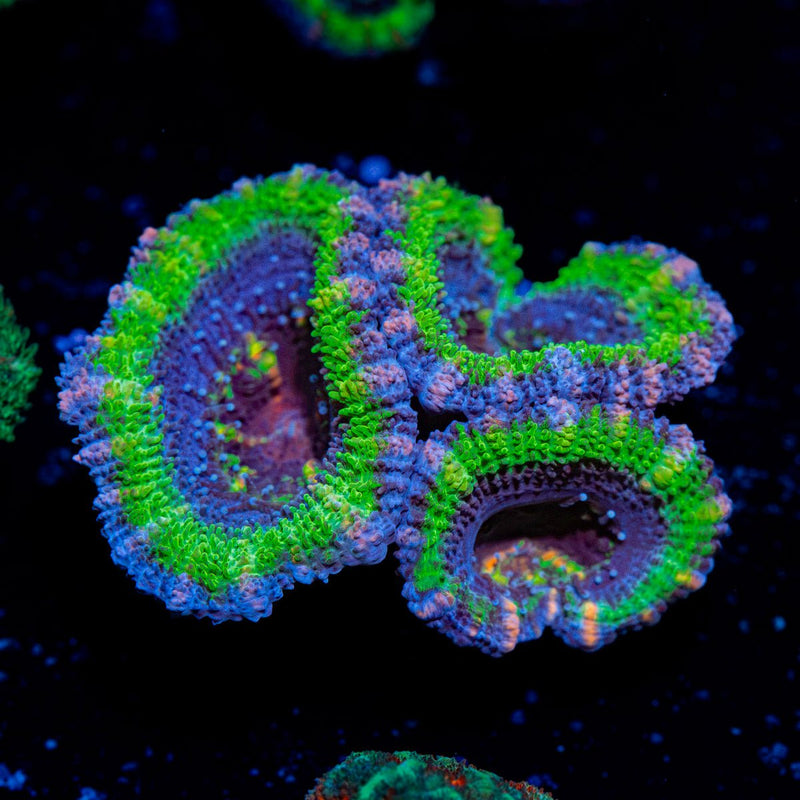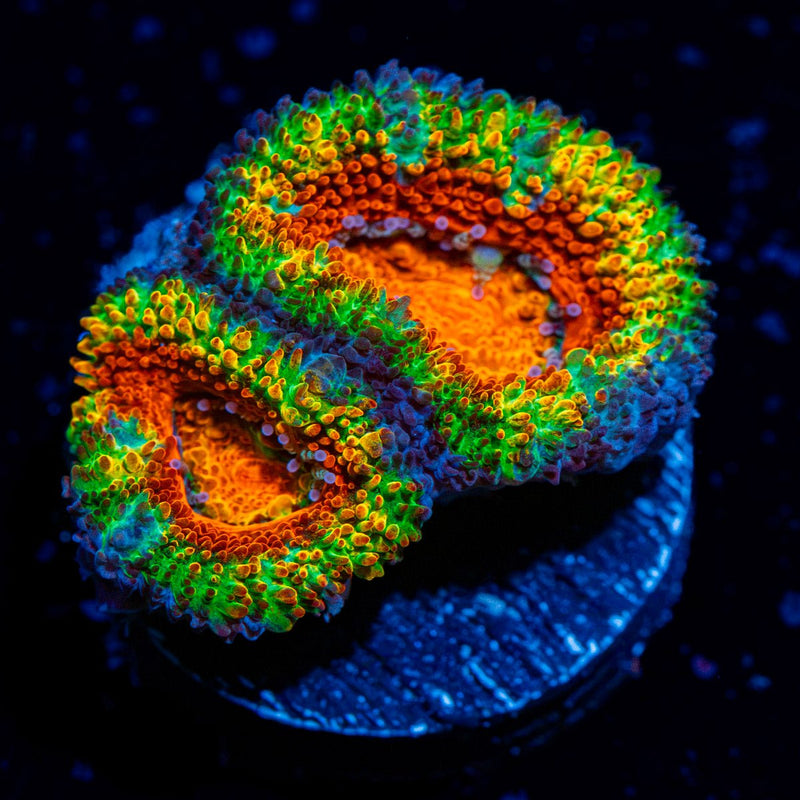
A great reef tank does not need a wall of rock to feel full. Some of the most exciting reef aquascaping trends are moving away from crowded, cave-heavy layouts and toward intentional open space, clear coral zones, and rockwork that gives every living jewel room to shine. The result is a display that feels more natural from across the room and easier to maintain up close.
For hobbyists, that shift is more than an aesthetic preference. An aquascape affects flow, detritus buildup, coral placement, fish swimming room, and how confidently you can grow a collection over time. The best current ideas are not rules to copy exactly. They are useful design tools for building a reef that fits your tank, your coral goals, and your experience level.
Reef Aquascaping Trends Built Around Space
Negative space is becoming the centerpiece
Negative space means the intentional open areas around and beneath your rockwork. Instead of filling every inch of a tank with stone, reef keepers are using one or two distinct structures with channels, arches, and visible sand around them. That open water becomes part of the composition.
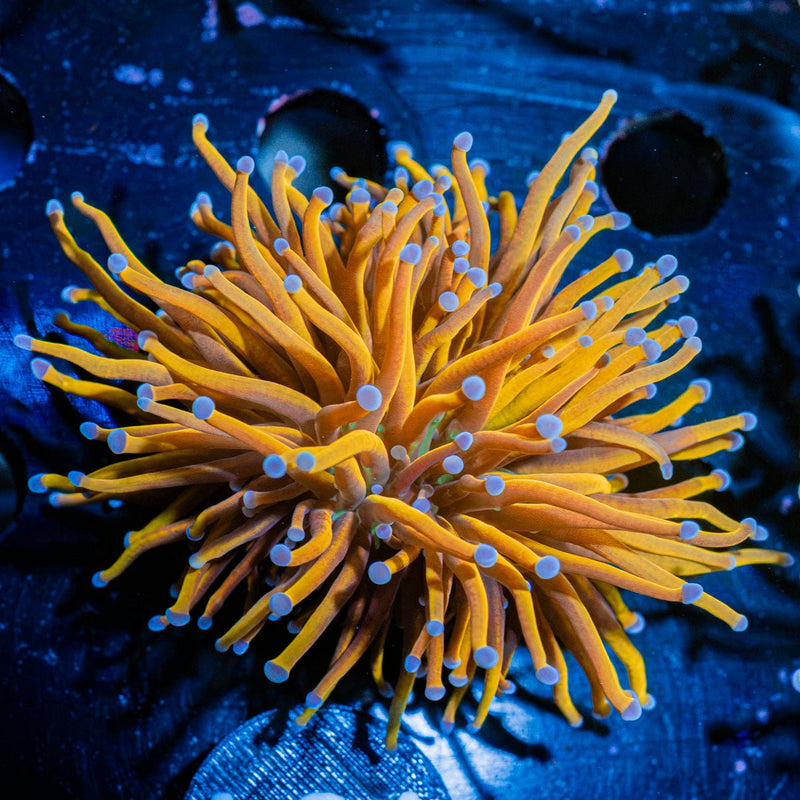
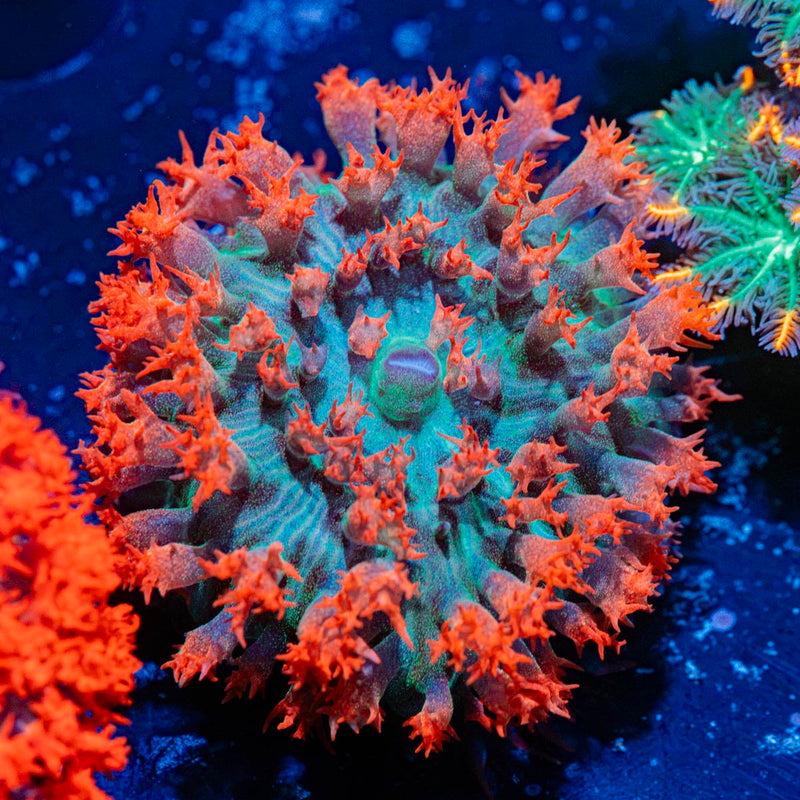
This style can make even a modest aquarium look larger. It also gives fish clear swimming lanes and makes coral silhouettes easier to appreciate. A bright torch colony waving above an arch or a colorful mushroom garden tucked beneath an overhang has more impact when it is not competing with a dozen nearby rocks.
There is a practical side, too. Open layouts can improve access for cleaning the glass, siphoning detritus, and reaching a coral that needs to be moved. The trade-off is that every rock is more visible, so unstable stacks and awkward proportions stand out. Build slowly, test the structure from multiple viewing angles, and make sure it is secure before adding sand and livestock.
Low, layered rockwork replaces the rock wall
The classic high rock wall has not disappeared, especially in larger tanks or systems designed for a dense SPS collection. But lower, layered aquascapes are increasingly popular because they leave room for corals to create the height and movement.
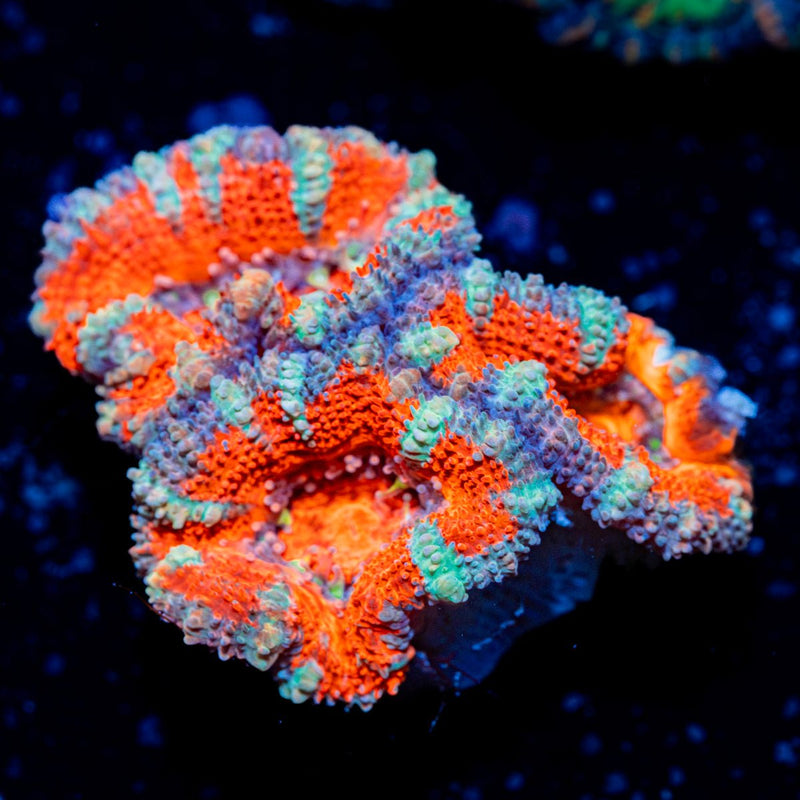
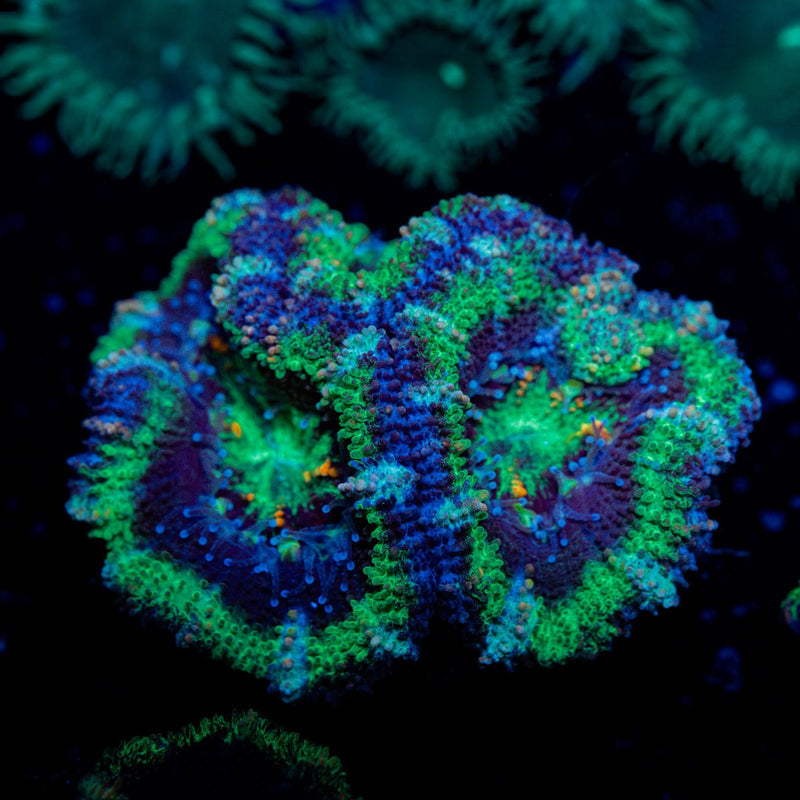
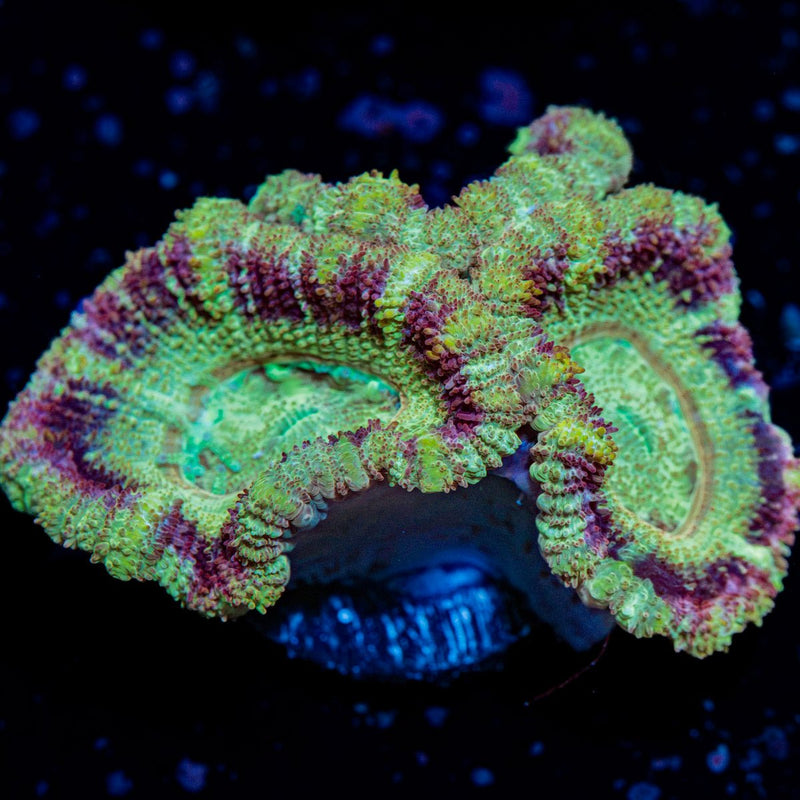
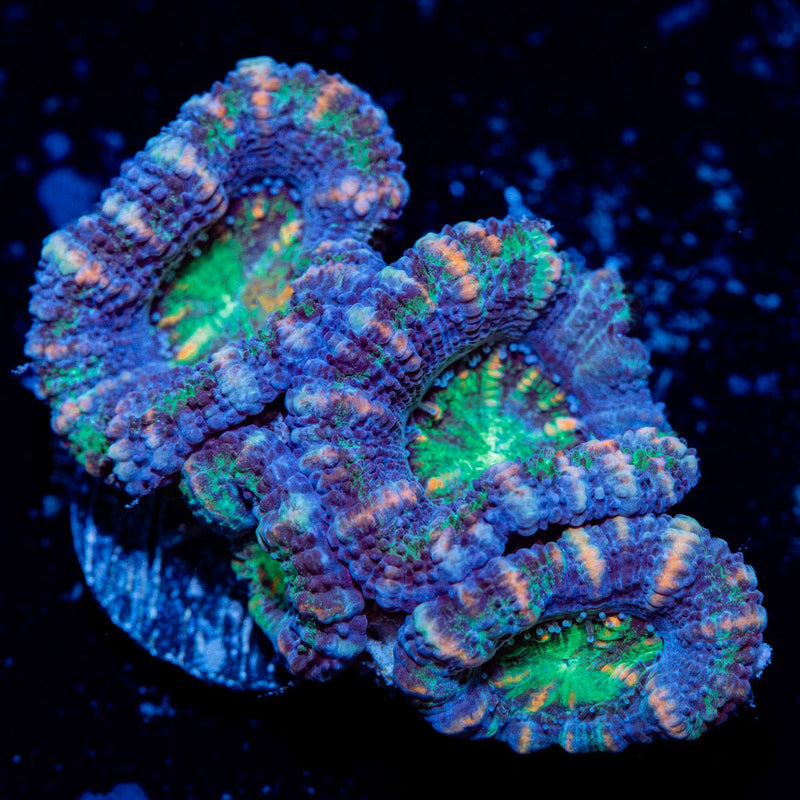
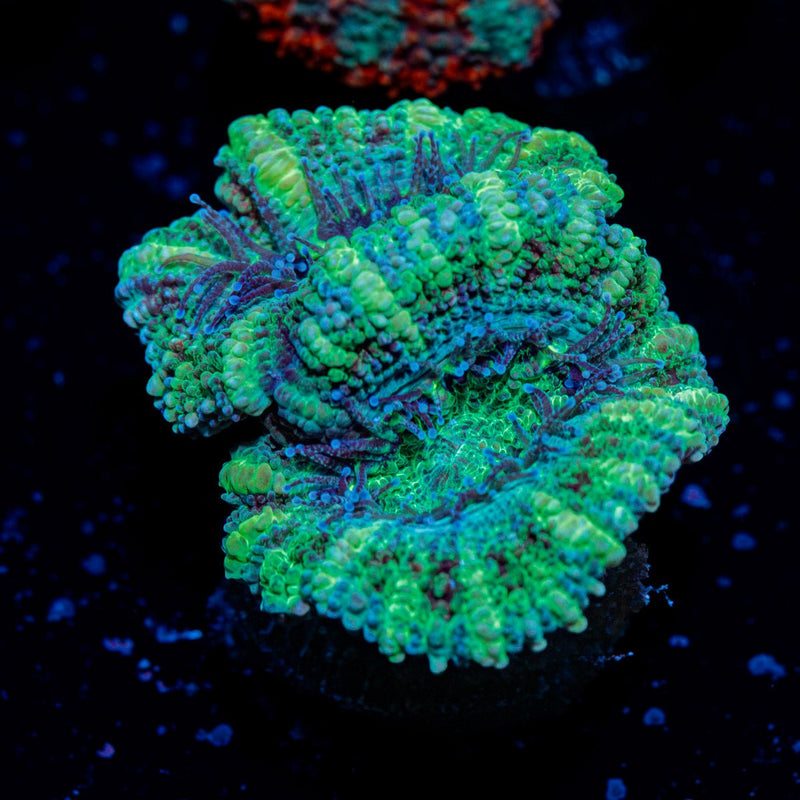
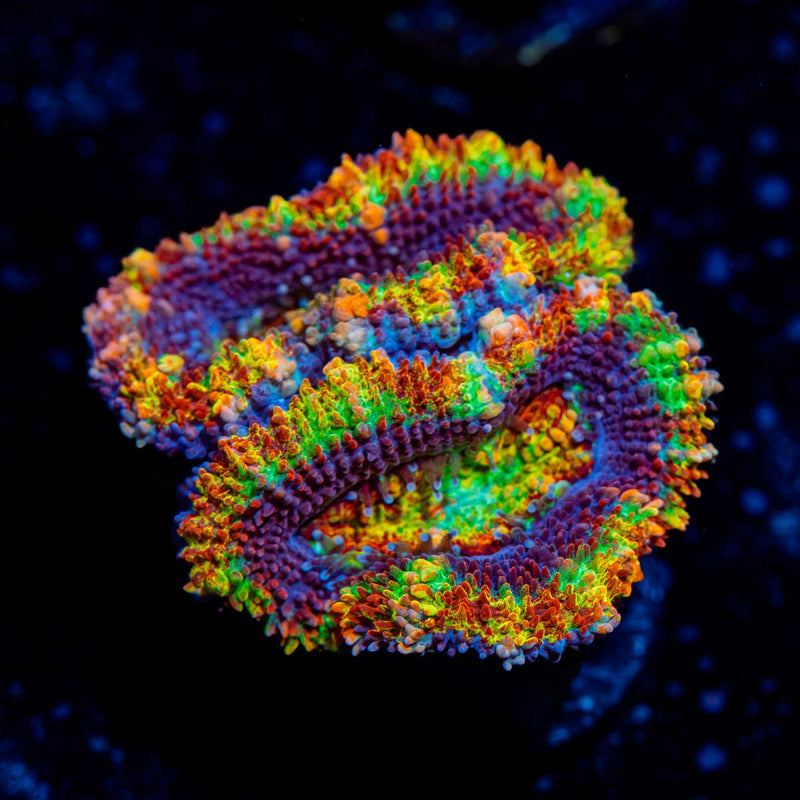
Start with a stable base that stays clear of the glass. From there, create shelves and staggered ledges rather than a single steep mound. This approach gives encrusting corals, chalices, acans, and zoanthids visible places to grow while allowing branching SPS and LPS to become the upper-level focal points.
Keeping rockwork low also helps prevent the tank from looking top-heavy once corals mature. A small Acropora frag may seem insignificant on day one, but a healthy colony can claim a surprising amount of visual space. Planning for that future shape is one of the most valuable habits in reef design.
Coral Gardens Are Replacing Mixed Frag Clusters
A tank packed with colorful frags can be fun, but random placement often becomes difficult to manage as colonies expand. One of the strongest trends is the coral garden: a dedicated area where a related group of corals creates a concentrated field of color, texture, or motion.
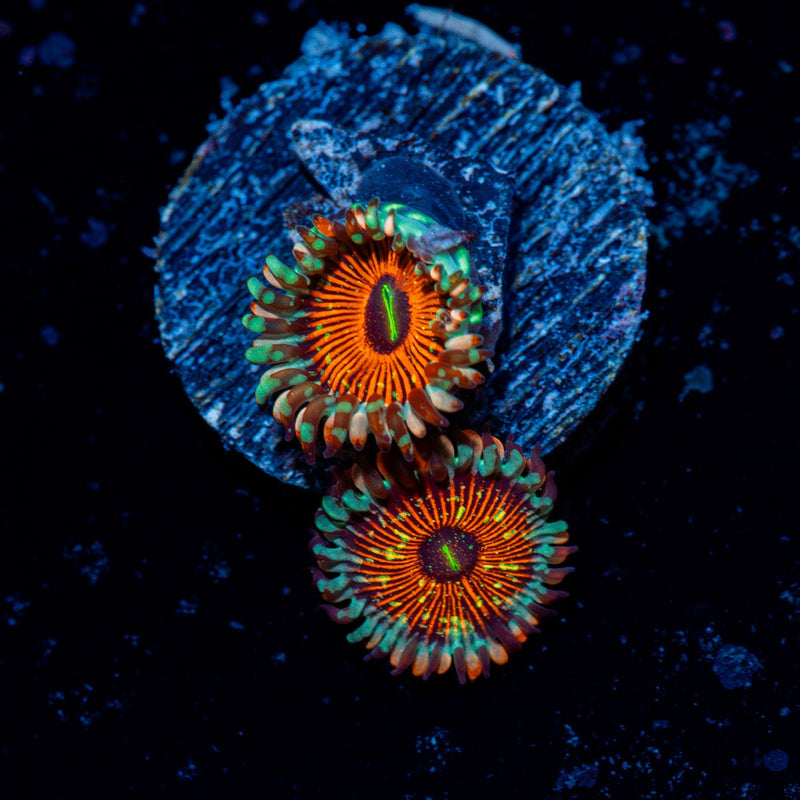
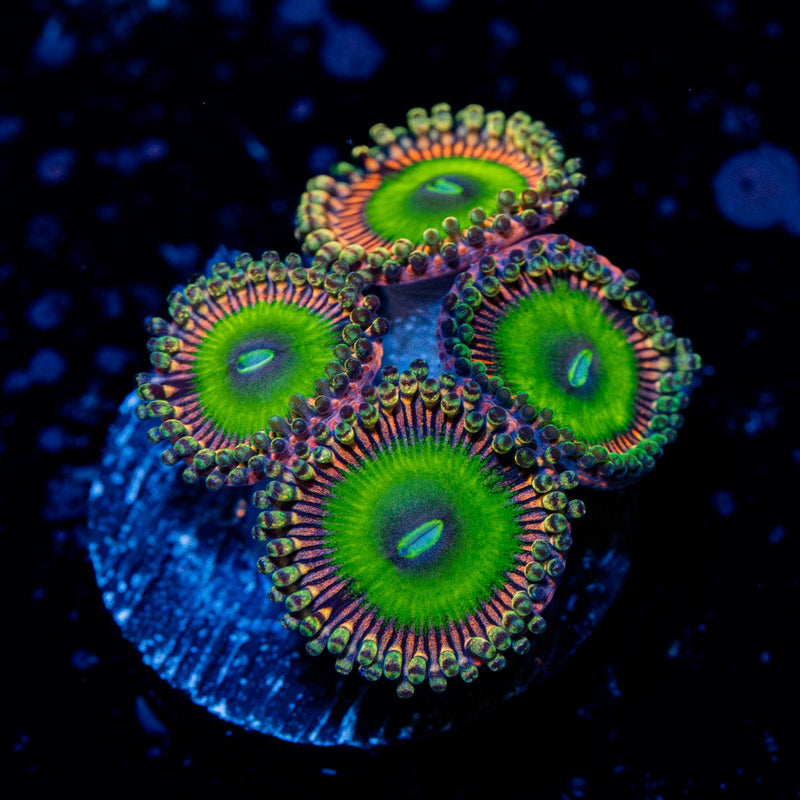
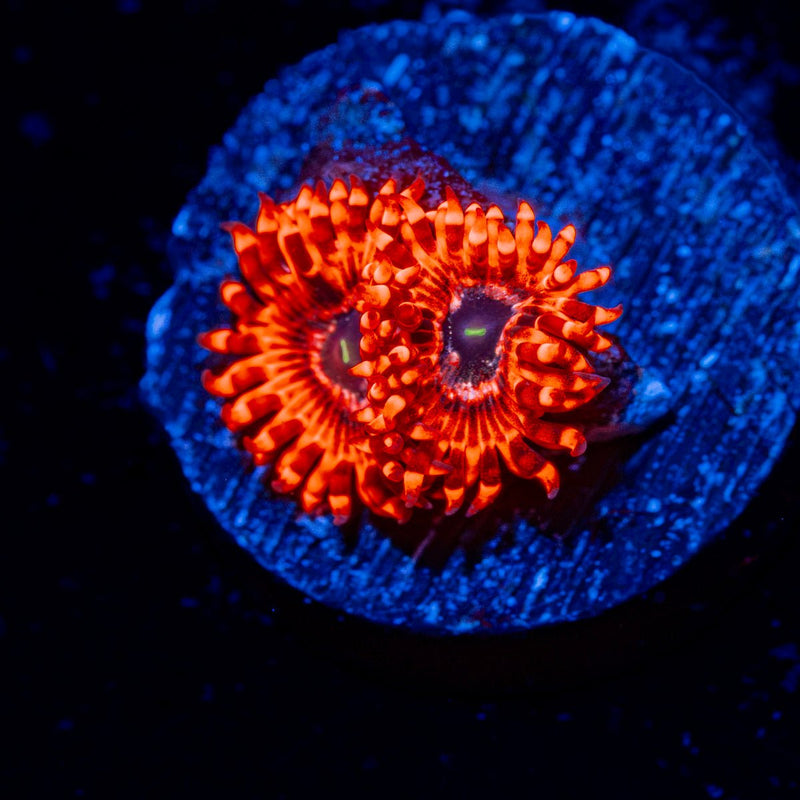
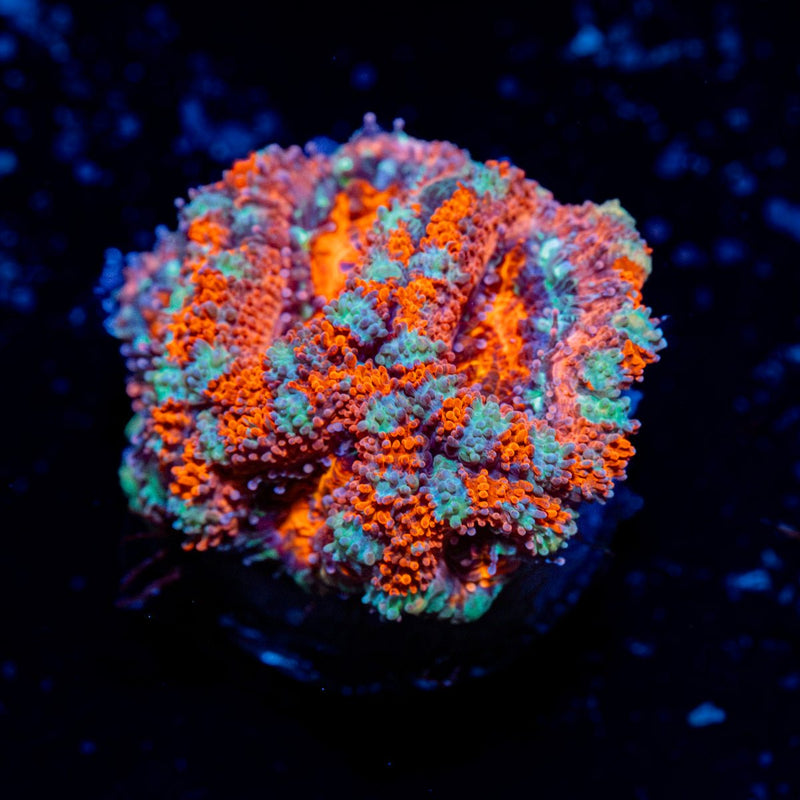
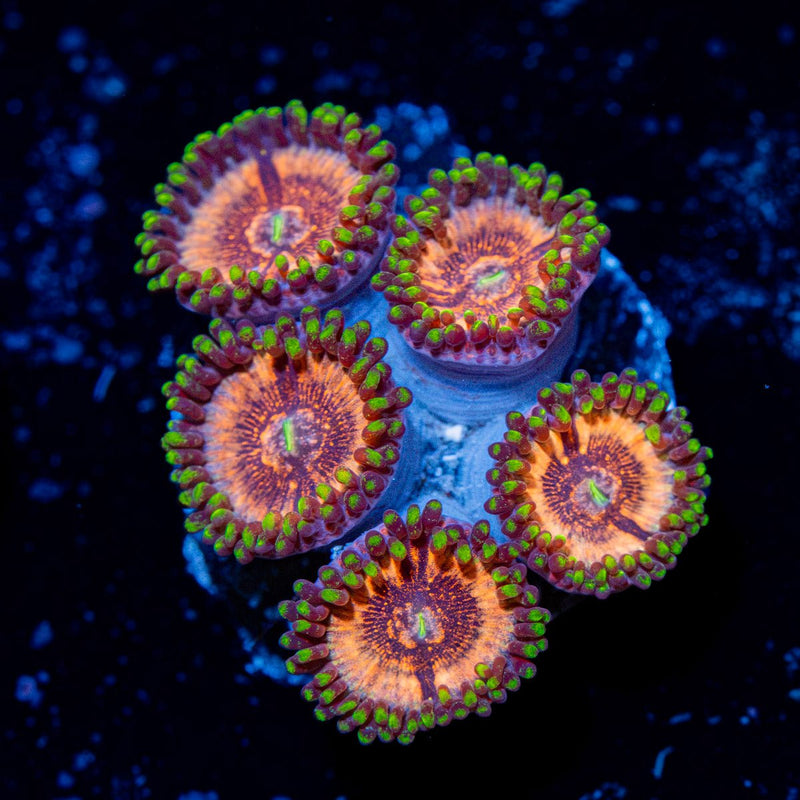
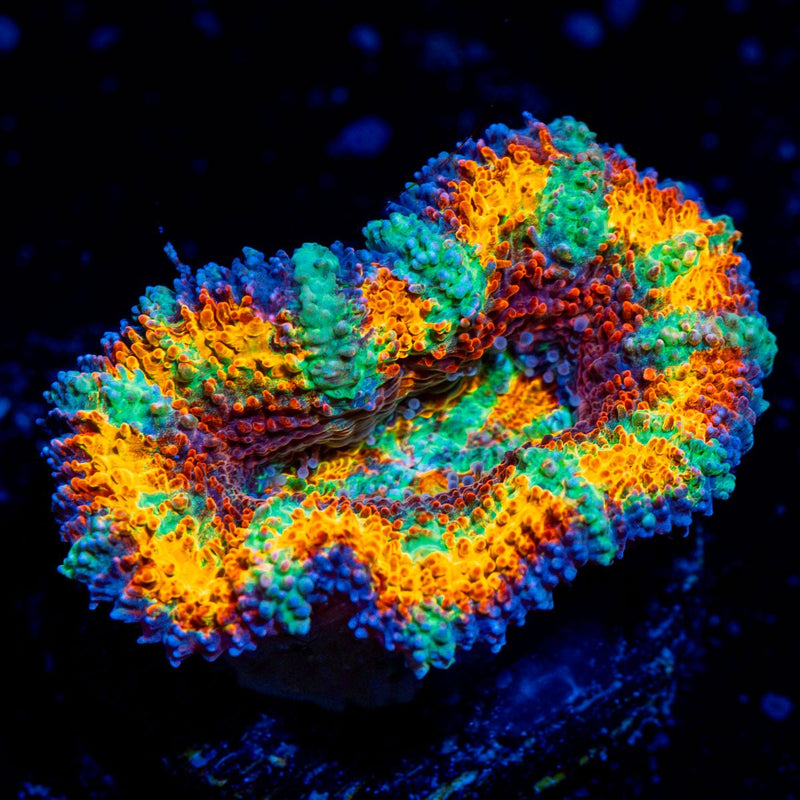
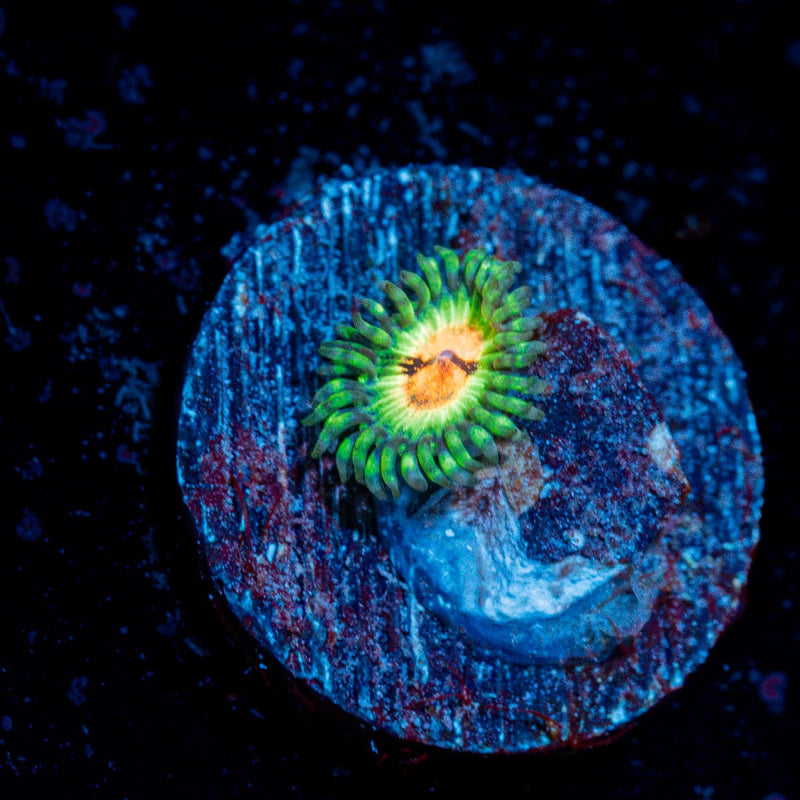
A zoanthid garden can turn a low front-rock shelf into a vibrant mosaic. A mushroom garden works beautifully in a lower-light section, where their plush shapes and rich colors can soften the hard lines of the aquascape. Acan and chalice zones bring a polished, collector-style look to ledges with moderate flow.
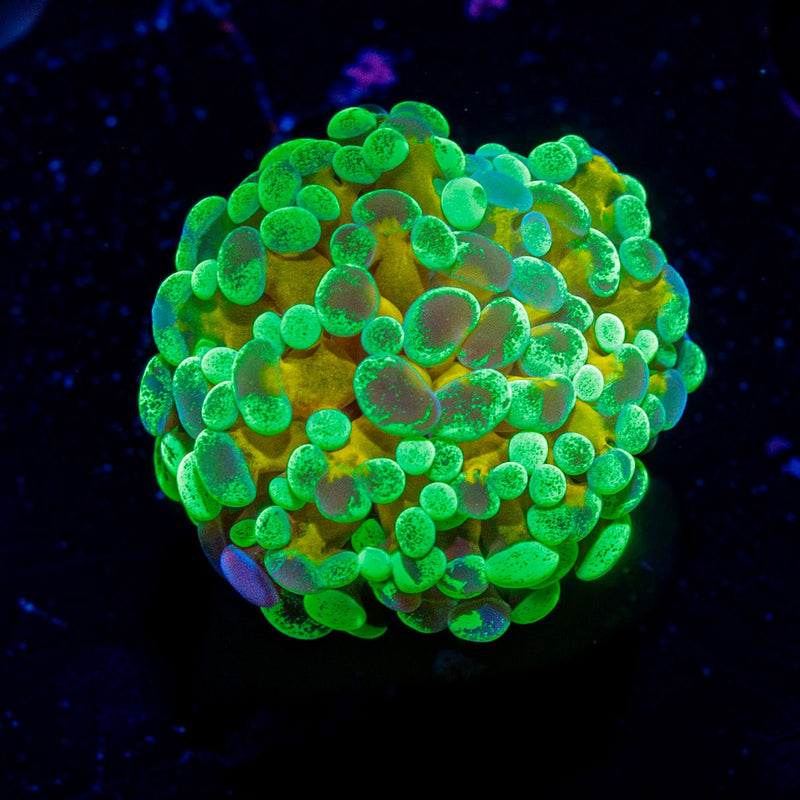
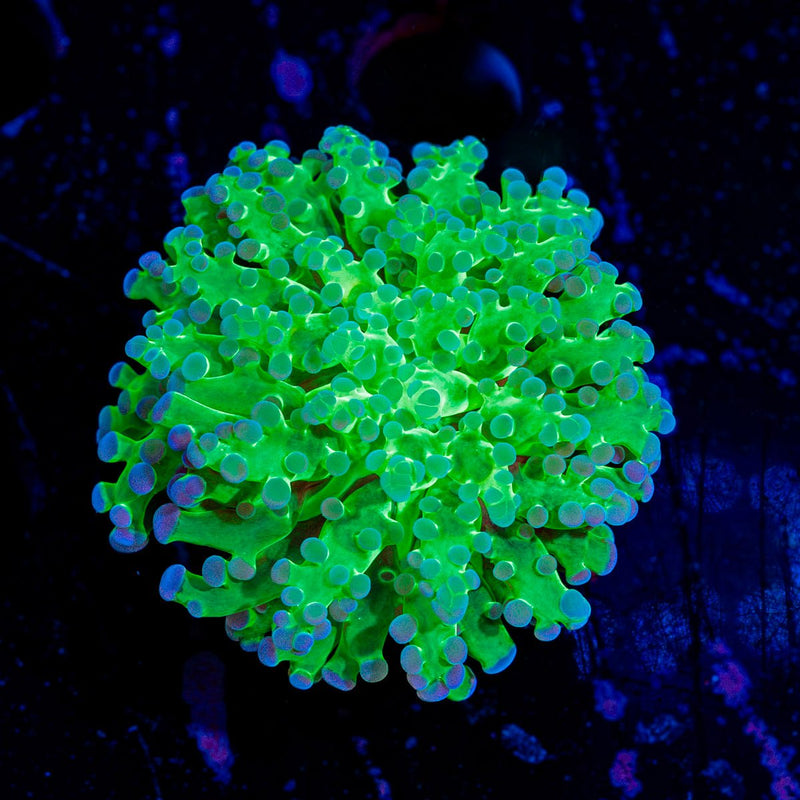
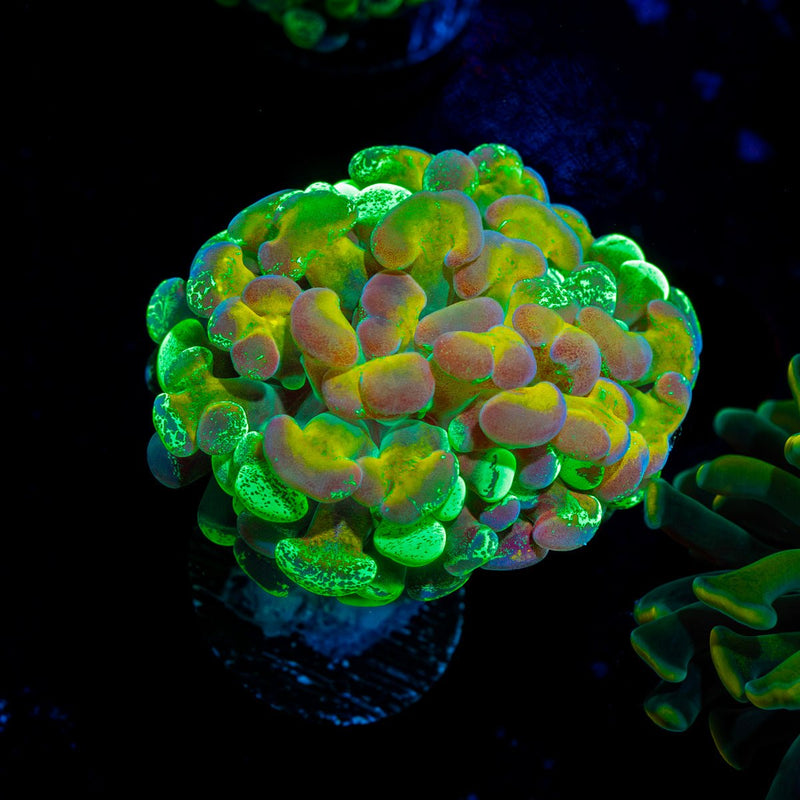
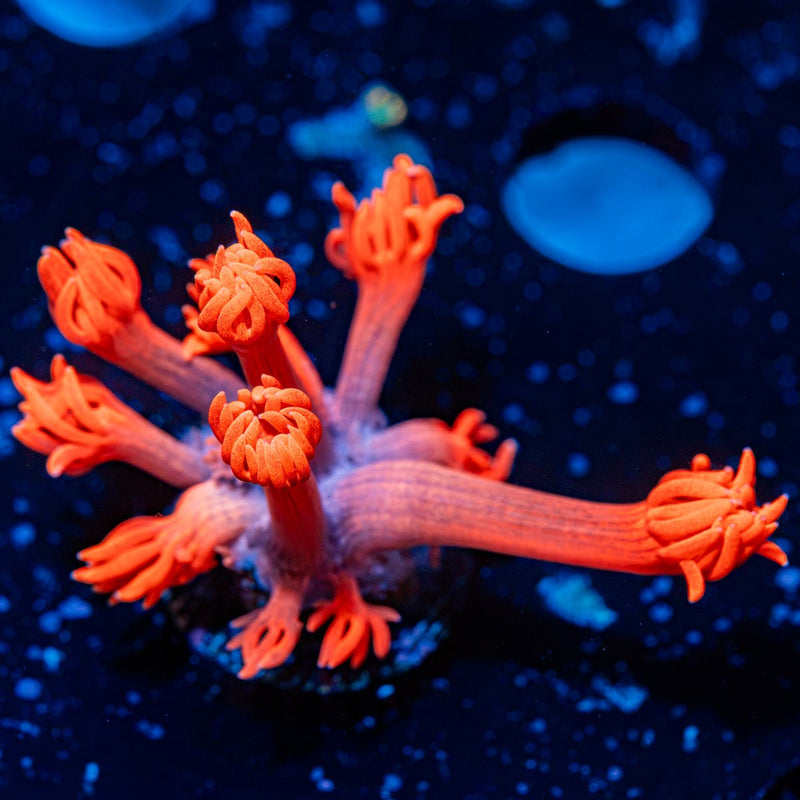
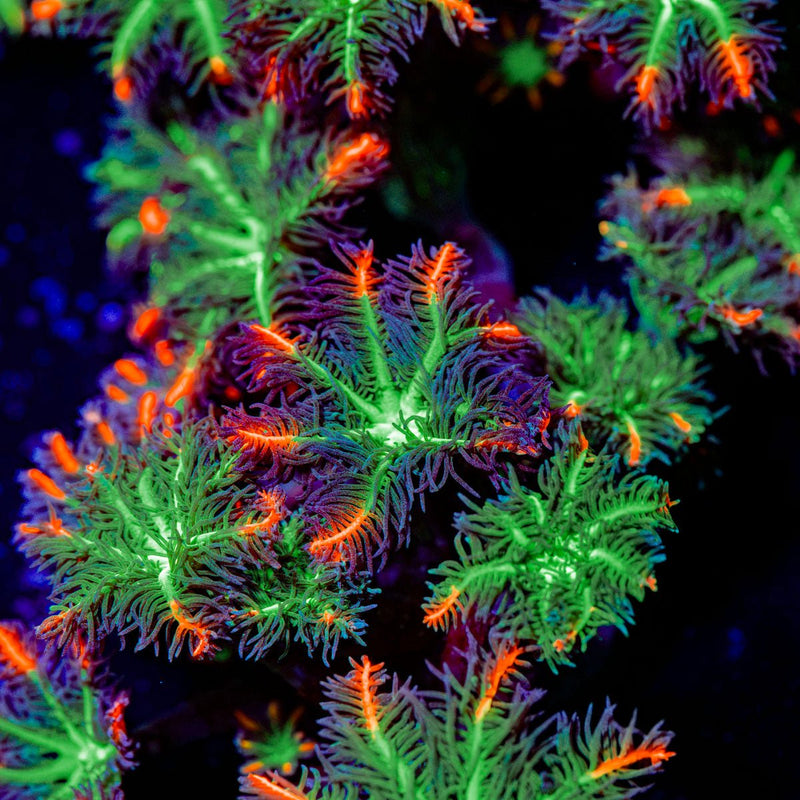
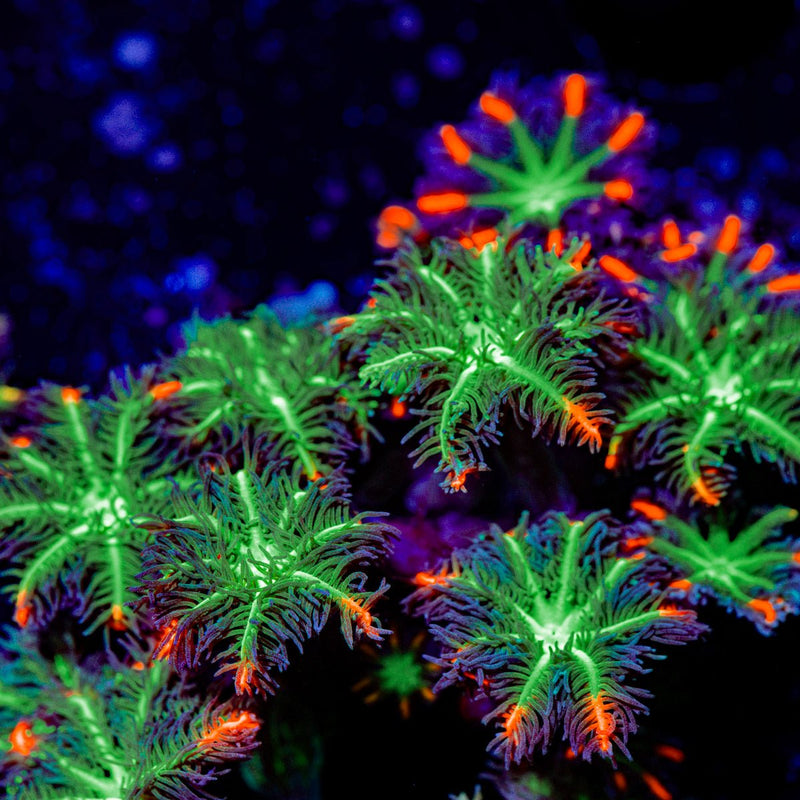
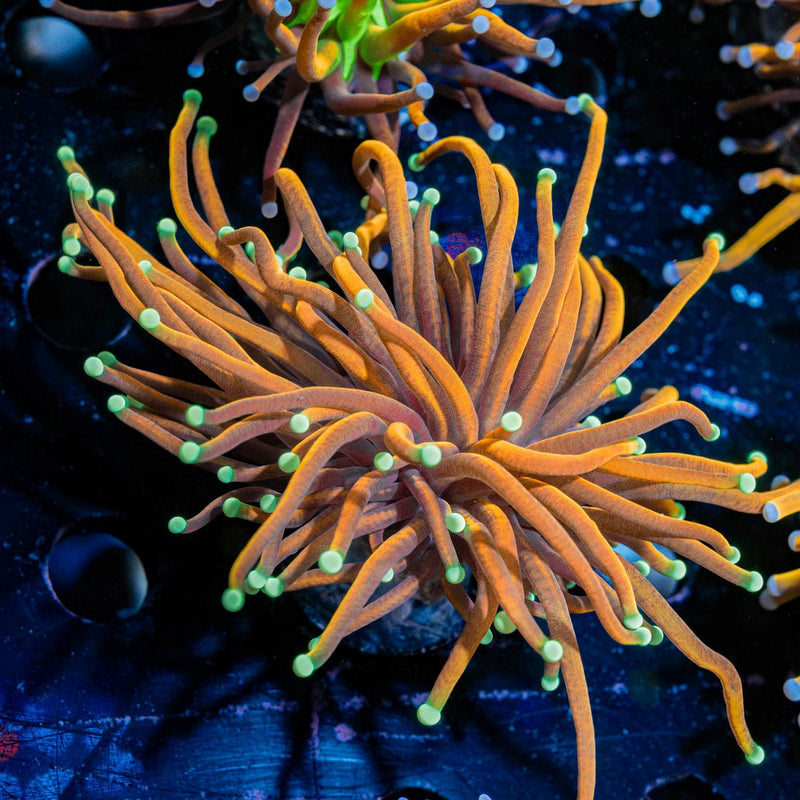
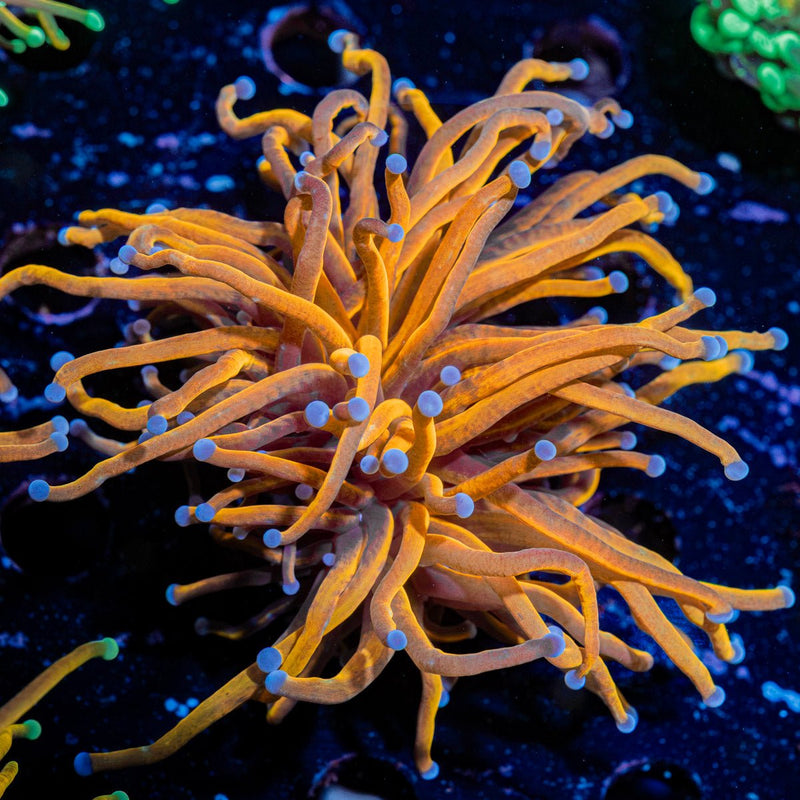
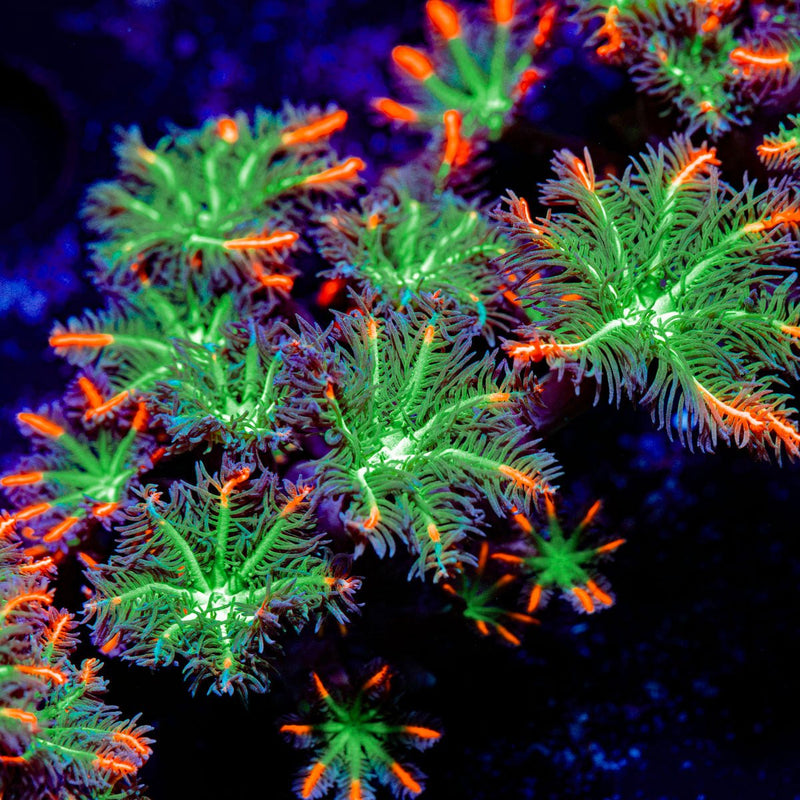
For movement, many reef keepers are grouping hammers, frogspawn, and torches into a Euphyllia garden. These corals can create a stunning waving canopy under blue lighting, but they need room. Torch corals in particular may extend long sweepers, and even close relatives can sting each other. Give each coral appropriate spacing rather than assuming a garden means every frag should touch.
Gardens are especially helpful for beginners because they simplify decisions. Rather than trying to place every new coral wherever there is bare rock, you can choose a zone based on light, flow, and the coral’s future size. The display still becomes richly varied, but it feels organized instead of accidental.
Let Flow Shape the Aquascape
The most attractive layouts are increasingly being designed around water movement, not just around a photograph. Corals need flow that carries nutrients to their tissue and moves waste away, while rockwork needs enough clearance to avoid becoming a detritus trap.
Arches, islands, and suspended-style shelves can help water travel around the structure. Avoid sealing off deep pockets behind a solid pile of rock unless you have a clear plan for circulation. A dead zone may not be obvious at first, but it can collect debris and make nuisance algae harder to manage later.
Flow also changes what a coral looks like. Euphyllia, soft corals, and anemones need enough gentle, changing movement to show their natural motion without being blasted in one direction. Many SPS thrive with stronger, more variable flow, particularly when they are growing into branching colonies. It depends on the species and your equipment, so observe polyp extension and tissue condition instead of relying on one universal setting.
Before permanently mounting corals, take time to watch how food particles or fine bubbles move through the tank. That simple observation can reveal calm spots, overly direct jets, and areas where a future colony may block circulation.
The Rise of Purposeful Coral Placement
Today’s reef displays often look more refined because hobbyists are placing corals for contrast, not just for available space. Think about shape first. A branching SPS can create a crisp silhouette above a rounded rock shelf. A plating montipora can add a horizontal layer. Soft corals and LPS bring movement that balances rigid rockwork.
Color placement matters as well. A single vivid orange torch or hot-pink zoanthid patch often reads better when it sits against a contrasting backdrop than when every nearby coral is equally bright. Blue, green, yellow, red, and purple corals can all look stunning together, but the display needs areas for the eye to rest.
This is where WYSIWYG coral selection is especially useful. When you can choose the exact specimen, you can evaluate its growth form, color pattern, and size against the space you have planned. A small coral can be selected not only for how it looks now, but for the role it will play as it develops.
Plan for coral growth, not empty rock
One of the quickest ways to outgrow an aquascape is to treat every bare surface as an immediate coral mount. Leave open areas around fast-growing species and separate corals that may compete as they mature. Branching SPS can shade lower corals, while encrusting species can gradually claim neighboring rock.
It is smart to identify a few showpiece locations before you start filling the tank. Save the most visible ledge, island peak, or open sand-adjacent rock for a coral with real presence, such as a standout WYSIWYG specimen, a vibrant torch, or a carefully chosen Acropora. Supporting corals should frame that focal point rather than hide it.
Minimalism Works Best When It Is Still Alive
Minimal aquascapes are popular, but minimal does not mean sterile. A bare white structure with a few tiny frags can look unfinished for a long time. The most successful clean designs use texture, movement, and intentional coral groupings to keep the aquarium feeling established.
If you prefer a sparse rockscape, consider starting with easier, visually expressive corals that provide early impact. Zoanthids, mushrooms, many soft corals, and selected LPS can add color and personality while the aquarium matures. More demanding SPS can become part of the plan once lighting, nutrient stability, and flow are consistently dialed in.
There is no need to chase every new look at once. A mature reef earns its character through healthy growth, thoughtful additions, and occasional editing. If a coral no longer fits the composition or shades its neighbors, relocating or fragging it is often part of good aquascaping, not a failure of the original plan.
The most rewarding trend to follow is the one that makes you want to stop and watch your tank. Build a structure that is easy to care for, choose healthy aquacultured corals that suit its zones, and leave enough room for the colors, motion, and living detail to tell the story.