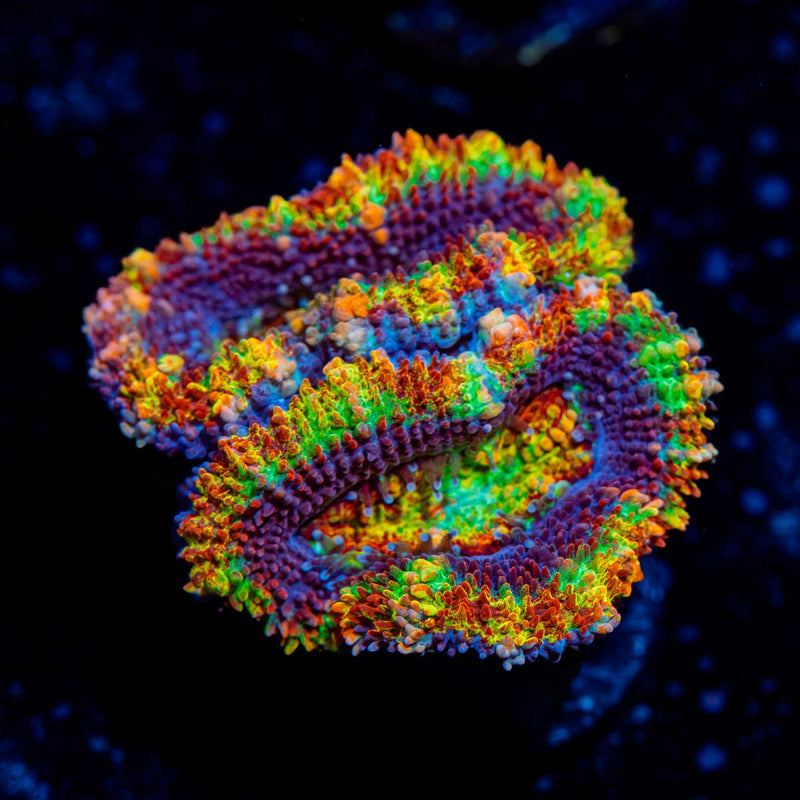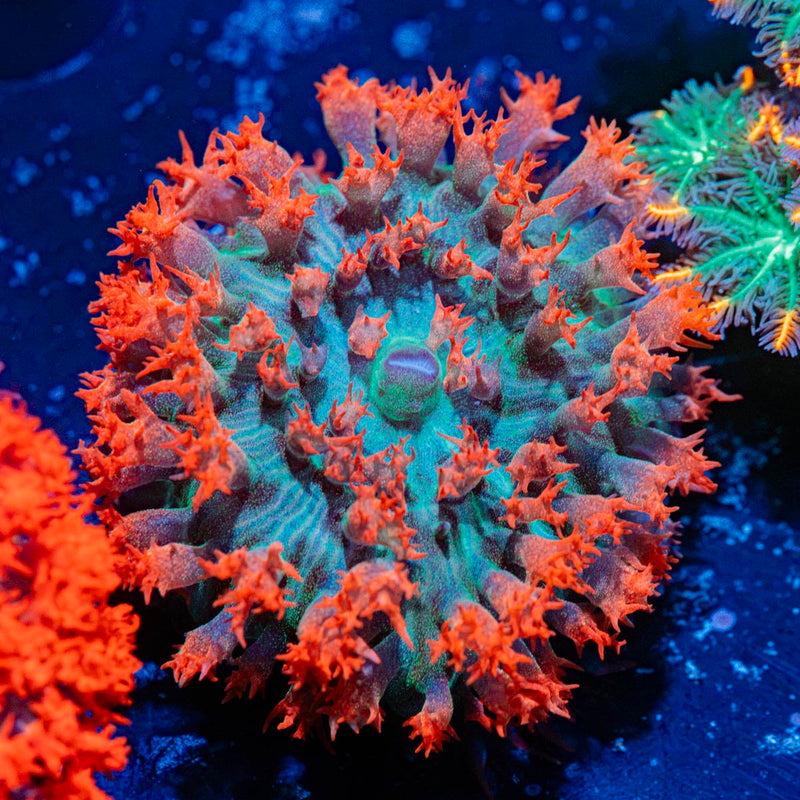
A large, fully grown coral colony can make a reef tank look established overnight. A small frag can feel less dramatic on day one, yet become one of the most rewarding living jewels in the aquarium as it branches, encrusts, and grows into the space you planned for it. When weighing colonies versus frags, the right choice is not simply bigger versus smaller. It comes down to your budget, tank maturity, aquascape, patience, and the kind of reef you want to build.
For many hobbyists, the sweet spot is a thoughtful mix of both. Colonies bring immediate color and presence, while frags give you more variety, flexibility, and the satisfaction of growing a coral under your own care.
Colonies Versus Frags: The Core Difference
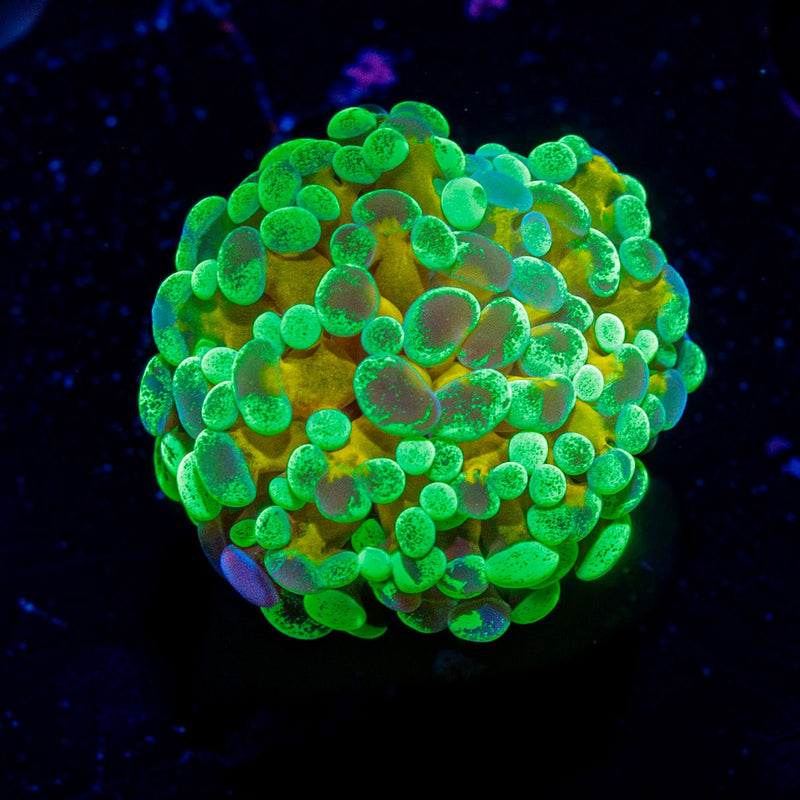
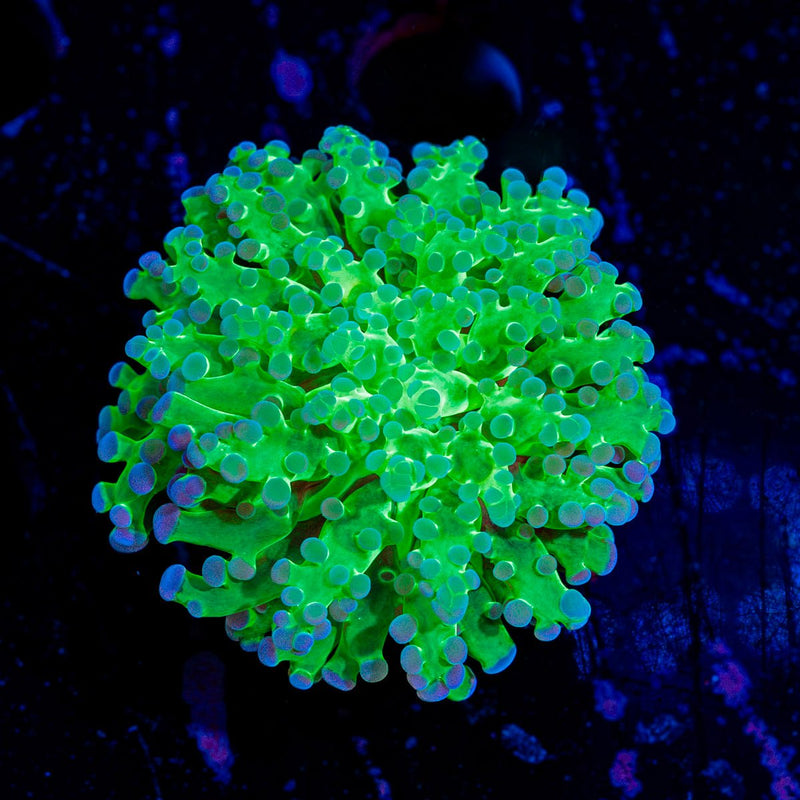
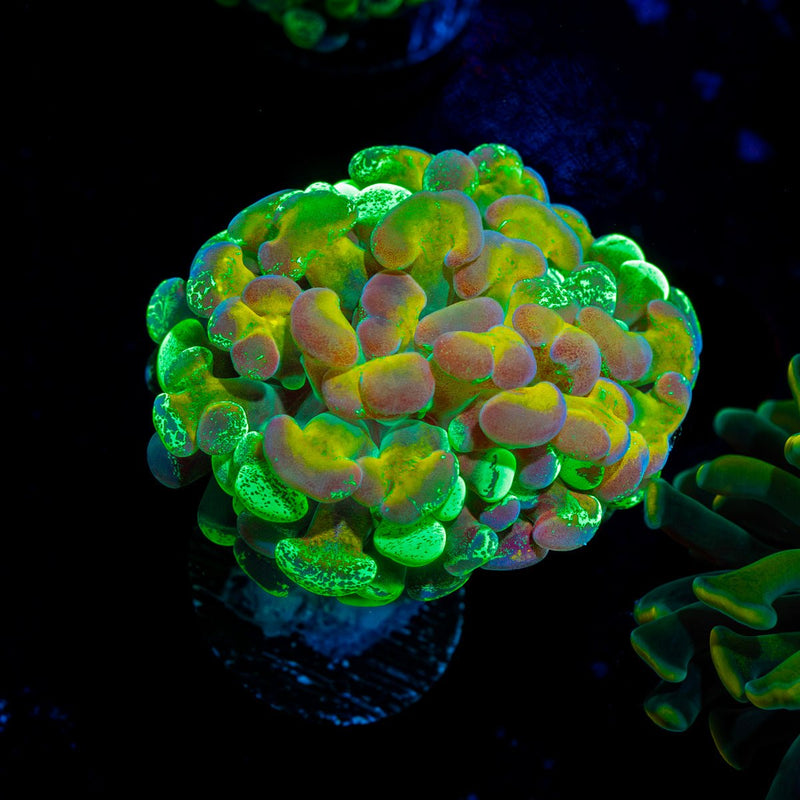
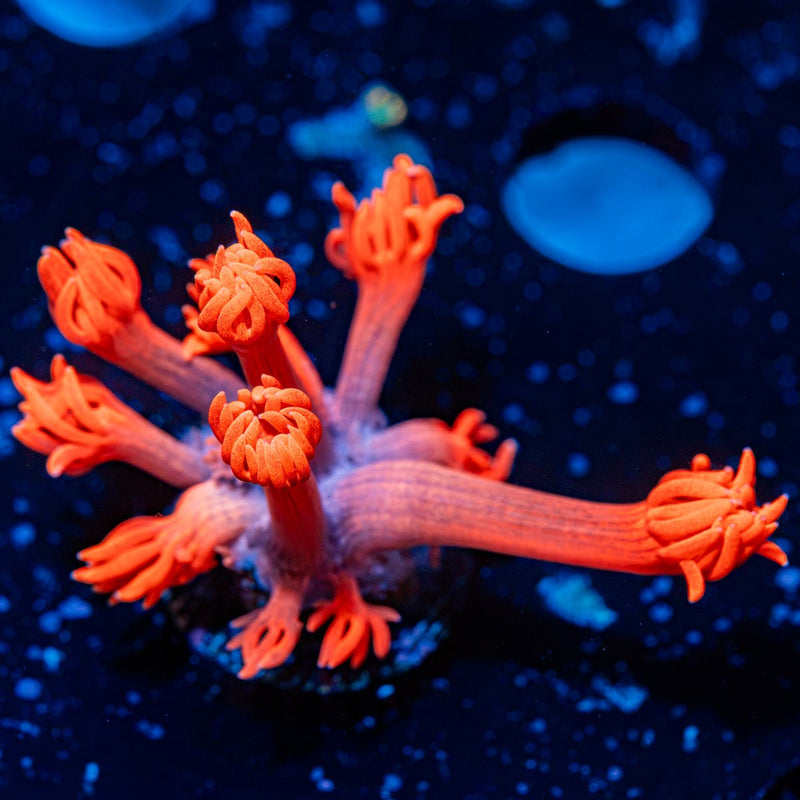
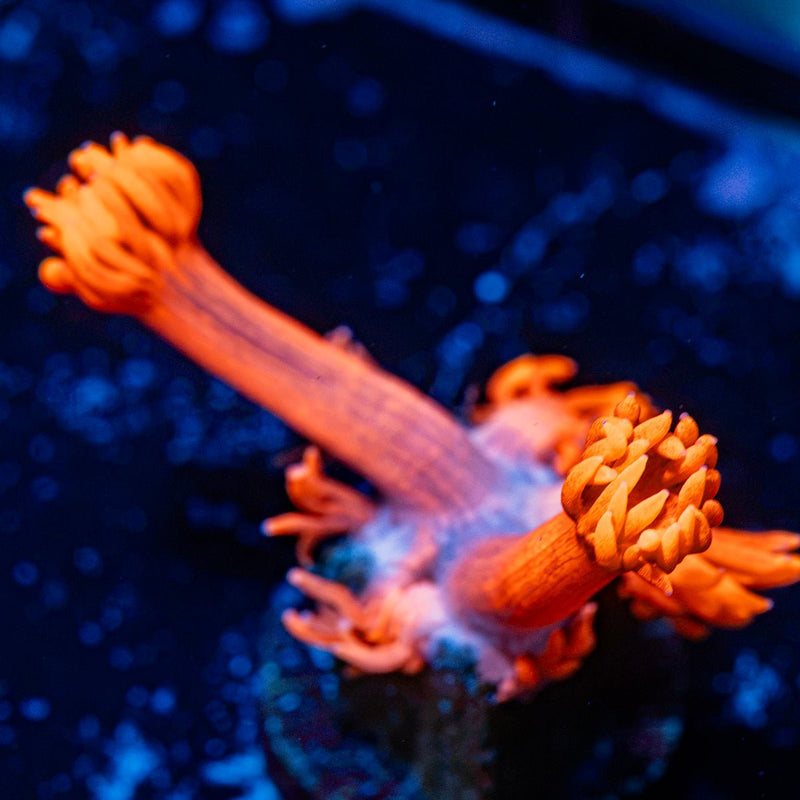
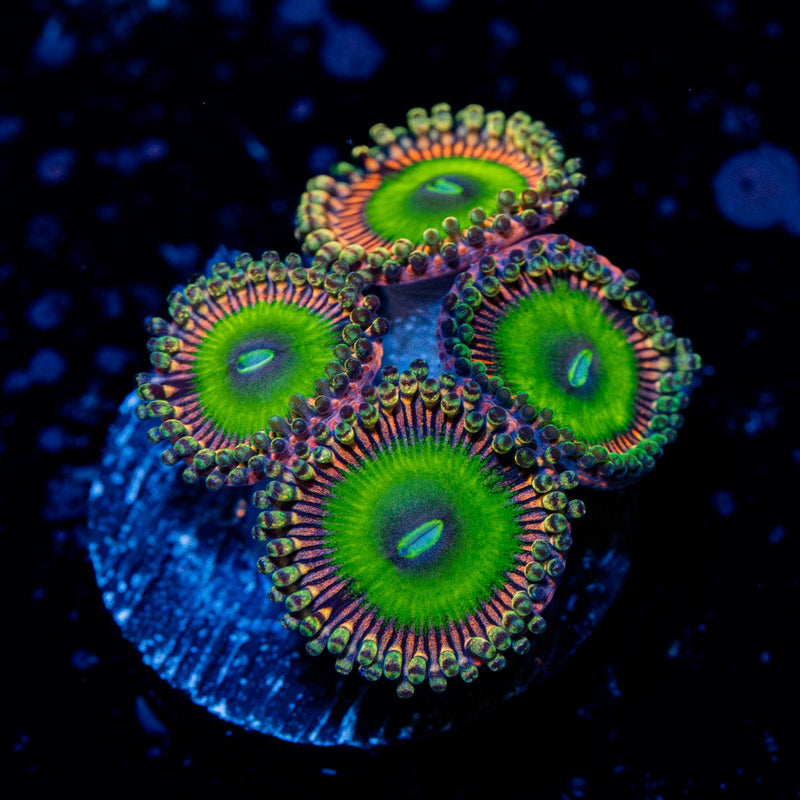
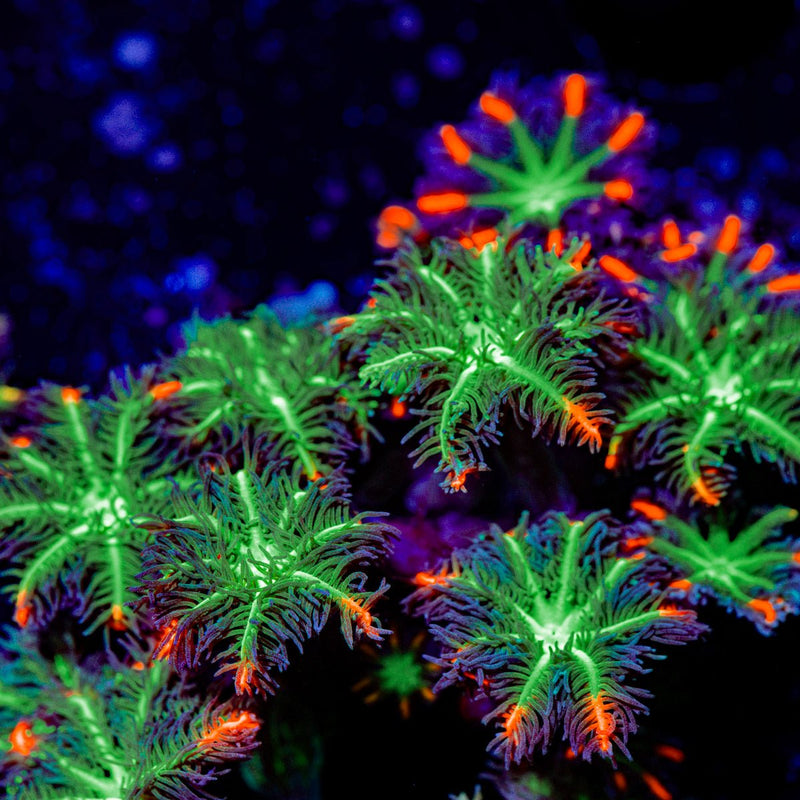
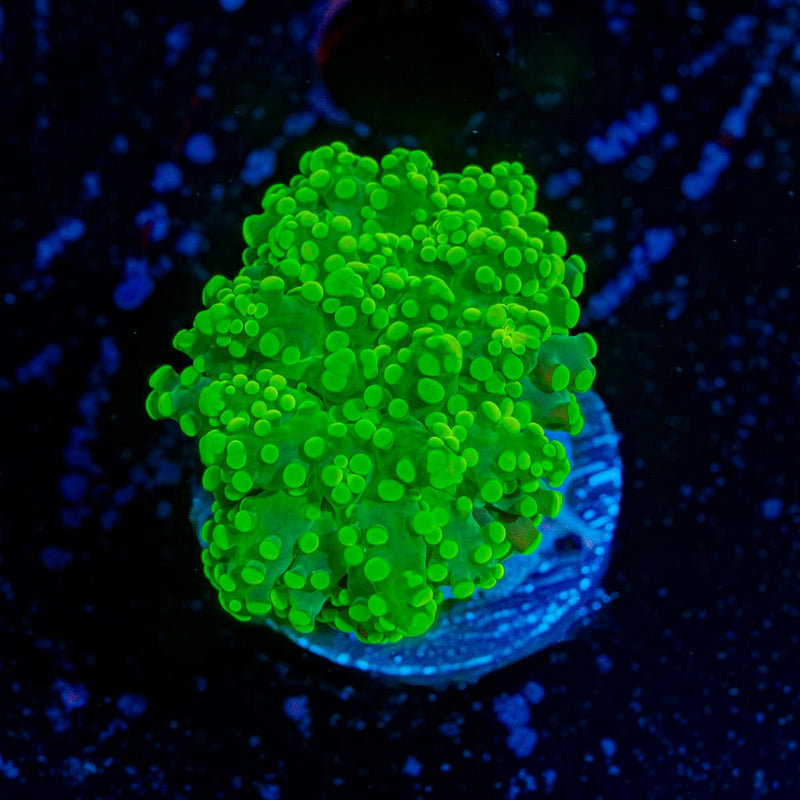
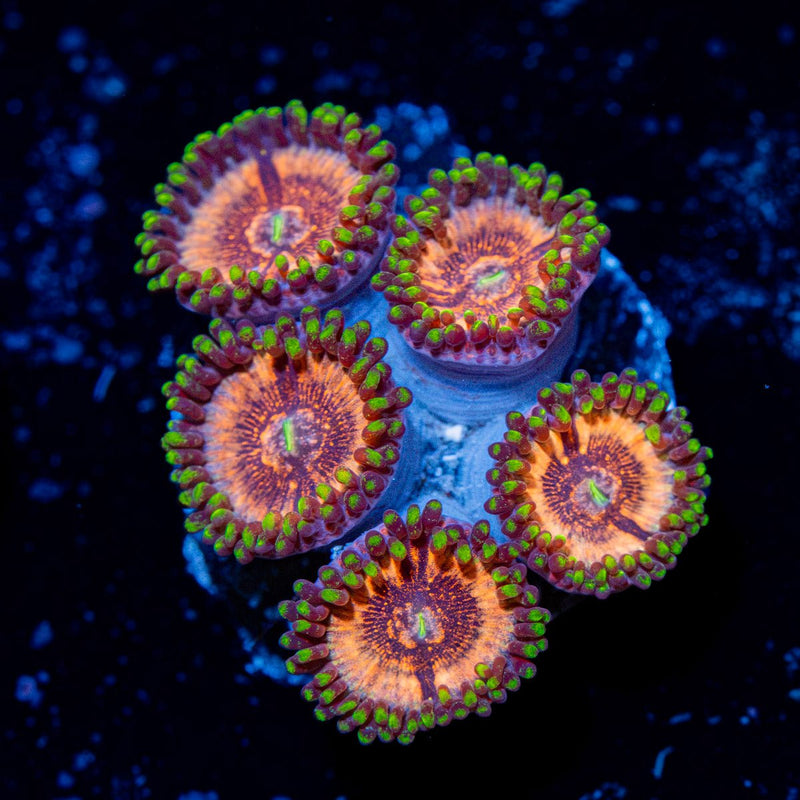
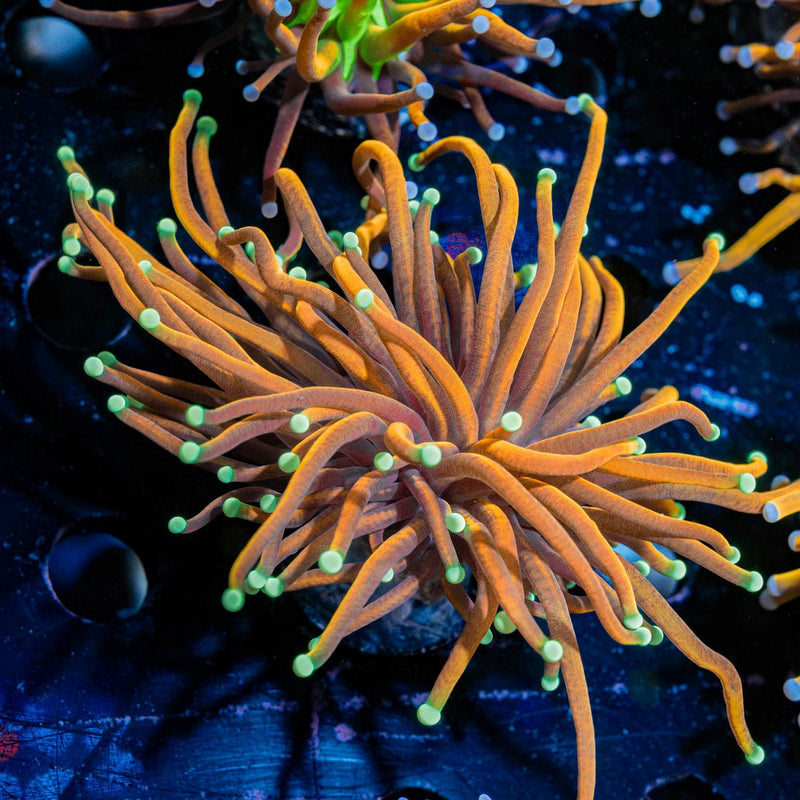
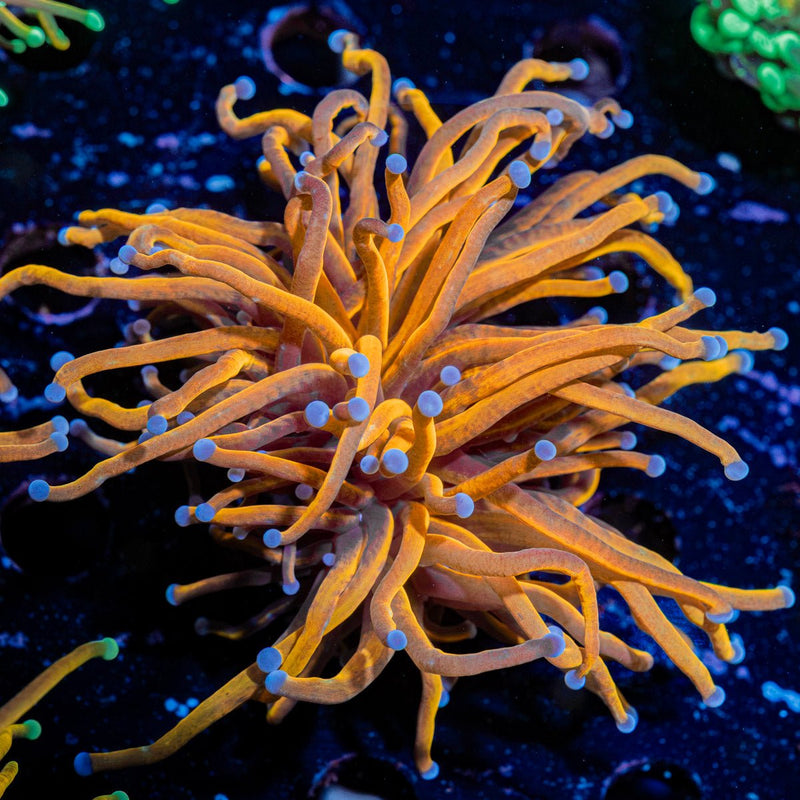
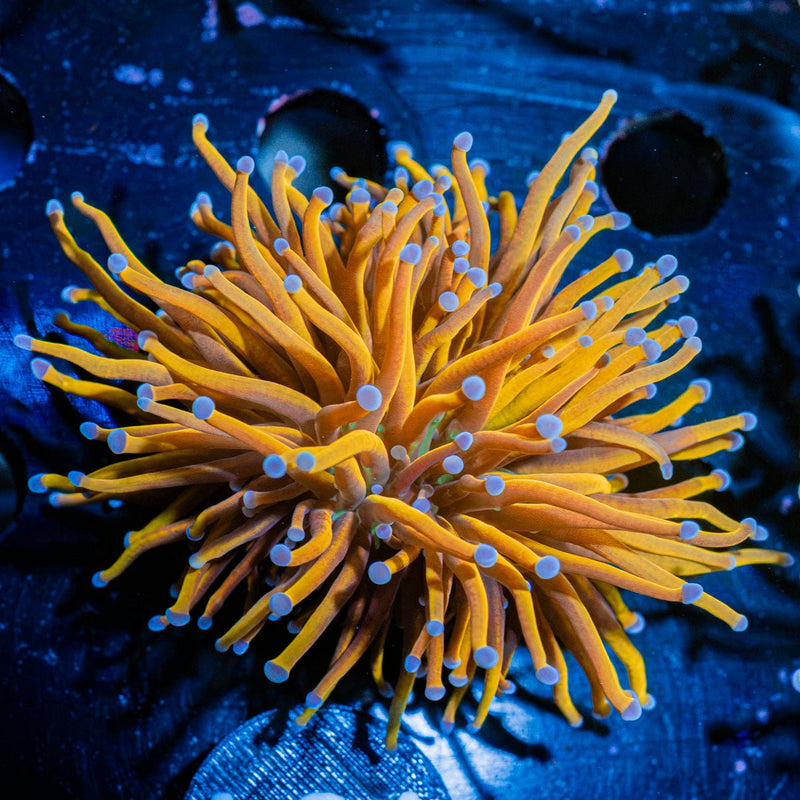
A coral colony is a larger, more established specimen with multiple heads, branches, or a broad encrusted base. Depending on the coral, it may be a showpiece torch with long flowing tentacles, a mature hammer coral, a branching SPS piece, or a lush patch of zoanthids. Colonies have enough size to create visual impact immediately and can anchor an aquascape with serious color.
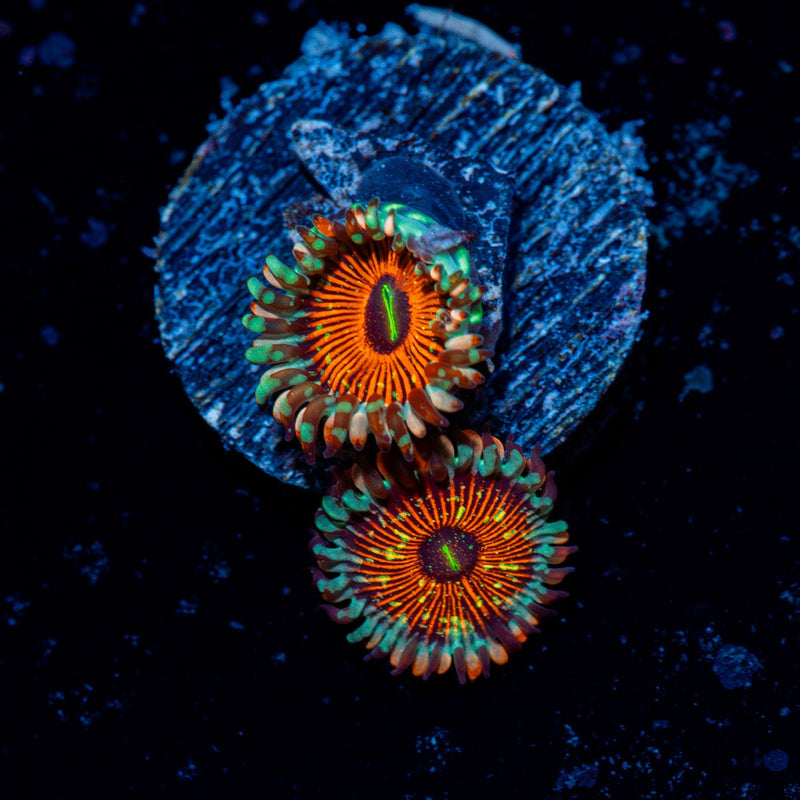
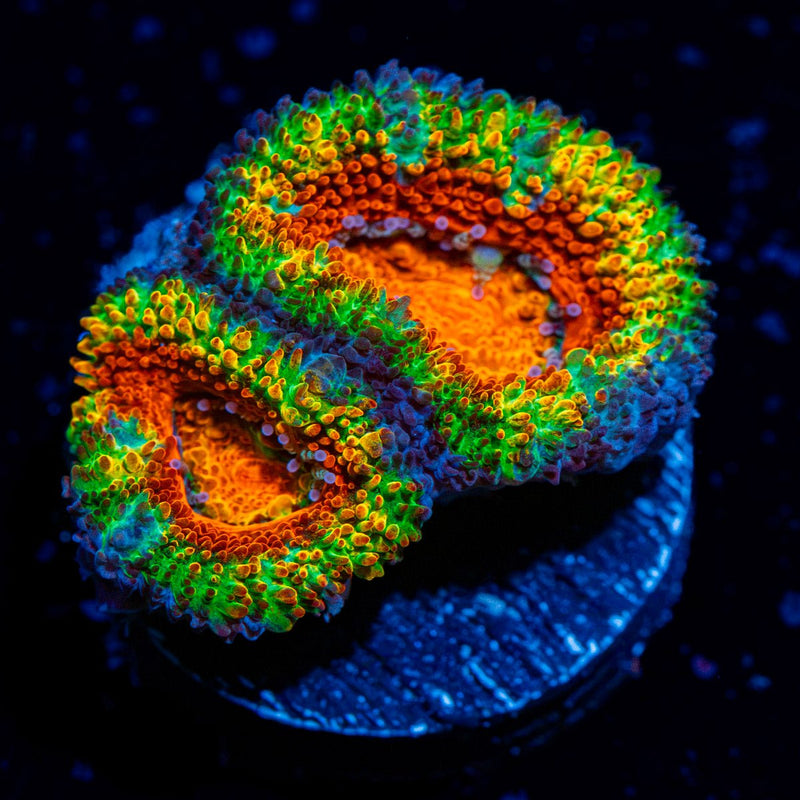
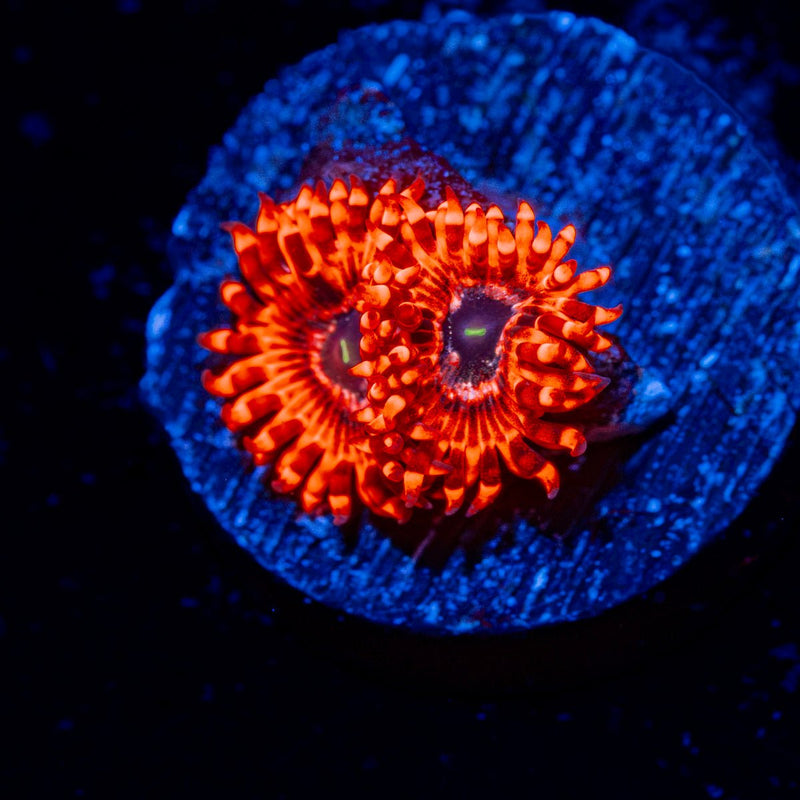
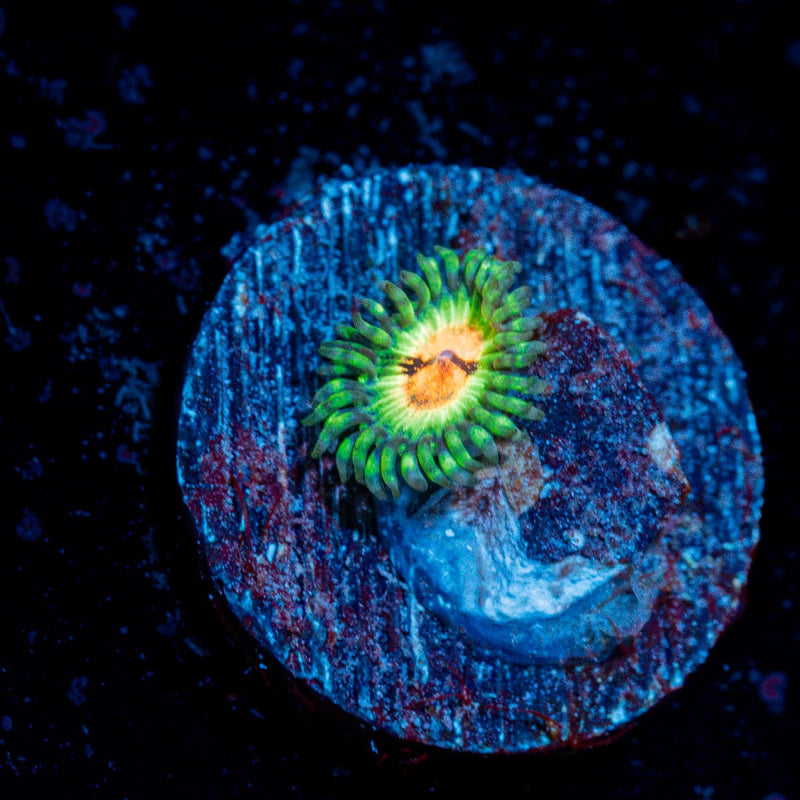
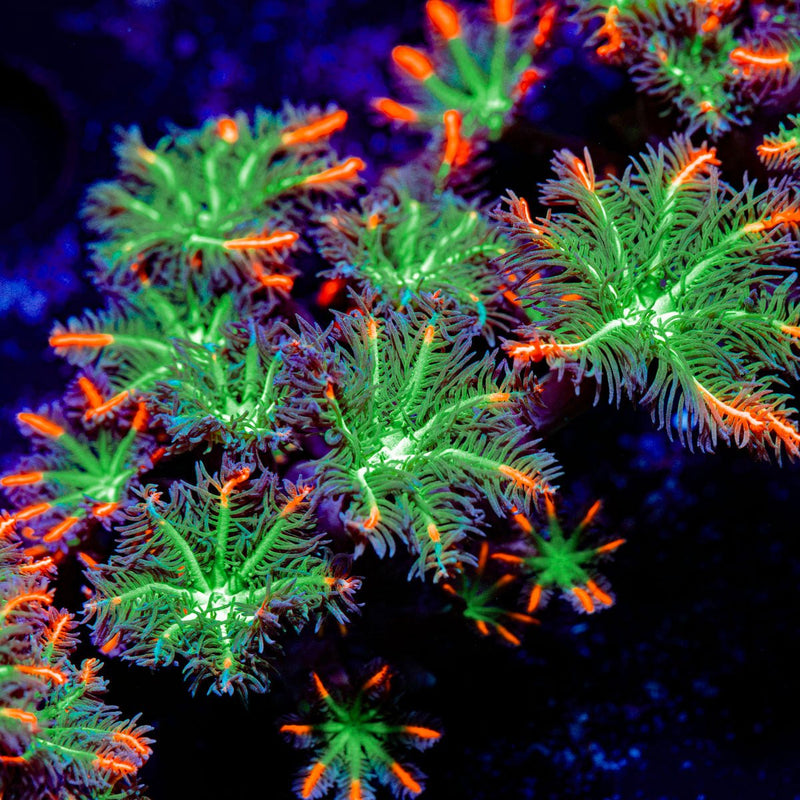
A frag is a smaller piece of coral that has been cut or separated from a healthy parent colony, then mounted to a plug or small rock while it heals and grows. Aquacultured frags are especially appealing because they are raised in captivity and adapted to life in an aquarium. A tiny Acropora branch, a single mushroom, or several polyps of zoanthids may not dominate a tank right away, but each has the potential to become a vibrant centerpiece over time.
Neither format is automatically better. A healthy, carefully selected frag often has a better long-term place in a growing reef than a large coral bought before the tank is ready. On the other hand, a well-established colony can be a wonderful choice for a stable aquarium with open space and a clear plan for placement.
Why Reef Keepers Choose Coral Colonies
The biggest advantage of a colony is instant visual payoff. A mature LPS coral can fill an empty section of rockwork in a way a small frag simply cannot. This is especially attractive for hobbyists whose tank has already cycled through its early stages and is ready to look more like a finished reef.
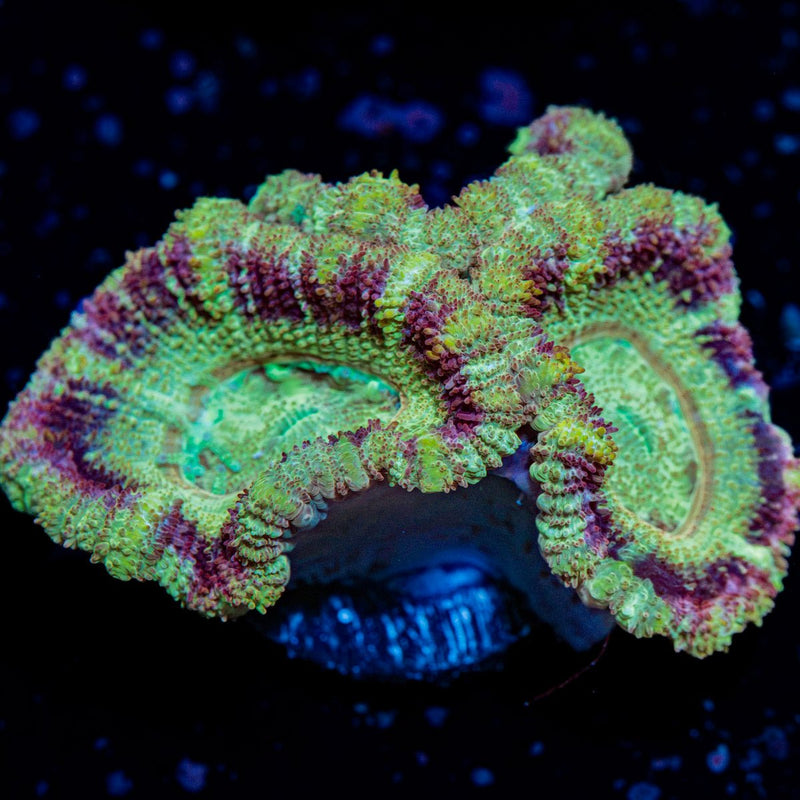
Colonies can also be easier to appreciate from across the room. Their shape, movement, and coloration read clearly at viewing distance. A torch with multiple heads creates flowing motion under blue lighting, while a large chalice or mushroom colony can add a rich, layered texture to the lower rockwork.
Size can provide a small measure of resilience, too. A larger coral has more tissue, more polyps, and more stored energy than a tiny cut frag. That does not mean colonies are immune to stress. Shipping, acclimation, lighting changes, pests, and unstable water parameters can affect any coral. Still, a healthy established piece may have more margin for error than a very small specimen.
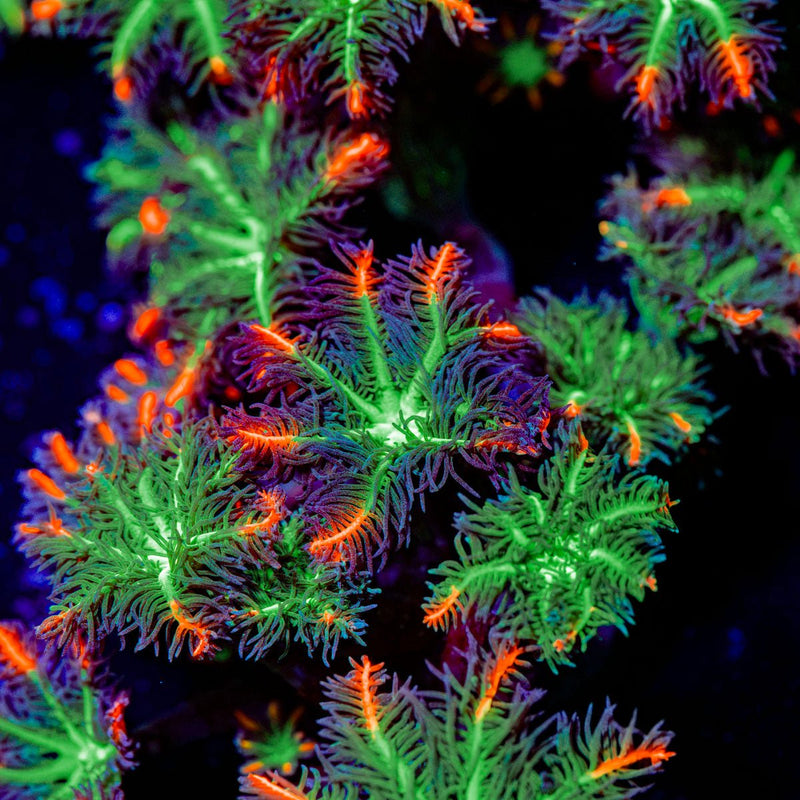
The trade-off is that colonies cost more and demand more planning. Their footprint is already defined, so there is less freedom to change your mind after placement. A large Euphyllia can extend sweepers at night, a fast-growing Montipora can shade nearby corals, and a mature leather can occupy valuable real estate as it expands. Before bringing home a colony, make sure the tank has the water flow, lighting, and spacing to support it for the long run.
Why Coral Frags Are a Smart Starting Point
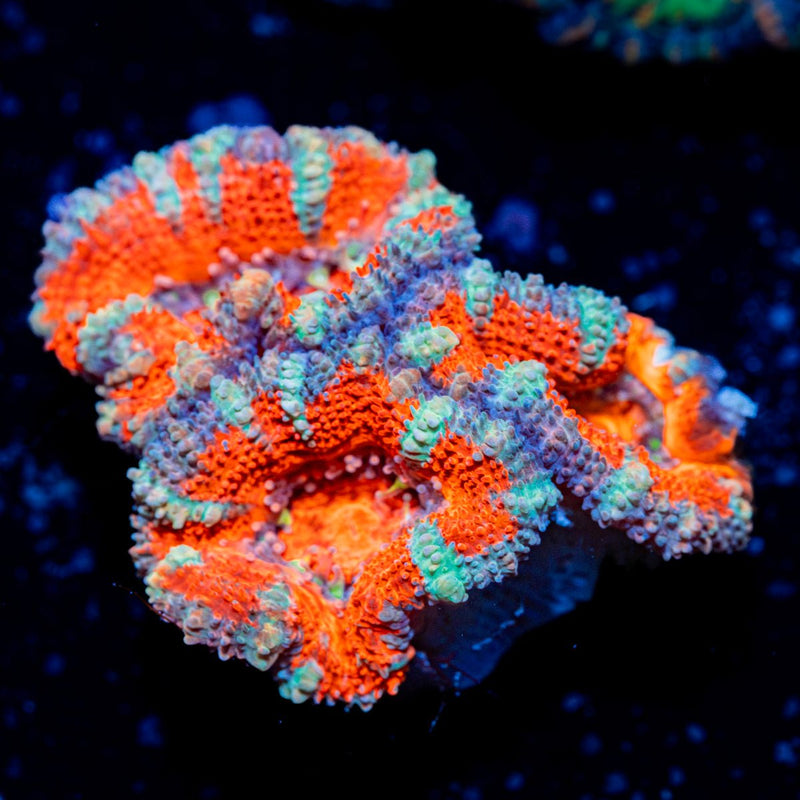
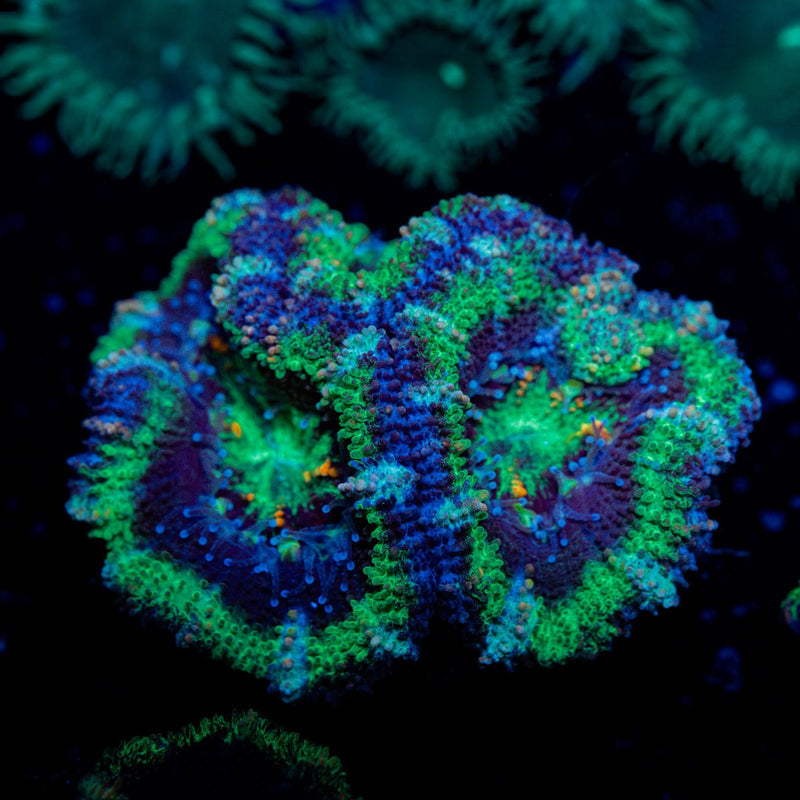
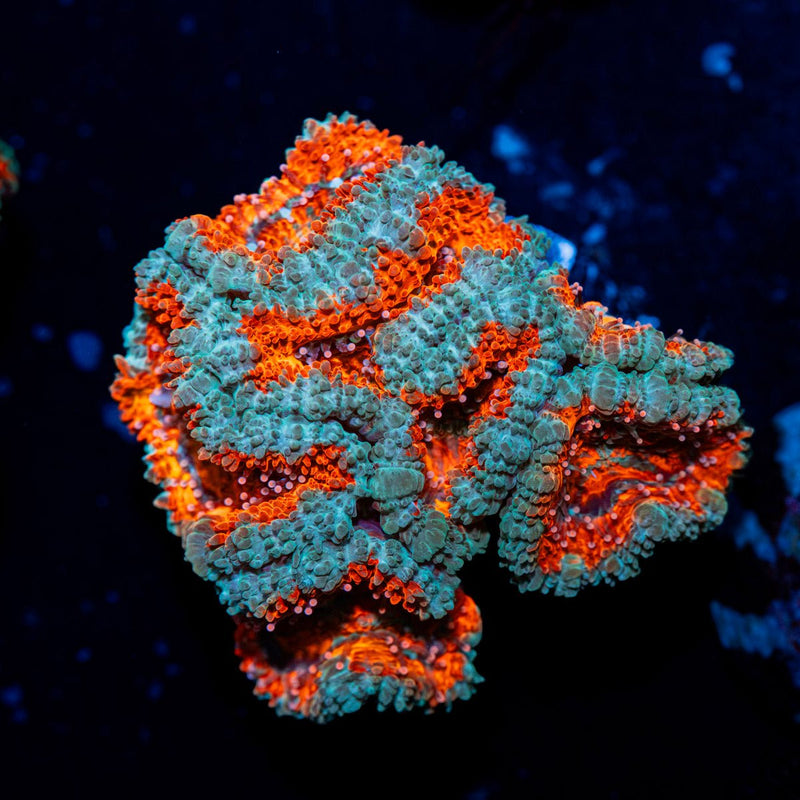
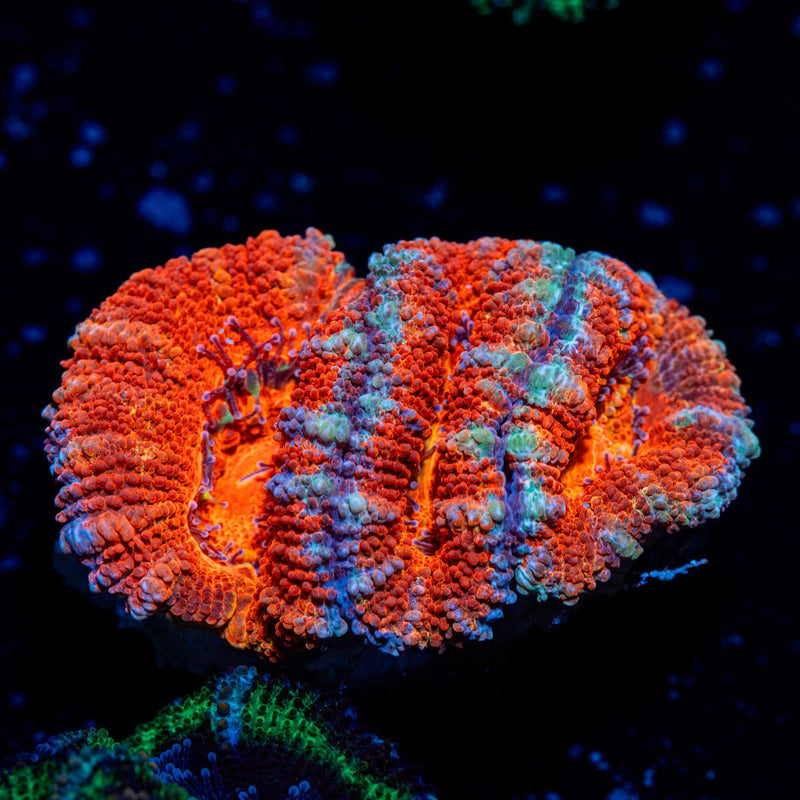
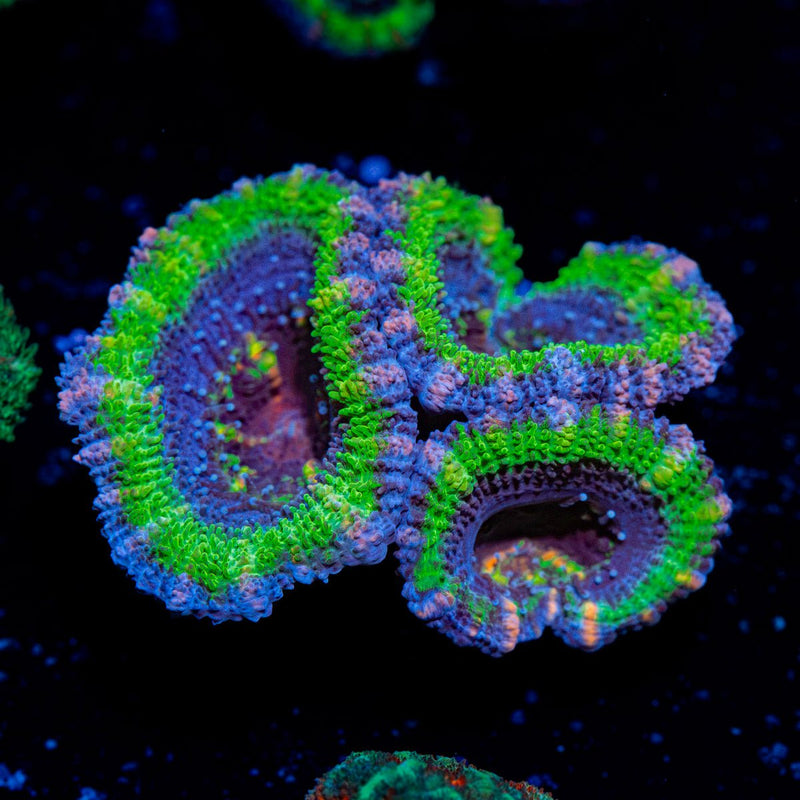
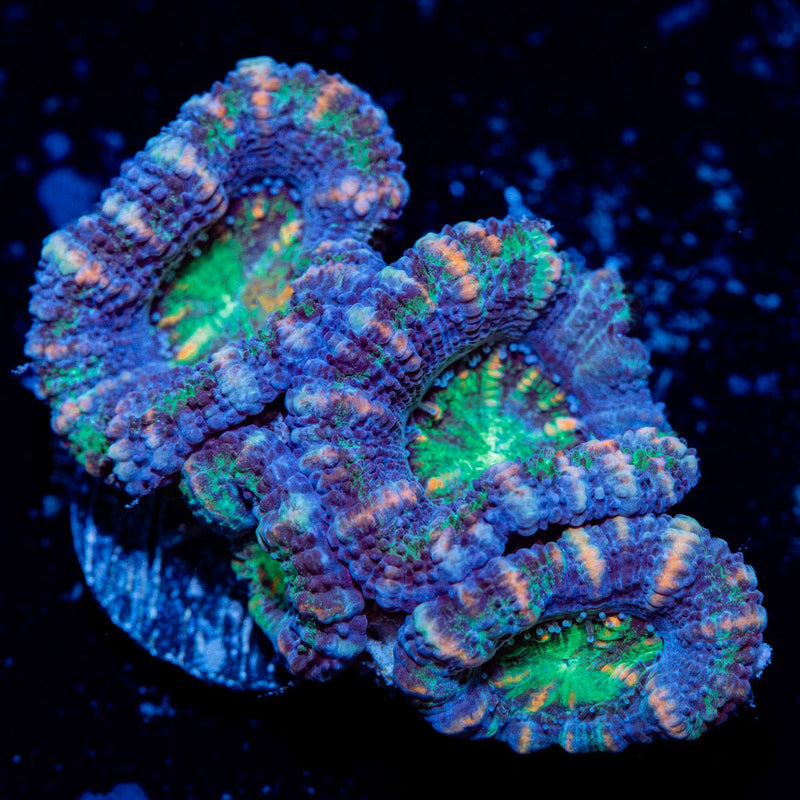
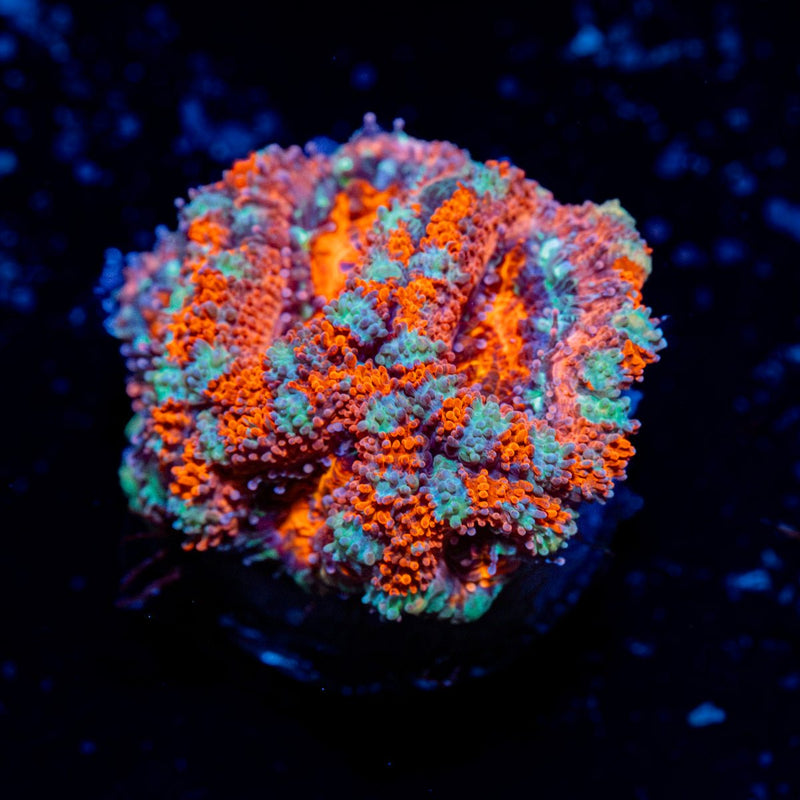
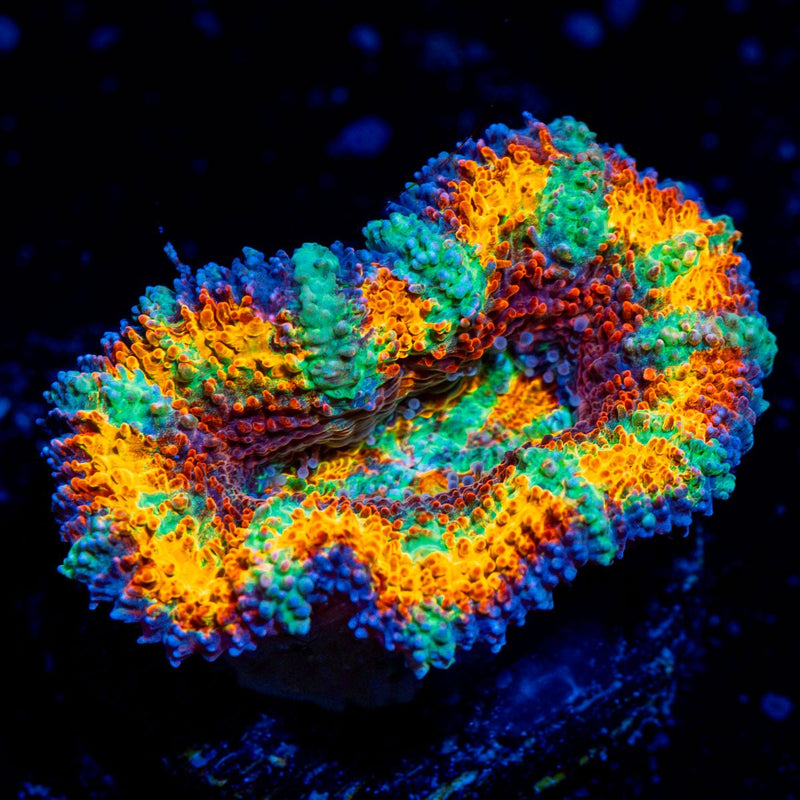
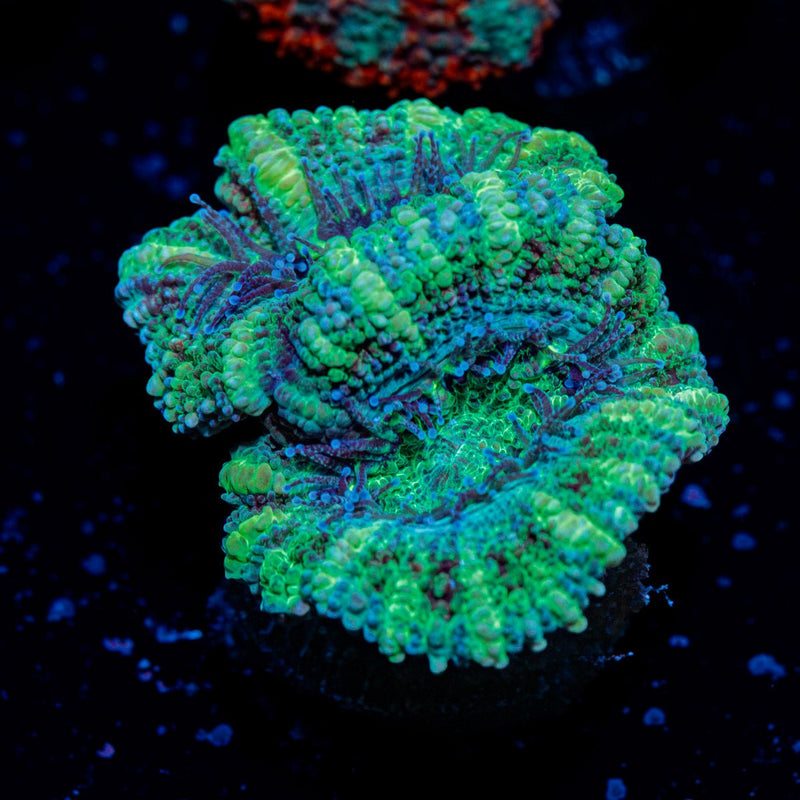
Frags make it possible to build a diverse reef without committing your entire budget to one or two large pieces. Instead of filling a tank quickly with a few colonies, you can select several colorful corals across different forms and placements: a hardy mushroom for lower light, a bright zoanthid for the front of the rockwork, an acan for a lower ledge, and an SPS frag for a brighter, higher-flow area.
This flexibility is particularly valuable in newer reef tanks. Even after cycling, a tank is still developing its biological rhythm. Nutrient levels, algae pressure, coraline growth, and the consistency of alkalinity and temperature all evolve over the first several months. Starting with aquacultured frags lets you learn how your system behaves while keeping the initial investment more manageable.
Frags also give you control over the final layout. You can place each piece with future growth in mind, leaving space between corals and allowing distinct shapes to develop. A small branching coral can grow outward without immediately crowding its neighbors. An encrusting coral can be positioned on an isolated rock where it can spread without taking over the main aquascape.
There is a personal reward in watching a frag thrive. The first new head on a hammer, fresh growth tips on an Acropora, or a zoanthid mat gradually covering its plug are clear signs that your reef conditions are working. A coral that begins as a small, carefully chosen frag can become a signature colony that has grown entirely in your care.
Cost Is More Than the Purchase Price
At checkout, frags are usually the more accessible option. That lower upfront cost can make it easier to try different coral types and build a collection gradually. It can also soften the financial impact of beginner mistakes while you learn coral placement, nutrient management, and stability.
But the best value is not always the smallest frag or the largest colony. Value starts with health, coloration, and confidence in what you are receiving. A well-healed aquacultured frag with visible tissue, strong polyp extension when appropriate, and accurate WYSIWYG photography can be a better investment than a larger piece with uncertain history.
Colonies can offer strong value when they provide several heads or substantial growth for a price that would be difficult to match by buying individual frags. This is often true with branching LPS corals. Still, account for the space they will occupy, the potential for aggression, and whether the colony may need to be divided later. The least expensive coral is not a bargain if it forces you to redo your aquascape in six months.
Match the Coral Size to Your Tank Stage
A newly established reef with stable salinity and temperature can often do well with beginner-friendly frags, especially soft corals, mushrooms, zoanthids, and selected hardy LPS. These corals allow you to build confidence while adding color and movement at a measured pace.
For a mature system with consistent alkalinity, calcium, magnesium, nutrients, and lighting, larger colonies become easier to support. This is also where experienced SPS keepers may choose more developed Acropora or Millepora pieces that can hold their own visually among existing corals.
Tank size matters as much as tank age. A colony that looks perfect in a large peninsula aquarium may overwhelm a smaller cube tank. Consider the coral's extended tentacles, mature diameter, and growth direction, not just the size it is today. A frag offers more runway in compact tanks, while a carefully placed colony can make a larger display feel complete.
Placement and Acclimation Still Matter
Whether you choose a colony or a frag, do not rush placement. Match the coral to its preferred light and flow, then give it time to respond. Many corals need an adjustment period after shipping, even when they arrive healthy and carefully packed.
For frags, inspect the plug and surrounding tissue. Place the frag securely so it cannot tumble into sand or contact a neighboring coral. If you plan to remove the plug or mount it to rockwork, do so only when the coral is stable and you can work without damaging its tissue.
For colonies, take extra care with spacing and water movement. Large fleshy LPS corals need room to inflate without rubbing rock or other coral. Branching SPS colonies should receive broad, variable flow that reaches inner branches rather than blasting tissue from one direction. Observe at different times of day, including after lights out, when sweeper tentacles may appear.
At Riptide Aquaculture, WYSIWYG selections can make this decision more confident because you can evaluate the exact coral's size, shape, and coloration before choosing where it will live in your reef.
Build the Reef You Want to Watch Grow
A colony is ideal when you want immediate impact and have a stable tank with room for a showpiece. A frag is ideal when you want variety, budget flexibility, and the pleasure of shaping a reef over time. The strongest displays often combine the two: a few established corals for instant depth, surrounded by carefully chosen frags with space to become tomorrow's favorites.
Choose the piece that fits your aquarium today, then leave room for the healthy growth you want to enjoy next year. In reef keeping, that future growth is part of the beauty.