A mixed reef starter pack example should feel exciting when it arrives, not like a box of corals that immediately demand different lighting, flow, and feeding routines. The goal is to create a colorful first layer of living jewels that can settle into a stable tank together, while leaving room for your reef to grow in its own direction.
For a new or recently matured saltwater aquarium, that usually means favoring hardy soft corals, forgiving LPS, and just one or two carefully chosen SPS pieces if your lighting and parameters are already consistent. A well-curated pack brings variety to the aquascape without turning every coral placement into a high-stakes decision.
What a Mixed Reef Starter Pack Should Accomplish
A true mixed reef is more than a collection of different coral names. It is a display with movement, texture, color, and a workable range of care needs. Soft corals can sway in the current, LPS corals add fleshy shapes and fluorescent color, and SPS corals bring fine branching or encrusting detail. The best starter selection lets you enjoy all three styles without pushing a young system too hard.
That balance matters because new reef keepers often make one of two mistakes. They either stock only the toughest corals and miss the visual variety that made them want a reef tank, or they add demanding pieces before the aquarium has proven it can hold steady alkalinity, nutrients, and temperature. A starter pack should land in the comfortable middle: colorful enough to transform the tank, practical enough to build confidence.
Aquacultured frags are especially well suited to this approach. They are adapted to aquarium life, generally recover well from careful shipping and placement, and allow you to grow a reef from healthy, manageable colonies rather than rushing into large, difficult specimens.
A Mixed Reef Starter Pack Example
For a tank with established live rock, reliable salinity, and at least several weeks of stable parameters, consider a nine-frag mix built around broad compatibility. This example assumes moderate reef lighting and the ability to provide low, medium, and higher positions on the rockwork.
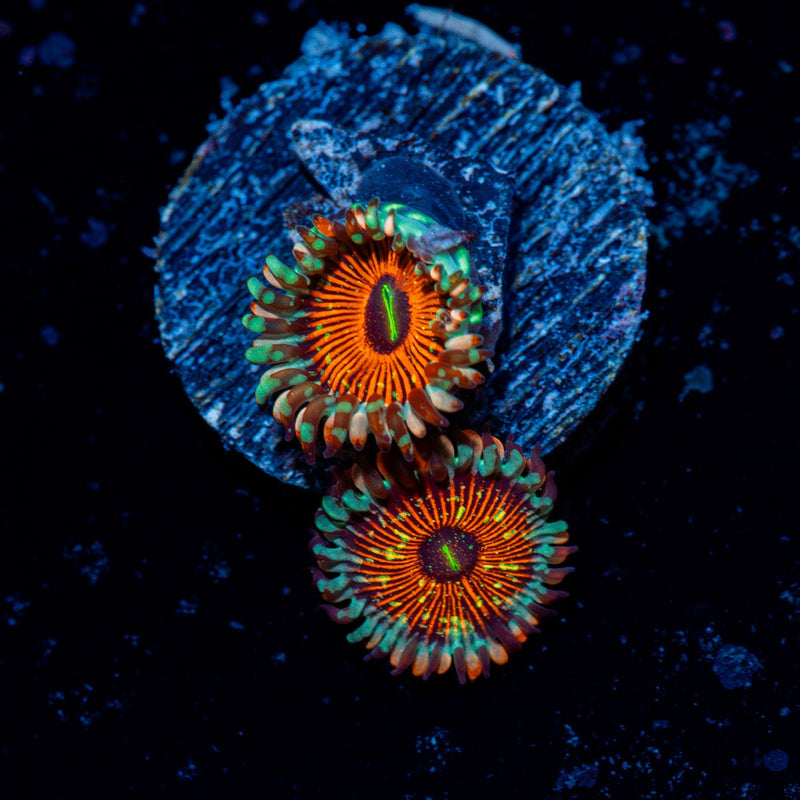
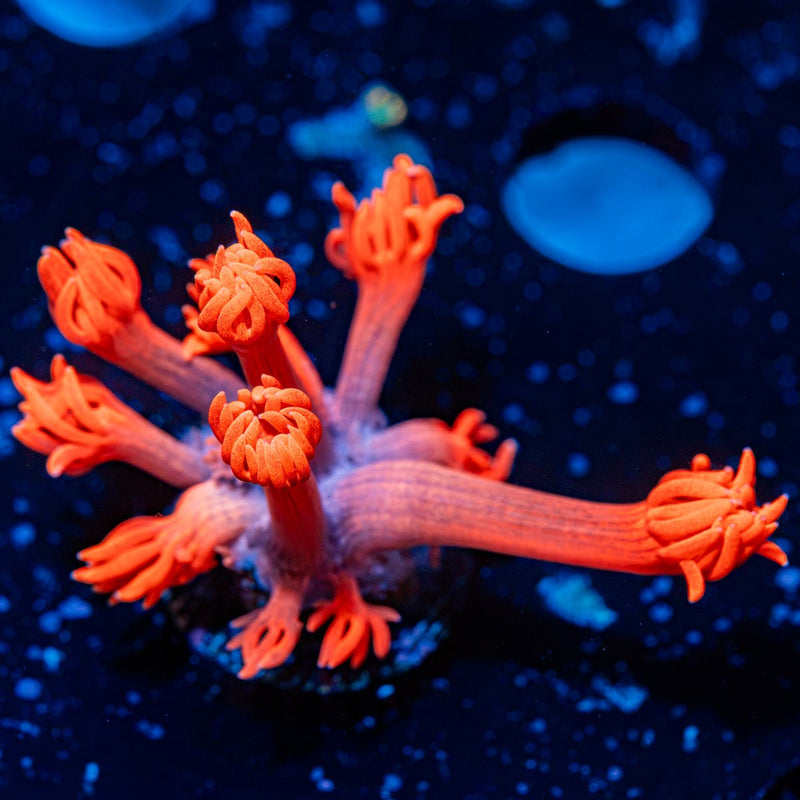
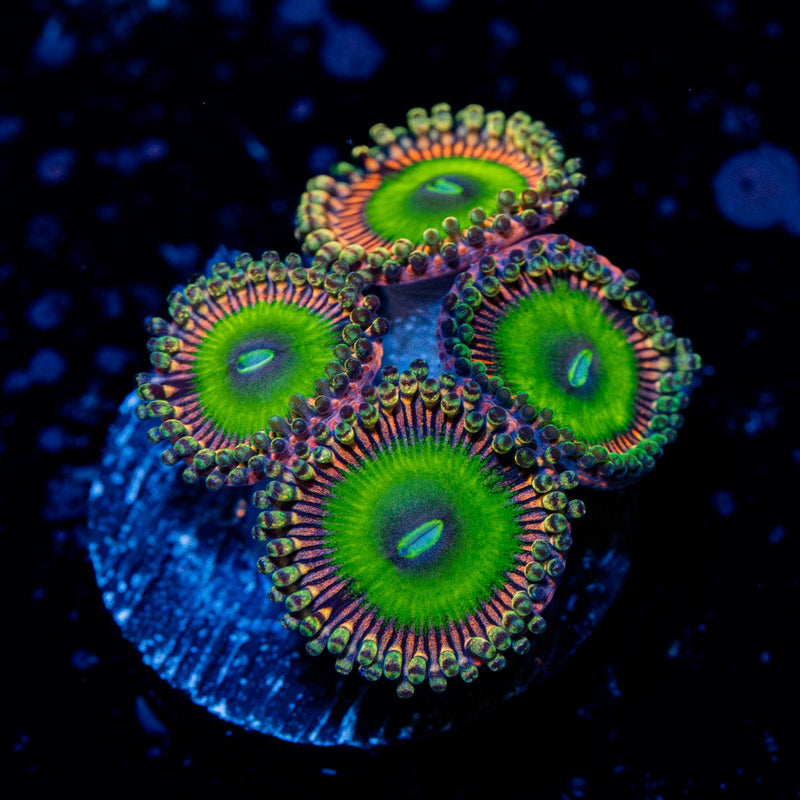
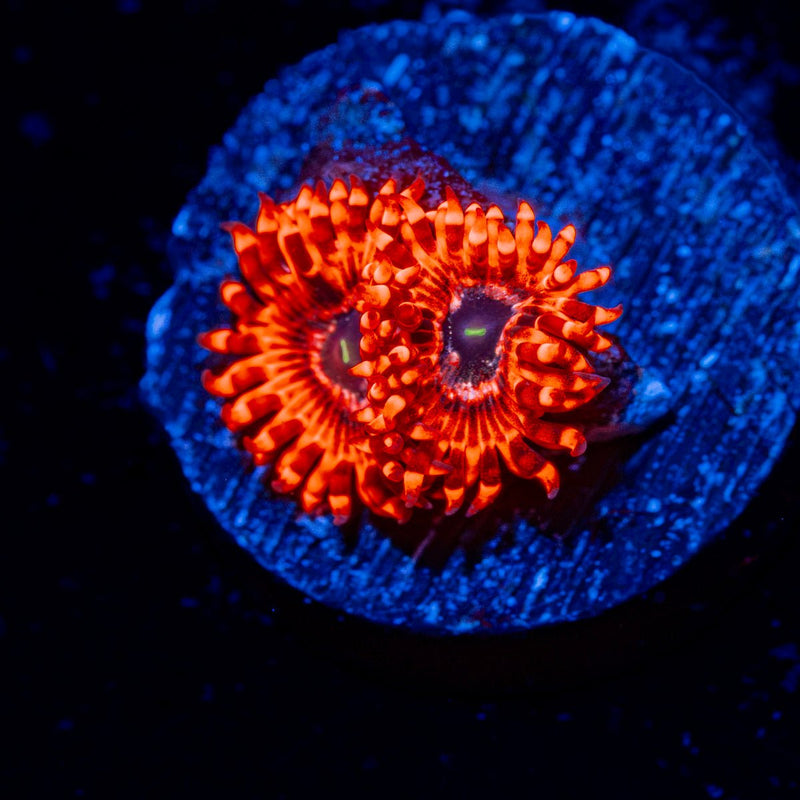
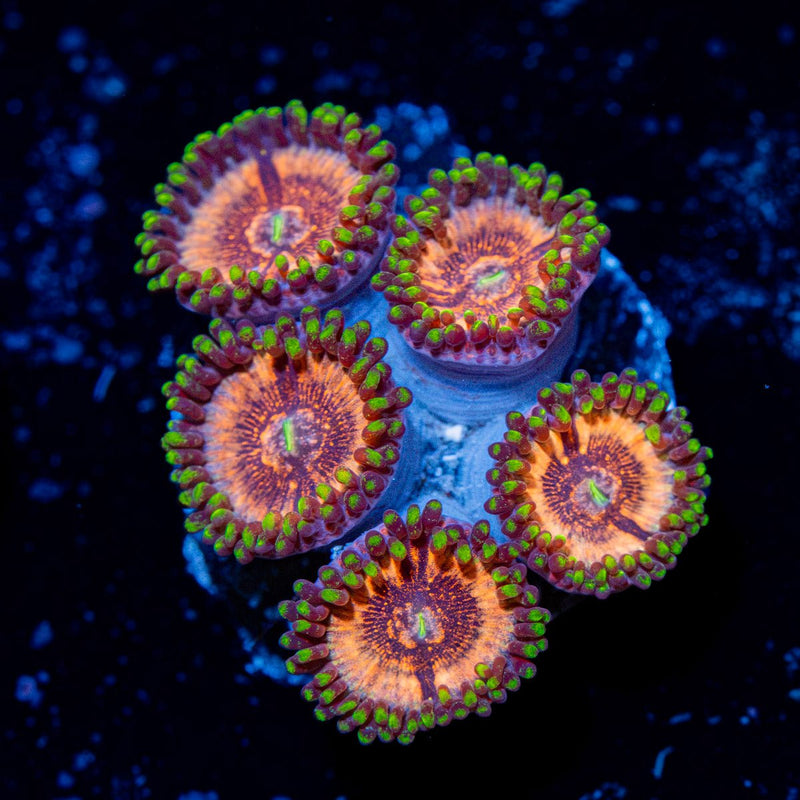
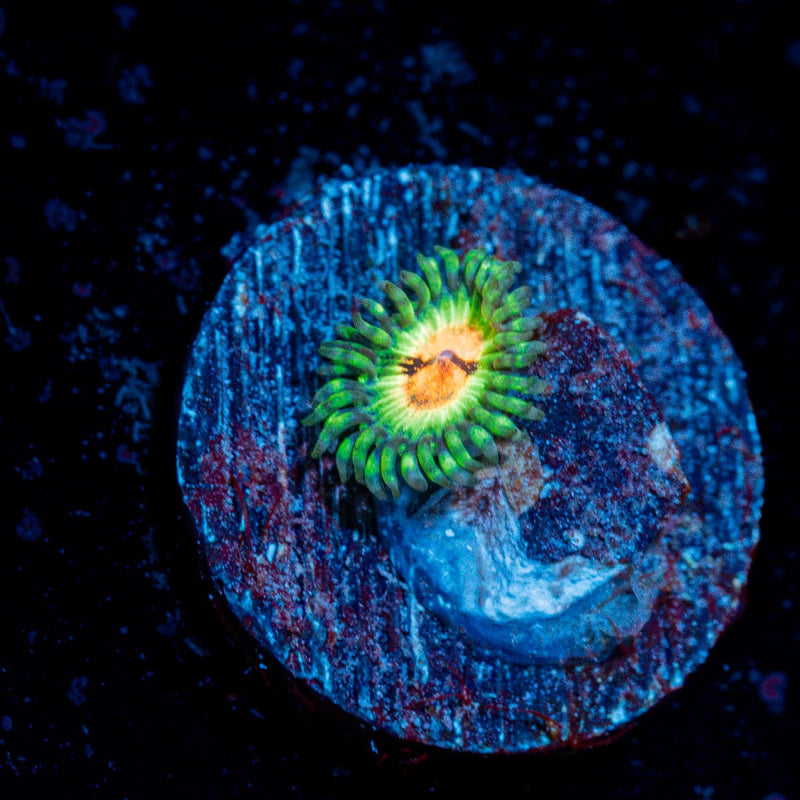
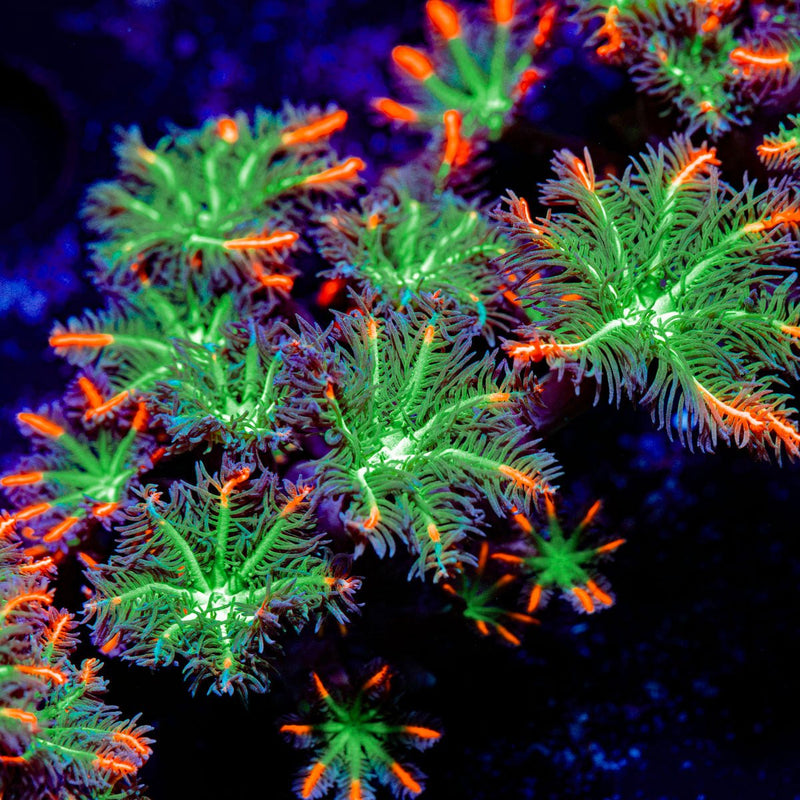
Start with two zoanthid frags in complementary colors, such as a warm orange or red morph paired with a green, yellow, or blue variety. Zoanthids are a natural choice for lower rockwork and islands where their colorful polyps can form a lively garden over time. Give each frag room to expand, especially if you choose fast-growing varieties.
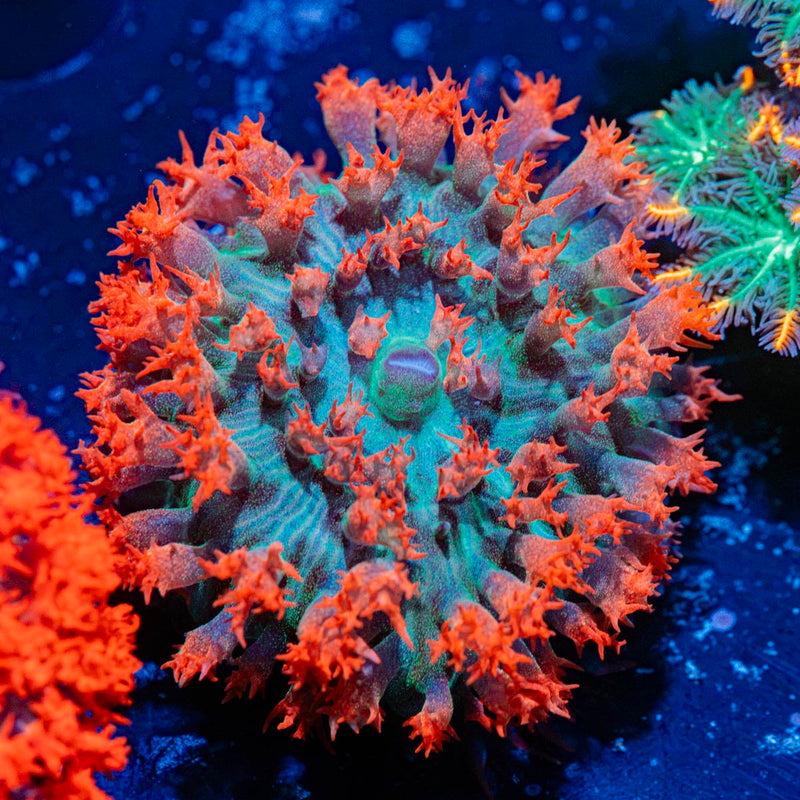
Add one mushroom coral, such as a Ricordea or a vibrant Discosoma-type mushroom. Mushrooms bring a soft, rounded texture that contrasts beautifully with branching or stony corals. They are often happiest in lower light and gentler flow, making them useful for shaded ledges and lower corners that might not suit more demanding frags.
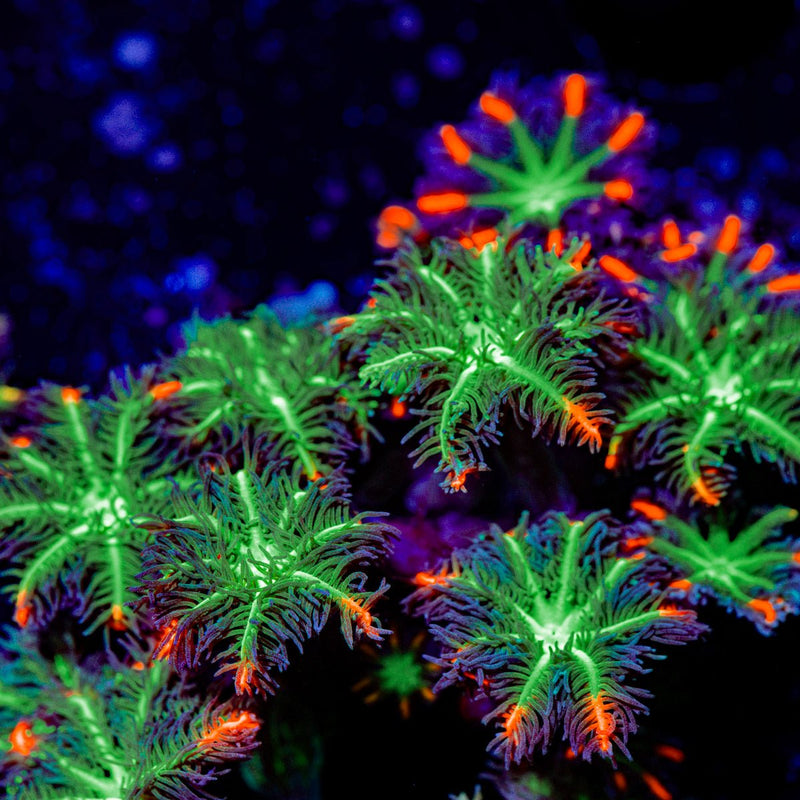
For movement, include one leather coral or a compact soft coral frag. A toadstool leather, for example, can become a striking centerpiece as it develops its characteristic polyp extension. Soft corals do release natural chemical compounds into the water, so fresh activated carbon and regular water changes are sensible in a mixed reef. This is not a reason to avoid them. It is simply part of managing a diverse coral garden.
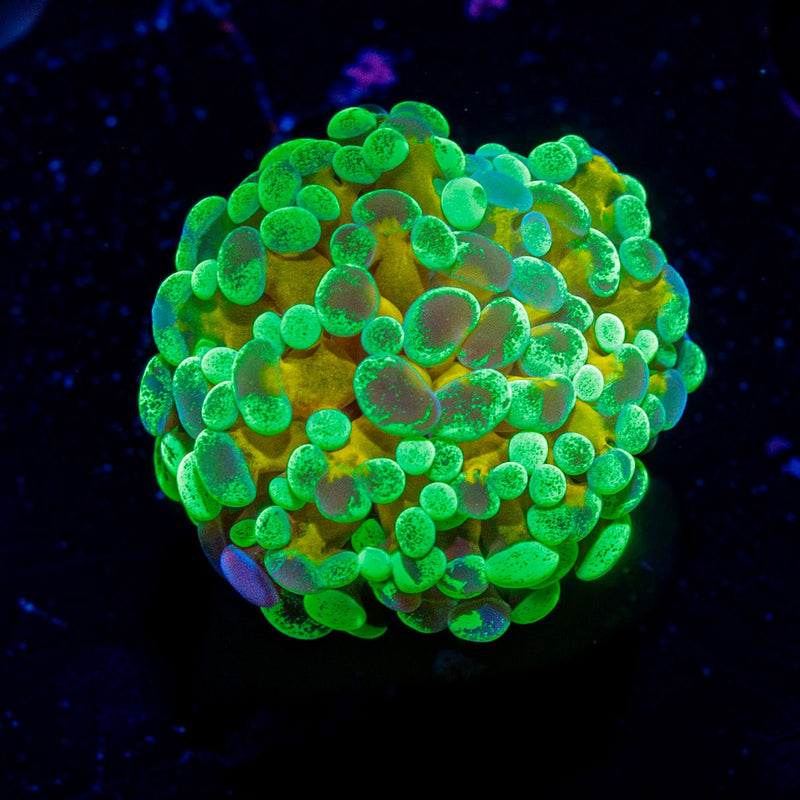
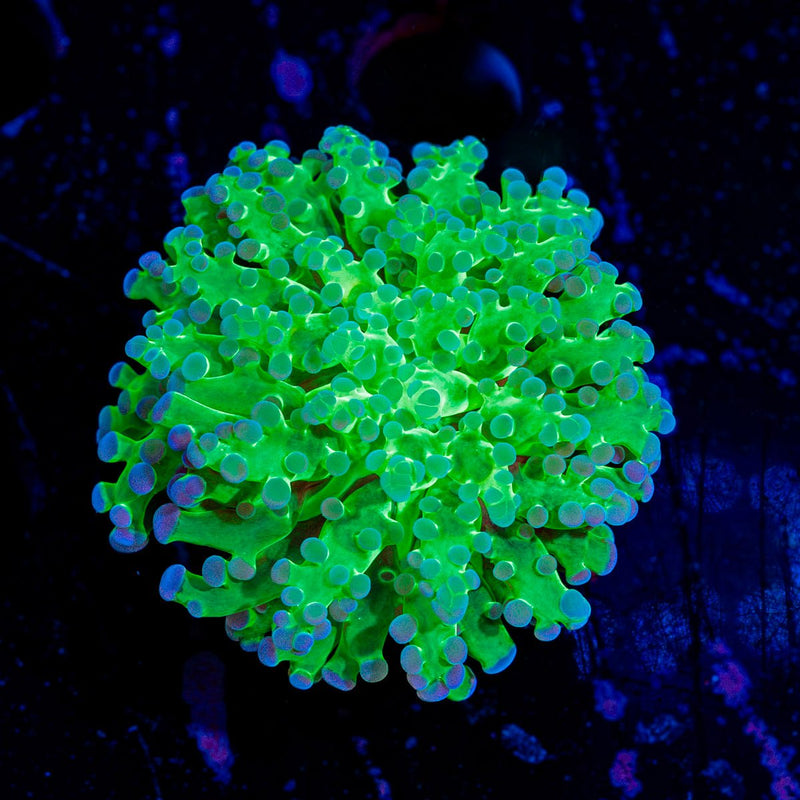
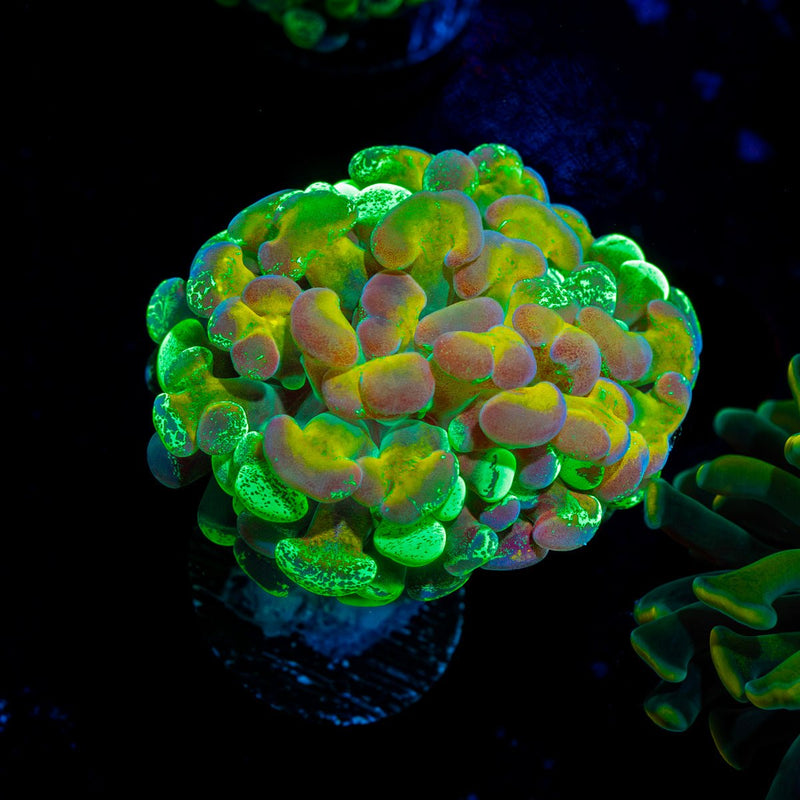
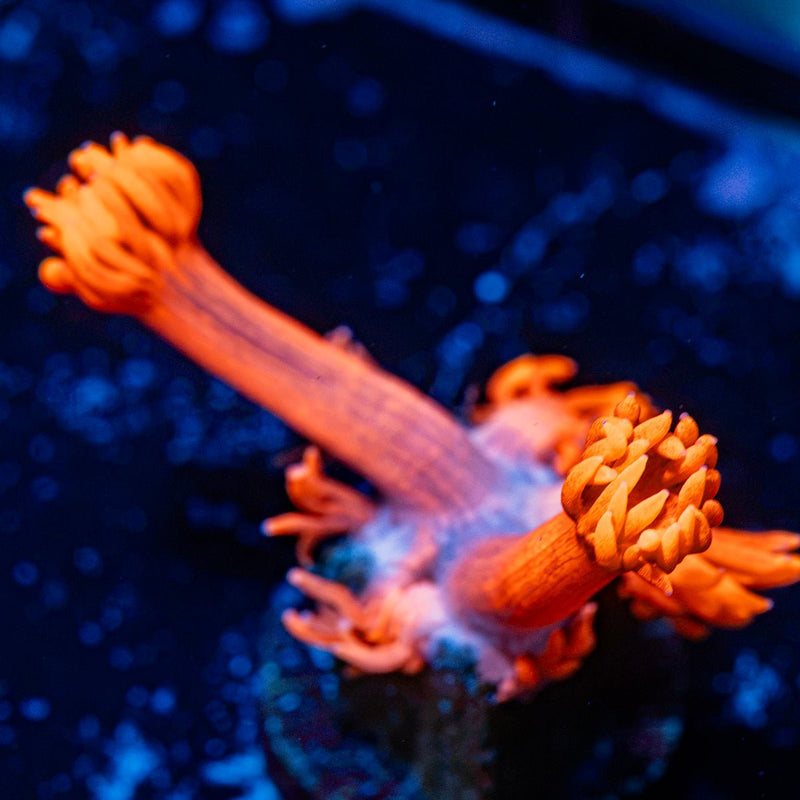
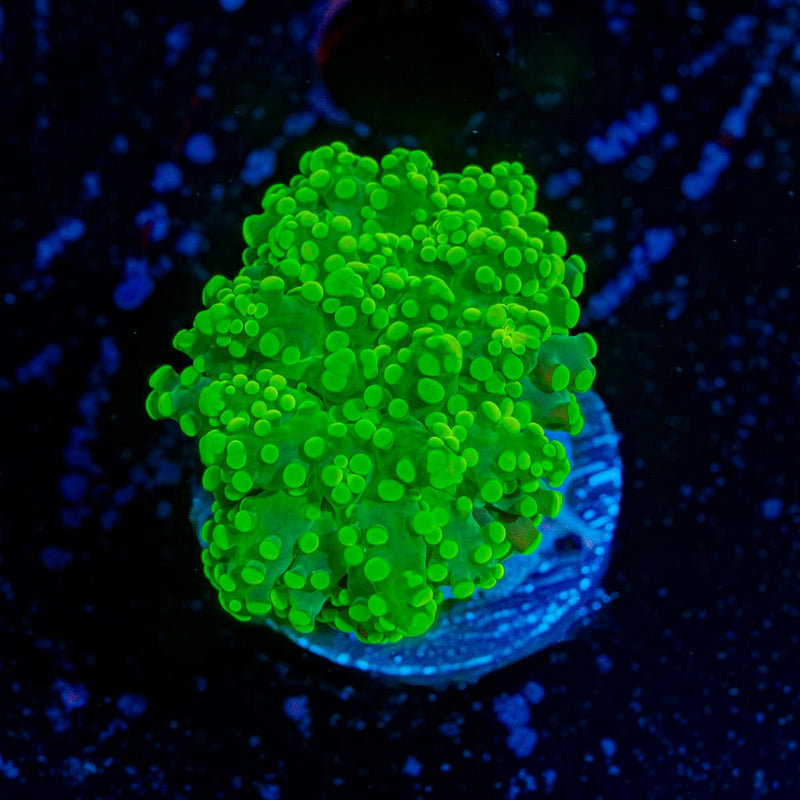
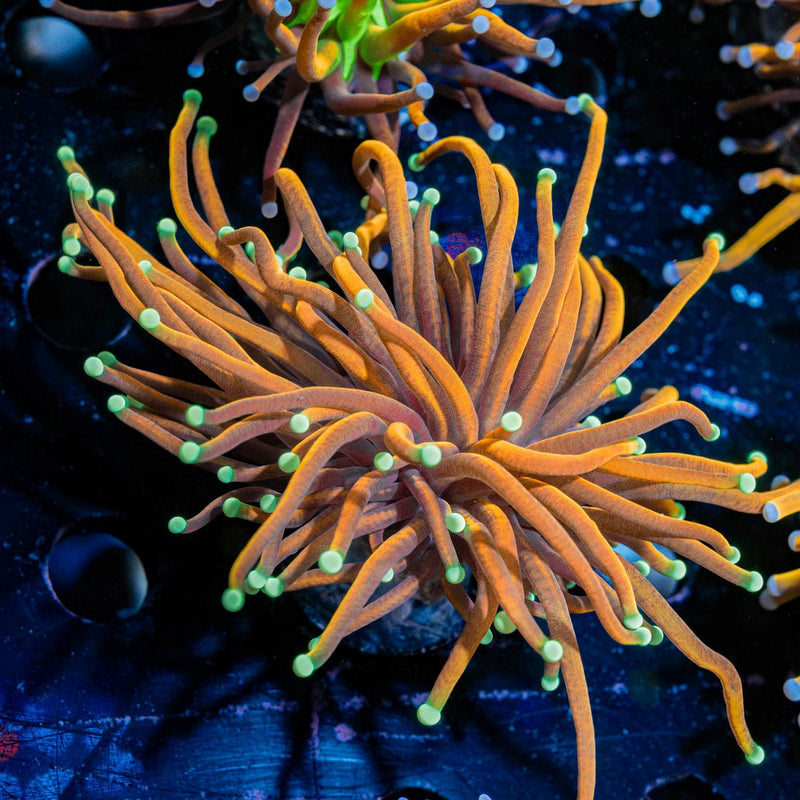
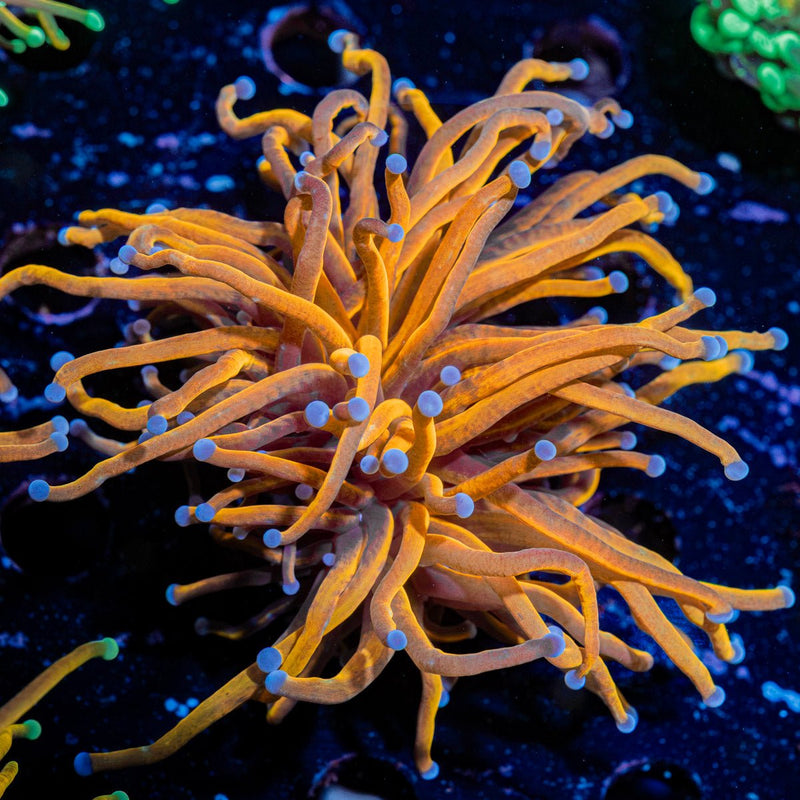
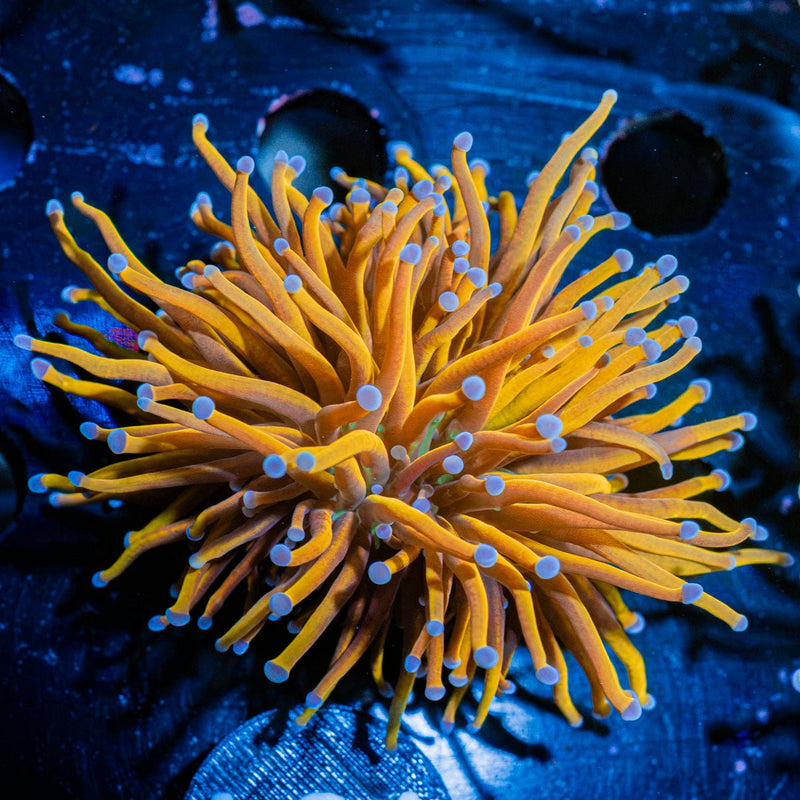
The LPS portion can include a hammer coral, a frogspawn, and an acan. A single hammer or frogspawn frag adds flowing tentacles and a premium look without requiring a large colony on day one. Place it in moderate flow where the tentacles gently move rather than whip sharply in one direction. Keep generous space around Euphyllia corals, since their sweepers can reach nearby neighbors after lights-out.
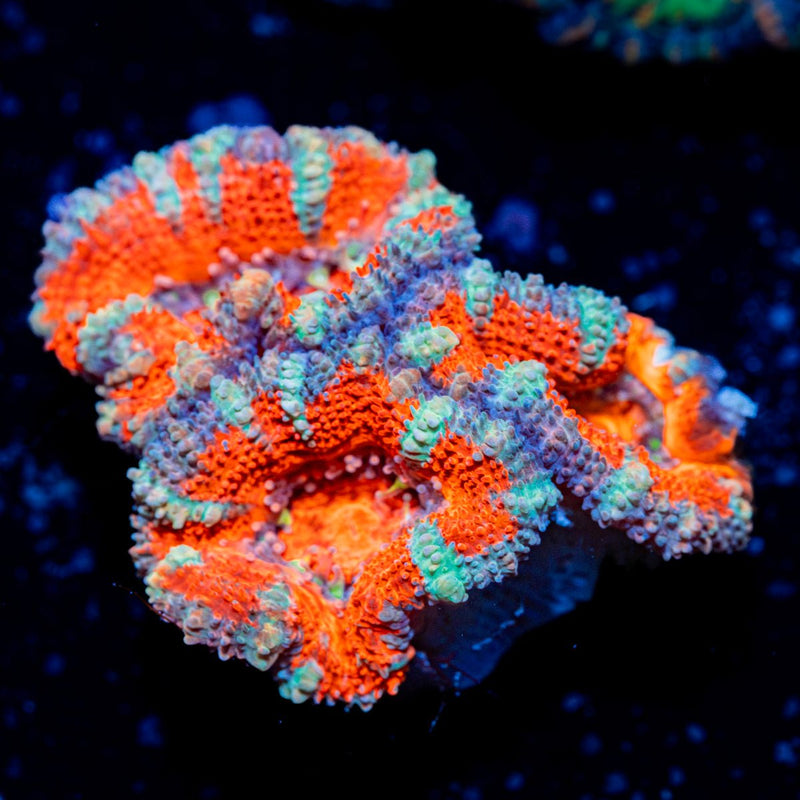
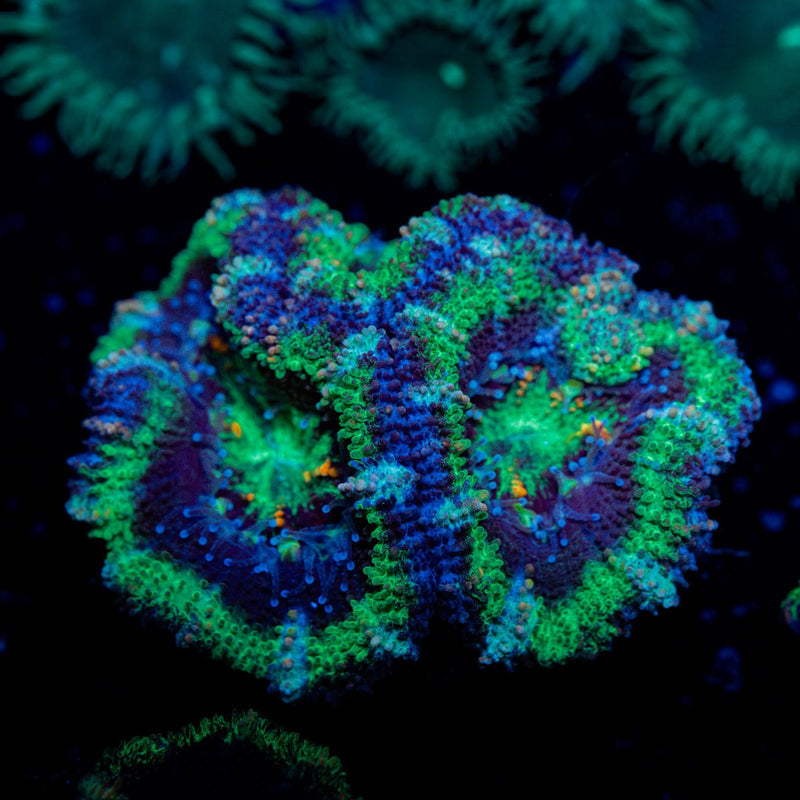
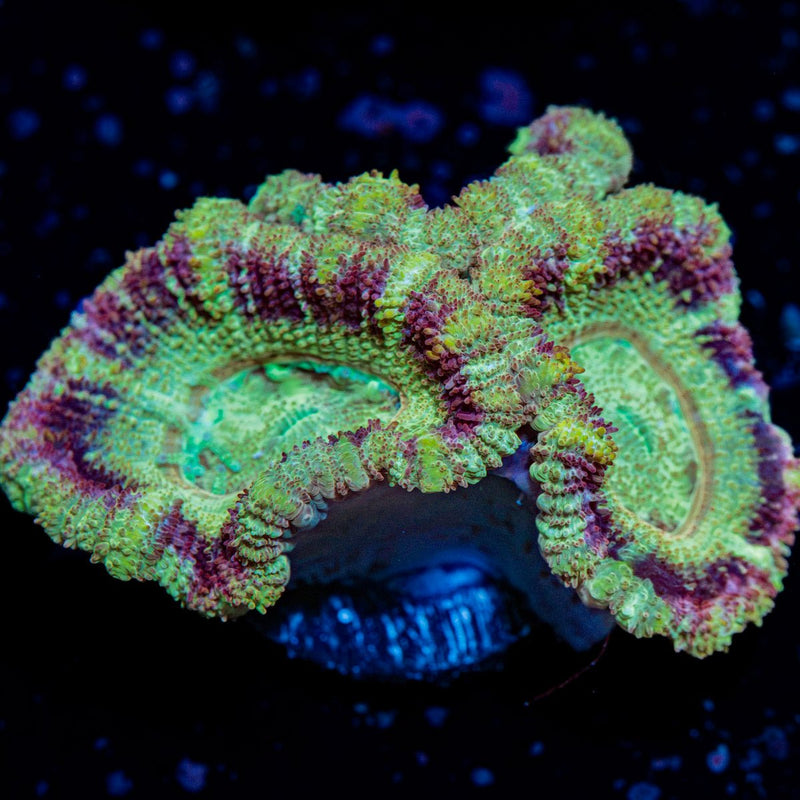
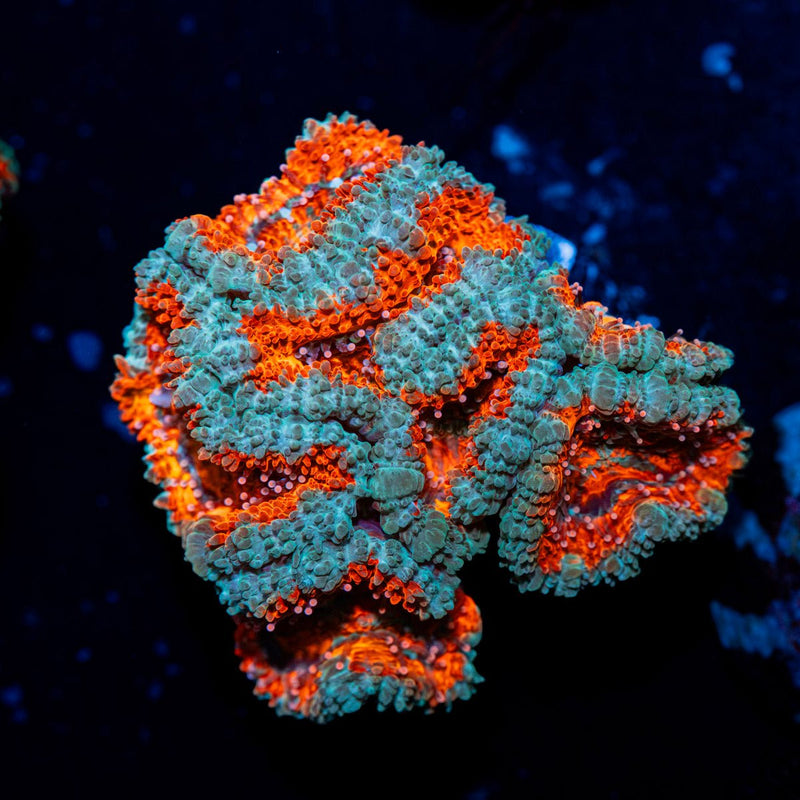
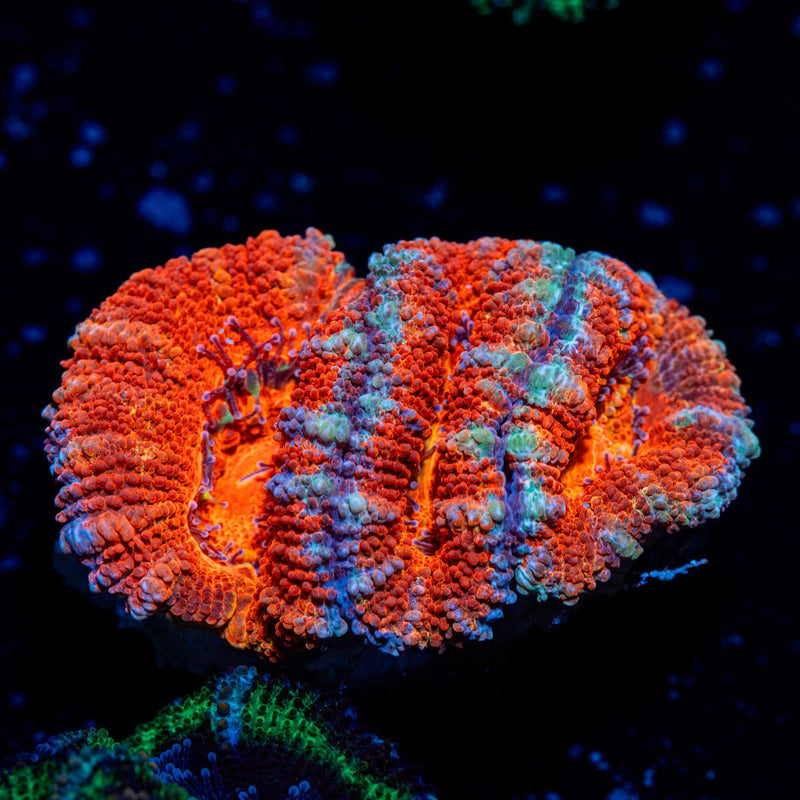
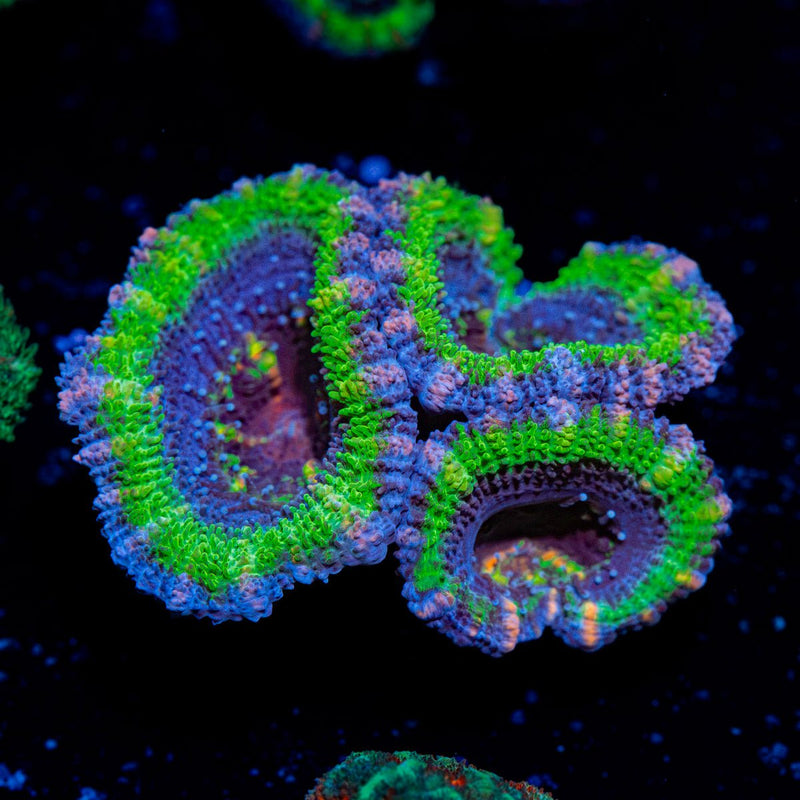
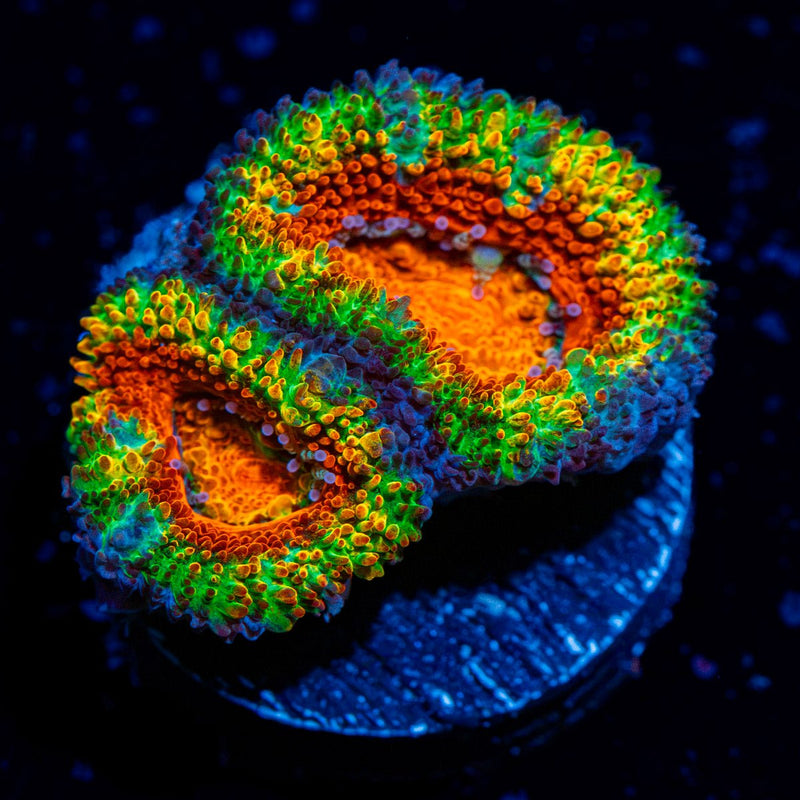
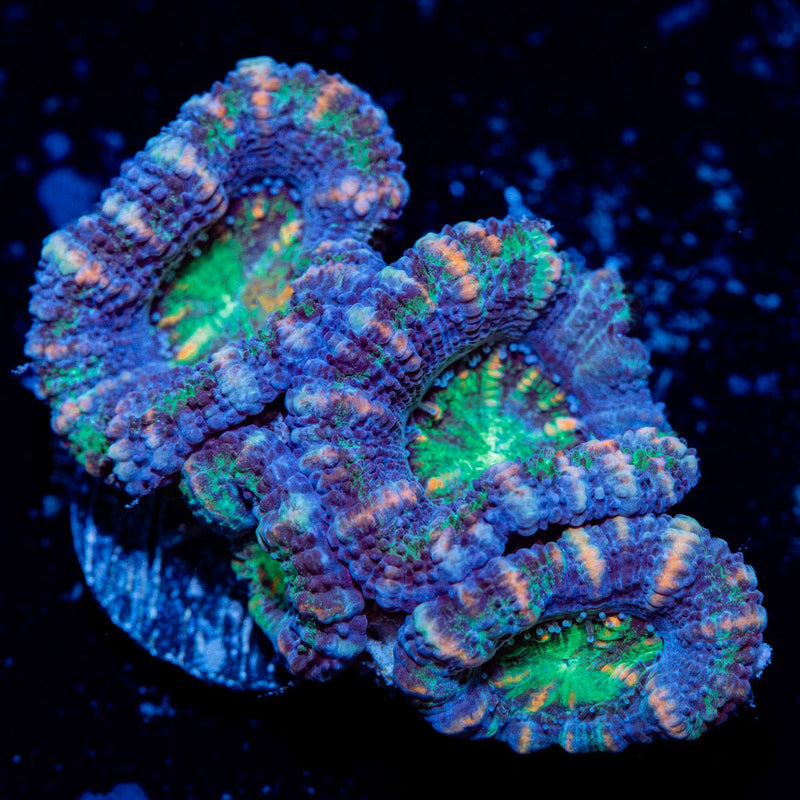
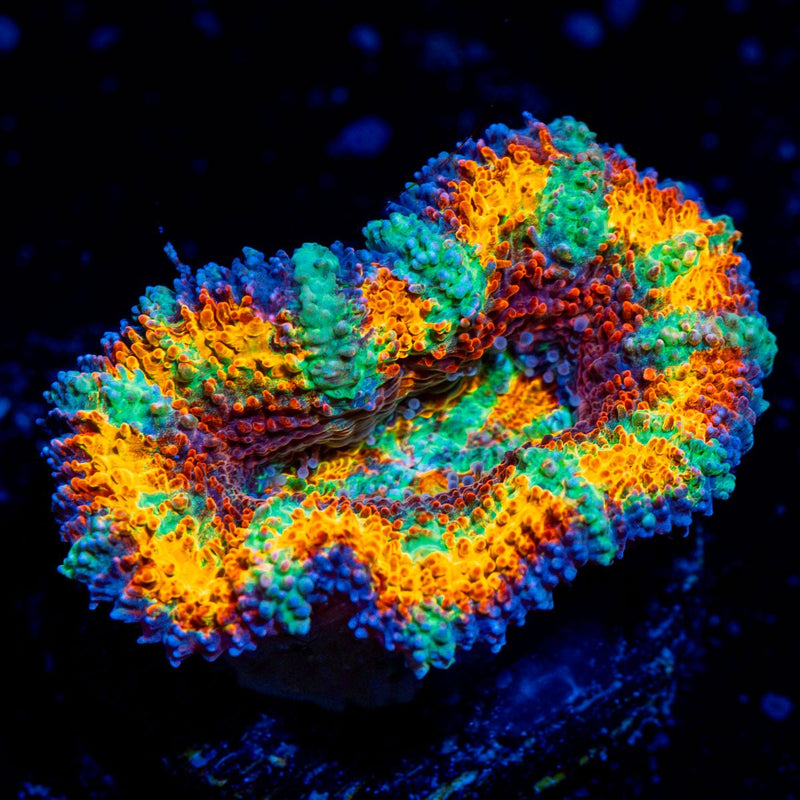
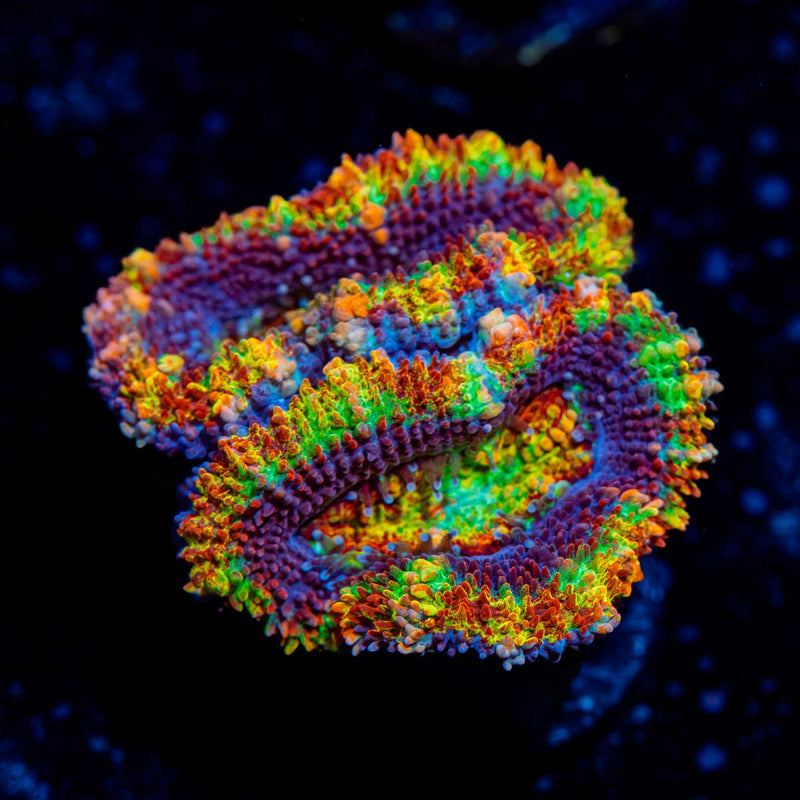
An acan frag is an excellent lower-to-mid-level addition. Its fleshy polyps, bold stripes, and glowing centers make it look impressive even as a small frag. Acans appreciate moderate light, manageable flow, and occasional target feeding if you want to encourage fuller growth. They are also a smart choice for a mixed reef because they offer dramatic color without asking for SPS-level precision.
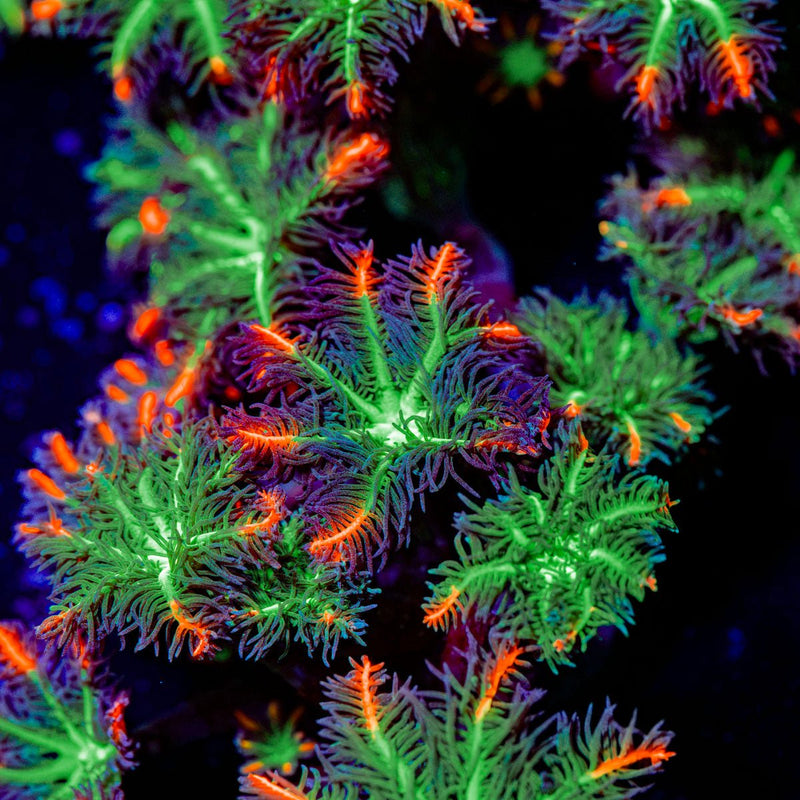
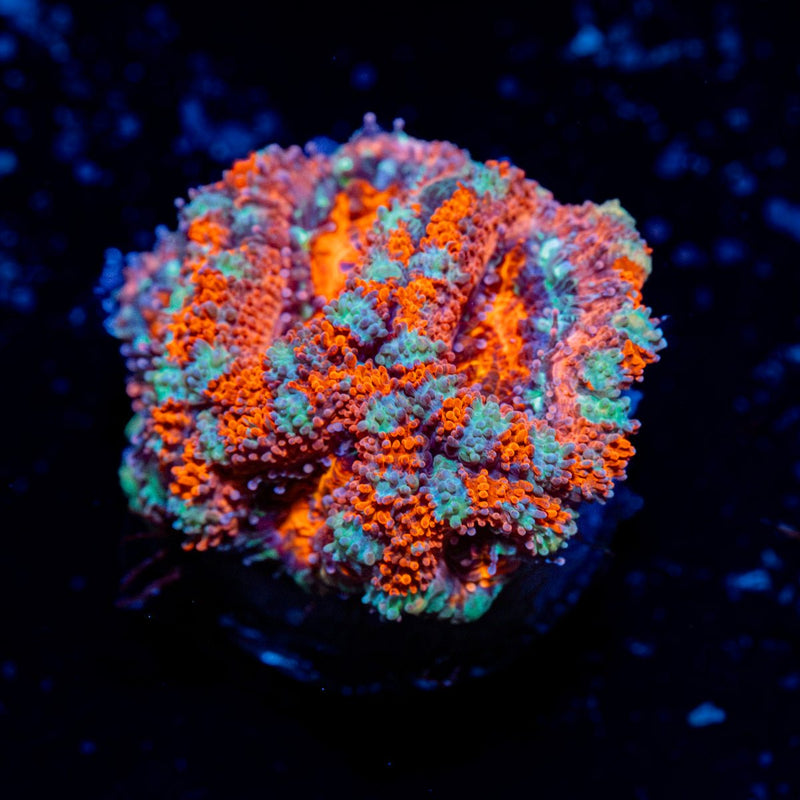
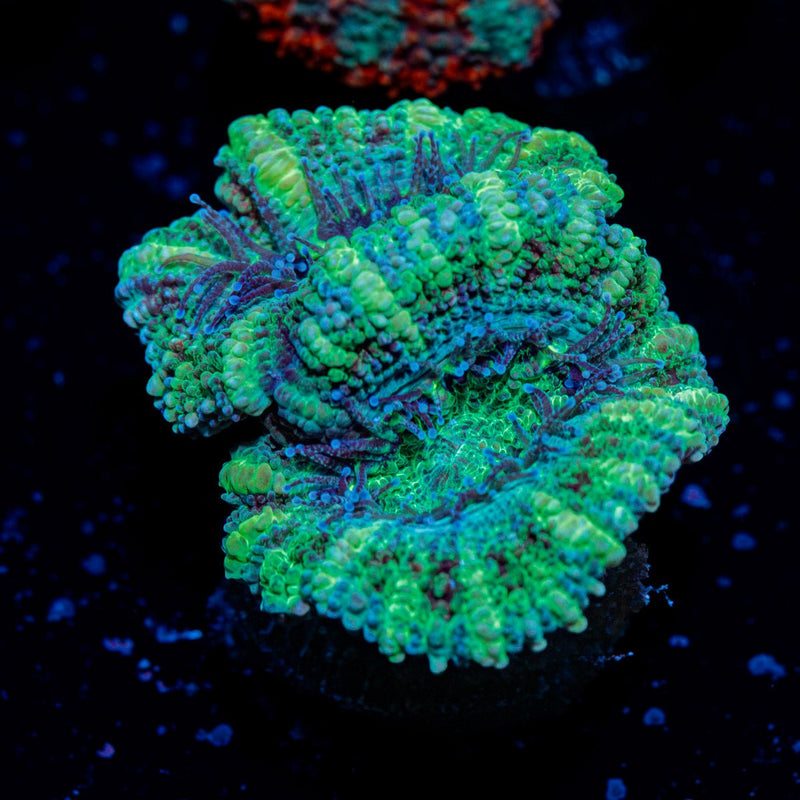
For the stony coral finish, add a hardy encrusting montipora and one birdsnest or similar beginner-appropriate SPS frag. Montipora can bring bright plating or encrusting color to an upper rock face, while birdsnest adds a delicate branching silhouette. These corals belong in areas with stronger light and more active, indirect flow. They can thrive in a mixed reef, but they should be treated as a test of consistency rather than the centerpiece of a brand-new system.
This combination creates nine distinct frags: two zoanthids, one mushroom, one leather, one hammer or frogspawn, one acan, one montipora, and one birdsnest, with the final spot reserved for another favorite soft coral or LPS piece. That last choice depends on the look you want. Choose another mushroom for a lower-light, color-saturated scape, or a second Euphyllia frag if you have the spacing and want more motion.
Match Placement Before You Glue
A polished mixed reef display starts with placement, not coral glue. Set each closed frag plug on the rockwork first and look at the tank from the front. Think about what the coral will become in six months, not only how it looks at one inch wide.
Reserve the upper areas for montipora and birdsnest, where they can receive the most light and turbulent flow. Mid-level ledges work well for hammers, frogspawn, and leathers. Lower rocks, sand-adjacent shelves, and protected areas are ideal for acans, mushrooms, and many zoanthids.
Do not crowd corals just because the tank looks empty. Euphyllia need room to extend. Mushrooms may detach or multiply. Zoanthids can spread across neighboring rock. SPS grows toward the light and can shade corals below it. Giving every frag a little breathing room makes maintenance easier and prevents a beautiful starter pack from becoming a territorial mess.
It also helps to keep fast-growing corals on their own removable rocks or islands. This is particularly useful for zoanthids and mushrooms. You can enjoy their growth without committing an entire main structure to one species forever.
The Care Range That Keeps the Pack Cohesive
A mixed pack works best when all corals can live within a shared middle ground. Aim for stable salinity around 1.025 to 1.026 specific gravity, a temperature around 77 to 79 degrees Fahrenheit, and moderate nutrient availability. Corals need more than clean water. They need stable water with enough nitrate and phosphate to support healthy color and growth.
For many mixed reefs, nitrate in the low single digits to low teens and phosphate at a measurable, controlled level are more realistic targets than chasing zero. Exact numbers vary by system, but sudden changes are more dangerous than a reasonable number that stays consistent.
Alkalinity deserves special attention once SPS enters the picture. You do not need to dose aggressively for a small starter pack, but you do need to test regularly and avoid swings. Calcium and magnesium should also remain in normal reef ranges. If your tank cannot yet stay stable between water changes, postpone the SPS pieces and build the pack around soft corals and LPS first. There is no penalty for letting the tank mature.
Acclimation Is Part of the Purchase
Healthy aquacultured coral still needs a calm introduction to its new water. Check each frag on arrival, confirm the tissue looks intact, and use an appropriate coral dip according to its directions before placing the pieces in the display. A brief acclimation process is usually enough when salinity is reasonably close, but the goal is to avoid abrupt temperature and chemistry changes.
After placement, begin with reduced light if your fixture is powerful or unfamiliar to the coral. Many reef keepers use an acclimation mode or lower the intensity for the first week, then increase gradually. This is particularly helpful for SPS, zoanthids, and brightly colored LPS that may have been grown under different lighting.
Resist the urge to move every frag daily. Corals often need several days to show you whether they like a location. Look for polyp extension, inflated tissue, stable color, and gradual new growth. If a coral stays tightly closed, pales quickly, or shows tissue recession, then investigate flow, lighting, salinity, and nearby aggression before making a change.
When to Choose a Softer Start Instead
The example above is a strong fit for a tank that is cycled, stable, and ready for its first serious coral additions. It is not the right answer for every aquarium. If your tank is only a few weeks old, your lighting is untested, or you are still learning how your nutrient levels behave, skip the SPS initially.
Build a soft coral and LPS-focused pack with zoanthids, mushrooms, leathers, acans, and one carefully spaced hammer or frogspawn. You will still get vivid color, movement, and a beautiful range of shapes. Later, when your maintenance routine feels predictable, adding a WYSIWYG montipora or birdsnest can be an exciting next step rather than a stressful gamble.
A curated selection from Riptide Aquaculture makes it easier to choose corals with the visual contrast and beginner-friendly care range your aquarium needs. Focus on healthy frags, thoughtful spacing, and stable conditions, then let the reef reveal its personality one colorful new polyp at a time.