Regular price
$63.93
Regular price
Sale price
$63.93
Unit price
/
per
Shipping calculated at checkout
release_alert
Low Stock - 1 available
iron man goniopora coral - Care Requirements
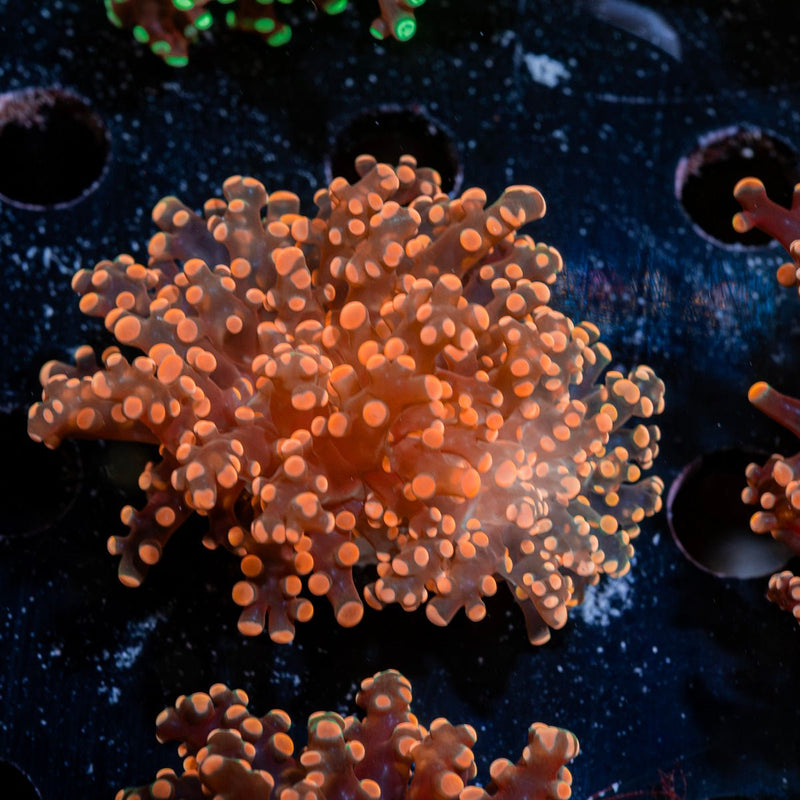
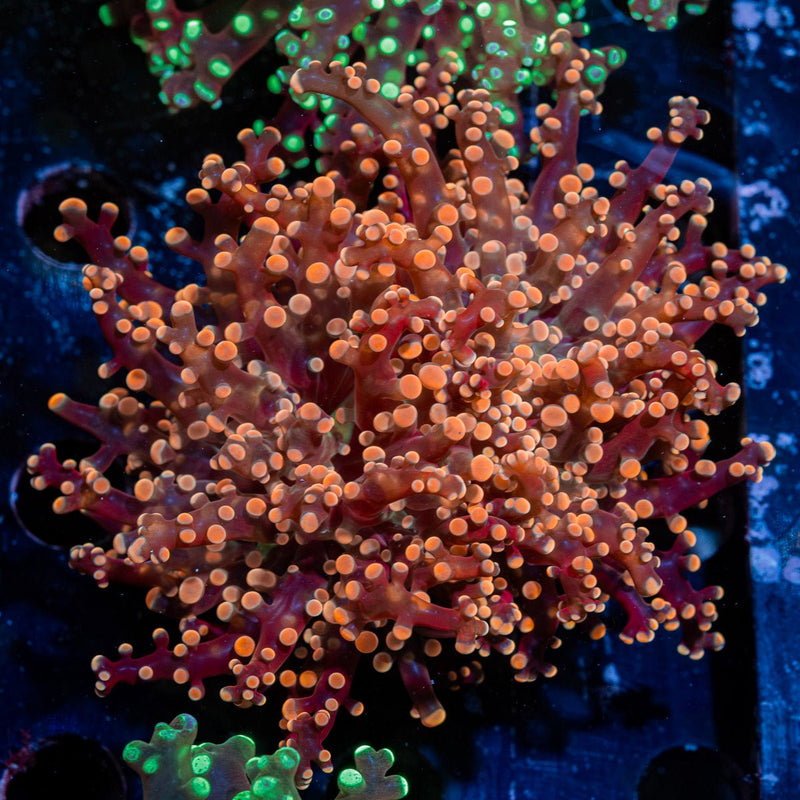
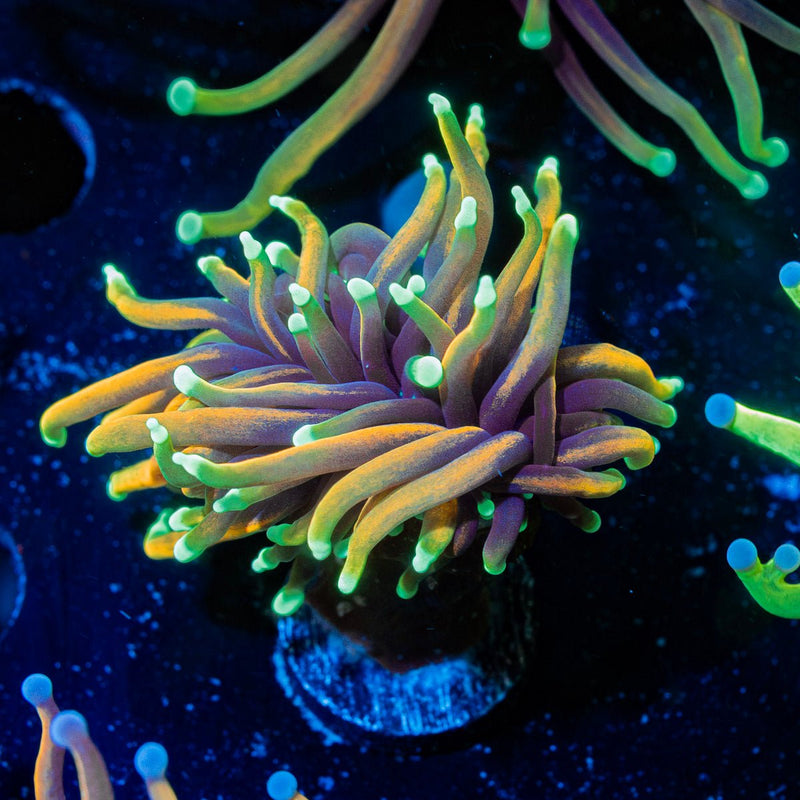
iron man goniopora coral is a Goniopora large-polyp stony coral with an LPS coral care profile. This Goniopora is suited to reef keepers prepared to provide measured lighting, varied circulation, and stable conditions. Its extended polyps need open space to move naturally, making thoughtful placement and neighboring-coral spacing important.
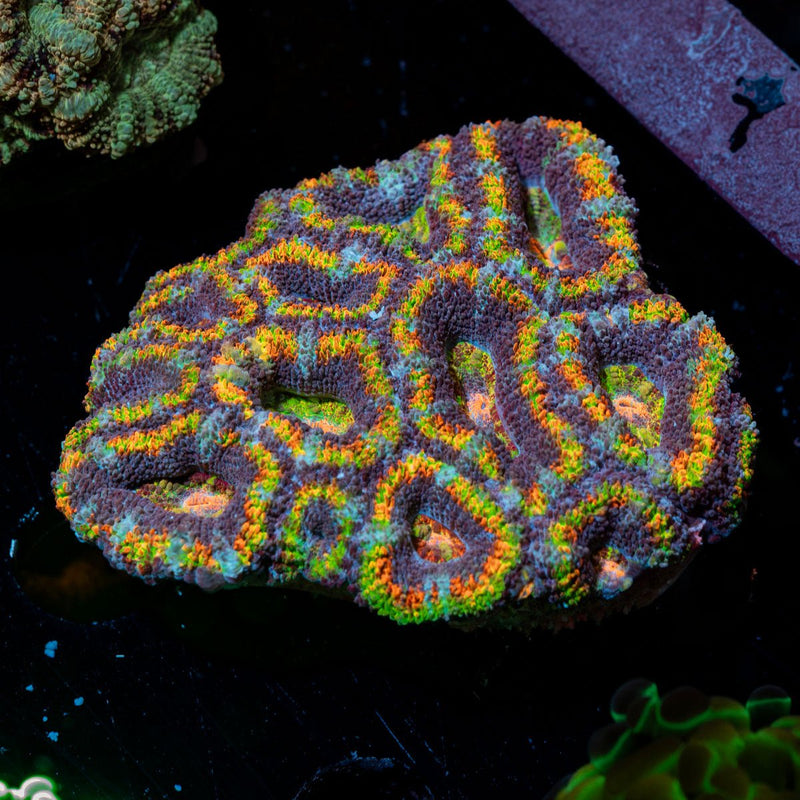
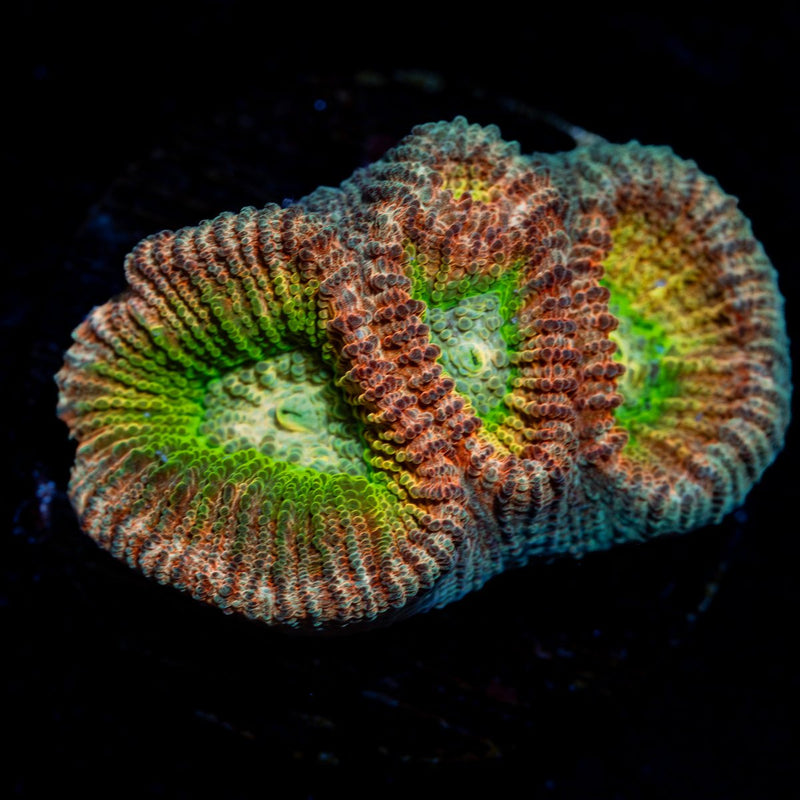
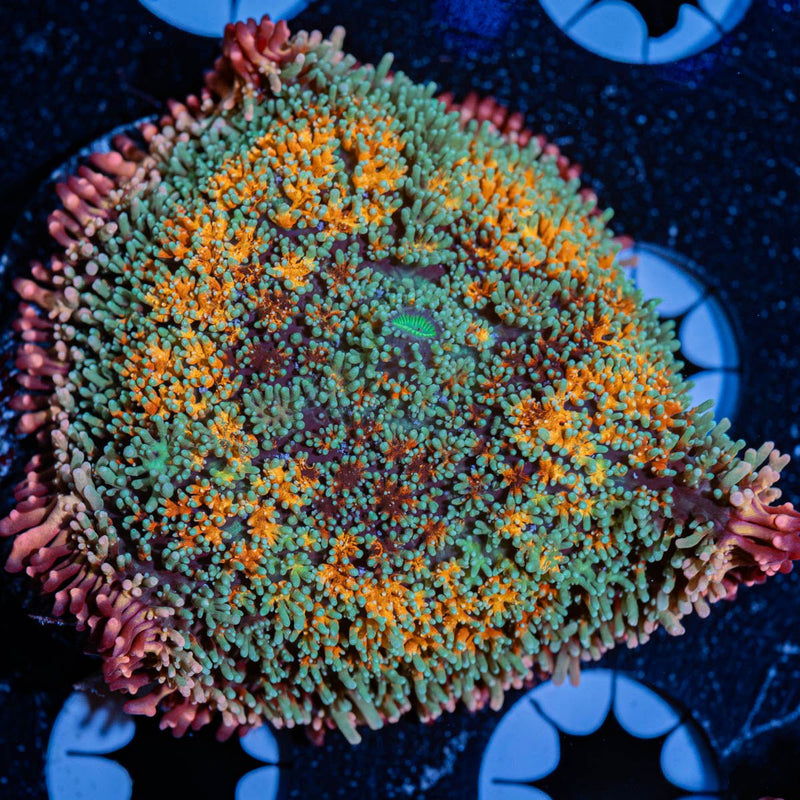
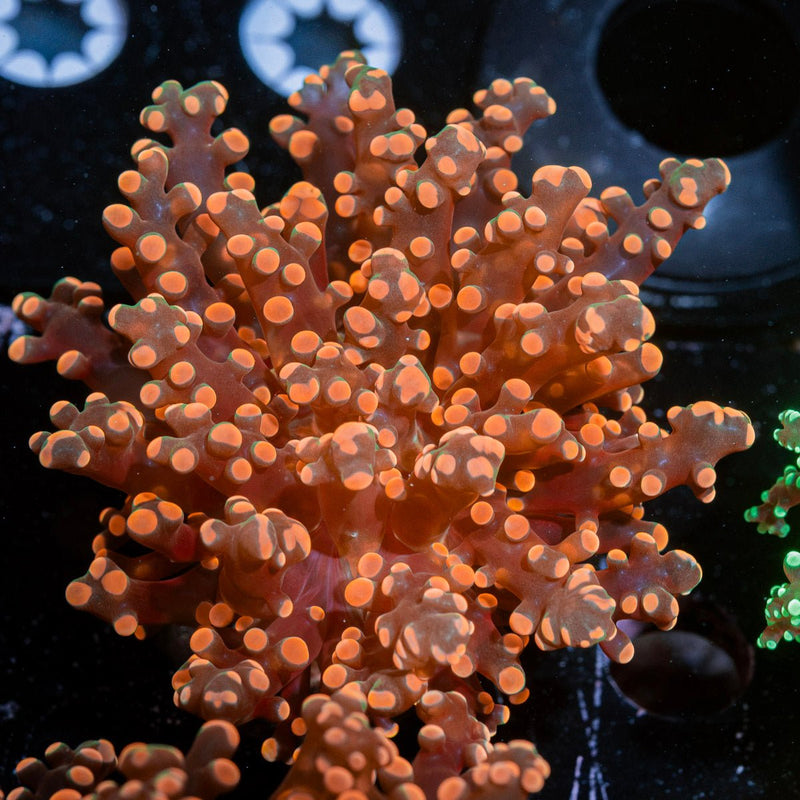
This is a WYSIWYG coral, meaning the coral shown in the photo is the exact piece you will receive.
Quick Care Summary
-
Lighting: Moderate lighting
-
Flow: Moderate, varied flow
-
Placement: Lower to middle reef areas
-
Temperament: Semi-aggressive
-
Care Level: Moderate to Advanced
Lighting
Provide moderate lighting and acclimate gradually to its final intensity. Observe polyp extension after changes, as abrupt lighting adjustments can cause unnecessary stress.
Flow
Use moderate, varied flow that keeps the polyps moving without forcing them to retract. Avoid direct blasting flow, and adjust circulation if extension remains consistently limited.
Placement
Place it in lower to middle reef areas with room for full polyp extension. Start with a stable location and allow time to settle before making placement changes.
Temperament
Allow generous space from nearby corals because Goniopora is semi-aggressive and may affect close neighbors. Keep its extended polyps clear of surrounding specimens, especially as water movement shifts their reach.
Feeding
Offer occasional fine particulate foods to support this coral’s nutritional needs. Target feeding can be useful when done gently, without overwhelming the colony or degrading water quality.
General Care
Maintain stable reef conditions and avoid stripping the aquarium of all measurable nutrients. This moderate-to-advanced care coral benefits from consistent observation of polyp extension, response to flow, and reaction to lighting or placement adjustments.
Steady conditions and patient observation support long-term polyp extension.